
The DeTalks Blog

Find a Top Therapy Centre Near Me: Your Healing Guide

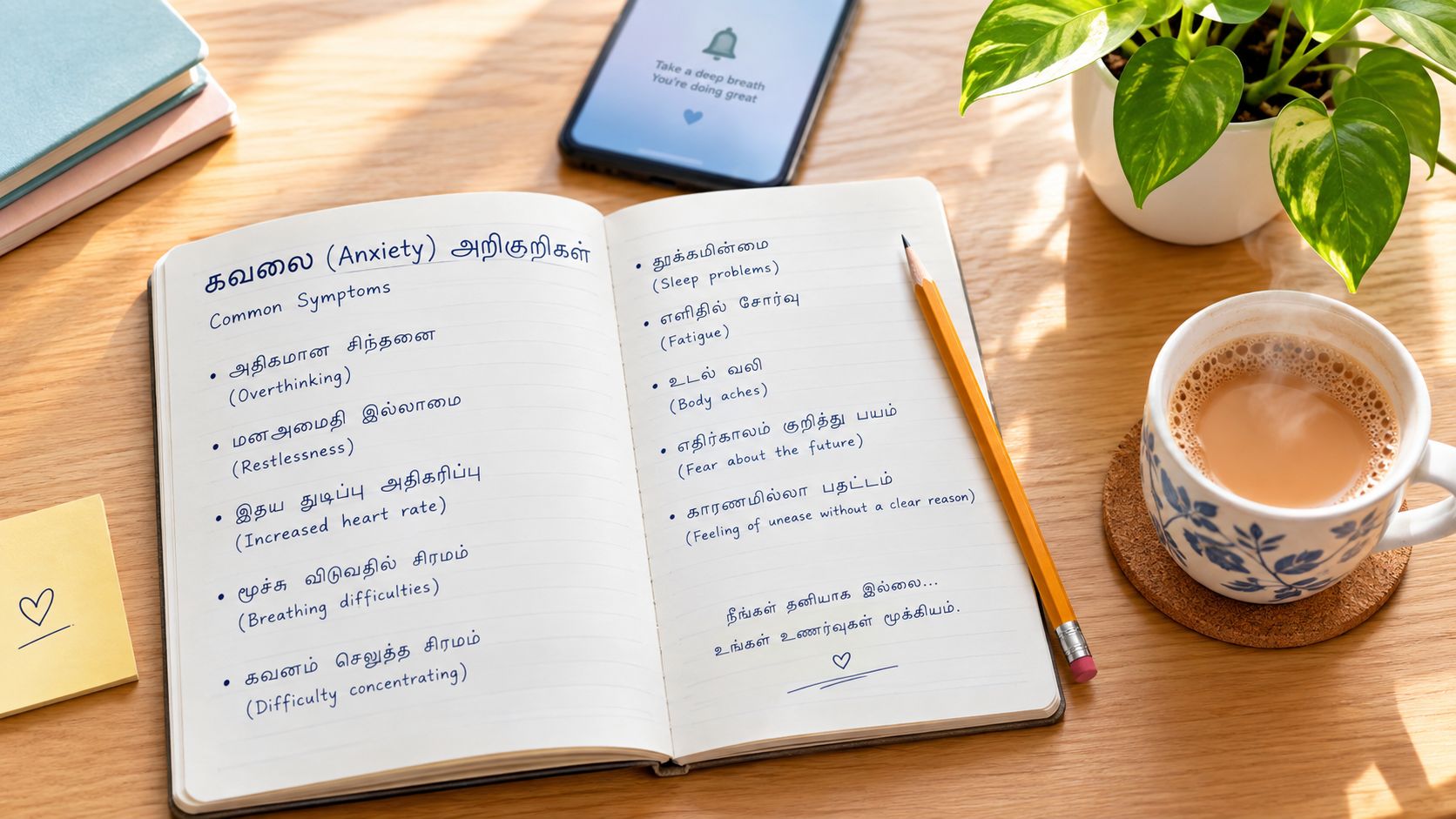
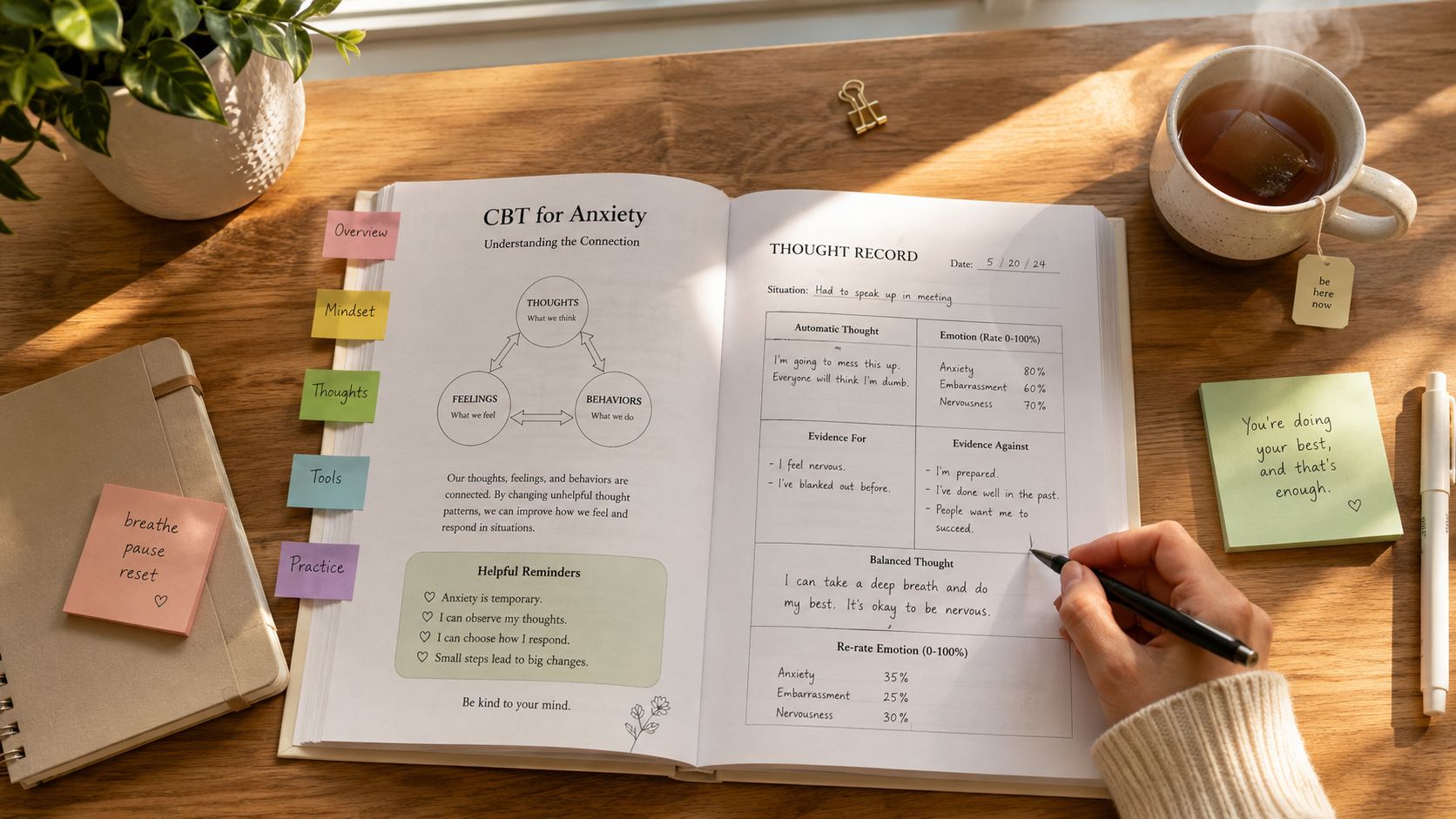
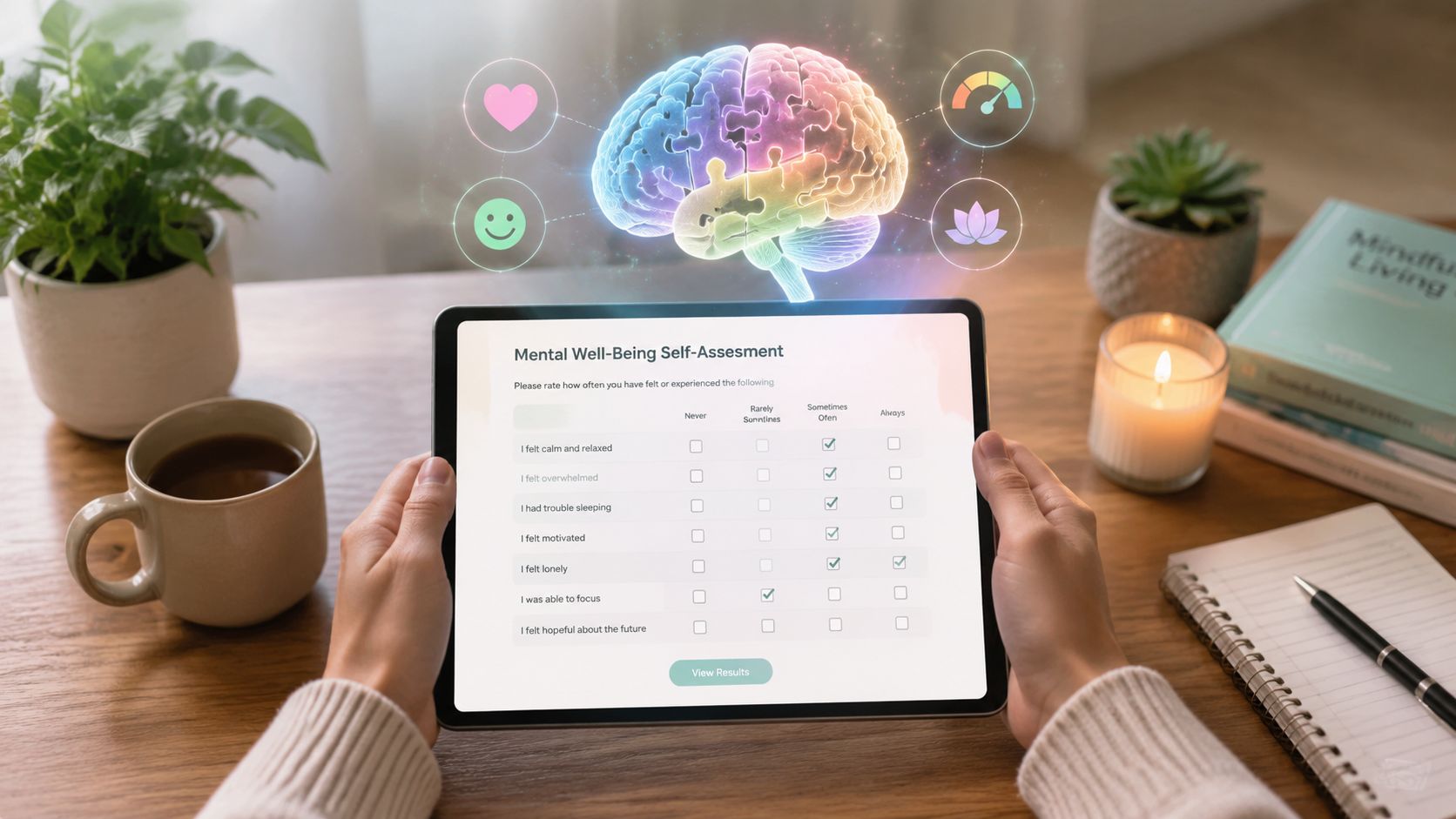
You open your phone, type , and then pause. Maybe work has been draining you for months. Maybe anxiety is making small tasks feel bigger than they are. Maybe nothing is “wrong” in a dramatic way, but you don’t feel like yourself. That moment of searching can feel oddly vulnerable, especially in India, where many people still hesitate to speak openly about therapy, counselling, burnout, or depression. If you feel this way, you’re not overreacting. You’re paying attention to your well-being. A lot of people wait until life feels unmanageable before seeking support. Yet therapy isn’t only for crisis. It can also help you build , understand your patterns, improve relationships, handle workplace stress, and create more space for calm, self-respect, and happiness. Taking the First Step Towards Well-being Riya is a useful example here. She’s doing “fine” on paper. She has a job, answers messages, meets deadlines, and even shows up at family functions. But she’s sleeping poorly, feels snappy with people she loves, and has a constant sense of pressure in her chest. When she searches for a therapy centre near me, she worries she might be making a big deal out of normal stress. Many people feel this way before starting therapy. They minimise what they’re carrying, especially when they’ve become used to functioning while exhausted. In India, this hesitation sits inside a much bigger gap. The found that according to the . That doesn’t mean every difficult week needs treatment, but it does show how common it is to struggle and delay support. Therapy is for healing and growth People often search for therapy because of . Those reasons are valid. So are less dramatic reasons. You might want help with: What starting often looks like The first step is usually simple. You look up options, read profiles, maybe save a few names, and wonder if you’re “the kind of person” who should go. You are. You don’t need to wait for things to get worse. If support could help, that’s reason enough to explore it. Where to Begin Your Search for a Therapist The most practical search usually starts in two places. One is familiar, such as a doctor, psychiatrist, or trusted person who can refer you. The other is digital, where you can compare options more calmly and privately. Start with the search routes you already trust If you have a family doctor, ask whether they know a psychologist, counsellor, or psychiatrist who works with your concern. This can help if you feel too overwhelmed to sort through many profiles on your own. You can also ask a friend who has had a respectful experience with therapy. You don’t need every detail. Even a simple recommendation like “this person was kind, organised, and easy to talk to” can be useful. For people who want a broader overview, this guide gives a clear general starting point for narrowing your options. Why online search matters in India A local search doesn’t always mean the best support is physically close to home. In many parts of India, the issue isn’t willingness. It’s access. India has only , and , according to The Lancet Psychiatry coverage on digital mental health access00079-5/fulltext). That shift matters because it changed what “near me” can mean. For many people, the right therapist is available online, even if not available within commuting distance. Use filters that match your real need A broad search can get messy fast. It helps to narrow by the issue you want support for. Try searching with terms like: Language matters too. If you express yourself more comfortably in Hindi, Tamil, Bengali, Marathi, or another language, include that in your search. Feeling understood matters just as much as a therapist’s degree. Think beyond distance alone A therapy centre near me may be ideal if you want face-to-face structure, easier routine, or a separate space away from home. Online therapy may fit better if you travel often, live in a smaller city, share a home with family, or want more appointment flexibility. A simple shortlist works best. Pick three options. Compare their qualifications, specialities, session format, language comfort, and responsiveness. That is enough for a strong start. How to Evaluate Credentials and Specialties Choosing a therapist can feel confusing because many profiles sound similar. Warm, experienced, supportive. Those words aren’t useless, but they don’t tell you enough. What helps is breaking the decision into a few clear checks. Know what kind of professional you’re looking at In everyday conversation, people say “therapist” for many different professionals. That’s normal, but it helps to know the broad distinctions. A is a medical doctor who can diagnose conditions and prescribe medication. A is trained in psychological assessment and therapy. A may focus on talk therapy, coping skills, emotional support, and relationship or life concerns. When reviewing a profile, look for clear training details, registration where applicable, and a description of the kinds of clients they work with. If the profile is vague about education or professional background, ask directly. A good starting checklist is below. Match the speciality to the problem A therapist can be excellent and still not be the right fit for your concern. Someone who mainly works with children may not be ideal for adult burnout. Someone focused on couples work may not be your first choice for panic attacks. That’s why speciality matters. If your main concern is , ask how they approach anxious thinking, avoidance, or physical stress. If you’re dealing with , ask how they support low motivation, hopelessness, and daily functioning. If your goal is less about symptoms and more about growth, look for someone comfortable with self-esteem, values, resilience, and emotional well-being. A few examples make this easier: Understand approaches without getting lost in jargon You don’t need to become an expert in therapy models. You only need a basic sense of what a therapist does in sessions. is one of the better-known evidence-based approaches. For anxiety and depression, CBT can have , with , according to this . In simple terms, CBT helps you notice unhelpful thought patterns, test them, and build more useful responses and behaviours. For example, if you think, “If I make one mistake at work, everyone will think I’m incompetent,” CBT might help you examine that thought, see the pattern, and respond in a more grounded way. It often includes practical exercises between sessions. Other therapists may use supportive counselling, trauma-informed work, mindfulness-based tools, or relationship-focused approaches. The key question is not whether the method sounds complex. It’s whether the therapist can explain how it fits your need. Use assessments carefully Many people start with an online questionnaire because it feels less intimidating than booking a session. That can be useful. Assessments can help you notice patterns in mood, stress, attention, resilience, or relationships. They can give you language for what you’ve been feeling and help you choose the right kind of support. But they are . They don’t replace a proper clinical evaluation. Use them as a map, not a verdict. Look for clarity, not perfection You’re not trying to identify a flawless professional from a profile alone. You’re trying to decide whether this person seems qualified, relevant to your concern, and emotionally safe enough for a first conversation. That’s already a strong filter. Navigating the Practical Details of Therapy Practical questions stop many people before they begin. Cost. timing. privacy. travel. whether online counselling is “real enough”. These concerns matter, and addressing them early can make the process feel far less heavy. What therapy may cost and how to ask about it In India, therapy session fees often vary by city, therapist experience, and format. The verified data for this article notes an in the Indian context. If that feels difficult, ask whether the therapist offers a sliding scale, shorter sessions, or lower-frequency scheduling. Cost is one reason many people delay care. Verified data also notes that , and that , based on the source provided in the brief and linked here through . Some people also explore NGO-based services, training clinics, community organisations, or government-linked facilities. Availability differs by city, so it helps to ask directly about subsidised options rather than assuming they don’t exist. Checking insurance without getting lost Mental health coverage has improved, but policies vary. Some plans include consultations or hospital-based care, while others have narrower conditions or reimbursement rules. If you aren’t used to reading insurance language, a plain-English can help you frame the right questions before you call your insurer. Ask specifically about outpatient therapy, psychiatrist consultations, pre-authorisation, reimbursement paperwork, and provider network rules. A short script can help: In-person or online counselling A therapy centre near me can feel grounding. You leave your home, arrive at a calm space, and give your full attention to the session. Some people find this separation helpful. Online therapy works better for others. It can save travel time, offer more privacy from local social circles, and make regular attendance easier. This short video gives a helpful general overview to think through before deciding. A simple decision guide Your First Consultation What to Ask and Expect Many people treat the first consultation like a test they must pass. It isn’t. It’s a conversation to see whether this therapist understands your concern and whether you feel safe enough to continue. That shift matters. You’re not just being evaluated. You’re also evaluating. What the therapist may ask you Most first sessions include questions about what brought you in, how long you’ve been feeling this way, what’s affecting daily life, and what kind of support you want. They may ask about sleep, work, relationships, stress, health history, or previous therapy. These questions aren’t there to label you quickly. They help the therapist understand the full picture and decide what kind of care makes sense. If you don’t know how to answer, it’s fine to say that. “I’m not sure, but I know I’ve been feeling overwhelmed for a while” is a completely valid starting point. Good questions to ask the therapist You don’t need a perfect script, but a few direct questions can save you time and uncertainty. These questions don’t make you difficult. They help you make an informed choice. What fit feels like A good fit doesn’t always mean instant comfort. Therapy can feel awkward at first because you’re speaking about personal things with someone new. Still, there should be some basic signs of safety. You should feel listened to. Your concern shouldn’t be dismissed. The therapist should explain things clearly, respect boundaries, and avoid pushing you faster than you’re ready to go. Red flags worth taking seriously Trust your instinct if something feels off. Common warning signs include: Sometimes the issue isn’t a red flag. It’s a mismatch. Maybe the therapist is qualified, but their pace, communication style, or focus doesn’t suit you. That’s enough reason to keep looking. Supportive Next Steps and Takeaways Finding the right therapy centre near me is rarely about making one perfect choice on the first try. It’s usually a process of noticing what you need, checking credentials, sorting out the practical details, and meeting one or two professionals until the fit feels right. That process can be tiring. It can also be deeply worthwhile. If you remember only a few things, let them be these: Therapy doesn’t promise a perfectly stress-free life. What it can offer is a steadier relationship with yourself, better tools for anxiety and workplace stress, more room for compassion, and stronger resilience when life feels hard. Frequently Asked Questions About Starting Therapy People usually have a second wave of questions after they’ve read about therapy. That’s normal. A few clear answers can make the next decision easier. What’s the difference between a psychologist, psychiatrist, and counsellor A psychiatrist is a medical doctor who can prescribe medication. A psychologist usually focuses on assessment and therapy. A counsellor or therapist often provides talk therapy and support for emotional, behavioural, relational, or life concerns. If you’re unsure where to begin, start with the concern. Severe symptoms, medication questions, or safety concerns may require psychiatric input. Stress, anxiety, relationship issues, burnout, and personal growth often start well with therapy or counselling. How do I know if therapy is working Look for practical shifts, not a dramatic movie-style breakthrough. You may notice that you recover from stress faster, understand your triggers better, speak to yourself more kindly, or handle conflict with more steadiness. Progress can also be uneven. Some weeks feel lighter, others more stirred up. What matters is whether the work is helping you move toward greater awareness, coping, resilience, and well-being over time. What if the first therapist doesn’t feel right That happens often, and it doesn’t mean therapy isn’t for you. It usually means the fit wasn’t right. You can politely stop after a first session and try someone else. You don’t need to stay out of guilt. If helpful, tell the next therapist what didn’t work for you before. That can improve the match. Is couples therapy different from individual therapy Yes. Couples therapy focuses on patterns between partners rather than only one person’s inner experience. For relationship distress, speciality matters a lot. Verified data in the brief notes that shows and for couples, making a therapist’s method and training especially important. The linked reference provided in the brief is this . What if I need more support than weekly therapy Some people need a higher level of care for a period of time, especially when symptoms are intense or daily functioning is very affected. In such cases, it can help to understand what more structured options look like. This overview of offers a general explanation of residential treatment for anxiety or depression. That won’t be necessary for everyone. It’s useful to know that support exists on a spectrum. Are online assessments enough to tell me what I have No. They can help you reflect on patterns and decide whether to seek counselling, therapy, or psychiatric care, but they are . Use them as a first step, not a final answer. If you’re ready to explore support with more clarity, can help you browse therapists, counselling options, and science-backed assessments in one place. It’s a practical way to begin, whether you’re dealing with anxiety, depression, workplace stress, relationship concerns, or want to build more resilience and well-being.
DeTalks
DeTalks
Fri May 01 2026

Coping with Anxiety and Stress: A Practical Guide

Some days the pressure builds so subtly that you don’t notice it until your body starts protesting. You snap at someone you care about, reread the same email five times, or lie awake with your mind running through tomorrow’s worries as if rest were something you have to earn. For many people, this is everyday life. Work deadlines, family expectations, money concerns, exam pressure, caregiving, loneliness, and the constant push to stay “on” can all pile up. A found that , and as major causes. Stress and anxiety are not personal failures. They’re human responses to strain. But when they start shaping your sleep, mood, relationships, confidence, or physical health, coping with anxiety and stress needs more than willpower. It needs practical tools, honest self-awareness, and sometimes therapy or counselling. This guide is written in that spirit. Warm, clear, and grounded. Some strategies help in the next five minutes. Others build resilience, well-being, and a steadier inner life over time. None of them ask you to become a different person. They ask you to work with your mind and body more skilfully, with patience and self-compassion. Your Guide to Navigating Stress and Anxiety A common pattern looks like this. You wake up already tense. Before breakfast, there are messages from work, a family issue to sort out, and a lingering sense that you’re behind. By afternoon, your shoulders are tight, your breathing is shallow, and even small tasks feel heavier than they should. That state can look different from person to person. A student may call it exam stress. A manager may call it burnout. A parent may say they feel irritable, exhausted, and guilty all at once. A partner may not even use the word anxiety. They might say, “I can’t switch off.” What matters is not whether your struggle looks dramatic from the outside. What matters is whether it’s shrinking your life on the inside. If you’re avoiding calls, overthinking every decision, struggling to enjoy ordinary moments, or moving through the day on sheer force, your system is asking for care. Healthy coping is not about feeling calm all the time. It’s about recovering faster, understanding your triggers, and responding with more choice. That includes immediate relief when anxiety spikes, and longer-term habits that support resilience, happiness, and emotional balance. This is also where people often get stuck between self-help and support. They’re not sure whether they need “serious help” or whether they should just handle it themselves. That all-or-nothing thinking keeps many people suffering in silence. A better approach is simpler. Learn to recognise what you’re feeling. Use tools that work in real life. Notice what doesn’t work. And if the struggle keeps disrupting your daily functioning, relationships, or well-being, consider counselling or therapy as a practical next step, not a last resort. Understanding What You Are Feeling Sometimes stress feels obvious. Sometimes it hides behind headaches, procrastination, irritation, or the strange feeling that you’re always bracing for something. Naming the experience matters because vague distress is harder to manage than a pattern you can recognise. In a , , and . You don’t need to label yourself to make use of that information. The point is simple. You’re not unusual for struggling. Stress and anxiety don’t always feel the same often shows up as pressure linked to something specific. A deadline, a conflict, travel, caregiving, or a financial problem. It usually says, “There is too much to do.” often carries more fear, dread, or anticipation. Even when nothing is happening in the moment, your mind may keep scanning for what could go wrong. It often says, “I’m not safe,” or “I won’t be able to handle it.” They can overlap. A stressful season can trigger anxiety. Ongoing anxiety can make normal stress feel unbearable. What your body may be telling you Your body often notices strain before your mind makes sense of it. People often dismiss these signs because they seem physical rather than emotional. But the body and mind rarely separate as neatly as we’d like. Common emotional and behavioural signs You may also notice patterns in how you think and act. This is especially common when life carries layered pressure. In India, that may include family responsibility, academic competition, caregiving expectations, marriage pressure, workplace stress, or the feeling that rest has to be justified. A short self-check for reflection This is . It can help you slow down and notice patterns. Ask yourself: If you answer these questions truthfully, you’ll often see the outline of the problem more clearly. Not perfectly, but clearly enough to respond with care instead of shame. What helps at this stage The first helpful move is usually not to fix everything. It’s to reduce confusion. Try this simple three-part note on your phone: That note won’t solve anxiety by itself. But it often turns a foggy, overwhelming experience into something you can work with. And that’s where coping with anxiety and stress begins. Not with control, but with awareness. Techniques for Immediate Relief When anxiety surges, logic alone often doesn’t land. Your body has moved into alarm mode, and before you can think clearly, you need a small drop in activation. Immediate techniques work best when they are simple, repeatable, and easy to use in ordinary places like a desk, a bathroom break, a cab ride, or just before an exam or presentation. Start with this visual guide if your mind feels too crowded for long instructions. Slow the body first If your chest feels tight or your thoughts are racing, begin with breathing. Not because it’s magical, but because anxious breathing is often fast and shallow. Slowing it gives your body a clearer signal that the immediate threat has passed. Try : If counting makes you more tense, skip the numbers. Just focus on making the exhale a little longer than the inhale. A second option is a . Take one inhale, then a small second inhale on top of it, then a long slow exhale. Do it a few times. This can be especially useful when you feel crowded by urgency. Ground yourself in the present Anxiety pulls attention into the future. Grounding pulls it back into the room. Use the : This works well in places where you can’t stop everything. In traffic, before a meeting, while waiting outside an interview room, or after a difficult phone call. The point is not to feel instantly peaceful. The point is to interrupt the spiral. Here’s a guided explanation you can return to when you need a calm voice and a clear reminder of the basics. Release tension you didn’t realise you were holding Many people think they’re only “mentally” stressed when their body is carrying the load all day. That’s where a quick version of helps. You can do this in under two minutes: The release matters more than the squeeze. You’re teaching your body the difference between tension and ease. Use one-sense focus when your mind is scattered When your thoughts are jumping everywhere, broad mindfulness can feel too difficult. Narrowing to one sense is often easier. Choose one: This is especially useful for workplace stress when you need to stay functional rather than disappear into a longer reset. Don’t aim for zero anxiety A common mistake is using coping tools as a test. “If I still feel anxious, it didn’t work.” That standard is too harsh and usually backfires. A better measure is this short comparison: That small shift matters. Relief often comes in degrees. What usually doesn’t help in the moment A few habits can make acute stress worse even when they feel comforting for a minute. If concentration is part of the problem, practical structure helps. Some people find external focus supports useful, especially when stress and distraction overlap. This guide on offers simple ideas for reducing friction and getting started when attention feels scattered. A simple emergency reset If you only remember one thing, remember this sequence: For example: “I’m anxious before this meeting. My body is activated. I’m going to drink water and review the first point only.” That is coping. Not dramatic. Not perfect. Just effective enough to help you stay with yourself. Building Long-Term Resilience and Well-being Immediate relief is useful. Long-term resilience is what changes your daily life. It helps you recover from pressure without being flattened by it. It also gives you more room for joy, compassion, steadiness, and a stronger sense of self when life is messy. Resilience is not toughness in the harsh sense. It isn’t emotional numbness, endless productivity, or pretending you’re fine. It’s the ability to bend without breaking, and to come back to yourself after stress, disappointment, conflict, or fear. Build a life that supports your nervous system People often ask for one technique that will fix anxiety. Usually, there isn’t one. What helps most is a set of ordinary habits that make your system less vulnerable to overload. Think of it this way. You are easier to overwhelm when you are underslept, overcommitted, isolated, self-critical, and constantly interrupted. You are better able to cope when your days include some structure, movement, rest, connection, and margin. Here are the areas worth protecting: Mindfulness works better when it’s smaller Many people give up on mindfulness because they think it requires long meditations and a perfectly quiet mind. It doesn’t. A brief daily practice is often more realistic and more sustainable. Try one of these: This kind of practice builds attention gently. Over time, you notice your stress earlier. That gives you more choice. Gratitude is not denial Positive psychology is sometimes misunderstood as forced optimism. Healthy gratitude does not ask you to ignore pain. It asks you to notice that pain is not the whole picture. A notes research showing that for Indian youth struggling with stress, in that study. You don’t need a perfect journal routine to use that idea well. A practical gratitude entry can be simple: That approach supports well-being without dismissing stress, anxiety, or depression. Self-compassion lowers burnout People under pressure often become harsher with themselves. They think criticism will make them more disciplined. In practice, it usually creates more shame, avoidance, and exhaustion. Self-compassion sounds like this: That voice isn’t indulgent. It’s stabilising. It helps you return to action without using fear as your fuel. Boundaries protect energy A lot of workplace stress is not just about workload. It’s about blurred limits. No clear stop time. Too many emotional demands. The expectation that you should always be reachable, agreeable, and composed. Useful boundaries might include: If you’re already burnt out, boundaries may feel uncomfortable at first. That’s normal. New limits often feel rude to people who are used to your overfunctioning. Create a personal resilience menu Don’t rely on one coping strategy. Build a short menu you can return to. The strongest well-being routines are usually simple enough to keep using during difficult weeks. That’s the true test. Tailored Coping Strategies for Your Life Stress is personal. The same advice doesn’t fit a student waiting for results, a professional dealing with workplace stress, or a parent carrying everyone else’s needs. Coping with anxiety and stress works better when it matches the shape of your day. If you’re a student facing exam pressure Many students don’t just fear failure. They fear disappointing family, losing momentum, or being judged by one result. That makes concentration harder because every study session feels loaded. A more useful approach is to reduce the emotional weight of each sitting. Study in shorter blocks. Decide the goal before you begin. Keep one scrap page for “worry thoughts” so they don’t keep interrupting. Review what you completed, not only what remains. If your mind keeps jumping to “I’m going to fail,” structured thought work can help. Indian clinical trials show , a CBT method that challenges catastrophic thinking related to work or exams. In daily life, that can sound like replacing “If I don’t do perfectly, everything is ruined” with “This matters, but one test does not define my whole future.” If you’re a working professional near burnout Professionals often try to solve anxiety by becoming more efficient. Sometimes that helps. Often the underlying problem is that you’re operating in permanent threat mode. One client pattern I see often is this. The person has meetings all day, eats quickly, never really stops, then wonders why evenings feel flat or explosive. The fix is not always bigger productivity systems. It may be smaller transitions. Try this workday reset: This is also where therapy can help with patterns like perfectionism, people-pleasing, and fear-driven overwork. If you’re a parent holding too much Parents often feel guilty for needing space. They tell themselves everyone else comes first, then end up depleted, reactive, and resentful. That isn’t selfishness. It’s overload. Your coping plan may need to be shorter and kinder than the plans you imagine. Five quiet minutes after school drop-off. A regular handover with a partner or family member. Lowering non-essential standards during a stressful week. Asking, “What needs doing today?” instead of “How do I do everything?” If you’re supporting a partner through stress or anxiety Couples often get stuck in one of two roles. One person becomes the fixer. The other becomes the one who feels watched, corrected, or misunderstood. Neither role creates closeness. Try a simple communication shift: If conflict keeps circling the same issues, couples counselling can help create safer ways to talk without blame. If focus problems add to your anxiety Sometimes the distress is not only emotional. It’s also practical. The pile of unfinished tasks keeps growing, and that itself becomes a trigger. In those cases, external supports matter. Use visible task lists, timers, body-based breaks, and one clear starting action. If things still feel tangled, a mental health assessment can offer useful insight into what patterns may be contributing. It’s important to remember that . They can guide you toward the right kind of support rather than replace professional evaluation. For people who want a structured way to explore support options, offers therapist discovery and science-backed assessments that can help individuals understand stress, anxiety, resilience, and related concerns in a more organised way. When to Seek Professional Help Many people wait too long to seek help because they think therapy is only for a crisis. It isn’t. Counselling is often most useful when you can still function somewhat, but doing so is taking too much effort. A clear sign is disruption. If anxiety, stress, burnout, or low mood keeps interfering with sleep, work, studies, relationships, appetite, concentration, or your sense of self, support is worth considering. If you’ve tried self-help repeatedly and you keep ending up in the same place, that matters too. There’s also a wider treatment gap. Data from the South India Mental Health Survey indicates that . That means many people are carrying anxiety and depression alone for far longer than they need to. What therapy and counselling can actually help with Therapy is not just talking about feelings in the abstract. Good therapy helps you notice patterns, understand triggers, build healthier responses, and make practical changes. It can help with: If you’re unsure whether you need a therapist, counsellor, or psychiatrist, reading broad perspectives can help. These offer a useful overview of when different kinds of support may fit. What often stops people In India and elsewhere, people commonly worry about privacy, cost, stigma, and whether family members will understand. They may also fear being judged or told they are overreacting. Those worries are real. But they don’t have to make the decision for you. A few grounding truths help: A good first session doesn’t require perfect words. It only requires honesty. You can say, “I’ve been feeling on edge for weeks,” or “I’m coping on the outside, but it’s getting harder,” or “I don’t know what’s wrong, but I know I’m not okay.” That is enough to begin. Your Path Forward Is a Journey of Small Steps Coping with anxiety and stress rarely happens through one breakthrough moment. It usually happens through small, steady choices. A slower breath. A kinder thought. A clearer boundary. A conversation you stop postponing. You don’t need to master everything at once. Start with what feels possible today. Use the tools that truly help, let go of the ones that don’t, and remember that support is part of well-being, not separate from it. Resilience grows this way. Subtly, consistently, and with compassion. If you’d like a structured next step, offers access to mental health professionals along with informational assessments that can help you better understand what you’re experiencing. These tools aren’t diagnostic, but they can be a useful starting point for exploring therapy, counselling, and other forms of support with more clarity.
DeTalks
DeTalks
Thu Apr 30 2026

Find Your Bipolar Disorder Specialist in India

Some people start by saying, “I don’t feel like myself anymore.” Others say, “My mood changes make no sense.” A family member may notice stretches of deep sadness, then periods of unusual energy, less sleep, fast talking, overspending, irritability, or big plans that seem out of character. That mix can feel frightening, confusing, and lonely. It can also be hard to tell whether you’re dealing with anxiety, depression, workplace stress, burnout, or something more specific that needs a different kind of care. A helps make sense of those patterns. They don’t just look at one bad week or one emotional reaction. They look at the whole picture over time, so treatment, therapy, counselling, and support are better matched to what’s really happening. The First Step on a Path to Balance A young professional in Bengaluru starts sleeping only a few hours a night and feels unusually confident at work. Friends first admire the energy. A few weeks later, that same person crashes into heavy depression, misses deadlines, withdraws from family, and wonders why life feels impossible again. A parent in Jaipur may see something similar in an adult child. At first it looks like stress, ambition, or exam pressure. Then it starts affecting relationships, money, sleep, and safety. That’s often the moment families realise this is more than an ordinary mood swing. In India, , and , according to . Those numbers matter because they remind us that this struggle is real, common, and often unsupported for far too long. When confusion starts to feel personal Many people blame themselves before they seek help. They think they’re lazy, too emotional, irresponsible, weak, or failing at well-being. Families may think the person just needs more discipline, rest, prayer, routine, or positive thinking. None of those assumptions is kind, and many of them are wrong. A bipolar disorder specialist can help you sort out whether these experiences fit bipolar disorder, another condition, or a mix of concerns such as anxiety, depression, trauma, burnout, or substance use. That clarity often brings relief, even before treatment fully begins. Hope starts with a clearer map The first step isn’t having all the answers. It’s recognising that your experience deserves informed attention. If you want a simple, human explanation that may help you or a loved one feel less alone, this offers a thoughtful starting point. Sometimes understanding begins with hearing the condition described in plain language. Why Specialist Care for Bipolar Disorder Matters Bipolar disorder isn’t just “feeling very up” and “feeling very down.” A more useful way to think about it is a that doesn’t regulate steadily. At times it may run too high, with unusually heightened or irritable mood, high energy, less sleep, impulsive behaviour, or racing thoughts. At other times it may drop into depression, slowing everything down. General therapy can be very helpful for stress, anxiety, relationship strain, and low mood. But bipolar disorder often needs more than supportive counselling alone, because the treatment plan has to account for mood patterns over time, possible medication needs, relapse prevention, and safety. Why ordinary stress support may not be enough A person with workplace stress may benefit from rest, boundaries, and coping tools. A person with depression may need therapy focused on hopelessness, routine, and behavioural activation. Those supports can still matter in bipolar disorder, but they don’t fully address the shifts in energy, sleep, impulsivity, and mood intensity that define the condition. That’s why specialist care matters. A bipolar disorder specialist knows how to ask different questions. For example, if someone says, “I’ve been productive and confident lately,” a general mental health approach might celebrate that improvement straight away. A specialist may ask whether sleep has dropped sharply, whether spending has changed, whether speech feels pressured, or whether the person feels unusually invincible. Those details change treatment decisions. What a specialist adds A specialist usually brings several layers of expertise: Specialist care isn’t a label of “severe” or “hopeless.” It’s a careful fit, the same way you’d see a heart specialist for certain symptoms instead of relying only on general advice. For readers who want a concise overview of what formal care can include, this page on can help you see the bigger picture. It’s useful when you’re trying to understand why an individualized plan matters more than one-size-fits-all support. A Guide to Your Professional Care Team Many people search for a bipolar disorder specialist as if they need to find one perfect person who does everything. In reality, care often works better when it’s viewed as a . One professional may lead diagnosis and medication. Another may focus on therapy, coping skills, family support, or daily functioning. A simple way to picture it is building a house. One person draws the plans. Another helps shape the inside so it works for real life. Others keep the structure safe and practical. Mental health care often works the same way. Who does what A is the medical doctor on the team. They assess symptoms, make diagnoses, prescribe medication, and may also provide psychotherapy. If medication like a mood stabiliser or antipsychotic becomes part of care, this professional is central. A usually focuses on assessment and therapy. They help a person understand patterns, build coping tools, improve resilience, and work through anxiety, depression, shame, trauma, or relationship strain that may sit around the mood disorder. A may provide regular talk therapy and practical support. This can include emotional regulation, routine building, family communication, managing workplace stress, and navigating the emotional impact of the diagnosis itself. A often helps with systems and support. They may guide families, connect people with resources, support advocacy, and help reduce friction around work, education, caregiving, or community services. A remains important too. Bipolar care doesn’t happen in a separate body. Sleep, thyroid concerns, general health, side effects, and overall medical monitoring matter. Comparing Bipolar Disorder Specialists What integrated care looks like Some people see only one clinician. Others benefit from a coordinated approach where the psychiatrist and therapist communicate, with the person’s permission. That can be especially helpful when symptoms affect work performance, family conflict, anxiety, depression, or burnout. If you’re not sure where to begin, starting with either a psychiatrist or a clinical psychologist is often reasonable. The right first step depends on what feels most urgent. If there are concerns about safety, severe mood changes, or medication, a psychiatrist is often the best entry point. If the picture is less clear and you want careful assessment plus therapy, a psychologist can be an excellent start. The Specialist Approach to Diagnosis and Assessment A proper bipolar assessment shouldn’t feel like a rushed label. It’s closer to careful detective work. The specialist listens for patterns, asks about timing, and looks at how mood changes affect sleep, work, finances, relationships, and well-being over time. That matters because bipolar disorder can be mistaken for ordinary depression, anxiety, personality difficulties, burnout, or stress. Someone may seek help during a depressive phase and never mention periods of unusual energy because those episodes didn’t feel like a problem at the time. What happens in a structured assessment A reliable diagnosis usually involves a , often supported by screening tools such as the , and a person’s report of is an especially strong predictor. Even so, people often face a between symptom onset and accurate diagnosis, as explained in this guide to . The specialist may ask about: Why screening tools help, but don't diagnose Online assessments can be useful for reflection. They can help you notice patterns you may not have named before. They may also make it easier to describe your experience when you speak to a clinician. But it’s important to be clear. A score on a screener cannot confirm bipolar disorder, and a low score cannot fully rule it out. Good clinicians use tools to support judgement, not replace it. What makes people feel afraid of assessment Some people worry they’ll be judged. Others fear being “put in a box” or pushed into medication straight away. A careful specialist should do the opposite. They should explain what they’re seeing, invite your questions, and help you understand why certain possibilities are being considered. The best assessment leaves you feeling more informed, not more ashamed. It should give you a map for next steps in therapy, counselling, medical review, and daily support. Crafting Your Personalised Care Pathway Once the picture becomes clearer, treatment usually works best as a , not a rigid formula. Bipolar disorder care often includes two main supports. One helps stabilise mood biologically. The other helps you manage life, relationships, stress, habits, and meaning. People sometimes worry that treatment will erase their personality or reduce their life to prescriptions. Good care aims for the opposite. It tries to protect your stability while helping you build resilience, self-awareness, and a fuller sense of well-being. The foundation and the tools Medication is often part of long-term management. Options may include or , depending on the person’s symptom pattern, treatment history, and safety needs. Medication can help reduce mood extremes and create a steadier base for daily life. Therapy then helps you live on that steadier base. It can help you notice warning signs, protect sleep, handle anxiety, repair relationships, reduce shame, and respond earlier when your mood starts shifting. A useful way to think about it is this: Therapy approaches that often matter , often called CBT, can help people examine thought patterns, challenge all-or-nothing thinking, and respond more effectively to depressive thinking spirals. It can also support routine, problem-solving, and practical coping. , or DBT, can be especially helpful when intense emotions, impulsivity, or suicidal ideation are part of the picture. Effective long-term care often combines medication with specialised psychotherapy, and DBT is noted as particularly useful for people with bipolar disorder who also experience suicidal ideation in this review on . Other therapy work may include family sessions, relapse prevention planning, stress management, and support around work, studies, parenting, or identity. For many people, that wider support matters just as much as symptom reduction. Treatment plans work best when they are visible People cope better when they can see the logic of their care. A treatment plan doesn’t have to be stiff or intimidating. It can outline goals, warning signs, responsibilities, and what to do if symptoms change. If you’d like to understand what a structured plan can look like, these offer a practical example. They’re not a substitute for care, but they can help you ask better questions in appointments. What personalised care can include A specialist may tailor your pathway around things like these: How to Find and Choose the Right Specialist in India A family in a smaller city may spend months trying to make sense of sudden mood changes. One doctor says depression. Another focuses only on sleep. A relative calls it stress, personality, or a spiritual problem. By the time someone suggests bipolar disorder, the person at the centre of it all may already feel frightened, ashamed, or too tired to keep searching. That is why finding the right specialist matters so much in India. The challenge is not only about symptoms. It is also about distance, cost, language, family expectations, and the wide gap between mental health care in major cities and care in smaller towns or rural areas. Why tele-health matters in the Indian context For someone in Delhi, Mumbai, Bengaluru, or Hyderabad, the problem may be sorting through long waiting lists and choosing among many clinicians. For someone in a district town or village, the problem may be finding even one clinician with real experience in bipolar disorder. Tele-health helps close part of that gap. It gives people a way to speak with psychiatrists, psychologists, and therapists across city boundaries without losing a full day to travel. It can also make follow-up care more realistic for students, working adults, caregivers, and people who want privacy because stigma at home or in the community still feels heavy. Platforms such as DeTalks can play an important role here. They can connect people to mental health professionals beyond their immediate area, which matters when local options are limited or when a person wants a second opinion from someone more familiar with bipolar presentations. Online care is not right for every situation. If someone is at immediate risk, severely unwell, or unable to stay safe, in-person assessment or emergency help is still the safer choice. Questions worth asking before you book You do not need to test a clinician like an examiner. You are checking whether this person knows the condition well and can work with you respectfully. These questions help: Clear answers matter. A good specialist usually explains their thinking in plain language. Signs that a clinician may be a good fit A strong profile or famous hospital name can be reassuring, but the true test is often the conversation itself. Look for someone who: You are looking for steadiness. Bipolar care often works best when the clinician is calm, curious, and careful. A short video can also help some readers understand bipolar care more calmly before a first consultation: Pay close attention to how they assess diagnosis This point deserves extra care. Bipolar disorder is not diagnosed from a single mood swing or one low period. A careful assessment is more like putting together a timeline than snapping a quick photograph. Many people first seek help during depression. Others come in during irritability, agitation, overspending, reduced sleep, or unusual confidence that relatives may mistake for ambition, anger, substance use, or “bad behaviour.” In some families, manic symptoms may even be described in moral or spiritual terms before anyone thinks of psychiatric care. Ask how the clinician handles this kind of differential diagnosis. You want someone who checks the full pattern, asks about past periods of high energy or risky behaviour, and considers whether another condition might explain the symptoms better. If possible, verify credentials too. Psychiatrists should have recognised medical qualifications and professional registration. Psychologists and therapists should have relevant training, supervised experience, and a clear scope of practice. Good care is built on both competence and trust. Your Role in the Journey to Well-being and Resilience A specialist can guide treatment, but they can’t live your daily life for you. Your role matters. Not in a blaming way, but in an active one. Living well with bipolar disorder often means learning your own patterns with honesty and compassion. You begin to notice what helps you stay steady, what tends to pull you off balance, and which supports protect your mental health when anxiety, depression, burnout, or workplace stress start building. Small practices that support resilience Resilience doesn’t mean forcing yourself to stay cheerful. It means developing ways to return to balance more reliably. That may include: Self-compassion is not a soft extra Many people with bipolar disorder become harsh with themselves. They feel guilty about past episodes, ashamed of what happened during periods of instability, or frustrated that they need ongoing care. Self-compassion doesn’t erase accountability. It makes growth possible. Positive psychology can help here. Practices that support gratitude, purpose, connection, and meaning don’t replace treatment, but they can strengthen recovery. Happiness may not look like constant good mood. Often, it looks like steadier days, healthier relationships, clearer choices, and the return of hope. Well-being grows from many ordinary acts. A protected bedtime. A therapy session attended even when you’re tempted to skip it. A kind conversation with yourself after a difficult week. A decision to ask for help before things get worse. There may not be a quick cure, but there can be a steady path. Many people build lives with more stability, resilience, compassion, and purpose than they thought possible. Frequently Asked Questions About Bipolar Disorder Care Questions often become most urgent at home. A family may be trying to make sense of mood changes, treatment advice, travel time to a city clinic, and the cost of ongoing care, all at once. Clear answers can make the next step feel more manageable. How do I talk to a specialist about long-term treatment costs Start with the practical side. Ask how often follow-up visits are usually needed, which appointments matter most in the current phase, and whether some reviews can be done online. This matters a great deal in India, where the gap between metro cities and smaller towns can shape what care is realistically possible. If travel, missed work, or medication costs are becoming hard to manage, say so plainly. A good specialist will help you prioritise care, adjust the follow-up plan where medically appropriate, and discuss options such as tele-consultations through services like , which can reduce the burden of distance. How can family help without becoming controlling Helpful family support works like a steady hand on a railing. It offers balance without pulling the person in every direction. That may mean noticing early warning signs, protecting regular sleep, encouraging follow-through with treatment, and keeping conversations calm when mood symptoms are rising. It also means asking before stepping in. A simple question such as, “What would help you today?” is often more useful than checking constantly, criticising, or treating every disagreement as a symptom. Many families in India carry both care and stigma at the same time. They want to help, but fear, shame, or confusion can make support feel harsh. Learning about bipolar disorder together can reduce blame and make home feel safer. What if I think I'm being misdiagnosed Bring up the concern directly. You can ask how the clinician is telling bipolar disorder apart from depression, anxiety, trauma-related difficulties, schizophrenia, or severe stress. This question is especially important in India, where diagnosis may be delayed or confused by limited specialist access, brief consultations, or cultural beliefs about mental illness. For example, a person in a rural area may first see a general doctor, then a local healer, and only later reach a psychiatrist. By then, the story can look fragmented. Asking the clinician to explain their reasoning step by step often helps. You are not being difficult. You are trying to understand your care. If the explanation still does not make sense, a second opinion is reasonable. What should I do if I feel unsafe or fear a crisis right now Treat it as urgent. Contact a trusted family member or friend. Reach your treating clinician if you can. If there is immediate risk, go to the nearest hospital or emergency service without waiting for the next appointment. If suicidal thoughts, severe agitation, risky behaviour, or loss of touch with reality are present, get in-person help quickly. In a crisis, safety comes before perfect planning.
DeTalks
DeTalks
Wed Apr 29 2026

Find Your Mental Health Therapist in India

Some evenings feel heavier than they should. You finish work, reply to one last message, and still your mind won't slow down. You may be carrying workplace stress, family tension, anxiety about the future, or a low mood you can't quite explain. Many people in India are in that place right now. , and the strain became more visible after the pandemic, which was linked to a . In India, calls to mental health helplines also rose, showing that reaching out is not unusual or rare, but a shared human response to pressure and pain, as noted in these . Looking for a doesn't mean something is "wrong" with you. It often means you're paying attention. It can be a wise, grounded step towards more clarity, steadier emotions, and better well-being. Some people seek therapy because they're exhausted. Others want help with anxiety, depression, burnout, grief, relationship strain, exam stress, or a constant feeling of being stuck. Some want to understand themselves better and build more resilience, self-compassion, and emotional balance. Your Journey to Mental Well-being Starts Here Riya is good at handling things. That's what everyone says. She works long hours, helps at home, remembers birthdays, and replies with "I'm fine" even when she feels stretched thin. Over time, small signs begin to show. She can't sleep properly, gets irritated over little things, and feels guilty for needing rest. She wonders if she should talk to someone, then tells herself other people have it worse. This is a common inner debate. Many people wait because they think therapy is only for a major crisis. In reality, . A mental health therapist can support you when life feels noisy, confusing, or emotionally tiring. That support may be about reducing anxiety or depression. It may also be about building resilience, improving relationships, or learning healthier ways to cope with pressure. Why people often delay seeking support A few thoughts tend to get in the way: In India, this step can feel especially loaded because many families still talk more easily about physical health than emotional pain. Yet change is happening. More students, professionals, parents, and couples are starting to talk about well-being in practical, everyday language. Therapy belongs in that everyday language. It can sit beside exercise, rest, medical care, and social support as part of a healthier life. If you're even considering it, you've already started your journey. What Exactly is a Mental Health Therapist A is a trained professional who helps people understand their thoughts, emotions, behaviours, and relationships in a safe and structured way. They don't live your life for you. They help you see it more clearly. A simple way to think about therapy is this. A gym trainer doesn't lift the weights for you, but they help you use the right form, avoid injury, and build strength over time. A therapist does something similar for your inner world. What a therapist actually does A therapist usually helps you with things like: Some people expect advice in the first few minutes. Therapy is usually more collaborative than that. A therapist listens, asks thoughtful questions, notices patterns, and works with you to find approaches that fit your life. Therapy is not only for diagnosis People often confuse therapy with formal diagnosis. Sometimes a person comes to therapy with a known condition like anxiety or depression. Sometimes they come because they feel overwhelmed, disconnected, or unsure how to move forward. Both are valid reasons to seek help. Therapy can support someone who is grieving, burnt out, lonely, adjusting to marriage, dealing with family conflict, or trying to feel more emotionally steady. It can also help someone who wants to become more self-aware, kinder to themselves, and more resilient under pressure. What therapy is not It helps to clear away a few myths. When people understand this, therapy becomes less intimidating. It starts to feel less like entering a clinic and more like beginning a guided conversation about how to live with more well-being and less emotional strain. Therapist Psychologist or Psychiatrist Many people in India use these words as if they mean the same thing. They don't. Knowing the difference can save time, reduce confusion, and help you choose the right kind of care. A usually focuses on talk-based support. A is trained in psychological assessment and psychotherapy. A is a medical doctor who can diagnose mental health conditions and prescribe medication. Therapist vs. Psychologist vs. Psychiatrist at a Glance When to choose which professional If you're dealing with , overthinking, repeated relationship conflicts, grief, low confidence, or burnout, a therapist or counsellor may be a good starting point. If you need therapy and may also benefit from , a psychologist may be more suitable. This can be useful when the picture feels more complex, or when a person wants a deeper understanding of patterns in thinking, mood, or behaviour. If you have symptoms that are severe, sudden, or significantly affecting daily functioning, a psychiatrist may be the right person to consult. This is especially relevant when medication might need to be considered. They often work together These roles don't compete. They often complement each other. A person with panic symptoms, for example, might speak to a psychiatrist for medical evaluation and medication if needed, while also working with a therapist to learn grounding, manage fear cycles, and rebuild daily confidence. Someone with depression may see a psychologist for therapy and a psychiatrist for medication support. A simple way to decide If you're unsure where to begin, ask yourself a few questions: If you still don't know, that's okay. Many people begin with one professional and get referred onward if needed. Starting imperfectly is still starting. Common Therapy Approaches and Issues Addressed People often know they need support, but they don't know what happens in therapy. That uncertainty can make the whole process feel bigger than it is. In practice, therapy usually involves conversation, reflection, and tools. Different therapists use different approaches, but the aim is often the same. Help you understand what you're experiencing and respond to it in a healthier way. Cognitive behavioural therapy , often called CBT, looks at the link between thoughts, feelings, and actions. It's useful when your mind gets caught in loops like "I always fail" or "If I make one mistake, everything will collapse." A therapist using CBT may help you notice those patterns, question them, and replace them with more balanced thinking. For someone facing anxiety before presentations, this could mean identifying fear-based thoughts, testing them gently, and practising calmer responses. CBT is often practical and structured. Many people like it because it gives them tools they can use outside sessions too. Psychodynamic and insight-based therapy Some struggles don't make sense until you look at the deeper story behind them. You may notice that criticism from a manager feels crushing in a way that seems bigger than the moment itself. Or you may keep choosing relationships where you feel unseen. Insight-based therapy helps explore those repeating patterns. It pays attention to earlier experiences, emotional habits, and the meanings you attach to relationships. This doesn't mean blaming the past for everything. It means understanding how older experiences may still influence present reactions. Mindfulness and emotion-focused work Some people don't need more analysis. They need help slowing down their nervous system and staying present when emotions rise. Mindfulness-based approaches can help with racing thoughts, irritability, sleep trouble, and feeling emotionally flooded. A therapist may teach grounding exercises, breathing practices, or ways to observe feelings without getting pulled away by them. Emotion-focused work can also help people name what they feel. That's more important than it sounds. Many adults were taught to keep going, not to pause and ask, "What am I feeling right now?" Therapy for everyday issues Therapy isn't reserved for extreme situations. It often helps with ordinary but painful struggles that build up over time. Common concerns include: For a young professional in Bengaluru, therapy might focus on workplace stress, imposter feelings, and sleep. For a student in Pune, it might centre on anxiety, attention, and family expectations. For a parent in Jaipur, it may be about emotional exhaustion and guilt. Therapy for growth, not only distress A useful truth often gets missed. Therapy can also support positive psychology goals. That means working on: Some people come to therapy because life isn't falling apart, but it also isn't feeling fully alive. They want more calm, more direction, or more room to be themselves. That is a valid reason to seek counselling. The approach matters less than the fit It's normal to get caught up in labels like CBT, trauma-informed, psychodynamic, or mindfulness-based. These terms matter, but they don't tell you everything. A therapist's style, warmth, clarity, and ability to understand your context also matter. A highly qualified person who doesn't feel like a good fit may not help as much as someone whose approach feels safe and useful to you. That's why it helps to ask not only, "What method do they use?" but also, "Do I feel understood when I speak to them?" How to Find the Right Therapist in India Finding the right therapist can feel strangely similar to looking for a house in a crowded city. There are many listings, some look promising, and you're not always sure what really matters. The good news is that the search has become easier than it used to be. Interest is growing, but access is still limited. , according to these . Start with qualifications In India, this matters a lot. Before you book, check what kind of professional the person is. Look for details such as: If a profile is vague about training, it's reasonable to ask directly. A qualified professional should be able to explain their background in simple language. Read the profile like a person, not a brochure People often focus only on the degree. The profile tells you much more. Notice whether the therapist mentions areas like anxiety, depression, workplace stress, burnout, relationship issues, grief, or student concerns. Read how they describe their approach. If the language feels cold, overly technical, or confusing, that may tell you something about how sessions could feel. A good profile often gives you a sense of the therapist's style. Calm, practical, exploratory, structured, warm, or reflective. None is automatically better. The right one depends on what you need. Use directories and filters wisely Online directories are helpful because they let you compare professionals without making ten separate phone calls. Some people ask friends for referrals, while others prefer the privacy of searching online first. Platforms such as DeTalks allow users to browse therapists, psychologists, and other mental health professionals by concern, approach, and session format. That can be useful if you want to narrow your search around issues like anxiety, depression, counselling for relationships, or support for workplace stress. Ask practical questions before booking The first conversation doesn't need to be intense. It can help you decide whether this person is a good starting point. You might ask: For broader health concerns at home, especially if your family is juggling both physical and emotional issues, it can also help to so support doesn't stay fragmented. A short video can also make the search process feel less abstract: Trust fit, not just credentials A therapist can be highly trained and still not be right for you. You may prefer someone direct and structured, or someone softer and more exploratory. Pay attention to whether you feel heard, respected, and emotionally safe. You don't need instant comfort, but you should feel that the person is trying to understand you, not squeeze you into a template. If the fit isn't right, changing therapists is allowed. That's not failure. That's part of finding care that works. Preparing for Your First Therapy Session The first therapy session often feels more intimidating in your head than it does in real life. Many people worry they'll say the wrong thing, cry unexpectedly, go blank, or be judged. Most first sessions are much gentler than that. They usually begin with getting to know you, understanding what brought you there, and discussing what kind of support you want. What usually happens in the first session A therapist may ask about your present concerns, how long you've been feeling this way, what stressors are active in your life, and what support you already have. They may also explain confidentiality, boundaries, and how sessions work. You don't need to prepare a speech. Even saying, "I've been feeling off for a while and I don't know how to explain it," is enough to begin. A simple way to prepare Some people find it helpful to note a few points before the session. Not because therapy is an exam, but because anxiety can make you forget what you wanted to say. You could jot down: If writing feels like too much, even one sentence is enough. "I want help because I don't feel like myself lately." What about assessments Some platforms and therapists use questionnaires or screening tools before therapy begins. These can be useful because they help organise your thoughts and highlight areas that may need attention. It's important to keep this in perspective. They are tools for self-insight, not labels stamped onto you. If you use a mental health or resilience assessment before booking, treat the result like a map sketch, not a final verdict. It can point to themes worth discussing, such as anxiety, low mood, stress, attention difficulties, or reduced well-being. Your therapist then uses conversation and clinical judgement to understand the fuller picture. What you don't need to do You don't need to be fully self-aware before therapy starts. You don't need to know your "main issue." You don't need to decide whether your experience counts as anxiety, depression, burnout, or something else. You also don't need to perform pain. Some people cry in the first session. Some stay very calm. Some talk a lot. Some need long pauses. All of that is normal. A good first session feels like this Not perfect. Not dramatic. Just clearer. You may leave feeling lighter, or more understood. You may also leave with mixed feelings because opening up takes energy. Both responses are common. What matters most is whether the conversation felt respectful, safe, and useful enough to continue. Understanding Costs and Accessibility of Therapy For many people, the biggest question isn't whether therapy could help. It's whether therapy is practical. Cost, travel, timing, privacy, and availability all affect access. In India, these barriers are real. , according to this discussion of . What affects the cost Session fees often vary based on the therapist's training, city, experience, specialisation, and format. Online sessions may be easier to access for some people, especially if commuting would make therapy impossible to continue. If cost worries you, ask practical questions early: These questions are not awkward. They are part of making care workable. Access is not only about money Many people can technically afford one session, but not the hidden effort around it. Travelling across a city, taking leave from work, finding privacy at home, and managing family questions can all get in the way. Teletherapy helps reduce some of that friction. It can be especially useful for people in smaller towns, for professionals with unpredictable schedules, and for students who may not want to explain frequent clinic visits. For services to work well online, the digital experience also matters. Clear booking systems, readable forms, and simple mobile access all make care easier to use. That's why conversations about matter in mental health too. If therapy feels financially out of reach Start by being honest about your budget. Then look for lower-cost counselling options, therapist collectives, training clinics, community-based services, or online formats that widen your choices. You can also begin with fewer sessions focused on one pressing concern, such as anxiety, workplace stress, or burnout. Therapy doesn't have to begin as an open-ended commitment. Sometimes the first goal is to create a manageable starting point. Frequently Asked Questions About Therapy Is therapy only for serious mental illness No. Therapy can help with anxiety, depression, grief, relationship stress, burnout, exam pressure, career confusion, loneliness, and personal growth. Many people also use counselling to improve self-awareness, resilience, communication, and emotional well-being. Is what I say in therapy confidential Usually, yes. Therapists generally protect your privacy and explain confidentiality at the start. There can be limits in situations involving immediate safety concerns, so it's okay to ask clearly how confidentiality works before you begin. How long does therapy take There isn't one fixed timeline. Some people come for a short period around one issue, such as workplace stress or a break-up. Others stay longer to work through deeper patterns, recurring anxiety, or long-term depression. What if I don't connect with the therapist That can happen, and it doesn't mean therapy isn't for you. Sometimes the fit is off in style, pace, or communication. You can try another therapist and carry forward what you learned from the first experience. Will the therapist judge me A good therapist aims to understand, not shame. You might discuss things you haven't told anyone else, including anger, fear, guilt, numbness, or relationship problems. Therapy works best when you feel safe enough to be honest, even if your words are messy at first. Can I take an assessment before therapy Yes, many people do. Just remember the key point. They can help you reflect on patterns and prepare for a better conversation, but they don't replace a professional evaluation. Should I choose online or in-person therapy Choose the format you can realistically continue. In-person sessions may feel more grounding for some people. Online therapy may be easier if you live far from providers, have mobility or schedule limits, or want more privacy. Can therapy help with positive change, not just distress Absolutely. Therapy can support resilience, confidence, compassion, healthier boundaries, mindfulness, and a stronger sense of purpose. It can be a place not only to reduce suffering, but also to build a more balanced and meaningful life. If you're ready to take a thoughtful first step, can help you explore mental health support options, browse professionals, and use assessments for self-insight while remembering that those tools are informational, not diagnostic. You don't need to have everything figured out before you begin.
DeTalks
DeTalks
Tue Apr 28 2026

Uncovering the Real Pursuit of Happiness Meaning

Some days, the pressure to be happy feels like a second job. You wake up, check your phone, see smiling photos, career updates, travel reels, fitness wins, and suddenly your own life feels late, messy, or not enough. If you're tired of chasing a feeling you can't seem to hold onto, you're not failing. You're asking a wise question. What is the if success, productivity, and looking fine on the outside still leave people feeling anxious, empty, or burnt out? The Constant Pressure to Be Happy A lot of people are carrying two lives at once. One is the visible life where they answer emails, attend meetings, smile in family groups, and post an occasional cheerful photo. The other is the private life where they feel drained, worried, lonely, or unsure why their achievements don't feel as satisfying as they expected. This tension is especially visible among young people trying to build a future in uncertain times. One reported trend says youth unemployment reached , alongside a rise in anxiety among college students, and linked low motivation to a lack of meaningful career paths, not merely a lack of effort, according to the cited . Even without turning that into a universal story, many readers will recognise the feeling. You keep moving, but you don't always know what you're moving towards. When happiness becomes a performance The problem isn't that people want happiness. The problem is that many of us have been taught to perform it. We start to believe a happy life should look polished, energetic, socially active, and constantly improving. That belief can increase , self-criticism, and exhaustion. If your body is asking for rest but your mind says, "I should be more grateful, more productive, more positive," then happiness starts to feel like pressure instead of well-being. Sometimes the kindest first step is practical, not philosophical. If your days feel overloaded, these can help you protect energy, set limits, and create space to think more clearly. The deeper question underneath When people search for the pursuit of happiness meaning, they usually aren't asking for a clever quote. They're asking something more personal. How do I live in a way that feels worth it, especially when life includes stress, uncertainty, , and disappointment? That question takes us beyond mood. It takes us into meaning, values, relationships, and resilience. Happiness, in its deeper sense, isn't about pretending pain doesn't exist. It's about building a life that can hold both joy and difficulty without losing direction. What Our Ancestors Meant by a Happy Life The phrase "pursuit of happiness" often sounds modern, almost like a lifestyle goal. But historically, the idea was much deeper than buying comfort or collecting pleasant experiences. Earlier thinkers were usually talking about how to live well, not just how to feel good. In classical Greek thought, a central idea was . This is often translated as flourishing. It points to a life shaped by character, purpose, and wise action. In simple terms, it asks, "Are you becoming the kind of person you want to be?" Happiness as a way of living This older view treats happiness less like a reward and more like a practice. You don't stumble into it by accident. You build it through choices, habits, relationships, and responsibility. A useful way to understand this is to compare two experiences: Both matter. But they don't nourish us in the same way. One soothes a moment. The other shapes a life. Indian ideas of a fulfilling life In India, many people will recognise a similar distinction through ideas like and purposeful duty. Different traditions describe this in different language, but the thread is familiar. A meaningful life isn't only about comfort. It's also about responsibility, integrity, contribution, and inner balance. Modern life often separates achievement from meaning. You can be busy without direction. You can be praised without feeling peaceful. You can be surrounded by people and still feel alone. Why this older view still helps now Ancient ideas don't solve today's stress by themselves. They won't remove deadlines, family conflict, exam stress, or career confusion. But they do correct a major misunderstanding. They remind us that a happy life was never meant to mean a life free from struggle. It meant a life with coherence. A life where your actions, values, and relationships fit together well enough that you can respect the way you're living. That is why the pursuit of happiness meaning still matters. It shifts the question from "How do I stay in a good mood?" to "How do I build a life I can stand inside with honesty?" The Psychological Difference Between Pleasure and Purpose Psychology gives us a very useful lens for understanding happiness. It often separates well-being into two broad forms. One is , which focuses on pleasure, comfort, and positive feelings. The other is , which focuses on meaning, growth, and living in alignment with your values. Both are part of being human. The trouble begins when we expect pleasure to do the whole job. A simple analogy Think about dessert and cooking. Eating a wonderful dessert can make you happy in the moment. That's pleasure. Learning to cook well, feeding people you love, and growing in confidence over time can create a deeper satisfaction. That's purpose. Neither one is wrong. But they work differently. Why meaning matters so much In the Indian context, positive psychology research has connected happiness strongly with meaning. One cited summary says accounts for of subjective well-being variance among urban professionals, and low meaning scores were linked with higher depression rates, while meaning-focused interventions improved by , according to the cited . This doesn't mean pleasure has no place. Rest matters. Fun matters. A nice meal, music, laughter, and comfort all support . But if your life has pleasure without direction, you may still feel emotionally underfed. That is why many people benefit from reflecting on hidden needs, including , especially when they keep reaching for comfort but still feel empty. A helpful framework for real life Positive psychology often uses the model to describe flourishing: If you're confused about the pursuit of happiness meaning, start here. A good life usually includes some pleasure, but it becomes steadier when purpose is present too. That is also why assessments about strengths, values, emotional patterns, or resilience can be useful. They can offer information and reflection points. But they are . They don't define you. They help you notice where your life may need more care, structure, or meaning. Common Happiness Myths That Increase Anxiety Many people don't suffer because they want happiness. They suffer because they've been handed faulty rules about how happiness is supposed to work. One reason this confusion matters so much in India is that public well-being doesn't always rise with economic change. The ranked India , and the cited summary links this to lower social support and lower freedom to make life choices, showing that growth and well-being don't automatically move together, according to the cited . Myth one, happiness is a destination People often say things like, "I'll be happy when I get the promotion," or "Once my life settles down, then I'll feel okay." This sounds reasonable, but it can trap you in permanent postponement. A destination mindset increases because life keeps changing. One goal is replaced by another. You arrive somewhere you worked hard to reach, then feel guilty that the feeling didn't last. Myth two, happiness means feeling positive all the time This myth can be especially harsh on people dealing with , grief, fatigue, or chronic stress. If you believe sadness, anger, or fear are signs of failure, you'll start fighting your own inner life. That often creates a second layer of suffering. First you feel bad. Then you judge yourself for feeling bad. Myth three, success automatically creates well-being Achievement can improve comfort and opportunity. But it can't replace belonging, purpose, or emotional safety. Many high-functioning people are still lonely, exhausted, or disconnected from themselves. For some readers, gentle mental habits help interrupt that pressure. Short reflective practices, including , can support a kinder inner voice when self-criticism starts to take over. A brief video can help make this shift feel more concrete. Myth four, you have to do it alone This myth is common in competitive settings. Students, professionals, and parents often think they should manage everything privately. But isolation can worsen , low mood, and burnout. Humans regulate emotion in connection with others. Sometimes happiness grows less from chasing a feeling and more from allowing support, honesty, and shared burden into your life. Evidence-Based Practices for Cultivating Well-Being A meaningful life doesn't appear all at once. People build it in small, repeatable ways. These practices aren't quick fixes, and they aren't tests you need to pass. Think of them as skills that strengthen your capacity for steadier happiness. Start with attention, not perfection Many people try to improve their life by becoming stricter with themselves. They add more routines, more goals, more pressure. Usually, a better starting point is attention. Notice what lifts you, what drains you, and what leaves you emotionally numb. A simple check-in can help: This kind of awareness supports because it helps you respond earlier, before stress turns into shutdown. Practise gratitude in a grounded way Gratitude is often misunderstood as forced positivity. Real gratitude doesn't deny difficulty. It widens your attention so hardship is not the only thing in view. Try a short journal with prompts like these: This works best when it's specific. "My colleague waited for me before starting the meeting" lands with more impact than "I'm grateful for everything." Build meaning through service and strengths Purpose often grows where your values meet action. That might mean mentoring a junior colleague, helping a sibling with studies, volunteering locally, or doing your paid work with more intention and care. Ask yourself: This is also where can help. A good counsellor can help you sort through career confusion, burnout, identity questions, and the gap between the life you're living and the life that feels meaningful. Strengthen self-compassion People often think self-compassion will make them passive. In practice, it usually makes them more steady. When you stop wasting energy on self-attack, you have more capacity to repair, learn, and try again. You can use a simple three-step response after a hard moment: This matters for , perfectionism, and because harsh self-talk often keeps the nervous system activated long after the stressful event has ended. Protect relationships and flow Some of the strongest pillars of well-being are ordinary. One is connection. The other is absorption. Connection grows when you message a friend, share a meal without rushing, or tell the truth about how you're doing. Flow grows when you're fully engaged in something that uses your skills just enough to stretch you. It might be writing, coding, gardening, music, teaching, designing, or solving a difficult problem. Neither needs to be dramatic. Both need consistency. If you use self-reflection tools or online assessments to understand your emotional patterns, use them wisely. They can help you explore strengths, stress responses, or resilience. But they are . They are best used as conversation starters, not final answers. When to Seek Support on Your Journey There is a difference between having a hard week and feeling persistently unlike yourself. Many can sense it, even if they don't have the words yet. Something starts to feel heavier, flatter, or harder to manage. In India, the reported that had current mental disorders, involving over , with and disorders among the most common, according to the cited . That matters because many struggles are invisible from the outside. A person can look functional and still be experiencing significant suffering. Signs that deserve attention You don't need to wait for a crisis to seek help. Support can be useful if you notice patterns such as: These signs don't automatically tell you what diagnosis, if any, is present. But they do suggest your mind and body may need more support than self-help alone can provide. Therapy and counselling can play different roles often helps people explore deeper emotional patterns, painful experiences, or repeating struggles in relationships, mood, and self-worth. can be especially helpful for current-life stressors such as exam pressure, grief, workplace conflict, family strain, or decision-making. Both can support coping, self-understanding, and emotional regulation. Neither can guarantee constant happiness. That's not the goal. The goal is to help you live with more clarity, flexibility, and self-respect. If you're unsure whether to reach out, that uncertainty itself can be worth discussing with a professional. Frequently Asked Questions About the Pursuit of Happiness Is pursuing happiness selfish Not when happiness is understood as meaning, balance, and healthy functioning. A person who is grounded, emotionally aware, and supported is often better able to care for family, contribute at work, and show up with patience in relationships. The selfish version is not happiness. It's using other people or ignoring responsibilities in the name of comfort. Real well-being usually makes people more compassionate, not less. Can therapy or counselling guarantee happiness No. and don't guarantee a permanent emotional state, because no honest form of support can promise that. What they can do is help you understand your patterns, build coping tools, process pain, and make choices that support long-term . That often changes how you relate to sadness, fear, anger, and stress. The goal isn't nonstop positivity. It's a more workable, meaningful life. How do I balance happiness with responsibility A helpful shift is to stop thinking of happiness and responsibility as opposites. Often, meaning grows inside responsibility when that responsibility is chosen consciously and held with boundaries. You might ask: This kind of reflection protects you from burnout while helping you stay connected to what matters. What if I don't know what gives my life meaning That's more common than people admit. Meaning usually doesn't arrive as a dramatic revelation. It grows through attention, experimentation, and honest reflection. Try noticing what gives you a quiet sense of rightness. Not excitement alone. Not approval alone. The moments that feel steady, alive, and true. Embracing Your Unique Path to a Meaningful Life The deepest pursuit of happiness meaning isn't about chasing a permanent mood. It's about creating a life with enough purpose, care, honesty, and connection that joy has somewhere real to land. That life will still include hard days. You may still face , stress, conflict, self-doubt, or periods of low energy. A meaningful life doesn't remove pain. It gives pain a context, and gives you ways to move through it without losing yourself. Try making the journey smaller and kinder. Notice one thing that matters. Strengthen one relationship. Change one harsh sentence in your inner dialogue. Rest before you collapse. Ask for help before things become unbearable. You don't need to become a different person to live well. You need a steadier relationship with the person you already are. And if you're still figuring it out, that's not a failure. That's part of being human. If you'd like support in understanding your emotions, finding the right therapist, or exploring science-backed mental health assessments, offers a trusted place to begin. You can explore therapy and counselling options, learn more about your well-being, and take thoughtful next steps at your own pace.
DeTalks
DeTalks
Mon Apr 27 2026

Communication Skills Test: Your Ultimate Guide

A small misunderstanding can change the mood of your whole day. Your manager asks for a “quick update”, you give a brief reply, and later learn they wanted details you never realised they needed. At home, a partner says, “You’re not listening,” even though you were trying hard to stay calm and helpful. These moments can leave you tense, ashamed, confused, or tired. When miscommunication keeps happening, it can feed , relationship strain, self-doubt, and even make existing or low mood feel heavier. A can help, but not in the harsh, exam-like way many people imagine. Used well, it acts more like a gentle check-in. It can show how you speak, listen, respond under pressure, and express emotion, so you can understand yourself with more clarity and less blame. The Hidden Stress of Miscommunication Riya had prepared carefully for her team meeting. She knew the numbers, had finished the slides, and answered every question her manager asked. Still, she left the room with a knot in her stomach because the feedback was, “You need to communicate more clearly.” That kind of comment can sting. It sounds simple, but it often lands as a judgement on your intelligence, confidence, or worth. When stress changes how you speak Under pressure, many people speak too fast, go silent, become defensive, or miss emotional cues. That doesn’t mean they’re careless. It often means their nervous system is overloaded. A student facing exam stress may sound abrupt when they’re scared. A professional dealing with burnout may stop asking questions because they’re mentally exhausted. A couple in conflict may repeat the same argument because each person is trying to be heard, not because either person is cruel. The workplace shows this clearly. If you want a practical view of , it helps to see how small gaps in clarity can lead to confusion, delay, and tension across teams. A test can offer clarity, not criticism A communication skills test proves useful. It doesn’t exist to shame you or rank you as “good” or “bad”. It gives structure to something that usually feels vague and emotional. Instead of thinking, “Why do people always misunderstand me?”, you can ask more specific questions: That shift matters. Clearer self-understanding can reduce blame, soften conflict, and support . It can also help people build , because they stop seeing every difficult conversation as proof that something is wrong with them. What Is a Communication Skills Test Really A communication skills test is best understood as a . It reflects patterns you may not notice on your own, such as how you listen, how directly you speak, how you manage conflict, and how you respond when emotions rise. Many people hear the word “test” and immediately think of pass or fail. That’s not the most helpful way to view it. In personal growth, therapy, counselling, education, or professional development, these tools are usually meant to offer , not final judgement. What it usually looks at A communication skills test may focus on several areas at once. Some tools ask you to rate yourself. Others use role-play, observation, or practical scenarios. Common areas include: Some people are strong in empathy but weak in directness. Others are confident at work yet shut down in personal conflict. A good assessment helps separate these patterns instead of treating communication as one single trait. What it is not A communication skills test is . It cannot diagnose , , a relationship disorder, or any mental health condition. That distinction is important. If a person struggles to speak in meetings, the issue may involve confidence, language background, workplace culture, fear of criticism, or fatigue. A test can point toward a pattern, but it doesn’t replace a therapist, counsellor, psychologist, or psychiatrist. Improving communication can still support mental health in meaningful ways. When people learn to speak more clearly, listen with care, and set boundaries, they often feel less helpless in difficult situations. That can strengthen day-to-day and reduce the tension that often surrounds conflict. A short explainer can make this easier to picture in real life. Why this matters for well-being Communication shapes how safe we feel with others. If you often feel misunderstood, ignored, or unable to express yourself, that can undermine mood, confidence, work performance, and closeness in relationships. When people improve these skills, they often notice changes that feel simple but powerful: That’s why a communication skills test can be helpful in both professional and personal settings. It gives you language for patterns that used to feel confusing. Exploring Different Types of Communication Tests Not all communication assessments work in the same way. Some are private and reflective. Others are practical and interactive. Self-report questionnaires These are the most familiar type. You read statements about your own habits and rate how often they feel true. A self-report format might ask whether you avoid conflict, interrupt others, struggle to express needs, or feel comfortable discussing emotions. This kind of test is easy to access and useful for self-reflection, especially if you're beginning your journey with therapy, counselling, or personal development. Its main strength is convenience. Its main limitation is that people don’t always see themselves clearly, especially when stress, shame, or overconfidence gets in the way. Observational assessments In this format, another person watches how you communicate. That observer may be a trainer, counsellor, therapist, educator, coach, or workplace assessor. They may watch a live conversation, a group discussion, or a structured exercise. They look for things like turn-taking, listening, body language, emotional regulation, and how you handle disagreement. This type often feels more grounded because it captures real behaviour, not just self-perception. At the same time, it depends on context. A person may communicate very differently with a friend than with a senior manager, spouse, or unfamiliar evaluator. Situational judgement and role-play tests These are practical and often surprisingly revealing. You’re given a scenario and asked how you’d respond, or you act it out in a simulated conversation. For example, you may need to respond to a frustrated client, resolve a disagreement with a colleague, or speak to a family member who feels hurt. These tests can show how you think under pressure, whether you choose avoidance, clarity, empathy, or defensiveness. They’re often useful in training and hiring, but they can also support self-understanding. The challenge is that knowing the “right” answer on paper doesn’t always mean you can use it when you're angry, anxious, or overwhelmed. A quick comparison Which one feels right The best choice depends on why you're taking a communication skills test. Some people benefit from more than one format. A questionnaire may reveal what you believe about your communication, while observation shows what you do in the moment. That difference can be uncomfortable, but it’s often where growth begins. What to Expect with Sample Questions and Scenarios Many people feel nervous before taking a communication skills test because they don’t know what will be asked. Once you see the format, the process usually feels much less intimidating. Self-report examples A self-report question often sounds simple. You read a statement and choose how often it applies to you, such as never, rarely, sometimes, often, or almost always. Examples include: These questions aren’t trying to catch you out. They’re looking for patterns, especially in conflict, emotional expression, and listening. Situational examples A situational judgement test gives you a realistic problem and asks how you’d respond. The goal isn’t perfect wording. It’s to understand your instinct. Here is a workplace example. Your colleague says, “You never update me on time,” in front of the team. Which response feels closest to what you’d do? A personal-life version might ask how you respond when a partner says, “You’re always distracted when I talk.” The test may assess whether you become defensive, curious, avoidant, or emotionally open. Observational examples In an observational exercise, a facilitator may ask you to join a short discussion or role-play. They’re not only listening to your words. They’re also noticing the way you deliver them. They may look at: A student may be asked to discuss a project with peers. A professional may practise giving feedback to a team member. A couple in counselling may be guided through a structured conversation where each person speaks for a set time while the other listens and reflects back what they heard. What helps before you start You don’t need to prepare in the same way you would for an academic exam. It helps more to arrive honest and settled. A few simple habits can make the experience easier: For many people, seeing sample questions reduces shame. They realise the test is asking ordinary human questions about clarity, listening, emotion, and conflict. That makes it easier to engage with the process openly. Understanding Your Score and Its Meaning When results arrive, many people search for a verdict. Am I good at communication or bad at it? That’s usually the least useful question. A communication skills test is better read as a , not a grade. It shows where you may already have strengths and where extra support could help. There is no pass or fail A lower score in one area doesn’t mean you’re doomed to struggle. It may show that a skill becomes harder for you under stress, or that you never had the chance to learn it in a supportive environment. A person can be warm, thoughtful, and deeply caring, yet still struggle with assertiveness. Another person can be articulate and quick-thinking, yet miss emotional cues and come across as distant. Neither profile is a moral failure. How to read common score areas If your results are broken into categories, it helps to read each one in plain language. These patterns can point toward helpful next steps. Someone with strong empathy but low directness may benefit from practising boundary-setting. Someone with high clarity but low listening may need to slow down and ask more questions. Treat it as a snapshot Scores reflect a moment in time. If you take an assessment during burnout, conflict, grief, or severe workplace stress, your communication may look very different from how it does when you feel safe and rested. That’s why interpretation matters. Results should be held lightly and used with context. A score can also help reduce self-blame. Instead of saying, “I ruin every conversation,” you might learn, “I struggle with verbal clarity when I feel criticised,” or “I stop listening well when I’m already overwhelmed.” That kind of language is gentler, more accurate, and more useful. Who Can Benefit from a Communication Skills Test A communication skills test can help far more people than those preparing for interviews. It can support students, professionals, couples, and anyone trying to improve self-understanding and daily well-being. Students facing pressure and uncertainty College and university students in India often carry multiple pressures at once. They may be managing exams, family expectations, career confusion, friendships, and a changing sense of identity. The relevance is practical. In India, a 2023 survey by the National Sample Survey Office and the Ministry of Skill Development and Entrepreneurship found that . The same source notes that a 2024 ASSOCHAM study found in the context discussed in that report on . For a student, that doesn’t mean “speak perfectly or fall behind”. It means communication is worth practising early, with compassion, before job pressure rises. Working professionals under strain A professional may know their subject well and still struggle to present ideas, give feedback, or ask for support. That gap often becomes more visible during , conflict with managers, or burnout. A communication skills test can help someone notice whether the issue is clarity, listening, tone, or difficulty being assertive. That makes professional growth more specific. It can also support emotional health, because unclear feedback at work often feeds self-criticism and anxiety. Couples and families stuck in repeating patterns Many relationship problems aren’t caused by lack of love. They grow from habits like interrupting, assuming intent, avoiding vulnerable topics, or expressing pain as anger. In couples work or family counselling, a communication-focused assessment can create a calmer starting point. It gives people shared language. Instead of “You never care”, the conversation can move toward “I don’t feel heard when I’m interrupted” or “I shut down when conflict gets intense.” People seeking personal growth Some readers aren’t in crisis. They want stronger self-awareness, better boundaries, more ease in social situations, or greater emotional intelligence. That’s a valid reason to take a communication skills test. It can support goals linked to , compassion, confidence, happiness, and deeper connection with others. In that sense, the tool can serve both practical outcomes and inner well-being. It helps people notice not just how they talk, but how they relate. Finding the Right Test and Its Limitations Not every communication skills test deserves your trust. Some are thoughtful and context-sensitive. Others are too generic, too culture-bound, or too simplistic to be helpful. Why context matters in India India is multilingual, layered, and regionally diverse. People often switch between languages, tones, and styles depending on whether they’re speaking with parents, teachers, clients, managers, or friends. A test built around one narrow communication style can miss that reality. A person may communicate effectively in Hindi, Tamil, Bengali, Marathi, or a bilingual mix, yet score poorly on a tool that assumes standardised English phrasing, Western norms of assertiveness, or unfamiliar non-verbal cues. That concern isn’t small. A 2023 NIMHANS study found that . The same source also states that , as discussed in this piece on . Common limitations to keep in mind Even a solid assessment has limits. It can guide reflection, but it can’t capture the whole person. Some common issues include: How to choose more carefully If you’re using a test for self-understanding, therapy, counselling, or professional development, look for signs that it was created with care. A stronger option usually has: If you're also comparing broader evaluation tools, it can help to see how providers discuss . The useful lesson is not to self-diagnose from a single quiz, but to value tools that explain scope, limits, and next steps clearly. That’s especially important for people already dealing with , , or uncertainty about whether they need therapy. In those cases, a communication test can offer insight, but it shouldn’t carry more authority than it holds. From Insight to Action Your Next Steps with DeTalks Insight only helps if you do something gentle and realistic with it. After a communication skills test, the next step isn’t to overhaul your whole personality. It’s to choose one practical direction. If your results show small, workable gaps You may notice one or two habits that are getting in your way. Perhaps you speak too quickly when nervous, avoid conflict, or forget to check whether you understood the other person correctly. That kind of result often responds well to small practice: These are modest actions, but they can support confidence and emotional steadiness. If you want skill-building and structure Some people don’t need deep therapeutic work. They need guided practice. That might include communication workshops, speaking exercises, role-play, coaching, or self-help resources focused on clarity and confidence. If speaking up at work is one of your pain points, offers practical ideas that can complement what you learn from an assessment. Resources like that can help you rehearse new habits before using them in real conversations. If the results connect to deeper distress Sometimes communication difficulties are not just about technique. They’re tied to fear of rejection, chronic self-criticism, relationship wounds, burnout, or symptoms of and . In those cases, support from or can be valuable. A therapist can help you explore what happens inside you before, during, and after difficult conversations. You might learn that your silence is a form of self-protection, or that your irritability rises when you feel unseen, ashamed, or emotionally flooded. This is where compassionate support matters most. The goal isn’t to make you polished. It’s to help you communicate in ways that feel safer, clearer, and more aligned with your values. How to use assessment insights wisely A helpful way to move forward is to turn broad results into one living question. Try questions like these: Those questions keep the process human. They also make room for , not just performance. A steady path forward You don’t need to become charismatic overnight. You don’t need to sound perfect in every meeting, family discussion, or therapy session. You can begin with one conversation. One apology said more clearly. One boundary stated with kindness. One moment of listening without preparing your defence. Over time, those moments can support better relationships, lower stress, more emotional clarity, and stronger . Not because a test fixes you, but because insight gives you a place to begin. A communication skills test is most useful when you treat it as information, not identity. Let it guide reflection. Let it open questions. Let it help you decide whether self-help, skills practice, counselling, or therapy would support you best right now. If you want a supportive place to explore assessments, self-help resources, and professional mental health support, can help you take that next step with care. You can use it to better understand your communication patterns, connect with qualified therapists and counsellors, and find support for anxiety, workplace stress, relationship challenges, resilience, and overall well-being.
DeTalks
DeTalks
Sun Apr 26 2026

Bipolar 1 Disorder ICD 10 A Guide to Codes & Meaning

You open a report, discharge summary, or insurance paper and see something like or . Your stomach drops. You may wonder if this code changes your future, your job, your relationships, or the way other people will see you. It helps to pause here. A clinical code is not your identity. It’s a shorthand that helps doctors, psychiatrists, therapists, and insurers describe what kind of support may be needed. If you or someone you love has been told they may have bipolar 1 disorder icd 10 coding on their records, confusion is common. So is anxiety. Many people feel overwhelmed by the mix of medical language, treatment decisions, family concerns, workplace stress, and practical questions about counselling, therapy, and day-to-day well-being. Your Guide to Understanding a Bipolar I Diagnosis A common situation looks like this. A person goes to hospital during a period of very high energy, little sleep, racing thoughts, or unusually risky choices. Later, when they read the paperwork, they find a code instead of a plain-English explanation. That can feel cold. It can also feel frightening, especially when the person is already coping with stress, depression, anxiety, family worries, or burnout from trying to hold life together. Why the code matters The code matters because it affects how clinicians describe symptoms, choose treatment, and communicate with each other. It may also affect insurance paperwork and the type of follow-up care someone is offered. But the code does not capture the whole person. It doesn’t describe your kindness, your strengths, your resilience, or your capacity for recovery and well-being. Research suggests that according to . For many readers, that won’t remove the shock, but it can reduce the sense of being alone. What people usually want to know first Most families want answers to practical questions: Some people also want a broader overview of because treatment often involves more than one layer of care. That may include medication, psychological therapy, sleep and routine support, family education, and safety planning. A more human way to read a diagnosis When clinicians write a diagnosis, they’re trying to organise a pattern. They’re not trying to reduce a person to a label. That distinction matters. A diagnosis can open doors to therapy, counselling, workplace accommodations, family understanding, and better planning around stress, sleep, and emotional well-being. What is Bipolar I Disorder Bipolar I disorder is a mood condition marked by major shifts in energy, mood, activity, and thinking. These shifts are not the ordinary ups and downs typically encountered during a stressful week or a difficult month. For some people, the most visible part is . For others, it’s the crash that follows, including depression, exhaustion, hopelessness, or loss of interest in daily life. The core feature clinicians look for A . That distinction from Bipolar II is outlined in . In plain language, clinicians are looking for a period when someone’s mood and energy become distinctly heightened or unusually irritable, and their behaviour changes in a significant way. What mania can look like Mania doesn’t always look like happiness. Sometimes it looks like speed. A person may sleep very little and still feel full of energy. They may talk faster, start many projects, spend money impulsively, take risks, become more argumentative, or feel unusually powerful and certain. At first, this can be misunderstood as confidence, productivity, or relief after depression. But over time, it often disrupts work, studies, relationships, finances, and safety. What depression can look like The depressive side can feel heavy and disorienting. Someone may lose interest in things they usually care about, struggle to concentrate, feel slowed down, or carry deep sadness and fatigue. This can affect attendance at college or work, social connection, parenting, self-care, and hope. It can also make people question themselves harshly, especially if others only noticed the earlier high-energy phase. How it differs from Bipolar II Readers often get stuck here. The key difference is that , while Bipolar II involves , which is a less intense state of heightened mood. That difference matters in diagnosis, treatment planning, and safety decisions. It also helps explain why one person may need urgent psychiatric support while another may first come to care through therapy or counselling for depression and anxiety. A compassionate view People with Bipolar I are often dealing with more than symptoms alone. They may also be carrying shame, confusion, family tension, workplace stress, or burnout from trying to function while their mood is unstable. That’s why support should include both symptom care and strengths-based care. Resilience, routine, connection, compassion, and realistic hope all matter. Demystifying the ICD-10 Coding System ICD-10 is a medical classification system. Clinicians use it to describe diagnoses in a standard way so that records, referrals, and billing are more organised. A simple way to think about it is a library system. The code helps place a condition in the right section so different professionals can understand the same page of the story. What the code does An ICD-10 code can help with: What the code does not do A code does not tell someone’s whole history. It doesn’t measure values, intelligence, personality, or potential. It also doesn’t replace a full assessment. Good mental health care still depends on conversation, observation, history, family context, and the person’s daily functioning. Why people feel intimidated by codes Individuals weren’t taught how to read mental health documentation. So when they see letters and numbers, they assume the meaning is more ominous than it really is. That reaction is understandable. Medical shorthand can feel excluding. For families, this translation can reduce conflict. Instead of arguing over labels, everyone can focus on what support is needed right now, whether that means medication review, therapy, counselling, stress management, or changes to routine. Quick Reference for Bipolar I Disorder ICD-10 Codes When people search for , they usually want a quick answer first. The code family most often associated with bipolar affective presentations is . The pattern is easier to follow when you read it in two parts. points to the broader bipolar category, and the number after it points to the or state being documented. How to read the F31 family Some codes focus on a manic phase. Others focus on a depressive phase, a mixed phase, or remission. You don’t need to memorise them. You only need enough familiarity to ask informed questions and understand why a clinician chose one code over another. Bipolar I Disorder ICD-10 Codes F31 What this table can and can’t tell you This table is useful for orientation. It can help you understand what the code is pointing to right now. It is not enough for self-diagnosis. A person’s notes, symptom history, daily functioning, and clinical interview still matter more than the code alone. For concerned family members, one practical takeaway is this. If the code changes over time, that doesn’t always mean the earlier diagnosis was wrong. It may mean the has changed and the record is being updated to match. A Detailed Breakdown of Current Episode Codes The most confusing part of bipolar coding is usually the phrase . People often assume the diagnosis itself has changed, when the clinician is often documenting the person’s present state. That distinction matters because treatment decisions may differ during mania, depression, or mixed symptoms. The same person can move through different coded states over time. When the current episode is manic A code such as points to a manic episode without psychotic features. In everyday terms, the person may be sleeping very little, talking rapidly, feeling unusually energised, making impulsive decisions, or becoming highly agitated. In this state, the main concern is often safety and judgement. The care plan may place more weight on psychiatric review, family monitoring, reducing overstimulation, and protecting sleep. When the current episode is depressed A depressive episode in bipolar disorder can look very similar to what people call depression in everyday conversation. The difference is that the depressive phase sits within a bipolar pattern rather than standing alone. That’s why accurate coding matters. A clinician isn’t just saying “this person is depressed.” They’re saying “this depression is happening in the context of Bipolar I.” A closer look at F31.32 is used for . According to , it requires a history of at least one manic episode, plus , with impairment that falls . That wording can sound abstract, so it helps to make it concrete. A person might still be getting out of bed and attending some responsibilities, but with clear strain. They may show slowed thinking, reduced concentration, low motivation, sadness, or loss of pleasure that meaningfully affects work, family life, or studies. Why severity matters Severity language helps clinicians decide how much support is needed. Someone with a moderate depressive episode may need close follow-up, medication management, structured therapy, and support with routine, sleep, and stress. A person in a severe episode may need a more intensive response. That could include urgent psychiatric care or hospital-based support. When the current episode is mixed A episode is especially hard for patients and families to recognise. The person may have features that look both energised and depressed at the same time, which can feel confusing, frightening, and emotionally exhausting. Families often say, “We can’t tell what’s happening.” That confusion makes sense. Mixed states don’t fit neat assumptions about either “high mood” or “low mood.” Questions worth asking your clinician If you see one of these current-episode codes, these questions can help: These conversations often reduce fear. Clear language is part of good care. Coding for Remission Psychosis and Other Specifiers Some bipolar presentations are harder to capture in one tidy line. People often run into terms like , , or , and the paperwork starts to feel even more distant from real life. These specifiers add detail. They don’t change the person’s humanity, and they shouldn’t increase stigma. What remission means A code such as refers to bipolar disorder that is . For many families, this can be one of the most hopeful parts of the coding system. Remission means the person isn’t currently meeting the full criteria for an active mood episode. It doesn’t mean they should stop all support. It means the focus may shift toward maintenance, relapse prevention, therapy, sleep stability, and long-term well-being. What psychotic features mean When clinicians document psychotic features, they’re referring to experiences such as delusions, hallucinations, or major disturbances in reality testing during a mood episode. This can happen in some manic or depressive states. This language can sound alarming, and many families fear it means the person is permanently changed. That isn’t what the code means. It describes what is happening during the episode and helps guide treatment intensity and safety planning. Why mixed and rapid changes cause confusion One of the known gaps in bipolar coding is that according to . That gap matters in daily life. A person may feel that their mood state changes too quickly to match one stable code, while the record still has to choose something at a given point in time. Why your code may change A changing code can reflect real changes in the current presentation. It may also reflect a clinician gathering more information over time. For patients, this can feel unsettling. Some worry that changing codes mean uncertainty or inconsistency. Often, it means the clinician is documenting the episode more precisely as the picture becomes clearer. How to make this easier in practice If rapid mood shifts are part of the story, it helps to keep clear notes for appointments. These might include: That record can help therapy and psychiatric follow-up feel more connected to lived experience. It also supports more accurate documentation. Understanding Comorbidities and Related Codes Bipolar I rarely exists in a vacuum. Many people also struggle with , poor sleep, relationship strain, substance use, trauma responses, or physical health stress. That doesn’t mean the diagnosis is “too complicated.” It means the care plan has to treat the whole person, not just one line in the chart. Why more than one code may appear A psychiatrist or therapist may document bipolar disorder and also document another condition or concern. That can happen when a person has persistent anxiety, depressive symptoms outside the immediate episode picture, unhealthy coping patterns, or stress-related problems that need their own attention. This can improve care. Multiple codes can help explain why someone needs broader support, such as therapy for anxiety, counselling for family stress, or help reducing harmful coping behaviours. Common real-life combinations Some of the most common patterns include: If you’re trying to understand how these overlapping issues are treated together, resources on can help frame why one person may need integrated support rather than isolated treatment. Why holistic care matters A narrow approach can miss what keeps the cycle going. If a clinician only looks at mood episodes but ignores chronic anxiety, grief, trauma, sleep loss, or workplace stress, the person may continue to struggle even with the correct bipolar code on file. Good care often includes several moving parts: A reassuring point Seeing more than one diagnosis on a record can feel heavy. But sometimes it’s a sign that the clinician is paying attention to the full picture. That can support better well-being, not worse. It can also make treatment feel more validating, because it reflects the fact that people don’t experience life in tidy diagnostic boxes. Navigating Healthcare in India with a Bipolar I Diagnosis It is a point where paperwork meets real life. In India, families often have to juggle clinical advice, insurance rules, hospital systems, and uneven access to mental health specialists. The challenge is that much online coding guidance is written for a very different healthcare environment. That can leave Indian patients and practitioners trying to translate foreign billing language into local realities. Why the Indian context feels confusing There is a recognised gap here. , as noted in . That gap affects everyday questions. People want to know whether the code on their file matters for reimbursement, whether a private psychiatrist will write the same diagnosis as a public hospital, and what happens if one provider uses older terminology while another refers to newer classification systems. What patients and families can do If you’re navigating care in India, a few habits can make the process easier: Public and private settings may differ Public systems may use shorter documentation and focus on urgent care needs. Private settings may provide more detailed reports, especially if families request them for work leave, academic accommodations, or insurance claims. Neither format automatically means the care is better or worse. But the difference can surprise patients who expect all mental health records to look the same. Why this matters for access to care A diagnosis code can shape how easily someone gets medicine, therapy referrals, or leave documentation. It can also affect whether a family understands the seriousness of symptoms, especially when the person looks “fine” during brief periods of stability. The best approach is practical, not perfectionistic. Ask questions, keep records, and seek clarification early. That can reduce delays and make treatment decisions feel less mysterious. How to Seek a Professional Assessment If this article sounds familiar, it may be time to speak with a qualified mental health professional. That could be a psychiatrist, clinical psychologist, therapist, or counsellor, depending on the symptoms and the urgency. Assessments are unless they’re conducted as part of a formal professional evaluation. Online reading can help you recognise patterns, but it can’t replace clinical judgement. When to reach out Consider professional help if you’ve noticed major changes in mood, sleep, energy, impulsivity, concentration, or functioning. The same applies if a loved one has become unusually activated, withdrawn, hopeless, or hard to recognise. Signs that deserve prompt attention include: What a proper assessment usually includes A careful assessment often covers current symptoms, past mood episodes, sleep, family observations, medical history, substance use, and daily functioning. The clinician may also ask about work stress, anxiety, relationship conflict, and previous treatment. That depth matters because bipolar symptoms can overlap with other concerns. A good evaluation doesn’t rush. For readers who feel unsure where to begin, guidance on can be reassuring because it normalises the process of asking for help and choosing a provider who feels safe and competent. Questions to bring to your first appointment These can help the conversation feel less overwhelming: A short explainer can also help some families feel less alone: What support may look like afterwards Treatment may include medication, psychotherapy, counselling, family education, sleep support, and lifestyle work that protects resilience and well-being. Some people also benefit from tracking mood changes, stress triggers, and early warning signs. Asking for help is not weakness. It’s a practical step toward steadier care, clearer understanding, and more compassionate self-management. Frequently Asked Questions About Bipolar I Is Bipolar I the same as Bipolar II No. The key difference is the presence of in Bipolar I. Bipolar II involves , which is less intense than full mania. This difference affects diagnosis, safety planning, and treatment choices. It’s one reason a professional assessment matters. Can someone live a full life with Bipolar I Yes, many people build meaningful lives with work, study, relationships, and purpose while managing Bipolar I. The path usually involves ongoing support, self-awareness, and practical care around sleep, stress, therapy, and medication. A full life doesn’t mean a symptom-free life every day. It means learning how to protect well-being and respond early when warning signs appear. What if I disagree with the diagnosis Ask for a clear explanation of the clinician’s reasoning. You can also seek a second opinion, especially if the diagnosis was made in an emergency setting or during a short consultation. Bring records if you can. A fuller history often helps clarify things. Does a code mean I’ll always have the same symptoms No. Codes can change as the current episode changes. Someone may move from a manic or depressive state into remission, and the documentation may change to reflect that. That doesn’t mean the clinicians are guessing. It often means they’re updating the record to match the current picture. Should I tell my employer or college That depends on your needs, privacy preferences, and whether you require accommodations or leave documentation. If workplace stress or study pressure is affecting your well-being, it can help to discuss options with a clinician before deciding what to disclose. You don’t have to share every detail to ask for support. Can therapy help if medication is also needed Yes. Therapy and medication often play different roles. Medication may support mood stability, while therapy can help with coping skills, routine, relationships, anxiety, depression, resilience, and rebuilding confidence after difficult episodes. Both can matter. Neither replaces the other in every case. If you're looking for a trusted next step, can help you connect with therapists, psychologists, and mental health professionals, while also offering confidential assessments for insight and guidance. These tools are designed to support understanding, not to replace diagnosis, and they can be a helpful first step toward therapy, counselling, resilience, and better overall well-being.
DeTalks
DeTalks
Sat Apr 25 2026

The Laws of Psychology: Understand Your World

You open your phone after a long day. There’s a message from your manager, a missed call from home, and a half-finished to-do list staring back at you. You know you need rest, but you also feel guilty for slowing down. That tug-of-war isn’t random. Your mind follows patterns. Psychologists call many of these patterns the . They aren’t strict laws in the legal sense. They are reliable principles that help explain why people repeat habits, react to pressure, miss subtle emotional changes, or grow stronger through practice and support. These principles matter because mental life can feel confusing when you're inside it. Stress can look like laziness. Anxiety can look like overthinking. Low mood can look like “I’m just not trying hard enough.” Understanding the pattern underneath often brings relief. It replaces self-blame with clarity. That matters in India, where mental health support is still out of reach for many people. , according to . Good mental health care depends on sound psychological principles because these laws shape how reliable assessments are built and how therapists understand behaviour. You may have seen this in ordinary life already. A student in Kota studies best with a little pressure but freezes when stress gets too high. A professional in Bengaluru keeps checking email late at night because replying quickly brings brief relief. A parent in Mumbai becomes more reactive when tired because the mind has less room to pause and reflect. These aren’t signs of weakness. They are human responses following predictable patterns. Some of these patterns begin early in life. If you’re curious about how people grow emotionally across childhood and adulthood, this guide to offers helpful background. The Invisible Rules That Guide Your Mind A man leaves work in Bengaluru after a difficult presentation. He replays one awkward moment again and again on the cab ride home. By dinner, he’s quieter than usual. By bedtime, he tells himself he’s “bad under pressure”. Another person might have the same presentation and think, “That was rough, but I can improve.” The event is similar. The inner response is not. That difference often comes from the invisible rules that shape attention, learning, emotion, and memory. Why these laws matter in ordinary life The laws of psychology help explain why certain reactions feel automatic. They show why habits can be hard to break, why family remarks can sting more on some days than others, and why encouragement sometimes works better than criticism. Think of them like traffic rules inside the mind. You don’t always notice them, but they organise movement. They influence where your attention goes, how your body reacts to stress, and which thoughts become familiar. This is one reason therapy and counselling can feel so different from casual advice. A skilled therapist doesn’t just tell you to “think positive”. They look for the learning pattern, the stress pattern, the relationship pattern, or the belief pattern underneath the surface. They are guides, not verdicts People often get confused by the word “law”. It can sound harsh, as if human beings are machines. We aren’t. Context, culture, personality, health, sleep, money worries, grief, and support systems all matter. A psychological law is better understood as a . It tells us what usually happens under certain conditions. For example, people often repeat behaviours that bring relief or reward. People also tend to notice large changes more easily than subtle ones. These ideas sound simple, but they explain a lot of everyday struggle. Here’s a useful way to hold them in mind: That last point matters. Mental health assessments can offer useful insight, but they are . They work best when a qualified mental health professional interprets them in the context of your life. A kinder way to understand yourself When people learn the laws of psychology, many feel an immediate sense of recognition. “So that’s why I avoid difficult tasks.” “So that’s why stress makes me snappy.” “So that’s why one small criticism can overshadow five compliments.” Psychology becomes practical when it helps you notice the script running in the background. Once you can see the script, you can start changing your response to it. Four Fundamental Laws of Psychology Explained Psychological laws start making sense when you place them inside ordinary moments. A manager in Bengaluru feels sharp before a presentation, then suddenly blanks on a simple point. A college student in Delhi keeps reaching for the phone each time study stress rises. A parent in Mumbai does not notice how tense they have become until a small family comment triggers a big reaction. These are not random lapses. They often reflect repeatable patterns in how the mind responds to pressure, reward, change, and repetition. Four laws are especially helpful here. They explain why stress can help or harm, why habits become stubborn, why burnout can arise without notice, and why certain thought patterns start to feel automatic. Yerkes-Dodson and the pressure sweet spot The Yerkes-Dodson law explains the relationship between pressure and performance. Too little pressure often leads to boredom or low effort. A moderate level can sharpen attention. Too much can flood the mind and reduce performance. A familiar example is a job interview. Indifference usually leads to weak preparation. A healthy level of concern helps you revise your answers, reach on time, and stay alert. Panic does something else. It steals sleep, tightens the body, and makes recall harder, like trying to search for a file on a phone that is overheating. This law matters for workplace stress, exam pressure, caregiving, and even daily household demands. In many Indian homes and offices, people are praised for “handling pressure” as if more is always better. Human performance does not work like a pressure cooker whistle. After a certain point, extra pressure does not increase output. It increases mistakes, irritability, and exhaustion. A more useful question is this. What level of challenge helps you stay engaged without tipping into overload? The Law of Effect and why habits stick The says that behaviour followed by a satisfying result is more likely to happen again. Behaviour followed by an unpleasant result becomes less likely. This helps explain why many habits feel stronger than our intentions. If scrolling social media gives quick relief after a stressful email, the brain starts linking stress with scrolling. If an evening walk leaves you calmer, walking becomes easier to repeat. If a child gets attention mainly when shouting, shouting can become a reliable strategy. In Indian family and work settings, the pattern can be subtle. A student who studies only after being scolded may begin to associate learning with fear instead of curiosity. An employee who gets praised only when staying late may slowly connect self-worth with overwork. The mind learns from consequences, even when nobody means to teach that lesson. Relief counts as a reward too. That is why procrastination is so sticky. Delaying a difficult task removes discomfort for a while, and the temporary relief trains the delay to return next time. Weber’s Law and why subtle changes are easy to miss is about noticing change. In simple terms, when the starting level of something is already high, a larger change is needed before you clearly detect it. You can see this in everyday life. In a quiet room, even a low ringtone stands out. In a noisy market, the same sound may disappear into the background. The same principle can apply to stress. If your baseline stress is already high because of deadlines, commuting, money pressure, or family strain, small increases may not register clearly. Then one day you snap at a loved one or wake up exhausted and realise the strain has been building for weeks. That is one reason burnout often develops gradually. Early warning signs can blend into the background of an already overloaded life. Many adults describe it in very ordinary language. “I did not realise how tired I was until I started crying over something small.” “I thought I was managing fine until I could not switch my mind off at night.” Weber’s Law helps explain why those shifts can be hard to catch early. Hebb’s Rule and the wiring of repetition Hebb’s Rule is often summarised in a memorable line: . In everyday language, the mind becomes more efficient at using the pathways it practises often. Repeated experiences leave tracks. If mornings repeatedly involve criticism, rushing, and dread, the body can start reacting to mornings as if stress is expected. If difficult moments are repeatedly met with steady breathing, kinder self-talk, or support from a trusted person, those responses can also become more available with time. The brain is a bit like a path through a field. The route used again and again becomes easier to walk. This is one reason old family patterns can feel so powerful in adulthood. A person raised around constant judgment may expect it even in neutral situations. A person who has repeatedly experienced encouragement may recover faster from setbacks because support has become familiar, not foreign. This idea is about practice, not blame. Repetition strengthens patterns. That is also why change usually feels awkward before it feels natural. A quick comparison What people often misunderstand These laws describe tendencies, not destiny. They help explain why change usually requires repetition, supportive conditions, and patience. Another misunderstanding is that insight alone should be enough. In real life, change is usually more behavioural than inspirational. A person may understand their stress perfectly and still need better sleep, firmer boundaries, a different work rhythm, or help processing family pressure. That is why psychological knowledge becomes most useful when it is applied to actual routines, relationships, and environments. How These Laws Secretly Shape Your Daily Life Individuals don't typically wake up thinking about the laws of psychology. They just feel their effects. You see them in the way you delay a difficult phone call, react sharply to a parent’s comment, or feel calmer when someone sits beside you without trying to fix everything. Habits, avoidance, and the comfort trap Take procrastination. Many people think it comes from laziness. Often, it comes from learning. If postponing a task removes discomfort for a while, the mind treats avoidance as useful. That’s the Law of Effect in daily clothes. The reward isn’t joy. It’s relief. A similar pattern appears in relationships. If staying silent helps you avoid conflict in the short term, silence can become your default response. Later, people around you may say you’re distant, when really you learned that speaking felt risky. Why anxious thoughts can feel automatic Hebb’s Rule helps explain why some thought patterns feel like reflexes. If you’ve spent years expecting criticism, disappointment, or rejection, your mind may jump there before you’ve had time to examine the evidence. This can happen in family systems too. A person who grew up hearing “What will people say?” may become highly alert to judgement. Even neutral situations can then feel loaded. That distinction matters for , low confidence, and self-compassion. Familiar thoughts can be powerful without being accurate. Tiny signals, missed signals Weber’s Law appears in emotional life more than people realise. When life is already full of noise, deadlines, caregiving, commuting, and constant notifications, subtle stress signals are easy to miss. You may not notice the first signs. You stop enjoying music. You feel irritated by small delays. You begin sleeping but not feeling rested. Because the changes are gradual, they may not look serious until they accumulate. Some people notice these patterns through journalling. Others notice them in therapy, when a counsellor reflects back what has slowly become normal for them. Daily life is not random If you look closely, many “mysterious” reactions become understandable: When you notice these patterns, the aim isn’t to control every feeling. It’s to respond with more understanding. That’s often the beginning of resilience. Applying Psychological Principles to Workplace Stress Work can bring purpose, structure, and pride. It can also strain the mind in ways that build gradually. In many Indian workplaces, people carry deadlines, long commutes, team politics, caregiving responsibilities, and the pressure to always appear “fine”. Pressure helps until it doesn’t The pressure-performance law matters greatly at work. A manageable deadline can sharpen focus. Constant urgency usually narrows attention, reduces creativity, and makes small tasks feel heavier than they are. This is why some professionals perform well in bursts but struggle under ongoing intensity. Their nervous system isn’t failing. It’s responding to too much activation for too long. Managers sometimes misread this. They assume that if a little pressure works, more pressure will work better. In reality, teams often need clarity, recovery time, and psychological safety to perform consistently. Behaviour follows what workplaces reward The Law of Effect is visible in office culture every day. If people receive approval only when they answer messages late at night, the organisation teaches overavailability. If leaders praise thoughtful work, healthy boundaries, and collaboration, those behaviours become more likely. Employees can use this principle too. A difficult report becomes easier to start if you pair completion with a brief walk, a tea break, or another meaningful reward. Small consequences help train consistency better than harsh self-criticism. For readers who want practical support beyond theory, this guide on offers concrete ideas that fit everyday working life. What healthier workplaces often do A psychologically informed workplace usually pays attention to patterns, not just output. That can look like: These changes support both well-being and performance. They also help people seek counselling earlier, before distress becomes harder to manage. A short reflection can help here. What you can try this week If work is draining you, start with observation rather than judgement. Notice when your focus dips, which tasks create avoidance, and what conditions make work feel manageable. Try this simple check-in: You don’t need a perfect system. You need a clearer relationship with how your mind responds to pressure. Beyond the Textbook The Social Context in India A young professional in Bengaluru may know that better sleep, clearer routines, and emotional awareness can reduce stress. Then she goes home to a shared flat, late-night calls from family, rising rent, and a manager who praises availability more than recovery. The psychological principle is still true. Its real-life expression changes because the social setting changes. That is the part textbooks often flatten. Psychological laws do not sit above daily life like traffic rules on a signboard. They work more like traffic in a busy Indian city. The same road rule meets different conditions depending on the lane, the crowd, the weather, and who has space to move. In the same way, attention, motivation, habit, and emotion are shaped by class, gender, language, caste, family roles, and access to support. The same principle can lead to different outcomes Take reinforcement. A therapist or article may suggest rewarding yourself for a healthy habit. That can help. But a reward means one thing to a software engineer in Gurgaon who can order dinner and another to a student in a small apartment who shares a room with siblings and has little privacy. The law has not changed. The conditions around it have. This is one reason generic self-help advice often feels oddly useless. It may assume time, money, privacy, safety, and freedom to choose. Many people in India are making decisions inside constraints. A woman managing childcare and in-law expectations in Mumbai, or a delivery worker dealing with unstable earnings, may understand the advice perfectly well and still find it hard to use. Access to care also depends on social realities. India continues to face a large treatment gap in mental health, with many people unable to get timely support because of cost, distance, stigma, and a shortage of trained professionals, as described by the . Digital mental health helps, but it does not erase inequality Online counselling, mental health apps, and chat-based support have made care more visible, especially in urban areas. That has helped many people who would never have walked into a clinic. Still, easy access on a phone is not the same as equal access. A person may have internet but no private room. A platform may offer content in English or polished Hindi that does not match how a person speaks at home. Advice built around individual choice can also miss settings where decisions are filtered through parents, spouses, or community expectations. Researchers discussing digital public health in India have noted that digital tools can widen gaps when design does not match people's literacy, language, and local realities, as examined in this BMJ Global Health analysis of India's digital health system and equity concerns. The same problem appears in therapy style. Techniques such as gratitude practice or positive reframing can be helpful, but timing and context matter. If a person is living in a high-stigma home where speaking openly brings criticism, a cheerful exercise can feel like being told to smile through pain. Family life shapes how distress is expressed In India, emotional life often runs through family. That can be protective. A close family may offer practical help, shared meals, and a sense that someone will show up when life falls apart. It can also make inner struggle harder to name. In some homes, open discussion of anxiety, resentment, or loneliness is treated as disrespect, weakness, or selfishness. So distress may come out sideways. A son becomes irritable. A daughter develops headaches before exams. A parent works constantly and calls it responsibility, even when the body is showing signs of strain. The mind is still following understandable patterns. It is using the emotional language available in that setting. A culturally aware psychologist pays attention to that language. Silence may reflect caution. Agreement may reflect duty. Resistance may be fear of hurting the family system or fear of being seen as ungrateful. Understanding the social context does not dilute psychology. It makes psychology more accurate, more humane, and more useful in everyday Indian life. Using This Knowledge for Better Well-Being It is 10:30 p.m. in Pune. You planned to sleep early, but your mind is replaying a comment from your manager, a family WhatsApp message, and the bill you still have not paid. By morning, you may call this “stress,” but your mind is not behaving randomly. It is following patterns. Once you can spot those patterns, well-being becomes more practical. Psychological knowledge helps most when it changes small moments. An ordinary Tuesday matters more than a burst of motivation on Sunday night. A pressure cooker works safely because steam is released in time. Your mind also does better with small, regular adjustments than with harsh self-correction after things build up. Start with observation, not judgment Self-criticism often makes patterns stronger. Observation makes them clearer. For one week, keep a brief note on your phone or in a notebook. Write down three things: what happened, what you felt, and what you did next. Then add one line about the result. This turns a vague sense of “I always get overwhelmed” into something you can examine. You may notice, for example, that you scroll after conflict, skip meals before deadlines, or become unusually quiet when you feel judged. That is useful information. It shows how your mind protects itself, even if the method is costly. Make supportive habits smaller than your stress People often choose goals that sound impressive and then feel defeated when real life interrupts. The mind usually changes through repetition, not intensity. A small action done often works better than a big action done twice. If energy is low, reduce the entry point: This is especially helpful in India, where support is uneven and daily demands can be heavy. If therapy is expensive, time is limited, or privacy at home is hard to get, small self-guided practices become more realistic. They are not a replacement for care. They are a way to create some stability with the resources you have. Train your mind the way you train a route A familiar mental response works like the road you take home from the office. The more often you use it, the easier it becomes to follow without thinking. That is why one mistake can quickly trigger “I always mess things up,” especially after years of pressure or criticism. New responses need repetition before they feel natural. If your usual thought is, “I made a mistake, so I am a failure,” try a reply that is steadier and believable: “I made a mistake. I can correct part of it and learn from the rest.” The goal is not forced positivity. The goal is a fairer response that your nervous system can gradually trust. One simple test helps here. Use the same tone you would use with a younger sibling, a close friend, or a colleague who is trying sincerely. Respect often works better than motivation speeches. Use tools as guides, not verdicts Mood trackers, personality quizzes, and screening tools can be helpful starting points. They can help you notice patterns in stress, sleep, anxiety, or relationship habits. But a score is not your whole story. A blood pressure reading can signal a problem, but it does not explain your full health by itself. Psychological tools work in a similar way. They give clues. A trained professional adds context, asks better questions, and helps separate a temporary rough patch from a pattern that needs deeper support. Well-being improves when you stop treating your reactions as personal failures and start reading them as signals. That shift creates room for better habits, kinder self-talk, and wiser choices in everyday life. When to Seek Professional Guidance from a Therapist Self-awareness is valuable, but there’s a point where insight alone isn’t enough. You may understand exactly why you’re overwhelmed and still feel unable to change the pattern by yourself. That’s often when therapy or counselling becomes especially useful. Signs that support could help Consider speaking with a mental health professional if stress, anxiety, low mood, or burnout start affecting daily life. You may notice work suffering, sleep changing, relationships becoming tense, or ordinary tasks feeling unusually heavy. Support can also help if you keep repeating the same painful relationship pattern, feel emotionally numb, or find yourself relying on unhealthy coping behaviours. You don’t have to wait for a crisis. Seeking help early is often a strong and practical step. What a therapist adds A therapist does more than listen. They help you identify patterns, test assumptions, build coping skills, and understand where your reactions come from. They can also tell the difference between common stress and something that needs more structured care. This is also where assessments fit properly. An assessment may highlight symptoms or tendencies, but it does not diagnose on its own. A trained professional interprets the result alongside your history, environment, and current struggles. Privacy matters in mental health care People often hesitate to seek therapy because they worry about confidentiality. That concern is valid. Trust is central to good care. According to the , psychologists must disclose raw test data only with client consent, a rule designed to prevent misuse. The same source notes that non-disclosure without consent was linked with , reinforcing why ethical handling of psychological information matters in therapy and counselling, as discussed in . That’s worth remembering if you’re choosing between support options. Privacy isn’t a luxury in mental health care. It’s part of safe practice. A hopeful, realistic next step You don’t need to know the perfect label for what you’re feeling before asking for help. You can start with what’s true. “I’m exhausted.” “I’m anxious all the time.” “I keep shutting down.” “I want to understand why I react this way.” That is enough for a first conversation. Therapy doesn’t promise a life without pain. Good therapy helps you respond to pain with more clarity, steadiness, and choice. Over time, that can improve relationships, resilience, and your sense of well-being in very practical ways. If you’d like a safe place to begin, can help you explore therapy, counselling, and informational assessments with qualified mental health professionals across India. It’s a practical first step if you’re dealing with anxiety, depression, workplace stress, burnout, relationship strain, or if you want better self-understanding and emotional well-being.
DeTalks
DeTalks
Fri Apr 24 2026

Insomnia Severity Index: A Guide to Your Sleep Health

Some nights feel endless. You turn to one side, then the other. Your body is tired, but your mind keeps going, replaying work conversations, family worries, exam pressure, or a general sense of unease you can’t quite name. After a while, poor sleep stops feeling like “just a rough patch”. It starts affecting your patience, your focus, your mood, and your confidence. You may even wonder whether you’re overreacting. You’re not. Tired of Being Tired? A Gentle Introduction to Understanding Your Sleep Sleep problems can feel private and lonely. Many people keep going through the day with a smile, while feeling drained underneath. In India, where long commutes, workplace stress, family responsibilities, and academic pressure often overlap, sleep can become the first part of well-being to suffer. That’s where the can help. It isn’t a label. It isn’t a judgement. It’s a structured way to understand what your recent sleep has been like and how much it’s affecting your daily life. Why a simple sleep check can matter The is a designed to quantify insomnia severity. In India, sleep disorders affect , and the tool is used for screening. A found that of urban adults had subthreshold insomnia, with higher scores linked to a and . The same source also highlights the in Indian populations, which shows why early understanding matters for overall mental health and well-being (Harvard Sleep Medicine ISI document). When readers first hear “assessment”, they often imagine something intimidating. The ISI is much gentler than that. It asks about common experiences such as trouble falling asleep, waking in the night, and how sleep problems affect your day. Sleep is connected to more than stress alone Many people assume sleep trouble comes only from overthinking. Sometimes that’s true. But sleep can also be influenced by routine, physical discomfort, relationship strain, burnout, or health issues you may not connect to sleep straight away. One helpful example is , which shows how sleep can overlap with other parts of health. That broader view can be comforting, because it reminds you that your sleep isn’t “failing”. It’s sending information. If you’ve been feeling exhausted, flat, irritable, or less resilient than usual, understanding your sleep is a kind step towards clarity. It gives shape to an experience that can otherwise feel vague and overwhelming. What Exactly Is the Insomnia Severity Index You may have had this experience. You sleep badly for days, maybe weeks, and start asking yourself, “Is this just a rough patch, or is something deeper going on?” The gives that question some structure. It helps you put words and numbers to an experience that can otherwise feel foggy. The ISI is a short questionnaire designed to measure how much insomnia is affecting you right now. It does not hunt for a single cause, and it does not reduce your sleep to hours alone. Instead, it looks at the full picture of your recent sleep experience over the past two weeks, including what happens at night and how it spills into the day. That distinction is important because two people can have similar sleep patterns on paper and feel very different in real life. One person may feel irritated but cope reasonably well. Another may feel drained, anxious, tearful, or unable to focus at work or college. The ISI captures that human side of sleep difficulty. What the ISI measures The questionnaire asks about the parts of insomnia people commonly struggle with, along with the effect those struggles have on daily life. It covers: A helpful way to understand the ISI is to see it as a compass rather than a verdict. It does not label you. It helps you notice where you are. What the score means and what it does not The ISI is a . Each item is rated from , which gives a total score between . “Self-report” means your answers come from your own lived experience. That matters in sleep care, because you are the person living with the restless nights, the tired mornings, and the mental strain that can follow. The score shows the current burden of insomnia. It does not identify the exact reason behind it. Stress from work, pressure around exams, caregiving fatigue, relationship strain, anxiety, depression, burnout, physical discomfort, and changing routines can all shape sleep. In India, many people also deal with long commutes, irregular work hours, multigenerational household demands, and constant digital stimulation late into the evening. The ISI helps you recognise the impact, even before you fully understand every cause. A higher score is not a sign that you have failed at sleep. It is a sign that your sleep difficulties are taking up more space in your life and deserve care. Why subjective experience matters People often dismiss their own sleep problems. They say, “I’m still functioning,” or “Other people have it worse,” or “Maybe I’m just overreacting.” But if poor sleep is making you more irritable, less patient, more anxious, or less able to enjoy ordinary moments, that impact is real. This is one reason the ISI is so useful in counselling and therapy. It gives shape to something that often feels blurry. Once sleep stops being a vague struggle and becomes something you can describe clearly, it becomes easier to work through the why and choose the next helpful step. For some people, that may mean changing routines. For others, it may mean getting support for anxiety, stress, or emotional overload through a platform like DeTalks. The ISI Questionnaire and How to Score It Yourself Completing the ISI can feel less like taking a test and more like pausing for honest self-reflection. You’re not trying to be impressive, positive, or tough. You’re answering based on what your sleep has really been like over the last two weeks. Try to respond to each question with the answer that feels most accurate overall, even if some nights were better than others. Go with your general pattern, not your best night or your worst one. The seven ISI questions Use the table below as a simple self-check. For each question, choose one score from . The first three questions focus more on the night itself. The last four bring in your emotional experience and daytime functioning. That’s important, because insomnia isn’t only about being awake. It’s also about what that wakefulness costs you. How to answer honestly People often get stuck on questions like sleep satisfaction or noticeability. They wonder, “What if I’m not sure?” In that case, choose the option that feels closest. A few gentle guidelines can help: How to calculate your total score Once you’ve chosen one answer for each of the seven items, add the numbers together. Use this simple process: Here’s a very simple example without assigning a “meaning” yet. If someone answers 2, 3, 2, 2, 3, 1, and 2, they would add those numbers for a total score. That total becomes a clearer snapshot of how strongly sleep problems are affecting them right now. Why self-scoring can be useful The value of this exercise isn’t just the final number. It’s the clarity you gain while answering. You may notice that your biggest issue isn’t falling asleep at all. It may be early waking, constant fatigue, or the emotional toll of dreading bedtime. That self-awareness can be powerful in therapy, counselling, or even a personal journal. It turns “I’m always tired” into something more specific and workable. A structured self-check can also reduce confusion. Many people swing between minimising their sleep difficulty and catastrophising it. The insomnia severity index creates a middle ground. It gives you a more balanced way to name what’s happening. Understanding Your Insomnia Severity Index Score You add up your answers and get a number. Then comes the question that matters most. What does that number say about your sleep, your stress, and your next step? The ISI score works like a map legend. It does not define you, and it does not predict your future. It gives shape to something that can feel vague and overwhelming, especially when you have been lying awake at 2 a.m. wondering whether you are overreacting or not getting enough help. The score is usually read in four ranges: , , , and . These ranges are commonly described as no clinically significant insomnia, subthreshold insomnia, moderate clinical insomnia, and severe clinical insomnia. The labels matter less than the lived experience behind them. What changes as the score rises is usually the extent to which sleep trouble begins affecting your mood, concentration, patience, and daily functioning. Score range 0 to 7 This range suggests that insomnia is not showing up in a clinically significant way right now. You may still have the occasional bad night, especially during stressful periods, travel, family responsibilities, shift changes, or exam pressure. That can still feel frustrating. It means the pattern may be mild, brief, or not strongly disrupting daytime life. Score range 8 to 14 This range is often called . Sleep problems are present, and you are noticing them, but they may not have fully taken over your routine yet. For many people, this is the stage where the mind starts getting involved. You may begin worrying about sleep before bedtime, checking the clock, or feeling slightly drained the next day. In the Indian context, this can show up during long commutes, late-night screen use, work pressure, caregiving, or competitive academic schedules. The sleep issue is real, even if you are still managing to "push through." Score range 15 to 21 This range reflects . By this point, sleep difficulty is usually affecting more than the night itself. It may be shaping your day. You might notice irritability, low energy, forgetfulness, or a sense that your body is tired but your mind will not switch off. Anxiety and insomnia often feed each other here. Stress makes sleep lighter and harder to trust. Poor sleep then makes stress feel louder the next day. A score in this range often means you would benefit from structured support rather than trying to fix it through willpower alone. Score range 22 to 28 This range suggests . People here often feel worn down by the effort of trying to sleep, failing, and then facing another demanding day. There is often a strong emotional layer too. Fear of bedtime, frustration with your own mind, and hopeless thoughts can start building around sleep. If this is your score, kindness matters. Reaching out for professional help is a sensible response to a difficult pattern. How to read your score wisely Your total score is a useful guide, but it is still one snapshot. A person scoring 12 during a short-term stressful week may need something different from a person scoring 12 month after month. The number gives direction. Your context gives meaning. A helpful way to read the score is to ask three simple questions. How often is this happening? How much is it affecting my day? What seems to be keeping it going? Sometimes the answer is irregular routine. Sometimes it is anxiety, grief, burnout, relationship strain, or the habit of fighting sleep so hard that bedtime itself becomes stressful. Keep these points in mind: Used well, the ISI score gives you language for what you are going through. That kind of clarity can bring relief. It can also help you stop blaming yourself and start choosing support that fits your situation. Why the ISI Is a Trusted Tool for Well-being People trust a questionnaire more when they understand why professionals use it. The insomnia severity index has earned that trust because it’s both practical and consistent. In simple terms, a good tool should do two things. It should measure what it claims to measure, and it should give reasonably stable results when your situation hasn’t changed much. That’s what clinicians mean by validity and reliability. Why professionals keep using it In India, the ISI has shown , including and in a 2023 study. It also showed a significant correlation with the . In that same evidence base, had moderate insomnia linked to , and an reported , supporting the ISI’s value in both screening and treatment tracking (Journal of Sleep Research validation findings). If those terms sound technical, here’s the human version. The ISI is trusted because it repeatedly helps people and professionals capture a real problem clearly enough to act on it. A tool for screening and a tool for progress The ISI is useful at two different moments. First, it helps with . If someone has been dismissing their sleep struggles as “normal stress”, the questionnaire can reveal that the impact is bigger than they thought. Second, it helps with . A therapist or counsellor can use repeat scores to track whether support is helping over time. That can be encouraging, especially when progress feels slow in daily life. Why this matters emotionally When sleep is disrupted, people often lose trust in themselves. They stop believing they can recover. A structured tool can restore a little confidence because it creates a way to observe change. That matters for positive psychology too. Well-being isn’t only the absence of distress. It also includes resilience, steadiness, self-compassion, and the return of hope. If a person starts sleeping better, they often reconnect with these parts of themselves more easily. A brief and humane check-in The ISI is short enough to complete without feeling burdened. That brevity is part of its strength. Someone who is exhausted, overwhelmed, or low in motivation can still engage with it. It also respects personal experience. Sleep can be measured in labs, but your own perception still matters. If you’re waking unrefreshed, struggling at work, or feeling more vulnerable to anxiety or depression, your lived reality belongs in the conversation. From Insight to Action Your Practical Next Steps A score becomes useful when it changes what you do next. The aim isn’t to chase perfect sleep overnight. The aim is to respond to your sleep with the right level of support. The ISI can also help track whether treatment is working. A predicts . In high-stress regions like Mumbai and Delhi, where insomnia prevalence among professionals has been reported at , practitioners often use scores to guide care. Scores of may point towards , while scores suggest a more urgent referral, especially in the context of India’s therapist shortage (). If your score is low or mildly elevated If your score falls in the lower ranges, your sleep may still improve with thoughtful routine changes and emotional care. That doesn’t mean “just fix it yourself”. It means you may have room to experiment gently before the problem deepens. Helpful starting points include: For some readers, practical home factors matter too. Mattress comfort, room temperature, noise, and evening habits can all affect rest. If you want a broader lifestyle-based overview, this guide on can add useful context. If your score is in the moderate range A moderate score often means self-help alone may not be enough. If you’ve already tried “sleep hygiene” and still feel stuck, that’s not a personal failure. It usually means your sleep problem has become more layered. This is often a good stage to consider . Support can help in two directions at once. One path addresses the sleep habits and thought patterns that keep insomnia going. The other explores what may be feeding the problem underneath, such as anxiety, depression, grief, burnout, family conflict, or exam stress. A few signs that professional support may help now: If your score is high A high score deserves prompt and compassionate attention. If sleep loss is starting to feel relentless, reaching out is a strong and sensible step. Support may involve a psychologist, therapist, counsellor, or doctor depending on the full picture. Some people need help mainly with behavioural sleep treatment. Others also need assessment for anxiety, depression, medication questions, or physical health contributors. Why CBT-I is often recommended is widely regarded as a leading treatment for persistent insomnia. It helps people change the thought patterns and habits that keep the sleep struggle in motion. CBT-I doesn’t only tell you to relax. It gives structure. It can help you rebuild trust in sleep, reduce bedtime dread, and respond to wakefulness with less fear. For many people, that shift alone supports greater resilience. Small actions still matter Even when therapy is needed, daily habits still play a role. Think of them as support beams, not the whole house. Try a short nightly reset: Sleep recovery usually isn’t linear. Some nights improve before others do. The goal is steadier well-being, not perfection. Find Your Path to Better Sleep with DeTalks A lot of people reach the end of a long day in India feeling worn out, crawl into bed, and then find that sleep still does not come easily. After a while, the problem stops feeling like "just sleep" and starts touching mood, focus, patience, and hope. That is where a clear next step can help. The insomnia severity index can give you language for what you have been experiencing. It works like a compass for self-understanding, helping you notice whether stress, anxiety, burnout, low mood, or constant mental pressure may be shaping your nights. A score does not define you. It helps you see your pattern more clearly so you can choose what support may fit. If your sleep struggles are tied to workplace stress, family pressure, relationship strain, exam stress, or emotional overload, you do not have to sort through it alone. A confidential assessment can help you connect the "what" of your sleep difficulty with the "why" behind it. From there, a therapist or counsellor can help you build a plan that suits your routine, your needs, and your pace. Better sleep often supports more than sleep. It can make space for steadier emotions, clearer thinking, and a greater sense of control in daily life. Use what you have learned here as a starting point. Let your score guide reflection instead of fear. Progress may begin with one check-in. You can explore to take a confidential insomnia severity index assessment and connect with therapists and counsellors who support sleep concerns, anxiety, depression, stress, burnout, and overall well-being. If you are ready for more clarity, therapy, or a kinder understanding of what your sleep may be telling you, DeTalks offers a practical place to begin.
DeTalks
DeTalks
Thu Apr 23 2026

Yoga Poses Chakras: Guide to Energy Balance

You wake up tired, check your phone, and feel your chest tighten before the day has properly begun. By lunch, your jaw is clenched, your breath is shallow, and your attention is jumping between tasks. By evening, the body is still upright, but the inner spark feels low. Many people describe that state as stress. In yoga therapy, I often hear a different phrase too: out of balance. The chakra system gives language to that experience. Rather than treating chakras as fixed objects or a belief test, it helps to use them as a practical map of human experience. You might notice a lack of grounding, difficulty feeling pleasure, trouble asserting yourself, guardedness in relationships, a blocked voice, mental fog, or a sense of disconnection. Traditional chakra teachings developed over time within Indian spiritual traditions, and the seven-chakra model familiar today took shape in later Tantric sources, as outlined in . Used this way, chakra-based yoga becomes more than a list of poses. It becomes a method for emotional regulation. A grounding shape may help during workplace stress. A steady backbend may support someone who feels shut down after conflict. A seated posture and simple breath awareness can sometimes soften the mental spin that comes with anxiety or early burnout. The trade-off is that symbolism should not replace discernment. A pose can support the nervous system, but it cannot by itself resolve trauma, depression, or chronic relational pain. Yoga also remains closely connected to everyday well-being in India, and many practitioners turn to it for far more than flexibility. People use it to settle the mind, build resilience, and restore a felt connection between body and emotion. The poses in this guide are paired with the chakras they are most often associated with, along with the emotional themes they may help regulate, the common mistakes that make them less useful, and the moments when extra support is wise. If your distress feels persistent, intense, or hard to manage alone, yoga can sit alongside professional care. Therapy can help address the underlying patterns with more safety and depth, including support through platforms such as DeTalks. 1. Child's Pose (Balasana) for Muladhara Child’s Pose looks simple, but it’s one of the most useful grounding postures in a chakra-based practice. When someone feels scattered, overstimulated, or emotionally unsafe, this pose often helps bring attention back to the lower body and the breath. That’s why it’s commonly linked with Muladhara, the root chakra, which is associated with steadiness, support, and belonging. A working professional dealing with workplace stress might use Balasana for a few breaths before opening a laptop. A university student might come into it before an exam when the mind won’t slow down. In therapy, some trauma-informed practitioners also use it carefully as a grounding option, though not everyone finds folded shapes comforting, so choice matters. How it helps and where people force it The biggest mistake is treating Child’s Pose as passive collapse. It works better when you let the front body soften while keeping some awareness in the hips, belly, and breath. If the knees or ankles complain, the nervous system won’t settle, so props aren’t optional. They’re smart. A cushion under the chest, a folded blanket behind the knees, or widened knees can make the pose feel safer and more spacious. If your forehead doesn’t comfortably reach the mat, place it on a block or pillow. The point is regulation, not endurance. Try staying for 5 to 10 slow breaths at first. Over time, many people can rest here for 1 to 3 minutes, especially when they focus on belly breathing and a soft exhale. A simple phrase such as “I am safe and steady” can help if it feels natural, but don’t force affirmations that your body doesn’t believe yet. Best use for mental health support Balasana is useful when stress has pushed you into overdrive. It can support emotional regulation between counselling sessions, during burnout recovery, or after difficult conversations. It won’t solve chronic anxiety on its own, but it can create enough space for you to respond rather than react. 2. Cat-Cow Flow (Marjaryasana-Bitilasana) for Svadhisthana You close the laptop after hours of meetings, and your mind is still racing while your body feels oddly numb. That is a good moment for Cat-Cow. This simple spinal wave can restore a sense of movement and feeling without asking much from an already tired system, which is why it is often linked with Svadhisthana, the sacral chakra. Svadhisthana is traditionally associated with emotion, pleasure, creativity, and connection. In practice, I often see its imbalance show up less as dramatic emotion and more as disconnection. A person under workplace stress may feel stiff through the pelvis, guarded in the belly, and cut off from any clear sense of what they feel. Cat-Cow gives the body a safe pattern of expansion and release. For many people, that is the first step back toward emotional regulation. The value of this pose is not intensity. It is rhythm. Come onto hands and knees with the wrists under the shoulders and the knees under the hips. As you inhale, let the chest broaden and the sitting bones tip back for Cow. As you exhale, press the floor away, round the spine, and gently draw the lower belly inward for Cat. Keep the throat soft. Let the movement travel through the whole spine instead of forcing the neck or lower back to do all the work. This flow can help during creative fatigue, low mood, or the flat, depleted feeling that often follows burnout. It also suits people who find still poses too exposing at first. Repetition creates predictability, and predictability can help an anxious nervous system settle. A few adjustments make a big difference: The common mistake is chasing range. An exaggerated Cow can dump into the lower back and tighten the neck, which tends to make stress feel sharper, not softer. A better approach is to move at about seventy percent of your maximum range and stay attentive to the quality of the breath. If the breath becomes strained, the pose has stopped serving its purpose. Sacral chakra work can bring up tender material. Themes like shame, desire, grief, and relationship stress often live close to this area of the body. If emotion rises, pause in a neutral tabletop or sit back and rest. You do not need to force a release. Gentle movement supports resilience best when it stays tolerable. For people dealing with anxiety, chronic stress, or burnout, Cat-Cow works well as a short regulation practice between therapy sessions or at the end of the workday. If you notice that movement consistently stirs up panic, dissociation, or painful memories, yoga may need to be paired with professional mental health support through a service such as DeTalks. The goal is not to handle everything on your own. The goal is to build steadier contact with your body, one breath and one movement at a time. 3. Warrior I (Virabhadrasana I) for Manipura You open your laptop at 8 a.m., and by noon your body already reflects the day. The chest has collapsed, the jaw is tight, and every decision feels heavier than it should. Warrior I gives that stress pattern a clear physical countershape, which is one reason it is often associated with Manipura, the solar plexus chakra, linked with will, confidence, and purposeful action. I use this pose often with people who feel worn down by workplace pressure, self-doubt, or the flat, depleted state that can follow burnout. Warrior I does not manufacture confidence. It lets you practise the posture of commitment while staying aware of your limits, and that matters. Real confidence is not bravado. It is the ability to stay organised under pressure. The setup deserves care. Step the feet onto two steady tracks, bend the front knee, and ground through the outer edge of the back foot. Let the pelvis turn forward as much as your hips allow without twisting the knee or gripping the low back. Raise the arms only to the height that keeps the breath smooth and the neck soft. A few details change the pose completely: The trade-off becomes clear. If you chase a dramatic shape, the pose can feed the same strain pattern you are trying to interrupt. If you shorten the stance a little and keep the breath full, Warrior I becomes a training ground for tolerating challenge without tipping into overwhelm. That is especially useful for people whose stress response shows up as irritability, overworking, or a constant need to prove themselves. I have seen this land well for a manager before a hard conversation, a student facing performance anxiety, and someone in therapy rebuilding a sense of agency after emotional exhaustion. For some practitioners, adding a calming visual cue nearby, such as a , supports the reflective side of the practice, though the pose itself should remain the main tool. Hold for 3 to 5 breaths on each side at first. Come out while you still feel steady. If the pose leaves you more agitated, ashamed, or pushed into a survival state, that is useful information, not failure. Yoga can support emotional regulation, but if effort, assertiveness, or body-based practices consistently trigger panic, shutdown, or traumatic memories, it may be time to pair your practice with professional support through a service such as DeTalks. 4. Heart-Opening Cobra Pose (Bhujangasana) for Anahata Grief often shows up physically before it becomes words. The chest tightens, the shoulders round in, and breathing turns shallow. Cobra Pose can help create space across the front body, which is why many practitioners connect it with Anahata, the heart chakra, linked with compassion, affection, and emotional openness. This is one of the most misunderstood poses in beginner classes. It isn’t about how high you lift. It’s about how fully you open. A smaller backbend usually works better Lie on your belly, place your hands under or slightly forward of the shoulders, and lengthen the legs behind you. Then lift the chest a little, using the back muscles first and the hands second. If the elbows flare wide or the lower back jams, you’ve gone too far. This offers substantial support for someone moving through loneliness, heartbreak, or emotional numbness. A person recovering from divorce may find that a few gentle Cobras help soften protective tension. A couple doing relationship counselling might even practise simple chest-opening shapes separately, then reflect on what openness feels like in the body before trying to communicate it in words. Hold for 15 to 30 seconds, then lower and repeat. If you want to add a reflective element, place one hand over the heart afterwards and notice what’s there. You don’t need to manufacture gratitude or forgiveness. Where this pose fits in emotional care Bhujangasana can complement therapy, especially when someone is working on self-compassion, grief, or reconnection after isolation. It doesn’t replace emotional processing. It supports it by making room for breath and sensation. Some people also like to pair heart practices with visual reminders of softness and care, such as a . That kind of ritual isn’t required, but for some practitioners it helps create a calmer atmosphere for inner work. A final caution. If you’re in acute emotional distress, a deep heart opener can feel too intense. In that case, choose a lower lift, reduce the hold, or try a supported restorative pose instead. 5. Shoulder Stand (Sarvangasana) for Vishuddha You rehearse what you need to say before a hard meeting, then your throat tightens the moment the conversation starts. That mind-body pattern is one reason Vishuddha, the throat chakra, still resonates with many practitioners. In yoga therapy, this area often connects with expression, listening, truth-telling, and the stress response that can shut all of that down. Shoulder Stand is one traditional pose for this chakra. It can feel steadying and clear. It can also feel like too much. For people dealing with workplace stress, anxiety, or burnout, a full inversion may sharpen focus on one day and increase pressure on another. The body decides whether the pose is supportive. Use discernment with this pose Sarvangasana asks a lot from the neck, shoulders, breath, and nervous system. If your breathing gets tight, your jaw grips, or you feel compressed in the throat, stop and choose a different option. A pose linked with communication should not leave you bracing. I rarely treat Shoulder Stand as the starting point for throat-chakra work. A shy manager preparing to speak more directly with colleagues may get better results from a supported Bridge or Legs-Up-the-Wall, then a few minutes of simple humming or extended exhales. Someone in couples therapy may also connect with the symbolism of the throat chakra, but the physical practice needs to feel stable enough that insight can land. Start with Legs-Up-the-Wall before attempting a full inversion. If you have learned Shoulder Stand from a qualified teacher, place folded blankets under the shoulders to reduce strain on the neck. Keep the back of the neck quiet, and never turn your head while in the pose. To explore the shape visually, this guided demo can be useful: Supported options often work better A lot of chakra content treats Shoulder Stand as a requirement. It is not. Supported Bridge, Viparita Karani, or even a seated practice with slow breath and relaxed throat muscles can serve the same emotional theme with less risk. Some yoga-based programs for stress relief have used gentler poses, including Bridge, to support emotional balance across several chakra themes. That lines up with what many clinicians and yoga therapists see in practice. Dramatic shapes are not what help people regulate. Consistent, tolerable practice does. If you do choose Shoulder Stand, hold it briefly and come out slowly. Notice the after-effect. A useful throat-chakra practice leaves you feeling more settled, more honest, and a little more able to say what needs to be said. If speaking up still feels impossible, or anxiety is affecting work, sleep, or relationships, yoga can support the process, and therapy through a service like DeTalks may offer the added structure and care you need. 6. Lotus or Half-Lotus (Padmasana or Ardha Padmasana) for Ajna and Sahasrara You close the laptop after a day of back-to-back meetings, sit down to meditate, and find that your mind is still answering emails. In such instances, Lotus, Half-Lotus, or a well-supported simple seat can help. These shapes are traditionally associated with Ajna and Sahasrara because they encourage steady attention, quiet observation, and a wider sense of perspective. The pose matters less than the quality of your seat. Full Lotus asks for significant hip mobility and stable knees. Many dedicated practitioners are better served by Half-Lotus, Sukhasana, or sitting on a cushion against a wall. I tell students this often in therapeutic settings: if the body is bracing, insight gets replaced by endurance. Steady posture supports clear seeing Ajna work is less about mysticism than discernment. Under stress, discernment often slips first. Burnout can look like irritability, numbness, indecision, or the sense that every task is urgent. A stable seated posture gives you a few minutes to notice those patterns before they run the day. Sahasrara practices can also be misunderstood. They do not require chasing transcendence or forcing yourself into stillness. In practice, this chakra theme often shows up as meaning, connection, and the ability to step out of constant mental noise. For someone dealing with workplace stress or anxiety, that may look very ordinary. A slower breath. A softer jaw. Enough space to notice, "I am overloaded," instead of pushing through again. Start with setup. Raise the hips on a folded blanket or firm cushion so the knees can descend without strain. Rest the hands on the thighs. Let the spine lift naturally rather than stiffening into a performance of good posture. If Half-Lotus causes pulling in the knee, come out right away and choose an easier seat. A few practical guidelines help: This kind of seated work fits well with journalling, counselling, or therapy because it builds self-observation. You begin to catch the difference between tiredness and depletion, between passing stress and a pattern that is affecting sleep, relationships, or work. Yoga can support that awareness. It does not replace mental health care when symptoms are persistent or intense. If anxiety, hopelessness, or burnout keeps repeating, therapy through a service like DeTalks can give you more structure than solo practice can provide. 7. Forward Fold (Uttanasana) as a bridge for release You close the laptop after a long day, but your body still acts like the meeting is happening. The jaw stays tight. The breath sits high in the chest. Forward Fold gives that stress somewhere to go. Uttanasana works across the chakra system rather than fitting neatly into one center. The feet root into the ground, the spine lengthens, the head drops below the heart, and the nervous system often reads that as permission to soften. I use it as a transition pose for people who feel mentally crowded, physically tense, and too depleted for anything complex. Start with the knees bent more than you think you need. Let the belly and ribs rest on the thighs so the low back does not grip. Release the neck. If the floor feels far away, place hands on blocks, a chair seat, or even your shins. The pose should feel containing, not forced. The release in this shape comes from support. Students under academic pressure often use it between study blocks. Office workers do well with it after commuting or before dinner, when the mind is still cycling through unfinished tasks. For clients already doing therapy for anxiety or burnout, it can serve as a short regulation practice between sessions, especially when they need a physical cue to slow down. A few details change the whole experience. Keep weight balanced between heels and the balls of the feet. Let the elbows soften and the tongue relax away from the roof of the mouth. If holding opposite elbows helps the back body loosen, stay there. If that creates more effort, keep the hands supported. Trying to straighten the legs at all costs usually turns this pose into a hamstring test. That misses the point. In therapeutic practice, a smaller fold with an easier breath does more for emotional regulation than a deeper shape held with strain. This is also a useful checkpoint. If a brief fold helps you settle, it may be enough to interrupt a stress cycle during the workday. If folding inward makes you feel trapped, agitated, or more emotionally flooded, choose a more upright position and get support. Yoga can steady the system, but repeated anxiety, panic, shutdown, or burnout often needs more structure than self-practice provides. In those cases, working with a therapist through a service like DeTalks can help you sort out what is situational stress and what has become a larger mental health pattern. Come out slowly, with bent knees, and rise on an inhale. If dizziness appears, pause halfway or place hands on the thighs before standing fully. 7-Pose Chakra Comparison Your Integrated Path to Lasting Well-being You finish a long workday with your jaw tight, breath shallow, and mind still replaying meetings. On a day like that, chakra-based yoga works best as a check-in, not a performance. A grounding pose may help when stress has scattered your attention. A heart opener may help when burnout has left you flat. Seated stillness may help when anxiety keeps your thoughts spinning. That is the value of this practice. It gives you a way to notice what your nervous system is asking for, then respond with something concrete. Over time, these poses can strengthen body awareness, emotional regulation, and resilience. For many people, that makes yoga more than exercise. It becomes a steady mental health support you can return to after conflict, overwork, grief, or restless sleep. In India, this connection carries particular weight because yoga already sits inside daily life for many households, studios, and communities. As noted earlier, broad participation shows that many people turn to yoga for well-being, not only physical fitness. I see the same pattern in practice. People often begin with stiffness or fatigue and stay because the poses help them feel more settled, more present, and less reactive. Still, honest guidance matters. Yoga can calm the stress response, improve breath control, and bring buried feelings closer to the surface. It can also show you where you brace, avoid, overpush, or shut down. But it does not replace skilled mental health care when you are dealing with trauma, panic, persistent depression, severe burnout, or relationship patterns that keep repeating. That point matters in places where mental health stigma still keeps people quiet. Analysts and clinicians at NIMHANS, drawing on the National Mental Health Survey 2015 to 2016, have discussed how stigma affects help-seeking for anxiety and depression in India, as referenced in . Seeking counselling or therapy does not weaken a spiritual practice. It supports it. Self-assessments can be useful here if you treat them as a starting point. They can help you identify whether you are facing workplace stress, low mood, anxiety, emotional exhaustion, or strain in relationships. They cannot diagnose you. A qualified therapist helps make sense of the pattern, especially when symptoms are affecting sleep, work, appetite, concentration, or your sense of safety. If rituals help you stay consistent, restorative settings can support that commitment. Some people find renewed focus through experiences such as . The trade-off is that a retreat can reset you, but it cannot maintain your practice for you once daily pressure returns. What helps most is repetition you can sustain at home. Breathe. Modify. Rest when needed. Repeat what works. A lasting path usually blends several forms of care. Use yoga to reconnect with your body and regulate your state. Use reflection to name what you feel. Use therapy or counselling when the emotional load is too heavy or too persistent to carry alone. If you want support beyond self-practice, can help you take the next step. You can explore confidential, science-backed assessments for insight into stress, anxiety, depression, resilience, and emotional well-being, or connect with a qualified therapist for therapy and counselling that fits your needs.
DeTalks
DeTalks
Wed Apr 22 2026

Mind and Wellness: Your Ultimate Guide to Well-being

Some days look fine from the outside. You answer messages, attend calls, help your family, study for exams, finish tasks, and still feel strangely tired inside. Your mind keeps running even when your body is sitting still. That quiet strain is common. In India, it may show up through workplace stress, exam pressure, family expectations, long commutes, social comparison, or the feeling that you always need to keep up. Anywhere in the world, the core experience is familiar. You want to feel steadier, clearer, and more like yourself. Mind and wellness begins there. Not with the idea that something is “wrong” with you, but with the simple truth that your inner life needs care, just like your physical health does. Therapy, counselling, rest, reflection, and healthy routines all belong in that picture. Your Journey into Mind and Wellness Begins Here A young professional finishes dinner, opens a laptop again, and tells himself he’ll only check one more email. A university student revises late into the night, but nothing seems to stay in memory. A parent holds everything together for everyone else, yet feels increasingly irritable and drained. These moments can look ordinary. They’re also signs that your mind may be carrying more than it can comfortably hold. When life feels full but you feel empty Many people think well-being only matters when there’s a crisis. That idea keeps people waiting too long. Mind and wellness is relevant when you're struggling, but it also matters when you’re functioning and still not feeling balanced. In daily life, stress rarely arrives with a label. It may look like short patience, shallow sleep, tension headaches, procrastination, overthinking, or losing interest in things you usually enjoy. Anxiety can feel like a mind that won’t switch off. Burnout can feel like caring has become heavy work. Why this matters in the Indian context India carries many strengths. Strong family networks, community ties, ambition, and adaptability help people get through difficult times. But those same environments can also make it hard to admit when you’re tired, low, or overwhelmed. A student may hear that everyone else is managing, so they should too. A working adult may worry that asking for therapy or counselling will be seen as weakness. Someone in a smaller town may not know where support is available at all. That’s why mind and wellness needs to be discussed in plain, practical language. It isn’t only about illness. It includes , , emotional balance, healthy relationships, purpose, and the ability to recover after hard days. A kinder starting point You don’t need to fix your whole life this week. You only need a starting point. That might mean noticing your patterns, improving sleep, talking to someone you trust, learning a simple breathing practice, or considering professional therapy if things feel stuck. Small steps count because the mind responds to repeated care more than dramatic effort. What is Mind and Wellness Really Mind and wellness is easier to understand if you stop thinking of it as a test you either pass or fail. It’s closer to caring for a garden. A garden doesn’t stay healthy because of one good day. It grows through regular attention. Some days your inner garden gets sunlight. That might come from rest, friendship, meaning, movement, or doing work that feels worthwhile. Other days, stress acts like harsh weather. If the pressure lasts too long, even strong roots can struggle. Mental health and mental well-being aren’t identical People often use these terms as if they mean the same thing. They’re related, but not identical. is the broader area. It includes emotional functioning, distress, and clinically significant concerns such as anxiety or depression. is about how you’re living and feeling within that bigger picture. It includes steadiness, connection, self-respect, hope, and the ability to cope. A person can be free from severe distress and still feel flat, disconnected, or lost. Another person may face a challenge and still build resilience, meaning, and support around it. That’s why mind and wellness isn’t only about reducing pain. It’s also about growing strength. The five parts of the inner garden The garden analogy helps because wellness has several parts working together. If one area weakens, the whole system feels it. Poor sleep can reduce patience. Isolation can make stress feel louder. Constant self-criticism can shrink motivation. Wellness is active, not passive Many readers get confused here. They assume wellness is a mood. It’s not just a mood. It’s a set of habits, conditions, and relationships that support your mind over time. That includes basic things people dismiss because they seem too simple. Sleep is one of them. If you want a practical read on , that resource is useful because it connects rest with day-to-day functioning in a straightforward way. Positive psychology without toxic positivity Positive psychology doesn’t mean pretending everything is fine. It means paying attention to qualities that help people live well. Compassion. Purpose. Engagement. Gratitude. Healthy relationships. A sense that your efforts mean something. That matters because isn’t the absence of struggle. It’s the presence of inner and outer supports that help you move through struggle without losing yourself. A good garden still gets storms. The difference is that it has roots, care, and room to recover. The Science Behind How You Feel Your feelings aren’t “all in your head” in the dismissive way people sometimes say it. Your mind and body constantly affect each other. That’s why workplace stress can tighten your shoulders, anxiety can upset your stomach, and low mood can make even small tasks feel heavy. The body reads emotional pressure as real pressure. If your nervous system keeps receiving signals that something is wrong, it stays alert for longer than is helpful. That can leave you tired, scattered, and emotionally thin. Your stress system can get stuck on high alert A useful analogy is a car alarm. It’s meant to switch on when there’s danger, then switch off once things are safe. Stress works in a similar way. It helps you respond to challenge. But chronic pressure can make that alarm overactive. Tight deadlines, exam stress, conflict at home, financial worry, and repeated sleep loss can all keep the system ringing. When that happens, concentration drops, patience shrinks, and recovery becomes slower. For many people in cities, this pattern feels normal because it’s common. But common doesn’t mean harmless. Why mood changes can feel so physical When stress rises, the body shifts resources toward survival. That’s useful in a short burst. Over time, though, you may notice headaches, body tension, shallow breathing, digestive discomfort, poor sleep, and forgetfulness. Low mood can work similarly. People often expect depression to look only like sadness. In real life, it may also look like numbness, low drive, slower thinking, or feeling disconnected from things that used to matter. In India, the , with higher prevalence in urban metro areas. The same verified data notes that teletherapy apps using CBT modules have demonstrated a , highlighting why accessible support matters in daily life as well as crisis care, according to the . The brain can learn new patterns Hope takes on a practical dimension. The brain isn’t fixed in the way people often fear. It adapts through repetition. When you practise calmer breathing, healthier thinking, better boundaries, or regular reflection, you’re not “just trying to feel better.” You’re training your system to respond differently over time. That ability to adapt is why small habits matter. A brief pause before reacting. A walk after work. Writing down one thought instead of believing it automatically. Speaking to a counsellor before stress becomes collapse. These actions look modest, but repeated patterns shape the mind. Why understanding the science reduces shame People often blame themselves for symptoms that are partly biological, partly emotional, and partly situational. They say, “Why can’t I handle this?” when the better question is, “What has my system been carrying?” This matters for anxiety, burnout, and depression. Once you understand that your body may be responding to overload, your next step becomes clearer. You can begin to support your system rather than fight it. Practical Ways to Nurture Your Well-being Daily Daily well-being doesn’t usually come from one breakthrough moment. It comes from steady actions that lower pressure and increase support. The good news is that these actions can be simple. Some people get discouraged because they think self-care must be elaborate. It doesn’t. A few minutes of attention done regularly is often more useful than a perfect routine you can’t maintain. Start with mindfulness in ordinary moments Mindfulness sounds abstract until you make it concrete. It means noticing what is happening right now without immediately judging it. You don’t need a special room, incense, or a silent mountain. Try this one-minute practice while sitting at your desk, on a train, or before sleep: That last step matters. Awareness becomes useful when it leads to care. A simple CBT method for difficult thoughts , often shortened to , helps people examine the link between thoughts, feelings, and actions. You don’t need to turn into your own therapist, but one technique is especially helpful in daily life. Use a small three-part note in your phone: This doesn’t mean forced positivity. It means accuracy. Many anxious and depressed thoughts are harsh, sweeping, and incomplete. When you write them down, they lose some of their power. You start seeing the difference between a feeling and a fact. Protect sleep like it matters, because it does When sleep slips, almost everything feels harder. Focus weakens. Emotions become sharper. Minor problems start feeling large. A realistic sleep routine doesn’t have to be perfect. What helps is consistency. Try dimming screens before bed, keeping a similar sleep time on most days, and avoiding the habit of carrying work into the final minutes before sleep if you can. For students and professionals, this often means accepting one difficult truth. Late-night productivity can turn into next-day anxiety. Use movement as mental recovery Exercise is often presented as a body goal. It’s also a mind tool. You don’t need a gym plan to benefit. A brisk walk after a workday can help your system shift out of pressure mode. Gentle yoga in the morning can reduce stiffness and create a calmer start. Climbing stairs, stretching between meetings, and walking during phone calls all count. The key is to stop treating movement as something that only matters if it’s intense. For well-being, regularity beats drama. Build resilience through people, not just habits Resilience is often misunderstood as “handling everything alone.” In practice, people become more resilient when they feel supported. That support can take different forms: Many people wait until they feel better before reconnecting. Try the opposite. Gentle connection often helps create the very energy you think you need first. Here’s a grounding resource to follow along with if you want a pause in the middle of a demanding day: A realistic daily reset Not every day needs a full wellness routine. A reset can be small and still useful. When daily care feels hard If these practices sound simple but still feel difficult, that doesn’t mean you’re failing. It may mean you’re already depleted. Start smaller. Some days “wellness” means taking a shower, eating something nourishing, and asking for help. That still counts. Consistency grows from compassion, not self-criticism. Recognising When to Seek Professional Support There’s a point where self-help stops being enough on its own. That point isn’t a personal weakness. It’s information. If your distress keeps returning, lasts for weeks, affects work or study, strains relationships, or makes daily tasks feel unusually hard, professional support may help. Therapy and counselling create a structured space that friends and family usually can’t provide. Signs that deserve attention People often wait for dramatic warning signs. More often, the signs are gradual. You might notice: None of these automatically confirms a diagnosis. They are signals worth listening to. Why many people delay getting help In India, barriers can be practical and emotional at the same time. Some people fear stigma. Some worry about what family members will think. Others do not know how to find the right therapist, especially outside major cities. Verified data notes that , and , which shows how large the access gap still is, as discussed in the piece on . That’s one reason accessible and tech-enabled support matters. It reduces the distance between recognising a problem and acting on it. Counselling, therapy, and psychiatry These terms can feel confusing, so here’s a simple distinction. In real life, these categories can overlap. A counsellor may help with anxiety management. A therapist may work on trauma or long-term patterns. A psychiatrist may become part of care when symptoms are severe, persistent, or biologically driven. What if you’re still unsure Uncertainty is normal. You don’t need perfect clarity to ask for support. A good first question is simple: “Is what I’m feeling affecting how I live?” If the answer is yes, a professional conversation can help you understand what’s happening and what kind of support fits best. How Assessments and Therapy Can Guide You Many people want support but don’t know where to begin. They don’t have the words for what they’re experiencing. They may know they’re struggling with anxiety, workplace stress, low motivation, attention difficulties, or emotional overload, but they’re unsure what kind of help fits. That’s where assessments can be useful. Not as labels. Not as self-diagnosis. As that organise your experience and give you a starting point. What assessments can do well A thoughtful screening tool can help you notice patterns you may have normalised. It can show whether your stress seems situational, whether your mood has been consistently low, whether your attention difficulties deserve a deeper look, or whether burnout signs are building. That kind of insight can make the next step less intimidating. Instead of saying, “I feel bad and I don’t know why,” you can say, “My responses suggest stress, anxiety, or attention-related concerns are worth discussing.” If you want a plain-language overview of what a can involve, that guide is a useful starting read. Important limits to remember Assessments are helpful, but they aren’t the final word. They are . A score or screening result should guide a conversation, not replace one. Context matters. Your sleep, health, grief, workload, family situation, and personal history all shape how symptoms appear. Why this matters for students and young adults This is especially relevant for younger people who may confuse chronic stress with a personality flaw. Verified data states that , linked to academic pressures, and notes that evidence-based tools such as the can help identify at-risk individuals and guide them toward coaching or psychiatric support, according to the NIMH overview of ADHD. A student who keeps saying “I’m lazy” may actually be overwhelmed, anxious, distracted, sleep-deprived, or dealing with attention concerns. An assessment can help separate shame from useful information. How therapy uses that insight Therapy becomes more effective when the starting point is clearer. If your main issue is workplace stress, therapy may focus on boundaries, nervous system regulation, and thought patterns around pressure. If your concern is depression, the work may centre on activation, self-talk, grief, motivation, and support. If your challenge is attention, the plan may include behavioural strategies, routines, and further evaluation. The value isn’t in being categorised. It’s in being understood more accurately. For many people, the process becomes less frightening when broken into steps: That path is far more approachable than guessing alone. Supportive Takeaways for Your Wellness Journey Mind and wellness isn’t a finish line. It’s an ongoing relationship with yourself. Some weeks you’ll feel steady and open. Other weeks you may feel anxious, low, stretched thin, or unsure. Both belong to a human life. What matters most is how you respond. A little more honesty. A little more rest. A little more compassion. A little more willingness to ask for support before things become too heavy. You don’t need to master every technique in this article. Start with one. Protect your sleep. Name what you feel. Question one harsh thought. Take a short walk. Reply to the friend you trust. Consider counselling or therapy if your stress, anxiety, depression, or burnout keeps interrupting your life. There’s strength in paying attention to your inner world. There’s resilience in learning what supports your well-being. And there’s wisdom in accepting that self-awareness and support often work better together than either one alone. If you’re ready to take a gentle next step, can help you explore therapy, counselling, and science-backed assessments in one place, so you can better understand what you’re feeling and find support that fits your needs.
DeTalks
DeTalks
Tue Apr 21 2026

ICD 10 Code for ASD: A Complete Guide for India (2026)

The most common is , which denotes under the category. In India, clinicians use this code for diagnosis, treatment planning, and insurance-related documentation. You might be here because you saw on a report and felt your stomach drop. Many parents, adults, and even teachers have that same moment of confusion. A code can look cold, but behind it is a practical tool that helps people access therapy, counselling, support, and a clearer plan for well-being. For some families, the first question is, “What does this mean for my child?” For adults, it may be, “Will this affect work, relationships, anxiety, or the kind of help I can receive?” Those are valid questions. A diagnosis code doesn't tell the whole story of a person, but it can help organise care in a way that is easier to communicate across clinics, schools, hospitals, and insurers. If you're already feeling stressed, burnt out, or worried about the future, take this one step at a time. Understanding the code is often the first move towards better support, not a reason to panic. Decoding the Diagnosis Your Guide to Understanding ASD Codes A parent receives a developmental report after months of appointments. Near the end, there it is: . The words may feel unfamiliar, and the fear often comes from not knowing whether this is just paperwork or something that changes daily life. In practice, it is both administrative and meaningful. A code helps clinicians record a diagnosis in a standard way, so different professionals can understand the same clinical picture without rewriting everything from scratch. That standard language matters when you move between a paediatrician, a psychiatrist, a clinical psychologist, a school counsellor, or a hospital desk handling reimbursement. If you want a simple primer on how this system works more broadly, this guide to gives helpful context. Many readers get stuck on one common misunderstanding. They assume a code itself is the diagnosis process. It isn't. The code is the final shorthand that appears after clinical evaluation, developmental history, observation, and professional judgement. Another point of confusion is emotional. People often worry that once a code appears, the person gets reduced to that label. Good therapy and counselling should do the opposite. It should use the diagnosis to support communication, reduce anxiety, build resilience, and improve day-to-day well-being at home, in school, and later at work. Quick Reference for Common ASD Codes Some reports mention a broader family rather than only one code. This family sits under in ICD-10, and older records may use several related entries. Here is a simple quick-look table you can return to if you've seen one of these codes. ICD-10 Codes for Pervasive Developmental Disorders (F84) How to read this table calmly You don't need to memorise every code. Generally, you only need to recognise the one on your own report and understand why it was chosen. If your report uses an older label like or a less specific one like , that doesn't automatically mean anything is wrong with the assessment. Sometimes it reflects the time the report was written, the setting, or how much information was available at that stage. Deep Dive into F84.0 Autistic Disorder A parent in India may leave an assessment with a short code on paper and a long list of questions in mind. If your report says , the code can feel impersonal at first, but in real life it often becomes the starting point for therapy planning, school conversations, and a clearer understanding of your child. In ICD-10 records, refers to . Many people today use the broader term in everyday conversation, but older medical records, insurance forms, and institutional paperwork may still show F84.0. The code works like a filing label. It does not describe your child’s full personality, strengths, or future. What clinicians usually mean is a developmental pattern that affects and includes . These signs begin early, even if they are understood much later. A family may first notice differences in eye contact, back-and-forth interaction, response to name, play style, sensory comfort, or a strong need for routine. Some adults recognise this pattern only after years of feeling different without having words for it. That can bring relief, grief, clarity, or all three at once. In the source already cited here, states that ASD prevalence is about , reports that a , and says the code became billable under . Even more important than the numbers is what families do with the diagnosis after it appears on a report. That is the human side of coding. A diagnosis code often helps open doors to speech therapy, occupational therapy, behavioural support, parent training, school documentation, and mental health care for stress or anxiety that may build around daily struggles. In the Indian context, where families often have to explain a child’s needs across doctors, schools, and relatives, a clear code can reduce confusion and make those conversations easier. Older reports may also pair with terms such as . This can sound alarming if you are comparing documents from different years. Usually, it reflects older classification language rather than a sudden change in the person themselves. So if you see , read it as one part of the picture. The fuller picture includes how the person communicates, learns, copes with sensory demands, builds relationships, and grows with the right support. Understanding Other Related F84 Codes A parent may open an older school report and see , then hear a newer clinician say . That can feel like the ground has shifted. In many cases, the person has not changed. The language in the paperwork has. ICD-10 placed several developmental presentations under the group. You can think of this group as a family of related labels used in medical records. Some of these terms still appear in India in older files, hospital notes, disability paperwork, or records carried forward from one clinic to another. Two codes often cause confusion. refers to , a term many adolescents and adults still know well. refers to , which means the record noted a broader developmental concern but did not pin it down to a more specific F84 code. That difference matters in everyday life. A school, insurer, therapist, or government office may focus on the code printed on the document, while the family is focused on the child's real needs. If the wording looks different across reports, people may worry that services will stop or that the earlier diagnosis was somehow "wrong." Usually, the variation reflects older classification habits, the stage of assessment, or the level of detail recorded at that time. A simple comparison A practical way to read these codes is to treat them like file labels on the same cupboard. The label may change over time, but the goal stays the same. Understanding the person's communication style, sensory profile, learning needs, and daily supports. This can be especially important in the Indian context, where families often have to explain the same child to a paediatrician, a speech therapist, a school coordinator, and extended relatives. Clear interpretation of older F84 codes helps reduce avoidable panic and keeps attention where it belongs. Accessing support, planning therapy, and helping the person build confidence and resilience. ICD-10 vs DSM-5 A Practical Comparison for India Many people in India hear two systems mentioned in the same month. A hospital record may use ICD-10, while a private psychologist may speak in DSM terms. That can feel contradictory, especially when a family is already dealing with uncertainty, anxiety, or decision fatigue. The practical difference In India, the healthcare system officially uses , but many private practitioners use language in assessment and discussion. According to , this mismatch can affect , and coding inaccuracies can lead to . So the issue isn't which book is “better.” The key issue is whether the code on the formal paperwork matches the system required by the service, insurer, hospital, or institution you're dealing with. What to ask your clinician If you're unsure, ask direct questions: A short explainer may help if you'd rather watch than read: Why this matters emotionally too When language changes between professionals, families sometimes worry that the diagnosis itself has changed. Often, it hasn't. The underlying clinical understanding may be similar, while the administrative language differs. That said, paperwork details do matter. If you're applying for therapy support, reimbursement, or workplace documentation, it's reasonable to ask for a clear written explanation in plain language. Common Co-occurring Conditions and Their Codes A parent may come in asking about speech delay or repeated meltdowns, then leave realizing the picture is a little wider. Autism can sit alongside other conditions that affect sleep, attention, mood, learning, or physical health. That does not make the child "more broken" or the diagnosis more frightening. It means the clinician is trying to describe the person more accurately, so support can fit real life. Why more than one code may appear A diagnosis code works a bit like a case file label. may identify autism, while another code records a condition that also needs attention, such as or . In practice, this helps the paediatrician, psychiatrist, psychologist, therapist, and school team see the same needs on paper. For many families in India, this matters beyond the clinic. A child may need speech therapy and behaviour support. A teenager may need help for anxiety that is making school attendance harder. An adult may seek care for burnout or depression before anyone recognizes autistic traits clearly. If the record captures only one part of the story, referrals can become less precise and treatment can miss daily struggles that are very real. Common examples clinicians may code separately A useful way to read multiple codes is this. One code names the neurodevelopmental profile. Another names barriers that may be getting in the way of learning, comfort, safety, or emotional well-being. This also has a human side that paperwork often hides. Families are often not asking for a code for its own sake. They are trying to get the right therapy, explain a child's needs to a school, reduce day-to-day stress at home, and build resilience over time. Clear coding cannot solve everything, but it can make it easier to ask for support that matches the person's actual challenges. How ASD Codes Impact Therapy and Financial Support A diagnosis code may look like a technical detail, but it often decides whether support moves smoothly or gets stuck in paperwork. Families in India commonly discover this when applying for insurance reimbursement, disability-related documentation, or school accommodations. Correct coding matters because service systems need specificity. If a hospital, insurer, school administrator, or rehabilitation office asks for a recognised diagnosis entry, vague or inconsistent documentation can slow things down. That can increase stress in households already carrying emotional and financial pressure. Where coding affects daily life The impact often shows up in practical areas: For families trying to understand disability-related documentation beyond India, it can also help to see how other systems approach proof and eligibility. This guide on is a useful example of how formal records connect to financial support in another country. Why emotional support matters during the paperwork stage Administrative tasks can trigger anxiety, especially when you're also coping with a new diagnosis, family disagreement, sleep loss, or work strain. Some parents feel guilty for focusing on forms when they want to focus on their child. Some adults feel exposed when they need documentation for workplace support. Both reactions are understandable. This is one reason counselling can be helpful even outside the core ASD treatment plan. Support for caregiver stress, depression, burnout, and resilience often makes the practical side more manageable. Beyond the Code Building Resilience and Well-being A code can open doors, but it doesn't define a person's identity, relationships, or future. Once the clinical language is understood, the focus can shift to daily living, communication, strengths, and emotional balance. Many people feel a mix of relief and grief after getting clarity. Relief because there is finally an explanation. Grief because they may be thinking about missed support, school struggles, social pain, or years of self-doubt. What healing often looks like It may involve therapy for anxiety, counselling for parents, support for depression, or tools to reduce workplace stress in autistic adults. It may also involve practical changes such as sensory adjustments, clearer routines, kinder communication, and more realistic expectations. Positive psychology has a place here too. Resilience doesn't mean pretending things are easy. It means building skills, self-understanding, compassion, and supportive environments that make life feel more workable and more meaningful. When care is respectful and well matched, people can build confidence, healthier relationships, and greater well-being. Some need intensive support. Some need only a few targeted changes. In both cases, progress usually starts with being understood accurately and treated with dignity. When to Consult a Professional or Use DeTalks If you suspect ASD in yourself or someone you care about, speak with a qualified mental health professional or medical specialist. A formal diagnosis should come from a clinician such as a psychiatrist or clinical psychologist after proper evaluation. If you already have a report but don't understand the code, ask for a plain-language explanation. You can also seek a second opinion if the wording is unclear or if treatment planning doesn't match the person’s real needs. Use assessments carefully. Screening tools can offer insight, but they are . They can help you notice patterns and prepare for a professional conversation, especially if anxiety, depression, stress, burnout, or social difficulties are also present. If you're looking for a therapist, counsellor, or psychologist, choose someone who can explain both diagnosis and support in a respectful, practical way. Frequently Asked Questions About ASD Coding Will this code stay private Medical information is generally handled within professional and administrative systems, but you should still ask who can access the report, where it will be shared, and whether you can receive a summary version for school or work. Does an ASD code mean the future is fixed No. A code helps describe support needs. It doesn't predict a person's full path, happiness, resilience, relationships, or capacity to grow. Should I tell school, family, or my employer Share it only when it serves a purpose, such as getting support, reducing misunderstanding, or arranging accommodations. If the conversation feels difficult, a therapist or counsellor can help you prepare what to say. Are online assessments enough No. They can be helpful for reflection, but they are . A diagnosis requires professional evaluation. If you're looking for trusted mental health support, can help you find therapists, psychologists, and counsellors across India for concerns ranging from autism spectrum challenges to anxiety, depression, burnout, workplace stress, and relationship difficulties. The platform also offers psychological assessments for self-insight, but remember that these tools are informational and meant to guide your next step, not replace a formal diagnosis.
DeTalks
DeTalks
Mon Apr 20 2026

Adjustment Disorder with Anxiety ICD 10: A Guide

A lot of people search for when life suddenly feels harder than it used to. You may have started a demanding job, moved to a new city, gone through a breakup, faced exam pressure, or taken on family responsibilities that leave you tense all day and unable to switch off at night. If that sounds familiar, it doesn’t mean you’re weak, dramatic, or “failing” at coping. It may mean your mind and body are reacting to a real stressor, and that reaction has become strong enough to affect your work, sleep, relationships, or sense of well-being. Feeling Overwhelmed After a Big Change Rohan had wanted the new job for months. But after getting it, he couldn’t relax. He checked emails late into the night, replayed every conversation with his manager, and felt a knot in his stomach every morning before work. Aditi moved to Bengaluru for university and thought she’d feel excited. Instead, she felt restless, homesick, and constantly on edge. Even simple tasks like attending class or calling home started to feel exhausting. These experiences are common after major life changes. A new beginning isn’t always calm. Sometimes even a positive change creates uncertainty, pressure, and fear. When stress stops feeling temporary It is common to feel stressed after a change. The concern starts when the anxiety doesn’t settle and begins to shape daily life. You might find yourself overthinking, avoiding calls, snapping at loved ones, struggling to focus, or feeling physically tense all the time. In Indian primary care settings, in a cross-sectional study across primary healthcare centres, which shows that this is a real and recognisable mental health presentation in everyday care, not a rare or unusual problem (). A helpful name, not a harsh label The phrase can sound clinical, but it can also be useful. A name can help you understand why you feel unlike yourself after a specific change. It can also guide you toward the right kind of therapy, counselling, and support. If you’re still in the stage of trying to calm the immediate flood of stress, practical guides on can help you create a little breathing room while you decide what support you need next. Decoding the Diagnosis Adjustment Disorder with Anxiety F43.22 is the ICD-10 code for . That code is mainly a shared language used by health professionals and systems. It helps with documentation, records, referrals, and sometimes insurance. Consider it similar to a library label. The label doesn’t define your whole story. It helps professionals place your symptoms in the right category so you can get suitable care. What the diagnosis actually means Adjustment disorder with anxiety is a stress-related condition. The key idea is that the anxiety is linked to an . In plain language, something happened, and after that, your emotional system started struggling to adjust. The formal description states that symptoms such as nervousness and excessive worry develop , and the distress must be out of proportion to the stressor or cause significant impairment in social or occupational functioning (). An analogy often helps here. If a long-term anxiety disorder is like a condition that keeps flaring up across many situations, adjustment disorder with anxiety can feel more like an . Something strained your coping system. It hurts, it limits movement, and it needs attention, support, and time. Why people get confused by the code Many readers worry that a code means a lifelong diagnosis. Usually, it doesn’t. In this case, the code points to a reaction connected to a stressor and used for clinical clarity. Here’s what usually matters most in everyday life: Why codes exist at all People often see medical coding as cold or bureaucratic. In reality, good coding can improve care. If you’re curious about the wider system, this guide to gives useful context about how these labels are organised. What matters most is this. It’s a clinical shorthand for a treatable pattern of stress-related anxiety. Recognising the Signs in Your Life and Work Sometimes the signs don’t look dramatic from the outside. A person may still go to the office, attend lectures, smile in family photos, and answer messages. Inside, though, they may feel wired, fragile, and close to tears. A college student might start dreading exam season weeks in advance. Not because they’re lazy or unprepared, but because the pressure has become so intense that their body reacts before their mind can reason with it. They sit at the desk, stare at the page, and feel panic rising. A young manager might receive a promotion and then begin second-guessing every decision. Instead of feeling proud, they feel constant workplace stress. They stay late, can’t stop checking for mistakes, and carry that tension home. What it can feel like day to day The experience often includes both thoughts and body sensations. You may notice worry, irritability, fear of failure, or a sense that something bad is about to happen. You may also notice a racing heart, shallow breathing, muscle tightness, poor sleep, or stomach discomfort. Some people become highly avoidant. They delay meetings, skip classes, ignore calls, or withdraw socially because every interaction feels like one more demand. Others keep functioning but pay for it through burnout, emotional numbness, or short tempers. Why many people don’t get the right help In India, . The same source notes that , and these experiences are often misread as generalized anxiety disorder rather than the more specific (). That matters because language shapes care. If the stressor isn’t recognised, the person may not get support that fits their real situation, such as counselling around a breakup, career setback, exam pressure, relocation, or family conflict. Is It Adjustment Disorder or Something Else People often ask a very reasonable question. “How do I know this is adjustment disorder with anxiety and not normal stress, anxiety, depression, or trauma-related distress?” The answer depends on the trigger, the pattern, and how much your life is being affected. A simple way to think about it is this. is tied to a clear stressor. The distress is stronger than you’d expect and begins to interfere with living. It isn’t just a busy week or one bad day. Differentiating Adjustment Disorder with Anxiety The key differences With , worry tends to roam. One day it’s work, then health, then money, then family. With adjustment disorder, the anxiety usually circles around a specific change or pressure point. With , low mood and loss of interest often move to the centre. A person may stop enjoying things, feel heavy or hopeless, and struggle with energy and motivation in a more pervasive way. With , the trigger is typically a traumatic event and the person may experience intrusive memories, strong avoidance of reminders, or feeling on constant alert in a trauma-linked way. That’s different from the stress-linked anxiety pattern seen in adjustment disorder. A useful self-check Ask yourself these questions: If you answer yes to several of these, a professional conversation could help clarify what’s going on. Any self-test or online screening should be treated as . It can point you in a direction, but it shouldn’t be the final word. Pathways to Resilience and Well-being The hopeful part of this diagnosis is that it often responds well to timely support. Research reviewing adjustment disorder found , and , which supports the view that this condition is often time-limited when addressed early (). That doesn’t mean you should minimise your pain. It means your current state isn’t necessarily your permanent state. With the right therapy, counselling, and daily support habits, many people regain steadiness and build stronger resilience than they had before. What effective support often looks like For many people, helps because it offers both relief and structure. A therapist may help you identify the stressor clearly, understand how your mind is interpreting it, and build coping responses that feel realistic in your life. , often called CBT, is commonly used for stress-linked anxiety. It can help you notice thoughts like “I’m going to fail,” “I can’t handle this,” or “One mistake will ruin everything,” and examine them more fairly. That doesn’t mean forced positivity. It means learning to respond with accuracy rather than panic. Counselling can also help with the practical side of adjustment. If the trigger is workplace stress, therapy may focus on boundaries, communication, and burnout recovery. If the trigger is family conflict or a breakup, it may centre on emotional processing, self-worth, and stabilising daily routines. Small practices that support recovery These don’t replace professional care, but they can make therapy more effective: A short practice can help some people settle enough to engage with deeper work. Resilience isn’t pretending you’re fine Resilience is often misunderstood as toughness. In practice, it looks more like flexibility. It’s the ability to feel distress, ask for help, adapt, and slowly regain balance. Well-being also includes positive psychology, not just symptom reduction. Gratitude, meaning, self-compassion, and moments of pleasure matter. They don’t erase anxiety or depression, but they help rebuild a fuller inner life while you recover. Navigating Records Insurance and Professional Support Many people hesitate to seek help because they worry about records, labels, and insurance. That concern is understandable. Mental health can feel personal in a way that even physical health records sometimes don’t. Still, accurate diagnosis has a practical purpose. In Indian mental health practice, . The same source also notes that this condition involves stress-related biological changes that are , which reinforces that it is treatable rather than fixed or hopeless (). Why correct documentation matters If a clinician uses the correct code, it can support clearer communication across professionals and smoother handling of claims where insurance applies. That can matter under public schemes, private plans, or employer-supported care pathways. Precise documentation is essential for shaping better treatment. If your anxiety is linked to a specific life stressor, your care plan may differ from the plan used for a broader, more persistent anxiety condition. What many people fear People often worry about three things: Mental health professionals are expected to protect client privacy and handle records ethically. If you’re unsure, ask direct questions before beginning therapy or counselling. You’re allowed to understand how notes are stored, what’s shared, and when information might be disclosed. If you’re considering support, it can help to ask practical questions at the first appointment. What diagnosis is being considered, if any? Why does it fit? What type of therapy is recommended? How will progress be reviewed? Clear answers can reduce anxiety and help you feel more in control. Taking Your First Step Towards Feeling Better If you’ve been feeling tense, overwhelmed, or unusually anxious after a major life change, try not to turn that into a moral judgement about yourself. Stress can shake even capable, caring, high-functioning people. The issue isn’t whether you “should” be coping better. The issue is whether you deserve support while you cope. You do. A good first step is simple. Write down the stressor, when the anxiety began, and how it’s affecting sleep, work, relationships, or studies. That gives you a clearer picture and makes it easier to talk with a professional. You can also use a mental health assessment as a starting point for self-understanding. Just keep the role of assessments clear. They are . They can highlight patterns and help you decide whether therapy, counselling, self-help, or medical care may be useful. If you do seek help, look for a therapist or counsellor who understands both anxiety and context. In India, that may mean someone who gets exam pressure, family expectations, workplace stress, burnout, relocation, or the tension between personal needs and social roles. You don’t need to wait until things fall apart. Support is appropriate when life still looks “mostly fine” from the outside but feels hard to carry inside. That early step can protect your well-being, strengthen resilience, and reduce the chance that temporary stress turns into a longer struggle. If you’d like a simple place to begin, can help you explore qualified therapists and counsellors for anxiety, workplace stress, depression, burnout, family concerns, and personal growth. You can also use confidential, science-backed assessments to gain insight into what you’re experiencing. Those assessments are informational, not diagnostic, but they can help you take your next step with more clarity, self-compassion, and support.
DeTalks
DeTalks
Sun Apr 19 2026

Life Success Therapy: A Guide to Thriving in 2026

Some people read about therapy after a hard week. Others land here after a good week that still feels oddly empty. You may be doing many things “right”. You work hard, meet deadlines, support family, keep going through traffic, pressure, and endless notifications. Yet your mind stays busy, your body stays tense, and even success can feel like a task you must maintain rather than a life you can enjoy. That doesn’t mean you’re ungrateful or failing. It often means your inner life needs as much care as your outer goals. is one way to bring those two sides together. It supports people dealing with anxiety, workplace stress, burnout, low mood, or depression, while also helping them build resilience, clarity, self-compassion, and a more grounded sense of purpose. Beyond Surviving Your Next Goal Rohan is 29, works in Bengaluru, and has the kind of life many people aim for. He has a stable salary, a decent flat, and parents who proudly tell relatives he’s doing well. Still, most evenings, he feels drained and restless. He keeps telling himself that the next promotion will settle him. Then maybe a better package. Then maybe a holiday. But every time he reaches one target, relief lasts only briefly, and the pressure returns. This pattern is common. A person can look successful from the outside and still struggle with anxiety, self-doubt, burnout, or a quiet sense that life has become too mechanical. In many Indian homes, there’s also another layer. You may carry family expectations, financial responsibility, social comparison, and the belief that resting means falling behind. When achievement stops feeling satisfying Sometimes people come to therapy because they’re in visible distress. Sometimes they come because life has become flat, rushed, or emotionally crowded. That second reason matters just as much. Life success therapy helps when you’re not only asking, “How do I stop feeling bad?” but also, “How do I build a life that feels meaningful?” It treats emotional pain seriously, but it doesn’t stop there. It also asks what helps you feel steady, connected, and alive. A student may want help with exam stress but also with confidence. A working professional may want support for workplace stress and also a healthier definition of success. A parent may need counselling for exhaustion while learning how to respond with more patience and compassion at home. A different starting point Many people assume therapy is only for crisis. It isn’t. You can seek therapy because you’re functioning, but not flourishing. You can seek it because your mind is always racing, because you’ve become harsh with yourself, or because you want your ambition and your well-being to stop pulling in opposite directions. Life success therapy starts from a simple idea. What Is Life Success Therapy Think of your mind like a home garden. If weeds take over, the flowers struggle. If the soil is dry, even healthy seeds won’t grow well. And if you only cut the weeds without caring for the soil, the same problems often return. The garden analogy Traditional therapy often helps people remove the weeds. That may include addressing anxiety, depression, burnout, shame, or unhelpful patterns in relationships. This work matters because emotional distress can block everything else. Life coaching often focuses more on planting new seeds. It may centre on goals, habits, productivity, or motivation. That can be useful, but coaching usually isn’t designed to address psychological pain in a profound way. It helps clear what’s getting in your way and strengthens what helps you grow. What that looks like in practice A therapist may help you notice how fear of failure shapes your choices. At the same time, they may help you build resilience, emotional awareness, gratitude, self-respect, and a clearer sense of purpose. That means the work can include both healing and growth: This is especially useful for people who feel stuck between two worlds. You may not feel “unwell enough” for therapy in the way people around you imagine it. But you may also know that pushing harder isn’t solving the deeper problem. Why it feels different from advice Advice tells you what to do. Therapy helps you understand why certain patterns keep repeating, what emotions sit underneath them, and how to respond differently. That distinction matters for professionals under pressure. If your work role carries leadership stress, a specialised perspective can help. Some readers may also find it useful to explore how support is customized for high-pressure roles in this guide to a . Life success therapy is not about becoming positive all the time. It’s about building an inner life strong enough to hold difficulty, joy, effort, and rest together. Core Therapeutic Approaches You Will Encounter Therapy can seem mysterious until you see the tools clearly. In reality, many approaches are practical and understandable. Each one shines light on a different part of your life. A simple comparison CBT helps you question the story in your head Cognitive Behavioural Therapy, usually called , asks a useful question. “What am I telling myself in this moment, and is it helping?” If your manager sends “Can we talk?”, your mind might jump to “I’ve messed up” or “I’m about to be judged”. CBT helps you slow that chain down. It teaches you to spot automatic thoughts, test them, and replace harsh or distorted thinking with something more balanced. That doesn’t mean fake positivity. It means accuracy and emotional steadiness. ACT helps you move with discomfort, not wait for its absence Acceptance and Commitment Therapy, or , is helpful when people delay life until they feel confident, calm, or certain. The problem is that those feelings don’t always arrive on schedule. ACT teaches a different skill. You can feel nervous and still act according to your values. A young woman may feel afraid to speak up in meetings but strongly value growth and honesty. ACT would not ask her to erase fear first. It would help her carry that fear more lightly while taking the step that matches her values. Psychodynamic work looks for old patterns in new places Some struggles are not just about the current week. They have history. If you always feel responsible for everyone, panic when someone is upset with you, or chase approval at work, a therapist may explore where those patterns began. Perhaps praise was linked to performance in childhood. Perhaps conflict felt unsafe. Understanding this can reduce shame and increase choice. SFBT and mindfulness make growth easier to practise , or SFBT, doesn’t ignore pain. It asks what’s already working, even a little. If a student feels overwhelmed, a therapist may ask, “When was the stress slightly less intense?” That tiny exception becomes a clue. , often called mindfulness work, helps you notice thoughts and feelings without getting pulled by each one. In daily Indian life, this may look like pausing before reacting during a family disagreement, noticing your breath before a difficult call, or eating a meal without scrolling and rushing. Different therapists combine these approaches in different ways. The best fit depends on your goals, your personality, and the kind of support your nervous system responds to. Defining and Achieving Your Personal Success A common Indian experience goes like this. You meet one goal, then another appears. A promotion brings pride, but also longer hours. Good marks bring relief, but not always confidence. From the outside, life seems to be improving. Inside, you may still feel tense, tired, or unsure why none of it feels like enough. That is why personal success needs a deeper definition than achievement alone. For one person, success means financial stability and leadership. For another, it means sleeping well, speaking to themselves with less criticism, and being present at home after work. For many people, it means both. Outer progress and inner steadiness. What therapy can change in real life Life success therapy turns a vague wish into something you can practise. Instead of chasing a general idea like “I want to do better,” you begin to name what better looks like in daily life. It may mean receiving feedback from your manager without spiralling into self-doubt. It may mean noticing anxiety early, before it takes over your whole day. It may mean finishing work and still having enough mental space to enjoy dinner, help your child with homework, or sit peacefully without replaying every conversation. Personal success often grows from three areas working together: A useful comparison is a house with strong walls but no foundation, or a foundation with no rooms built on it. Career progress without emotional steadiness can feel fragile. Self-awareness without action can leave you stuck. Therapy helps you build both. What India-based evidence suggests India-specific research on life success therapy is still developing, but some findings point in a useful direction. One set of summarised findings linked to Indian adults and working professionals, including improvements in anxiety, motivation, stress, productivity, career resilience, and sense of purpose. These findings matter for a simple reason. Many people do not come to therapy with only one problem. An engineer may feel burned out and directionless. A student may struggle with anxiety and low confidence. A parent may be doing well at work while feeling constantly irritable at home. Relief and growth often need attention at the same time, especially in Indian settings where family duty, social comparison, and career pressure often overlap. Your version matters most Many people hear “success” and assume therapy is trying to make them more productive. Sometimes productivity improves. That is not the whole aim. A therapist may help you define success with questions like these: For some people, success means staying ambitious without going emotionally numb. For others, it means healing enough from anxiety or depression to enjoy ordinary parts of life again. In the Indian context, it can also mean learning to respect family and community while still making room for your own voice. That balance is often where real growth begins. A Look Inside a Typical Therapy Session Most therapy sessions are quieter and more practical than people expect. They’re not lectures. They’re not interrogations. They’re structured conversations where you and the therapist make sense of what’s happening and decide what to try next. How a session often begins A session usually starts with a check-in. You might talk about your week, a stressful event, a shift in mood, or something that went better than expected. A therapist may ask simple questions. “What’s been most present for you?” “When did you notice the stress rising?” “What are you hoping feels different by the end of today’s session?” These questions help narrow the focus. What the middle of the session can feel like Suppose a college student says, “I’m lazy. I can’t focus. Everyone else is coping better.” The therapist may slow that down and explore what sits underneath. Is it fear of failure? Exhaustion? Harsh self-talk? Family pressure? Anxiety? The work may then move into an exercise. For example: None of these exercises are about forcing optimism. They help you see your mind more clearly. How sessions usually end Good therapy often ends with one small step, not a dramatic breakthrough. A professional dealing with workplace stress might decide to pause before replying to late-night messages. A parent might practise noticing tension in their body before reacting to a child. A young adult feeling depressed may commit to one steady routine that supports sleep and structure. The next session builds from there. You review what helped, what didn’t, and what needs more care. Over time, this creates both self-understanding and practical change. Measuring Your Growth with Supportive Assessments A lot of people can feel that something is not working in their life, yet struggle to put it into words. They may say, “I’m stuck,” “I’ve lost drive,” or “I’m doing everything, but I still feel dissatisfied.” Supportive assessments can help put shape around that fog. In life success therapy, these tools work a bit like a health check for your inner life. Just as a blood test does not define your whole health, an assessment does not define your identity. It gives useful clues. Those clues can point to stress patterns, coping habits, self-belief, emotional regulation, motivation, values, or areas where you may be surviving well on the outside but feeling drained on the inside. That matters in the kind of therapy this article is describing. Clinical therapy often helps reduce distress such as anxiety, burnout, or low mood. Growth-focused work helps build resilience, purpose, confidence, and direction. Assessments can support both. They can show where pain needs care and where strengths need development. Why these tools can be helpful Consider a student in Kota preparing for exams, or a young professional in Bengaluru who keeps missing deadlines and calling themselves lazy. The problem may not be laziness at all. A supportive assessment may suggest high stress, poor recovery, perfectionism, harsh self-criticism, or difficulty naming emotions. Once the pattern becomes clearer, the conversation usually becomes more practical. This can make progress easier to recognise. Many people do not notice growth while they are living through it. They only notice it later, like realising a long commute feels easier because the road has slowly improved. What growth looks like in practice A person who begins therapy saying, “I just want to stop feeling overwhelmed,” may later notice more specific changes. They recover faster after criticism. They sleep with less mental noise. They say no with less guilt. They feel more connected to what they want, not only to what others expect. Those shifts are easy to miss if you rely only on mood from one difficult day. Supportive assessments create a steadier reference point. They help answer questions like, “Am I coping better than three months ago?” or “Has my sense of purpose improved, even if work is still stressful?” Why this matters in India In India, many people seek help only after distress becomes hard to hide. At the same time, there is growing interest in support that goes beyond symptom relief and includes confidence, direction, and a meaningful life. That wider need matters even more because access remains uneven. Rural areas face a , with only , according to this discussion of . That gap is one reason digital tools and guided assessments are getting attention. Used well, they can help people start with clearer self-observation before or alongside therapy. Used poorly, they can feel like labels or shortcuts. A good assessment should leave you with more clarity, not more confusion. The aim is simple. Better self-understanding, better conversations in therapy, and better decisions about how to build a life that feels stable, meaningful, and your own. How to Find the Right Therapist on DeTalks Choosing a therapist can feel like a big decision, especially if you’re already tired, confused, or hesitant. A good fit matters because therapy works best when you feel safe enough to be honest. In India, access also shapes that decision. Rural areas face a , with only , which is why telehealth has become such an important bridge for people seeking support for anxiety, resilience, and growth, as described in this discussion of . What to look for in a profile Start with the therapist’s areas of focus. For life success therapy, it helps to look for words such as , , , , , , , or . Then look at the tone of the profile. Does the therapist sound warm, practical, reflective, structured, or insight-oriented? A skilled therapist can use the right method, but the relationship still needs to feel workable for you. Here are useful things to scan for: Questions worth asking early An initial consultation doesn’t need to be impressive. It only needs to be honest. You might ask: These questions quickly show whether the therapist can hold both healing and growth. A short introduction can also make the process less intimidating: Signs of a strong fit You don’t need instant comfort. First sessions can feel awkward. But a good fit usually includes a few things. The therapist listens carefully. They don’t rush to label you. They help you feel understood without making empty promises. And they can translate emotional struggles into practical, compassionate next steps. If one therapist doesn’t feel right, that isn’t a failure. It’s part of finding the support that matches your needs and your well-being goals. Common Questions About Life Success Therapy Is this only for people with serious mental health concerns No. Life success therapy can support people facing anxiety, depression, burnout, or major distress, but it’s also for people who want to grow. You might seek counselling because you feel stuck, disconnected, self-critical, or unclear about what matters next. Is it the same as life coaching Not quite. Coaching often focuses on goals and performance. Therapy can also help with goals, but it is grounded in psychological understanding and can work with emotional pain, long-standing patterns, and mental health concerns at the same time. How long does life success therapy take There isn’t one standard timeline. Some people come for a focused issue and work briefly on one area, such as workplace stress or exam anxiety. Others stay longer because they want deeper change in relationships, self-worth, resilience, or life direction. What if I don’t know what I need yet That’s common. You don’t have to arrive with the perfect words. Many people begin with a vague feeling such as “I’m tired all the time”, “I’ve lost confidence”, or “I should be happy but I’m not”. A therapist helps turn that fog into something clearer and more workable. If you’re also curious about the profession itself, this guide on gives a simple overview. Does starting therapy mean something is wrong with me No. It often means you’re paying attention. Seeking therapy can be an act of self-respect. It says your inner life matters, your well-being matters, and you don’t want to build success on top of untreated stress, anxiety, or emotional exhaustion. If you’re ready to explore therapy or supportive assessments in one place, can help you find qualified mental health professionals, understand your needs more clearly, and take a steady first step toward greater resilience, clarity, and well-being.
DeTalks
DeTalks
Sat Apr 18 2026

Counselling for Teens: A Complete Guide to Finding Support

Some evenings look calm from the outside. A teenager is at a desk, books open, phone face down, headphones on. A parent walks past and thinks, “At least they’re studying.” Inside, though, that teen may be juggling fear of disappointing the family, pressure from boards or entrance exams, friendship drama, body image worries, loneliness, or the heavy feeling that nothing they do is enough. Many teenagers don’t have the words for all of this yet. Many parents sense something is wrong, but don’t know whether to give space, step in, or seek therapy. Counselling for teens can help make that confusion less frightening. It offers a steady place to sort thoughts, understand feelings, and build practical skills for stress, anxiety, low mood, burnout, relationships, and everyday well-being. It isn’t about “fixing” a teen. It’s about helping them feel supported, understood, and more able to handle life. Navigating Teen Years Why Counselling Can Help A Class 11 student might say she’s “just tired” when what she means is, “I’m scared all the time.” A boy preparing for JEE may become short-tempered at home, not because he’s rude, but because he feels cornered by expectations. A teen who used to laugh freely may suddenly want to stay alone in their room. These moments are easy to dismiss as “just teenage behaviour”, but they can also be signals that extra support would help. In India, these struggles are far from rare. , and the , which means only about one in five teens who need help receive professional support, according to the . That matters because adolescence is a training ground for adult life. The ways a young person learns to respond to stress, conflict, disappointment, and self-doubt can shape their future relationships, studies, and even workplace stress later on. Counselling gives them healthier tools early. What counselling changes Think of counselling like having a skilled guide on a difficult trek. The guide doesn’t walk the path for the teen, but helps them read the map, pace themselves, avoid risky turns, and keep moving when the climb feels steep. That support can help with: Why parents and teens often hesitate Families often wait too long because they hope the phase will pass on its own. Teens may worry they’ll be judged, lectured, or forced to talk. Parents may worry that therapy will label their child. In reality, counselling for teens is often most useful before things reach a crisis. A calm conversation now can prevent deeper distress later. The earlier a teen learns how to handle anxiety, sadness, pressure, and conflict, the more confident they usually feel in facing the next challenge. Understanding Teen Counselling A Safe Space for Growth Many teens think counselling means sitting in a room while an adult analyses them. Many parents imagine the counsellor will tell the child what to do. Neither picture is accurate. Counselling is closer to . If a sports coach helps a player improve stamina, form, and focus, a therapist helps a teen strengthen emotional skills. Those skills may include calming anxiety, handling anger, challenging harsh self-talk, coping with depression, improving sleep routines, or building confidence in relationships. What counselling is A counselling session is a structured conversation with a trained professional. The teen talks, but they don’t have to arrive with perfect words or a clear story. A good therapist helps them slow things down and make sense of what’s happening. The space is meant to be: A session might focus on school pressure one week and friendship conflict the next. It might include talking, journalling, drawing connections between thoughts and feelings, or practising a coping skill. What counselling is not It isn’t a punishment for “bad behaviour”. It isn’t only for severe crisis. It isn’t a place where the therapist takes sides against parents or against the teen. It also isn’t magic. Therapy helps best when the teen feels safe enough to engage and when the adults around them support the process with patience. Why teens often open up more in therapy Parents sometimes ask, “Why would my child tell a stranger things they won’t tell me?” The answer is simple. A therapist is not part of the daily argument, reminder, comparison, or expectation system. That distance can make it easier for a teen to say, “I’m not coping,” “I feel anxious all the time,” or “I don’t know who I am anymore.” Once those words are out, the work can begin. Growth matters as much as symptom relief Counselling for teens isn’t only about reducing anxiety or depression. It can also help a young person grow in ways that last well beyond school years. A teen may come to therapy because of stress, but stay long enough to learn how to: The role of assessments Some therapists and platforms use questionnaires or screening tools early on. These can be helpful because they organise what the teen is experiencing and highlight themes that need attention. Still, one point matters. They can guide the conversation, but they don’t replace a proper professional evaluation. Think of them like a torch in a dark room. They help you see more clearly, but they don’t tell the whole story on their own. Signs It Is Time to Talk Common Reasons for Teen Therapy Parents often ask the same question in different words. “Is this normal teenage stress, or is my child struggling?” Teens ask their own version. “Am I overreacting, or do I need help?” Both questions are valid. The simplest answer is this. If distress is lasting, affecting daily life, or making a teen feel stuck, counselling may help. You don’t need to wait for everything to become dramatic. Signs parents often notice Sometimes the first clues are behavioural. A teen who used to be steady may become unusually quiet, irritable, tearful, or explosive. Another may look “lazy” when they’re mentally exhausted. Look for patterns such as: These signs don’t automatically mean a disorder. They do suggest the teen may need a better space to talk and cope. Feelings teens often hide Teens don’t always show pain in obvious ways. A young person may still attend school, reply “fine”, and keep going, while internally feeling flooded. They may be dealing with thoughts like: The Indian reality of academic pressure In many Indian homes, education carries hope, sacrifice, status, and fear all at once. A board exam result can feel like a family event. Entrance tests such as JEE and NEET can turn one child’s stress into a whole household’s tension. This pressure is not minor. In India, , and this academic pressure is described as a leading contributor to anxiety disorders among teens in the referenced summary here. A teen under exam strain may need help with: Many families would also benefit from broader guidance on , because teen stress rarely comes from one source alone. Therapy is also for strengths Not every teen starts counselling because things are falling apart. Some come because they want to understand themselves better, become more confident, or improve relationships at home. A teenager might seek therapy to: That’s a healthy reason to come. Counselling for teens can support both pain and growth. Finding the Right Fit Types of Counselling for Teenagers One of the most confusing parts for families is that “therapy” is a broad word. It can describe different methods, different settings, and different goals. The best fit depends on what the teen is dealing with, how they prefer to communicate, and what support is available. Four common options Some teens need structure. Some need warmth and space. Some need the whole family involved. Here are four common approaches that parents and teenagers often encounter. Cognitive Behavioural Therapy helps a teen notice the link between thoughts, feelings, and actions. If a student thinks, “I’m going to mess this up”, their body may tense, their anxiety may rise, and they may avoid studying or overwork in panic. A CBT-focused therapist helps the teen test those patterns and replace them with more balanced responses. This can be especially useful for anxiety, low mood, perfectionism, and exam stress. Family therapy Family therapy doesn’t assume the teen is “the problem”. It looks at how the family communicates, reacts, and supports one another. This can help when there are repeated conflicts around studies, independence, phone use, routines, or misunderstandings. The aim is to improve the whole team’s communication, not to assign blame. School-based counselling Some schools offer access to a counsellor on campus. This can be easier for teens who are nervous about formal therapy or who need support linked directly to school life. School counselling may help with peer conflict, academic stress, adjustment issues, and emotional support during difficult periods. It’s often a useful first step, though some teens later need more specialised outside care. Person-centred therapy This approach focuses on helping the teen feel understood and accepted. The therapist doesn’t rush to “correct” them. Instead, they create a trusting space where the teen can understand themselves better. This can work well for teens exploring identity, self-esteem, loneliness, or the feeling that no one really gets what they’re going through. Comparing Teen Counselling Approaches How to choose between them A practical way to decide is to ask, “What’s the main difficulty right now?” If the teen says, “My thoughts spiral and I can’t calm down”, CBT may be useful. If everyone at home feels stuck in the same fights, family therapy may help more. If the teen needs accessible support linked to school, start there. If they mainly need a trusted adult and room to process, person-centred therapy may be the right fit. Online therapy and digital access Online therapy has become an important option for many families. It can be especially helpful when travel is difficult, privacy matters, or there aren’t many local adolescent specialists. For teens, online sessions sometimes feel less intimidating because they happen in a familiar environment. For parents, they can reduce logistical strain. The key is still fit. The therapist’s experience with adolescents matters more than whether the session happens in a clinic or on a screen. It’s okay to change course Families sometimes worry that choosing the “wrong” type of counselling will waste time. In reality, therapy is often adjusted along the way. A teen may begin with supportive talk therapy, then move into more structured CBT once trust grows. A parent may start by arranging individual sessions and later realise family sessions are also needed. That’s normal. Good care is responsive, not rigid. Your First Steps What Happens in a Teen Counselling Session Starting therapy can feel awkward for both teen and parent. The unknown is often the hardest part. Once people understand what usually happens, the process tends to feel less mysterious. In India, this need for safe support is urgent. India has the , and early intervention matters. The Tele-MANAS helpline handled , with , as described in this . Numbers like these remind us that confidential spaces for young people are not optional. Step one is usually a booking conversation The process often begins with a parent, guardian, or older teen making an enquiry. They may ask about the therapist’s experience, availability, format, and whether the professional works regularly with adolescents. This first contact is not a full therapy session. It’s more like checking whether the door feels safe to open. The first session is about understanding, not judging At the first appointment, the therapist usually tries to understand the teen’s world. They may ask about school, stress, sleep, mood, family relationships, friendships, and what led the family to seek help now. A teen does not need to “perform honesty perfectly” in session one. It’s common to be quiet, guarded, silly, vague, or unsure. Trust takes time. A therapist may also use brief screening tools or questionnaires to organise concerns. Again, these are . They help shape the conversation. What confidentiality usually means This is one of the biggest worries. Teens often ask, “Will you tell my parents everything?” Parents often ask, “Will I be left in the dark?” Most therapists explain confidentiality at the start in plain language. A teen’s private details are generally respected so they can speak freely. At the same time, if there is serious concern about safety, such as risk of self-harm or harm to others, the therapist may need to involve a parent or relevant support person. This balance matters. Teens need privacy. Parents need to know that genuine safety concerns won’t be hidden. Ongoing sessions usually follow a rhythm After the first session, therapy often becomes more focused. The therapist and teen may agree on goals such as reducing anxiety before exams, improving communication at home, managing depression symptoms, or building resilience after a difficult event. A regular session may include: Later in the process, some therapists may invite parents in for part of a session if that would help support progress. A short explainer can make the flow feel less intimidating: What if the teen says very little That happens often. Silence in therapy doesn’t mean failure. Some teenagers need several sessions before they test whether the room is safe. A skilled therapist won’t rush, interrogate, or force a breakthrough. They may work through simple questions, drawings, examples from school, or present-day stress rather than asking for deep feelings immediately. What matters most at the beginning is not dramatic disclosure. It’s the gradual building of trust. How to Find the Right Therapist for Your Teen Finding the right therapist can feel like trying to choose a teacher, doctor, and mentor all at once. Credentials matter, but so does human fit. A highly qualified professional may still not be the right person for your teenager. The search becomes easier when you treat it like a series of filters rather than one perfect guess. You’re not looking for the “best therapist in general”. You’re looking for the right match for this teen, at this time. Start with the teen’s current need Write down the top one or two concerns in plain language. For example, “constant anxiety before exams”, “withdraws and cries often”, “family conflict”, “identity questions”, or “burnout and loss of motivation”. That list helps you look for therapists who work with those concerns. If the issue is school pressure, choose someone experienced with adolescents and academic stress. If the issue is family tension, ask whether they also offer family sessions. Use directories and screening tools carefully Online directories can save time because they let families compare therapists in one place. Many also allow filtering by specialty, language, location, and session format, which is useful in an Indian context where comfort with language and family values can affect trust. Digital screening tools can also help. They may highlight whether a teen’s main struggle seems related to anxiety, depression, stress, burnout, or relationship strain. But keep this distinction clear. They are starting points, not labels. What to check in a therapist profile A profile should tell you more than “I help people feel better”. Look for specific details. Useful things to check include: A profile that feels clear and grounded is often a better sign than one packed with vague promises. Questions to ask before booking A short fit call can help. You don’t need to ask everything at once. A few thoughtful questions are enough. Consider asking: The answers should sound calm, concrete, and respectful. Be cautious if someone sounds dismissive, overly certain, or eager to make sweeping conclusions too early. Let the teen have a voice Parents still make practical decisions, especially for younger adolescents. But the teen should have some say. They might prefer a therapist of a certain gender, someone who works online, or someone whose style feels less formal. That doesn’t mean the teen gets to avoid all discomfort. Therapy requires effort. But a young person who has some ownership in the process usually engages more openly. Give it a little time, then review The first session is rarely enough to decide everything. A better question is, “After a few sessions, does this feel safe and useful?” If the answer is no, it’s okay to reconsider. Changing therapists isn’t failure. It’s part of finding the right support. The goal is not loyalty to the first option. The goal is effective counselling for teens that supports well-being and resilience. The Journey Forward Building Resilience and Well-Being Teen years can feel intense because so much is changing at once. Body, identity, friendships, studies, family roles, and future plans all move at the same time. That’s why support matters. Counselling for teens offers more than a place to talk about anxiety, depression, stress, or burnout. It helps young people build habits of reflection, courage, self-compassion, and resilience. Those are life skills, not temporary fixes. For parents, choosing therapy can be an act of steadiness rather than alarm. It says, “You don’t have to handle everything alone.” For teens, attending counselling can be a quiet form of strength. It means learning how to understand your own mind instead of being pushed around by it. There may not be one dramatic breakthrough moment. Often progress looks smaller and steadier. A teen pauses before panicking. They ask for help sooner. They recover faster after a setback. They speak more kindly to themselves. That’s real change. And it can carry into college, relationships, and even later challenges such as workplace stress. Support now can become resilience later. Common Questions About Teen Counselling How much does teen counselling cost in India Fees vary widely by city, therapist experience, and whether sessions are online or in person. Some schools and community services may offer lower-cost support. It’s worth asking directly about session fees, cancellation policy, and whether any packages or sliding scale options exist. What if my teen refuses therapy Start with curiosity, not pressure. A resistant teen is often worried about being judged, forced, or misunderstood. Try saying, “You don’t have to be in crisis to talk to someone,” or “We can try one session and see how it feels.” Giving them some choice helps. Let them help shortlist the therapist, choose online or in-person format, or decide what concern to mention first. How do I know if a therapist is right for my child Look for three things. The therapist should be qualified, experienced with adolescents, and able to explain their approach clearly. Just as important, your teen should feel reasonably safe with them, even if they’re still nervous. Is counselling only for anxiety or depression No. Teens also come to therapy for stress, burnout, grief, confidence issues, friendship problems, family conflict, identity questions, and general well-being. Counselling can support both distress and growth. How can LGBTQ+ teens find affirming support This is an important need. In India, a , and , according to the survey summary referenced here. When searching, ask directly whether the therapist has experience supporting LGBTQ+ adolescents in a respectful, affirming way. Parents can help by focusing on safety and acceptance first. A teen shouldn’t have to educate their therapist about who they are while also trying to heal. If you’re ready to take the first step, can help you explore therapists, counsellors, and informational screening tools in one place. It’s a practical way to begin, whether your teen is struggling with anxiety, depression, exam stress, burnout, family conflict, or wants support for well-being, resilience, and personal growth.
DeTalks
DeTalks
Fri Apr 17 2026

Husband and wife relation after marriage: Husband and Wife

Some couples notice the subtle change. The late-night calls become grocery lists. The playful flirting gets replaced by reminders about bills, parents, deadlines, and sleep. That doesn’t mean love has disappeared. In most marriages, it means love is changing shape. A healthy isn’t built by staying exactly as you were during courtship. It grows when two people learn how to live, decide, rest, disagree, and care for each other in ordinary life. That shift can feel comforting, confusing, and sometimes painful, all at once. The Unspoken Shift After 'I Do' A couple may start married life feeling close in every way. They talk constantly, miss each other quickly, and feel excited by even small moments together. Then, a few years later, the same couple may wonder why everything feels more serious. One partner may think, “We don’t laugh like we used to.” The other may think, “I’m trying so hard, but all we talk about is responsibility.” Both can be loving. Both can feel lonely. This is more common than many people realise. In India, a . Marriage changes daily life in ways dating usually doesn’t. You start sharing routines, family expectations, financial decisions, personal habits, and private stress. Love is still there, but it now has to live alongside practical life. In the Indian context, this shift can feel even heavier because marriage often joins not only two individuals, but also two family cultures. Food habits, spending styles, gender roles, religious practices, and views about work can suddenly become daily topics instead of abstract ideas. That’s why a change in the husband and wife relation after marriage shouldn’t be read as proof that something is broken. Often, it’s the first real stage of building a shared life. What many couples misunderstand When couples understand this early, they stop blaming themselves and start responding with more compassion. From Romance to Partnership The Real Journey Begins Marriage begins with emotion, but it survives through structure. That doesn’t sound romantic, yet it is often what creates lasting safety. Think of marriage like a garden. In the beginning, the first blooms come quickly. Colours are bright, attention is easy, and both people naturally move towards each other. Later, the garden needs watering, pruning, patience, and protection from harsh weather. It can become richer with time, but not by accident. Why the feeling changes Early romantic love often runs on novelty. Everything is new. You’re discovering preferences, values, habits, and dreams. Long-term partnership is different. It depends more on trust, reliability, memory, and emotional safety. Instead of asking, “Do you still get excited by me?” married life starts asking, “Can I depend on you when life gets hard?” That’s a deeper question. It also brings pressure. Personality also adapts Marriage doesn’t only reveal personality. It can shape it. Longitudinal findings discussed in note that husbands often show an , reflecting adaptation to responsibility, while wives may show a as they settle into a stable partnership. In plain language, people often become more organised, responsible, or emotionally steady because marriage asks for it. A husband may become more careful about planning, money, and consistency. A wife may feel calmer in some areas because the relationship brings routine and belonging. Still, adjustment isn’t always smooth. Growth can look awkward before it looks stable. Partnership is made of ordinary moments A mature marriage often includes things that look less dramatic from the outside: When couples understand this, they stop chasing the exact feeling of the beginning. They start protecting the bond they have now. Navigating the Five Key Shifts in Your Relationship Most marital strain doesn’t come from one dramatic event. It comes from repeated shifts that couples don’t always know how to name. NFHS-5 data suggests a correlation between spousal conflict and a , often linked to emotional and sexual intimacy challenges. That matters because many couples begin to struggle in exactly these everyday areas, not because they don’t care, but because they stop noticing the shift. Emotional intimacy becomes quieter Before marriage, emotional intimacy often means long conversations, constant reassurance, and visible excitement. After marriage, it may become quieter. Sitting together in silence can feel loving to one partner and distant to the other. Confusion often starts. One person feels comfort. The other feels neglect. A strong marriage learns both languages. It keeps the comfort of familiarity, but also makes space for active warmth. A short check-in after work or a gentle “How are you really doing?” can restore emotional closeness. Practical partnership takes centre stage Dating is about meeting. Marriage is about running a shared life. Laundry, meals, relatives, transport, health appointments, and planning don’t look romantic, but they strongly affect relationship well-being. If one partner carries the mental load alone, resentment can grow even if love remains. A useful question is not “Who does more?” but “Does this feel fair to both of us right now?” Sexual connection shifts from novelty to meaning Sex in marriage often changes because life changes. Fatigue, anxiety, resentment, parenting pressure, body image concerns, and workplace stress can all affect desire. This doesn’t mean the relationship is failing. It often means the couple needs emotional safety, honest conversation, and less shame around discussing intimacy. For many married couples, sexual connection improves when pressure reduces and tenderness increases. Money becomes relational, not just practical Before marriage, spending can feel personal. After marriage, money starts carrying emotional meaning. Security, freedom, duty, status, generosity, and fear all show up in financial conversations. In India, this can become more layered because couples may also balance support for parents, family expectations, and the move between joint and nuclear household thinking. A budget discussion is rarely only about numbers. It is often about values. Roles keep evolving Marriage doesn’t freeze identity. People change through work, illness, parenthood, grief, success, disappointment, and ageing. A wife may want more space for career growth after years of prioritising family. A husband may want a more emotionally expressive role than he saw growing up. If the marriage doesn’t allow these updates, both partners can feel trapped inside old expectations. A simple way to notice where the strain is Naming the shift reduces blame. It helps couples work on the underlying problem instead of attacking each other’s character. Common Stressors That Can Test Your Bond Many marriages don’t break under one big issue. They get worn down by pressure that enters the home every day. In urban India, this pressure can be intense. Commutes are long, work follows people home, family obligations remain strong, and many couples are trying to build emotional closeness while functioning in constant fatigue. A 2024 NIMHANS report indicated a , and , as noted in this . Internal pressure inside the relationship Some stressors grow within the couple’s private dynamic. A small misunderstanding becomes a pattern. One partner shuts down. The other pursues harder. After a while, even simple conversations feel loaded. Unaddressed , low mood, irritability, or emotional exhaustion can also change tone at home. A person may sound cold when they’re overwhelmed. Their partner may hear rejection instead of distress. External pressure around the relationship Other stressors come from outside. Workplace stress can make a gentle person impatient. Burnout can reduce affection. Financial uncertainty can make both partners defensive. Extended family expectations can create loyalty conflicts, especially when boundaries aren’t discussed clearly. In many Indian marriages, these pressures are not minor. They shape daily routines, privacy, and decision-making. Common Marital Stressors and Resilience Strategies Stress is a test of teamwork A couple doesn’t need a perfect life to have a strong marriage. They need a way to respond to pressure without turning on each other. That response may include rest, clearer roles, kinder communication, therapy, counselling, or practical planning. Resilience isn’t about never struggling. It’s about returning to each other with honesty and care. Building Resilience The Art of Communication and Repair Strong couples don’t avoid all conflict. They learn how to recover from it. Research based on the Gottman method shows that couples who maintain a , and responding positively to a partner’s predicts higher relationship satisfaction, according to . What the 5 to 1 idea looks like in real life This doesn’t mean pretending everything is fine. It means a marriage needs more moments of goodwill than moments of criticism. Positive interactions are usually small: Negative moments also tend to be small but powerful. Sarcasm, dismissive replies, eye-rolling, contempt, and cold silence can stay in the body long after the words end. Bids for connection matter more than grand gestures A bid for connection is any small attempt to reach your partner. “Look at this message.” “I had a difficult day.” “Come sit with me.” “Taste this.” When a partner responds, even briefly, they are saying, “I see you.” That builds trust over time. Here’s a useful distinction. Not every bid needs a deep conversation. Some only need presence. For couples who regularly fight about money, structure can reduce heat. A shared system for planning can help, and practical guides on can support calmer discussions around spending, saving, and shared responsibility. Repair is a skill, not a personality trait Some people assume good communicators are born that way. Usually, they learn. Repair means stopping damage before it spreads. It includes: A short visual explanation can help couples see how these patterns work in practice. Communication that supports well-being Helpful communication isn’t only about problem-solving. It also protects . When couples speak with care, they reduce unnecessary anxiety. When they repair after conflict, they lower emotional overload. When they respond to bids, they create safety that supports resilience, affection, and even daily happiness. A simple nightly question can go far: “What felt heavy for you today, and what helped?” That question invites honesty without turning the home into an interrogation room. When and How to Seek Professional Support Some marital problems can be worked through with better habits. Others need guided help. If the same arguments repeat without resolution, if one or both partners feel emotionally numb, if separation is being mentioned often, or if depression, anxiety, substance use, or severe burnout are affecting daily life, professional support can make a real difference. Therapy is not a last resort Many people still think therapy or counselling means the marriage is close to collapse. That belief stops couples from seeking help when support would be most useful. In reality, therapy can function like preventive care. It gives couples a structured place to speak openly, slow down reactive patterns, and learn better ways to respond to pain. What couples counselling often involves A good therapist usually helps the couple do a few practical things: If alcohol use is affecting safety, trust, or family functioning, relationship support may also need addiction-focused help. In that situation, practical reading such as can offer an additional layer of guidance. Assessments can inform, not label Some couples also benefit from psychological assessments. These can help people reflect on personality patterns, stress, coping style, emotional triggers, or relationship habits. It’s important to keep this clear. They can guide self-understanding and conversations with a qualified professional, but they shouldn’t be used to label a partner or “prove” who is right. In the Indian context, where family privacy and stigma can make couples hesitate, even one skilled counselling conversation can begin to reduce shame and confusion. Your Path Forward Nurturing a Lasting Partnership A good marriage isn’t one that never changes. It’s one that keeps adapting without losing kindness. The husband and wife relation after marriage becomes stronger when couples stop chasing perfection and start practising attention, repair, fairness, and emotional honesty. Some seasons will feel light. Others will ask for patience, therapy, counselling, and more deliberate care for well-being. Resilience in marriage often looks ordinary. It’s a softer tone after a hard day, a better boundary with work, a more respectful money conversation, a pause before saying something hurtful, and the courage to ask for help when anxiety, depression, or burnout enter the relationship. Keep the goal simple. Stay reachable to each other. Stay curious. Let the marriage grow as the people inside it grow. If you’d like support for your relationship or your own mental well-being, can help you connect with qualified therapists, explore confidential assessments, and find guidance for anxiety, depression, workplace stress, burnout, and relationship challenges. These tools can offer useful insight and direction, and any assessment should be understood as informational, not diagnostic.
DeTalks
DeTalks
Thu Apr 16 2026

How to Discover Yourself: A Practical Guide to Clarity

Some mornings, you wake up tired even after a full night’s sleep. You answer messages, join meetings, finish assignments, smile at home, and still feel oddly disconnected from your own life. You might be functioning well on the outside while internally wondering, “How did I get here, and what do I truly want?” That question is more common than many people admit. In India, according to . Those pressures may look local, but the emotional experience is widely relatable. Many people everywhere feel pulled between duty, success, belonging, and inner peace. If you’re trying to learn , you don’t need a dramatic life reset. You need a steadier relationship with your own thoughts, values, needs, and patterns. That process can support well-being, strengthen resilience, reduce workplace stress, and help you respond to anxiety or depression with more clarity and compassion. The Journey Begins Within An Introduction to Self-Discovery A young professional I might meet in therapy often sounds like this: “My job is fine. My family is proud of me. I should be grateful. So why do I feel lost?” A student may say something similar in different words: “Everyone keeps asking what’s next, but I don’t even know what feels right to me.” That inner fog doesn’t mean something is wrong with you. It usually means you’ve been living under pressure for a long time without enough room to listen to yourself. What self-discovery really means Many people think self-discovery means finding one perfect identity. It doesn’t. You are not a fixed answer waiting to be uncovered. Self-discovery is the practice of noticing who you are in real life. It helps you see what energises you, what drains you, what matters to you, and where you may be living out someone else’s expectations. That’s why this work matters for more than personal insight. It affects your relationships, your career decisions, your stress levels, and your sense of meaning. Why confusion deserves respect Confusion often gets treated like a weakness. In therapy and counselling, I see it differently. Confusion is often a signal that your old way of living no longer fits. You may be carrying workplace stress, family expectations, anxiety about the future, or the quiet heaviness that can come with depression. When those layers build up, many people stop asking themselves honest questions because survival takes over. A kinder goal You don’t need to “become someone else.” You need to become more familiar with yourself. That includes the admirable parts, the tired parts, the uncertain parts, and the hopeful parts. It also means learning that resilience is not pretending everything is fine. Resilience is staying connected to yourself while life remains imperfect. A practical guide should help you do that gently. Not by forcing quick answers, but by helping you build clarity one small step at a time. Preparing Your Mindset for Self-Exploration People often begin self-reflection with the wrong goal. They want immediate certainty. They want one journal entry, one assessment, or one breakthrough conversation to settle everything. That pressure usually backfires. Real self-discovery works better when you bring curiosity instead of urgency. Curiosity works better than judgement When you judge every feeling, you stop learning from it. If you write, “I shouldn’t feel jealous,” or “I’m weak for being overwhelmed,” you shut the door on useful information. Curiosity asks different questions. “What does this feeling show me?” “What need is underneath this?” “What happens in me when I try to please everyone?” This mindset supports mental well-being because it lowers defensiveness. It helps you observe rather than attack yourself. A strong reason to take this seriously is that , linking prepared self-exploration with better mental well-being, as cited in . Self-compassion is not self-indulgence Many people in India, especially high achievers, were taught that being hard on yourself is how you grow. Sometimes that harshness looks like discipline, but often it becomes burnout. Self-compassion doesn’t mean avoiding accountability. It means telling the truth without cruelty. Try replacing these thoughts: Emotional readiness matters Some people rush into deep reflection during heartbreak, job loss, or intense family conflict, then feel worse because they expected insight when they needed stabilisation. Before doing deeper exercises, it can help to pause and think about for vulnerable self-exploration. That kind of pause isn’t avoidance. It’s good emotional pacing. A safer mental space You don’t need a perfect routine. You need a container that helps honesty feel possible. A simple starting structure can help: Expect movement, not perfection You may not feel clearer every day. Some days you’ll feel more confused after reflection because you’re noticing contradictions that were always there. That isn’t failure. It’s progress. If you want to know how to discover yourself in a grounded way, start here. Be honest, but don’t be brutal. Be curious, but don’t interrogate yourself. Give insight enough patience to arrive. Structured Exercises for Inner Clarity Insight gets stronger when it has structure. If you only reflect when you’re upset, your self-understanding becomes distorted by the mood of the moment. A steadier approach works better. , as described in . Here is a visual summary before you begin. Use what questions, not why questions “Why am I like this?” sounds deep, but it often leads to rumination. You can end up circling the same painful story without learning anything new. “What” questions are more useful because they point to patterns you can observe. Try prompts like these: Spend ten to fifteen minutes writing without editing. Don’t try to sound wise. Honest and plain is better. A useful example from Indian working life is this: a person may think, “Why do I hate my job when it’s stable?” A more helpful prompt is, “What parts of my job fit me, and what parts leave me depleted?” That question can reveal whether the issue is the field itself, the work culture, lack of autonomy, or unresolved anxiety. Run a simple values exploration Many people feel lost because they’ve built a life around achievement rather than alignment. Values are the principles that help you decide what matters, even when life gets noisy. You can find your values by looking at moments that affected you strongly. Ask yourself these three things You don’t need a polished list of ten values. Choose three to five that feel alive in your daily decisions. Map your strengths with real examples Self-discovery is not only about wounds and confusion. It also involves positive psychology. You need to know what supports your resilience, compassion, confidence, and sense of contribution. Write two short lists. These might include patience, humour, persistence, empathy, organisation, creativity, or calm under pressure. Sometimes others see capacities you dismiss because they come naturally to you. If you like structured tools, character strengths surveys can be useful mirrors. Use them as prompts for reflection, not as verdicts on your identity. Do a life audit A life audit helps you stop speaking about your life as one big blur. Instead, you look at distinct areas and notice where tension really lives. Use this table in your journal: Keep your responses simple. One sentence per box is enough. This exercise often brings relief because it shows that not everything is broken. You may realise your relationships are nourishing, but workplace stress is dominating your mood. Or your career may be steady, but your inner life has had no care for months. Add mindful reflection Some people write well but still miss their emotional truth because they stay only in thought. Mindful reflection brings attention back to the body and present moment. Try this brief practice: That final question matters. Feelings often soften when they’re understood rather than suppressed. A person dealing with anxiety may notice restlessness and discover a need for reassurance or rest. Someone facing depression may notice numbness and realise they need connection, structure, or professional support rather than more self-criticism. A short guided perspective can also help some readers slow down and reflect with less pressure: Use outside feedback carefully Self-discovery is personal, but it isn’t always solitary. Trusted feedback can reveal blind spots. Ask a small number of people who know you in different contexts. You might ask: Choose people who are thoughtful, not controlling. Feedback should widen your understanding, not replace your own judgement. This is especially important in cultures where family voices carry a lot of weight. Loved ones can offer valuable insight, but they may also speak from fear, tradition, or their own unmet hopes. Try validated assessments, but keep their role clear Many people find that assessments give language to experiences they couldn’t describe on their own. A personality or well-being assessment can help you notice patterns in motivation, emotional style, coping, or resilience. That said, . They can point you toward reflection or support, but they do not define you and they do not replace therapy, counselling, or a proper clinical evaluation. Use them well by asking: A good result from an assessment is not “This is who I am forever.” A better result is “This gives me one more lens through which to understand myself.” Keep the practice small enough to continue The most effective self-discovery routine is not the most impressive one. It’s the one you’ll keep. A workable weekly rhythm might look like this: If you miss a few days, return without drama. Self-understanding grows through repetition, not intensity. Making Sense of Your Discoveries Reflection produces fragments. One page says you want stability. Another says you want freedom. An assessment suggests you need structure. Your journal says you feel trapped by too much structure. At this stage, many people become discouraged. They assume contradiction means they’ve done the process wrong. Usually, it means they’re finally seeing themselves with greater clarity. Look for patterns, not perfect answers Instead of reading your notes one by one, step back and scan for themes. You may notice that several entries mention exhaustion after social performance, guilt after setting boundaries, or relief whenever you do creative work. That repeated signal matters more than one dramatic entry written on a bad day. A simple way to organise your discoveries is to group them into three buckets: That last category is often the most important. Hold contradictions gently You can want approval and independence at the same time. You can love your family and still need more space. You can feel grateful for your job and still know it isn’t sustainable for your well-being. Maturity in self-discovery is not choosing the “good” side of every contradiction. It is learning to carry complexity without panic. Family roles need special attention For many people, especially in India, identity is strongly shaped by family role. You may be the responsible child, the peacemaker, the achiever, the caregiver, or the one who never causes trouble. Those roles can offer belonging, but they can also hide your needs. That matters in adult life. , according to . If your discoveries create tension with family expectations, try not to jump straight to rebellion or surrender. There is often a middle path. Translate insight into small experiments You do not need to redesign your entire life because one journal pattern became clear. Test your insight in manageable ways. If you’ve learned that solitude restores you, experiment with protecting one quiet hour each week. If you’ve realised workplace stress rises when you overcommit, practise one respectful boundary. If you’ve discovered you miss creativity, restart a small hobby before making major decisions about your career. A few grounded experiments: Build a personal summary At the end of a few weeks, write a short summary in plain language. You might write something like this: “I function well under pressure, but I neglect my feelings until I burn out. I value stability and kindness, but I also need room to think independently. I feel healthiest when I have structure, sleep, quiet, and honest relationships.” That summary is not your final identity. It is your current map. A good map helps you make wiser choices. It can improve relationships, support resilience, and make therapy or counselling more focused if you decide to seek help. Navigating Common Roadblocks on Your Path Many people assume self-discovery should feel inspiring. Often, it feels awkward, slow, and inconvenient. That doesn’t mean it isn’t working. The process gets tangled for predictable reasons. When you know the common roadblocks, you’re less likely to mistake them for failure. When reflection turns into overthinking Some people become very skilled at insight and very hesitant about action. They fill pages, identify patterns, and still stay stuck in the same loop. If that’s happening, reduce the size of the next step. Don’t ask, “What should I do with my life?” Ask, “What is one honest change I can try this week?” A useful rule is simple: When uncomfortable emotions surface Self-discovery can stir grief, anger, shame, or loneliness. Old disappointments may come back into view. You may realise how long you’ve ignored your own needs. That can be painful, especially if you’ve coped by staying busy. Try these grounding responses: When fear says “If I know myself, I’ll have to change everything” This fear is common and understandable. Many people avoid honest reflection because they worry it will force extreme decisions. Usually, it doesn’t. Self-discovery often leads to gradual changes in boundaries, habits, communication, and priorities before it leads to major life changes. Sometimes the deeper block is self-doubt. If you notice a constant feeling of “Who am I to trust my own thoughts?” it may help to read about , especially if your inner critic tends to dismiss your growth. When impatience takes over You may want a quick answer because uncertainty is tiring. But rushing often creates borrowed clarity. You end up adopting someone else’s advice because your own truth hasn’t had time to settle. Try asking, “What is becoming clearer, even if the full answer isn’t here yet?” That question respects progress without demanding instant certainty. If your path feels messy, you’re not behind. You’re in process. When and How to Seek Professional Support Self-reflection can take you far. It can improve self-awareness, strengthen resilience, and help you make sense of stress, anxiety, workplace strain, or relationship patterns. Still, there are times when private reflection isn’t enough. You may understand your patterns and still feel unable to shift them. Or your distress may be deeper than a journal can hold safely. Signs it may be time to talk to a therapist or counsellor Consider professional support if you notice any of these patterns: This isn’t a sign that you’ve failed at self-help. It’s a sign that your mind may need a trained, steady companion. What therapy can add A therapist or counsellor does more than listen. They help you organise your inner world, notice blind spots, slow down harsh self-judgement, and connect present struggles with deeper patterns. Therapy can also help when your discoveries touch on anxiety, depression, trauma, burnout, family conflict, or long-standing shame. In those moments, structure and safety matter. Some people hesitate because they think their problems aren’t “serious enough.” Yet , highlighting a major care gap, as noted in . How assessments can support therapy Validated assessments can be useful at the start of therapy because they give both you and your clinician a shared starting point. They may help describe emotional tendencies, stress patterns, or resilience factors that are hard to explain on your own. It’s important to keep the boundary clear. . They can support therapy or counselling, but they do not replace a professional evaluation. If you choose to use them, bring your results into the session with curiosity. A good therapist won’t treat the score as your identity. They’ll use it to open a richer conversation. Choosing help that fits Look for a professional who feels respectful, clear, and emotionally safe. Fit matters. You don’t need someone who has all the answers immediately. You need someone who can help you ask better questions, understand your patterns, and move toward well-being in a way that suits your life. Conclusion Embracing Your Evolving Self Learning how to discover yourself isn’t about producing one final answer. It’s about building a more honest, compassionate relationship with the person you already are. That relationship grows through steady habits. Curiosity instead of judgement. Reflection instead of avoidance. Small experiments instead of dramatic pressure. Support when the work becomes too heavy to carry alone. You may discover that some of your stress comes from misalignment. You may notice that workplace stress, family expectations, anxiety, or old emotional patterns have been shaping your choices more than you realised. You may also uncover strengths you’ve overlooked for years, such as resilience, humour, tenderness, discipline, or courage. That’s why self-discovery matters for more than insight. It supports well-being. It can deepen relationships, improve boundaries, strengthen emotional intelligence, and create more room for happiness and self-respect. Keep the process simple enough to continue. Write truthfully. Notice patterns. Treat assessments as tools for insight, not labels. Let contradictions teach you rather than frighten you. If depression, anxiety, burnout, or painful history make the path feel too heavy, therapy or counselling can help you move with more safety and clarity. You are allowed to change. You are allowed to outgrow roles that once protected you. You are allowed to become more fully yourself without becoming less caring, less grounded, or less connected to others. A meaningful life rarely comes from forcing certainty. It grows from staying awake to your own inner truth, one honest step at a time. If you want support while exploring your inner world, offers access to therapists, counsellors, and validated psychological assessments that can help you understand patterns related to stress, anxiety, depression, resilience, relationships, and overall well-being. If you’re unsure where to begin, it can be a practical first step toward clearer self-understanding and more supported therapy.
DeTalks
DeTalks
Wed Apr 15 2026

Happy to Be Alone: A Guide to Joyful Solitude

There are moments when the house is full, the phone won't stop buzzing, and everyone around you seems to need something. You may be at a family gathering, in a shared flat, or on a work call in Bengaluru, Mumbai, Delhi, or any busy city where silence feels rare. And yet, what you want most is ten quiet minutes with tea, a closed door, and no conversation. If that sounds familiar, nothing is wrong with you. Many people feel guilty for wanting space. In India especially, closeness is often seen as love, and constant availability can feel like duty. So when you realise you're happiest in certain moments of aloneness, it can bring confusion. Am I becoming distant? Am I lonely? Am I avoiding people? Or am I tired? The wish to be is not the same as rejecting others. It can be a healthy need for rest, reflection, and emotional balance. Solitude can support , strengthen , and help you respond to , , and daily overload with a steadier mind. At the same time, not all aloneness is nourishing. Sometimes what looks like peace can hide burnout, social withdrawal, or the early signs of . That distinction matters. The Quiet Joy of Your Own Company Riya comes home after a long day of meetings. Her mother asks about dinner, a cousin calls, and messages pile up in three WhatsApp groups. Everyone means well. Still, all she wants is to sit near the window for a few minutes and breathe. That small wish often carries unnecessary shame. People may say, "Why are you sitting alone?" or "You've become so quiet." But needing space doesn't mean you've stopped caring. It often means your mind is asking for recovery. Alone doesn't always mean lonely A person can sit alone and feel calm, restored, even joyful. Another person can sit in a crowded room and feel alone. The difference is not the number of people nearby. The difference is what the experience feels like inside. Healthy solitude usually feels chosen. It gives you room to settle your thoughts, notice your emotions, and return to people with more patience. Loneliness feels different. It often carries pain, disconnection, and the sense that you don't have the closeness you need. Why this matters in everyday life Many readers struggle with a quiet contradiction. They enjoy their own company, but they also worry that enjoying it means something is off. That worry can grow stronger if you've been praised for being "adjusting" or "social" all your life. Being happy to be alone can be a skill. It can help when you're overstimulated, emotionally exhausted, or trying to think clearly. It can also support creativity, self-respect, and compassion. Here are a few ordinary examples: None of these make you cold. They make you human. If you've been feeling torn between your need for connection and your need for quiet, start with this gentler thought. Solitude can be an act of care, not a sign of failure. Understanding Healthy Solitude Healthy solitude is . It isn't a punishment, and it isn't evidence that you can't maintain relationships. It's a way of creating enough mental space to hear your own thoughts again. A useful way to understand this is to think of a garden. If every plant is pressed too tightly against another, roots struggle. Air doesn't move well. Growth becomes harder. People are similar. We need closeness, but we also need space. What healthy solitude looks like In healthy solitude, you're not disappearing from life. You're stepping back for a while so you can return with more steadiness. That might mean: These moments create emotional breathing room. They can improve self-awareness and help you respond rather than react. What loneliness and isolation feel like Painful aloneness usually isn't chosen in the same way. It can feel heavy, unwanted, and draining. Instead of helping you reconnect with yourself, it can make you feel cut off from others and from your own energy. A quick comparison can help. This is why the phrase can confuse people. It sounds simple, but the emotional reality isn't simple at all. The same closed door can mean rest for one person and distress for another. Why many people misread their own needs Some people assume, "If I need alone time, I must be antisocial." Others assume, "If I can handle being alone, I must be strong enough without support." Both ideas can be misleading. You may need solitude because your mind works best in quiet. You may also need support because stress, conflict, burnout, or anxiety has piled up. These truths can exist together. If the answer is calmer, clearer, or more grounded, that's often a sign of healthy solitude. If the answer is emptier, more hopeless, or more cut off, that deserves attention. Solitude as self-connection Positive psychology often focuses on strengths such as meaning, gratitude, compassion, and purpose. Solitude can support all of these because it gives you time to notice your inner life rather than only reacting to outer demands. That doesn't mean you must become highly introspective or meditate for long periods. It means you allow yourself regular moments where you are not performing, pleasing, or responding. For many people, that is where real self-respect begins. How Alone Time Boosts Your Well-being You may have felt this without having words for it. After a crowded family weekend, a long office commute, or a day of constant WhatsApp messages, even fifteen quiet minutes can make your mind feel less crowded. That shift is not selfish. It is often your nervous system settling down. In many Indian homes, privacy is limited and togetherness is treated as love, duty, or respect. Because of that, people sometimes ignore their need for solitude until they become short-tempered, mentally foggy, or emotionally flat. Chosen alone time helps create a pause between pressure and reaction. It gives your mind a small room to breathe. A clearer mind under stress Healthy solitude often improves well-being in ordinary, practical ways. You may reply less impulsively, recover faster after conflict, or find it easier to focus on one thing at a time. Solitude works like mental digestion. Just as the body needs time to process food, the mind needs time to process noise, emotion, and expectation. This matters even more in collectivist settings, where many decisions are shaped by family routines, shared space, and social obligations. If you are always available, always responsive, and always adjusting to other people's needs, your inner voice can become faint. Quiet time helps you hear it again. A solo walk after work, ten minutes of prayer before the house wakes up, or a phone-free tea break on the balcony can all serve the same purpose. They reduce overload. Solitude can improve how you relate to others People sometimes assume alone time pulls them away from relationships. Healthy solitude often does the opposite. It can make connection kinder and steadier. When your mind is less overstretched, you are more likely to listen with patience, speak with intention, and notice what you feel before it spills out as irritation. A parent may respond more gently to a child's demands after a brief early-morning pause. A student may feel less snappy with roommates after sitting and journalling. An employee may enter a family dinner with more presence after commuting home without calls or scrolling. Quiet does not always disconnect you. It can restore your capacity to connect. Meaning grows in silence too Some benefits of solitude are immediate. You feel calmer. Others are slower and deeper. You begin to notice what matters to you when no one is asking you to perform a role. That may sound abstract, but it is very real. A young professional in Bengaluru may realise she is not lazy, only exhausted. A college student in Delhi may notice that his anxiety drops when he spends time sketching alone. Someone caring for ageing parents may discover that twenty undisturbed minutes with music, prayer, reading, or helps him return to family life with more steadiness. These are not dramatic breakthroughs. They are small acts of self-contact. Over time, they support better decisions and a stronger sense of identity. What healthy solitude often supports Chosen alone time can help with: Why intention matters The effect of alone time depends on what kind of alone time it is. Passive scrolling at midnight can leave you more restless. Quiet activities with some structure, such as writing, stretching, praying, reading, crafting, or sitting without notifications, are more likely to feel restorative. That difference matters if you feel guilty about wanting space. Healthy solitude is not disappearing from people who care about you. It is a form of self-care that helps you return with more clarity. If you are unsure whether your alone time is helping, pay attention to the after-effect. Do you feel more settled, more present, and more like yourself? If yes, your solitude is probably serving you well. If you feel increasingly numb, detached, or unwilling to reconnect, that may be a sign to assess your stress more closely and consider speaking with a mental health professional. Practical Strategies to Embrace Solitude You finish dinner, the family is still talking, the TV is on, and WhatsApp keeps buzzing. Yet one part of you wants ten quiet minutes in your room or on the balcony. In many Indian homes, that wish can bring guilt. You may wonder, "Why do I need space when everyone else wants connection?" The answer is often simple. Your mind is asking for recovery, not rejection. Learning to enjoy your own company begins with small, repeatable habits. Solitude works like letting a phone charge before the battery hits 1%. You do not need a dramatic personality change. You need a few steady practices that make quiet feel safe and useful. Put solitude on your schedule If alone time depends only on mood, it often gets pushed aside by chores, calls, and other people's needs. A planned pause is easier to protect. Choose one small pocket of the day: Start small. Ten minutes counts. Make one corner feel like yours Many people do not have the luxury of a separate room. That does not mean solitude is impossible. A chair near a window, one side of the bed, a terrace step, or even a parked scooter before going upstairs can become a pause point. Your brain responds to repetition. If you return to the same spot for quiet, your body starts to associate that place with settling down, much like a child begins to feel sleepy when bedtime routines repeat. A few simple cues can help: Choose an activity that gives your mind somewhere to rest Many people feel uneasy with silence at first. That is common. Healthy solitude does not have to mean sitting still with a blank mind. It can involve gentle action. Hands-on activities often help because they keep your hands busy while your mind softens. Drawing rangoli patterns on paper, tending to balcony plants, knitting, sorting old photos, or trying can make solitude feel welcoming instead of awkward. Reduce noise before bed Sometimes the body is alone, but the mind is still in a crowd. Notifications, reels, and group chats keep your attention switched outward. Pick a time in the evening when input stops unless something needs your attention. This could be after dinner, after prayers, or one hour before sleep. Treat it as a gentle closing ritual for the day. If you are not sure what to do with that time, try this: Here's a simple guided option if you prefer support rather than silence straight away. Give your alone time a job Solitude feels easier to keep when you know why you are taking it. Some days it is for rest. Some days it is for thinking clearly before a difficult conversation. Some days it is for hearing your own preferences again in a culture that often asks you to adjust. You might ask yourself: These questions help you tell the difference between healthy self-care and drifting away from people. Use assessments and therapy as support, not labels If you keep craving more and more time alone, or if solitude starts to feel flat rather than nourishing, it may help to look more closely at what is happening. A mental health assessment can help you notice patterns in stress, anxiety, low mood, burnout, or emotional exhaustion. Assessments do not diagnose you on their own. They are starting points. If your answers suggest deeper strain, talking with a counsellor or therapist can help you understand whether you are recovering, overwhelmed, or slipping into isolation. That distinction matters in collectivist settings like India, where quiet can be misunderstood by others and even by you. Solitude is healthy when it helps you return to life with more steadiness. If it keeps pulling you away from life, support can help you find balance again. Navigating Social and Family Expectations You step into your room after a long day, close the door, and within minutes someone calls out, "Why are you sitting alone?" In many Indian homes, solitude is rarely seen as neutral. It can be read as hurt feelings, attitude, family tension, or a sign that something is wrong. That misunderstanding can create guilt, especially in a culture that values togetherness, shared meals, open doors, and staying involved in one another's lives. Wanting quiet does not make you cold or ungrateful. It often means your mind is full and needs a little room to settle. This task is communication. Solitude in a collectivist setting often needs explanation in the same way a medicine label needs instructions. Without context, people may guess. With context, they are more likely to understand your intention. Say what your solitude means Family members and friends usually react to the meaning they attach to your behaviour. If you go silent and disappear, they may fill in the blanks with fear. A brief explanation can lower that anxiety. Use simple, specific language. These responses do two jobs at once. They protect your space and they reassure the other person that the relationship is still safe. Guilt can show up even when your choice is healthy Many people raised to be available, polite, and involved feel uneasy when they ask for time alone. That feeling is understandable. In close family systems, saying "I need space" can sound, even to your own ears, like "I am pushing you away." A more accurate frame helps. Healthy solitude works like a pressure valve. It releases mental strain so you do not carry irritation, exhaustion, or resentment into every interaction. Handle expectations with small, visible actions In Indian families, trust often grows through behaviour more than theory. If you say you need 20 minutes and then rejoin the family, people learn that your solitude has a boundary. If you consistently communicate with warmth, your need for space starts to feel less threatening. Try this approach: This may feel awkward at first. That is normal. Notice what family stress is doing beneath the surface Sometimes the pressure is not only about noise or tiredness. It is about conflict, criticism, comparison, or the feeling that you are always being watched. A student preparing for exams, a young adult living with parents after graduation, or a married person balancing in-laws and work may all need solitude for different reasons. If tension with family keeps replaying in your mind, reflective tools can help you name the pattern. Some people find resources on themes like useful as a starting point for self-reflection, especially when direct conversations feel difficult. Reflection helps with awareness. Support helps with change. If guilt, conflict, or emotional shutdown keeps growing around your need for space, a therapist or counsellor can help you assess whether you are setting a healthy boundary, reacting to burnout, or getting stuck in a painful family dynamic. You do not have to choose between connection and solitude. In many cases, learning how to ask for space with clarity is what protects both. When Solitude Becomes Isolation Riya starts by taking one evening for herself after work. Then she skips a cousin's call, avoids dinner with her family, and keeps her room door shut through most of the weekend. At first, the quiet feels like relief. After a while, it feels dull, heavy, and strangely exhausting. That change matters. In many Indian homes, it can be hard to tell the difference between healthy solitude and painful withdrawal. Family members may see any wish for privacy as rude, selfish, or worrying. At the same time, a person who is struggling may tell themselves, "I just need space," because that feels easier than admitting they feel low, overwhelmed, or emotionally shut down. Healthy solitude works like sleep. It restores you and helps you return to life. Isolation often does the opposite. It cuts you off from the very support that could steady you. Warning signs to watch for A useful question is this: after time alone, do you feel more settled, or less able to cope? You may need extra support if being alone starts to look like this: This can show up. A college student may stay in the hostel room for days and call it "focus" when they are sinking into distress. An employee may keep refusing team lunches, not out of preference, but because ordinary conversation now feels draining. A homemaker or parent may ask for rest, then notice that even after rest, they still feel disconnected. Why isolation can increase stress Being alone does not always calm the nervous system. If your mind is looping through worry, shame, resentment, or sadness, silence can become an echo chamber. That is one reason unstructured isolation can feel worse over time. There is no rhythm to the day, no grounding contact, and no outside check on what your thoughts are doing. In collectivist settings like India, the problem can become even more confusing. A person may crave distance from constant demands, but once they withdraw completely, guilt and loneliness start piling up alongside the original stress. A simple self-check You can use this quick comparison to reflect on where you are right now: This is not a diagnosis. It is a simple way to notice a pattern before it grows. When therapy or counselling may help Sometimes solitude is a healthy boundary. Sometimes it is a sign that your mind is overloaded and needs care. If your alone time is mixed with persistent sadness, panic, dread, numbness, or severe , it may help to speak with a mental health professional. or can help you assess what is happening. Are you protecting your energy? Recovering from burnout? Avoiding people because of anxiety? Sliding into depression? Those are different experiences, and they need different kinds of support. That support can be especially helpful if solitude has become tied to: If you feel confused, start small. Notice your pattern for a week. Ask yourself whether your time alone is helping you return to life, or helping you disappear from it. If the answer is unclear, an assessment or a conversation with a therapist can give you a clearer map. Finding Your Path to Balanced Well-being Being happy to be alone is rarely about choosing solitude over people forever. It's about balance. It's about learning when quiet restores you, when connection grounds you, and when you may need extra support to tell the difference. Healthy solitude can strengthen , improve emotional clarity, and protect your in a noisy world. It can help with overstimulation, , and the mental crowding that often comes from being constantly available. But solitude works best when it stays connected to life, not cut off from it. If you've recognised yourself in the more difficult patterns, pause before blaming yourself. Sometimes people need rest. Sometimes they need a better routine. Sometimes they need or for , , burnout, or relationship strain. One useful next step can be a psychological assessment. These tools can help you reflect on stress, loneliness, emotional patterns, and coping styles. But it's important to keep the meaning clear. They can help you ask better questions and decide whether to seek professional guidance. Support is not a dramatic last resort. It can be part of living with more honesty. A balanced life often includes both kinds of nourishment. Time with others. Time with yourself. And when needed, time with a skilled professional who can help you understand what your mind has been trying to say. Frequently Asked Questions About Solitude Is it selfish to want to be alone when I have family responsibilities No. Wanting some quiet doesn't mean you love your family less. It usually means you need a short reset so you can be more present later. The key is to communicate it kindly and clearly. How much alone time is too much There isn't one perfect amount for everyone. A better question is how the time affects you. If you feel calmer, clearer, and still able to stay connected, it's probably helpful. If you feel increasingly cut off, low, or unable to rejoin daily life, it may be tipping into isolation. What if my partner doesn't understand my need for solitude Try explaining the purpose, not just the preference. Saying "I need space" can sound scary. Saying "I recharge in quiet and then I can be more present with you" often lands better. Can being happy to be alone still exist with anxiety or depression Yes. Some people enjoy solitude and also struggle with anxiety or depression. The important part is noticing whether your alone time feels nourishing or whether it has become a place where distress grows unchecked. Should I take an assessment before seeking therapy You can, if it helps you reflect. But remember that assessments are . They can highlight patterns and help you decide whether or might support you. If this brought up questions about your own patterns, can help you take the next step. You can explore mental health assessments for self-reflection, keeping in mind that they're informational, not diagnostic, and connect with qualified therapists and counsellors for support with anxiety, depression, workplace stress, loneliness, family conflict, and personal growth.
DeTalks
DeTalks
Tue Apr 14 2026

The 7 Stages of Love Psychology: A Complete Guide

Why does love feel so different at different points in the same relationship? The rush of new attraction can feel electric, while long-term partnership often feels steadier, quieter, and more layered. Many people assume that if the feeling changes, something has gone wrong. Often, what’s changed is the stage. That’s why the idea of the 7 stages of love psychology can be so helpful. It gives you a simple map for a complex human experience. You stop asking, “Why aren’t we like we were at the start?” and begin asking, “What does this stage need from us now?” This matters even more when real life gets involved. Workplace stress, family pressure, anxiety, burnout, exam pressure, and depression can all shape how love feels and how people respond to each other. In India especially, relationships often develop alongside family expectations, community values, and practical responsibilities, so emotional patterns rarely exist in isolation. A useful framework doesn’t lock you into a script. It helps you notice patterns, respond with more compassion, and make wiser choices. If you’ve ever felt confused by the shift from spark to stability, or from closeness to conflict, that confusion is common. You can think of this guide as a companion to , but with a wider lens on emotional well-being and mental health support. Love isn’t a single event. It’s an evolving bond that asks for different skills at different times. When you understand those shifts, you’re better able to protect connection, build resilience, and seek therapy or counselling early if the relationship starts feeling stuck. 1. Stage 1 Infatuation (Lust & Attraction) Why can someone feel so right, so quickly? Stage 1 often begins with a rush. Your attention keeps returning to the person. Ordinary moments feel brighter. A message from them can change the mood of your whole day. In psychology, this is the attraction phase, where desire, novelty, and hope work together and make connection feel magnetic. That intensity is real. It is also incomplete. Early attraction works like a spotlight. It lights up what is exciting and appealing, while leaving many practical details in shadow. You may notice charm, confidence, humour, or warmth long before you notice how the person handles frustration, boundaries, money, family expectations, or emotional responsibility. That is why infatuation can feel meaningful and still give you only part of the picture. What this stage feels like You may want to text constantly, replay conversations in your head, or rearrange your schedule to spend more time together. A student might sit down to revise for exams and keep checking their phone. A young professional might stay cheerful all day because of one good interaction, while overlooking clear differences in lifestyle or long-term goals. Hope sits at the centre of this stage. You are not only responding to who the person is. You are also responding to who the relationship could become. For many people in India, that dream forms in a wider social setting too. Attraction may grow alongside questions about language, religion, caste, city, career plans, or how involved families might be later. In some couples, these questions appear early. In others, they stay in the background until the bond feels stronger. Either way, infatuation can make difficult topics feel easy to postpone. Where confusion usually starts Attraction and compatibility are related, but they are not the same thing. A person can be affectionate on dates and still shut down during stress. Someone may seem ambitious and caring but avoid every serious conversation about commitment, finances, or emotional needs. Infatuation makes it easier to fill in the blanks with optimistic guesses. A simple rule helps here. Enjoy the rush, but let time reveal character. How to stay grounded without becoming guarded You do not need to suppress your feelings. You need a steady base under them. Mental health matters from the beginning too. New love can stir up anxiety, especially if you are waiting for replies, overreading tone, or fearing rejection. If you live with depression, infatuation can feel like relief and emotional energy, but it can also create pressure to stay upbeat or available when you are struggling. This is one place where support can help early, not only during crisis. A therapist can help you notice attachment patterns, fear of abandonment, people-pleasing, or a habit of confusing intensity with safety. Reflective tools and assessments on platforms such as DeTalks can also help you name what you are feeling, spot early red flags, and understand whether the connection is supporting your mental health or flooding it. A useful self-check is simple. Do you like this person as they are, or are you mainly attached to the feeling of being wanted, chosen, or swept up? You do not need a perfect answer yet. Honest attention is enough. 2. Stage 2 Early Attachment (Building Connection & Trust) After the first spark settles a little, a different kind of closeness begins. This stage is less about chemistry alone and more about safety. You start learning whether the relationship can hold ordinary life, not just excitement. Some couples begin sharing routines. They meet each other’s friends, talk to family, make time after work, and start showing more of their real personalities. The first disagreement usually arrives here too. Oddly, that can be a good sign. It means the relationship is moving out of performance mode. What trust looks like in everyday life Trust doesn’t only mean loyalty. It also means emotional reliability. A partner says they’ll call after a difficult day and they do. Someone listens when you talk about workplace stress instead of making the conversation about themselves. A person remembers that you feel anxious before presentations and checks in without being asked. These small moments create attachment. They tell your nervous system, “I matter here.” For Indian couples, this stage may also involve family introduction earlier than many people expect. In some relationships, parents begin asking practical questions before the couple feels emotionally ready. In others, one partner may be comfortable blending worlds while the other still wants privacy. Neither reaction is automatically wrong. The key is to talk openly, rather than assuming love means instant agreement. How to build connection carefully This stage benefits from gentle honesty. A common example is a couple who move from weekend dates to spending several weekdays together. At first it feels comforting. Then one partner realises they need more alone time to recover from burnout or social fatigue. If they don’t explain that need, the other may read distance as emotional withdrawal. This is also the stage where counselling can be surprisingly useful. Not because the relationship is failing, but because communication habits are forming. A few guided conversations can help couples discuss values, roles, emotional needs, and conflict patterns before resentment becomes a routine. If you’re using relationship assessments or mental health screening tools at this stage, treat them as informational. They can highlight patterns and questions worth exploring, but they aren’t a diagnosis and they can’t define the future of your relationship. 3. Stage 3 Crisis or Conflict Resolution (Testing Compatibility) Have you ever wondered why a relationship can feel secure one month and fragile the next, even when the love is still there? This stage often answers that question. The first glow of connection has settled enough for real differences to come into view. Routines clash. Stress shows up. Family expectations become more concrete. You start seeing not only how you love each other, but how you handle pressure together. Conflict at this point does not automatically mean the relationship is broken. It usually means the relationship is becoming more honest. For many couples in India, this stage carries extra layers. Work pressure, exam stress, caregiving duties, financial responsibility, housing limits, and family involvement can all shape how disagreements unfold. A conversation about weekend plans may be about burnout. A fight about replying late may really be about anxiety, reassurance, or fear of being taken for granted. That is why Stage 3 is not only a compatibility test. It is also a mental health check-in. If anxiety, depression, trauma, ADHD, OCD, poor sleep, or chronic stress are affecting one or both partners, conflict can become louder, sharper, or more confusing. The issue is not only what you are arguing about. The issue is the condition each person is bringing into the argument. What this stage often looks like A couple may care for each other and still keep getting stuck in the same loop. One partner wants frequent contact and quick replies. The other withdraws when overwhelmed. One sees close family involvement as love and responsibility. The other experiences it as intrusion. One spends to enjoy the present. The other saves to feel safe. These are not small personality quirks. They shape daily life. A useful comparison is road testing a car after admiring it in the showroom. Attraction shows promise. Everyday stress shows how the relationship handles bumps, turns, and sudden stops. For added support on this, it helps to understand . Tools can help here, if used carefully. A therapist can help couples notice patterns before blame hardens into contempt. Mental health assessments on platforms such as DeTalks can also help individuals identify anxiety, burnout, low mood, or stress responses that may be fueling repeated conflict. These tools do not predict the future of a relationship. They help you see the current picture more clearly. A short explainer can help frame the emotional work involved: How to argue without damaging the bond The goal is not to avoid disagreement. The goal is to disagree in a way that protects dignity and makes understanding possible. Try a few simple practices: A familiar example is a married couple arguing over an unpaid electricity bill. On the surface, the issue is forgetfulness. Underneath, one partner feels alone in carrying household responsibility, while the other feels watched and judged all the time. Until those deeper feelings are named, the same fight keeps returning in different clothes. This is the stage where many people learn a hard but helpful truth. Love needs skill. Care matters, but care without communication often gets lost in translation. Handled well, Stage 3 can make a relationship stronger, clearer, and safer. Handled poorly, it can leave both people feeling unseen. Support from therapy, reflection tools, and honest conversations can help couples work through this phase with more steadiness and less shame. 4. Stage 4 Deep Love & Commitment (Conscious Partnership) This stage feels different from the excitement of the beginning. It’s calmer, but it isn’t lesser. It’s what happens when two people stop asking, “How do I keep this feeling alive?” and start asking, “How do we care for this relationship well?” In this phase, love becomes more deliberate. Partners begin choosing each other in ordinary moments, not just romantic ones. They build habits of support, accountability, affection, and shared direction. What conscious partnership actually means A conscious partnership isn’t perfect. It’s responsive. A couple in this stage may handle parenting stress, deadlines, elder care, and practical responsibilities without losing sight of emotional connection. They’ve usually learned that love can’t survive on logistics alone. Meals, bills, school schedules, and family obligations matter, but so do warmth, humour, and repair. One partner might encourage the other through a difficult career transition. Another may learn how to offer comfort during anxiety instead of immediately trying to “solve” it. These are not dramatic scenes. They’re repeated acts of care. This stage is also where many people rediscover individuality in a healthier way. Instead of seeing separate interests as a threat, they begin to value them. One person goes to yoga, another meets friends, both return to the relationship with more energy and perspective. Habits that protect mature love Some couples also benefit from maintenance counselling here. That can sound surprising because things may not feel “bad enough” for therapy. But supportive therapy can help partners strengthen communication, intimacy, and resilience before a major strain appears. This stage doesn’t remove stress. It changes how stress is carried. Instead of becoming opponents under pressure, partners begin acting more like teammates. 5. Stage 5 Disillusionment or Complacency (The Plateau Challenge) Have you ever looked at a relationship that seems stable on paper and wondered why it still feels lonely inside? Stage 5 often begins that way. There may be no betrayal, no major fight, and no obvious breaking point. Life becomes repetitive, emotional attention drops, and the relationship starts to feel like a home with the lights on but no one really talking. Many couples read this flatness as proof that love has faded. In reality, a plateau often works like a warning light on a car dashboard. It does not always mean the journey is over. It means something needs care before deeper damage sets in. What makes this stage confusing is that the problem is rarely just “boredom.” More often, daily pressure has crowded out emotional connection. Conversations become transactional. Partners discuss fees, groceries, deadlines, children, ageing parents, and family obligations, especially in Indian households where work stress and family expectations can run side by side. Two people may still be functioning as a team, but they no longer feel emotionally reached. Mental health often shapes this stage more than couples realise. Anxiety can look like criticism, repeated checking, or fear that the bond is slipping. Depression can appear as silence, low energy, reduced interest, or emotional numbness. Burnout can make affection feel effortful. Without the right language, one partner may read distress as rejection. That misunderstanding hurts. “You’ve become distant” may mean “you’re exhausted and I don’t know how to help.” For couples in arranged marriages, the plateau can carry extra layers. Early adjustment may have focused on compatibility, family roles, and social expectations. Later, once routines settle, hidden tension around in-laws, money, caregiving, privacy, or gender roles can become harder to ignore. The marriage structure is not the problem by itself. Unspoken pressure is. Signs you may be in the plateau stage The good news is that this stage responds well to attention. Small changes matter because complacency usually forms through small losses of connection, not one dramatic event. This is also where modern support becomes especially useful. A conversation with a therapist can help couples separate relationship problems from untreated stress or mental health strain. In an India-first context, that matters because many couples are handling career pressure, family involvement, and social expectations at the same time. Tools such as therapy and mental health assessments from platforms like DeTalks can help people notice patterns sooner and respond with more clarity. Complacency is often less about indifference and more about depletion. Once couples see that clearly, they can respond with skill instead of panic. 6. Stage 6 Re-evaluation & Renewal (Conscious Recommitment) Renewal begins when at least one person stops pretending that “fine” is enough. This stage asks for honesty, courage, and a willingness to rebuild with intention. It’s less about going back to the early spark and more about creating a deeper version of closeness that fits who you both are now. For many couples, therapy proves especially helpful at this stage. Not because a therapist can create love from nothing, but because skilled counselling can slow reactive patterns and help both people hear what’s really being said beneath anger, distance, or defensiveness. What renewal can look like in real life A couple who’ve spent years discussing only logistics decide to start weekly check-ins. Another pair begin couples therapy after repeated arguments about emotional availability. A married couple with children renegotiate household roles because one partner has reached burnout and can’t keep carrying the invisible load. Renewal often includes grief. You may need to let go of the relationship you imagined in order to build the one you can live well in. That can be painful, but it can also be freeing. People stop performing. They become more truthful. They ask for what they need with less shame. Practices that make recommitment real Some couples also find informational assessments useful at this stage. They can highlight patterns in stress, attachment, communication, or emotional well-being. That said, assessments are only tools for insight. They’re not diagnostic, and they shouldn’t replace professional evaluation when someone is dealing with depression, anxiety, trauma-related distress, or serious relationship breakdown. Renewal doesn’t always mean staying together forever. Sometimes it clarifies that the bond can heal. Sometimes it clarifies that deeper incompatibilities remain. Either way, honest re-evaluation is healthier than staying numb. 7. Stage 7 Unconditional Love & Legacy (Mature, Transcendent Partnership) This stage is less about intensity and more about depth. Love becomes steadier, kinder, and less controlled by fantasy. There is often more acceptance here, but not passive acceptance. It’s an active choice to see the whole person and keep relating with care. Some people describe this as peaceful love. Others experience it as partnership with purpose. The relationship becomes a place of refuge, growth, humour, and shared meaning. What mature love often includes A couple in this stage may have already endured loss, illness, financial strain, caregiving, relocation, or years of changing responsibilities. What stands out isn’t that life became easy. It’s that the relationship learned how to hold complexity without collapsing into constant blame. One partner may support the other through a health challenge with patience and tenderness. Another pair may mentor younger relatives, volunteer together, or create a home culture built on compassion and steadiness. Their love has widened beyond romance alone. This stage also benefits from positive psychology practices. Gratitude, forgiveness, compassion, shared meaning, and emotional generosity often become more central. People tend to focus less on “Are you meeting every expectation?” and more on “How do we keep living this bond with dignity and warmth?” Love with a wider purpose In the Amaha framing, Vedic traditions are described as influencing modern positive psychology approaches, and that discussion says coached Indian pairs may improve their path toward the final stage through such interventions. Whether or not a couple uses a formal coaching model, the larger idea is valuable. Love deepens when people bring intention, reflection, and shared values to it. This stage doesn’t mean there are no arguments. It means conflict no longer defines the whole relationship. There’s enough trust and history to return to tenderness. For people who’ve experienced anxiety, depression, burnout, or difficult family histories, this stage can feel especially healing. Not because love “cures” mental health struggles, but because a stable, compassionate relationship can support well-being and resilience while each person continues their own work. 7-Stage Love Psychology Comparison Your Path to a Conscious, Thriving Relationship Understanding the 7 stages of love psychology isn’t about predicting exactly what your relationship will look like. It’s about giving yourself a clearer lens. When you can recognise the difference between infatuation, attachment, conflict, plateau, renewal, and mature commitment, you’re less likely to panic at normal change and more likely to respond with wisdom. That matters because many people were never taught how love evolves. They were taught how love begins. Films, social media, and even family advice often focus on attraction, chemistry, and the early rush. Far fewer conversations prepare people for emotional withdrawal during stress, communication breakdowns during burnout, or the quiet loneliness that can appear inside a long-term bond if no one talks about it. A stage-based framework helps correct that gap. It reminds you that challenge isn’t always a sign that the relationship is broken. Sometimes it’s a sign that the relationship is asking for a new skill. Better listening. Better boundaries. More honesty. More care for mental health. More room for both individuality and togetherness. This is especially important in an India-first context, where love and partnership are often shaped by family involvement, social expectation, practical responsibility, and changing work culture. Students may carry exam pressure while trying to sustain intimacy. Working professionals may bring workplace stress home without meaning to. Married couples may be balancing finances, in-laws, parenting, and personal well-being all at once. The emotional task isn’t just “love each other more.” It’s to build a relationship that can hold real life without losing compassion. That’s where support can make a meaningful difference. If you and your partner are struggling with anxiety, depression, stress, burnout, communication problems, or recurring conflict, seeking therapy or counselling can be a strong and thoughtful step. You don’t have to wait for a crisis. Early support often helps couples understand patterns before they become profoundly painful. Platforms like DeTalks can help people access professional mental health support for relationship concerns as well as individual challenges. For some people, it may start with a conversation with a therapist. For others, it may begin with an assessment that offers insight into emotional patterns, resilience, or stress. Those tools can be helpful for reflection and guidance, but they are informational, not diagnostic. They can point you toward useful questions and next steps, but they don’t replace professional diagnosis or personalised care. The most reassuring truth about love is that it doesn’t have to stay frozen in one form to remain real. It can begin with spark, move through doubt, deepen through repair, and become steadier with time. Every stage asks something different of you, but each one also offers a chance to become more aware, more compassionate, and more intentional. You don’t need a perfect relationship to build a meaningful one. You need honesty, effort, support when needed, and the willingness to keep learning how to love well. If you want support for relationship challenges, anxiety, burnout, depression, or everyday emotional well-being, can help you find therapists, counsellors, and science-backed assessments in one place. Whether you’re trying to understand your relationship stage, improve communication, or build more resilience in daily life, DeTalks offers a practical starting point for informed, compassionate support.
DeTalks
DeTalks
Mon Apr 13 2026

Respond vs React: Boost Emotional Intelligence

A message lands in your inbox at 9:12 am. Your manager says your work “missed the brief”. Before you’ve even finished reading, your chest tightens, your jaw sets, and your fingers start typing a defensive reply. That split second is where many difficult days begin. It also happens at home, in traffic, during exam season, in a family WhatsApp group, or when a partner says, “You never listen.” Most of us know the difference between a calm reply and a sharp comeback. The hard part is living it in real time, especially when stress is already high. In India, the distinction matters because stress and anxiety affect daily life at scale. One cited estimate notes that these concerns are prevalent among (). Respond vs react isn’t about becoming emotionless. It isn’t about being “nice” all the time, either. It’s about learning how to feel what you feel without letting the first surge of emotion make every decision for you. That matters for , for relationships, and for work. It matters when you’re dealing with anxiety, low mood, burnout, or conflict that keeps repeating. It also matters for positive psychology goals like resilience, compassion, gratitude, and a steadier sense of happiness. Many articles stop at “just pause before speaking.” That advice can help, but it often falls short for people under chronic pressure. If you’re carrying workplace stress, family strain, or the wear and tear of always being switched on, reacting may not feel like a choice at all. It may feel automatic. The Crossroads of a Moment An Introduction You’ve had poor sleep. Your commute was draining. Then a colleague questions your idea in a meeting. You smile on the outside, but inside, your body is already preparing for danger. In one path, you cut them off, raise your voice, or send a cold follow-up message. In the other, you notice the rush, steady yourself, and say, “I want to understand your concern. Can you say more?” The situation may still be uncomfortable, but it doesn’t spiral in the same way. That is the crossroads of a moment. A is fast, hot, and protective. A is slower, steadier, and more connected to your values. What people often get wrong Many people think responding means suppressing anger, swallowing hurt, or tolerating disrespect. It doesn’t. You can respond firmly. You can set a boundary. You can disagree clearly. Another common confusion is this: if reacting happens quickly, does that mean you’ve failed? No. A reactive impulse is part of being human. The skill is noticing the impulse before it turns into words, tone, or action that you later regret. Why this matters in ordinary life The issue isn’t only major conflict. Small moments shape your day. A child spilling milk before school. A parent making a critical remark. A delayed payment. A message left on seen. Each one can pull you into an old pattern. When that happens often, your nervous system stays tired. Relationships become tense. Work feels heavier. Anxiety and depression can also feel harder to manage when your inner world is constantly in alarm mode. A gentler way to think about change You don’t need perfect emotional control. You need a little more space between feeling and action. That space is where resilience grows. Understanding the Neurological Difference Your brain doesn’t wait for a committee meeting when it senses threat. It acts quickly. That’s useful if you need to avoid real danger. It’s much less useful when the “threat” is feedback in a presentation or a partner’s irritated tone after a long day. A widely used way to understand respond vs react is this. , while . The first can become impulsive. The second helps reduce emotional reactivity. The brain’s alarm system Think of the as a smoke detector. Its job is to notice possible danger and sound the alarm fast. It doesn’t stop to ask whether the smoke is from a house fire or burnt toast. That’s why a small comment can feel much bigger than it is. If your brain reads criticism, rejection, shame, or uncertainty as danger, your body may react before your thinking mind catches up. Common signs include: The brain’s regulation system The works more like a calm decision-maker. It helps you weigh context, consider consequences, and choose words that match your real intention. This is the part of you that can say, “I’m upset, but I don’t want to make this worse.” It can help you hold two truths at once. “I feel hurt” and “I still want to handle this well.” Why high stress makes this harder For many professionals, reacting isn’t just a bad habit. It can be the result of a body that has had too many stress signals for too long. Repeated pressure from deadlines, performance reviews, unstable schedules, caregiving, financial strain, or constant availability can make your threat system more sensitive. In that state, even neutral interactions may feel loaded. A short email can sound hostile. A delayed reply can feel rejecting. A simple question can feel like an accusation. That’s why “just calm down” usually doesn’t work. A stressed nervous system needs help at the physiological level, not only the intellectual level. You may understand emotional intelligence perfectly and still find yourself reacting. Knowledge alone doesn’t always override an activated body. Why this matters for resilience Resilience isn’t never getting triggered. It’s returning to centre more reliably. The more often you can recognise activation and support your body through it, the easier it becomes to respond with clarity. That’s also why therapy and counselling can help. They don’t teach “better behaviour”. They can help you understand your patterns, reduce shame, and build safer internal responses over time. A Detailed Comparison of Reacting vs Responding The easiest way to understand respond vs react is to place them side by side. Timescale and felt experience A reaction feels like it happens to you. It’s the urge to reply now, explain now, fix now, attack now, leave now. The speed itself can be a clue. A response usually includes a gap. Sometimes that gap is five seconds. Sometimes it’s an hour before you send the message. That pause doesn’t weaken your position. It often strengthens it. What drives each pattern Reacting is often fuelled by past pain meeting present stress. The current event may be small, but it touches something older. That’s why your response can feel bigger than the moment seems to justify. Responding is more grounded in the present. You’re still influenced by your history, of course, but you’re not fully run by it. You can ask, “What is happening right now?” instead of “What does this remind me of?” Attention narrows or opens In a reactive state, attention narrows. You focus on threat, blame, and self-protection. Nuance disappears. In a responsive state, attention opens up. You can notice tone, timing, context, and the other person’s perspective without abandoning your own. Outcomes in real relationships Reactive behaviour doesn’t stay private. It ripples into conversations, trust, and repair. One cited account notes that reactive behaviours contribute significantly to interpersonal conflicts among youth, linked to a 2021 NIMHANS report. That doesn’t mean one person causes every conflict. It means fast, unexamined emotional action can turn a manageable issue into a larger one. A simple self-check If you’re unsure which mode you’re in, ask: If the answer feels uncomfortable, that’s not failure. It’s information. Putting It into Practice in Daily Life The difference between reacting and responding becomes clearer in ordinary moments. Not dramatic movie scenes. Daily life. At work under pressure A teammate says in front of others, “This isn’t ready.” You jump in with, “Maybe if I had proper input from your side, it would be.” The room goes quiet. Later, both of you feel guarded. You feel the sting, take a breath, and say, “Let’s identify what’s missing so we can close it quickly.” You can still address tone later, but first you stabilise the moment. This is important because workplace stress is already common. One cited reference notes that it affects in a 2023 ASSOCHAM study on burnout, and reactive patterns can make that strain worse. In close relationships Your partner says, “You’re always on your phone.” “You also do the same thing. Why are you blaming me?” The original issue gets buried under counter-attack. “I can hear that you feel disconnected from me. I’m getting defensive, so let me slow down. What's been hard lately?” The issue stays the issue. The second reply isn’t perfect. It’s human. But it keeps the door open. In families with strong emotions A parent says, “In our time, we didn’t make a fuss about stress.” “You never understand anything.” The conversation shifts into old hurt and hierarchy. “I know your generation handled things differently. I’m trying to explain what it feels like for me now.” You’re still honest, but less likely to inflame the exchange. With children and teenagers A child refuses to get ready for school. A teen answers sharply after a long day. You raise your voice, lecture, or shame them. They either shut down or push back harder. You regulate yourself first. Then you say, “We’re both upset. Let’s get through the next ten minutes, then we’ll talk.” This models emotional regulation instead of demanding it. During digital communication Messages are especially tricky because tone is missing. Stress fills in the blanks. A short “Call me” from a boss can trigger panic. A delayed reply from a friend can trigger stories of rejection. Before reacting, consider whether the message contains the meaning your mind is assigning to it. A practical rule for daily life When emotion is high, reduce speed. That may mean: These small shifts don’t erase stress, anxiety, or burnout. But they lower the chance that stress will speak for you. Actionable Strategies to Shift from Reacting to Responding If reacting feels involuntary, start with tools that help your body settle first. Once your body feels safer, your thinking mind becomes easier to access. One helpful finding often cited in this area is that a 2022 study in the found mindfulness-based interventions that taught response over reaction in participants, as noted in the source referenced earlier. Start with the body Your body often reacts before language arrives. So begin there. Use language that buys time You don’t need a perfect script. You need one sentence that prevents damage. Try phrases like: These lines work in homes, workplaces, and friendships. They are respectful without being submissive. Reframe the first story your mind tells Stress often creates instant interpretations. “They’re attacking me.” “I’m failing.” “Nobody respects me.” Those thoughts feel true in the moment, but they may be incomplete. Try this quick reframe: Another one: This isn’t fake positivity. It’s balanced thinking. Make your response values-based Ask one question before you speak. Maybe your answer is calm, clear, self-respecting, compassionate, or boundaried. Let that guide your next sentence. If you’re exploring this topic from a gender and socialisation lens, this short piece on offers a useful perspective on how many people are taught to hide vulnerability and react through anger instead. Practise after the moment, not only during it Most growth happens in reflection. Try a simple journal note with three lines: That’s enough. You don’t need pages. A short guided video can also help you practise slowing down when emotions spike: When “pause and respond” doesn’t work Sometimes the advice fails because the nervous system is too activated. This can happen in burnout, chronic anxiety, unresolved trauma, or long periods of relational stress. In those cases, try support that is more physiological: These supports don’t mean you’re weak. They mean you’re working with your biology instead of fighting it. When to Seek Support and How DeTalks Can Help Self-help tools can go a long way. But there are times when repeated reactivity points to a deeper pattern that deserves care, not self-criticism. Signs it may be time for more support Consider professional support if: Seeking help can support relational well-being in a very practical way. One cited reference notes that entrenched reactive patterns fuel a significant number of marital discords in Indian Family Court data from 2022. What support can look like Therapy and counselling can help you notice the roots of your pattern. Sometimes the trigger isn’t only today’s argument. It may connect to long-standing stress, earlier experiences of criticism, family dynamics, or a nervous system that has forgotten how to stand down. Support can also teach practical skills. Not abstract advice, but body-based grounding, communication repair, emotional naming, and ways to rebuild resilience with less shame. If you like learning in a structured way alongside therapy or self-reflection, can be a useful educational resource for understanding anxious patterns more clearly. A helpful note about assessments Assessments can offer insight into patterns like stress, anxiety, mood, relationship difficulties, or coping style. That can be useful if you’re trying to put words to what’s happening. They are . A score or screening result isn’t the whole story. It’s a starting point for reflection, and sometimes for a conversation with a qualified mental health professional. You don’t need to wait until things are falling apart to get help. Support can also be part of growth, emotional intelligence, and a more compassionate way of living. If you want a supportive next step, offers access to therapists, counsellors, and informational mental health assessments that can help you understand patterns around stress, anxiety, relationships, and emotional well-being. If you’re trying to move from reacting to responding, it can be a practical place to begin with more clarity and support.
DeTalks
DeTalks
Sun Apr 12 2026

Effective Group Decision Making Strategies

A lot of difficult group decisions don’t look dramatic from the outside. It may be a family sitting after dinner, trying to agree on therapy for a teenager who seems withdrawn. It may be an HR lead in Bengaluru wondering how to respond to rising workplace stress, burnout, and low motivation across a team. Inside those rooms, though, people often feel tense, tired, and alone. One person talks too much. Another goes quiet. Someone worries that if they disagree, they’ll make things worse. Over time, the decision itself stops being the only problem. The process starts hurting the group’s well-being. As a therapist, I’ve seen this happen in counselling rooms, family conversations, and workplace meetings. I’ve also seen something hopeful. It can be learned, practised, and made healthier. When groups understand their patterns, they usually become clearer, kinder, and more effective. That matters whether you’re deciding on a care plan, managing anxiety in a team, or trying to build more resilience at home. The Challenge of Making Decisions Together A family in Pune sits around a table to discuss support for an ageing parent. One sibling wants therapy. Another thinks rest and routine are enough. A third keeps checking costs and says very little. By the end of the conversation, everyone is exhausted, nobody feels heard, and the decision is postponed again. A similar pattern shows up at work. A team leader notices rising workplace stress and wants to choose a better support plan. The meeting is full of opinions, but not much listening. People leave with action points on paper and resentment underneath. Why this feels so heavy Group decisions touch more than logic. They also touch belonging, identity, and fear. When families discuss depression, anxiety, parenting stress, or relationship conflict, they aren’t only comparing options. They’re also managing guilt, hope, and old family roles. The eldest may feel responsible. The youngest may feel ignored. A spouse may worry that one choice means blame. At work, the emotional load is different but just as real. People may fear looking uninformed, disloyal, or “too emotional”. In hierarchical settings, employees often protect themselves by agreeing quickly, even when they have serious concerns. The hidden cost of staying stuck When this happens repeatedly, groups begin to lose trust in the process itself. Members stop sharing openly. Meetings become performative. Families reduce complex well-being conversations to practical tasks. That’s when stress builds subtly. People may feel anxious before meetings, burnt out after them, or numb during them. In therapy and counselling, we’d call this a pattern worth noticing, not a personal failure. There’s good news in that. If a pattern was learned, it can be changed. A healthier starting point A useful first shift is simple. Stop asking only, “What decision should we make?” Start asking, “How are we making decisions together?” That question changes everything. It moves the focus from blame to process. The strongest groups aren’t the ones with no conflict. They’re the ones that can hold disagreement without losing compassion, clarity, or hope. What Is Group Decision Making Really? Group decision making isn’t just several people sharing opinions. It’s a process of turning different pieces of information, emotion, and experience into one direction the group can live with and act on. A simple way to understand it is to think of an orchestra. Each musician may be talented alone. But if they don’t follow timing, listen to one another, and make space for quieter instruments, the music becomes noise. A group works the same way. More than adding up opinions People often assume that if you put smart, caring people in one room, the best answer will naturally appear. That’s rarely how it works. Groups create extra layers that individuals don’t face. There are unspoken rules. There are status differences. There are emotional histories. There’s also the strong human wish to be accepted. A parent may avoid mentioning a concern because they don’t want to upset the family. A junior employee may hold back a useful idea because a senior manager has already spoken. The group may look calm, but important information is still missing. That missing information matters. In India, family therapy sessions for relationship challenges showed an in choosing the best interventions when all members shared complete information, but this fell to when critical information stayed unshared. The same work noted that of discussions focused on commonly known symptoms while unique insights were left out, which can be amplified in collectivist settings where group harmony suppresses diverse views, as described in this discussion of the hidden profile effect at . The process shapes the outcome That’s why effective group decision making is less like voting on favourite ideas and more like creating the right conditions for truth to surface. If a group has a poor process, it may choose quickly but badly. If it has a healthy process, people often feel more settled even when the topic is hard. That emotional difference matters in therapy, counselling, family care, and workplace well-being. Some groups rely on habit. Others use structure. Structure often helps because it gives everyone a fairer chance to think before reacting. The everyday version of this You’ve probably seen this already. In a family, one person becomes the “practical” one, another the “emotional” one, and a third becomes the peacekeeper. In a team, one member always drives decisions, another always challenges, and several people wait to see where power is moving before speaking. These patterns aren’t random. They are the group’s informal decision system. If you want a gentle introduction to the interpersonal side of solving problems together, Soul Shoppe’s piece on offers a useful lens. It helps readers think beyond winning an argument and toward understanding shared needs. What healthy group decision making looks like Healthy group decision making usually includes a few simple elements: The aim isn’t perfection. The aim is to help the group think clearly without sacrificing trust, dignity, or resilience. Common Pitfalls That Derail Group Decisions Most bad group decisions don’t happen because the group is foolish. They happen because the group is human. People want belonging. They avoid embarrassment. They protect status. They get tired. Under stress, the mind looks for shortcuts. In a family dealing with depression or conflict, or in a company facing burnout, those shortcuts can subtly shape the whole decision. Groupthink and the pressure to fit in Groupthink happens when the desire for harmony becomes stronger than the desire for accuracy. The group starts protecting comfort instead of examining reality. This is common in hierarchical workplaces. A senior manager proposes a resilience initiative. Everyone nods. A few team members privately think the plan won’t help with anxiety and workplace stress, but no one wants to challenge authority in the room. The result is often polished agreement without real commitment. Social loafing and invisible effort Another trap is . That happens when responsibility becomes so spread out that some people stop carrying their share. You can see this in student projects, family caregiving, and office committees. One or two people think extensively, prepare options, and follow up. Others speak generally, avoid specifics, or disappear after the meeting. This creates frustration fast. The engaged members feel used. The less engaged members may feel judged and withdraw further. Homogeneity and blind spots Groups also struggle when everyone thinks in similar ways. Similar backgrounds can create ease, but they can also reduce perspective. In Indian corporate teams facing job stress, decision accuracy was when group sizes stayed at , and efficiency dropped by in groups larger than 8 because of process losses like groupthink. The same research found that diverse groups outperformed homogeneous ones by , while ideological homogeneity contributed to polarised choices in of teams, according to the Stanford Neurosciences article on . How these pitfalls affect mental health Poor process isn’t only inefficient. It can wear people down. A team that repeatedly ignores dissent creates workplace stress. Employees begin to monitor themselves instead of focusing on the problem. Over time, that can feed anxiety, resentment, and burnout. In families, repeated invalidation can make members stop sharing their full perspectives. The person most affected by a decision may become the least heard. That’s painful in any setting, but especially in therapy-related choices where support depends on trust. Signs your group may be stuck You don’t need a formal assessment to notice warning signs. Most groups show them clearly. A short example from work An HR team discusses support for employees facing stress and low motivation. The meeting includes only senior staff from one department. They choose a visible wellness activity because it feels positive and manageable. Later, employees say the plan doesn’t address workload, manager behaviour, or emotional safety. The team didn’t fail because they didn’t care. They failed because the group structure filtered out the voices and realities they most needed to hear. That’s why group decision making must include both process and emotional awareness. Otherwise, even caring groups can end up repeating harmful patterns. Frameworks for Better Group Decisions When a group feels chaotic, structure helps. Not rigid structure that shuts people down, but simple methods that slow reactivity and improve fairness. Different situations need different frameworks. A family choosing between counselling options may need a process that protects quieter voices. A corporate well-being committee may need a quick way to measure support without forcing false agreement. Nominal Group Technique The , often shortened to , is especially helpful when one or two strong voices tend to dominate. In Indian corporate settings, , according to a study discussed in this . The same evidence notes that its structured, anonymous ranking process helps reduce authority bias and social loafing in hierarchical workplaces. Here’s how it usually works: This method works well for topics like anxiety support, burnout prevention, team well-being, and family discussions where one person’s intensity can steer everyone else. Delphi Method The is useful when the issue needs expert input and the group wants to reduce face-to-face influence. Participants respond in rounds, often anonymously. After each round, a facilitator summarises the responses and sends them back for another review. This gives people time to reflect instead of reacting socially. It’s a strong fit for complex workplace policy decisions, multidisciplinary care planning, or any topic where expertise matters but hierarchy could distort the discussion. Consensus and Fist-to-Five can be valuable when long-term commitment matters more than speed. Families often prefer this approach for care decisions because they need everyone to live with the outcome, not just accept it in theory. But consensus needs guardrails. Without them, it can slide into vague agreement. A simpler support tool is . Members show their level of support on a scale from a closed fist to five fingers. It doesn’t replace discussion, but it quickly reveals whether the group has real alignment or hidden reluctance. Choosing the right decision-making framework When to use which A quick way to decide is to ask what problem the group is facing most. One more thing matters here. Every framework works better when the meeting itself has clear behavioural boundaries. If your group needs help setting those expectations, this guide to is a practical companion. A family example Suppose a family is choosing between individual therapy, couples counselling, or a combined plan for ongoing conflict and low mood. Instead of arguing immediately, each member writes what they most want help with, what worries them, and what support feels realistic. That small structure changes the conversation. It turns blame into information. A daughter may say she wants less shouting at home. A father may admit he fears being judged. A mother may reveal that cost and travel are major concerns. The group now has a fuller picture, and the decision becomes more humane as well as more practical. The Role of Emotion in Group Dynamics Some groups have a sensible agenda and still make poor decisions. The missing piece is often emotional, not intellectual. A room can look organised while people inside it feel threatened, ashamed, or dismissed. When that happens, the brain shifts from reflection to protection. People defend themselves, avoid risk, or stop participating. What feelings do to the process Unspoken emotion changes attention. Anxiety makes people scan for danger. Resentment makes them interpret neutral comments as attacks. Fear of judgement pushes them toward silence or over-explaining. In group decision making, this means the conversation often stops being about the actual issue. It becomes about safety. A workplace team discussing burnout may stay on safe topics like scheduling software because nobody feels able to talk about unfair expectations. A family discussing depression may focus on routines because sadness, stigma, and helplessness feel harder to name. Psychological safety matters Psychological safety matters. For this reason, becomes essential. It means people believe they can speak candidly without being humiliated, ignored, or punished. Psychological safety doesn’t mean endless softness or avoiding disagreement. It means the group can handle disagreement without making someone pay a social price for telling the truth. That is highly relevant to well-being. People who feel emotionally unsafe in repeated group settings often carry stress beyond the meeting itself. They may sleep poorly, dread the next conversation, or question their own judgment. Compassion improves clarity Compassion isn’t separate from effective decision making. It improves it. When people feel heard, their nervous systems often settle enough to think more clearly. They can tolerate complexity. They can listen without preparing a defence. They can hold multiple truths at once. That’s part of resilience. Not the kind that means “push through no matter what,” but the kind that helps a group recover, adapt, and stay connected under pressure. A small shift with big impact One of the simplest interventions I use in counselling-informed group work is asking each person two questions before problem-solving begins: Those questions don’t solve everything. But they often bring hidden emotion into the room in a manageable way. Once emotion is named, it usually becomes less disruptive. The group can stop fighting shadows and start dealing with reality. Using Assessments to Improve Group Functioning When groups are under strain, they often personalise everything. “You always interrupt.” “You never help.” “You’re too sensitive.” These statements feel true in the moment, but they rarely move the group forward. Assessments can help by creating a more neutral language. Instead of arguing about personality in a blaming way, the group can explore patterns in communication, coping, stress response, and resilience with more curiosity. What assessments can and can’t do Used well, assessments support self-awareness. They can highlight how different people process conflict, make decisions, respond to pressure, or recover after stress. That can be useful in therapy, counselling, family support, and workplace well-being planning. It can also reduce shame, because the conversation shifts from accusation to observation. But this boundary is important. They can guide reflection and discussion. They shouldn’t be used to label, box in, or pathologise anyone in the group. Why data helps groups talk better Objective inputs can soften defensiveness. A person who resists feedback may be more open to discussing patterns when the language is structured and less personal. For example, a team may learn that it has a mix of fast processors and reflective thinkers. That doesn’t mean one style is better. It means the group may need quiet writing time before discussion. A family may realise that one member copes with stress by taking action while another needs time and reassurance. Again, that’s not a diagnosis. It’s a practical insight. Access matters too Another reason assessments and decision aids matter is access. Financial barriers often prevent underserved Indian communities from participating fully in group health decisions, and research discussed in notes that remote support models combining telephonic coaching with decision aids can be a low-cost, effective way to reach broader populations, while remaining under-tested in India’s mental health context, as outlined in this . That matters for working professionals, students, couples, and families who can’t always attend multiple in-person sessions. Remote tools can make reflection easier before the live conversation even begins. Useful ways to bring assessments into a group A healthy facilitator might say, “This suggests our group has different comfort levels with conflict,” rather than, “You are the problem.” What to watch out for Assessments become harmful when groups use them as weapons. That can sound like, “See, this proves you’re difficult,” or “The results say you shouldn’t lead.” That isn’t reflective practice. It’s disguised control. The better use is humble and specific. What are we learning about our patterns? What support does each person need? What changes in process could help this group function with more clarity, compassion, and resilience? The Power of Mental-Health-Informed Facilitation A meeting chair keeps time. A does much more. They notice who is speaking, who is shrinking, and where tension is building. They help the group slow down before conflict becomes damage. This can be vital when the decision involves therapy, family conflict, workplace stress, anxiety, or burnout. Why facilitation matters so much Many people assume fairness means letting everyone talk. In emotionally loaded settings, that isn’t enough. Some people speak easily because they hold more power. Others need invitation, pacing, and reassurance before they can express what they really think. Research shows that , but vulnerable populations face power imbalances that make it hard to articulate preferences, and there is no evidence-based framework for structuring these patient-family-therapist conversations, as described in this . A facilitator helps correct for that imbalance. They don’t force equal personalities. They create more equal conditions. Skills a facilitator brings A strong facilitator often uses a blend of clinical sensitivity and practical structure. This kind of support can be especially valuable in Indian family systems and workplaces where respect, duty, and hierarchy are strongly felt. A short visual explainer can help make these skills easier to picture in practice. What this looks like in real life In a family setting, a facilitator might say, “I’d like to hear from the person most affected before we move to solutions.” That single sentence can shift the room. In a workplace meeting, they may ask, “What concern would be easiest to leave unsaid here?” This invites truth without creating confrontation for its own sake. A healthier outcome Not every facilitated conversation ends in full agreement. That isn’t the only goal. Sometimes the biggest gain is that people leave feeling respected, clearer about the choice, and more able to live with the next step. In mental health work, that’s often the difference between forced compliance and meaningful participation. Supportive Takeaways for Your Journey Group decision making becomes healthier when people stop treating it as a battle of opinions and start treating it as a shared human process. That means paying attention to information, yes, but also to emotion, fairness, timing, and trust. A family can make a better therapy decision when each person’s view is heard without ridicule. A team leader can reduce workplace stress when meetings stop rewarding speed and start making room for honest reflection. A group can build resilience when disagreement doesn’t automatically become disconnection. There’s no perfect formula. Some days, your group will need more structure. On other days, it will need more compassion. Often, it needs both. A few gentle practices can make a real difference: If your group has been stuck, that doesn’t mean you’re failing. It usually means the group needs better conditions, not better people. Kindness helps here. So does patience. Better decisions often begin when someone in the room chooses to slow things down, listen more carefully, and make space for what hasn’t yet been said. If you’d like support finding therapy, counselling, or self-awareness tools for better well-being, resilience, and group communication, offers a trusted place to explore mental health professionals and informational assessments at your own pace.
DeTalks
DeTalks
Sat Apr 11 2026

Finding a Specialist for ADHD: Your Guide to Support

You may be here because something has felt off for a long time. Maybe your child is bright and curious, yet homework turns into tears every evening. Maybe you are doing well at work on paper, but deadlines, forgotten messages, mental clutter, and workplace stress leave you drained. Maybe you keep wondering why everyday organisation seems harder for you than for other people. That question matters. Looking for a is not overreacting. It is a practical step towards clarity, better well-being, and more self-compassion. ADHD is often misunderstood in India. People may call it laziness, lack of discipline, or “just stress”. In real life, it can show up as chronic overwhelm, emotional exhaustion, anxiety, burnout, or repeated self-doubt. Support can help. The right professional can help you understand what is happening, rule out other causes, and build a plan that fits your life. Is It More Than Just Distraction Riya is 29, capable, thoughtful, and always tired. She starts the day with good intentions. By lunch, she has opened ten tabs, forgotten one important email, missed a meeting reminder, and felt a surge of anxiety because everyone else seems more organised. At home, she wants to rest, but her mind keeps jumping from one unfinished task to the next. Arjun is 11. His teachers say he is intelligent but “careless”. He loses notebooks, interrupts in class, and melts down during long study sessions. His parents have tried stricter routines, extra tuition, and pep talks. Nothing seems to explain why simple things feel so hard. These stories are different, but the emotional pattern is similar. Repeated struggle can slowly become shame. People stop asking, “What support do I need?” and start asking, “What is wrong with me?” That is often the moment when someone searches for a specialist. Common signs people notice first Not every distracted or restless person has ADHD. Stress, poor sleep, thyroid problems, depression, anxiety, learning difficulties, and major life changes can look similar. Wanting answers does not mean you are looking for a label. It means you want to understand your mind with honesty and care. Understanding ADHD Beyond the Stereotypes ADHD is not just about “not paying attention”. It is a pattern that affects how a person regulates attention, activity, impulses, and follow-through. Some people picture only the most obvious stereotype: a child who cannot sit still. Real life is broader than that. Many adults with ADHD do not look outwardly hyperactive at all. They may look competent, polite, and successful, while privately struggling every day. The three main presentations often looks like a mind with too many browser tabs open. The person may lose track of details, drift during conversations, forget routine tasks, or struggle to organise steps in order. can look like a motor that runs fast. In children, this may show up as constant movement. In adults, it may look more like inner restlessness, impatience, blurting things out, or difficulty slowing down. includes features of both. This is one reason ADHD can feel confusing. Someone may be mentally scattered and physically restless, or outwardly calm but inwardly racing. How ADHD can show up in adults Adult ADHD often hides behind “I work best under pressure” or “I am just bad at admin”. A person may be creative and hardworking, yet still miss deadlines, struggle with planning, avoid boring tasks, interrupt during meetings, overspend, procrastinate, or feel crushed by routine paperwork. Relationships can suffer too. Forgotten plans and emotional reactivity can create friction at home. This matters in India because many adults are reaching care later than expected. , according to the cited report in this . ADHD is not a character flaw ADHD does not mean a person lacks intelligence, values, or effort. It means the systems involved in attention regulation and self-management work differently. That difference can create real hardship. It can also coexist with strengths. A good assessment does not reduce you to a checklist. It helps connect the dots between attention, emotion, functioning, and daily life. Who to See The Different Types of ADHD Specialists When people search for a specialist for adhd, they often assume there is only one “right” expert. In practice, ADHD support usually involves more than one professional. For children, families may start with a paediatrician, developmental paediatrician, clinical psychologist, or psychiatrist. For adults, many people first contact a psychiatrist or clinical psychologist. The best first step often depends on your age, symptoms, location, and whether you want diagnosis, therapy, medication support, or all three. India needs this clarity because many families are looking for support. , according to the cited reference associated with this . What each specialist usually does Psychiatrist A is a medical doctor trained in mental health. They can assess ADHD, identify co-occurring concerns such as anxiety or depression, and prescribe medication when appropriate. If someone has severe distress, sleep disruption, panic, burnout, or emotional instability alongside attention difficulties, a psychiatrist may be a strong starting point. Clinical psychologist A focuses on assessment and therapy. They may conduct detailed interviews, use rating scales and structured tools, and help explore patterns across childhood and adult life. They also offer therapy for organisation, emotional regulation, self-esteem, anxiety, and behaviour change. Developmental paediatrician A is especially relevant for children. They look at attention, behaviour, development, learning, and related concerns in the wider context of a child’s growth. They often work closely with psychologists, speech professionals, schools, and parents. Counsellor or therapist A may not always provide a formal diagnosis, but they can still play a major role in daily support. They help with routines, emotional coping, resilience, relationship strain, study skills, workplace stress, and the shame that often builds up after years of struggle. Neurologist and occupational therapist These are not always the first stop, but they can matter in some cases. A may help when symptoms could be linked to another brain or nervous system issue. An can support sensory regulation, time use, and practical daily living strategies, especially for children. ADHD Specialist Roles at a Glance Who should you approach first If you want a , start with a psychiatrist, clinical psychologist, or developmental paediatrician for a child. If you already have a diagnosis and want help with follow-through, habits, emotional regulation, therapy, or counselling, a therapist or psychologist may be the best next step. Your Diagnostic Journey What to Expect Assessment feels intimidating for many people because the unknown is stressful. In reality, a good ADHD evaluation is usually a structured conversation, not a test you pass or fail. A specialist will not usually decide based on one symptom like distraction. They try to understand the whole pattern. When did the difficulties begin? Do they happen only during stress, or have they been present for years? Do they affect school, work, home, and relationships? Step one starts with your story The first consultation often covers: Many adults worry they do not remember childhood well enough. That is common. Specialists may ask for school records, old report cards, or input from a parent, sibling, partner, or someone who has known you over time. Why specialists ask other people too ADHD is not just about how you feel inside. It is also about how patterns show up across settings. in this . That means a careful clinician does three important things. They confirm symptoms across contexts A child may struggle both at school and at home. An adult may show similar patterns in work, family, and personal routines. This helps distinguish ADHD from a temporary rough patch. They rule out look-alikes Poor sleep, high anxiety, depression, trauma, thyroid concerns, and some learning difficulties can resemble ADHD. The point is not to dismiss your experience. The point is to get the right answer. They check for related difficulties ADHD can coexist with anxiety, depression, stress, and low self-esteem. Identifying these early leads to better support. A broader can help you understand how professionals piece together history, behaviour, and functioning in a careful way. What about online tests Online screeners can be useful starting points. They may help you notice patterns, prepare questions, and decide whether to book a professional consultation. They are . That distinction matters. A high score does not prove ADHD. A low score does not rule it out. Culture, stress, masking, and overlap with anxiety or depression can all affect results. This short video gives a simple overview of how the assessment journey may feel in practice. What happens after assessment You may receive one of several outcomes. A diagnosis is not a verdict. It is a working map. Building Your Support System After Diagnosis Relief often arrives with diagnosis, but so do new questions. Should I start medication? Do I need therapy? How do I handle family expectations, anxiety, or workplace stress? The most helpful approach is usually not one single tool. It is a support system. Medication is one option, not the whole story For some people, medication helps improve attention, task initiation, and impulse control. That conversation belongs with a psychiatrist or another medical specialist authorised to prescribe. Medication does not teach routines, repair self-esteem, or automatically reduce years of shame. That is where therapy and counselling become important. Therapy helps turn insight into daily change Therapy is often where people learn how to live with ADHD in a kinder, more effective way. A therapist may help with: Some people also benefit from coaching-style support focused on practical functioning. This can include calendars, visual task systems, body-doubling, reminder structures, and weekly reviews. Positive psychology matters too ADHD care should not be built only around problems. Resilience grows when people notice what already works. You may think quickly under pressure, notice patterns others miss, bring warmth to relationships, or show strong curiosity and originality. Support becomes more sustainable when it includes compassion, not just correction. Daily practices that often help Some supports are simple, but they work better when they are realistic. For parents, support also includes the school environment. A child may need structure, shorter instructions, movement breaks, and less blame. For adults, support may include discussing reasonable adjustments, pacing, and healthier communication at work. No single plan suits everyone. The right mix of therapy, counselling, medical care, routine changes, and emotional support depends on the person, not the label. How to Find and Choose the Right Specialist Finding the right person can feel harder than deciding to seek help in the first place. In India, that challenge is real. , according to this Indian Journal of Psychiatry reference. That shortage means you may need to be strategic. Where to begin your search Try more than one route at the same time. Questions worth asking before you book A short call or first-session discussion can save time and stress. Look for fit, not just credentials Qualifications matter. So does how the person makes you feel. Notice whether the specialist listens carefully, explains things clearly, and treats your concerns with respect. You are not looking for someone who dismisses you in five minutes. You are looking for someone who can think carefully and work collaboratively. Small daily systems also matter after you choose support. Practical resources on can be useful when you are trying to turn advice into routines you can sustain. How DeTalks Can Guide Your Search for Support For many people, the hardest part is not admitting they need help. It is figuring out where to begin. That is where a platform like DeTalks can be useful. It brings together mental health professionals in one place, which can reduce the confusion of searching across scattered websites, hospital pages, and informal recommendations. Digital access is becoming a central part of ADHD care. , as noted in this Lancet Regional Health-linked reference00075-X/fulltext). For an Indian audience, this can make a practical difference. Someone in a Tier-2 or Tier-3 city may find it easier to access counselling, therapy, or specialist guidance online than to wait for a local appointment. DeTalks also offers psychological assessments and screening tools that can support self-understanding. They can help you notice patterns and prepare for a professional conversation. It is important to use them correctly. These assessments are . For students, parents, and professionals dealing with anxiety, depression, burnout, or workplace stress alongside attention concerns, a structured platform can make the first step feel less overwhelming. Your Path Forward Is One of Understanding Seeking a specialist for adhd is not about proving that something is wrong with you. It is about understanding how your mind works, what support fits your life, and how to reduce unnecessary struggle. For some people, that journey includes diagnosis. For others, it begins with therapy, counselling, or learning better systems for daily life. You do not need to have everything figured out before asking for help. Start with one clear step. Book a consultation. Gather your questions. Notice your patterns with honesty, and treat yourself with compassion. Well-being grows through understanding, not self-judgement. With the right support, many people build more stability, stronger resilience, healthier relationships, and a calmer way of moving through work and life. If you are ready to take that first step, can help you explore mental health assessments, find qualified professionals, and connect with therapy or counselling that supports your well-being with clarity and care.
DeTalks
DeTalks
Fri Apr 10 2026

Reactive Depression ICD 10: Symptoms & Support

Some evenings, the mind does not feel sad. It feels bruised. A job ends unexpectedly. A relationship breaks down. Conflict at home stretches on for weeks. You keep telling yourself to stay strong, but your body feels heavy, sleep changes, and even small tasks begin to feel like climbing a hill. Many people in this situation wonder, “Is this normal stress, burnout, anxiety, or something more?” That question is reasonable. When emotional pain follows a major life event, the term often comes up. It is a common phrase, but the clinical language around it can feel confusing, especially when you see terms like , , or on reports or insurance paperwork. This guide is here to make that language easier to understand. It is educational, not diagnostic. If you recognise yourself in these patterns, that does not mean you should label yourself. It means your experience deserves care, clarity, and support. Feeling Overwhelmed After a Life-Changing Event One morning after a job loss, a person may wake up and notice that nothing feels simple anymore. Getting out of bed takes effort. Messages stay unanswered. The mind keeps returning to the same question: “Why am I not coping better than this?” That reaction can feel frightening, especially when other people treat the event as something you should “move on” from quickly. Yet emotional strain after a major life change is a human response, not a character flaw. In India, this question matters for many families. The National Mental Health Survey has reported that depressive disorders affect a meaningful share of young and middle-aged adults, with patterns that differ between urban and rural settings. That broader picture helps explain why distress after work pressure, loss, conflict, or sudden change deserves attention rather than dismissal. When pain follows an event Sometimes the link is clear. A breakup is followed by weeks of crying and poor sleep. A parent’s illness brings constant dread and mental exhaustion. A humiliating experience at work leaves someone withdrawn, tense, and unable to focus. Common triggers include: The trigger does not make the suffering less real. It gives the suffering context. That distinction matters because many people hear the word “reactive” and mistakenly assume it means “mild” or “temporary.” It may be temporary for some people, but the impact can still be intense and disabling while it lasts. Why this feels so confusing People often judge themselves harshly when they can identify the cause of their distress. They may think, “If I know what started it, I should be able to control it.” The mind does not work like a switchboard. A better comparison is a body reacting to an injury. If you twist your ankle, knowing how it happened does not cancel the swelling. In the same way, a painful event can strain your emotional system beyond its usual coping capacity. Sleep changes, concentration drops, confidence shrinks, and everyday tasks begin to feel heavier than they used to. Why this section matters for ICD 10 confusion Many people in India search for “reactive depression ICD 10” because they are trying to connect everyday language with what appears on medical records, insurance papers, or psychiatric notes. That is a reasonable concern. A person may describe their experience as depression after a stressful event, while a clinician may record it under a more specific ICD 10 category. Understanding the life event comes first. The coding comes later. That is why it helps to start here, with the lived experience. If your symptoms began after a clear stressor and your daily functioning has started to slip, that pattern deserves careful assessment and support. The next step is learning how common language such as “reactive depression” maps to official ICD 10 terms used in India. What Is Reactive Depression Really The phrase sounds official, but it is best understood as a descriptive term. People use it to describe depression symptoms that seem to arise in response to something that happened. Consider this: a body reacts to an injury. If you sprain your ankle, swelling appears because something strained the tissue. Emotional life can work in a similar way. A breakup, job loss, family conflict, or prolonged workplace stress can trigger a strong psychological reaction. More than sadness Sadness is a human emotion. Reactive depression usually refers to something broader. A person may feel low, but also notice: The key feature is the connection to a stressor. The reaction is not random. It appears in the context of something difficult, painful, or destabilising. Why the term is still useful Even though clinicians may not write “reactive depression” as a standalone diagnosis, the phrase helps many people make sense of what they are experiencing. It says, in clear language, “This emotional pain may be related to what happened.” That can be relieving. It gives context without minimising suffering. In India, questions about this topic are rising. One source notes a , often tied to workplace harassment and family conflict, and also reports that an AIIMS 2025 finding described for such cases (). Because those figures are reported in a future-dated source, it is safer to treat them as emerging claims rather than settled current facts. What it does not mean Reactive depression does not mean your distress is “just in your head.”It does not mean you are overreacting.It does not mean you will always feel this way. It means an external situation may have pushed your internal coping system beyond its current capacity. Where anxiety and burnout fit in For many people, the picture is mixed. They do not feel only depressed. They also feel anxious, irritable, mentally exhausted, and emotionally flat. That overlap is common in real life. A person dealing with reactive depression may also experience: This is one reason proper assessment matters. Different symptoms can look similar from the outside, but support works best when the pattern is understood clearly. Decoding Reactive Depression and the ICD 10 Codes Many people get stuck at this point. They hear the phrase reactive depression, then see a code like or and wonder whether these mean the same thing. The short answer is this. In ICD-10 language, clinicians usually map that experience to a code based on the of symptoms. The broad ICD 10 picture One source summarising ICD-10 guidance explains that reactive depression is included under and rather than given its own unique code (). Another commonly used mapping is , which refers to in ICD-10-CM style clinical use. This is often the closest fit when symptoms are clearly tied to a recent stressor and follow a shorter stress-related course. When F43.21 is often considered A clinician may think about when a person develops depressed mood after something identifiable, such as unemployment, separation, relocation, or conflict. According to the clinical summary used in the India-focused material, this diagnosis generally requires symptoms to . The same source reports a , with (). In simple terms, this code is often used when the emotional reaction is clearly linked to life circumstances and has not grown into a longer, broader depressive pattern. When F32 codes may fit better If symptoms are stronger, more disabling, or meet full criteria for a depressive episode, clinicians may map the presentation to the instead. The source above also notes that , depending on the person’s presentation. In practice, that means the trigger still matters, but the clinician looks closely at the depth of symptoms and their effect on functioning. A depressive episode can include low mood, reduced energy, sleep problems, poor concentration, guilt, and marked loss of interest. If those symptoms are intense enough, the coding may move from adjustment-related language to depressive episode language. Where F33 comes in is used when depressive episodes are . If a person has repeated episodes over time, and there is no history of mania, this category may be more appropriate than a single-episode code. That is one reason reactive depression icd 10 can feel confusing. The everyday phrase focuses on the trigger. ICD-10 coding focuses on the full clinical pattern. A side-by-side comparison This table simplifies things. Real diagnosis depends on a full professional assessment, not self-labelling. Why coding matters to patients ICD-10 codes are not there to define your identity. They help clinicians communicate clearly, plan treatment, and handle records or claims. For a concerned individual, the practical point is this: A clinician does not choose between them casually. They ask when symptoms started, what triggered them, how severe they are, and how much they affect work, relationships, sleep, and day-to-day functioning. Recognising the Signs in Yourself and Others Sometimes the signs are loud. More often, they are subtle. A person keeps going to work but stops laughing. They answer messages later and later. Meals become irregular. Their face looks tired even after a full night in bed. Emotional signs Emotions often shift first. You might notice: A common example is someone who says, “I know this should matter to me, but I feel blank.” Numbness is still distress. Thinking changes Depression and anxiety often affect the mind’s “processing speed.” People may describe: This is especially noticeable during . A capable professional may suddenly find routine tasks exhausting, then feel ashamed for not performing as before. Physical signals Mental health is never only mental. The body often carries part of the story. Common changes include: These symptoms can make people think they only need more rest. Rest helps, but when the root issue is emotional overload, rest alone may not be enough. A short video can help put these patterns into words: Behavioural changes Often, other people spot behaviour shifts before the person does. Look for patterns such as: When to take signs seriously Take these signs seriously when they persist, intensify, or begin affecting functioning. Warning signs include: If someone expresses suicidal thoughts or immediate danger, seek urgent local emergency support right away and contact a trusted person nearby. Understanding Your Experience with Assessments When feelings are tangled, a structured assessment can act like a torch. It does not solve the whole problem, but it can help you see what is going on more clearly. That matters because emotional distress is often messy. People use words like stress, anxiety, burnout, or depression interchangeably, even when their experiences differ. What assessments can do Psychological screening tools such as the and are commonly used to organise symptoms into a clearer picture. They can help you notice severity, frequency, and overlap between depression and anxiety. These tools are useful because many people minimise their distress. Others fear they are “making it up.” Seeing answers laid out in a structured format can create a more honest conversation with yourself. A broader self-check like the can also help you reflect on whether your main struggle feels more like anxiety, low mood, stress overload, or a combination. What assessments cannot do This part is important. A questionnaire cannot capture every detail of grief, trauma, family pressure, sleep problems, physical illness, or the context behind a life event. It can suggest patterns. It cannot replace a trained clinician’s judgement. That is why a screening result should be treated as a conversation starter, not a final label. Why early screening matters Early clarity can make support easier to access. The India data summarised from the National Mental Health Survey reports , and the same source notes that the for reactive episodes (). That does not mean a questionnaire alone changes outcomes. It means early recognition can help people reach therapy, counselling, and coping support sooner. How to use results wisely A simple approach works well: Pathways to Healing and Building Resilience A lot of people reach this stage feeling confused by two questions at once. “Why am I feeling this bad after what happened?” and “What kind of help fits this?” If you have been using the everyday term reactive depression, it can help to know that treatment is guided less by the label itself and more by the full picture. Clinicians look at the trigger, the symptoms, how long they have lasted, and how much daily life has been affected. That is the practical bridge between common language and ICD-10 diagnosis. A stress-linked reaction may be understood differently from a depressive episode, even if both feel heavy from the inside. Therapy should match the story, not just the symptoms If low mood began after a breakup, loss, humiliation, family conflict, job stress, or another major life change, therapy usually works best when it addresses both the event and its emotional aftershocks. Several approaches can help: Good therapy is not about forcing a neat explanation. It works more like sorting a tangled drawer. You slowly separate grief, stress, fear, anger, exhaustion, and depression so the problem becomes clearer and more treatable. Self-checks can guide the next step Many people want something concrete before booking help. A screening tool can offer that first bit of structure. The is one example people use to notice whether sadness, worry, and stress are rising together. That kind of test cannot diagnose you, and it cannot assign an ICD-10 code. A clinician does that by looking at context. Still, a careful self-check can make it easier to explain what has been happening when you speak to a psychologist, counsellor, or psychiatrist. Daily routines help the nervous system recover After a stressful life event, the body often stays on alert. Sleep changes. Appetite shifts. Concentration becomes patchy. You may feel flat one hour and overwhelmed the next. Simple routines can act like repeated signals of safety: These supports do not replace therapy. They make recovery easier to hold. Resilience grows in small, believable ways People sometimes hear the word resilience and assume it means being strong all the time. In mental health care, it means something gentler. It means recovering bit by bit without expecting yourself to be untouched by pain. That may include: If self-criticism is loud, try a simple question: “What would I say to someone I love if they were going through this?”Then borrow that tone for yourself. You might say: Medication can be one part of care Some people improve with therapy, rest, support, and time. Others need medication too, especially if symptoms are severe, prolonged, or affecting sleep, appetite, work, or safety. A psychiatrist or qualified doctor can help you weigh that decision carefully. The goal is not to choose the “strongest” treatment. The goal is to choose the treatment that fits your symptoms and your life. Recovery often begins subtly. Better sleep. Fewer tears. A little more concentration. One honest conversation. Those changes may seem small, but they matter. They are often the first signs that your system is beginning to heal. How to Find the Right Professional Support in India Looking for help can feel harder than admitting you need it. Many people worry about stigma, cost, privacy, or whether a therapist will understand family expectations, workplace stress, or cultural language around “tension.” Those concerns are valid. The process becomes easier when you know what to look for. Know who does what In India, you may come across several kinds of professionals: You do not need to choose perfectly at the start. If you begin with one professional and need another kind of support, referral is common. Questions worth asking in a first consultation The first conversation does not need to be polished. You can ask simple questions such as: Their answers should feel clear, respectful, and free of judgement. Signs of a good fit A good fit does not mean instant comfort. Hard conversations can still feel emotional. But you should feel that the professional: If the issue includes both mental health and substance use Sometimes depression and anxiety come with unhealthy coping, such as alcohol misuse, medication overuse, or other addictive behaviours. In those cases, integrated care can matter. If you are trying to understand what combined support can look like, this overview of gives a useful example of coordinated care models, even if your final provider is local. Making support easier to start Online therapy has made help more reachable for students, professionals, parents, and people in smaller cities. It can reduce travel, make scheduling simpler, and lower the emotional barrier of walking into a clinic. If you are unsure where to begin, start small: You do not need to have the perfect words. You only need a starting point. Taking that first step does not mean something is wrong with you. It means you are responding to your pain with care. If you want a simple, private way to begin, helps you explore mental health assessments, understand what you may be experiencing, and connect with therapists, psychologists, and counsellors for support. Whether you are dealing with depression, anxiety, burnout, workplace stress, or relationship strain, reaching out can be a steady first step towards greater clarity, resilience, and well-being.
DeTalks
DeTalks
Thu Apr 09 2026

Master Psychiatric Terminology PDF: Understand Mental Health

You open a PDF hoping for clarity and meet words like , , , or . That can feel unsettling, especially when you are already dealing with anxiety, depression, burnout, workplace stress, or concern for someone you love. A good should not make you feel smaller. It should help you ask better questions, describe your experience more clearly, and feel less alone in the process of seeking therapy or counselling. Mental health language matters because it shapes how we understand suffering, recovery, and well-being. The right word can feel like finally finding the correct platform at a crowded railway station. You still need to travel, but at least you know where to stand. Navigating the Language of Mental Health A common situation looks like this. A student, parent, or working professional searches online after weeks of low mood, poor sleep, or constant worry. They find a glossary or assessment report and feel even more confused than before. That confusion is understandable. Clinical words are often written for professionals, not for everyday readers who want to know, “What is happening to me?” or “How do I help someone gently?” In India, the National Mental Health Survey 2015-16 reported that , including and , which makes clear, standardised mental health language especially important for awareness and access to care (). When people understand terms, conversations become easier. You can tell a professional, “I think I’m experiencing panic,” instead of saying only, “Something feels wrong.” That difference matters. Many people also wonder whether they need therapy or counselling, because those words are often used loosely in everyday conversation. A simple explainer on can help you understand how those forms of support may differ in focus and depth. How to Use This Psychiatric Terminology Guide Some readers want a glossary they can scan in two minutes before an appointment. Others want a bedside reference they can return to after a difficult day. Both approaches work. The most helpful way to use a is to treat it like a bilingual dictionary. One language is clinical. The other is human. What each entry should give you A strong entry includes a first. This is the clinician-facing meaning, kept accurate and brief. Then comes a . That is where the term gets translated into everyday speech. If the clinical line says “reduced pleasure response,” the lay line might say, “Things you usually enjoy no longer feel enjoyable.” A useful guide also includes . Many people feel shy saying terms aloud in therapy or counselling. Writing “anhedonia” as “an-hee-DOH-nee-uh” lowers that barrier. The next part is a . Context helps memory. A line like, “I have been going through the motions at work, but nothing feels rewarding,” makes the term more practical than a textbook definition. Finally, the entry should show . Many readers find this aspect challenging. How confusion usually happens People often mix up related ideas such as: A practical way to read Try this method when using any glossary. The Power of Stigma-Aware Language in Well-being The words used in mental health care do more than describe symptoms. They can either protect dignity or subtly damage it. In India, the language of psychiatry has changed significantly over time. The used terms such as “lunacy,” while the moved toward ICD-aligned diagnostic language that is more clinical and less judgmental for conditions such as schizophrenia and bipolar disorder (). That shift matters because labels can stick to a person more strongly than the experience. Saying “a person living with schizophrenia” is different from reducing someone to a condition. The first keeps the person in view. The second can erase them. Words that create distance Some terms carry old social shame. Others sound harsh because people use them casually as insults. This is one reason many people avoid seeking help, even when they are struggling with anxiety, depression, or severe workplace stress. Stigma-aware language does not mean pretending symptoms are mild. It means being accurate without being cruel. For example, compare these two statements: Person-first does not mean emotion-free Compassionate language can still be clinically precise. Professionals still need terms like , , or when those terms fit. The difference is how they are explained and used. A respectful tone helps families, colleagues, and teachers respond better too. In Indian homes, one gentle sentence can change the mood of the room. “He is having a hard time” often opens more doors than “He is being difficult.” A short visual explanation can help make this more tangible. Key Categories of Mental Health Terms A long glossary can feel like opening a masala dabba without knowing which spice is which. Categories help you recognise what kind of word you are looking at. The WHO lexicon groups into categories such as diagnostic entities, psychopathological descriptors, and abstract constructs, a structured approach linked to ICD-10 and important for standardised diagnostics in India under the Mental Healthcare Act 2017 (). Diagnostic terms These are the formal names of conditions or disorders. Examples include , , , and . You will usually see these in assessment reports, referral notes, or treatment discussions. They are not casual adjectives. They refer to recognised clinical patterns. Symptom descriptors These terms describe what a person feels, thinks, or shows. Examples include , , , , , or . These words are often more useful than diagnosis labels at the start of a conversation. A person may not know their diagnosis, but they may know they feel constantly on edge or unable to enjoy anything. Treatment modalities These terms describe kinds of help. Examples include , , , , , and . This category matters because treatment words can sound technical when they are practical. “Cognitive behavioural therapy,” for instance, often means learning to notice patterns in thoughts, emotions, and actions. Well-being and recovery terms Not all psychiatric language is about illness. Some of the most helpful words relate to , , , , and . These terms matter in everyday life. They support relationships, emotional balance, and coping with workplace stress. Professional roles Many people are unsure whom to approach. Terms such as , , , and refer to different roles, training paths, and scopes of practice. That confusion is common and nothing to feel embarrassed about. Knowing the role helps you ask for the right kind of support. Ethical and legal terms Some words deal with rights, consent, confidentiality, and legal processes. They may include , , , or . These terms can feel intimidating, but they protect the person receiving care. Detailed Glossary Part 1 Common Challenges Many people first search for a because daily life has started to feel heavier. Work becomes exhausting. Small tasks feel huge. Sleep may become patchy. Emotions start spilling into study, relationships, or family life. These terms often appear early in that journey. Anxiety ang-ZAI-uh-tee Anxiety refers to excessive fear, apprehension, or worry, often with physical symptoms such as restlessness, muscle tension, or a racing heart. Your mind and body act as if something is wrong, even when you are trying to stay calm. “I keep checking my phone and replaying conversations because my anxiety tells me I’ve made a mistake.” Anxiety is not the same as ordinary concern. Concern usually settles when the issue passes. Anxiety may linger, spread, or feel out of proportion. Stress stres Stress is the body and mind’s response to pressure, demand, or change. Stress is what happens when life feels like too much is being asked of you at once. “My workplace stress increased when deadlines, family duties, and poor sleep all hit in the same week.” Stress often has a clear trigger. Anxiety can continue even when the trigger is unclear or has already ended. Burnout BURN-out Burnout is a state of emotional exhaustion, detachment, and reduced sense of effectiveness, often linked to prolonged overload. You are not just tired. You feel drained, flat, and unable to care the way you used to. “I am answering emails, but I feel emotionally switched off from my work.” Burnout is often tied to work, caregiving, or sustained pressure. Depression can extend across all areas of life. Panic attack PAN-ik uh-tak A panic attack is a sudden surge of intense fear or discomfort that can involve chest tightness, dizziness, shaking, sweating, or fear of losing control. It can feel as if your body has slammed the alarm bell, even if there is no visible danger. “During the meeting, my breathing changed so quickly that I thought I might faint.” A panic attack is brief and intense. General anxiety may be steadier and more prolonged. Depression dih-PRESH-un Depression is a mood condition involving persistent low mood and related symptoms that affect daily functioning. Depression is more than feeling sad. It can affect energy, motivation, sleep, concentration, appetite, and hope. “I am getting through the day, but everything feels grey and effortful.” Sadness is a normal emotion. Depression is broader and more impairing. A formal diagnosis of under DSM-5 requires , and one Indian reference cited urban prevalence at around (). This is one reason precise wording matters in assessment and referral. Anhedonia an-hee-DOH-nee-uh Anhedonia means reduced ability to feel pleasure or interest. Things you usually like no longer feel rewarding. Food tastes dull. Music feels empty. Even laughter may seem far away. “I met friends and smiled, but I did not feel connected or happy.” Anhedonia is not laziness or boredom. It is a meaningful symptom that often appears in depression. Low mood loh mood Low mood describes a subjective experience of sadness, heaviness, or emotional depletion. You feel down, flat, or emotionally worn out. “My low mood is strongest in the evening after work.” Low mood can appear on its own or as part of depression, grief, burnout, or stress. Rumination roo-muh-NAY-shun Rumination is repetitive, passive thinking about distress, problems, or perceived failures. Your mind keeps chewing on the same thought like it cannot swallow or let go. “After the presentation, I spent hours replaying one sentence I wished I had said differently.” Reflection can help problem-solving. Rumination usually leaves you more stuck. Sleep disturbance sleep dis-TUR-buns Sleep disturbance refers to problems with falling asleep, staying asleep, early waking, or poor-quality sleep. Your body is in bed, but real rest is not happening. “I am tired all day but suddenly alert at night.” Occasional bad sleep is common. Persistent sleep disturbance can both worsen and signal emotional distress. Detailed Glossary Part 2 Conditions and Diagnoses Formal diagnoses can sound alarming when you first read them. Many people hear a term and immediately imagine the most extreme version of it. A calmer approach is better. A diagnosis is a clinical shorthand for a pattern of experiences, not a judgement on your character. Bipolar disorder by-POH-lar dis-OR-der Bipolar disorder involves episodes of mood elevation and episodes of depression. A person’s mood and energy can shift in major ways, not just ordinary ups and downs. “There are periods when I sleep very little, feel unusually energised, and then later crash into deep low mood.” Bipolar disorder is not the same as being moody. The shifts are more intense and clinically significant. Obsessive-compulsive disorder ub-SES-iv kum-PUL-siv dis-OR-der OCD involves obsessions, compulsions, or both. Obsessions are intrusive, repetitive thoughts or images. Compulsions are repetitive behaviours or mental acts done to reduce distress. The mind gets stuck on unwanted thoughts, and the person feels pushed to do something to ease the discomfort. “I know the door is locked, but I still feel compelled to check it again and again.” OCD is not the same as liking neatness or being organised. It is distressing and time-consuming. People often confuse intrusive thoughts with impulses. This practical explainer on can help separate the two in plain language. Post-traumatic stress disorder post traw-MAT-ik stres dis-OR-der PTSD can develop after exposure to trauma and may include re-experiencing, avoidance, heightened alertness, and emotional changes. The body and mind keep reacting as if the danger has not fully passed. “A sound, smell, or place can suddenly make me feel like I am back in the event.” Not every stressful event leads to PTSD. Trauma responses vary, and assessment needs care and context. Schizophrenia skit-soh-FREE-nee-uh Schizophrenia is a serious mental health condition that can involve altered thinking, perception, behaviour, and reality testing. A person may have significant difficulty telling what is real, thinking clearly, or functioning in usual ways. “He seems frightened by experiences that others around him cannot see or hear.” Schizophrenia is not “split personality.” That is a common misunderstanding. Psychosis sy-KOH-sis Psychosis refers to loss of contact with reality, which may involve hallucinations, delusions, or disorganised thinking. The brain may process reality in a way that feels very real to the person but does not match shared reality. “She strongly believed something was happening around her, even when others could not confirm it.” Psychosis is a symptom cluster, not always a diagnosis by itself. It can appear in different conditions. Delusion dih-LOO-zhun A delusion is a fixed false belief that remains strong despite clear evidence to the contrary. It is not a mistaken idea. It is a firmly held belief that is very hard to shift. “He felt certain he was being watched, even after repeated reassurance.” Suspicion or worry can soften with discussion. A delusion usually does not. Personality disorder pur-suh-NAL-uh-tee dis-OR-der Personality disorders involve enduring patterns of thinking, feeling, relating, and behaving that create difficulty or distress. The person’s long-standing style of coping and relating may repeatedly lead to pain, conflict, or instability. “Her relationships often become intensely close and then painfully strained.” This is not the same as “having a difficult personality.” It is a clinical concept that needs careful, respectful assessment. Detailed Glossary Part 3 Positive Psychology and Well-being Mental health is not only about symptoms. It is also about the capacities that help people recover, adapt, connect, and build a meaningful life. That includes resilience, compassion, and happiness in forms that feel realistic rather than forced. Emerging emphasise resilience-focused terminology and note the growing need for resources that explain newer, neurodiversity-affirming terms such as and , especially for students and working professionals facing workplace stress (). Resilience ri-ZIL-yuns Resilience is the capacity to bend without breaking. It does not mean never feeling pain. It means gradually finding your footing again after difficulty. Mindfulness MIND-ful-nis Mindfulness means paying attention to the present moment with openness. In everyday life, that can be as simple as noticing your breath during a stressful commute instead of fighting every thought. Self-compassion self kum-PASH-un Self-compassion is treating yourself with the same kindness you might offer a friend. If you make a mistake at work, it means responding with honesty and care, not humiliation. Gratitude GRAT-i-tood Gratitude is noticing what is still supportive, steady, or meaningful. It is not denial of pain. It is a way of widening attention so distress is not the only thing in view. Emotional intelligence ee-MOH-shun-ul in-TEL-i-juns Emotional intelligence involves recognising emotions, making sense of them, and responding wisely. It supports relationships, leadership, and day-to-day well-being. Masking MAS-king Masking refers to hiding or suppressing one’s natural emotional, social, or cognitive style to fit in. Many people experience this in classrooms, workplaces, or family settings. Executive dysfunction ig-ZEK-yoo-tiv dis-FUNK-shun Executive dysfunction refers to difficulty with planning, organising, starting tasks, shifting attention, or following through. People often describe it as “I know what I need to do, but my brain does not turn intention into action.” Quick Reference of Common Abbreviations Mental health abbreviations can look like a bowl of alphabet soup when you first encounter them. A quick lookup table helps. Common Mental Health Abbreviations Using These Terms When Seeking Professional Support Knowing the words is helpful. Using them in a real conversation can still feel awkward. Many people worry they will sound dramatic, misinformed, or self-diagnosing. You do not need to sound like a textbook. You only need to be honest and specific. Useful phrases for a first conversation You might say: These phrases do two things. They give the professional something concrete to explore, and they show that you are trying to understand your own experience. What not to do with the glossary Try not to use a glossary as a final answer. Mental health terms overlap, and context matters. Grief can look like depression. Trauma can look like anxiety. Burnout can resemble both. That is why . They can help you notice patterns and prepare for discussion, but they do not replace clinical judgement. Bring examples, not just labels If possible, pair the term with daily-life evidence. Download Your Free Psychiatric Terminology PDF A well-made can become a steady reference when emotions are high and concentration is low. You can save it on your phone, print it for a family member, or bring it into a therapy or counselling session as a talking aid. It helps to have one place where terms are explained with plain language, pronunciation support, respectful wording, and examples that fit real life in India. That kind of resource can reduce confusion and make it easier to speak up about anxiety, depression, resilience, workplace stress, and overall well-being. Keep one final point close. Understanding a term does not lock you into a diagnosis. It gives you better language for the next step. If you are feeling overwhelmed, start small. Learn one term. Write one honest sentence about your experience. Share it with someone safe. That is already meaningful movement. DeTalks offers a supportive place to continue that journey. You can explore to find mental health professionals, browse therapy and counselling options, and use confidential assessments that are . Whether you are coping with anxiety, depression, burnout, workplace stress, or building resilience and well-being, clear language can make the first step feel more manageable.
DeTalks
DeTalks
Wed Apr 08 2026

When Everything Goes Wrong: Your Guide to Coping

Some days collapse all at once. A difficult message arrives from work, someone you love stops replying, your body feels tight and restless, and even small tasks start to look impossible. When is the only phrase that fits, people often assume they should already know how to cope. They do not. In real life, the first need is not wisdom. It is steadiness. You Are Not Alone in This Feeling A familiar counselling moment starts with someone saying, “It is not just one thing.” Work feels uncertain. Sleep has gone off track. A family argument keeps replaying. Messages keep coming in, and even reading them feels like effort. That pattern is common in real life, especially when several parts of life become unstable at once. One stressor can be manageable. A stack of stressors can push the nervous system into constant alert, where everything starts to feel urgent and harder than it usually would. Why this feeling can become so intense When pressure builds without enough recovery, the mind begins scanning for threat. Small setbacks carry more weight. Simple choices take longer. You may notice anxiety, irritability, mental fog, low mood, or a strong urge to pull away from people. This is a human stress response. In India, this experience is often made heavier by practical barriers and stigma. Support may be hard to access quickly, privacy at home may be limited, and many people are still told to keep going without speaking up rather than ask for help early. That combination can turn ordinary overwhelm into isolation. What many people get wrong Two habits tend to make a hard period worse. Some people minimise their distress. They tell themselves other people have bigger problems, so they should stop complaining and carry on. Others treat the current moment as proof that the future is finished. A painful week becomes a permanent conclusion. Both reactions block useful action. Minimising delays care. Catastrophic thinking makes the situation feel larger and less workable than it is. It is a small sentence, but it does an important job. It names the pressure clearly, without turning it into a verdict about your worth, your competence, or your whole life. Start with validation, not self-criticism Accurate self-talk helps. Say what is true. You are overwhelmed right now. You are carrying strain. That is different from making your struggle into an identity. This matters in a crisis because shame narrows attention and drains problem-solving. Clear, calm naming creates a little space. From there, you can steady yourself, decide what needs attention first, and, if needed, reach for support through a trusted person or a service like DeTalks without waiting until things become unbearable. The First Five Minutes Grounding Yourself in the Storm In the first five minutes of overwhelm, thinking harder rarely helps. The body needs a signal of safety before the mind can sort anything out. Use the next few minutes as . Do the steps in order if you can. If one does not suit you, move to the next. Begin with your breath Try . Repeat for a few rounds. Why it helps is straightforward. Slow breathing gives your body a repetitive pattern to follow. That pattern can reduce the feeling of being chased by your own thoughts. If counting feels irritating, skip the structure and lengthen the exhale. A slower out-breath is often easier than a perfect breathing exercise. Use the room around you Try the . This exercise works because panic pulls attention into imagined disaster. Sensory grounding returns attention to what is present. Give your body a physical anchor Place one hand on your chest or upper arm. Press gently. Feel warmth and pressure. This small action can be surprisingly effective. It tells the body, “I am here, and I am not abandoning myself.” For many people, that matters more than any motivational phrase. Make one small movement Acute stress creates a trapped feeling. Movement breaks that loop. A useful sequence is: None of this solves the problem. That is not the point. The point is to interrupt helplessness. What does not work well in the first five minutes Some responses feel natural but usually make distress worse. If your distress remains high after grounding, repeat one exercise rather than trying five new ones. Repetition helps more than novelty in a crisis. Finding Your Footing for Short-Term Stabilisation By this point, the goal is steadier functioning. You do not need to solve your whole life tonight. You need a version of tomorrow that is survivable. In practice, at this stage stress often starts spreading. Work pressure, family expectations, financial strain, and relationship tension can begin feeding each other, especially in India, where privacy is limited for many people and emotional distress is still treated as something to hide or "manage without public acknowledgment." The impact of burnout is significant because it narrows patience, concentration, and emotional capacity. Even ordinary decisions can start to feel heavier than they are. Reduce the load around you People in distress often respond by pushing themselves harder. That usually creates more friction, not more control. For the next 24 to 48 hours, reduce what your mind has to carry: This is how stabilisation often looks. Small, plain, repeatable. Use short boundaries, not emotional speeches Under pressure, many people either over-explain or disappear. Neither gives much relief. A short boundary is easier to hold, and other people can understand it without a long conversation. A few examples: These are stabilisation tools. They are also respectful. They protect your energy without turning the moment into a larger conflict. That matters in families and workplaces where saying "I am overwhelmed" can be met with dismissal, advice, or shame. A brief, clear limit is often more effective than asking others to fully understand your inner state while you are still trying to steady yourself. Build a 24-hour safety bubble Treat the next day as protected time. Keep expectations low and structure simple. A useful checklist looks like this: If you do not have that person nearby, use the next best option. A cousin who listens without lecturing. A friend who does not turn your pain into gossip. A therapist or support platform such as DeTalks, where guidance can feel more private and less socially risky than opening up in a family system that may not respond well. What helps versus what only feels urgent Short-term stabilisation often looks ordinary, and that is exactly why people dismiss it. In counselling work, these ordinary actions are often what create the first real shift. They lower the pressure enough for clearer thinking, better choices, and real recovery to begin. Changing the Lens to Reframe and Problem-Solve Once the first wave of distress settles, the mind can do more than react. It can sort, assess, and choose. This stage is less about calming down and more about seeing clearly enough to respond well. That shift matters because crisis tends to flatten everything into one conclusion: my whole life is going wrong. In practice, people are usually dealing with several different problems at once, each with a different level of urgency, consequence, and control. Good counselling often starts by separating those threads. Reframing without pretending Reframing means describing the situation in a way that is accurate enough to act on. Compare these two statements: The second statement does not reduce the pain. It makes the pain more specific. Specific problems are easier to address than a global sense of collapse. A useful question is: This last part needs attention. Even during a painful period, some parts of life often remain usable. One supportive friend. The ability to get through part of the workday. The fact that you are still looking for help instead of giving up. In therapy, these are not small comforts. They are starting points. This distinction is especially important in India, where emotional stress is often intensified by family pressure, privacy concerns, and delayed access to mental health care. If support is hard to reach or feels socially risky, clear thinking becomes even more valuable. It helps you use limited energy where it will be most effective. A relationship example Relationship stress can make life feel unstable very quickly. It touches daily routine, belonging, trust, money, and future plans. In many Indian homes, it also pulls in extended family, social expectations, and stigma around conflict or separation. That does not mean every conflict points to a breakup. It means relationship strain deserves practical attention, not dismissal. When couples or families are under pressure, the conversation often turns into a case for the prosecution. Each person gathers proof. Each person repeats old injuries. Very little changes. Structured problem-solving works better because it lowers heat and increases clarity. Try this sequence: Agency often starts small People in crisis often assume change should feel decisive. It rarely does. Early agency is usually discreet. Writing down the three real problems. Postponing one avoidable conflict. Sending one message to clarify one misunderstanding. Booking one counselling session because the same issue keeps repeating. Small actions count because they interrupt helplessness. They also show you where influence still exists and where it does not. When reframing becomes avoidance Reframing can help. It can also be misused. Some people turn it into forced optimism. They tell themselves to be grateful, stay strong, or stop overreacting before they have fully acknowledged what hurts. In counselling work, this often creates more strain because the mind knows the truth has been skipped. A better approach is simpler. Name the loss. Name the fear. Name the part that feels unfair. Then ask: That question supports both immediate coping and longer-term resilience. It moves attention from total overwhelm to the next workable step. For many people, especially those trying to manage distress discreetly in environments where stigma is still strong, that is where recovery begins. When to Seek Help and How DeTalks Can Guide You Some crises can be steadied with rest, grounding, and practical support from people close to you. Some need trained help. Reaching out to a therapist, counsellor, or psychiatrist is often the most responsible step, rather than a dramatic one. In practice, support tends to work better when people seek it before exhaustion, panic, conflict, or hopelessness become their normal. Signs it is time to reach out Professional support is worth considering if any of the following are happening: A clinician can help sort out whether you are dealing with acute stress, burnout, anxiety, depression, trauma responses, or a mix of factors. That matters, because the right support is not the same for every problem. In India, delay is often about access and stigma Many people in India do not postpone therapy because they do not care about their mental health. They postpone because appointments can be hard to get, privacy can be limited at home, and family or community attitudes may make help-seeking feel loaded with shame. Those barriers are real. They also create a risky gap between "I am struggling" and "I finally got support." Digital options can be practical in this situation. They do not solve every access problem, and they are not a substitute for emergency care. They can shorten the distance between recognising that you need help and taking the first concrete step. What to look for in a platform or service When energy is low, the search itself can become another burden. A useful service should reduce friction, not add to it. One option is DeTalks, which offers therapist discovery, booking, and psychological assessments. Those assessments are informational, not diagnostic. They can help you spot patterns, prepare for a first session, and decide what kind of support to ask for. What works better than waiting People often get stuck because they assume help-seeking must be a major decision. It usually starts smaller than that. Useful first steps include: I often tell clients this in simple terms. Support should increase your agency, not replace it. Good care helps you understand your patterns, choose steadier responses, and build resilience over time. That is especially important in settings where people are expected to stay silent, cope privately, and keep functioning no matter the cost. Building Your Foundation for Long-Term Resilience Crisis skills help you get through the day. Long-term resilience helps you keep recovering after the immediate surge has passed. In practice, resilience means you can feel shaken, adapt, and return to a steadier state without abandoning yourself. It usually develops through repeated ordinary choices. Sleep. Boundaries. Honest support. Rest that comes before burnout, not only after it. Self-compassion supports recovery Many people slow their own healing by adding harsh self-criticism to an already difficult period. They push, blame, and shame themselves while expecting to feel better. A steadier inner script sounds like this: Self-compassion improves stamina by reducing the extra burden of shame. It does not lower standards. It helps you use your energy for repair instead of self-attack. Build habits that support emotional balance Positive psychology is often reduced to forced positivity, which misses the point. Used well, it focuses on the conditions that help people stay connected to meaning, hope, and daily functioning even during strain. A few repeatable practices tend to work better than ambitious resets: The India-specific challenge Long-term resilience in India is shaped by more than personal mindset. Family systems, privacy limits, financial pressure, patchy access to care, and stigma all affect how recovery unfolds. For many people, the problem is not a lack of insight. It is the difficulty of asking for help in an environment that may minimise distress or treat mental health support as a moral failure. That is one reason resilience needs to include both inner skills and practical ways to access support. Personal resilience becomes concrete here. It helps you stay grounded while you build a life with more support than silence. Resilience practices that fit cultural pressure If family or community stigma is part of your reality, these responses are often useful: A steadier way forward Long-term well-being usually comes from repetition more than intensity. Small practices done consistently tend to hold up better under pressure than dramatic promises made on a difficult night. You do not need to become fearless. You need practice returning to yourself, asking for support earlier, and building systems that make that support easier to reach. That is where immediate coping and long-term resilience meet. The same person who learns to ground themselves in the first five minutes can also learn to create a life with better protection, better support, and fewer collapses into crisis. In settings where access is uneven and stigma remains strong, practical tools such as therapy discovery, simple booking, and informational assessments can make that path easier to start.
DeTalks
DeTalks
Tue Apr 07 2026

Finding Indian Work Life Balance in 2026

Trying to find a healthy can feel like a constant struggle, but it's a conversation we can no longer afford to ignore. For many of us, the lines between professional drive and personal life have blurred, turning balance into a distant goal instead of a daily necessity. The Search for Balance in Modern India Let's be honest. In India’s dynamic, fast-moving work culture, the pressure to not just succeed, but to excel, is immense. This ambition is a powerful engine for our country's growth, but it often comes at a high personal cost, contributing to widespread workplace stress and anxiety. Finding a sustainable isn’t about working less; it's about working with greater intention and living a more conscious life. It's about creating harmony where your career and your personal well-being support each other, leading to long-term success and genuine happiness. Understanding the Pressure So, where does this strain come from? It’s a mix of things: constant connectivity through our phones, fierce competition, and a cultural expectation of "presenteeism"—the idea that long hours at your desk equal dedication. This makes it incredibly difficult to ever truly switch off and can leave you feeling perpetually "on." This relentless pressure can show up in a few key ways: Ultimately, tackling India’s work-life balance challenge is a shared responsibility. It starts with individuals learning to build resilience and set firm boundaries, but it also demands a cultural shift in workplaces toward genuinely supporting people. Knowing when to ask for help—whether through therapy or counselling—isn't a weakness; it's a sign of profound strength. As your trusted partner in mental health, DeTalks is here to help you find the guidance and resources you need to navigate this journey toward a healthier, more balanced life. Why Is Balance So Hard to Achieve in India? If you feel like finding a healthy work-life balance in India is an uphill battle, you’re not alone. It can often feel like a race where the finish line keeps moving. This isn't a personal failure; it's a shared experience woven into our professional culture. One of the biggest hurdles is the unspoken pressure of . This is the subtle expectation to be seen working late or to be constantly available online, even when you aren't being productive. This culture mistakenly equates long hours with dedication, making it incredibly difficult to truly switch off. The Cultural and Systemic Pressures This pressure is amplified by the intense competition and collective ambition that define our professional landscape. The fear of falling behind pushes many of us to sacrifice personal time, letting work bleed into every corner of life. This can easily fuel anxiety and lock you into a persistent cycle of stress, where genuine rest starts to feel like an out-of-reach luxury. Recent data paints a stark picture. The 2025 Global Work-Life Balance Index ranked India a low , with a score of just . The report highlighted familiar reasons: an average work week of , few flexible work options, and a strong culture of presenteeism. Despite this, a striking said they prioritise family time, showing a massive disconnect between our values and our daily reality. You can discover more insights about these work-life balance findings and what they mean for employees. This next visual captures how these forces interact—linking ambition, high pressure, the mental toll it takes, and why finding balance has become so urgent. As you can see, while ambition is a powerful driver, it's the unchecked pressure that leads to a heavy mental toll. This is what makes the search for balance absolutely essential for our well-being. From External Pressure to Internal Strain Over time, these external demands can feel like internal ones. The constant need to perform can feed anxiety, depression, and a sense of being perpetually overwhelmed. It also chips away at our personal resilience, because there is simply no time left for the activities that recharge our minds and bodies. Understanding this context is the first step toward reclaiming your time and mental space. The goal isn't to diminish your ambition, but to learn how to pursue success in a way that doesn't cost you your health. Seeking support through therapy or counselling can offer tools to manage this pressure and build a more sustainable and fulfilling life. Recognising the Signs of Burnout and Stress When does 'working hard' cross the line into 'working unwell'? Knowing the difference is the first step towards getting your well-being back on track. It’s easy to dismiss exhaustion as just part of being ambitious, but chronic can quietly damage your health. Burnout isn’t just about feeling tired; it’s a state of emotional, physical, and mental exhaustion from prolonged stress. Similarly, anxiety isn't just everyday worrying; it can be a persistent sense of dread that interferes with your life. These are serious signals from your mind and body that you may need support. This struggle is especially common in India’s high-pressure industries like the tech sector, which is facing a major burnout crisis. A March 2025 survey found that were working beyond the mandated 48 hours per week. Of those, pointed directly to a poor as the reason. You can for a deeper look. Physical and Emotional Warning Signs The toll of burnout often shows up in your body, thoughts, and actions. Physically, you might notice a deep fatigue that sleep doesn't seem to fix, frequent headaches, stomach issues, or changes in your appetite. Think of these as your body’s red flags. Emotionally, you might start feeling cynical about your job, disconnected from colleagues, or as if nothing you do matters. A tell-tale sign of burnout is that feeling of just going through the motions with no motivation. This often spills over into your personal life, making you feel irritable and overwhelmed. To help you get a clearer picture, we've put together a table outlining some common indicators. Please remember, this is for informational purposes only and is not a diagnostic tool. Recognizing the Warning Signs of Burnout This table helps you identify common emotional, physical, and behavioural signs associated with chronic workplace stress and burnout. If these signs feel familiar, it might be a good time to consider seeking support. The goal is to build the self-awareness you need to act early. Catching these signs is crucial for building and seeking help—whether through therapy or other support—before stress evolves into burnout, anxiety, or depression. Practical Strategies to Reclaim Your Well-Being Knowing you have a poor is one thing; doing something about it is where real change begins. This isn't about a dramatic overhaul, but about making small, deliberate choices every day that help you reclaim your time and headspace. The most effective place to start is with boundaries. You have to be the one to decide when your workday is over and create a real separation between your job and your life. It can feel awkward at first, but it’s the only way to stop the chronic that leads to burnout. Building Resilience and Setting Boundaries Building personal starts the moment you give yourself permission to disconnect. It means treating your personal time with the same importance as a major client meeting. Block out time in your calendar for yourself, whether it's for a workout, reading a book, or just sitting quietly without a screen. Here are a few ways to make this happen: Flexibility also plays a massive role. A recent Randstad India survey found that would consider quitting a job if it didn't offer enough flexibility. You can to see how critical this has become. Embracing Mindfulness and Self-Compassion Managing the internal pressure we put on ourselves is just as important. Simple mindfulness practices can make a huge difference. Taking a few deep breaths before a stressful meeting or a quick walk at lunchtime can help tame and sharpen your focus. Self-compassion is the other side of that coin. It’s about treating yourself with the same kindness you’d show a friend who is struggling. Instead of criticising yourself for feeling overwhelmed, simply acknowledge that you're in a tough spot. This small shift can make a big difference in fighting off feelings of and isolation. For many, the ultimate strategy is to find a role that’s built for balance from the ground up. Exploring and applying to can open up the flexibility you need. These small but consistent efforts are the building blocks of a healthier, more balanced life. How Leaders Can Build a Healthier Work Culture While every employee plays a role in their own well-being, leaders truly set the tone. Improving the isn’t just a feel-good initiative; it’s a driver of productivity, innovation, and loyalty. The shift begins when you stop seeing your team as resources and start seeing them as people. A healthy culture starts with psychological safety, where people can voice concerns or talk about struggles without fear of being penalised. When leaders openly discuss mental health and normalise conversations around and , they send a powerful signal: your well-being matters here. This can dramatically lower the risk of burnout and across your team. Leading by Example The quickest way to change a culture is by what you do every day. If you’re sending emails at 10 PM, you’re setting an unspoken expectation for your team to be constantly online. If you never take a proper holiday, you’re telling them that rest is not a priority. Real leadership is about respecting boundaries—both yours and your team's. It's about consciously moving the focus from hours worked to results delivered. A team that feels trusted and respected is an engaged, motivated team, one far more likely to build and navigate challenges effectively. Concrete Actions for a Healthier Culture Moving from a culture of constant pressure to one of sustainable performance requires deliberate action. While individuals must manage their own boundaries, employers have a clear responsibility to support them in . Here are a few practical steps you can start taking today: Taking these steps helps build a culture where reaching out for or is seen not as a failure, but as a proactive step towards well-being. This is how you create a workplace where everyone can genuinely thrive. When to Seek Professional Support There are times when self-help strategies just don’t seem to be enough. If you've been trying to manage chronic on your own but still feel overwhelmed, that’s perfectly okay. Realising you need more support isn't a sign of failure—it's a sign of self-awareness. Deciding to speak with a professional through or can be a game-changer. It provides a safe, confidential space to unpack the sources of your stress with someone trained to listen. This becomes especially important when feelings of or burnout start impacting your daily life and relationships. Understanding Your Needs Taking that first step can often feel like the hardest part. At DeTalks, we offer confidential, science-backed psychological assessments to help you get started. Please keep in mind, these tools are for informational purposes to offer clarity; they are not intended to provide a diagnosis. For many people, improving their means learning new ways to cope and building genuine . A good therapist can offer personalized tools to manage office dynamics, deal with persistent or feelings of , and reshape your relationship with work. Finding the Right Path Forward Recognising that you need help is the first hurdle. The next is finding a professional you can trust. Platforms like DeTalks were created to simplify that search, connecting you with vetted therapists and counsellors across India who understand the challenges you're facing. Remember, seeking is an investment in your long-term health and happiness. It’s about equipping yourself with the tools not just to survive a demanding work culture, but to genuinely thrive within it. Frequently Asked Questions Thinking about improving your often brings up tough questions. Let’s tackle a few of the most common ones we hear from people starting this journey. Is Good Work-Life Balance Possible in India? Yes, absolutely. But it doesn’t just happen—you have to be intentional about creating it. Forget the myth of a perfect 50/50 split. Real balance is about consistently setting boundaries, protecting your well-being, and communicating your needs. Small, steady actions build and are more sustainable than massive changes, helping you feel in control of your life. How Do I Talk to My Manager About My Workload? Frame the conversation around performance and efficiency, not just how overwhelmed you feel. Instead of saying, “I’m completely overloaded,” try a more constructive approach. For example, you could say, “To ensure I’m delivering the best quality work on our top priorities, could we review my current tasks and align on what’s most critical?” This positions you as a proactive problem-solver, not just someone complaining about . What Is the First Step if I Feel Burned Out? The very first step is to acknowledge how you're feeling, without judgment. Burnout is a real and valid response to prolonged stress. After that, pick one small, achievable action. It could be taking your full lunch break away from your screen, logging off on time for one day, or booking a confidential consultation for or . Starting small is key to breaking through the paralysis that burnout, , and can create. These feelings are powerful signals from your body and mind telling you that something needs to shift. Listening is an act of strength. If these challenges resonate with you and you’re looking for support that understands your situation, is here. Explore our directory of trusted professionals and take the first step toward a more balanced life by visiting .
DeTalks
DeTalks
Mon Apr 06 2026

ADHD in India: A Guide to Symptoms, Well-being & Support in 2026

For many people across India, life can feel like a constant struggle against a brain that seems to have its own agenda. This is the reality of ADHD (Attention-Deficit/Hyperactivity Disorder), a neurodevelopmental difference that affects focus, impulse control, and emotions. While official data varies, it's a significant condition that creates real challenges in school, work, and personal life. Understanding ADHD in the Indian Context It’s easy to mistake ADHD for a character flaw, but it's more helpful to see it as a different brain wiring. Imagine having a high-performance engine with a very sensitive accelerator—it's powerful, but can be tricky to handle in the stop-and-go of daily life. This is true for anyone with ADHD, but experiencing it amid India's unique academic pressures and social expectations adds another layer. In a culture that often values quiet obedience and academic excellence, ADHD traits like restlessness or inattention are easily mislabeled as defiance or lack of discipline. This misunderstanding can cause immense stress and anxiety. More Than Just Distraction ADHD is more than just being easily distracted or having a lot of energy. It is a persistent pattern affecting our executive functions—the brain's management system for planning, organizing, and regulating emotions. For many with ADHD in India, the effects are felt everywhere, leading to challenges like workplace stress or academic pressure. This constant struggle can take a toll on mental well-being, often contributing to anxiety and depression. Recognizing this connection is the first step toward getting the right support. Shifting the Perspective This guide is designed to help you understand and validate these experiences, whether you're a student in Mumbai or a professional in a Bengaluru office. Our goal is to shift the conversation from stigma to supportive, practical solutions. We're not here to promise a "cure." Instead, we want to show you pathways to better management and well-being. Through tools like counselling or therapy, you can learn to navigate challenges and harness the strengths that often come with an ADHD mind, building a foundation for lasting happiness. How ADHD Shows Up at Different Ages ADHD is not static; it evolves as a person grows, and its symptoms can look very different from one life stage to the next. What appears as boundless energy in a child may become a quiet, internal struggle for an adult. Understanding these changes is key to supporting yourself or someone you care for. Most people picture the classic hyperactive child who can't sit still in class, and for many children, the signs are visible. You might see a student who daydreams, fidgets endlessly, or blurts out answers. These behaviours stem from challenges with focus and impulse control, not a lack of effort. This image helps us see that ADHD is more than just behaviour—it's a brain wired differently. This unique blueprint comes with remarkable strengths but also persistent hurdles. The way these core traits appear can vary as a person grows. This table breaks down what you might see at different ages. ADHD Symptoms Across Different Life Stages While the underlying challenges with attention and impulse control remain, how they impact daily life changes significantly over time. In Childhood and Adolescence In India, the intense pressure of our academic system can magnify these early signs. A study from Coimbatore found that of primary school children showed signs of ADHD, a rate higher than the global average. This research noted that cases often spiked around ages 9 and 10, when schoolwork becomes more demanding. You can read more about . As kids become teenagers, physical hyperactivity may shift to a constant inner restlessness. The immense pressure of board exams can heighten anxiety, making it feel impossible to organize study schedules or focus during long revision sessions. What can look like laziness is often a struggle to cope with a brain that feels out of sync with the world's demands. In Adulthood By adulthood, ADHD symptoms often become more internal. The challenges are less about outward behaviour and more about a battle with executive functions—the brain's system for planning, organizing, and regulating emotions. This can show up as workplace stress, with brilliant professionals battling procrastination and feeling like they aren't living up to their potential. For many adults, particularly women, hyperactivity becomes an internal race of thoughts, leading to exhaustion and burnout. This inner chaos is frequently misdiagnosed as only anxiety or depression, leaving the root cause unaddressed. Building Resilience and Well-being Seeing how ADHD presents across a lifetime is key to building resilience and moving away from a narrative of personal failure. This mental shift opens the door to self-compassion and seeking the right support. Whether through therapy, counselling, or coaching, learning practical strategies to work with your brain can transform a life of struggle into one of purpose. This understanding is the first and most vital step toward greater well-being and happiness. The Hidden Struggles of Adult ADHD For many adults in India, an ADHD diagnosis can feel like finding the missing piece to a lifelong puzzle. It explains that nagging feeling of having potential but being held back by an invisible force, often leading to immense workplace stress. This isn't the stereotype of a hyperactive child; it's a quiet, internal battle. It’s the daily fight against "time blindness," the shame of emotional dysregulation, and impulsivity that can strain relationships and finances. Understanding these patterns is the first step toward self-compassion and building the life you want. The Undiagnosed Professional Many high-achieving professionals live their entire lives without realizing they have ADHD. They become masters of disguise, creating complex systems to mask their symptoms, but this effort often leads to burnout, anxiety, and even depression. The Indian corporate world, with its high-pressure demands, can be a tough environment. Struggles often manifest as chronic procrastination, difficulty prioritizing tasks, or inconsistent performance with days of hyperfocus followed by brain fog. This isn't a character flaw; it’s a neurological reality that can stall professional growth and harm your mental health. The Emotional and Social Toll The impact of adult ADHD extends far beyond the office. Challenges with emotional regulation and impulsivity can take a serious toll on personal relationships, creating cycles of misunderstanding. Research shows a surprisingly high prevalence of adult ADHD in India, with some studies suggesting rates far higher than global estimates. It's common for these adults to grapple with career confusion and professional stress, which can harm relationships. You can explore these findings in . This emotional turbulence isn't a choice; it comes from a nervous system that reacts more intensely to the world. It can look like impulsive decisions, heightened emotional reactions, or social anxiety. Recognizing these patterns opens the door to self-awareness and finding strategies, often with the help of therapy or counselling, to navigate emotions more skillfully. Finding Compassion and Resilience Living with undiagnosed ADHD can feel like running a marathon with weights tied to your ankles. Realizing these struggles are rooted in your neurology can be an incredibly validating moment, shifting the story from self-blame to self-compassion. This new perspective is the bedrock of resilience. It empowers you to find tools and support systems that work your brain, not against it. Your journey is about learning to manage challenges while embracing the creativity, passion, and unique viewpoint your ADHD mind brings to the table. How to Navigate an ADHD Assessment If you wonder whether your struggles with focus might be ADHD, taking the next step can feel daunting. But seeking clarity isn't about getting a label; it’s about getting the instruction manual for your brain. The path to an ADHD assessment in India is more straightforward than it used to be, offering relief and a new sense of self-compassion. Who Can Provide an Assessment Your first step is finding the right professional. A formal assessment for ADHD should come from a qualified mental health expert who understands neurodevelopmental conditions. In India, you can consult a Clinical Psychologist for comprehensive testing or a Psychiatrist, who can also discuss medication options. Finding an empathetic professional experienced with adult ADHD in India is key. What to Expect During an Evaluation A proper ADHD assessment is a deep dive into your life story, not a quick quiz. It involves detailed conversations about your history, standardized rating scales, and a look back at childhood experiences to see if symptoms were present before age 12. This process helps rule out other conditions that can look like ADHD, such as chronic anxiety or depression. The Role of Online Screening Tools You’ve likely seen many "ADHD tests" online. These free screeners can be a helpful starting point, but it's crucial to understand they are not diagnostic tools. A real diagnosis can only be made by a qualified professional after a comprehensive assessment. This is especially true in India, where presentation can vary. For example, one study of schoolchildren in Bengaluru found a prevalence rate. While this figure differs from other parts of India, it shows why a professional is needed to understand the nuances and separate a true diagnosis from an online score. You can to see the data. Supportive Takeaways Embarking on this journey is an act of self-discovery. The goal isn't to find a "cure" but to find clarity. An assessment can give you the understanding needed to build resilience, improve your well-being, and develop effective strategies for daily life, unlocking the door to therapy, counselling, and other supports. Finding What Works: Your Personal ADHD Management Plan There is no single magic bullet for managing ADHD. Instead, think of it as assembling a personal toolkit of strategies that work for your unique brain. This is about discovering what helps you thrive, not "fixing" yourself. The goal is to move from feeling overwhelmed to feeling capable and in control. The Power of Therapy and Coaching Professional support can be the bedrock of your management plan. Therapy and counselling are powerful tools for growth, offering a safe space to learn practical skills. Approaches like Cognitive Behavioural Therapy (CBT) can help reframe negative thought patterns, while ADHD coaching provides a strategic partner for organizing your life and work. Medication: A Deeply Personal Decision Medication is a well-studied and effective tool for many with ADHD, but it is a personal choice. For some, it quiets the "brain buzz" and sharpens focus, creating the clarity needed for other strategies to work. This is a decision to make in partnership with a psychiatrist who can explain the benefits and side effects, always prioritizing your comfort and well-being. Everyday Adjustments at Home and Work Small, consistent changes in your routine can have a huge impact. Think of these as building scaffolding to reduce daily friction and set yourself up for success. You can learn some . Consider regular physical activity to boost focus, a balanced diet to stabilize energy, and a consistent sleep schedule. Simple workplace accommodations, like noise-cancelling headphones or flexible hours, can also dramatically lower workplace stress. Playing to Your Strengths Managing ADHD isn't just about challenges—it's about celebrating your strengths. This is where positive psychology comes in, shifting the focus from what's "wrong" to what's strong. Many people with ADHD are incredibly creative, out-of-the-box thinkers who can hyperfocus on their passions. Building resilience means valuing these unique gifts and being kind to yourself on hard days. This mindset helps break the cycle of anxiety and depression, creating a strong foundation for genuine happiness. Your Questions About ADHD in India Answered Thinking you or a loved one might have ADHD can bring up many questions. It's a path filled with uncertainty but also hope. It is completely natural to wonder what this all means for your life, career, or child's future. Let’s walk through some common questions about ADHD in India to offer clarity and practical advice. How Do I Know if It Is ADHD or Just Being Easily Distracted? We all have days where we can't seem to focus. The difference with ADHD is a matter of degree and impact. It’s a persistent pattern of inattention or hyperactivity that genuinely gets in the way of your life, leading to chronic workplace stress, feelings of underachieving, or harm to your mental health. Can I Really Be Successful and Have ADHD? Absolutely, yes. Many of the world's most creative thinkers and entrepreneurs have ADHD. Success is about understanding how your brain is wired and creating systems that play to your strengths, like out-of-the-box thinking and the ability to hyperfocus on your passions. What Is the First Step if I Suspect My Child Has ADHD? If you're worried about your child, start with gentle observation and talk with their teachers. The next move is to consult a professional, like a child psychologist or psychiatrist, for a proper evaluation. Early support through therapy or school accommodations can make a world of difference, helping your child build resilience and confidence while preventing later struggles with anxiety. Ready to find clarity and support? connects you with qualified therapists and offers scientifically validated assessments to guide your journey. .
DeTalks
DeTalks
Sun Apr 05 2026

A Practical Guide to Cognitive Behavioral Therapy in India for 2026

If you're seeking a practical, proven way to navigate mental health challenges in India, Cognitive Behavioral Therapy (CBT) may be an excellent choice. It has become a trusted approach for many individuals and professionals looking to manage common issues like and , helping them build the needed to thrive. Your Guide to Mental Well-Being in India Life in modern India is full of energy and opportunity, but it can also feel overwhelming. Juggling demanding careers, academic pressures, and family responsibilities can leave you feeling stretched thin and emotionally drained. In these moments, can offer a supportive space to find your balance, and Cognitive Behavioral Therapy (CBT) is one of the most effective forms of available. So, what is it exactly? CBT is a practical training program for your mind, built on one core idea: our thoughts, feelings, and actions are all connected. By learning to identify and gently reframe unhelpful thought patterns, you can positively influence how you feel and what you do. It's a goal-oriented approach that equips you with skills you can use for life. Building Resilience for Modern Challenges The pace of modern Indian life brings a unique mix of high-stakes opportunities and equally high-stress situations. While our ambitions drive us to achieve great things, they can also pave the way for chronic stress and burnout. This is where CBT offers real, concrete strategies to support your . Instead of only talking about a problem, a CBT therapist works with you like a compassionate coach. Together, you will: In this guide, we’ll explore what makes a trusted path toward mental balance. We’ll also cover how to find the right support, including how informational assessments can offer a gentle starting point. Please remember, these assessments are for personal insight and are not a substitute for a professional diagnosis. Understanding How CBT Actually Works Cognitive Behavioral Therapy (CBT) might sound complex, but its core idea is refreshingly straightforward and practical. It all centers on the powerful link between your thoughts, your feelings, and your behaviors. Simply put, what you think affects how you feel, and how you feel influences what you do. Consider a common scenario in India: you're stuck in traffic and running late for an important meeting. A thought like, might appear. This thought can immediately trigger feelings of stress and , which might lead you to honk impatiently or compulsively check your phone—actions that only increase your stress. CBT teaches you to notice this cycle as it happens, like pressing a pause button on automatic reactions. This space allows you to gently question that initial thought, helping you navigate life's challenges with a clearer mind and a calmer approach. The Collaborative Journey of Therapy A CBT therapist is not a silent observer but an active partner in your journey. The process is structured and collaborative from the very first session. You'll work together to identify specific challenges and set clear, practical goals for your experience. This goal-oriented approach makes the process feel focused and empowering. You aren’t just exploring issues; you're actively developing skills to address them. This hands-on nature is what makes CBT a highly regarded tool for managing challenges like and building genuine . A key feature of CBT is the use of 'homework'—simple, practical tasks to try between sessions. You might be invited to keep a thought diary to notice your thinking patterns or practice a calming breathing exercise. This helps you integrate what you learn in the therapy room into your real, daily life. To give you a clearer picture of what to expect, a typical session is quite structured. The Core Components of a Typical CBT Session This structure ensures every session builds upon the last, helping you make steady, measurable progress. As the diagram illustrates, CBT offers a practical framework for tackling the stress, anxiety, and burnout that so many of us face. It empowers you to manage these pressures by changing the way you think and react. From Unhelpful Thoughts to Healthy Coping A significant part of the CBT process is learning to spot and challenge "cognitive distortions." These are simply unhelpful thinking habits our minds can develop, such as jumping to the worst-case scenario (catastrophizing) or blaming yourself for things outside your control (personalization). For instance, imagine your boss offers constructive feedback. A distorted thought might be, CBT teaches you to pause and examine that thought with curiosity. Is there actual evidence for this, or is there another, more balanced way to see the feedback? This skill is called cognitive restructuring. It's not about forcing "positive thinking" but about learning to see situations with more accuracy and kindness. Over time, you can replace rigid, negative thoughts with more realistic and helpful ones, which is one of the most effective because it puts you back in the driver's seat. By gently changing your thoughts, you directly influence your emotional experience. This is a game-changer for managing conditions like and for building deep, lasting emotional . It's a skill that fosters self- and, ultimately, opens the door to greater . Remember, any assessments you take are for your own insight; a formal diagnosis can only be provided by a qualified professional. Why CBT Is Gaining Trust Across India It’s no surprise that Cognitive Behavioral Therapy is quickly becoming one of India's most sought-after therapies. Its practical, no-nonsense approach is a perfect match for the unique pressures of modern Indian life. Whether you're navigating intense academic competition, a demanding career, or the sheer pace of city living, CBT offers real skills to manage your mental health. This isn't just talk therapy. Instead of simply exploring problems, CBT gives you a clear, structured roadmap to start solving them. It zeroes in on the powerful link between your thoughts, feelings, and actions, empowering you to break negative cycles. This goal-oriented style really clicks with students and professionals looking for effective ways to handle , , and . A Proven Framework for Real-World Problems As conversations around mental health open up across the country, people are looking for therapy that actually delivers results. CBT's greatest strength is that it's backed by decades of solid research proving its effectiveness for a whole host of concerns. More importantly, studies right here in India have shown consistently positive outcomes, building huge confidence among both therapists and the people they help. Think of the tools you learn in CBT as life skills. When you learn to spot and challenge your own unhelpful thought patterns, you're not just managing a condition—you're building , improving your relationships, and finding a greater sense of self-. It's a proactive way to look after your mind, helping you handle challenges before they feel overwhelming. The momentum is undeniable. Research confirms that since 2010, has become the most widely practised evidence-based psychotherapy. This trend is marked by a huge jump in published studies, with the cognitive-behavioural model leading the pack. Tellingly, are for adults aged 19-59, directly addressing the needs of young adults and professionals dealing with career pressures and burnout. You can see the data for yourself in . Practical Support for Today’s Challenges The structured, hands-on nature of CBT is a big part of its appeal. Rather than being an open-ended discussion, each session has a clear focus. You’ll often leave with practical “homework” to try out in your daily life—this might be keeping a thought journal, testing new beliefs, or practising a different way of reacting in a stressful situation. This hands-on approach helps you see progress, which is incredibly motivating. It makes the whole process feel less mysterious and more like a personal training programme for your mind. That kind of clarity is especially helpful if you’re new to or and aren't sure what to expect. Ultimately, the trust in CBT comes from its promise of empowerment. It doesn’t offer a magic wand. What it does is give you the understanding and the skills to become your own best advocate for your mental well-being. It’s a journey toward self-awareness that leaves you with practical tools you can use for the rest of your life. And remember, while online assessments can be a useful starting point, they are purely for your information and can never replace a professional diagnosis from a qualified therapist. Adapting CBT for Indian Culture and Values Therapy is not a one-size-fits-all formula, especially in a country as culturally rich and diverse as India. While the core principles of Cognitive Behavioral Therapy are universal, they are applied matters greatly. A good therapist in India understands that a person's thoughts and feelings are deeply connected to their family, community, and cultural values. This cultural awareness is essential for making therapy effective and building trust. Instead of applying a purely individualistic Western model, skilled therapists in India weave in the collectivist fabric of our society. This transforms from a clinical procedure into a respectful partnership. Blending Individual Goals with Family Dynamics In India, family is often at the center of our lives, providing both our greatest support and, at times, our biggest stressors. A therapist practicing CBT here knows this and often incorporates elements of family . They understand that major life decisions are rarely made in isolation. Consider how often our challenges are tied to family dynamics: By acknowledging the powerful influence of family, a therapist helps create a supportive environment for change. This ensures that the progress you make in sessions can be sustained at home, leading to more lasting improvements in your . Making Therapy Relatable and Effective To make concepts like "challenging negative thoughts" feel intuitive, therapists in India often use relatable examples. They might draw on metaphors from local culture, stories, or familiar philosophies. This use of familiar language makes the entire process feel less clinical and more accessible. There's strong evidence for this approach. One study found that nearly in India blend CBT with other therapeutic styles. A significant make direct changes to the standard CBT model to better fit the local context. Most tellingly, family therapy is combined with CBT in to address issues like marital friction and parenting stress. Therapists noted that without these cultural adjustments, it is hard to keep clients engaged, especially when they present with physical symptoms rather than directly stating feelings of or . You can read the full study in . Building Resilience and Positive Growth Adapting CBT in India is about more than just managing or family issues. It's also about fostering positive growth in a way that resonates with deep-seated cultural values like , , and inner harmony. For instance, a therapist might help you cultivate self- by framing harsh self-criticism as something that goes against the value of kindness we're taught to show others. They might use mindfulness techniques—which have ancient roots in India—to help you manage and rediscover a sense of calm and . By integrating these positive principles, therapy becomes more than just a tool for fixing problems. It becomes a path to personal growth, helping you build a stronger, more authentic self while staying connected to your roots. While informational assessments are a helpful starting point, they are no substitute for a professional diagnosis from a qualified practitioner. How to Find a Qualified CBT Therapist in India Taking the first step to find a therapist can feel huge, but it's also a move filled with hope. As conversations around mental health open up across India, finding a qualified professional for Cognitive Behavioural Therapy is easier than it has ever been. Think of this process as finding a partner—someone who will help you build the skills you need for long-term well-being. The right therapeutic relationship is founded on trust, solid expertise, and a genuine connection. This person will be your guide through challenges like or persistent , so investing the time to find a good fit is one of the best things you can do for your mental health. Verifying Credentials and Qualifications Before you dive in, it’s important to understand who is qualified to help. In India, the mental health field has specific regulations to ensure you receive quality, ethical care. Checking a therapist’s credentials isn't about being difficult; it's about making sure they have the proper training to provide effective . Here are the main qualifications to look for in India: Key Questions to Ask a Potential Therapist Finding a good fit goes beyond a CV. That first consultation call is your chance to see if you click with the therapist’s personality and approach. It’s completely normal to "interview" a few therapists before deciding on one. This initial chat is where you can gauge their experience with what you're going through, whether it’s , social , or a desire to build . A good therapist will expect and welcome your questions, answering them openly to help you feel comfortable and understood. To make sure you cover the important bases, here are some essential questions to have ready. Questions to Ask a Potential CBT Therapist Asking these questions helps you make a choice you feel confident about. The goal is to find someone you believe can truly understand and guide you. Remember, a strong therapeutic alliance is one of the biggest predictors of successful . Understanding Pricing and Affordability The cost of in India varies quite a bit. It depends on the therapist’s experience, their location (a session in Mumbai or Delhi will likely cost more than in a smaller city), and the format (online is often more affordable than in-person). Generally, you can expect in-person sessions to range from . Many therapists also offer a sliding scale, where they adjust their fees based on your income, so it never hurts to ask. While insurance coverage for mental health is improving in India, it's not yet a given. Your best bet is to call your insurance provider directly to understand what your policy covers. Your mental is a priority, and there are ways to make it work financially. Platforms like can help you find therapists with different price points, making it easier to connect with support that fits your budget. This journey is about growth and empowerment, and finding the right guide is the perfect place to start. Your Journey Starts With a Single Step Deciding to explore is a huge act of hope and a real commitment to your own . Throughout this guide, we've seen that Cognitive Behavioral Therapy isn't just a clinical term—it's a practical, evidence-based toolkit. It gives you concrete strategies for handling everything from and to achieving lasting personal growth. In India, we've learned that its power is magnified when therapists blend these proven techniques with a genuine understanding of our cultural context, family dynamics, and community values. Finding a qualified professional who gets this isn't just a bonus; it's fundamental to a successful journey. It’s a process that empowers you to build the skills for a more balanced and fulfilling life. What's a Comfortable Next Step for You? The path to better mental health rarely starts with a giant leap. It begins with a single, manageable step. Think of therapy less as a quick 'fix' for issues like or , and more as a collaborative partnership where you build self-awareness, , and genuine self-. Your next step can be as small or as structured as you feel comfortable with. For some, it might just be reading more and quietly exploring resources to better understand their own thought patterns and feelings. As you start out, looking into the principles of can be a great way to support your therapeutic path. For others, a good starting point is an informational self-assessment. These confidential tools are designed to offer a private look into your emotional patterns. They can, however, give you a useful foundation for a future conversation with a therapist. Finding Help Is Easier Than You Think If you feel ready, browsing a directory of qualified, compassionate professionals is an excellent next move. You can search for someone whose expertise aligns with what you're going through, whether it’s navigating career pressures or wanting to improve your relationships. The most important thing to remember is that you are not alone on this path. With so many options for available online and in person across India, support is more accessible than ever. Your journey toward greater and balance begins with the simple belief that you deserve to feel better. Taking that first step—whatever it looks like for you—is a true sign of your strength. Frequently Asked Questions About CBT in India It’s completely natural to have questions before you start therapy. In fact, it’s a great sign that you’re taking this step seriously. Let's tackle some of the most common queries we hear about Cognitive Behavioural Therapy in India, so you can feel more confident about what to expect. How Long Does CBT Take to Show Results? This is probably the number one question people ask, and for good reason. CBT is designed to be a focused, practical form of counselling, not a years-long commitment. Most people begin to feel a real shift and see positive changes within . Of course, everyone's pace is different. Your progress really depends on how you use the tools you learn. The work you do between sessions—practising the new ways of thinking and reacting in your everyday life—is what truly creates lasting change. Your therapist is your partner in this, helping you set clear goals and track your progress together. Is Online CBT as Effective as In-Person Therapy? Yes, absolutely. A lot of solid research shows that for common concerns like and , online CBT works just as well as face-to-face therapy. For many people in India, it's actually a much better fit. Think about it: no more battling city traffic, no need to rearrange your entire day for an appointment, and you can connect with a great therapist no matter where you live. It gives you access to quality care from the comfort and privacy of your own home, which is a huge advantage. What if I Don’t Feel a Connection With My Therapist? This is a crucial point. If you don't feel comfortable or understood by your therapist, the therapy simply won't be as effective. Finding the right 'fit' is everything. Don't be discouraged if the first therapist you speak with doesn’t feel right. This is a very normal part of the process. You have every right to find someone you connect with. A good therapist will completely understand and even encourage you to find a better match, because your is always the top priority. Can CBT Help With More Than Anxiety and Depression? Definitely. While CBT is famous for its success with and , its tools are incredibly useful for a whole range of life’s challenges. It’s highly effective for managing the pressures of , building genuine self-esteem, tackling specific fears (phobias), and improving difficult relationships. At its heart, CBT teaches you a skill: how to catch, question, and change unhelpful thought patterns. That’s a superpower for building personal and overall in any area of your life. Taking that first step is often the hardest part, but it’s a true sign of strength. At , our goal is to make that step a little bit easier. We can help you connect with a qualified, compassionate therapist anywhere in India. Whether you’re ready to start therapy, want to try our self-assessments, or just need more information, we're here to guide you. Find the support you deserve at .
DeTalks
DeTalks
Sat Apr 04 2026

Yoga for Stress Relief and Anxiety: Find Your Calm

Yoga is an ancient Indian practice that weaves together physical postures, deliberate breathing, and mindfulness. It is designed to soothe the nervous system, lower stress hormones, and guide both mind and body into a state of deep relaxation. When you practise consistently, you're not just moving your body—you're building and nurturing your overall . Finding Calm in a Chaotic World Does it ever feel like you're being pulled in a million directions at once? You’re not alone. The constant hum of modern life, from demanding in our bustling cities to the pressure of academic deadlines, can easily lead to burnout, , and a persistent feeling of being on edge. It's no wonder so many of us are looking for real, sustainable ways to find balance. This is where the gentle, yet powerful, practice of yoga comes in. This guide is your starting point for using , showing you how to create a lasting harmony between your mind and body. A Practical Toolkit for Your Mind Think of yoga less as a quest for the perfect pose and more as a personal toolkit for building emotional strength. It’s about taking small, manageable steps to handle daily stressors and reclaim your sense of peace. Yoga gently nudges you to shift your focus inward, offering a sanctuary from external noise. By tuning into your breath and the sensations in your body, you can interrupt the cycle of anxious thoughts. This mindful awareness is key to managing feelings of and heading off burnout before it takes hold. The skills you learn on the mat—like focused breathing and body awareness—are tools you can use anytime to ground yourself. More Than Just Poses While our focus here is on yoga, other therapeutic practices can be a wonderful part of your mental health journey. Many methods share a common purpose: to activate the body’s natural relaxation response. For example, learning how shows another way to achieve physical and mental release. Ultimately, whether it's through yoga, , or other wellness practices, the journey is about discovering what works for you. It's a path toward understanding yourself better, building lasting , and finding healthy ways to navigate life's challenges. How Yoga Rewires Your Brain for Calmness Have you ever stepped off your mat after a yoga session and felt a wave of peace wash over you? That feeling isn't just your imagination. It’s a real, tangible shift happening inside your brain. Your yoga practice is a direct line of communication to your nervous system, coaxing it out of high alert and into deep calm. It’s a powerful transition from the "fight-or-flight" mode to the "rest-and-digest" response. When we’re bogged down by or caught in a loop of , our body is constantly braced for a threat. Yoga, through its blend of mindful movement and conscious breathing, sends a clear signal that it’s safe to stand down. This helps lower stress hormones like cortisol and brings a sense of ease to your entire system. As this infographic shows, the pressures of modern life are a significant challenge for many. These stressors are a daily reality for so many of us. This is why finding effective tools to build our is vital for our long-term . The Science of Calm Brainwaves Beyond just calming hormones, yoga physically changes your brain's electrical patterns. Our brains operate on different frequencies, or waves, each tied to a specific state of mind. Beta waves are linked to active thought and can go into overdrive when we feel , while alpha and delta waves are hallmarks of relaxed focus and deep rest. A comprehensive 2026 review, which included research from leading Indian institutions like AIIMS Delhi and NIMHANS Bengaluru, found that specific yoga practices produce remarkable changes. After just one session of practices like Sudarshan Kriya and Bhramari pranayama, participants showed: Another compelling Indian study revealed that six weeks of regular Hatha yoga led to a drop in perceived stress and a increase in activity in the prefrontal cortex—the part of our brain responsible for emotional regulation. You can to see the evidence for yourself. This is the rewiring process that builds lasting against not just , but also feelings of . It's a gradual strengthening of your mind's innate ability to find its centre. Building Resilience One Breath at a Time Every time you intentionally slow your breath or hold a pose with awareness, you’re strengthening the neural pathways that lead to calm. This is the foundation of emotional . Think of it like training a muscle. The more you practise activating your body’s relaxation response on the mat, the more readily you’ll be able to access it when faced with a stressful situation off the mat. This consistency is what profoundly shifts your mental . You move from being reactive to life's challenges to becoming more centred and proactive. Instead of getting swept away by a wave of , you develop the capacity to notice the feeling without letting it overwhelm you. This change in perspective is a cornerstone of positive psychology. It helps you cultivate not just a calmer mind, but also a deeper sense of and purpose in your life. The Role of Professional Guidance While the evidence for yoga’s benefits is strong, it’s crucial to see it as a powerful self-care practice, not a substitute for professional mental health support. Any assessments you might find are purely informational; they aren't a diagnosis. Their purpose is to offer you insights to better understand what you’re experiencing. If you’re navigating persistent or , combining a consistent yoga practice with or can create a powerful synergy. A therapist offers strategies tailored specifically to you, building a complete support system for your mental health. Consider yoga and as partners on your journey towards greater . Each one strengthens the other, helping you build a more resilient and peaceful life. Gentle Poses for Immediate Stress Relief When stress or anxiety creeps in, a few simple movements can be a lifesaver. Gentle yoga poses, or , help release physical tension, quiet a racing mind, and bring you back to the present moment. This isn't about achieving a perfect posture; it's about treating your body with . The magic of these poses lies in their simplicity and their almost immediate effect on your nervous system. By gently stretching and focusing on your breath, you send a clear signal to your body that it’s safe to relax. It’s a foundational practice for building and nurturing your . Grounding With Child’s Pose (Balasana) There’s a reason Child’s Pose is a go-to resting posture—it feels like a gentle, comforting hug for your entire being. It creates a sense of safety and encourages you to turn your focus inward, muffling the noise of the outside world. Finding your way into this pose is easy. Start on your hands and knees, bring your big toes together, and sit your hips back towards your heels. From there, fold forward and let your forehead rest on the mat. You can stretch your arms out long in front of you or let them relax by your sides. This pose offers a gentle stretch for the hips, thighs, and lower back—common areas where we store tension from . As you settle in, focus on your breathing. Feel your back expand with every inhale and imagine tightness melting away with every exhale. It’s an incredibly grounding pose for moments of overwhelm. Flowing Through Cat-Cow (Marjaryasana-Bitilasana) Think of this as a moving meditation. The Cat-Cow flow connects your breath directly to the movement of your spine, a superhighway for your nervous system. It’s perfect for easing stiffness and cultivating a sense of calm fluidity. Begin on all fours, with your wrists under your shoulders and your knees under your hips. On your inhale, let your belly drop as you lift your chest and gaze forward into Cow Pose. As you exhale, round your spine up and tuck your chin to your chest into Cat Pose. Let your breath guide you as you flow between the two. This simple sequence warms up the spine and helps to synchronise your mind and body—a core benefit of . You can find more that can offer quick relief. The Ultimate Restorative Pose: Legs-Up-The-Wall (Viparita Karani) If there is one pose for pure, effortless restoration, this is it. Legs-Up-The-Wall is a passive, gentle inversion that requires almost no effort but delivers huge benefits. It’s incredibly effective for calming the mind, soothing tired legs, and easing symptoms of and even mild . To set yourself up, sit on the floor with one hip right up against a wall. From there, swing your legs up the wall as you lie back onto the floor. Scoot your sitting bones as close to the wall as feels comfortable. Rest here for to minutes. Let your arms relax by your sides, palms facing up, and just breathe. This position helps slow the heart rate and triggers the body's natural relaxation response. It's the perfect way to decompress after a long day. These poses are small acts of self-care, offering a safe space to acknowledge feelings of without judgement. While powerful tools for support, they are not a substitute for professional or . They are allies on your journey toward greater mental and . Using Your Breath to Tame Anxiety When a wave of hits, your breath is your most powerful anchor. Unlike poses that need a mat, your breath is always with you. In yoga, we call this conscious breath regulation , and it's a cornerstone for managing stress and boosting mental . The connection between your breathing and your emotions is direct. When you get anxious, your breath becomes quick and shallow. By deliberately slowing and deepening your breath, you can flip that switch, telling your body it's safe to relax for an almost immediate sense of calm. The Foundation: Three-Part Breath (Dirga Pranayama) This is the perfect place to start with breathwork. It teaches you to use your full lung capacity—something we rarely do when dealing with constant . This deep breathing is profoundly soothing for the nervous system. You can do this lying down or sitting up straight. Place one hand on your belly and the other on your chest. As you breathe in slowly through your nose, first expand your belly, then feel your ribs widen, and finally let your chest rise. As you breathe out, release the air in the opposite order: chest falls, ribs draw in, and belly contracts. This simple cycle grounds you firmly in your body, pulling your focus away from anxious thoughts. It’s a beautiful exercise in mindfulness and self-. Quieting the Noise with Bee Breath (Bhramari Pranayama) Ever feel like your mind is buzzing with worries you can't shut off? Bhramari Pranayama, or Bee Breath, is a unique way to create internal quiet. The gentle humming sound vibrates through your skull, calming the brain and muffling the inner chatter that fuels . Find a comfortable seat, close your eyes, and gently press your index fingers on the cartilage to close off your ears. Take a deep breath in. As you exhale, create a low, steady humming sound, like a bee, for the entire length of your breath. The vibration is surprisingly soothing. It helps release tension in your jaw and forehead and can even help lower blood pressure. This is a brilliant practice before a big meeting or to unwind before bed. Finding Balance with Alternate Nostril Breathing (Nadi Shodhana) This classic pranayama technique is famous for balancing the left and right hemispheres of the brain, leading to greater mental clarity. It’s my go-to practice when feeling scattered or overwhelmed. It works wonders not just for , but also for the low moods that can accompany . Here’s a simple way to practice it: This rhythmic pattern helps to harmonise your body’s energy and cultivate calm focus. While these breathing exercises are fantastic tools for self-support, they aren't a substitute for professional guidance. If persistent is impacting your life, is a sign of strength. Creating a Sustainable Yoga Practice The real benefits of build up over time, through gentle, consistent practice. This is how yoga becomes a reliable tool for your mental , helping you build the to handle life’s challenges with more calm. Getting started can feel difficult, especially when you’re already overwhelmed. The secret is to make it fit life. Short, simple routines you can stick with are far more powerful than long sessions you never get around to doing. Carving Out Your Calm Corner Before you think about poses, find a space to practise. This doesn’t have to be a whole room—even a quiet corner will do. Clearing away clutter can signal to your brain that it’s time to switch off and focus inward. Make it a place you want to be. You could add a soft cushion, a favourite blanket, or a small plant. The idea is to create an inviting nook that pulls you towards your mat, making it easier to build a positive habit. Routines That Fit Your Real Life We've put together a few sample routines based on the practices you've learned. Think of these as flexible templates to help you manage everything from to nagging with a dose of self-. These three sample routines are designed to fit different schedules and give you a starting point for managing stress. Yoga for Stress Relief Sample Routines The routines in this table are simply suggestions. The most effective yoga practice is the one you actually show up for. How to Keep Showing Up Motivation is rarely constant; it comes and goes, and that’s okay. Some days, just doing five minutes of deep breathing is a huge win. Other days, you might feel ready for a longer practice. The key isn't perfection; it's persistence. Try to notice the small shifts. Do you feel a little calmer after you finish? Is your breathing a bit slower? Acknowledging these subtle changes can be incredibly motivating. This journey is a supportive practice, not a cure for or . It works best alongside a complete mental health strategy, which may include professional support like or . If you feel you need more support, connecting with a professional can make all the difference. When to Seek Professional Support I believe in the power of . It’s a fantastic way to connect with your body and cultivate inner calm. But it's also important to be honest about its role: yoga is a supportive practice, not a cure-all. Think of it as a valuable part of your well-being toolkit, but not a replacement for professional mental healthcare. Knowing when to reach for a different tool is a true act of self-care and . Sometimes, no matter how dedicated we are, feelings of or can stick around. If you feel the challenges are becoming overwhelming, it might be time to speak with a professional. Taking that step is a sign of incredible strength. How Yoga and Therapy Can Work Together Yoga and aren't an either-or choice; they work brilliantly together. While yoga helps you regulate your nervous system and stay grounded, a therapist offers a safe space to unpack your thoughts and learn structured coping strategies. This two-pronged approach can make a huge difference. You're working on your mental health from the inside out and the outside in, building a much deeper . Research backs this up. A 2020 study looking at stress in urban India found that a consistent Kundalini yoga practice helped of participants achieve remission from . When compared with a professional approach like Cognitive Behavioural Therapy (CBT), the remission rate was . This shows that while yoga is powerful, expert guidance can provide a more direct path to feeling better. You can . Signs It Might Be Time to Reach Out It’s not always easy to know when "bad days" have turned into something more. Here are a few things to look out for that might signal it's time to get support for , , or even intense : Making that first call can feel daunting, which is why platforms like DeTalks exist. We're here to help you find qualified and vetted psychologists across India. We also offer confidential, informational assessments that can give you a clearer picture of what you're experiencing. These aren't a diagnosis, but they can be an empowering first step on your journey. Common Questions About Yoga for Mental Health As you think about trying , it’s normal to have questions. Stepping onto the mat for the first time can feel a little intimidating. Getting some answers can give you the confidence you need to begin. One of the biggest hurdles people create for themselves is the flexibility myth. Let me be clear: you do not need to be able to touch your toes to do yoga. The real aim is to connect with your body through breath and movement, showing yourself some much-needed . How Often Should I Practise? This is a question I get all the time. While a daily practice sounds ideal, it’s not always realistic. The best yoga routine is the one you’ll actually do. My advice is to start small. Even , three times a week, can have a powerful effect on your mental . Consistency is what truly builds against and daily , not the pressure to be perfect from day one. Is Yoga a Replacement for Therapy? This is a really important point. Yoga is an incredible tool for managing your mental health, but it’s not a substitute for professional support. It's best to think of it as a powerful partner working alongside treatments like or . These practices are here to support you on your journey, not act as a cure. Any assessments you might find online are for informational purposes only and should never be considered a diagnosis. If you feel that you need more structured support, is here to help. We make it simple to connect with a qualified therapist or take a confidential assessment to better understand what you're going through. You can take the next step by visiting us at .
DeTalks
DeTalks
Fri Apr 03 2026

How to Deal with a Narcissistic Parent: Reclaim Your Peace in 2026

The journey to cope with a narcissistic parent often starts with finally seeing their behaviour for what it is. This is not about diagnosing them, but about recognizing patterns so you can protect your own mental peace and well-being. Understanding the Signs of a Narcissistic Parent Growing up with a narcissistic parent can leave you with a constant, draining sense of anxiety and self-doubt. Understanding that their behaviour is not your fault is the first step toward healing and building your resilience. Realising this isn't about labelling your parent, which is a job for a professional. Instead, it’s about validating your experiences and understanding that the constant criticism and emotional distance are a reflection of their issues, not your worth. Core Traits and Common Behaviours While every family is different, certain behaviours are common. Recognizing these can help you understand the dynamic. These dynamics can lead to long-term challenges, including , , and , as the patterns learned in childhood carry into adult life. The Indian Context and Cultural Nuances In India, cultural values of respecting elders can make it hard to acknowledge these challenges. Phrases like "parents always know best" can be used to silence disagreement, making it difficult to set boundaries. This cultural backdrop can increase feelings of isolation and guilt when you try to create distance or push back. You may worry about being seen as disrespectful by family and community, adding to the emotional burden and contributing to mental health challenges like . The Emotional and Mental Impact Dealing with a narcissistic parent can take a real toll on your mental health. In a family-centric culture like India's, the impact can be severe, often contributing to low self-esteem and feelings of confusion. Learning how to deal with a narcissistic parent is vital for your long-term . For more insights into these challenges, resources are available at organizations like the . How to Set and Enforce Healthy Boundaries Setting boundaries is one of the most important things you can do for your mental health. This is not about punishing your parent, but about protecting your own emotional by deciding what behaviour you will accept. This can feel difficult, especially in cultures where respecting elders is paramount. However, true respect cannot come at the cost of your own sanity. Why Boundaries Are Your Lifeline Without clear boundaries, you remain open to constant criticism and emotional demands, which can lead to and burnout. Setting these limits is an act of self-preservation that helps you reclaim your identity. It is your right to protect your emotional space. This flowchart can help you see the pattern. When you realize their dismissiveness is not about your worth but a sign of their own issues, it becomes easier to detach. Their reactions are not your fault. A Practical Guide to Drawing the Line Start small by focusing on one or two interactions that drain you the most. This approach is more manageable than trying to change everything at once. Common areas to start with include: Frame the boundary around what will do, not what you demand of them. For instance, say, "I'll be turning my phone off after 9 PM," instead of "You have to stop calling me so late." Talking the Talk: Scripts That Actually Work When you communicate a boundary, be direct, calm, and brief. Long explanations can give them an opportunity to argue or make you feel guilty. Here are a few practical scripts that can be adapted to your situation. Practical Boundary-Setting Scripts and Their Purpose These simple but firm statements are tools for creating a healthier dynamic over time. Brace for Impact and Hold Your Ground When you first set a boundary, expect pushback. Your parent might react with anger, play the victim, or try to guilt you. This is a test to see if you are serious. Your job is to remain firm. Every time you hold your ground, you strengthen your and reinforce the new dynamic. This process is challenging, and professional can make a world of difference. A therapist can provide support and help you build the confidence you need to maintain your boundaries. Your Healing Journey: Managing the Emotional Aftermath Once you start setting boundaries, your focus can turn inward to healing. This involves addressing the emotional toll of your upbringing, which can include chronic stress, , or . This journey is about building and learning to listen to your own voice. You are learning to give yourself the kindness and validation that may have been missing. Making Space for Grief A vital part of healing is allowing yourself to grieve. You are not just grieving painful memories, but also the supportive parent you deserved but never had. This grief can be complex, involving sadness, anger, and even relief. All these feelings are valid, and letting yourself experience them without judgment is a key step toward emotional . How to Re-parent Your Inner Child "Re-parenting" means giving yourself the support and unconditional love you needed as a child. It is a powerful way to heal and build self-worth. Here are a few ways to practice this: This practice helps you build a strong foundation of self-worth that is not dependent on anyone else's approval. Practical Tools for Emotional Health Looking after your emotional is an active practice. Weaving a few simple habits into your daily life can help manage and build inner strength. Try introducing some of these into your routine: Building Resilience and Self-Compassion Resilience is not about being invulnerable; it's about how you recover. Every time you hold a boundary or show yourself , you build that resilience. Self-compassion is the perfect antidote to a harsh inner critic. It means treating yourself with kindness, especially when you feel you've made a mistake. As you continue on this path, looking into resources for can offer valuable support. Professional or can offer a safe space to work through these feelings. Take it one day at a time, and remember to celebrate every small step you take towards a more peaceful life. When and How to Seek Professional Support While self-help is valuable, reaching out for professional support can be a powerful step. Acknowledging you need help is a brave decision to protect your . In India, discussing family issues can feel uncomfortable, but seeking or is not admitting defeat. It is bringing in an expert to help you heal in a confidential and non-judgmental space. Signs It’s Time to Seek Help Deciding to get support is a personal choice, but some signs indicate it might be time. A professional can offer tools to help you get back on solid ground. Consider seeking help if you notice these patterns: If this sounds familiar, know that you are not alone and that effective help is available. Understanding Your Therapeutic Options Finding a therapeutic approach and a therapist that make you feel safe is key. Two excellent methods for these challenges are trauma-informed care and Cognitive Behavioural Therapy (CBT). acknowledges the lasting impact of your experiences. A therapist using this approach prioritizes your emotional safety, creating a secure environment to process memories. You can find more on this at resources like . is a practical approach that helps you identify and challenge negative thought patterns, such as "I'm not good enough." This can be a game-changer for your emotional . How to Find the Right Support in India Accessing quality mental health care in India is becoming easier. Platforms like offer a directory of qualified therapists and counsellors, many specializing in family conflict and trauma. Research shows how vital this support is. A study mentioned by highlights that individuals who seek report lower rates of . Confidential platforms help break down barriers to getting help. The Role of Psychological Assessments If you are not ready for therapy, a psychological assessment can be a gentle first step. These tools can offer a clearer picture of your emotional state. They cannot diagnose your parent, but they can help you understand how your upbringing has affected your levels of , self-esteem, and , guiding you toward the right support. Building a Fulfilling Life Beyond Family Dynamics Moving forward is about consciously building a life that feels authentic and joyful. It is about shifting from surviving to thriving. This is a gradual process of self-discovery. It is the ultimate act of , showing that while you cannot change the past, you have the power to create your future. Cultivating a Strong Support System Surround yourself with people who see and support the real you. Healthy relationships can recalibrate your sense of what connection should feel like. Seek out friends and mentors who listen with empathy and offer support without strings attached. These relationships become a chosen family, reminding you that connection can be safe and nourishing. Pursuing Your Passions and Defining Your Values What makes you, you? Now is the time to reclaim passions that may have been sidelined or criticized in your childhood. Rediscovering activities that bring you genuine joy is vital for your and builds a strong sense of self. These are just for you, free from anyone else's judgment. At the same time, consciously define your personal values, such as honesty, , or creativity. Living a life aligned with your own values is a powerful way to reclaim your identity. Breaking the Cycle of Narcissism A common fear is, "What if I become like them?" Recognizing the patterns is the first and most critical step in ensuring they stop with you. Breaking the cycle is an active practice. It involves self-awareness, practicing empathy, and committing to healthy communication. Ultimately, learning how to deal with a narcissistic parent culminates in learning how to be one. That is a powerful and positive legacy to build for your own . This journey is not about finding a "cure." It is about building a life so rich and meaningful that the past loses its grip, leading to a future of true fulfilment. Answering Your Lingering Questions If you are grappling with the possibility that you have a narcissistic parent, you likely have many questions. Let’s walk through some common concerns. Can a Narcissistic Parent Ever Change? This is often the first, most painful question. It comes from a deep hope that the parent you love could become the parent you need. The difficult truth is that meaningful change is rare. True change requires self-reflection and empathy, which are often the very things a person with these traits struggles with. Instead of waiting for a change that may never come, focus on what you can control: your reactions, your boundaries, and your own healing. Is It Normal to Feel Guilty for Setting Boundaries? Yes, feeling guilty is a normal and expected part of this process. You were likely conditioned from a young age to manage their emotions, so taking a step for yourself can feel like a betrayal. Over time, and with support from , this feeling will lessen. You will internalize that setting boundaries is an act of self-preservation and helps build . What Is the Difference Between a Strict Parent and a Narcissistic Parent? This is a critical distinction, especially in cultures like India's where parental authority is highly valued. The difference lies in the behind their actions and their capacity for empathy. A strict parent might raise a disciplined adult, but a narcissistic parent often leaves a legacy of emotional wounds, , and even . How Can I Explain My Situation to Friends or a Partner? Explaining this dynamic to someone who hasn't lived it can be isolating. You might be met with well-intentioned but unhelpful advice. Instead of using clinical labels like "narcissist," describe the specific behaviours and their impact on you. For example, "When my parent dismisses my feelings, it makes me feel anxious and doubt myself." Sharing a helpful resource, like this article, can also offer insight. Ultimately, the validation you need may come from a therapist or a support group of people who truly understand. If these questions resonate with you, please know you don't have to navigate this journey alone. provides a confidential, supportive space to connect with professionals who understand. Take the first step toward clarity and peace by exploring our network of qualified therapists at .
DeTalks
DeTalks
Thu Apr 02 2026

How to Stop Thinking: A Gentle Guide for a Quieter Mind in 2026

Learning often starts with a frustrating moment. You realize there is no simple "off" switch for your brain. The harder you try to push a thought away, the more it seems to stick around. This isn't a battle you can win with force. Lasting change comes from learning to guide your thoughts with compassion, not from trying to silence them completely. This guide will help you understand your thoughts and build a stronger sense of well-being. Why You Can’t Just Stop Thinking If you feel like your mind is a runaway train, you are not alone. That constant internal chatter is a deeply human experience, often turned up to full volume by the pressures of modern life. It is not a sign of weakness but a signal that your mind is working hard to process something. This mental noise can be a response to anything from daily to deeper feelings of . In India, this is a significant concern, with studies showing many people grapple with stress and anxiety. This shared experience can make the idea of simply "not thinking" feel impossible. For a closer look at these challenges, see . Distinguishing Between Helpful and Harmful Thoughts Not all thinking is the problem. The real skill is learning to tell the difference between productive reflection and the exhausting cycle of rumination. One helps you move forward, while the other keeps you stuck in place. This distinction is crucial because it reframes your goal. Instead of trying to achieve an empty mind, you can focus on gently interrupting unhelpful thought patterns. These are skills you can build over time, guiding your mind toward healthier and more compassionate ways of thinking. Reflection vs. Rumination: Are Your Thoughts Helping or Hurting? When you find yourself lost in thought, it can be hard to tell if you are solving a problem or just spinning your wheels. Use this simple guide to understand if your thinking is productive or causing more pain. Recognizing the pattern is the first step toward changing it. It's a key part of building your mental . Taking a moment to understand this difference can be a powerful anchor for your mental . When you catch your mind racing, pause and gently ask yourself: is this reflection, or is this rumination? That simple question can be enough to pull you out of a negative spiral. Building this self-awareness is a cornerstone of . If you find it difficult to do on your own, remember that professional or can offer expert guidance to help you master this important skill. Ground Yourself in the Present Moment When you’re stuck in a loop of overthinking, your first instinct might be to your way out of it. However, this often just digs the hole deeper. The solution isn't to wrestle with your thoughts but to gently guide your attention back to the world around you. This is a critical skill for navigating modern life. For many young adults in India, the pressure to manage intrusive thoughts is a constant challenge. A recent Global Mind Health report highlighted this, showing a significant struggle with mental that often appears as an inability to stop thinking, fueled by high levels of and stress. You can read more about . Grounding techniques are like mental first aid. They are simple, sensory-based exercises that can interrupt a thought spiral and give you immediate breathing room, no matter where you are. Connect with Your Senses: The 5-4-3-2-1 Method One of the quickest ways to pull your mind out of a spiral is to reconnect with your senses. The 5-4-3-2-1 method is a wonderful, structured way to do this. It gives your brain a simple task, helping it to pause worries and notice your immediate surroundings. Here’s how to do it, wherever you are: This exercise works with beautiful simplicity. Instead of feeding the cycle of rumination or , you give your brain a concrete, neutral job to do, promoting a sense of calm. This is all about learning . It’s a practical skill that, with practice, builds immense , keeping you anchored in reality instead of lost in the what-ifs. Use a Breathing Anchor Your breath is always with you—a portable, powerful tool for finding calm. When thoughts about or personal worries begin to take over, your breath can be the anchor that brings you back to your center. This is a foundational practice for mental . A simple 'Breathing Anchor' practice is about putting your full attention on the physical feeling of your breath. Feel the air as it enters your nose, the expansion of your chest, and the gentle rise and fall of your belly. Your mind will wander, and that is perfectly okay. When your mind does wander, gently notice where it went without any judgment. Then, guide your focus back to the sensation of breathing. Each time you bring your attention back, you are strengthening your ability to choose where your focus goes, building a calmer mind. Structure Your Thoughts to Reduce Their Power When you're overthinking, it can feel like being caught in a mental whirlwind. The thoughts are chaotic, fast, and completely overwhelming. Trying to fight them head-on is often exhausting. A few simple structuring techniques can be a game-changer. The goal isn't to stop the thoughts but to step back and observe them with curiosity. This helps you build mental and is helpful for people dealing with everything from to persistent . These strategies, inspired by approaches like Cognitive Behavioural Therapy (CBT), help you catch, question, and dial down the intensity of your thought patterns. It is important to remember that these are informational tools, not a replacement for a professional diagnosis or treatment. The Thought Record: A Tool for Clarity One very practical tool is the Thought Record. It’s a simple journaling method that helps you untangle a difficult thought by getting it out of your head and onto paper. The simple act of writing can turn an abstract fear into something concrete and manageable. When you feel yourself spiraling, take a moment to write down your answers to a few key questions: Once it is written down, you can look at it with curiosity. Ask yourself if there is another, more balanced way to see the situation. This process helps you realize that a thought is just a thought—it’s not always a fact. Introducing Worry Time Another powerful technique is to schedule 'Worry Time'. It may sound unusual, but it can be very effective. Instead of letting worries interrupt you all day, you set aside a specific, limited time—perhaps each evening—to think about your concerns. During your scheduled Worry Time, you give yourself full permission to think about your worries. If a worry appears at another time of day, you can gently acknowledge it and tell yourself, “Thank you for the reminder. I will think about that during my Worry Time.” The image below shows a different but related technique—the 5-4-3-2-1 grounding method. It uses your senses to pull you out of a thought-storm and back into the present moment. Both Worry Time and grounding exercises are effective because they create healthy boundaries. They help you stop your worries from taking over your entire day, protecting your mental . This interrupts the draining cycle of and even feelings of that can come from feeling powerless over your own mind. If you find that your Worry Time is consistently overwhelming or the thoughts feel too big to handle alone, that is a clear signal that it might be time to seek professional . A therapist can offer specialized support in a safe, structured way. Remember, any assessments are for your information, not a diagnosis, and seeking is a courageous sign of strength. Break the Cycle with Purposeful Action When you are caught in a spiral of overthinking, the answer isn’t always to your way out. Sometimes, the most helpful thing you can do is to gently shift from thinking to . Moving your focus from the chaos inside your head to a simple, tangible action can be incredibly grounding. In , this is sometimes called . Instead of waiting until you feel motivated to do something, you take a small action to help create motivation and feel better. This can work wonders against the heavy feelings of or , which can sap your energy. By taking even one small, intentional step, you begin to break the hold of rumination. You prove to yourself that you have a say in your own and can build positive momentum toward feeling better. Choose Your Action, Find Your Purpose The key to making Behavioural Activation work for you is to start small. Think of activities that feel manageable and offer a tiny spark of accomplishment or pleasure. This isn’t about adding another chore to your list; it’s about finding a moment of purpose. To make these new behaviors stick, it can be helpful to understand how habits are formed. If you’re curious about the science behind creating better routines, this guide on offers some excellent insights. Not sure where to start? Try picking one small thing from the lists below based on what you need right now. Even a five-minute activity is enough to gently interrupt a rumination spiral. The goal is to show yourself that you can influence your mood through your actions. Over time, this knowledge builds powerful and a greater sense of . The Power of Physical Movement It is hard to stay stuck in a negative thought loop while you are moving your body. Physical movement is one of the fastest ways to change your brain chemistry and quiet overthinking by redirecting nervous energy. This doesn't mean you need to run a marathon; short bursts of movement are often enough. Consider weaving these simple movement breaks into your day: These actions work because they bring you back into your body, anchoring you in the present moment. They are a practical, in-the-moment answer to the question of . By making small movements a regular part of your routine, you build tools for managing your mental energy and cultivating . Playing the Long Game: How to Build Real Mental Resilience While it's essential to have tools for managing difficult moments, long-term peace of mind comes from building a solid foundation of supportive habits. This is the shift from simply surviving to truly thriving. It is about cultivating genuine mental . Think of it like tending a garden. Grounding techniques are like pulling weeds—necessary for clearing things out. But for anything to grow, you need to consistently provide good soil, water, and sunlight. The same is true for your mind. Building long-term mental means looking after the fundamental pillars of your life. This includes your sleep, how you talk to yourself, and your relationship with technology. These are not quick fixes, but with patience, they can profoundly change your relationship with your thoughts. Make Restorative Sleep a Non-Negotiable Sleep is the very bedrock of your mental health. When you're sleep-deprived, the emotional control center of your brain can become overactive, making you more vulnerable to , irritability, and overthinking. A tired mind is often a noisy mind. Improving your sleep hygiene means creating a consistent, calming routine that signals to your brain that it’s time to rest. This is more than just a bedtime; it’s a ritual that invites deep, restorative sleep. In a country like India, where late nights can feel normal, even small, consistent adjustments can make a world of difference. A great place to start is by trying to go to bed and wake up at roughly the same time each day, even on weekends. This simple step helps regulate your body's internal clock and is a powerful act of self-care for your mental . Create Your Sleep Sanctuary Your bedroom should be a haven for rest, not a center for work, entertainment, or worry. Creating an environment that is just for sleep is a powerful step. Here are a few practical adjustments you can make: Learn to Practise Self-Compassion Overthinking is often fueled by a harsh inner critic. We replay mistakes, judge ourselves for not being perfect, and hold ourselves to impossible standards. The most powerful antidote to this internal bully is self-compassion. Self-compassion is not about making excuses; it's about treating yourself with the same kindness you would offer a dear friend. It is a skill you can consciously develop to transform your inner dialogue and build . It is built on three core ideas. If you're used to being hard on yourself, this may feel unfamiliar at first. A simple place to start is to place a hand over your heart during a difficult moment and just breathe. This small physical act can be the first step in shifting your response from criticism to care. Knowing When to Seek Professional Support The strategies in this guide can help build , but sometimes they may not feel like enough. Trying to learn on your own can be difficult, especially when thoughts are tied to deep-seated feelings of or . Recognizing that you might need more support is not a sign of failure. It is a sign of incredible strength and self-awareness. If your thoughts are causing you significant distress, hurting your relationships, or stealing your joy, it may be time to talk to someone. Understanding the Role of Professional Guidance Think of professional or as a safe, confidential space for your mind. A good therapist helps you uncover the behind your overthinking, offering strategies tailored to you. They are trained to guide you through difficult feelings and help you build lasting mental . This is especially important in India, where there can be a large gap between needing and receiving mental health care. The National Mental Health Survey of 2015-16 highlighted that many people with mental health concerns do not get the support they need, often due to stigma or lack of access. You can . When Is It Time to Reach Out? It can be hard to know when to make the call. Here are a few clear signs that professional could be a helpful step: Reaching out for help is a brave, proactive step toward reclaiming your peace of mind. It is an investment in your long-term and a powerful move toward a healthier, more balanced life. Your Questions, Answered As you begin this journey to a quieter mind, it's normal to have questions. This section addresses some of the most common things people wonder about when learning so much. Is the Goal to Have an Empty Mind? No, the goal is not to have a completely empty mind. Trying to stop your thoughts entirely is like trying to stop the ocean's waves—it's impossible and leads to frustration. A thinking mind is a working mind. The real goal is to learn how to not get swept away by every unhelpful or repetitive thought. It's about noticing a thought, acknowledging it without getting tangled up, and then consciously choosing where to place your attention. This is the heart of building mental . How Quickly Will I See a Difference? This is different for everyone. A grounding technique can bring a moment of peace during a period of high , which is a wonderful success. However, rewiring a long-term habit of overthinking takes time and consistent, gentle practice. Think of it like learning a new skill. You won't master it on day one, but with steady effort, you will grow. Be kind to yourself throughout the process—every small step forward is a victory in building . What if I’m Worrying About a Real Problem? This is a very important question. These strategies are meant to help manage unproductive mental loops, not to encourage you to ignore real issues. There is a big difference between ruminating and problem-solving. Techniques like scheduling 'Worry Time' can help you contain the problem-solving process. You can set aside a specific time to actively think through solutions, which stops the worry from taking over your day. If you feel overwhelmed by a real-life issue, talking it through in can provide a fresh perspective and supportive guidance. Can I Do This Alone, or Should I See a Therapist? Many people find that these self-help strategies, when applied consistently, make a significant difference. You can absolutely make progress on your own. However, if your thoughts feel all-consuming, contribute to feelings of , or make it hard to function, professional is an incredible source of support. Starting with these techniques is a fantastic first step. Reaching out for professional help is a sign of profound strength and commitment to your well-being. At , our mission is to make it simpler to find qualified professionals who understand. If you’re ready to take the next step towards a more peaceful mind, and start your journey today.
DeTalks
DeTalks
Wed Apr 01 2026

Understanding the Different Between Extrovert and Introvert

The core difference between an extrovert and an introvert isn't about being shy versus outgoing—it's all about how you gain and lose energy. A helpful way to think about it is like charging a phone battery. An introvert's energy drains in highly stimulating settings and recharges with quiet time alone. In contrast, an extrovert feels their energy surge from being around people, new experiences, and social interaction. Understanding Your Inner World Understanding your natural energy pattern is the first step toward building a life that truly supports your well-being. This isn't about fitting into a box, but about learning what you need to prevent burnout, build resilience, and have healthier relationships. Ignoring your natural rhythm can lead to chronic stress, anxiety, and feeling misunderstood. Honouring it, however, opens the door to greater self-compassion and genuine happiness. As you can see, what energises one person can be draining for another. This dynamic plays out in every part of our lives, from the workplace to our closest relationships. Key Differences At A Glance So, how do these tendencies show up in daily life? The table below offers a simple breakdown of common patterns. If you're interested in other frameworks, you might enjoy . For now, here is a quick guide to help you see the contrast more clearly. Quick Guide To Introvert vs Extrovert Energy Management It's important to remember that personality is a spectrum; very few people are 100% one or the other. Please remember that these assessments are for informational purposes to support your well-being, not to provide a diagnosis for conditions like anxiety or depression. Knowing where you lean on this spectrum is empowering, giving you the language to ask for what you need. Embracing your nature is a powerful step toward a more fulfilling and sustainable life. How Your Social Battery Shapes Your Daily Life Understanding the textbook definitions is one thing, but seeing how they play out in real life is key to self-awareness. A simple way to grasp this is by thinking about your ‘social battery’—your internal energy source. For an introvert, this battery runs low after long periods of socialising. A day of meetings or a big family gathering can feel draining, signalling a need for quiet time to recharge. On the other hand, an extrovert’s social battery is wired differently. Being around others and diving into social events is what fills their tank, making them feel energised and connected. Daily Scenarios and Energy Management These different energy systems create different daily needs, and learning to recognise your own pattern is a key step in building resilience. Understanding your needs can help prevent stress and anxiety from building up. Consider how these common situations might feel for each type: The Indian Context and Mental Well-being In a community-focused culture like India's, the contrast between these traits can feel pronounced. The vibrant social pulse of city life and frequent festivals can create unique pressures for introverts. This is a common reason people seek or —to find strategies for managing and burnout tied to social expectations. Understanding your social battery is a fundamental tool for protecting your mental health and building . To learn more about how different regions can shape personality, you can . It’s important to clarify that personality assessments are for informational purposes only. They are not a substitute for a professional diagnosis of conditions like , but they can be a valuable first step toward self-awareness and better . Navigating Workplace Stress as an Introvert or Extrovert The modern workplace, with its focus on collaboration, can be challenging if it doesn't align with your natural energy. Understanding the tendencies can help you manage and build a fulfilling career. For many introverts, the constant buzz of a busy office can be draining, leading to and burnout. They often need quiet to produce their best, most focused work. Extroverts, however, often thrive in these environments, drawing energy from group projects and social interaction. Their challenge might be finding quiet time for tasks that require deep, individual concentration. Career Strengths for Introverts An introvert's quiet nature often hides a powerful ability for deep thinking and active listening. They excel at tasks requiring careful planning, creative problem-solving, and thoughtful analysis. Here are a few strategies for introverts to thrive at work: Career Strengths for Extroverts Extroverts are often the social engines of a team, excelling at motivating others and building broad networks. Their energy can inspire collaboration and drive quick, innovative decisions. To channel this energy effectively, extroverts can try these tactics: Creating Inclusive and Resilient Workplaces A truly effective workplace values both quiet reflection and dynamic collaboration, allowing all personality types to flourish. Research highlights the need for this balance, showing that a one-size-fits-all approach to work can increase burnout. As you can , it becomes clear that flexibility is key. Acknowledging these differences helps reduce and can prevent more serious challenges like . To get a handle on professional pressures, you can learn how to . Please remember, assessments are for informational purposes only and are not a substitute for professional diagnosis. How Personality Shapes Our Closest Relationships The energy levels deeply impacts our relationships. Often, the friction in a friendship or partnership comes from these conflicting needs for social time and solitude. An extrovert might feel rejected when their introverted partner needs a quiet evening alone. For the extrovert, connection is built through shared experiences, while for the introvert, solitude is a necessary act of self-care. Without this understanding, a cycle of hurt can begin where one person pushes for more social time while the other pulls away. This isn't about a lack of love, but a simple misunderstanding of each other's needs. Turning Friction into Empathy Empathy is the key to turning these clashes into opportunities for deeper connection. It involves honouring your partner's needs, even when they are the opposite of your own, to build trust and emotional safety. For any relationship to flourish, both people need to feel seen and respected. This means the extrovert learns to see their partner’s need for quiet as a prerequisite for connection, not a rejection. Practical Ways to Communicate Better Great communication helps you talk about your needs without blame or shame. With a few practical tools, you can navigate different energy styles and grow closer because of them. Here are a few strategies that genuinely work: Insights for Parents and Families These dynamics are also critical in parenting, where recognising your child's temperament can help you support their development and build their . An introverted child may need quiet time after school, while an extroverted child may need to talk through their day to process it. In India, this awareness is crucial, as many challenges can arise from these personality differences within families. For example, you can to better grasp these social dynamics. When navigating these challenges, professional can offer a safe space to learn better communication skills. Honouring these differences strengthens family bonds and creates a home where everyone feels safe to be themselves. This understanding can prevent long-term and promote genuine for everyone. Please remember that self-assessments are for informational purposes only and are not a substitute for a clinical diagnosis of conditions like . Moving Beyond Labels With Ambiversion When we explore the traits, it’s easy to get stuck on stereotypes. Human personality is rarely that simple, and these assumptions often miss the beautiful complexity of who we are. It’s crucial to remember that these terms describe how we recharge our energy, not our character. While personality can shape how you experience or , being an introvert doesn’t mean you have social anxiety, just as being an extrovert doesn’t make you immune to loneliness. The Ambivert Advantage If you don't feel you fit perfectly into either box, you're not alone. The concept of the offers a more flexible and realistic picture of personality. An ambivert is someone who falls in the middle of the spectrum, enjoying social events but also craving quiet time. This adaptability is a great asset, allowing them to switch between modes depending on the situation. This built-in flexibility can be a cornerstone for building personal . Because ambiverts can draw from both introverted and extroverted tendencies, they often navigate different social and professional settings with a unique ease. Dispelling Myths and Embracing Nuance It's time to move past the tired clichés that box us in. A more compassionate and nuanced view helps us appreciate the strengths in every personality type and fosters genuine . Let's challenge a couple of the most common misunderstandings: Realising you might be a shy extrovert or a socially skilled introvert can be a powerful moment of self-discovery. If the pressure to fit a certain mould is causing or anxiety, exploring these feelings through or can be incredibly helpful. Ultimately, these personality frameworks are guides, not rules. The real goal is to understand and honour your unique energy. Please remember, any assessments are for informational purposes only and are not a substitute for a professional diagnosis. What This All Means For Your Well-Being So, what do you do with this newfound self-awareness? This isn't just about finding a label; it’s about using this insight to build a life that feels more authentic and less draining. The goal is to feel happy and balanced by working your natural energy, not against it. This is the foundation of true and . Making It Work For You A life that honours your personality is built through small, everyday choices. Small adjustments to your routines can make a world of difference in reducing chronic stress and . Here are a few practical ideas to get you started: When You Need More Than Self-Help Sometimes, our best efforts aren't enough. If you’re struggling with relentless , burnout, or what feels like or , reaching out for professional help is a sign of strength. It's also important to clarify that personality assessments are informational tools for self-discovery. for a mental health condition; only a qualified professional can provide that. A good therapist won’t try to change your personality but will help you navigate your specific challenges. They can provide tools to build and find a more sustainable path to happiness. Your journey to well-being is unique. The most important step is the one you take toward understanding and caring for yourself, because you deserve to thrive. Frequently Asked Questions It’s natural to have questions as you learn more about introversion and extroversion. Let’s tackle some of the most common ones with clear, supportive answers. Can a Person Change From an Introvert to an Extrovert? While your core personality tends to be stable, you can absolutely grow and develop new skills. An introvert can learn to enjoy social events but will likely always need quiet time to recharge. The goal isn’t to change who you are, but to expand your comfort zone while honouring your natural needs. This approach builds confidence and reduces stress. Is It Better to Be an Extrovert or an Introvert? Neither is better; they just have different, equally valuable strengths. While society often praises extroverted behaviours, introverts bring essential skills like deep focus and creativity. Genuine comes from knowing and using your own strengths. Embracing your nature is a key step toward building self-compassion and . How Do I Know if I Am an Introvert or Extrovert? A simple way to tell is to notice your energy levels. After social events, do you feel energised or drained? When you need to recharge, do you seek out people or solitude? If you feel like you're a bit of both, you might be an ambivert. Remember, this is a guide for self-reflection and not a substitute for professional or a diagnosis for concerns like or . If you're seeking guidance on your journey toward well-being, provides a safe space to connect with qualified professionals. You can explore confidential assessments or book a session with a therapist who understands. .
DeTalks
DeTalks
Tue Mar 31 2026

12 Best Self Esteem Quizzes to Understand Yourself Better

Understanding your self-esteem is a key part of your overall well-being. It affects how you see yourself, your relationships, and how you manage challenges like stress and anxiety. Taking a moment for self-reflection can be a powerful first step toward self-awareness. That’s why we’ve gathered a list of the best online to help you check in with yourself. This guide will explore 12 carefully selected quizzes, from the respected Rosenberg Self-Esteem Scale to others focused on building resilience. For each quiz, we will share what it’s for, how long it takes, and what to keep in mind. It's important to clarify: these assessments are informational, not diagnostic. They offer helpful insights for personal growth but don't replace professional mental health support for issues like anxiety or depression. Other tools, like the , can also offer a broader view of your well-being. 1. Rosenberg Self-Esteem Scale (RSES) – Open Source Psychometrics Project For a quick, research-backed look at your overall self-worth, the Rosenberg Self-Esteem Scale (RSES) is a classic starting point. This version is a straightforward and respected self-esteem quiz that is free and takes only about two minutes to complete. This scale is known for its directness and academic credibility. It gives you a single score reflecting your general feelings about yourself, helping you build a foundation for resilience and self-compassion. Key Details This quiz is ideal for a reliable benchmark. However, its main limitation is its lack of detailed advice; it's a starting point for reflection, not a treatment plan. 2. Psychology Today – Self‑Esteem Test The self-esteem screener from Psychology Today is an excellent, user-friendly choice for a quick check-in. It offers a 20-item questionnaire that feels approachable for anyone exploring their personal growth and well-being. This test stands out by connecting you to a rich library of mental health articles. After your quiz, you can easily find articles on topics like resilience, anxiety, or the benefits of counselling. Key Details This test is ideal for a straightforward evaluation with easy access to more information. While the results lack deep, personalised advice, it’s a great starting point for reflection. 3. PsychTests by Queendom – Self‑Esteem Test For a more detailed analysis, the Self-Esteem Test from PsychTests by Queendom is an excellent option. This in-depth questionnaire explores multiple sides of your self-esteem, giving you a richer picture of your self-perception. What makes this one of the more insightful is its two-part results. You get a free "Snapshot" report, with an option to purchase a full, detailed report that includes personalised advice for happiness and well-being. Key Details This test is ideal if you’re ready for more than just a score and want to understand the different parts of your self-worth. The main downside is that the most detailed results are behind a paywall. 4. Project Implicit – Self‑Esteem IAT (Implicit Association Test) For those curious about self-esteem beyond conscious thought, the Self-Esteem Implicit Association Test (IAT) offers a fascinating look. This test measures the automatic, subconscious connections you have between yourself and positive or negative ideas. The IAT is different from standard self-esteem quizzes because it measures reaction times, revealing automatic mental links. This can be a powerful tool for self-reflection, showing how your gut-level feelings might differ from what you consciously believe. Key Details This test is ideal if you want to explore the psychological underpinnings of your self-worth. However, it's abstract and doesn't offer practical steps for managing challenges like low self-esteem or anxiety. 5. IDRlabs – Self-Esteem (Self-Concept) Test For a more detailed look into your self-concept, the IDRlabs Self-Esteem Test provides a slightly deeper dive than a simple screener. This quiz is based on a respected psychological tool and takes under five minutes to complete. This test stands out by offering a more nuanced view of how you see and value yourself. It delivers instant, visually organized results that break down your self-concept, providing a fuller picture than a single score. Key Details This quiz is an excellent choice for a user-friendly experience with more granular insights. It’s a good starting point for self-reflection but lacks the personalised guidance for building resilience that professional can offer. 6. Psych Central – Self‑Esteem Test Psych Central offers a short, medically reviewed self-esteem quiz that is an excellent entry point for personal reflection. This 18-question test uses clear, accessible language to help you think about your feelings of self-worth and well-being. What makes this quiz stand out is its gentle and informative approach. The results are presented with readable explanations that encourage self-compassion and suggest seeking professional support, such as therapy, if needed. Key Details This test is ideal if you appreciate a quiz that is part of a larger, credible mental health resource library. It’s a great starting point for initial insights combined with supportive, actionable guidance. 7. Nemours KidsHealth – “How’s Your Self‑Esteem?” (Teens) Designed for adolescents, this quiz from Nemours KidsHealth offers a safe space for teens to reflect on their self-perception. It uses relatable language to explore topics like self-talk, social comparison, and resilience in an age-appropriate way. This quiz is unique because it guides users to a library of articles on confidence, body image, and dealing with setbacks. This approach provides immediate, constructive content to help teens understand their feelings and build happiness. Key Details The main strength of this quiz is its trusted, educational framing. It doesn't produce a score but instead encourages self-reflection, making it a supportive learning tool rather than a measurement instrument. 8. Mind Tools – Self‑Confidence Quick Quiz For professionals looking to connect self-worth to career performance, the Mind Tools Self-Confidence Quick Quiz offers a practical, workplace-focused view. It frames questions around professional assertiveness, decision-making, and goal achievement. This quiz stands out by focusing on actionable self-confidence in a work setting. After the quiz, users receive feedback and specific tips for managing , building resilience, and improving job effectiveness. Key Details This resource is ideal for individuals who want to translate feelings of self-worth into professional gains. It’s a targeted career-coaching exercise rather than a general psychological check-in, helping address issues like burnout. 9. Manastha (India) – Self‑Esteem Assessment For individuals in India seeking a structured path from assessment to care, Manastha provides a valuable service. This India-based mental health platform offers a self-esteem assessment alongside others on topics like and workplace stress. Manastha's key feature is its direct integration of with professional services. After the assessment, you can book a session with an Indian psychologist, creating a smooth journey from insight to support. Key Details This platform is a practical choice if your goal is not just to take a test but to find professional help in India. It is less of a free informational tool and more of an entry point into a paid mental and therapy ecosystem. 10. Mind.Help (India) – Self‑Esteem Test Mind.Help, an India-based mental health platform, provides a free self-esteem quiz for a quick self-check. This tool combines a brief screening with relevant, localized educational content, making it useful for those in an India-first context. This platform stands out by putting the quiz within a broader context of mental well-being. After your score, the site guides you to articles on topics like building and understanding low self-esteem. Key Details This test is excellent for accessibility and provides helpful guidance. It serves best as an initial step to increase self-awareness and explore topics like or , pointing you toward further learning. 11. Attachment Project – Self‑Esteem Test (RSES‑based) For those looking to understand how self-worth connects with relationship patterns, the Attachment Project offers a valuable perspective. It uses the scientifically validated Rosenberg Self-Esteem Scale (RSES) but frames the results within attachment theory. This test stands out by connecting your self-esteem score to your attachment style (e.g., secure, anxious). This approach bridges the gap between a general self-esteem quiz and a more personalized exploration of your well-being. Key Details This is one of the more insightful if your goal is to examine how relationships shape your feelings. The main trade-off is the email requirement for the full analysis, which includes marketing. 12. Coral Ehr – Rosenberg Self‑Esteem Scale (Free Online Assessment) For those who appreciate the credibility of the Rosenberg Scale but want more guidance, this version is an excellent choice. It provides the classic 10-item questionnaire in a clean, simple format that is free and requires no sign-up. What sets this version apart is the immediate context provided with your score. Instead of just a number, you get a clear breakdown into low, average, and high self-esteem bands, with brief tips and potential next steps. Key Details This quiz is ideal if you're looking for a reliable benchmark with an added layer of interpretation. It's a helpful first step in understanding your overall sense of self-worth and exploring positive psychology concepts like compassion. Comparison of 12 Self‑Esteem Quizzes From Insight to Action: Your Path Forward Taking a moment to explore your inner world with a self-esteem quiz is a courageous first step. These tools offer a valuable snapshot, providing a language for feelings that can be hard to put into words. However, the real journey begins now. A score from any of these is not a final judgment but a signpost, offering clues about your strengths and where you might need more support. Turning Awareness into Meaningful Change The insights you've gained are most powerful when they inspire action. The path forward is about building a more resilient, compassionate, and authentic relationship with yourself. Consider these supportive takeaways as you decide what to do with your results. If your score suggested low self-esteem, please know your worth is not defined by a number. This score is simply a sign that you may be carrying a heavy burden of self-criticism, which can be linked to challenges like or . This is an ideal time to consider professional support. The Role of Professional Support You do not have to walk this path alone. Persistent feelings of worthlessness that interfere with your daily life are important signals that it's time to reach out. A qualified therapist or counsellor provides a safe, non-judgmental space to explore your feelings. is a proactive tool for building mental fitness, helping you develop practical skills for lasting self-worth and . Your journey toward stronger self-esteem is yours to define, and every step is a move in the right direction. If you've taken one of these self-esteem quizzes and feel ready to turn your insights into lasting change, professional support can be your next step. offers confidential online counselling and scientifically-backed assessments to help you understand yourself better and connect with a qualified therapist in India. Explore your options and begin your journey towards greater well-being today at .
DeTalks
DeTalks
Mon Mar 30 2026

Discover Your Mind: Psycho Test Online Free for Mental Insights

Seeking clarity about your mental well-being is a brave and important first step. If you've been looking for a "psycho test online free," you may have found many options, making it hard to know which ones are helpful. This guide offers a clear, curated list of reputable free online assessments to help you on your journey. We are here to help you understand your thoughts and feelings better, whether you are dealing with challenges like stress and anxiety or simply curious about your personality. This article organises the best available resources to save you time and effort. We will explore tools that look at specific challenges like depression and burnout, as well as those that focus on positive psychology, helping you discover your personal strengths like resilience and compassion. It is very important to remember that these online tools are for information only and are not a substitute for a professional diagnosis. They are best used as a starting point to gain self-awareness and can guide you toward seeking further support if needed. Our goal is to empower you with credible information for your mental health and well-being. 1. Mental Health America – MHA Screening Mental Health America (MHA) is a leading US nonprofit, and their MHA Screening platform is a trusted starting point for understanding your well-being. It offers many confidential screening tools. This is an excellent resource if you're seeking a reliable to explore feelings related to depression, anxiety, or workplace stress. The platform is easy to use and completely anonymous. After completing a short questionnaire for concerns like depression or anxiety, you receive immediate results that help you understand your score in a clear, supportive way. Key Features and User Experience What makes MHA stand out is its strong clinical foundation, using assessments often found in healthcare settings. The experience is straightforward and mobile-friendly, making it easy for a quick check-in. 2. NIMHANS MindNotes (India) For users in India, NIMHANS MindNotes is a highly credible mental health app from the National Institute of Mental Health and Neuro-Sciences (NIMHANS), Bengaluru. It provides self-rated questionnaires and exercises to help you understand your emotional well-being. This is an excellent choice if you're looking for a with an India-first context and trusted backing. The app offers evidence-based self-assessments covering mood and daily functioning, along with helpful self-help content. It is designed to help you gauge whether feelings of stress or anxiety might mean it's time to seek professional guidance from a therapist, all within an Indian context. Key Features and User Experience What makes MindNotes special is its foundation in Indian mental health research from a premier institution like NIMHANS. The app guides you through assessments and encourages reflection, promoting self-awareness around your mental well-being. The user experience is supportive and educational. 3. Open-Source Psychometrics Project (OSPP) The Open-Source Psychometrics Project (OSPP) is a collection of free psychological tests, many of which are used in academic research. It offers a different angle for those looking for a , focusing on personality traits rather than purely clinical screening. It’s an ideal resource for anyone curious about the science behind personality. The platform requires no signup, allowing you to dive straight into a test. After you answer the questions, it provides immediate feedback with clear explanations of your scores and what they mean. The site is transparent about each test's origins, which helps you realistically understand your results. Key Features and User Experience What sets OSPP apart is its research-oriented, open-data philosophy. The website presents well-known public-domain scales in an accessible format. The user experience is functional and straightforward; while not visually elaborate, it is efficient and distraction-free. 4. VIA Character Strengths Survey (VIA Institute on Character) Shifting focus from challenges to personal growth, the VIA Institute on Character offers a survey grounded in positive psychology. Instead of measuring distress, this assessment helps you identify your core character strengths. If you are looking for a that highlights your best qualities to foster resilience and well-being, the VIA Survey is an exceptional choice. The free survey provides a detailed, ranked profile of your 24 character strengths, such as creativity, kindness, and compassion. This profile can be a powerful tool for self-development, helping you navigate workplace stress, improve relationships, and enhance overall happiness. Key Features and User Experience What makes the VIA Survey unique is its empowering, strengths-based approach. The platform is used globally to build on what’s best in people. The user experience is reflective, and the results come with practical tips for applying your top strengths in daily life. 5. 16Personalities (NERIS Type Explorer) 16Personalities is one of the most popular platforms for anyone curious about personality. It offers a free test that provides an accessible entry point into self-exploration and understanding how you relate to the world. It is not a clinical but is a wonderful tool for personal growth. The test is quick and delivers a detailed report assigning you one of sixteen personality types. Results are presented with rich descriptions, covering strengths, weaknesses, relationships, and even career paths. This makes it a great tool for personal growth or improving communication with others. Key Features and User Experience What makes 16Personalities so widely used is its engaging and easy-to-digest format. The results are brought to life with relatable avatars and practical advice. The user interface is clean and visually appealing, guiding you through the process smoothly. 6. SAPA-Project Personality Test (SAPA Project) The SAPA-Project Personality Test offers a unique, research-grade approach to understanding your personality traits. This platform is rooted in academic research, using a scientific method to generate a personalised report. If you are looking for a detailed that provides deeper insights, this is an excellent choice. The platform generates your results by pulling from a large pool of questions, ensuring the feedback is customised to you. Upon completion, you receive a detailed breakdown of your personality traits. Participants also have the option to contribute their anonymised data to psychological science. Key Features and User Experience What distinguishes the SAPA Project is its strong academic credibility and the depth of its feedback. The report goes beyond broad categories, giving you a more nuanced picture of your personality. The interface is plain and research-focused, prioritising data accuracy over flashy design. 7. 7 Cups – PHQ-9/GAD-7 Mental Health Test Known for its peer-to-peer emotional support, 7 Cups also offers a direct and useful for checking in on your mood and anxiety levels. This tool uses standard questionnaires to provide a quick, evidence-based snapshot of your current mental state, without requiring an account. The platform is exceptionally straightforward. You answer a short series of questions, and your results for both depression and anxiety are instantly calculated and displayed. The results page provides a clear interpretation of your scores, helping you understand the severity and suggesting potential next steps. Key Features and User Experience What makes 7 Cups a good entry point is its integration of screening with immediate support options. After receiving your results, the platform connects you to its core offering: free chats with trained volunteer listeners. This provides an immediate outlet for anyone feeling overwhelmed. 8. MindCheck Tools – Validated Self-Checks MindCheck Tools offers a simple, private way to explore your mental state with its collection of validated self-checks. The platform focuses on providing a fast and clean experience, making it an ideal choice if you want a quick without ads or complicated user journeys. It blends clinical screeners with tools for modern challenges like burnout and mental load. The site is built for speed and privacy, with each assessment taking just one to three minutes to complete. You get your results immediately with clear explanations, without needing to provide an email. This makes it a great resource for a quick, confidential check-in on your well-being. Key Features and User Experience What makes MindCheck Tools unique is its mix of formal screeners (for depression and anxiety) and practical checks for stress and sleep. The user experience is exceptionally clean and distraction-free. The language used is simple and supportive, making the tools accessible to everyone. 9. HeadsUpGuys – Self-Check Suite (men’s mental health) HeadsUpGuys is a unique and vital resource focused on supporting men's mental health. Its Self-Check Suite offers a that is framed to resonate with men, who may traditionally avoid seeking help. The platform provides a depression screening, alongside checks for workplace stress, anger, and other areas of well-being. The platform goes beyond just presenting a score. After completing a self-check, users are given practical next steps and relatable stories from other men. This approach helps destigmatise mental health challenges like depression and anxiety, making the first step toward self-awareness feel more manageable. Key Features and User Experience What makes HeadsUpGuys stand out is its targeted, empathetic approach. The language, design, and content are all carefully chosen to connect with a male audience. The Self-Check Suite provides a more complete picture of a man's well-being. 10. AQTest.org – Autism-Spectrum Quotient (AQ) AQTest.org provides a focused platform for those exploring autistic traits through a well-known screening questionnaire. This site offers a valuable for individuals wanting preliminary insights into where they might fall on the autism spectrum. It is an excellent resource for self-exploration before considering a formal evaluation. The website presents several versions of the test. After completing the questionnaire, you receive an immediate score with a clear explanation of what it might indicate. While online tests can offer preliminary insights, a professional is required for a formal diagnosis. Key Features and User Experience What distinguishes AQTest.org is its direct, no-frills approach. The experience is to the point, allowing users to quickly access and complete the test without registration. The instant results and context help users understand their score in a non-clinical, informational capacity. 11. HealthyPlace – Psychological Tests HealthyPlace provides a diverse collection of self-tests for individuals exploring their mental health. The site covers a wide spectrum of concerns, from depression and anxiety to ADHD. If you are looking for a that comes with plain-language explanations, this is a very accessible resource. The platform is designed to be user-friendly, presenting complex psychological concepts in a way that is easy to understand. One feature is the option to create a free account to save your scores, allowing you to track your mental well-being over time. Key Features and User Experience What makes HealthyPlace practical is its one-stop approach, gathering numerous tests on a single platform. The experience is straightforward and the site is committed to providing reliable health information. 12. Connected Mind – Free Anonymous Mental Health Screening Connected Mind provides an anonymous entry point for individuals who are unsure about their specific mental health concerns. Its single, integrated screening process flags risks across multiple areas, including depression, anxiety, and PTSD. This makes it a great choice for a if you feel something is off but don't know where to begin. The platform is built for privacy and action, as no email or personal details are needed. After the questions, you receive an instant, printable results summary. This summary is designed to be easily shared with a doctor or therapist, providing a clear starting point for a professional conversation about your well-being. Key Features and User Experience What makes Connected Mind effective is its efficient approach, assessing multiple potential issues in one go. The user experience is simple and direct, guiding you with clear, supportive language about taking the next step toward seeking care. Comparison of 12 Free Online Psychological Tests Supportive Takeaways Taking a "psycho test online free" can be a powerful first step toward greater self-awareness and improved mental well-being. These tools offer a private, accessible way to reflect on your thoughts and feelings. Resources like these can illuminate areas of concern such as anxiety or depression, while also highlighting your personal strengths and capacity for resilience. However, the insights from these assessments are a starting point, not a final answer. The results are best seen as signposts, guiding your attention toward aspects of your life that may need more care. It is crucial to remember that a free online screening cannot replace a formal diagnosis from a qualified mental health professional. Making Sense of Your Results Receiving a result that indicates challenges can be unsettling, so it's important to approach this information with self-compassion. See it as data that confirms what you might have already been feeling. This confirmation can validate your experiences and reduce self-doubt. Conversely, a "low-risk" result does not invalidate your feelings if you are still struggling. These tests are not perfect, and your lived experience is the most important indicator of your well-being. If you feel that something is wrong, your feelings are valid, and seeking support is a sign of strength. From Information to Action: Your Next Steps The true value of any online test lies in what you do with the information. Your results can serve as a starting point for a conversation with a trusted friend, family member, or a mental health professional like a therapist or counsellor. Here are some gentle steps you can consider: Ultimately, these free online tools are about empowerment. They give you a framework to better understand your inner world. This clarity can be the catalyst for building a more resilient, balanced, and fulfilling life. Your mental health journey is unique, and taking the time to understand it is a profound act of self-care. Ready to move from self-discovery to meaningful action? offers validated assessments and connects you with qualified therapists in India who can help you interpret your results and create a personalised path forward. Start your journey towards better mental well-being today at .
DeTalks
DeTalks
Sun Mar 29 2026

A Guide to Online Counseling Services: Finding Support That Fits You

Starting a conversation about your mental health is a brave and hopeful step. Online counseling services make this easier than ever by bringing confidential, professional support directly to you, using the technology you use every day. What Are Online Counseling Services and How Do They Work? Think of online counselling as therapy that fits into your life. It’s a private, secure space to talk with a qualified counsellor or therapist through video calls, phone calls, or even text-based chat, all from the comfort of your home. This modern approach to mental well-being removes many old barriers, making support more accessible. It’s designed to be a practical and achievable part of your routine, whether you live in a bustling Indian city or a quieter town. The best part is you get to choose how you connect. This ensures the experience feels comfortable and right for you, helping you take that important first step toward feeling better. To help you decide, here’s a quick comparison of the different ways you can connect. This table can help you figure out which format might be the best fit for your specific needs and comfort level. Comparing Different Modes of Online Counselling Ultimately, there's no single "best" option—only what's best for . Whether you prefer the personal connection of video, the simplicity of a phone call, or the reflective nature of chat, online counselling offers a path forward. A Space for Both Challenges and Growth It's a common myth that counselling is only for moments of crisis. While it is a vital support for navigating challenges like , , and , it's also a powerful tool for personal growth and building a happier life. You can work with a therapist to build greater , practice self-compassion, or find a deeper sense of direction. It's about developing skills to handle life's ups and downs with more confidence and calm. The Process Simplified Getting started is usually refreshingly simple. Most platforms have a clear process: you find a therapist who feels like a good match, book a time that works for you, and then connect for your session with ease. Some people start their journey with a to better understand their feelings. These can offer valuable insights and direction for your path forward. Who Can Benefit From Online Counselling? Honestly? Anyone. It’s for the student in Mumbai juggling exam pressure, the IT professional in Bengaluru feeling burnout, or the parent in a small town who just needs someone to talk to without judgement. Online counselling services are designed to meet you exactly where you are. Taking that first step isn't a sign of weakness; it's a powerful move toward taking control of your and feeling better. The Urgent Need for Digital Mental Health Support in India Across India, more people are bravely opening up about their mental health and seeking support. This positive shift also highlights a major challenge: there isn't enough accessible support for everyone who needs it. People reach out for many reasons, from the pressure of exams to the quiet toll of . These are not abstract problems; they are the real, everyday struggles we all can face at times. This rising need reveals what experts call the "treatment gap"—the space between how many people need help and how many can actually get it. This is often due to a shortage of professionals, the cost of traditional , and the difficulty of travel. Bridging the Gap With Online Counselling This is exactly where have become so essential. Using the technology in our pockets, these platforms connect you with a qualified professional, no matter where you are in India. The need is clear. Since October 2022, India’s Tele-MANAS helpline has received over 34 lakh calls for issues like low mood, , and daily stress. This shows how common these feelings are and why supportive platforms are a lifeline. You can see the data in this . From Surviving to Thriving While many first seek counselling to cope with difficult times like or high stress, the journey is about much more. Online provides practical tools to move from just surviving to truly thriving. This isn’t about chasing a vague idea of happiness. It’s about building concrete life skills, such as learning to practice self-, building , and discovering what brings you a sense of joy and purpose. This focus on positive psychology empowers you to not only manage hard times but also build a life rich with meaning. It's a compassionate and timely response, making professional guidance a realistic option for everyone working on their mental . Common Issues Addressed Through Online Counselling Many of us wonder, "Is what I'm going through serious enough for therapy?" The truth is, are for anyone who wants to understand themselves better and feel more in control of their life. Whether you're struggling with a constant sense of unease or just feeling that something isn't right, reaching out is a valid first step. Counselling is a proactive tool for building a more balanced and resilient life. Navigating Life's Common Challenges Many people first turn to when facing life's normal challenges. Online counselling offers a private, non-judgemental space to work through them with an expert, so you don't have to go through it alone. Some common reasons people seek support include: Your reasons for seeking help are personal and valid. A good therapist will meet you where you are, with warmth and without judgement. Beyond Challenges: Cultivating Positive Well-Being While therapy is a great resource for tough times, it's just as powerful for personal growth. This side of counselling, often rooted in positive psychology, is less about fixing what's wrong and more about building on what's right. Think of it as moving from just getting by to actively thriving. It is a warm and supportive investment in your long-term emotional fitness. Building Your Inner Strengths Using online for growth can equip you with essential life skills. You might work with a therapist to explore areas like: Whether you're facing a struggle like or you're ready to build a more joyful life, can help. The goal is not a "cure," but supportive takeaways and tools to help you navigate your own path with greater strength. Finding the Right Therapist for You Of all the steps you'll take, this one matters most: finding the right person to talk to. The connection you have with your therapist is the foundation of your progress, creating a safe space where real change can begin. Think of it as finding a trusted partner for your journey. You need someone with the right skills and an approach that feels right for you. Taking time to find this fit is the most important step. Understanding Professional Qualifications When you browse , you’ll see titles like "counsellor" and "psychologist." In the Indian context, it helps to know the general distinctions. Ultimately, the professional's qualifications, experience, and your connection with them are what matter most. A good platform will make their credentials clear so you feel confident in your choice. Matching Specialisation to Your Needs Finding a therapist who specialises in what you need help with can make a huge difference. They will have a deeper understanding and a richer toolkit to support you effectively. For example, if you're feeling burnout, a therapist focused on is a great choice. A little self-reflection here can guide you toward the right kind of professional support for your journey. Questions to Ask a Potential Therapist Most online services allow a brief chat before you book a full session. This is your chance to see if their style aligns with your needs. Asking questions shows you are invested in your own . Here are a few ideas to get you started: Pay attention to how the conversation makes you feel. Your gut feeling—and their answers—will tell you a lot about what with them would be like. Finding the right fit is a journey, not a race. Understanding the Cost and Value of Online Therapy It’s completely normal to think about the financial side of getting help. It can be helpful to see not as an expense, but as an investment in your long-term —much like you would invest in your education or physical health. When we view as an investment, it clicks. You're dedicating resources to build new skills, improve your daily life, and strengthen your emotional health for the future. Factors That Influence Session Costs The price of an online session can vary. Understanding what influences the cost helps you find a good fit for your budget. Knowing these factors helps you balance a therapist's expertise with what feels sustainable for you. Why Online Therapy Can Be More Affordable While there is a cost, the online format itself often makes professional support more accessible. You save time and money by cutting out the commute to a physical office, and the flexible scheduling means you may not have to take unpaid time off work. The India online mental health market is growing rapidly, expected to reach USD 451.73 million by 2033. This growth means more vetted experts and effective tools are becoming available. You can . Beyond the Price Tag: The True Value The real value of online is in the lasting positive changes it brings. It's an investment in learning how to navigate , cope with , or build healthier relationships. The skills you build in —like emotional regulation and personal —become a permanent part of your life toolkit. They empower you to face whatever comes next with more confidence and calm. The goal is supportive guidance, not a promise of a cure. What to Expect in Your First Online Session Booking your first online counselling session is a huge step forward. It's completely normal to feel a mix of hope and nerves, but knowing what to expect can help you feel more confident. Your first meeting is not a test; it's simply a conversation. It's a chance for your therapist to gently get to know you and for you to see if you feel a good connection with them. There's no pressure to share everything at once. You are always in control, deciding what to talk about and when you feel ready. The main goal is just to start building a supportive connection. Setting Yourself Up for a Smooth First Session A little preparation can make a big difference, helping you focus on the conversation instead of distractions. Try these simple tips for your session: This small amount of preparation helps ensure the focus stays right where it belongs: on you. What’s the Deal with Initial Assessments? Your therapist might ask you to fill out a questionnaire. It's easy to feel like you're being graded, but these are simply informational guides, not diagnostic tests or judgements. For example, a form may ask about your sleep, work stress, or feelings of . Your answers provide a helpful snapshot and a solid starting point for you and your therapist. This practice is more common as online has grown in India. . A Courageous Step Forward Your first session is about connection. Your therapist will likely ask open-ended questions about what brought you to and what you're hoping for. This is also your chance to ask them questions. Remember, just showing up is a brave and powerful act of self-care. The journey won't be a quick fix, but it does offer a supportive path toward greater clarity, , and overall . Frequently Asked Questions About Online Counselling It’s completely normal to have questions before diving into something new. Taking that first step is a big deal, so let’s clear up some common queries about online therapy with warm, professional clarity. Is Online Counselling as Effective as In-Person Therapy? This is a very common question, and the answer is yes. For many common issues like , , and , research shows that are just as effective as meeting a therapist in person. Successful therapy depends less on the room you're in and more on the quality of the connection you build with your therapist. How Is My Privacy Protected During Online Sessions? This is an excellent and important question. Reputable platforms use robust, end-to-end encryption to ensure your conversations remain completely confidential and secure. Think of it this way: the technology protecting your session is similar to what banks use to secure financial information. It creates a private, digital room just for you and your therapist, keeping your personal information safe. What if I Don't Connect With My First Therapist? It happens, and it's perfectly okay. Finding a professional you click with is a personal journey, and it might take a try or two to find the right fit. This is no one's fault. You should never feel obligated to continue with a therapist who doesn't feel right for you. Most online platforms understand this and make it easy to switch to someone new. Your comfort is the top priority, as a trusting therapeutic relationship is essential for making real progress. Ready to take the next step on your well-being journey? offers a secure platform to connect with vetted professionals and explore confidential assessments. Find the right support for you by visiting .
DeTalks
DeTalks
Sat Mar 28 2026

Unlock Your Potential with Cognitive Behavioral Therapy Online

Deciding to focus on your mental well-being is a courageous step, and it’s one worth feeling good about. This guide is here to walk you through —a practical, proven approach for navigating life's challenges. Think of it as a mental toolkit that helps you manage everything from stress and anxiety to building a more resilient and compassionate you. Starting Your Path to Well-Being With Online CBT Life can often feel demanding, and the constant pressure on our time and energy can be draining. This makes having strong mental health support more important than ever. Whether you're a professional in India navigating burnout, a student facing exams, or just someone aiming for a more balanced life, knowing your options is the first step toward well-being. Why Consider Online Therapy Now? The pressures of modern life can leave us feeling stretched thin, and it's completely normal to feel the weight of anxiety or low moods. It's vital to have effective tools to manage these feelings. Online therapy shines by removing many traditional barriers, making professional counselling accessible from your own space, on your own schedule. Platforms like DeTalks are designed to connect you with qualified therapists who specialise in CBT, making it simpler to find the right support. Whether you’re in a bustling Indian city or a quieter town, the aim is to provide a professional and welcoming space. Here, you can feel heard and begin building a path toward greater well-being. Building Skills for a Better Life At its core, online CBT is a partnership between you and your therapist. It's a structured approach that helps you see the link between your thoughts, feelings, and actions. Once you spot unhelpful patterns, you can learn to reframe them, leading to healthier responses to stress, anxiety, and other challenges. This form of counselling gives you tools to: To enhance your journey, you can also explore complementary practices like mindfulness. Resources for can be a great way to center yourself between sessions. This guide will show how online CBT equips you with supportive takeaways for a more fulfilling life. Understanding How Cognitive Behavioural Therapy Works Think of Cognitive Behavioural Therapy (CBT) as learning to become a curious observer of your own mind. It’s a practical approach that helps you map the connections between your thoughts (the 'cognitive' part), your emotions, and your actions (the 'behavioural' part). CBT is based on a powerful idea: it’s often not events themselves that cause distress, but the meaning we give them. This relationship is often shown as the ‘cognitive triangle,’ where thoughts, feelings, and behaviours constantly influence each other. An unhelpful thought can spark a difficult feeling, which then pushes you toward an action that reinforces the original thought. This can create a challenging cycle that feels hard to break. Let's take a common work scenario that many people in India and globally can relate to. Imagine you receive some unexpected feedback from your manager. This kind of spiral is incredibly common, especially in high-pressure environments that contribute to workplace stress. CBT gives you the tools to pause that cycle. By learning to question that first automatic thought, you gain the power to change how you feel and, ultimately, how you react. A Collaborative and Goal-Oriented Approach One of the most appreciated aspects of CBT is its focus on the present. While your past is important, sessions concentrate on tackling the challenges you're facing right now. It's a true partnership where you are the expert on your life, and the therapist is your guide, offering their knowledge of CBT techniques. Together, you'll set clear, achievable goals, whether it's feeling less anxious, managing stress, or building more resilience and self-compassion. The therapy is active and structured, designed to arm you with practical skills you can use immediately. This is why it has become such an effective form of counselling for challenges like anxiety and depression. Learning to Challenge Unhelpful Thinking A core part of the CBT process involves identifying what are sometimes called ‘cognitive distortions’ or unhelpful thinking styles. These are mental shortcuts our brains develop over time. They are very common, but they often paint a picture that is negatively skewed and not entirely accurate. Some examples include: A good therapist helps you gently spot these patterns in your own thinking. The goal isn't to force "positive thinking," but to foster a more accurate and compassionate perspective. You'll learn to question these thoughts, look for evidence, and develop more balanced ways of seeing situations. This kind of support is more accessible than ever, thanks to telehealth. Across the globe, including India, people are embracing digital solutions for mental health. With and , there is a clear demand for support like online CBT. You can to see the full picture. Comparing Online CBT and In-Person Therapy Deciding between online and in-person therapy is a personal choice, and there's no single right answer. Both online and in-person Cognitive Behavioural Therapy have unique advantages. The goal here is to help you understand the differences so you can make a choice that truly supports your mental well-being journey. Let's start with the most obvious benefit of : its accessibility. For a vast and diverse country like India, this is a game-changer. Suddenly, the right therapist can be in another city, but still available to you. This format also brings incredible convenience. If you're a busy professional or juggling family commitments, having a session without a commute makes it possible to fit vital self-care into a packed schedule. Many people also find that being in their own home creates a sense of comfort that makes it easier to open up. The Core Difference: How Does it Feel? While the proven techniques of CBT remain the same, the experience itself differs. In-person therapy is the traditional model where you're in the same room, making it easier to pick up on non-verbal cues. For some, this physical presence is key to building a strong connection. Online therapy builds this connection through a screen, which requires a stable internet connection and a private, quiet space. While the dynamic is different, it is a myth that the therapeutic bond is weaker. Countless people have built strong, trusting relationships with their therapists online. The core principle of CBT—the interplay between our thoughts, feelings, and actions—is what you'll work on in either format. This therapy helps you see how changing one element—like an unhelpful thought—can create a positive ripple effect, improving how you feel and what you do. Online vs In-Person CBT: A Feature Comparison This table shows the "best" option depends on what you prioritise: convenience and accessibility, or the dynamic of a shared physical space. Is Online CBT as Effective? The Indian Context A common question is whether online therapy is as good as the "real thing." Research shows that for many challenges like anxiety and depression, online CBT is just as effective as face-to-face sessions. In India, the online format has shown unique advantages for managing issues like and burnout. Post-pandemic, telehealth consultations for mental health in India soared by , showing that online platforms are filling a critical need. You can find more data on how the global . The choice is yours, and both paths can lead to the same destination: building skills for better mental and lasting . Who Actually Benefits from Online CBT? It's a common myth that you need to be in crisis to start therapy. While online Cognitive Behavioural Therapy is very helpful for specific challenges, its true strength is its versatility. It's for anyone looking to build a more fulfilling life, whether that means tackling a problem or simply wanting to grow. Think of online CBT as a practical way forward if you're dealing with the constant buzz of , the heavy feeling of , or the relentless pressure of . It can help you get unstuck and find your footing again. Support for Life’s Common Hurdles Life throws curveballs that can feel overwhelming, but online therapy makes getting support much easier. This is especially true if you're juggling a demanding schedule or live in an area with few local options. Online CBT is particularly effective for: A Powerful Tool for Personal Growth You don't need a specific issue to benefit from therapy. Many people use online CBT proactively to build a stronger, more resilient mindset and improve their overall quality of life. It’s less about fixing what’s broken and more about building what’s strong. This is where therapy shifts from just managing problems to actively cultivating well-being and happiness. Instead of only focusing on the negative, CBT can help you build skills for genuine, lasting fulfillment. You can work on building resilience, practicing self-compassion, and improving your emotional awareness. This need for accessible support has become clear. In India, the years after the pandemic saw a huge jump in people seeking , especially in areas with fewer mental health professionals. With its flexible scheduling, online CBT became a crucial resource for people managing job stress, anxiety, and relationship troubles. You can to get a clearer picture of its impact. Whether you're looking for healing or growth, online CBT has something to offer. The journey begins with recognizing you want something to change and taking that first step. Most importantly, you don't have to do it alone—effective, accessible help is available. What to Expect in Your Online CBT Session So, you’ve decided to try online CBT. It’s natural to wonder what happens once you log in for your first session. A CBT appointment is a surprisingly straightforward and active process. Forget the image of passively lying on a couch; this is a collaborative effort. Your therapist brings expertise in CBT techniques, and you bring the most important part: your own life experience. It's a team approach aimed at improving your . From the moment you connect, the goal is to create a space where you feel heard and understood. Your therapist is there to guide you, not judge you, using proven methods to help you move forward. The Structure of a Typical Session One of the great things about is its structure. While there's always flexibility for what you need, most sessions follow a clear path to ensure your time is used effectively. This helps you see real progress, whether you're tackling or . Here’s a rough guide to how a typical online session flows: This focused approach helps make feel empowering. You should leave each session with more clarity and a practical tool you can start using immediately. Common CBT Exercises Explained Simply A big part of CBT involves hands-on exercises that are simple yet effective tools. They help you notice the mental habits that might be holding you back. For instance, you might use a 'Thought Record' to jot down a situation, the automatic thought it triggered, and how it made you feel. Then, you work together to find a more balanced and helpful way of looking at it. Another common tool is the 'Behavioural Experiment,' where you act like a scientist investigating your own fears. If you're anxious about speaking in a meeting, you might design a small experiment to test your prediction that something awful will happen. It’s a way to challenge fears with real-world evidence, whether you're navigating or building self-compassion. It's important to clarify that any worksheets or assessments you use are informational tools to guide the conversation. They are not diagnostic. The aim of CBT is to equip you with supportive, life-long skills for navigating challenges with more confidence and calm. Finding the Right Online Therapist for You Choosing a therapist is perhaps the most important step in your journey. This isn't about finding the "best" therapist, but the one for you. That personal connection is the bedrock of effective . When you look through profiles on a platform like , take your time. A well-written profile offers a glimpse into a therapist's qualifications, expertise, and philosophy on . Pay attention to whether their words feel warm, professional, and like someone you could talk to. What to Look For in a Therapist's Profile As you browse, notice the specialisations they list. If you're grappling with or persistent , look for professionals who highlight these as their focus. This means they have experience and will understand the nuances of what you’re facing. Trust your gut on that initial sense of connection, as it is often a good predictor of a strong therapeutic fit. This trust is crucial for effective . Keep an eye out for these specifics: Getting Deeper Insights with Assessments To give you a head start, platforms like DeTalks often provide psychological screening tools. These private questionnaires can offer a clearer picture of your current mental and emotional state. They can help you spot patterns in your own thinking, which is a fantastic starting point for therapy. It is very important to be clear on what these assessments are—and what they aren't. Think of these tools as a compass, not a map; they help point you in the right direction. Sharing these results with your therapist can make your first session more productive by providing a snapshot of your current levels of or capacity for . The goal is not a quick cure, but to find an ally who can equip you with practical tools to build a stronger, more balanced life. Common Questions About Online CBT Thinking about starting ? It's completely normal to have questions. In fact, it’s a great sign that you're thoughtfully considering your path forward. Let's clear up some common uncertainties so you can feel confident and ready. Perhaps the biggest question is whether it works as well as in-person therapy. A mountain of research shows that for common challenges like and , online CBT is just as effective. The strength of the trusting, collaborative relationship you build with your counsellor is what truly matters. How Long Does Online CBT Usually Take? Another common question is about the timeline. CBT is a focused, goal-oriented approach, and a standard course of therapy usually falls between . Of course, this can be shorter or longer depending on your unique needs and goals. Your therapist will work with you to map out a plan that feels right. Whether you're tackling or looking to build more , the goal is to give you practical skills for long-term , not to keep you in forever. What Technology Do I Need for My Sessions? You don’t need a high-tech setup for . Keeping it simple means you can focus on what's important—your session. Here’s a quick checklist of the basics: It can also be helpful to understand behind the scenes. This gives you insight into the professional standards that ensure a secure experience. This focus on security is a core part of professional online . Our aim is to provide supportive takeaways, not promises of a quick fix. Your journey is about gaining skills for lasting well-being. Ready to find the right support for your journey? On , you can browse a directory of qualified professionals who specialise in cognitive behavioural therapy. Explore our therapists and take the next step toward well-being today at .
DeTalks
DeTalks
Fri Mar 27 2026

How to Beat Procrastination and Reclaim Your Time

It’s a familiar feeling: you know what you need to do, but you just can’t seem to start. To break this cycle, it helps to see procrastination differently. It's often not about laziness; it’s an emotional reaction to a task. Realising your brain is trying to shield you from discomfort is the first step toward building healthier habits and improving your overall well-being. Why You Procrastinate and How to Start Changing It Let's begin with a little self-compassion. If you're reading this, you’ve likely felt the weight of an unfinished to-do list and the frustration of feeling stuck. It’s a loop that can leave you feeling powerless. Here's the most important thing to understand: procrastination is often an emotional regulation issue, not a time-management one. When a task triggers difficult feelings like anxiety or self-doubt, your brain’s instinct is to find an escape. This cycle is common in high-pressure environments. In India, for instance, where academic and professional expectations are high, the urge to delay is often a response to overwhelming stress. Think of it as a signal that your emotional well-being needs attention, not a sign of failure. The True Roots of Delay To learn how to beat procrastination, we must look at the emotions driving the behaviour. Most of the time, avoidance comes from deep-seated feelings that are tough to confront. Some of the most common emotional triggers are: This link between difficult emotions and delay is well-documented. A study of Indian college students found that 43% reported procrastinating daily, with evaluation anxiety being the main culprit. You can . Shifting from Blame to Understanding Recognising these underlying causes is a powerful first step. It lets you shift your internal dialogue from self-criticism ("Why am I so lazy?") to curious self-inquiry ("What am I feeling that makes this task so hard?"). This journey is about building resilience, not just becoming more productive. It involves developing emotional awareness and finding healthier ways to cope with the stress and anxiety that lead to avoidance. For some, this might mean seeking therapy or counselling to explore deeper patterns, especially if procrastination is tied to persistent feelings of depression or chronic anxiety. The goal isn't to become perfect. It’s to build a more compassionate and understanding relationship with yourself, paving the way for lasting change and improved well-being. The Hidden Costs of Delay on Your Mental Health We’ve all told ourselves, “I’ll get to it tomorrow.” But this constant delay does more than just affect deadlines; it takes a quiet but heavy toll on your mental and physical health. The longer you put something off, the more stress and anxiety build, ironically making you want to delay even more. This spiral is where the real trouble starts. The very act of avoidance becomes its own source of distress, snowballing into a more persistent sense of unease that can impact your overall well-being. Think of a young professional in a busy city like Mumbai, juggling a demanding job and family duties. Delaying a major project leads to late nights consumed by guilt and rising panic. This isn't just a productivity problem; it's a direct hit on her mental health and happiness. The Cycle of Stress and Avoidance Chronic procrastination is rarely just about laziness; it's deeply tangled with our emotions. Dodging a task gives you a quick hit of relief, but that feeling is short-lived. It's often replaced by a growing sense of dread and a harsh inner critic. This pattern can have serious consequences: This experience is far more common than you might think. In a world that prizes constant productivity, any delay can feel like a personal failure, trapping you in a cycle of shame. The Physical Toll of Putting Things Off The mental strain from putting things off often shows up in your body. The stress hormone, cortisol, can stay elevated, throwing your natural rhythm out of sync and triggering physical symptoms. One of the first things to go is your sleep. You might lie awake with a racing mind or sacrifice sleep to catch up. This creates a vicious cycle: poor sleep leaves you too tired to be productive, making procrastination more tempting the next day. This connection is clear in high-pressure academic settings. A study of Indian hostel students revealed a significant link between high levels of procrastination and poor sleep quality, making concentration and mood regulation even harder. . When Delay Signals Something Deeper For many, procrastination is a manageable habit. But for some, it’s a persistent pattern that might point to an underlying mental health challenge. It's helpful to look at chronic procrastination with curiosity, not judgment. Conditions like anxiety and depression can make it feel almost impossible to start a task. The lack of energy and motivation that comes with depression can be mistaken for laziness, but it’s a genuine symptom. Similarly, the worry that accompanies anxiety can make small jobs feel huge. It's important to clarify that these are observations for informational purposes, not a diagnosis. If procrastination is severely impacting your life, it might be time to consider professional counselling. A therapist can help you explore these patterns safely and build the resilience you need. Practical Strategies to Get Moving Today Knowing why we procrastinate is one thing, but actually getting started is another. Let's move from understanding to action with these practical, proven methods. Experiment to find what clicks for you. The aim isn't to transform overnight. It's about making small, consistent shifts that build the confidence and resilience you need to break free from the cycle of delay. Make It Too Small to Fail Overwhelm is procrastination’s best friend. The 'Two-Minute Rule' sidesteps this by shrinking the task until it feels ridiculously easy to start. The concept is simple: whatever you're putting off, commit to doing it for just two minutes. Want to exercise? Just put on your workout clothes. Need to write a report? Just open a document and write one sentence. This tiny first step often builds enough momentum to keep going. This flowchart shows how that simple choice—to start or to delay—sets you on two very different emotional paths. As you can see, the simple act of beginning can steer you away from the stress spiral and toward a feeling of accomplishment and happiness. Create Structure with Time Blocking Another great strategy is 'Time Blocking'. This is where you schedule specific blocks of time for your tasks directly into your calendar. It turns a vague intention like "study for the exam" into a concrete plan. For example, a student could block out 4:00 PM to 5:00 PM for "Review Chapter 3 Notes." This eliminates the mental drain of figuring out to study, making it far more likely to happen. Tackle the Hardest Thing First Coined by author Brian Tracy, the 'Eat the Frog' technique is about tackling your most dreaded task first thing in the morning. Your "frog" is the one critical task you're most likely to procrastinate on. Getting it out of the way delivers a rush of accomplishment and mental clarity. This is especially effective for managing workplace stress, as it stops one big project from casting a shadow over your entire day. Quick Guide to Procrastination Triggers and Fixes Finding what works for you is a process of trial and error. For a deeper look, you can also explore these . Remember, these methods work your brain to reduce emotional friction. If chronic avoidance still affects your well-being, professional counselling can provide a supportive space to explore deeper issues like anxiety or depression. Rewiring Your Mindset for Lasting Change While practical strategies are great, lasting change comes from rewiring the thought patterns that make you want to avoid tasks. This means dealing with that harsh inner critic telling you your work will never be good enough. The real shift happens when you stop chasing a perfect outcome and start valuing progress. When you change your internal narrative, you build genuine resilience and break free from the self-doubt that keeps you stuck. Challenge Your Perfectionistic Thoughts Perfectionism is a sneaky culprit behind procrastination. It parades as high standards but often leads to paralysis. When the pressure to do something flawlessly is overwhelming, it feels safer to do nothing at all. Start actively pushing back against that critical inner voice. The next time you think, "If I can't do this perfectly, I shouldn't bother," pause and question it. Isn't a finished, imperfect draft better than a blank page? Here’s a simple exercise to challenge these thoughts: This isn't about giving up on quality work; it's about preventing high standards from sabotaging you. Research among Indian college students shows that perfectionism fuels self-doubt and avoidance. . Cultivate Self-Compassion After Setbacks Everyone has days when procrastination wins. The most important moment is what you do next. The old pattern is to spiral into guilt and self-blame, which only increases your anxiety. Self-compassion is the perfect antidote. It’s about treating yourself with the same kindness you’d offer a struggling friend. Instead of thinking, "I'm so lazy," try reframing it: "Today was tough. What's one small thing I can do to make it easier to try again tomorrow?" This shift is critical because chronic procrastination often goes hand-in-hand with deeper issues like depression or persistent anxiety. If self-criticism is a constant battle, therapy or counselling can help you develop healthier self-talk. Focus on Strengths and a Growth Mindset Instead of obsessing over weaknesses, what if you focused on your strengths? Positive psychology reminds us to ask: What am I good at? Tapping into memories of success builds real confidence. Adopting a growth mindset is another game-changer. This is the belief that your skills can be developed through effort. When you truly internalise this, a difficult task is no longer a test of your inherent talent but an opportunity to grow. This simple reframing changes how you view challenges, turning threats into opportunities. This approach offers a sustainable path to managing procrastination by building a healthier, more compassionate relationship with yourself. When to Seek Professional Support While strategies can help, it's also crucial to recognise when procrastination is a sign of something deeper. Sometimes, constant delay is a symptom telling you the root of the problem lies beyond simple time management. If you’ve tried everything and still feel stuck, it might be time to get professional support. Recognising this isn’t a weakness—it’s an act of self-awareness. Please remember, this article is for informational guidance and is not a substitute for a professional diagnosis. Is It a Bad Habit or Something More? Everyone puts things off sometimes. But chronic procrastination is a relentless, paralysing cycle that can leave you feeling trapped. This isn't just about the stress of a deadline; it's about the significant emotional toll it takes. When procrastination leads to failing a course, putting your job in jeopardy, or feeding intense feelings of anxiety or depression, it’s a clear signal to look deeper. A Quick Self-Reflection This isn't a diagnostic test, but a chance to reflect. Please remember assessments are informational, not diagnostic. Ask yourself if any of these feel familiar: How Professional Support Can Help Seeing a therapist or counsellor offers a safe, non-judgmental space to understand the behind your procrastination. They can help you connect your behaviour and emotions, building lasting resilience along the way. One powerful tool is therapy that focuses on rewiring your thoughts. To explore this, you can , which is very effective. Therapy helps you challenge the automatic negative thoughts that fuel your desire to avoid tasks. A professional will work with you to develop a personalised plan. The supportive takeaway is not a promise of a cure, but a path to arm you with coping strategies, foster compassion, and improve your mental health from the ground up. Building an Anti-Procrastination Lifestyle Overcoming procrastination isn’t about a magic bullet. It’s a process of building new habits and a lifestyle that works you, not against you. This is about a kinder, strategic approach that supports your mental well-being. The goal isn't to become a productivity machine overnight. It's about building resilience and making steady progress, which is far more sustainable. Design a Supportive Environment Your environment has a massive say in whether you focus or falter. If your phone is buzzing and your desktop is cluttered, your brain is fighting a losing battle. Small, intentional tweaks to your space can make a world of difference. Try setting up a dedicated spot for work. When you sit down there, make it a rule: phone on silent, non-essential tabs closed. This simple routine signals to your brain that it’s time to concentrate. Set Realistic Goals and Celebrate Small Wins Huge, vague goals like "finish the project" are a classic trigger for anxiety and avoidance. Break that mountain down into tiny pebbles. What's the smallest possible first step? Do that. And this part is crucial: celebrate your wins, no matter how small. Did you work for just 15 minutes on that task you’ve been dreading? Acknowledge it. This creates a positive feedback loop that rewires your brain to associate action with accomplishment and happiness. This is especially powerful if your procrastination is tangled with feelings of depression or helplessness. Each small win builds the momentum you need to keep going. If chronic procrastination still holds you back, professional counselling can be a powerful tool. A supportive process can help you build a more intentional life and find lasting well-being. Supportive Takeaways Instead of a Cure As you start to tackle procrastination, some questions are bound to pop up. Let’s walk through a few common ones with a supportive lens. Is Procrastination a Sign of a Mental Health Condition? Sometimes, it can be. While nearly everyone puts things off, chronic procrastination that seriously impacts your life can be a flag for issues like anxiety, depression, or ADHD. If procrastination causes you constant distress, it's a good idea to speak with a therapist. Professional counselling can help you uncover the root of the problem. Remember, any self-assessment is for informational purposes and not a replacement for a professional diagnosis. Can I Completely Stop My Procrastination? The goal isn't a "cure"—it's about building resilience and learning to manage procrastination effectively. It’s a human habit, so we're aiming for progress, not impossible perfection. You can get a handle on it by figuring out your emotional triggers and using practical strategies. By learning how to start and practising self-compassion, you’ll dramatically reduce its power over your well-being. Which Strategy Is the Best for Me? There's no single best strategy. The right one targets you're procrastinating. If a project feels overwhelming and contributes to workplace stress, breaking it down into tiny pieces is a brilliant move. At , we believe understanding yourself is the first step toward building a more intentional life. If you're ready to explore your patterns and find personalised support, you can browse our directory of qualified therapists or try a confidential, science-backed assessment today at .
DeTalks
DeTalks
Thu Mar 26 2026

OCD Symptoms Test: A Guide to Understanding Your Thoughts

If you're exploring this topic, it shows you're taking a thoughtful step towards understanding your well-being. An is a supportive tool for self-reflection, and it's important to know it is not a diagnosis. Think of it as a private, gentle way to gain clarity about your thoughts and feelings. What Is an OCD Symptoms Test and Should You Take One? Taking an online test for OCD symptoms can feel like a big step, but its purpose is to offer insight, not judgment. These questionnaires help you notice patterns, like recurring thoughts (obsessions) and repetitive actions (compulsions), that may be causing you stress. They provide a confidential first look into your experiences. This process can be a powerful way to move from confusion toward understanding. The questions act as a guide, helping you reflect on specific thoughts and behaviours you might not have connected before. A Tool for Self-Awareness, Not Diagnosis It is essential to clarify that an online assessment cannot replace an evaluation by a qualified professional. Only a trained therapist, psychologist, or psychiatrist can provide a diagnosis. They use a comprehensive approach, including detailed clinical interviews, to understand your unique situation. So, how does a self-screening test help? It plays its own important role in your journey toward better well-being. Before taking a specific test, it can be useful to understand more about in general. Viewing them as simple check-ins for your mental health helps put their role into a supportive perspective. To make the distinction even clearer, here’s a quick comparison of what a self-screening test offers versus a professional diagnosis. Understanding Self-Screening vs Professional Diagnosis As you can see, both are valuable, but they serve very different functions in your mental health journey. From Insight to Action The purpose of an is not to receive a label, but to gather information that empowers you. The results can act as a bridge, connecting what you’ve discovered about yourself with the expert support that can make a real difference. If the test suggests your symptoms are causing significant distress, it may be a good sign that talking to a therapist is a positive next step. This is all about building self-compassion. Acknowledging that you’re struggling and taking steps to understand why is an act of strength and an investment in your own . The journey from worry to clarity is a hopeful one, and a self-assessment can be a supportive first step. Understanding Obsessions and Compulsions Before exploring what an might show, it's helpful to understand what obsessions and compulsions feel like. Let's move away from clinical language and see them as two parts of a cycle that can feel difficult to break. It’s crucial to know this cycle is a recognized pattern of the brain and behaviour, not a flaw in your character. Understanding this is a key step toward self-compassion and building the needed to move forward with your life. What Are Obsessions? Obsessions are intrusive, unwanted thoughts, images, or urges that appear without invitation. They can trigger intense feelings like , disgust, or a sense of dread. These thoughts often clash with your personal values, and you don't want them there. For example, you might be trying to work, but your mind keeps showing an image of your house on fire because you fear you left an appliance on. This isn't a fleeting thought but a persistent alarm, creating significant . This sticky, distressing thought is an obsession. These intrusive thoughts are a global challenge, and they are not uncommon in India. In fact, local studies show that the prevalence of OCD symptoms is around . You can learn more about these by exploring the research. And What Are Compulsions? Compulsions are the repetitive behaviours or mental acts you feel driven to perform to reduce the noise of an obsession. These actions, like checking, counting, or praying, are done to ease the overwhelming or prevent a feared outcome. The challenge is that any relief they bring is only temporary. If the obsession is a fire alarm, the compulsion is frantically trying to turn it off. For the person worried about the house fire, this could mean driving back home multiple times to check appliances. It might even become a complex ritual they believe is necessary to keep their family safe. These actions are not enjoyable; they feel like urgent, non-negotiable tasks. Not performing them can cause intense panic, leaving a person feeling trapped in a cycle. The Cycle in Action Let’s see how obsessions and compulsions work together, creating a powerful loop that can affect your overall . This exhausting and isolating cycle is often linked with feelings of . It's important to remember these are symptoms of a condition, not personal failings. An is designed to shed light on this pattern, offering a starting point for finding effective or . A Practical Guide to Common OCD Screening Tools When you take an online, you are often using a simplified version of the tools a professional might use. These are thoughtfully designed questionnaires that help give structure to your experiences. Knowing a bit about them can make the process feel less intimidating. Remember, these are tools, not ones. Their purpose is to provide a structured way for you to reflect on your thoughts and behaviours, acting as a starting point for self-awareness. Demystifying the Questionnaires Most online tests are based on scientifically validated assessments used in and clinical research. One of the most recognized is the Yale-Brown Obsessive Compulsive Scale (Y-BOCS). Online screeners often borrow its principles to understand how symptoms might be impacting your daily life. These tools can be seen as a compassionate guide. They ask questions that gently explore the space intrusive thoughts and compulsions take up, helping to quantify experiences that can feel chaotic. The Obsessive-Compulsive Inventory-Revised (OCI-R) One common questionnaire you might encounter is the OCI-R, which is designed to be direct. It can help you see which types of OCD symptoms might be most prominent for you. The questions are often grouped into categories, providing a clear picture of your unique challenges. The OCI-R typically focuses on key areas: As you rate how much each statement has bothered you, patterns begin to emerge. For many, this process is validating, as it shows that their struggles have a name and can be understood. Understanding the “Why” Behind the Questions The questions in an are crafted to measure two important things: the of your symptoms and the they cause. This distinction is what separates a personal quirk from a mental health concern affecting your . For example, a question might ask: "How much time is occupied by your obsessive thoughts?" This is a practical way to understand the on your life, such as causing or affecting relationships. A question about the you'd feel if you couldn't perform a compulsion helps measure the ritual's power. High distress scores can signal a difficult cycle where or even may be intertwined with OCD symptoms. Understanding your experience this way can make the path toward building feel more manageable. How to Interpret Your Test Results Safely and Mindfully After receiving your results, take a moment to breathe. The most important thing to remember is that an online test score is a diagnosis. It is simply a signpost, suggesting it might be helpful to talk with a professional. Think of your score as a "conversation starter." It gives you language to describe your experiences, which can make the first conversation with a therapist feel less overwhelming. This perspective shifts the focus from self-diagnosis to taking a positive, proactive step for your . Understanding What Scoring Ranges Mean Most screening tools provide a score in a range, such as mild, moderate, or severe. These labels are not about as a person but are meant to measure the symptoms may be having on your daily life. A higher score often means these thoughts and behaviours are taking up significant time or causing distress. Here’s a general way to think about what those ranges might indicate: This flowchart offers a simple, visual guide for your next steps, regardless of your score. The bottom line is that any score reflecting genuine distress is a valid reason to seek support. A Bridge From Insight to Professional Action It's normal to feel overwhelmed after seeing your score, but you are not alone. In India, studies show the prevalence of OCD symptoms among college students is between . This highlights how common these challenges are. In this group, an might find moderate severity in around of young adults, often alongside higher levels of and . You can and see that what you're feeling is a recognized human challenge. The goal is not to fixate on a number but to use it as motivation. A high score is a clear signal that it may be time to speak with a trained professional who can provide a formal assessment and guide you through effective . The true value of an is that it empowers you to take that next step with confidence. Common Misconceptions About OCD You Can Ignore If you've just taken an , you may be dealing with many confusing feelings. It is easy to get caught up in myths about OCD, so let's clear up some common misconceptions. This can help you move forward with more self-compassion. These stereotypes can create barriers, making it difficult for people to seek the and support they need. Understanding the facts is a powerful step for your own healing and helps create a more compassionate world for everyone. It Is Not Just About Being Neat The biggest myth is that OCD is just a personality trait for people who love being clean. Liking a tidy space is a preference. For someone with OCD, the drive for order is fueled by intense and fear, not pleasure. The temporary relief from a compulsion is very different from the satisfaction of a clean room. It Is Not a Sign of Weakness or a Character Flaw OCD has nothing to do with willpower or character. It is a recognized neurobiological condition. The intrusive thoughts (obsessions) are not a reflection of who you are; in fact, they often represent your greatest fears and are the opposite of your values. The compulsions are your brain's misguided attempt to reduce distress. Seeing it this way can help lift the weight of shame and make it easier to seek effective . It takes enormous strength just to navigate a day with these symptoms. Everyone Is Not a Little Bit OCD While many people have an occasional odd thought or double-check a lock, the difference with clinical OCD is the scale and impact. For a diagnosis, obsessions and compulsions must be very time-consuming (often over an hour a day) or cause major life problems. This might look like from constant re-checking or social avoidance due to contamination fears, which is why the condition is often linked to . By letting go of these myths, you can focus on your path to feeling better. You are not alone, and the journey toward improved mental health is one filled with hope. Your Next Steps Toward Healing and Resilience Taking an is a brave first move. It’s a step out of uncertainty and into understanding. This is not about getting a label, but about gaining clarity to take meaningful action toward your own healing. The path ahead is about learning more about yourself and finding the right support. With help, you can manage these challenges and build a life with more peace and balance. You don't have to do it alone. Finding a Qualified Therapist Your most important next step is to connect with a mental health professional who understands OCD. Finding someone with specialized expertise is key. Look for therapists trained in evidence-based treatments for OCD. The two most effective approaches are: Addressing Related Challenges It is common for OCD to co-occur with other concerns like and . The exhaustion of managing symptoms can also create significant . Good will address these interconnected issues. A skilled therapist can provide coping strategies to manage your mood, reduce stress, and improve your quality of life. You can learn more by reviewing these . Building Resilience and Self-Compassion Therapy is more than reducing symptoms; it's about building a stronger, more resilient you. A great therapist will also weave in principles from positive psychology to help you develop long-term stability and . This process is about: In India, data shows that while OCD affects all walks of life, co-occurring is found in up to of individuals. The good news is that evidence-based like ERP offers real hope, proving effective for of people who commit to it. You’ve taken the first step with the ; now, let the next one be reaching out for the support you deserve. Frequently Asked Questions About OCD Tests It’s natural to have questions after taking a step to understand your thoughts better. Here are some clear, straightforward answers to common queries about OCD self-assessments. Can an Online Test Actually Diagnose Me with OCD? No, an online is a screening tool, not a diagnostic one. It is designed to help you privately spot patterns that might align with OCD symptoms. A formal diagnosis of OCD can only come from a qualified mental health professional after a thorough evaluation. What Should I Do If My Score Is High? A high score can be unsettling, but view it as helpful information. It suggests the symptoms you’re experiencing may be causing significant distress or interfering with daily life. It is a strong sign that now might be a good time to talk to a professional. Are the Results of an OCD Symptoms Test Kept Private? Yes. Reputable platforms that offer mental health tools are built on trust and privacy. When you take an on a trusted site, your individual results are confidential. This privacy creates a safe space for you to be honest with yourself, which is the first step toward gaining insight into your mental . Is OCD Something That Can Be Cured with Therapy? While "cure" is not a term mental health professionals typically use, OCD is a very treatable condition. With the right support, people can and do regain control of their lives. Evidence-based , especially Exposure and Response Prevention (ERP), has a high success rate. The goal is to build your so that intrusive thoughts no longer trigger intense or , allowing you to be in control, not the OCD. Ready to take the next step on your journey to understanding and well-being? offers a safe, confidential space to explore your mental health. .
DeTalks
DeTalks
Wed Mar 25 2026

10 Powerful Affirmations for Motivation to Build Resilience

In the rush of modern life, our inner voice can often become critical. We face pressure from work, relationships, and personal goals, which can lead to workplace stress, anxiety, and even burnout. Intentionally shifting that inner conversation can become your greatest source of strength. This is the purpose of using —a conscious practice for building resilience and well-being. This guide provides practical affirmations rooted in positive psychology concepts like self-compassion. These statements are tools to help manage challenges like low energy or feelings linked to anxiety and depression. Integrating them into your daily routine can foster a mindset geared toward growth and happiness. We will explore ten powerful affirmations with simple steps to make them a part of your life. The focus is on building inner resources to face challenges with greater clarity and resilience. While these practices are helpful, they are for informational purposes. For persistent difficulties, seeking professional support through therapy or counselling is a sign of strength. 1. I Am Capable of Overcoming My Challenges This foundational affirmation builds self-efficacy—the belief in your ability to succeed. It reinforces that you have the inner resources to manage and overcome difficulties. This approach fosters genuine psychological strength, especially when navigating workplace stress or significant life changes, shifting focus from the problem to your own capability. Why It Works Rooted in the psychological concept of self-efficacy, this statement strengthens your sense of personal agency. Believing in your capacity to handle challenges directly impacts your resilience and willingness to persevere. It is a realistic acknowledgement of both the struggle and your strength. How to Use This Affirmation 2. My Mental Health Journey Is Valid and Important This affirmation acts as a powerful counter to the shame that can accompany mental health challenges. It validates your experiences, whether you are dealing with depression, workplace stress, or anxiety. By declaring your journey as important, you give yourself permission to prioritise your well-being, a critical step for building authentic motivation and self-compassion. Why It Works This statement directly confronts internalised stigma, which can be a barrier to seeking help. It reinforces that caring for your mental health is a sign of strength, fostering a mindset of recovery and growth. This is a globally relevant concern, felt deeply in India where conversations around well-being are evolving. How to Use This Affirmation 3. I Choose to Focus on What I Can Control This powerful affirmation shifts your mental energy from unproductive worry to productive action. It is a cornerstone of modern cognitive-behavioural therapy (CBT), designed to reduce anxiety by distinguishing between what is within your power and what is not. This approach is especially effective for managing workplace stress or feelings of being overwhelmed. Why It Works This affirmation is a practical tool for cognitive restructuring. It helps sever the link between an external event and your emotional response, creating a space for rational thought. Separating controllables from uncontrollables is a core technique in managing anxiety, as it redirects the brain’s focus to concrete steps. How to Use This Affirmation 4. I Am Growing and Learning Through My Struggles This affirmation reframes difficulties not as dead ends, but as catalysts for meaningful personal development. It encourages you to see challenges as opportunities for growth, reflecting key concepts from resilience psychology. It supports the idea that hardship can lead to increased self-awareness, new skills, and greater compassion. Why It Works This affirmation is rooted in the psychological theory of post-traumatic growth. It helps you shift your perspective from feeling like a victim to feeling empowered. It recognises that while you cannot always control your circumstances, you can influence how you respond and what you learn from them. How to Use This Affirmation 5. I Deserve Rest, Care, and Compassion From Myself This affirmation acts as a direct counter to the modern pressures of burnout and perfectionism. It reframes self-compassion not as a luxury, but as a fundamental need. This mindset shift is crucial, as it gives you permission to pause and validates that your well-being is a core part of a meaningful life. Why It Works Rooted in the extensive research on self-compassion, this statement offers kindness and support regardless of outcomes. It helps calm your nervous system and provides a powerful buffer against anxiety and feelings of depression. This is particularly relevant in high-pressure environments common in India and globally. How to Use This Affirmation 6. My Past Does Not Define My Future This affirmation helps you break free from the weight of past mistakes or limiting beliefs. It challenges the idea that your history dictates your destiny. It serves as a mental reset, opening up the possibility for genuine change and growth, making it an effective affirmation for motivation when you feel stuck. Why It Works This statement is grounded in the principle of neuroplasticity—the brain's ability to reorganise itself. It confirms that you can rewire your thought patterns. By consistently repeating this affirmation, you weaken neural pathways associated with past failures and strengthen new ones aligned with a more hopeful future. How to Use This Affirmation 7. I Am Learning to Accept Myself Fully, Including My Flaws This affirmation shifts the focus from relentless self-improvement to radical self-acceptance. It acknowledges that sustainable growth comes from accepting our flaws without judgment. This frees up the mental energy spent on shame, redirecting it toward meaningful action and fostering resilience. Why It Works Rooted in concepts from positive psychology and Acceptance and Commitment Therapy (ACT), this statement cultivates psychological flexibility. It means you stop battling the reality of who you are right now. This acceptance reduces internal conflict and creates a foundation of kindness from which change can arise. How to Use This Affirmation 8. I Am Building Stronger Boundaries to Protect My Peace This affirmation reframes boundary-setting as a vital act of self-care and emotional protection. It addresses the root of many stressors like relationship conflicts and workplace burnout. By focusing on "building" boundaries, it promotes a gradual process that reinforces your right to psychological safety. Why It Works Clear boundaries are the foundation of healthy relationships and mental well-being. This affirmation for motivation works by shifting your internal narrative from guilt to empowerment. It helps you realise that protecting your energy is necessary for preventing burnout and maintaining resilience. How to Use This Affirmation 9. I Am Worthy of Love and Belonging Just as I Am This powerful affirmation targets the deep-seated belief that our worth is conditional. It challenges the idea that we must earn love through achievements or productivity. For those struggling with perfectionism or anxiety, this statement affirms that your value is intrinsic, providing a foundation for genuine self-acceptance. Why It Works Drawing from research on worthiness, this affirmation separates your identity from your output. It helps dismantle the inner critic that links self-worth to external validation, a major driver of workplace stress and depression. Asserting your inherent worth builds psychological resilience. How to Use This Affirmation 10. I Am Taking Steps Toward the Life I Want to Create This action-oriented affirmation serves as a bridge between your present self and your future aspirations. It focuses on process rather than perfection, encouraging small, consistent actions. It centres your mind on the power of incremental progress, making it an effective affirmation for motivation when you feel stuck. Why It Works This affirmation is grounded in principles from positive psychology. It champions values-based living, where your actions are guided by what truly matters to you. This statement shifts your mindset from simply managing distress to actively building a meaningful and purposeful life. How to Use This Affirmation Comparison of 10 Motivational Affirmations Your Next Step: Integrating Affirmations into Your Well-being Journey You have now explored powerful affirmations designed to ignite your inner drive and support your well-being. From tackling workplace stress to overcoming low energy, these statements are tools for shifting your mindset. They help you build resilience and foster self-compassion. The real value of these is realised through consistent, intentional practice. Adopting them is about the cumulative effect of small, daily actions. By integrating these phrases into your routine, you are consciously choosing to focus on your strengths and capacity for growth. From Words to Action: Making Affirmations Work for You To make this practice your own, select one or two affirmations that resonate with your current circumstances. Perhaps "I am building stronger boundaries" speaks to your need to manage workplace stress. Or maybe "I deserve rest" addresses a tendency towards burnout. Consider these practical steps to anchor your practice: This process of repetition helps rewire your thought patterns, making empowering self-talk a more natural habit. You can find more to integrate into your routine. The Bigger Picture: Affirmations and Professional Support While affirmations are a valuable self-help tool, they work best as part of a well-rounded approach to well-being. They support your mental state but are not a replacement for professional help. This is especially true for persistent challenges like deep-seated anxiety or depression. Think of affirmations as nutritious food for your mind, while therapy or counselling is like seeing a doctor to diagnose and treat a condition. If low motivation consistently holds you back, seeking guidance from a qualified professional is a sign of strength. Platforms like can connect you with trained therapists who offer personalised strategies. Informational assessments on such platforms can be a helpful first step, but they are not a substitute for a formal diagnosis. Your journey toward greater well-being is uniquely yours. Honour it by equipping yourself with the right combination of tools and support.
DeTalks
DeTalks
Tue Mar 24 2026

Navigating Initiative vs Guilt for Lifelong Well-Being

The struggle between is about how a child first learns to make their mark on the world. When a child is encouraged to ask "why" or dream up a new game, they develop —an inner spark of purpose. But if these impulses are often met with criticism, a sense of can form, leaving them afraid to try new things. Understanding the Initiative vs Guilt Stage This key phase is the third stage in Erik Erikson's model of development, usually happening between ages . During this time, children shift from simply reacting to actively planning, inventing, and leading their own play. Their world expands in exciting ways. This is where initiative truly blossoms. When parents and caregivers meet this new energy with encouragement, they help build a foundation for confidence and . This isn't about having no rules, but about creating a safe space for children to test ideas and learn without shame. On the other hand, guilt can form when a child's attempts to lead are met with impatience or too much control. They may start to believe their impulses are wrong, leading to hesitation and a fear of making mistakes. This balance profoundly affects a person's future well-being, influencing their approach to challenges like and self-doubt. The long-term consequences for mental health are significant. For instance, recent research from the Indian Council of Medical Research (ICMR) revealed that exhibit behavioural disorders. The study drew a line from early difficulties in fostering initiative to a by adolescence, showing just how crucial this period is. You can explore more about these mental health statistics and their impact. Thinking about initiative and guilt helps us connect the dots between our earliest experiences and our adult selves. Here's a straightforward look at the core conflict. Ultimately, this stage is a careful negotiation between a child’s blossoming independence and the guidance they receive. Recognising just how important that negotiation is becomes the first step toward building a healthier future for our children and ourselves. How Initiative and Guilt Show Up Across a Lifetime The push and pull between doesn't fade after childhood. It sets the stage for how we approach challenges, relationships, and our own inner critic for life. Whether we step forward with confidence or hesitate in self-doubt often traces back to these early experiences. A child nurturing a healthy sense of initiative is a whirlwind of curiosity. They invent elaborate games, ask endless questions, and insist on "helping," even if it gets messy. They internalize a powerful message: my ideas matter, and trying is what counts. On the flip side, a child held back by guilt starts to withdraw. They might apologize for things that aren't their fault or avoid new activities, afraid of making a mistake. This can lay the groundwork for a long-term struggle with and a fragile sense of self-worth. From Childhood Play to Adult Confidence These early threads weave directly into our adult lives, especially at work and in relationships. An adult with a strong sense of initiative often takes charge, proposes solutions, and shows incredible when things go wrong. That childhood encouragement becomes an inner voice of self-belief, which is a cornerstone of professional success and personal . These developmental pressures can be magnified by cultural shifts. For instance, after India's economic liberalisation in the 1990s, parental expectations for children soared. A NIMHANS study revealed that preschoolers in urban, nuclear families were more than twice as likely to show guilt-driven behaviours like withdrawal compared to peers in rural areas. To get a broader perspective on how different environments affect psychological health, you can find more information through these . Contrasting Life Paths: A Closer Look The long-term impact of this developmental stage is profound. An adult carrying unresolved guilt might constantly battle imposter syndrome, feel paralyzed by indecision, or live with a deep fear of criticism. Over time, these patterns can contribute to mental health challenges, including and . To make this clearer, let's look at how these two paths diverge. The following table contrasts behaviours in children and adults, showing how early outcomes shape everything from school performance to careers. Comparing Lifelong Behaviors Rooted in Initiative vs Guilt This table highlights contrasting behaviors in children and adults, showing how early developmental outcomes influence lifelong patterns in decision-making, social interaction, and professional life. Seeing these patterns laid out can be a powerful moment of recognition. With the right support, like or , it's absolutely possible to learn new skills and build a more confident, fulfilling life. Cultivating Initiative and Healing from Guilt To start healing from persistent guilt, it helps to understand its origins with . Often, seeds are planted in childhood through strict parenting, intense academic pressure, or a lack of free play. These factors can teach a child that their natural drive to explore is somehow wrong. As a parent or caregiver, your role is to nurture that spark of initiative. Create an environment where curiosity is celebrated and mistakes are seen as learning moments. When you validate a child’s ideas, you send a powerful message: your thoughts have worth, and your efforts matter. This timeline shows how the balance between initiative and guilt evolves from childhood through to adulthood, ultimately shaping our sense of purpose. As you can see, early encouragement helps build a sense of purpose later in life, while constant criticism can lead to lasting feelings of inadequacy. Strategies for Parents to Foster Initiative Nurturing initiative is about giving freedom within clear, safe boundaries. This approach focuses on courageous effort rather than perfect results. Pathways to Healing for Adults If you're an adult struggling with deep-seated guilt, healing is about rebuilding self-esteem. It’s a journey of unlearning old patterns and replacing them with self-compassion. This process helps you challenge the inner critic that fuels feelings of inadequacy and . Walking this path alone can be difficult. Professional support through or offers a confidential space to explore these feelings without judgment. Resources that explain can offer valuable starting points. Taking this step is a brave move toward reclaiming your agency and boosting your overall . The Impact of Unresolved Guilt on Your Career and Well-Being Childhood experiences often show up in our adult lives, especially at work. When the stage isn’t navigated well, it can cast a long shadow over your career and personal . This may feel like a constant, low hum of self-doubt in the office. This unresolved feeling can look like chronic . You might second-guess every decision or feel frozen by the fear of making a mistake. A child discouraged from exploring can become an adult who dreads feedback, creating a painful cycle of and leading to professional . The Professional and Personal Consequences This internal struggle can spill over into every corner of your life. Hesitation before speaking up in a meeting might mirror difficulty setting boundaries in personal relationships. This is how unresolved guilt can feed a deep-seated feeling of inadequacy, contributing to both and . Think about it. You might talk yourself out of applying for a promotion you're qualified for, convinced you aren't good enough. Or you might take on too much work to prove your worth. Both patterns are exhausting and unsustainable, yet they are incredibly common. Understanding the Widespread Impact If this sounds familiar, you're not alone. Insights from India's National Mental Health Survey (NMHS) have linked unresolved conflicts from the stage to challenges in adulthood. Updated data from 2026 shows that aged 18-25 report feelings of inertia tied to guilt. You can and their effects. Realizing this connection is a powerful first step. Understanding that your struggles are a logical outcome of early experiences can help you seek support. This clarity lights a path toward building and rediscovering your sense of agency through and . Finding Your Path to Healing Through Therapy Realizing that unresolved guilt is shaping your life is a huge first step. The next is finding a supportive way forward. and provide a safe, confidential space where you can explore these deep-seated patterns without judgment. This isn't about being labeled or "fixed." Think of therapy as a partnership where you and a therapist work together. You'll develop practical skills for managing difficult emotions, challenging your inner critic, and nurturing a kinder relationship with yourself. Therapeutic Approaches That Can Help Several therapies are effective for issues stemming from the stage. Each offers a different lens to unpack old feelings and build new strengths, leading to lasting . A skilled therapist can help you find the right approach. Here are a few common and effective methods: What to Expect From Your Healing Journey Starting therapy can feel intimidating, but it is a courageous act of self-care. Your first few sessions will focus on building trust with your therapist as you share your story. This foundational work helps your therapist understand your unique challenges, whether they show up as , low self-esteem, or feelings of . As you move forward, the focus will shift to developing concrete tools for managing your emotions and behaviors. You’ll learn to set healthy boundaries and treat yourself with the same kindness you offer others. Exploring options like is an excellent next step. Ultimately, therapy is a journey back to yourself and your sense of agency. This shift opens the door to greater and fulfillment. Platforms like DeTalks can connect you with qualified professionals who specialize in these issues, helping you find the right support. A Few Common Questions About Initiative and Guilt It's normal to have questions about the stage, whether you're a parent or an adult reflecting on your own journey. Getting curious about how these early experiences shape us is the first step toward better understanding and . Here are some thoughtful answers to common questions. Is It Too Late to Deal with Guilt from My Childhood? No, it is genuinely never too late to begin a journey of healing. Many adults successfully work through lifelong patterns of guilt with support from and . An empathetic professional can help you build self- and find new ways of relating to yourself. Approaches like Cognitive Behavioural Therapy (CBT) can be very helpful. A therapist can help you gently challenge negative thought patterns that took root in childhood, loosening their grip on your life today and building your . How Can I Encourage Initiative Without Being Too Lenient? Finding the balance between freedom and structure is key. You want to encourage your child's natural drive to explore within clear, safe boundaries. This balance helps a child feel capable and confident. Offer simple, meaningful choices like, "Would you like to draw or build with blocks?" Let them solve small problems on their own and praise their effort, not just the result. When a mistake happens, frame it as a learning moment to build true confidence. What's the Difference Between Healthy Guilt and Problematic Guilt? This is a crucial distinction for your mental health. Healthy guilt is a useful, temporary signal that our actions don't align with our values, nudging us to do better. Problematic guilt, however, is a persistent feeling of being fundamentally "bad" or not good enough. This heavier feeling often seems out of proportion and can lead to chronic or fear of trying new things. is an excellent place to learn how to tell the two apart and manage these feelings in a healthier way. How Can an Assessment Actually Help Me Understand This Better? Screening tools and psychological assessments can offer valuable, objective insights into your emotional patterns. They might highlight levels of self-esteem, , or symptoms of , pointing to areas where unresolved guilt may still have an effect. It is important to remember that . Think of the results as a helpful starting point for a conversation with a therapist. They can provide a clearer picture of your inner world and guide you toward the most effective support for your overall . Taking the first step to understand these patterns is a powerful act of self-care. If you feel you could use guidance on your journey, offers a safe and trusted space to connect with qualified therapists. You can also explore scientifically validated assessments to support your personal growth. Find the right support for you at .
DeTalks
DeTalks
Mon Mar 23 2026

How to Select Life Partner in 2026: A Practical Guide

Choosing a life partner is a deeply personal journey, and it starts with you. Before looking for 'the one,' understanding your own needs and values is the most important step. This self-awareness builds a strong foundation for a happy, lasting relationship. Building Your Foundation Before the Search The path to finding a partner is more about internal preparation than an external search. The goal isn’t to become perfect but to become deeply self-aware. This clarity helps you prepare to be, and to recognise, the right partner for you. Taking an honest look at your life and emotional patterns is an act of self-compassion. It paves the way for a partnership built on genuine respect and understanding, moving beyond initial chemistry. Understanding Your Personal History Your past relationships with family, friends, and partners offer valuable lessons. They can highlight recurring patterns in your choices and reactions. Reflecting on them helps you grow. Did you often feel unheard in the past? Perhaps you avoided conflict, leading to unspoken resentment. Recognising these dynamics is the first step toward building healthier connections and improving your overall well-being. This thoughtful approach starts with knowing yourself. When you understand your own history, you are less likely to repeat it, which helps reduce relationship and builds emotional . Identifying Your Core Needs and Boundaries You can’t know what you need from a partner until you understand your own needs. Your core needs are the essentials that make you feel safe, valued, and whole in a relationship. These often include: Setting boundaries creates a healthy space for a relationship to thrive. Communicating your limits with kindness is vital for protecting your mental health from pressures like . The Role of Professional Guidance Sometimes, it’s hard to see our own patterns clearly. This is where professional or can be incredibly valuable. A therapist provides a neutral space to explore your past and clarify what truly matters. These sessions are meant to be informational, not diagnostic, and are designed to empower you. Speaking with a professional can help you manage feelings of or symptoms of and that may arise during this journey of self-reflection. This preparation is an ongoing practice of self-awareness. It ensures that when you begin to select a life partner, you do so from a place of strength, clarity, and lasting . Figuring Out What Truly Matters: Your Core Priorities and Values Initial chemistry is exciting, but a shared sense of direction is what sustains a relationship long-term. Before you can figure out , you must get clear on your own life's priorities and values. Think of your core priorities—from career goals to financial philosophy—as your personal map. Knowing this map ensures you and a potential partner are heading in the same direction. Must-Haves vs. Nice-to-Haves: Getting Honest With Yourself No one is perfect, and the goal isn't to find a mirror image of yourself. It's about distinguishing between your absolute deal-breakers and things that are simply pleasant bonuses. This requires honest self-reflection. A 'nice-to-have' might be a shared hobby, while a 'must-have' is tied to your core values and fundamental needs for . These are the pillars your life is built upon. Consider these key areas for yourself first: Answering these questions first helps you recognize a truly aligned partner and prevents you from getting lost in someone else's life plan. The Importance of Emotional and Mental Alignment In today's world, managing , , and burnout is a reality. A partner's attitude towards mental health is central to a supportive relationship, as they will be your primary support system. Prioritizing emotional compatibility has never been more critical, especially as relationship dynamics evolve. For instance, in many urban Indian centres, life moves quickly, and having a partner with high emotional intelligence can build incredible against and . You can learn more by exploring the . When to Seek Professional Guidance for Clarity Sometimes, our desires get tangled with family and societal expectations, making it hard to know what you truly want. This is where professional can be a game-changer. A therapist offers a safe, neutral space to help you untangle these feelings and gain clarity. It's not about finding something "wrong" but about gaining confidence in your non-negotiables through guided discovery. Assessing True Compatibility Beyond Surface-Level Attraction Initial attraction is powerful, but it won't resolve a disagreement or get you through a life crisis. Lasting partnerships are built on aligned values and shared ways of navigating the world, especially under . When thinking about , the real work is looking past the honeymoon phase. It's about determining if your core emotional needs and life plans can truly harmonize for the long haul. Digging Deeper Than Surface-Level Questions To truly understand someone, you must move beyond simple questions. Instead of asking, "Are you good with money?" try asking something that sparks a real conversation. A better approach is, "What does financial security look like to you? How did your family handle money when you were growing up?" This encourages them to share their beliefs and habits, giving you a much deeper insight. Key Compatibility Domains to Discuss Use these prompts to start meaningful conversations about long-term compatibility. These conversations are not interrogations but a mutual discovery process. Understanding Your Emotional Wiring: Attachment Styles Attachment theory offers a powerful way to view relationship dynamics. Our early bonds often shape how we connect as adults, typically falling into secure, anxious, or avoidant patterns. No style is "wrong," but a mismatch can cause friction. Recognizing these patterns is the first step toward navigating them with empathy and building mutual . This sense of safety allows you both to weather tough times like or symptoms of , turning to each other for support instead of seeing the relationship as another source of . The Art of a Good Fight Disagreements are inevitable in any relationship. The absence of conflict is often a sign that people are avoiding difficult truths. The real test is you navigate disagreements. Do you listen to understand, or just wait for your turn to speak? Healthy conflict resolution is a skill focused on tackling the problem, not each other. This is crucial for the long-term of the relationship. Beyond chemistry, truly is vital for long-term harmony. It helps you appreciate differences rather than seeing them as threats. Knowing When to Call in a Professional Navigating these deep topics can feel overwhelming. This is where pre-marital or can be a game-changer. A good therapist provides a neutral space for these conversations. They may offer assessments to shed light on personalities and potential friction points. Remember, these are informational tools for discussion, not diagnostic tests. This proactive step shows your commitment to building a partnership geared toward lasting . Spotting Red Flags and Defining Your Dealbreakers Every relationship has challenges, but it's crucial to know the difference between a solvable problem and a fundamental issue. A key part of choosing a life partner is learning to recognize warning signs that threaten your . Never ignore that nagging feeling or constant, low-level . That sense of walking on eggshells is your internal alarm system telling you something is off. Listening to it is an act of self-preservation. Is It a Problem or a Pattern? A problem is a one-off disagreement, like arguing about weekend plans. A pattern is a repeating behaviour that reveals something core to a person's character. For example, if a partner dismisses your feelings once, they might be having a bad day. If they consistently do it, that’s a pattern of emotional disregard. These patterns are red flags that can lead to chronic or even symptoms of . Common red flags include: Trust Your Gut When Something Feels Wrong Imagine you get a big promotion and your partner’s response is lukewarm. This might signal that they see your success as a threat rather than a shared win. Over time, this can erode your self-esteem and drain your . Another damaging behaviour is gaslighting, where a partner manipulates you into questioning your reality. They might say, "You're just being too sensitive," or "That never happened," to avoid accountability. This is a massive red flag for your mental health. A partner should build you up, not cause emotional distress or . Recognizing these signs isn't cynical; it's wise. Your Non-Negotiable Dealbreakers While some issues can be worked through, certain behaviours are non-negotiable. These are your dealbreakers—lines that, if crossed, pose a direct threat to your safety and . Your dealbreakers are personal, but some are universal for any healthy relationship: Walking away from a relationship with serious red flags is not a failure. It is a profound act of self-respect and a critical step toward building a life filled with genuine support. Making the Final Call with Your Head and Heart This final stage isn't a race to the finish line. It’s about seeing if the person you've come to know fits into the real picture of your life. This involves careful observation, listening to those who know you best, and sometimes seeking an expert opinion. The Time and Real-Life Test Lasting compatibility reveals itself over months, through life’s ups and downs. Before making a lifelong commitment, you need to see your partner in different situations. How do they handle , celebrate wins, or manage disappointment? Consider these points over time: This is about letting life happen and paying attention. You're looking for a partnership that feels secure, even when things aren't perfect. Getting an Outside Perspective Your closest friends and family know you well and can often spot a shift in your before you do. When you introduce your partner, ask for their genuine impressions. Try open questions like, "What did you think of them?" or, "How did I seem when I was with them?" Their feedback can be a mirror, helping you see things more clearly and strengthening your as you move forward. When to Bring in a Professional If you feel stuck or have a lot of around the decision, a therapist or counsellor can help. They provide a neutral space to untangle your feelings and gain confidence in your choice. Some couples explore pre-marital assessments. These are not pass-fail tests for your love; they are informational tools. Reviewing the results with a counsellor can spark important conversations and help you build a shared game plan. Taking this step is a sign of strength. It can help protect you both from the and potential of a partnership that isn't built to last. Frequently Asked Questions About Choosing a Partner As you get closer to a decision, it's natural for questions to arise. Our goal isn't to give you a magic formula but to offer perspectives that help you move forward with clarity and confidence. How Long Should We Date Before Deciding on Marriage? There is no single right answer; the focus should be on the quality of experiences you've shared. Have you supported each other through a period of intense ? Have you worked through a major disagreement and come out stronger? These real-world tests reveal true character and build the a long-term partnership needs. Rushing into marriage based on initial chemistry can be a gamble. How Do I Handle Pressure from My Parents and Family? In many cultures, including in India, balancing family wishes with personal can create real . Start with a calm conversation, acknowledging their advice comes from a place of love. You could try: Ultimately, this is your life. Navigating family expectations with compassion—for them and yourself—is key to maintaining your . Is It a Bad Sign if We Need Counselling Before Marriage? Not at all; in fact, it's a sign of incredible strength. Seeking pre-marital or shows you both care enough to build the strongest possible foundation for your future. Think of it like an athlete working with a coach to stay at the top of their game. is a proactive way to gain communication tools that will help you navigate everything from to parenting. It helps prevent small issues from becoming sources of major or even , setting you up for a resilient, loving partnership. Deciding on a life partner is a journey of self-discovery. Taking time to understand your needs, manage feelings of anxiety, and find the right support are powerful takeaways for building a fulfilling life. If you need a safe space to talk, connects you with professionals who listen with empathy and expertise. .
DeTalks
DeTalks
Sun Mar 22 2026

Your Guide to Personal Growth Coaching and Lasting Change

Have you ever felt stuck, like you're working hard but not moving forward in life? This feeling is common, and it’s precisely where personal growth coaching can offer support. This form of coaching is a partnership dedicated to helping you close the gap between the life you have and the one you aspire to live. It is not about fixing something that is broken, but about unlocking your potential. What Personal Growth Coaching Really Is So, what does a personal growth coach actually do? Think of them as a supportive partner for your personal development, helping you build inner strength and gain clarity. This relationship is built on the belief that you are the expert in your own life. A coach doesn't provide answers but asks powerful questions to help you find your own path, challenge self-doubt, and tap into your existing strengths. A Focus on Action and Well-being Unlike simply talking about issues, personal growth coaching is focused on taking meaningful action. The goal is to turn moments of awareness into real, lasting change in your life. For many professionals in India, balancing demanding careers with personal ambitions can lead to and burnout. Coaching provides practical tools to build , manage , and improve your overall , helping you face challenges with more confidence. How Coaching Differs from Other Support It is helpful to understand the difference between coaching, , and mentoring to find the right support for your needs. While they can sometimes overlap, each serves a unique purpose. Coaching is not or , which are essential health services focused on healing past trauma and managing mental health conditions like clinical or . A mentor is typically a senior figure in your field who shares advice based on their own professional journey. Personal growth coaching is forward-looking and often involves to create deep, lasting shifts in your mindset. It is about building the future you want, starting today. Coaching, Therapy, And Mentoring At A Glance Ultimately, each of these roles is valuable. The right choice simply depends on what you need at this particular moment in your journey. How The Coaching Process Unlocks Your Potential The coaching process is built on a simple, empowering idea: you hold the answers to your own life. A coach is a dedicated thought partner, asking insightful questions to spark fresh perspectives. This creates a unique, non-judgmental space to explore what you want and what might be holding you back. Instead of giving advice, a great coach listens deeply to help you align your goals with your core values. This simple diagram shows the journey perfectly. It's all about bridging the gap between where you are today and where you truly want to be. Coaching gives you the tools and support to navigate "The Gap," turning that fuzzy sense of potential into something real and tangible. A Framework for Forward Movement To bring structure to this journey, coaches often use proven frameworks like the GROW model. This flexible guide provides a clear path for turning your ambitions into a realistic plan. Here’s how it usually plays out in a session: This structured conversation is what turns a dream into a concrete, actionable plan you can start working on immediately. From Insight to Action While models provide a map, the real progress happens in the ongoing dialogue between you and your coach. Each session builds momentum, helping you break down large goals into small, manageable steps. Along the way, you’ll find yourself naturally building crucial life skills like and emotional intelligence. By focusing on your strengths, you learn to turn setbacks from sources of into valuable lessons for growth. It's also important to clarify that any assessments used in coaching are purely informational. They are not diagnostic tools like those used in to identify conditions like , but rather conversation starters to help focus your efforts. The Real-World Impact Of Working With A Coach So, what does working with a personal growth coach look like in daily life? It’s about building a reliable toolkit for your mind to navigate life with more confidence and less friction. The journey begins with self-awareness, as a coach helps you see the habits and beliefs that shape your actions. This is the first step toward taking control of your life's direction. From Feeling Overwhelmed to Finding Your Footing Think of a marketing manager in Mumbai, brilliant at her job but feeling overwhelmed by and a constant hum of . Burnout feels like a real possibility. In her first coaching session, she talks freely in a non-judgmental space. Her coach asks questions that help her see she has been neglecting her own in favour of others' needs. They start with small, practical steps like setting boundaries and delegating tasks. Slowly, her grows, and she rediscovers her passion for work, moving from just surviving to truly thriving. Building Resilience and a Positive Outlook also draws from positive psychology to help you build a more purposeful mindset. You learn to practice self-compassion, discover what brings you genuine , and clarify your life's purpose. This proactive approach can serve as a buffer against feelings of or hopelessness during difficult times. For example, a student in Bengaluru facing career uncertainty might work with a coach to overcome the of making the wrong choice. This kind of proactive self-development is becoming more common across India. The personal development market, where plays a huge role, is projected to hit in revenue by 2026. A staggering of this is driven by personal coaching and training, which shows just how many people are turning to expert guidance to navigate modern life. You can and what it means for professional and personal development in India. Supportive Takeaways from Coaching Working with a coach is a partnership dedicated to helping you build the life you truly want. It isn’t a promise to make problems disappear, but a commitment to help you develop the inner strength to handle them. The real impact of coaching shows up long after the sessions end. It's in the confident decision you make at a crossroads and the calm you feel under pressure. When To Choose Coaching And When To Seek Therapy Think of it this way: or is primarily focused on healing. It's the right path if you're struggling with past trauma or a clinical mental health condition like or severe . , on the other hand, is about looking forward. It’s for people who feel a gap between where they are now and where they want to be, helping them build on their strengths to design their future. When Coaching Is Your Best Ally Coaching is your go-to when you feel stuck and need a partner to help you build momentum. It provides the structure and accountability you need to move forward with confidence. A professional is an excellent choice when you want to: In these situations, your coach acts as your thinking partner to help you get clear on your vision and create a practical plan. The entire focus is on unlocking your potential. When To Seek Therapy From A Counsellor Sometimes, the challenges we face require the specialised training of a licensed mental health professional. provides a safe space to work through issues that are seriously impacting your daily life. Reaching out for is the right and responsible thing to do if you’re experiencing: An ethical coach will recognize the boundaries of their profession and refer you to a qualified therapist if needed. This is not a sign of failure but an act of self-care. How To Find Your Ideal Personal Growth Coach Starting a coaching journey comes down to finding the right person to guide you. It’s about finding a coach whose style and expertise click with your own goals. That partnership can make all the difference, creating a safe space to tackle challenges like or build traits like . A good fit makes the journey more meaningful from the start. Start With Credentials and Expertise First, check a coach's training and professional background. Since the coaching industry in India is still growing, it's important to verify a coach's qualifications yourself. Look for certifications from recognized coaching bodies, as this shows a commitment to professional standards. Understanding what's involved in quality can help you assess a coach's skills. Beyond certificates, look into their specific areas of expertise, such as career pivots or improving overall . A coach with relevant experience can give you a powerful head start. The All-Important Chemistry Check Next is the 'chemistry check,' usually a free introductory call. Think of it as a two-way conversation to see if you connect with the coach. During the call, tune into how you feel. Do they listen well? Do their questions make you think? Does their presence feel supportive and non-judgmental? Understanding the Role of Assessments Many coaches use assessments, but it’s vital to be clear on what they are—and are not. These tools provide a snapshot of your personality or strengths. These assessments are , and are not meant to identify conditions like or . That is the specific role of and . In coaching, these tools are simply a starting point for conversation, helping you build self-awareness as you take the first steps toward greater and purpose. What to Expect on Your Coaching Journey Stepping into can feel like a mix of excitement and uncertainty, which is completely normal. The journey is a powerful partnership that unfolds over time, always centered on you. It begins with a discovery session, where you build trust and talk about what brought you to coaching. Your coach’s main job is to listen and create a safe, confidential space. Laying the Groundwork for Growth The first few sessions are about creating a clear, compelling vision for your future. Your coach will ask powerful questions to help you get to the core of what you truly want. Together, you'll start to explore questions about what success looks like and what might be standing in the way of your . This is also where simple assessments might come in. Remember, these are like those used in to identify conditions like , but tools to kick-start a conversation about your strengths. The Ongoing Work: Action and Accountability Once you know where you're heading, the real work begins. Your coaching sessions will find a natural rhythm of exploring ideas, making plans, and checking in. Each session will focus on breaking down your big goals into small, achievable steps. You'll leave every meeting with a clear action plan that builds momentum. Your coach acts as your partner, helping you navigate roadblocks and keeping you accountable. This supportive presence is especially helpful when you face challenges like or moments of . Celebrating Progress and Building Resilience As you move forward, you’ll notice you’re not just hitting goals but also building a stronger inner foundation. You’ll gain a new understanding of your own patterns and handle setbacks with more . This process is a real investment in your long-term and . You’ll finish your journey with your goals met and an empowered mindset that will serve you long after your final session. Frequently Asked Questions About Personal Growth Coaching It’s completely normal to have a few questions before diving into something as personal as coaching. Getting clear on what it is—and what it isn’t—is the first step. Let's walk through some of the most common queries we hear. Our aim here is to give you honest answers, not to promise a quick fix. Think of this as a straightforward guide to help you decide on your next step. How Is Personal Growth Coaching Different From Life Coaching? You’ll often see these terms used interchangeably, and there’s a lot of overlap. zeroes in on your inner world—your self-awareness, mindset, and emotional . Life coaching can sometimes be broader, dealing with external goals like career changes. Honestly, a great coach in either field will help you unlock your potential; what matters most is finding someone whose approach clicks with your needs. How Long Does A Coaching Engagement Usually Last? There's no magic number here, as the length of your coaching journey depends on you. For a specific goal, you might only need three or four months. For deeper work—like tackling self-doubt or navigating a major life change—it’s more common to partner with a coach for six months to a year. Your coach will discuss this with you at the start. Is Personal Growth Coaching Confidential? Yes, . Confidentiality is the foundation of any good coaching relationship. Everything you share with your coach stays between you two in a private, non-judgmental space. Professional coaches are bound by a strict code of ethics that makes your privacy a top priority. This is what creates the safety you need to be open and achieve real growth. Can Coaching Help With My Anxiety Or Stress? It certainly can. is fantastic for managing everyday pressures and . A coach gives you practical tools to build and develop healthier ways to cope. At the end of the day, both coaching and are powerful resources. The key is choosing the one that fits your specific needs at this moment. Feeling ready to explore what growth and well-being could look like for you? is here to help you find the right support, whether that’s a coach for your future or a therapist for your healing. Explore our directory of professionals and take a confidential assessment to gain deeper insights today at .
DeTalks
DeTalks
Sat Mar 21 2026

How to Deal with Toxic Family Members and Reclaim Your Peace

Navigating relationships with family members who cause harm is a delicate process. It requires a blend of firm boundaries, clear communication, and prioritising your own and . Protecting your peace is not selfish; it is a necessary act of self-preservation. Recognising the Signs of a Toxic Family Dynamic It can be painful when family, who are meant to be a safe haven, become a source of stress. The first step in learning is to identify the specific behaviours causing harm. This is not about blame, but about gaining clarity for your mental health. In many Indian families, cultural norms of respect can make it hard to admit a dynamic is unhealthy. We might dismiss constant criticism as "their way of showing care" or excuse emotional manipulation. However, seeing the line between a normal disagreement and a toxic pattern is crucial for your happiness. Unpacking Toxic Behaviours A toxic behaviour is a consistent pattern of actions that leaves you feeling drained, anxious, or devalued. These behaviours create an environment of constant stress that goes beyond simple disagreements. Some of the most common signs include: Over time, these patterns can harm your self-esteem, leading to challenges like , , and even as the strain spills over. These dynamics are complex, and data often points to intergenerational clashes as a source of conflict. You can find more information exploring . It’s one thing to hear about these behaviours, but it’s another to see how they stack up against normal, healthy conflict. This table breaks it down. Toxic Patterns vs Healthy Disagreements Seeing it laid out like this can be an eye-opener. Healthy disagreements are about solving a problem together, while toxic patterns are often about power and can leave you feeling worse. This diagram offers another way to visualise the key differences. As you can see, healthy interactions are built on a foundation of respect and aim for resolution. Toxic ones, on the other hand, are often about control and create a cycle of negativity. Moving Past Guilt and Shame Recognising these signs in your own family almost always comes with feelings of guilt. You might think, "But they're my family," or "I shouldn't feel this way." These feelings are a completely normal and valid part of this difficult journey. Accepting that your family dynamic is a source of or burnout does not make you a bad person. It makes you aware enough to take the next step. Professional or can offer a safe, non-judgmental space to process these heavy emotions and build a path forward. How to Set Boundaries That Actually Work When you're figuring out , most advice focuses on setting boundaries. Think of boundaries not as walls to shut people out, but as fences that protect your inner peace and . They simply define what is acceptable to you. In many Indian families, the idea of setting personal limits can feel disrespectful. A crucial first step is to see boundaries as an act of self-respect. This is essential for building and breaking free from cycles of and burnout. What a Boundary Actually Looks Like Boundaries are the personal rules—physical, emotional, or digital—that you set to protect yourself. Without them, you might feel constantly drained or resentful. Figuring out your limits requires honest self-reflection; pay attention to what leaves you feeling exhausted or uncomfortable. Once you know your limits, the next step is communicating them. This is often where we get stuck, fearing an argument or a cold shoulder. Scripts for Communicating Your Limits Calmly Communicating a boundary is a skill that gets easier with practice. The most effective approach is firm but gentle. Using "I" statements allows you to express your needs without pointing fingers, which makes the other person less defensive. Here are a few scenarios and some scripts you can adapt: A relative asks invasive questions about your personal life at a family gathering. A family member calls to complain for long periods, leaving you drained. A sibling asks for last-minute favours that create chaos and . What to Do When Your Boundaries Are Tested Your boundaries will be tested, especially when you first start. People used to you having no limits may react with anger or try to guilt-trip you. This is the moment that matters most. If you back down, you teach them your boundaries are not firm. Stay consistent, even when it feels uncomfortable, to reinforce that you are serious about your . If someone keeps pushing, you can calmly repeat your boundary and, if needed, remove yourself from the situation. This process can be tough and might bring up feelings of guilt or even . Professional or can be a game-changer, providing tools to build confidence and develop lasting . Communicating Your Needs Without Starting a War Voicing your needs to a family member who causes harm can feel intimidating. After years of having your feelings dismissed, the thought of speaking up can be scary. But communication is a skill you can learn, and there are gentle ways to express yourself that don't have to lead to conflict. The key is to reframe the goal: it’s not about winning an argument, but about calmly stating your reality. This simple mental shift is a powerful first step in regaining a sense of control over your own life. Using I-Statements to Own Your Feelings One of the most powerful tools you have is the ‘I-statement’. Starting a sentence with “you” (e.g., “You always criticise me”) can sound like an attack, making the other person defensive. By using an ‘I-statement’, you center the conversation on your feelings, which no one can argue with. Instead of saying, “You make me feel guilty,” you could try, “I feel hurt when jokes are made about my career choices.” This shifts the focus from blame to your personal experience, opening the door for a real conversation. This approach is invaluable, and you can find more insights on . Disengaging With the Grey Rock Method Sometimes, the goal is not to be heard, but simply to get out of a draining interaction. This is where the ‘Grey Rock Method’ comes in handy. The idea is to make yourself as uninteresting as a plain grey rock so the other person gets bored and moves on. This tactic is useful for dealing with manipulative or drama-seeking relatives. It involves giving short, non-committal answers and keeping personal information to yourself. This helps you stay calm and centered, reducing the and stress these encounters usually create. Know When to Walk Away Perhaps the most important communication skill is knowing when the conversation is going nowhere. If you have calmly stated your feelings and the other person continues to provoke you, it is perfectly okay to end the interaction. Your peace is more important than having the last word. Have a few simple exit lines ready so you don’t have to think on the spot. They don't need to be dramatic. Walking away is not weakness; it is a profound act of strength and self-respect. If these conversations feel too overwhelming to handle alone, professional or can offer a safe space to practise these skills and build the confidence you need. Protecting Your Well-Being and Building Resilience Being around family members who cause harm is exhausting and takes a real toll on your health. Over time, that relentless stress can lead to chronic , feelings of hopelessness resembling , and burnout. This is about learning to protect your own peace and build the long-term you need. This isn’t just about surviving tough family moments. It’s about creating a foundation of self-care and support that allows you to thrive, no matter what is happening around you. Practising Emotional First Aid After Draining Encounters It is normal to feel shaky or upset after a tough conversation. Your nervous system needs a moment to regulate, and giving yourself that space is a form of essential emotional first aid. Here are a few practical things you can try: These small, immediate actions create a crucial buffer, helping you protect your energy before it gets completely drained. Journaling to Process Difficult Emotions After a difficult interaction, your thoughts can feel like a tangled mess. Journaling provides a private, judgment-free space to get everything out of your head, often bringing surprising clarity. You don't need a special notebook; just start writing whatever comes to mind. If you are unsure where to begin, these prompts might help: Cultivating a Supportive Chosen Family One of the most painful parts of a challenging family dynamic is the loneliness it can cause. Building a "chosen family" of friends, mentors, and peers who respect and support you is a lifeline. This network offers the empathy and understanding you might be missing. Nurturing these healthy relationships is one of the most powerful things you can do to build and counteract negativity. Building this network takes time, but every positive connection strengthens your overall . If this process feels overwhelming, remember that or can be an invaluable source of support. Deciding When to Limit Contact or Walk Away You've tried communicating and setting boundaries, but the relationship continues to be a source of pain. The thought of stepping back from a family member can feel monumental, especially in cultures where family ties are highly regarded. This is not about punishing someone; it’s an act of profound self-preservation. It is you, finally deciding that your mental health and are non-negotiable. Sometimes, creating distance is the only way to protect your peace when all other efforts have been exhausted. Signs It Might Be Time to Create Distance There is no magic formula for knowing when to pull back, as it is a deeply personal decision. However, certain red flags may indicate a relationship has become more destructive than supportive, often leading to chronic or . It might be time to create space if you notice a family member consistently: When these patterns are present, you are caught in a cycle where healing is nearly impossible. Stepping away can provide the clear air you need to recover and build your . Navigating Low-Contact and No-Contact Creating distance doesn't have to be an all-or-nothing event. You can decide how much space you need to feel safe. If you are contemplating this, you are not alone. There is growing awareness of , showing this is a widespread challenge. This path is often layered with complex emotions, and professional can be a lifeline. A therapist can help you navigate guilt, process grief, and validate your decision. In cases involving an ex-partner, resources like those on can provide crucial strategies. Frequently Asked Questions About Toxic Family It’s natural to have questions when you’re trying to make sense of a difficult family situation. These dynamics can be confusing and isolating. Let's walk through some of the most common concerns. What if They Get Angry When I Set a Boundary? Expect some pushback. When you set a new boundary, you are changing the unspoken rules of the relationship. A relative's anger or attempts to guilt-trip you are often a sign that the boundary was needed. The challenge is to stay calm and hold your ground. You don't need to get into a debate or justify your decision. Am I a Bad Person for Considering No-Contact? Absolutely not. Protecting your mental and emotional health is a brave act of self-care. It's a decision that often comes after years of trying everything else. Going no-contact is a valid and sometimes essential step, especially when a relationship is harming your and fuelling or . A professional can provide a safe space to process the heavy emotions that often come with this decision. How Do I Explain My Decision to Other Family Members? This can be tricky. You do not owe anyone a detailed explanation for a decision made to protect your health. It is helpful to have a simple, firm, and honest statement ready. Resist the urge to gossip or defend your choice. Keep your response short, then change the subject. Can a Family Member Who Causes Harm Ever Really Change? People can change, but it requires a huge amount of self-awareness and hard work. Real change isn't just a few weeks of good behaviour; it means they take full accountability for their past actions and consistently behave differently over time. This often requires them to seek their own professional help, like individual . While you can hold out hope, it is crucial not to put your own healing on hold waiting for it to happen. Focus on what you can control: your boundaries, your recovery, and your . What if the Situation Involves Threats or Safety Concerns? Your safety always comes first. If a family member's behaviour ever makes you feel physically unsafe or escalates into threats, please take it seriously. This is no longer just a "toxic dynamic"—it is a dangerous situation. Create immediate physical distance. If you have serious concerns, learning how to can be a critical tool for your safety. Please do not hesitate to contact local authorities or organizations that specialize in domestic safety. Navigating family conflict is a personal and often painful process. Instead of promising a cure, the goal is to build your own , protect your , and find a path toward greater peace and . You have the strength to manage these challenges and create a healthier life for yourself. If you’re finding it hard to set boundaries or need a safe space to be heard, professional support can make a significant difference. At , we can connect you with qualified therapists who provide the guidance you need. Explore our network and find the right support for you at .
DeTalks
DeTalks
Fri Mar 20 2026

How Do You Become Happy? A Guide to Finding Lasting Joy

Does it ever feel like lasting happiness is just around the corner, but never quite here? If you feel that way, you are not alone. The journey to understanding is not about reaching a final destination. It is a skill you can learn and improve over time with gentle practice. Think of happiness less as a treasure you stumble upon and more as a muscle you build with small, consistent actions every single day. Your Practical Path to Happiness Starts Here Juggling a demanding job, family life, and everything in between can leave you feeling drained. This is a common reality for many of us in India and across the globe. This constant pressure can easily lead to workplace stress, anxiety, or burnout, making genuine happiness feel out of reach. This guide offers a different perspective. Instead of chasing fleeting moments of joy, we will explore the science of positive psychology to build a foundation for sustainable well-being. The journey begins with a simple truth: you have more influence over your own happiness than you may think. Before we dive into specific strategies, let’s look at the core components of a happy and fulfilling life. These are the four pillars we'll be building on throughout this guide. The Four Pillars of Sustainable Happiness These pillars are practical areas where small, daily efforts can create a powerful and positive shift in your well-being over time. Moving Beyond Temporary Fixes We often look for happiness in external things, like a promotion, a new gadget, or a holiday. While these can provide a temporary lift, true well-being is an inside job. It is about building the inner resources to handle life's ups and downs with a sense of calm and purpose. The key skills we will focus on developing are: A significant part of this journey involves learning how to . When you start to build a more balanced perspective, you gain a powerful tool against the weight of anxiety and low moods. This process is about progress, not perfection. There will be days when self-help strategies don’t feel like enough, and that's completely okay. Recognising when you might need professional support, like therapy or counselling, is a sign of self-awareness and strength. Understanding the Well-Being Gap in India Figuring out how to be happy can feel challenging, especially in a country as dynamic as India. We are surrounded by opportunity, but the pressure to succeed, meet family expectations, and find time for ourselves can be immense. This balancing act often leads to workplace stress and anxiety. If you feel this way, you are far from alone. These struggles are incredibly common, yet we often face them in silence. This creates a ‘well-being gap,’ where many people feel stuck, unable to see a clear path towards a happier, more fulfilling life. The Realities of Workplace Stress and Burnout Think of a young professional in a busy city, passionate about their work but exhausted by long hours and constant pressure. They might start to wonder if this is the price of a career, not realising they are experiencing —a serious and widespread issue. Or consider a student overwhelmed by exam stress and the fear of not living up to family hopes, leading to anxiety. These stories show how the pressures of daily life can take a toll on our happiness. Acknowledging these struggles is the first step. Feeling overwhelmed by stress, anxiety, or burnout isn't a personal failure; it's a signal that your well-being needs attention. The well-being gap is also fed by the stigma that can surround mental health conversations. Many people hesitate to consider therapy or counselling, which can prevent them from getting support that could make a difference. The Treatment Gap: A Major Hurdle to Happiness This hesitation to seek help is part of a larger challenge in India. The numbers are sobering: an estimated of people with mental health conditions like depression or anxiety do not receive the care they need. They can remain caught in a cycle of unhappiness that professional support could help break. According to the Indian Psychiatric Society, this treatment gap is worsened by a shortage of professionals. You can . This is where we can reframe our approach to well-being. As you can see, the pillars of connection, mindset, action, and resilience all work together to build sustainable well-being. Getting help through therapy or counselling can be incredibly powerful. It equips you with tools to manage anxiety, build resilience, and navigate depression. Platforms like DeTalks are designed to bridge this gap by connecting you with qualified professionals. Taking a confidential assessment can be a helpful first step. Please remember, this is an informational tool, not a diagnosis. It simply offers personal insight into your emotional state, helping you understand that it's okay to ask for help on your journey to becoming happy. Building Happiness Through Everyday Actions So, how do you actually become happy? The answer isn't about waiting for a grand, life-changing event. Lasting happiness is something you build, piece by piece, through small, intentional actions in your everyday life. This is a practical toolkit, drawing on science from positive psychology. These are simple habits designed to fit into a real life, whether you're dealing with or just searching for more calm. Embrace Mindfulness in Moments Mindfulness is the simple act of being fully present, right here, right now, without judgment. It’s a powerful way to quiet the noise of worries about the future or regrets from the past. You don’t need an hour of silent meditation to make it work. Try this tomorrow morning. As you sip your first cup of chai or coffee, focus completely on that experience for a minute. Feel the warmth of the mug, notice the aroma, and taste the flavour. This daily practice trains your brain to find pockets of peace, boosting your to stress. Cultivate a Gratitude Mindset Our brains have a natural tendency to focus on negatives, a survival skill that is not always helpful for our daily . Gratitude helps balance this by consciously looking for what’s going right. Here's a simple way to start: This isn't about pretending challenges like or don't exist. It's about giving the good in your life the attention it also deserves, helping your mind see a more balanced picture. The Powerful Link Between Movement and Mood When you're feeling down, exercise might be the last thing on your mind, but its effect on your mood can be almost immediate. Physical activity releases endorphins, your body's natural mood-lifters, and reduces stress hormones. You don't need to run a marathon. A brisk walk during your lunch break can clear your head and disrupt the cycle of . The secret is finding something you enjoy so it becomes a sustainable part of your life. Strengthen Your Social Connections We are wired for connection. Meaningful relationships are a cornerstone of a happy life, yet in our busy world, it's easy to let them fade. Nurturing your bonds is a direct investment in your emotional . It doesn’t have to be a grand gesture. A quick message to a friend you're thinking of can mean the world. Scheduling a weekly call with a family member helps fight off loneliness and reminds you that you have a support system. These daily practices are the building blocks of a happier life. If you try these and still feel stuck, or if feelings of or low mood persist, remember that professional support through or can offer specific guidance. When the Journey to Happiness Hits a Rough Patch The road to a happier life isn't always smooth. Feeling anxious, stressed, or burnt out doesn't mean you've failed; it just means you're human. For many young people in India, this is a daily reality due to academic and career pressures. The most powerful first step is to acknowledge these feelings without judgment. Giving yourself a break for feeling this way is an act of compassion. Are You Just Stressed, or Is It Something More? It's common to dismiss constant exhaustion as "just stress." But sometimes, these feelings point to something more, like anxiety, burnout, or even depression. Learning to read these signs is the first step toward getting back on track. Pay attention to patterns of: These are not character flaws. They are signals from your mind and body that the weight you're carrying is too heavy. Listening is how you start to build genuine . Practical Ways to Build Your Mental Strength Resilience is a skill you can build, like training a muscle. Cognitive and behavioural strategies can help you challenge difficult thought patterns and build emotional stamina. For example, if you think, "I'm going to mess up this presentation," pause and ask, "Is there a more balanced way to look at this?" Setting firm boundaries is also crucial to protect yourself from burnout. This could be as simple as not checking work emails after 7 PM or saying "no" to a social event when you need to recharge. Setting boundaries is a vital act of self-care. Data from the 2025 Global Mind Health report revealed that Indian youth (aged 18-34) rank a concerning in mental well-being. This suggests a happiness crisis, intensified by academic pressure, digital overload, and lifestyle shifts that impact our emotional control and . You can find out more about these . Getting a Clearer Picture to Move Forward Sometimes, you need more clarity on what you're feeling. A scientifically-backed assessment can be a fantastic tool. Platforms like DeTalks offer assessments that provide personal insights into areas like anxiety levels or motivation. It is important to remember that . They can give you a clearer picture of what's going on inside and serve as a starting point to decide what to do next, whether that’s exploring self-help resources or considering or . The journey toward happiness is about learning to navigate challenges with more awareness and skill. By spotting signs of struggle early and using practical strategies, you build a stronger foundation for lasting . When and How to Seek Professional Support Sometimes, no matter how hard you try, the path to happiness feels blocked. You might be practising gratitude and connecting with friends but still find yourself feeling stuck or overwhelmed. This is not a failure; it is a signal that it might be time for expert support. Considering or can feel like a big step, but it is one of the most empowering things you can do for your long-term . It’s a dedicated space to build skills and gain clarity with a professional guide. Knowing When It’s Time to Talk to Someone Deciding to get help is deeply personal, but some common signs suggest professional support could make a real difference. If you notice these patterns getting in the way of your daily life, it might be the right time to reach out. These are common human struggles, but you absolutely don’t have to go through them alone. What to Expect from Therapy The thought of a first session can be intimidating, but it is a conversation in a safe, non-judgmental space. Your therapist will listen and work with you to understand your goals. For young adults in India, the situation can be especially tough. Data shows that while many under 35 experience issues like , a large percentage don't get the care they need due to stigma and a shortage of professionals. You can read more about . Thankfully, platforms like are working to close this gap. They connect people with therapists to tackle everything from and to low self-esteem, showing that getting help can make a world of difference. Finding the Right Support for You The connection with your therapist is crucial, so you need to feel comfortable and open. Platforms like can help you find a professional who specialises in what you’re dealing with. It's also helpful to know the difference between therapy and coaching. While a therapist is trained to help with clinical issues like anxiety or depression, a can be a great ally for building positive habits to improve your overall . Asking for help is a sign of incredible strength and an investment in your own happiness and . Your 30-Day Plan for a Happier You We’ve covered the ideas behind happiness, but true change happens through practice. So, how do you actually happy? It isn’t about one grand gesture; it’s about small, consistent actions every day. This 30-day plan is a gentle invitation to build momentum. Each day offers one small, manageable action to build consistency and show that tiny steps lead to big shifts in your . Week 1: Laying the Foundation The first week is about weaving simple, foundational habits into your day. These practices are quick and straightforward, designed to build confidence and start your journey on a positive note. Week 2: Deepening Your Practice Week 2 invites you to go a little deeper, strengthening your connection with yourself and others. This is where you can start to gently challenge mental patterns that may be holding you back from a greater sense of . For example, on Day 10, consciously challenge a negative thought about work by asking: "Is this thought true?" This simple exercise is a powerful way to build against everyday . Week 3: Expanding Your Comfort Zone In the third week, the activities gently nudge you to step outside your comfort zone. These tasks are designed to cultivate self-compassion, curiosity, and a stronger sense of personal alignment. Day 20 encourages you to explore a self-assessment. Remember, these are informational tools, not diagnostic ones, designed to offer clarity and self-awareness. Visiting the DeTalks assessment page can provide insights to help you decide your next steps, whether that’s exploring or focusing on a specific strategy. Week 4: Integrating and Sustaining The final week is about cementing your new habits. It revisits practices from previous weeks and encourages reflection on your progress, helping you finish the month feeling empowered. This plan is a starting point. Feel free to adapt it. The magic is in the consistency of your effort. If feelings of or overwhelming persist, seeking professional is a courageous step forward. Takeaways For Your Journey to Happiness The path to happiness is not about finding a cure, but about building skills for a more fulfilling life. It's a personal journey of progress, not perfection. Here are a few supportive takeaways to carry with you: Your journey is uniquely yours. Be patient and kind to yourself as you take these steps toward building a life filled with more meaning, connection, and gentle joy. If you need guidance, our team at DeTalks is here to support you.
DeTalks
DeTalks
Thu Mar 19 2026

A Compassionate Guide to Anxiety and Related Disorders for 2026

In our fast-paced lives, feeling overwhelmed by stress or worry is a common experience. Sometimes, these feelings grow into patterns that affect our work, relationships, and overall well-being. This guide reframes conditions historically called 'neurotic disorders' with a clearer, more compassionate understanding. Using simple and supportive language, this article provides a helpful , explaining these challenges in a way that is globally relatable but mindful of contexts like India. We will discuss how modern therapy and counselling can build resilience and improve your well-being. The term 'neurotic' is outdated clinically but helps group related conditions like anxiety, OCD, and stress for discussion. This article is an informational resource to build awareness, not a diagnostic tool. If you recognise these patterns, remember that understanding is the first step toward feeling better. Assessments on platforms like DeTalks are for informational purposes and can help you start a conversation with a qualified therapist on your journey to emotional balance. 1. Generalized Anxiety Disorder (GAD) Generalized Anxiety Disorder (GAD) involves constant and excessive worry about everyday things, from workplace stress to family health. This isn't just normal anxiety; it's a persistent feeling of unease that can be mentally and physically exhausting. This ongoing state of high alert is a key reason GAD is on any . For example, a student might worry so much about exams and their future that they struggle to study, leading to burnout. A professional might feel paralyzed by "what-if" scenarios, impacting their decisions and team. These feelings of anxiety and depression often go hand-in-hand, making daily tasks feel overwhelming. Practical Steps for Managing GAD If you recognise these patterns, there are practical steps you can take to manage your symptoms. Building resilience against anxiety involves creating new habits and thought processes. Cognitive Behavioural Therapy (CBT) is a highly effective, evidence-based treatment for GAD. Platforms like DeTalks can help you find therapists and offer screening tools to understand your symptoms. Remember, these assessments are for informational purposes, not a substitute for a professional diagnosis. 2. Social Anxiety Disorder (SAD) Social Anxiety Disorder (SAD) is an intense and persistent fear of being judged by others in social situations. This goes far beyond shyness, making interactions feel daunting and leading people to avoid them altogether. This avoidance can impact work, education, and relationships, making SAD a critical entry on any . A talented professional might turn down promotions that involve public speaking, limiting their career. A student may avoid social events despite wanting to make friends, leading to isolation. These aren't choices made from disinterest but are driven by an overwhelming fear of humiliation. Practical Steps for Managing SAD If these patterns feel familiar, there are practical ways to manage symptoms and build social confidence. Taking small, consistent steps can gradually reduce the power anxiety holds over your life. Cognitive Behavioural Therapy (CBT) and exposure therapy are effective treatments for SAD. Platforms like DeTalks can connect you with therapists and offer screening tools to understand your symptoms. These assessments are for informational insight, not a substitute for a professional diagnosis. 3. Panic Disorder Panic Disorder involves unexpected and recurrent panic attacks—sudden episodes of intense fear with physical symptoms like a racing heart and shortness of breath. The fear of having another attack can cause someone to avoid places or situations, significantly restricting their daily life. This anticipatory anxiety makes it a critical part of any . For instance, after a panic attack in a crowded market, someone might start avoiding all public places. A professional who has an attack during a presentation may develop a fear of public speaking. This avoidance is driven by the intense fear of another attack, which can lead to isolation. Practical Steps for Managing Panic Disorder If you experience these sudden episodes of intense fear, practical strategies can help you regain a sense of control. Building resilience against panic involves both in-the-moment techniques and long-term adjustments. Cognitive Behavioural Therapy (CBT) is a very effective treatment for Panic Disorder. Platforms like DeTalks offer access to therapists and screening tools to track triggers and patterns. Remember, these assessments are for informational purposes only and do not replace a diagnosis from a qualified professional. 4. Obsessive-Compulsive Disorder (OCD) Obsessive-Compulsive Disorder (OCD) involves a cycle of unwanted thoughts (obsessions) and repetitive behaviors (compulsions) performed to reduce the anxiety they cause. This is far more than being neat; it is a distressing condition that can involve themes like contamination or harm. The intense anxiety that fuels this cycle places OCD firmly on any . For instance, a new parent might have intrusive thoughts about their baby's safety, leading to constant checking rituals that disrupt sleep. A professional might be unable to work due to fears of making a mistake, checking their emails for hours. These compulsions are not choices but attempts to manage unbearable anxiety. Practical Steps for Managing OCD Managing OCD requires specific strategies that break the obsessive-compulsive cycle. Understanding and confronting the disorder with compassion is key to regaining control. Exposure and Response Prevention (ERP) is the leading therapy for OCD. Platforms like DeTalks can connect you with specialised therapists and offer assessments to identify symptom themes. These informational tools are a helpful first step but are not a substitute for a formal diagnosis. 5. Specific Phobia A Specific Phobia is an intense, irrational fear of a particular object or situation that leads to avoidance and distress. This goes far beyond a simple dislike; the anxiety is overwhelming and out of proportion to any actual danger. This condition can severely restrict a person's life, making it a key entry in any . For example, a talented manager might turn down international roles due to a fear of flying, limiting their career growth. Someone else might avoid necessary medical care because of a severe needle phobia. These are not choices made lightly but are driven by a powerful fear that feels uncontrollable. Practical Steps for Managing a Specific Phobia Confronting a phobia is challenging, but it is very manageable with the right approach. The goal is to gradually reduce the fear response through structured, safe methods. Exposure therapy is a highly effective treatment for specific phobias, especially when guided by a trained therapist. Platforms like DeTalks can connect you with professionals who can help you build a safe, structured plan to face your fears and regain control of your well-being. 6. Post-Traumatic Stress Disorder (PTSD) Post-Traumatic Stress Disorder (PTSD) can develop after experiencing a traumatic event, such as an accident, assault, or natural disaster. It involves intense, disturbing thoughts and feelings related to the experience that continue long after the event. People with PTSD may have flashbacks, nightmares, and severe anxiety, placing it on any . For instance, a survivor of a serious car accident might experience debilitating anxiety when driving or hearing loud noises. A healthcare worker who faced extreme workplace stress during a crisis may struggle with burnout and have trouble feeling safe. These experiences can strain relationships and make daily life feel like a constant struggle. Practical Steps for Managing PTSD If you recognise these experiences, taking gentle steps to establish safety and manage symptoms is crucial. Recovery involves compassionately processing trauma and rebuilding a sense of security. Trauma-informed therapy is a highly effective approach for PTSD. You can find specialised therapists on platforms like DeTalks and use their PTSD assessments to better understand your symptoms. Remember, these informational tools are a starting point, not a substitute for a formal diagnosis. 7. Health Anxiety Disorder (Illness Anxiety Disorder/Hypochondriasis) Health Anxiety Disorder is a persistent fear of having a serious, undiagnosed medical condition despite reassurance from doctors. People may interpret normal bodily sensations as signs of a severe illness, causing significant distress. This intense focus on health makes it an important entry on any . For example, a person might spend hours each day researching symptoms online, convinced a minor headache is a brain tumor. This can lead to either excessive health-related behaviors, like constant body-checking, or avoidance of doctors out of fear. This cycle of anxiety and reassurance-seeking can be exhausting. Practical Steps for Managing Health Anxiety If you are caught in a cycle of health-related worry, practical strategies can help you regain control and reduce anxiety. The goal is to build tolerance for uncertainty and shift focus to your overall well-being. Cognitive Behavioural Therapy (CBT) helps challenge and reframe beliefs about health and illness. You can connect with therapists on platforms like DeTalks, where screening tools can offer initial insights. Remember, these assessments are for informational purposes, not a substitute for a professional diagnosis. 8. Adjustment Disorder with Anxiety Adjustment Disorder with Anxiety occurs when someone develops significant emotional symptoms after a stressful life event. The anxiety and worry are a reaction to events like a job loss, breakup, or relocation. Unlike generalized anxiety, the distress is tied to a specific trigger, making this a key entry on any . A professional who was recently laid off might experience excessive worry and poor sleep far beyond typical workplace stress. A student who moved to a new city might feel significant anxiety and withdraw socially. These reactions show a struggle to adapt to major life changes and can impact overall happiness. Practical Steps for Managing Adjustment Disorder with Anxiety If you are navigating a difficult life transition, practical ways can help you manage the stress and build resilience. The focus is on accepting your emotional response and taking active steps to cope. Brief, supportive therapy can be very effective for adjustment disorders. A counsellor can provide coping tools and a safe space to process the transition. Platforms like DeTalks offer access to therapists and screening assessments to help you understand your emotional response, though these are informational, not diagnostic. Comparison of 8 Neurotic/Anxiety Disorders Your Path Forward: From Awareness to Resilience Recognising your own experiences in this neurotic disorders list can be validating. It means what you're feeling is understood, and there are well-established paths toward feeling better. These challenges are not signs of weakness but human responses to a mix of life events, biology, and stress. The goal is not a quick 'cure' but building a life defined by resilience, self-compassion, and practical coping strategies. It is about learning to manage anxiety or intrusive thoughts, rather than being controlled by them. This process empowers you to reclaim your well-being and find stability even when facing workplace stress or personal hardship. Taking the First Step: Supportive Takeaways Knowledge is the first step, but gentle action is where change begins. Here are a few supportive takeaways to help you move forward: You Are Not Alone in This Journey The most powerful takeaway is that you do not have to navigate this path alone. Engaging with a therapist provides a confidential, supportive space to explore these challenges. Whether you are dealing with anxiety, burnout, or the strain of modern life, counselling can offer new perspectives and teach you skills that last a lifetime. This exploration of the neurotic disorders list is an invitation to understand yourself better and take the brave step of seeking support. Your mental health is a vital part of your overall well-being. Investing in it is an investment in a more peaceful, resilient, and fulfilling future. Ready to take that first step? offers confidential assessments and connects you with qualified therapists who can support you on your journey. Explore your options and find the right professional for your needs at .
DeTalks
DeTalks
Wed Mar 18 2026

Feeling Distracted? A Guide to the Attention Span Test

Feeling like your focus is constantly being pulled in different directions? You are not alone in this experience. An is not a medical exam, but an opportunity for personal insight to understand your mind better. It is important to clarify that these assessments are for informational purposes only and are not a substitute for a clinical diagnosis. Why Is Everyone Talking About Attention Spans? In a world buzzing with notifications and endless information, it's natural to feel like your focus is in short supply. This is a very real, shared experience in our fast-paced lives. In India, students face immense pressure during exams, and professionals juggle demanding careers. The struggle to concentrate has become a common challenge, often linked to our overall well-being. If you find your mind wandering during an important meeting or while studying, it is not a personal failing. It is a normal response to an overstimulating environment, often connected to issues like , , and burnout. A Tool for Self-Awareness An can serve as a friendly check-in for your mind. It offers a mirror to your current state, showing how sleep, stress, and daily routines might be affecting your concentration. This awareness is the first step toward building greater mental and improving your well-being. This chart shows just how widespread attention challenges are across different age groups. As the numbers show, while young people report significant challenges with focus, it’s an issue that continues to affect adults navigating their professional and personal lives. Approaching a wandering mind with curiosity, rather than judgment, can be very empowering. Understanding your attention patterns is a proactive step toward improving your overall by learning to work your mind. Exploring this topic can open doors to helpful resources. From simple mindfulness practices to supportive or , these tools can help cultivate focus, happiness, and self-compassion. What Attention Span Actually Means "Attention span" is a term we use often, but what does it really mean? Think of it as a flashlight beam you control. An is simply a tool to see how steady and focused that beam is. It is more complex than just having a "good" or "bad" attention span. Instead, imagine attention as a set of different skills you use every day, which helps clarify where your specific challenges might lie. When viewed this way, attention becomes a key part of your overall . Learning to direct it with purpose is a powerful step toward building the life you want. The Three Main Types of Attention To understand what an measures, it helps to break attention down into its core parts. Most activities require a mix of these three types. Identifying which of these feels like a struggle can offer powerful clues. For example, if sustained attention is difficult, long meetings might feel draining, and if selective attention is a challenge, an open-plan office can increase . These difficulties are on the rise. Recent data from India shows a drop in attention spans since COVID-19, with schoolchildren's focus dipping by and remote professionals' by , linked to increased screen time and . You can . Taking an assessment is about gaining a compassionate understanding of your mind, not getting a score. It can show how , burnout, or even undiagnosed might affect concentration. Remember, these tools are for your information, not for diagnosis, and can be a starting point for building and nurturing your . Exploring Common Types of Attention Span Tests Measuring something as personal as attention might feel strange, but there are established ways to get a clearer picture. An is a tool for self-understanding, offering a snapshot of your cognitive habits. Think of it like a fitness tracker that measures steps without judgment. These tests measure different aspects of your focus for your information, not for diagnosis. They can highlight strengths and struggles, but can't tell you they exist. Behavioural Performance Tasks These tasks are like simple video games designed to measure specific attention skills. They ask you to respond to certain things on a screen while ignoring others, giving a clear idea of how well you can direct your focus. A famous example is the . Imagine watching letters flash on a screen and pressing a button only when you see 'X'. The CPT tracks your speed and accuracy, revealing how well you can stay vigilant. These tests are great for looking at sustained attention and impulse control. However, they don't tell the whole story, as scores can be swayed by , poor sleep, or simply feeling off, which is perfectly normal. Questionnaires and Self-Report Scales Another common type of is a questionnaire. Think of it as a structured chat with yourself, prompting you to reflect on how you handle focus and organization in daily life. A question might be, “How often do you struggle to wrap up the final details of a project?” Answering these helps build a picture of how attention issues show up in your real life, at your job, or in relationships. Here are a few themes these questionnaires often explore: These self-reports are useful because they connect cognitive functions to your lived experiences, including feelings of or burnout. Combining insights from both behavioral and self-report tests provides a more holistic view of your attention patterns. This understanding is the first step toward finding supportive solutions, like or new strategies to build . Try This Simple Attention Task Yourself Ready to feel what selective attention is like? Let's walk through a quick exercise. Think of this not as a formal , but as a moment of curious self-discovery to see your mind at work. It’s important to approach this with kindness. This isn't about getting a score or judging your focus, which naturally shifts with your mood, sleep, and stress levels. The real goal is simple observation. The Stroop Effect Task We're going to try a classic psychology task called the Stroop Test. The instructions are simple: each word is printed in, not the word itself. Go as quickly as you can without making a mistake. Ready? Let’s begin: How did that feel? You likely noticed a slight hesitation where your brain wanted to read the word instead of naming the colour. That tiny internal conflict is the Stroop effect, a great window into how the brain directs attention. This kind of challenge is increasingly relevant. A 2022 NIMHANS study in India found the average attention span of urban students in one test was just . With over internet users in the country, digital life can contribute to and burnout—topics best explored with professional . You can learn more about . Researchers have been fascinated by this for decades. Landmark studies, like the , helped connect attention to our overall . What Your Attention Span Test Results Might Mean So, you've taken an . It's crucial to see the results as a simple snapshot, not a permanent label or a final judgment on your abilities. Think of it less as a score and more as a helpful signpost. If your focus seems off, it's often a reflection of other things in your life draining your mental energy, not a personal failing. A Window Into Your Well-Being Your ability to concentrate is deeply connected to your overall . When your focus feels out of tune, it's usually a signal that other factors are at play. Many of these are common challenges people across India and the world face: These factors can dramatically influence how you perform on an . The results say more about how your current life circumstances are affecting you than about your innate ability. The Bigger Picture Your Results Can Show The link between daily life and focus is clear. An Indian survey found college students' performance on attention tasks dropped by with high stress levels. Similarly, professionals with sleep issues saw their focus dip by . You can explore more to understand the context. Treat your result as the beginning of a conversation with yourself. It might be a gentle nudge to check in on your stress, prioritize better sleep, or consider if underlying feelings of sadness are clouding your focus. The goal is not to chase a perfect score but to build a compassionate understanding of your needs. Seeing attention as one piece of a puzzle that includes your happiness, , and emotional health can empower you to take supportive steps. This might mean trying new strategies or seeking professional or to nurture your overall . Supportive Next Steps for Building Focus and Resilience So, you've taken an . What now? The real value comes from using that insight to make small, supportive changes in your daily life. This is about patiently nurturing your mind, not finding a quick fix. A distracted mind often signals that it's running on empty. Common culprits draining your mental fuel are ongoing , simmering , or burnout. The goal isn't to force focus, but to gently clear the path so it can return naturally. Simple Strategies to Reclaim Your Focus We can borrow practical tools from positive psychology to strengthen our attention and build mental . The key is to create an environment where your mind can thrive. Why not try weaving a few of these simple practices into your routine? These principles are just as relevant for younger family members. You can explore . When to Seek Professional Support While these strategies can make a world of difference, sometimes we need more guidance. If inattention consistently impacts your work, relationships, or happiness, it might be a good time to speak with a professional. A therapist can provide a safe space to explore deeper issues that may be hijacking your focus, such as unresolved or . Seeking support is a sign of strength and an investment in your long-term mental health. It can help you develop coping skills, build , and find a greater sense of inner calm and happiness. Frequently Asked Questions It's natural to have questions after gaining insight into your attention. Let's tackle some common ones about and what they mean for your . Can an Online Attention Span Test Diagnose ADHD? No, an online test cannot diagnose ADHD or any other condition. Think of it as a helpful screening tool that offers personal insights, not a diagnostic instrument. A formal ADHD diagnosis is a detailed process that only a qualified healthcare professional can conduct. These online assessments are a great starting point for self-awareness but are not a substitute for professional evaluation. How Does Technology Affect My Attention Span? Our devices have a significant impact on our focus. The constant stream of notifications trains our brains to crave novelty, making it harder to maintain deep, uninterrupted focus. The solution is not to abandon technology but to use it mindfully. Creating boundaries, such as scheduling tech-free periods, can help protect your concentration and boost your mental . What Kind of Therapy Helps with Attention Problems? Several types of and can be very effective. A good therapist will work with you to find the best approach for your needs. A few proven methods include: If you’re looking for a supportive space to understand your focus and explore your mental well-being, can help. Connect with qualified therapists or explore our confidential assessments to take the next step on your journey. Find the right support for you at .
DeTalks
DeTalks
Tue Mar 17 2026

A Gentle Guide to Letting Go of Love and Healing Your Heart

Letting go of a love you once cherished is one of the bravest things you will ever do. It’s not about giving up or admitting you failed, but a powerful act of self-compassion to redirect your energy toward your own healing and future. This process is a journey, not a single event, and it's the first step toward finding your footing again. What Does "Letting Go of Love" Actually Mean? The phrase "letting go of love" can sound harsh, as if you must erase precious memories or pretend someone important never existed. However, the true meaning is much gentler. It isn't about deleting the past but releasing its tight grip on your present and well-being. Imagine your life is a room filled with mementos from your relationship. Letting go isn’t about destroying everything; it's about respectfully packing away things from a previous chapter. You acknowledge their value, honor the joy they brought, and then clear the space for the person you are today. The Three-Step Path to Moving Forward This journey of reclaiming your self unfolds in stages with no fixed timeline, but it generally follows a pattern of healing. This process helps you manage the stress and anxiety of loss while building resilience. This emotional progression is a common human experience. The infographic below shows a simple visual of this journey. As you can see, the process starts with facing the pain head-on but ultimately leads to growth and a renewed sense of self. Normalising the Emotional Rollercoaster Everyone's journey is unique, but the emotions that surface are often universal. Understanding these stages can help normalise what you're feeling and remind you that you're not alone. The Emotional Stages of Letting Go This table outlines the common emotional phases individuals experience, helping to normalise your feelings. Remember, these are common experiences, not a rigid checklist. Seeing your feelings mapped out can be a relief. It’s proof that this emotional storm is a well-trodden path and that calmer shores are ahead. A Brave Act of Self-Preservation Ultimately, letting go is an act of profound self-love and is vital for your long-term mental health. In a culture like India's, where relationships are deeply woven into social identity, this choice can feel difficult, but it is essential for your well-being. Navigating this process builds incredible resilience. It teaches you how to manage overwhelming emotions and emerge with a stronger sense of self. While the path can stir feelings of depression or intense anxiety, it’s necessary groundwork for a happier future. If the pain feels too heavy to carry alone, professional counselling or therapy can offer invaluable support in a safe space. Why It Feels So Hard to Let Go Letting go of love is one of the hardest things a person can do, and the pain is very real. Our brains are built for connection, and when a significant bond is severed, your system can react as if facing a genuine threat. This intense reaction is not a sign of weakness; it’s proof of your capacity to love deeply. Understanding what’s happening in your mind and body is the first step toward self-compassion. It helps you move away from self-blame and toward building genuine resilience. Your Brain on Heartbreak From birth, our brains form attachments to feel safe. A deep romantic relationship rewires your brain’s structure to expect comfort from that person. When they are suddenly gone, your brain registers a massive void, which can trigger intense anxiety. Love also floods your brain with "feel-good" chemicals like dopamine and oxytocin. A breakup cuts off this supply, resulting in a form of withdrawal. This is why you might experience obsessive thoughts, an urge to reach out, and real emotional pain. This is your brain working to recalibrate, not a sign you are failing to move on. The Weight of Your Investment Another hurdle is the "sunk cost fallacy," a tendency to stick with something because we've already poured so much time and emotion into it. You might think, "After everything, how can I give up now?" This frames letting go as a failure instead of a brave step toward your future well-being. Recognizing this mental trap is key. Releasing your grip is an act of courage, freeing you from a cycle that may cause ongoing pain and even workplace stress as the emotional fallout bleeds into other areas of your life. The Pressure of Family and Society In a collectivist culture like India, the private pain of letting go of love can be complicated by family honor, social standing, and stigma. These external pressures can make you feel trapped, as though your personal happiness is less important than your social role. While national separation rates are still low, major cities like Mumbai and Bengaluru have seen a notable increase in divorce filings, reflecting changing views on individual well-being. Following a breakup, experiences with depression and family conflict are common, underscoring the need for supportive resources. Putting your mental health first is not selfish; therapy or counselling provides a confidential space to navigate these pressures with expert guidance, such as that offered by platforms like DeTalks. Your Toolkit for Healing and Moving Forward Simply "giving it time" is often not enough to heal a broken heart. You need a practical toolkit of strategies to help navigate the pain and consciously build a new path. Think of these not as a cure, but as small, steady steps to reclaim your sense of self and nurture your resilience. These simple techniques focus on both your thoughts and actions. They can help you lay a new foundation for your future, built on self-compassion and genuine strength. Changing Your Mind: How to Handle Painful Thoughts When a relationship ends, your mind can get stuck replaying memories and "what ifs," which is exhausting. Cognitive strategies help interrupt those thought patterns and shift your perspective, which is vital for healing from the constant stress and anxiety. One effective technique is . The moment you catch yourself spiraling, picture a large red stop sign and say "stop" out loud. Then, immediately redirect your focus to something tangible in the present. This isn't about suppressing feelings but breaking the momentum of painful rumination. Another key strategy is , where you challenge the narrative you tell yourself. Instead of seeing the breakup only as a painful loss, you can look for opportunities for growth. For example, you might shift your thought from "I'll never find someone else" to "This is my chance to understand what I need in a partner." Taking Action: Practical Behavioural Steps What you do every day has a huge impact on how you feel. Creating structure and rediscovering a sense of purpose is a powerful way to combat the emptiness that often follows a breakup. It helps you build a life that feels full and meaningful on its own terms. A crucial first step is setting firm boundaries, especially the . This means taking a clean break from communication to give yourself the mental and emotional space to heal. This is an act of self-preservation that allows you to break the cycle of emotional dependency. Next, focus on rebuilding your routine and rediscovering yourself. Reconnect with old hobbies, schedule time with supportive friends, and establish a simple morning or evening routine to create a comforting sense of stability. As you assemble your personal toolkit for recovery, you might also consider gentle, holistic practices. Resources like offer alternative ways to support your emotional healing journey. Finding Calm in the Moment: Mindfulness and Grounding The process of letting go of love often includes sudden, intense waves of sadness or anxiety. Mindfulness and grounding exercises are your anchors in these stormy moments, making the pain more manageable. A wonderfully simple grounding exercise is the . When you feel overwhelmed, pause and quietly name: 5 things you can see, 4 things you can feel, 3 things you can hear, 2 things you can smell, and 1 thing you can taste. This technique pulls your focus back to the physical world and helps calm your nervous system. Remember, these tools are supportive aids for your well-being; they are not a substitute for professional therapy or counselling. How to Handle the Social and Emotional Aftermath When a relationship ends, the experience affects your friends, family, and social life. Managing this fallout is a huge part of the healing process, allowing you to protect your emotional well-being and start rebuilding on your own terms. This is about more than dealing with your sadness or anxiety; it's about learning to set firm boundaries and communicate your needs. It is a time to reclaim not only your inner peace but also your social confidence. Navigating Social Circles and Family One of the first hurdles is deciding what to tell people. The good news is, you don’t owe anyone a detailed explanation. A simple, neutral statement like, "We’ve decided to go our separate ways. It was a difficult decision, but it's for the best," usually suffices. In a country like India, the weight of family expectations can make this tougher. However, views are changing, with more individuals choosing to leave situations that compromise their well-being. This act of letting go of love is a courageous step, but it often brings a heavy burden of anxiety and grief that professional counselling can help lighten. Setting Digital Boundaries These days, a breakup doesn't feel final until you've dealt with the digital loose ends. Taking charge of your digital space is a crucial act of self-care to avoid painful triggers. Here are a few practical steps you can take. Mute or unfollow your ex to remove their content from your feed without creating conflict. Consider a digital detox for a week or two to give your mind quiet time to process. Finally, curate your feed with content that inspires you and makes you feel good. Rebuilding Your Support System It’s normal to feel lonely after a breakup. Now is the perfect time to be intentional about reconnecting with yourself and others. Meaningful conversations can be incredibly healing; you could use prompts like these to start deeper discussions. The emotional strain can also spill over into your professional life, amplifying workplace stress. If the pain feels overwhelming or leads to persistent feelings of depression, seeking professional therapy offers a safe space to develop coping skills and build back your resilience. When to Seek Professional Support for Heartbreak Going through the process of letting go of love is a deeply personal journey, and there is no right or wrong way to feel. But what happens when the ache doesn't seem to fade? Sometimes, the weight of a breakup can feel too heavy to carry alone. Admitting you might need help is a sign of incredible self-awareness and strength. If the pain starts to disrupt your life, it is not a sign you have failed at coping. It’s a signal to take a proactive step for your well-being. Clear Signs You Might Need More Support When you’re already feeling overwhelmed, it can be tough to know when it’s time to reach out. If you notice several of the following signs for a prolonged period, it might be time to talk to a mental health professional. You might need more support if your daily life is grinding to a halt, or if you have persistent feelings of anxiety or depression. Other signs include pulling away from everyone, relying on unhealthy coping habits, or having obsessive thoughts about your ex that disrupt your sleep and concentration. Unexplained physical symptoms like chronic fatigue or headaches can also be a sign. If this list feels a little too familiar, professional counselling can provide a safe, non-judgemental space. It can help you work through these feelings and find healthier ways to cope. What to Expect from Therapy for Heartbreak The idea of starting therapy can feel daunting, but it's a conversation dedicated to your healing. A therapist is like a compassionate, objective guide who can help you untangle the complicated knots of emotion. In your sessions, you will talk through your feelings in a safe space and may explore your relationship patterns to understand why this breakup hit so hard. You will also learn practical coping skills to handle grief, anxiety, and even the workplace stress that can build up. Therapy is about more than just surviving; it’s about rebuilding your confidence and rediscovering your emotional strength. Here in India, the conversation around letting go of love is changing. For people in high-pressure jobs or students under immense academic pressure, the fallout from a breakup can feel especially severe. Specialised support becomes crucial, and platforms like are designed to connect you with therapists who focus on building resilience. How Informational Assessments Can Help To get a clearer picture of where you stand, you might find informational tools helpful. Online assessments for anxiety, depression, or emotional intelligence can offer a snapshot of your current emotional state. It is vital to remember that They cannot replace a conversation with a qualified mental health expert. Think of them as a starting point to empower you for a more focused discussion with a therapist, guiding you toward the right support. Common Questions About Letting Go of Love Navigating the path of letting go of love is rarely straightforward. It’s often a whirlwind of questions and self-doubt. While your journey is unique, it’s comforting to know that many of your worries are shared by others. How Long Does It Take to Get Over Someone You Truly Loved? This is often the first question on everyone's mind, but there's no set timeline. Healing is a personal process influenced by the relationship's length, your support network, and your inner resilience. Think of it less like a race and more like recovering from a significant wound. Rather than fixating on a deadline, focus on small wins. Healing isn't a straight line; you'll have good and bad days. If months pass and you still feel completely stuck, professional counselling can offer tools to help you move forward. Is It Possible to Be Friends With an Ex After Letting Go? It’s a tempting idea, but being friends too soon can complicate the process of letting go of love. A genuine friendship can only exist when both people have fully moved on, and jumping in too early can keep you emotionally tethered to the past. The best approach is usually a period of no contact to give you space to grieve and rediscover who you are. If, after significant time, you both feel a platonic friendship is possible, you can explore it carefully. Always put your emotional well-being first. This thought captures the heart of it. Your number one job right now is to protect your own heart and create the space you need to heal. What Can I Do When I Only Remember the Good Times? This is incredibly common, as our brains tend to create a "highlight reel" of the past after a breakup. We often focus on wonderful memories while forgetting the reasons the relationship ended, making it feel impossible to move on. When a happy memory appears, acknowledge it, but then consciously remind yourself of why the relationship didn't work. This isn’t about blame but about honoring the full picture. Keeping a journal where you've written down the reasons for the breakup can be a powerful anchor to reality. How Do I Handle Pressure From Friends and Family to 'Just Get Over It'? It can be painful when people, even with good intentions, offer dismissive advice. You have every right to protect your healing process by setting gentle but clear boundaries. Try saying, "I appreciate you caring, but I need to work through this in my own time. What I need most right now is your patience and support." You don't owe anyone an explanation for your feelings. Surround yourself with people who can listen without judgment. Will I Ever Feel This Way About Someone Again? Right now, it probably feels impossible. The pain of a deep loss can make it hard to imagine ever feeling that kind of connection again. This is a natural fear that can cast a shadow over your future. But you can and will heal, and you can absolutely find love again. Every relationship teaches us something valuable about ourselves. As you build your resilience and reconnect with your identity, you are not just recovering; you are growing into a person prepared for a future relationship that is even healthier. The feelings of anxiety or depression are not your new normal; they are temporary states in a period of transition. The journey of is one of life’s toughest, but you shouldn't have to navigate it by yourself. If you're finding it hard to cope or feel like your mental health is taking a hit, professional support can be a game-changer. At , we connect you with qualified therapists who provide the expert guidance and practical tools you need to heal, build resilience, and move toward a brighter future. This supportive takeaway, rather than a promise of a cure, is a step toward reclaiming your well-being. Explore our resources at .
DeTalks
DeTalks
Mon Mar 16 2026

Unlocking long term relationship meaning: What It Really Means for Your Love

When we talk about a long-term relationship, what are we really discussing? This question goes far beyond counting the months or years on a calendar. It's about a deep, conscious choice two people make to build a life together, navigate inevitable storms, and champion each other's growth. This is a partnership built on shared trust, true emotional intimacy, and a vision for the future that includes both of you. It's a foundation for well-being and resilience. What Does a Long Term Relationship Really Mean? At its core, a long-term relationship is about intentional creation. Think of it less like a happy accident and more like building a home together. You need a solid foundation of trust and respect, a shared blueprint for your future, and the willingness to do the constant upkeep to ensure your home stands strong. It's this deliberate act of building something together that separates a lasting partnership from a fleeting connection. This commitment creates a powerful sense of security that can be hard to find elsewhere. Knowing you have someone who is consistently in your corner helps build resilience, making it easier to face life’s challenges, whether it's workplace stress or personal anxiety. You’ve created a safe harbour where you both feel seen, heard, and valued. Deeper Than a Label A relationship doesn't magically become "long-term" on a specific anniversary. It evolves into one through shared experiences and the decision to work through tough stuff together. A few key ingredients really define this powerful bond: This move toward prioritising genuine compatibility is becoming more common. In India, for example, we're seeing a fascinating shift in how young people approach commitment. This data clearly shows a growing emphasis on finding emotional safety and good communication from the start. Ultimately, what defines a long-term relationship is personal, but it always comes back to a shared promise of effort. Many people understand the definition but still wonder . It’s this dedication that transforms a connection into an enduring partnership. Understanding the Natural Stages of Your Partnership Every relationship is a living thing that grows and changes; it doesn't stay in one place. Thinking of a partnership as a fixed destination is a common mistake. It’s really a journey, and understanding the map is key to navigating it successfully. The true isn't found in a perfect, unchanging state of bliss. It's forged in the ability to move through different phases together—the good, the challenging, and the transformative. These stages are natural and offer incredible opportunities to build a stronger foundation. This timeline gives you a bird's-eye view of how a relationship typically moves from that first spark to a bond built to last. As you can see, what starts in the "Fleeting" stage—that exciting, almost electric connection—needs care and intention to become something "Lasting." This progression involves very real shifts, both emotionally and in your day-to-day life. From Honeymoon Bliss to Real-Life Connection We all know the "honeymoon" stage, where everything feels effortless and exciting. You're both on your best behaviour, and the connection feels almost magical. But that initial high isn't meant to last forever, and that's okay. As the relationship settles, the initial intensity gives way to a more realistic rhythm. This is often when a little bit of can creep in. You might wonder, "Is something wrong?" but you're just moving into a deeper, more authentic phase. This is where the real work—and the real beauty—of a long-term partnership begins. The Power of Differentiation Next, couples naturally move into a stage called "differentiation." This sounds clinical, but it’s simple: it’s the process of becoming a "we" without losing the "me." You start to rediscover your own hobbies, reconnect with friends, and find comfort in your own space again. This isn't about pulling away; it's about creating a healthy balance that prevents burnout. It's also a powerful buffer against external pressures like , ensuring the partnership doesn't become a container for every frustration. This phase builds individual , which in turn makes the couple stronger. Achieving Deep Integration The final stage is "integration," where you’ve mastered the delicate dance between closeness and independence. You've fully accepted each other, differences included, and you’ve built a shared toolbox for navigating life. A deep, quiet confidence in your bond takes root. Integration doesn't mean you'll never have another argument; it means you trust that you can handle it together. Your relationship becomes a reliable source of stability and , helping you both face whatever life throws your way. Recognising these stages can reduce and reframe challenges as opportunities to grow closer. Navigating Inevitable Relationship Challenges Sooner or later, every relationship hits a rough patch. What makes a partnership truly long-term isn't a problem-free journey, but how you navigate bumps in the road together. Issues like communication breakdowns or money worries are normal parts of a shared life. These hurdles can come from anywhere—from within the relationship or from outside pressures. For many couples in India, for example, there's a constant juggling act between their needs as a couple, family expectations, and intense . When that strain builds without an outlet, it's easy to feel disconnected, anxious, or experience burnout. The trick is to see these moments as a cue to reconnect. Common Hurdles and Their Impact Some challenges are so common they're practically universal. Realising you're not alone in facing them can make a world of difference. Most couples will run into some version of these: When friction goes unaddressed, it can chip away at the emotional safety you've built. A recent survey showed that India ranks lowest among 29 markets in partner satisfaction and is in the bottom three for overall love life satisfaction. This highlights how much these pressures can affect a relationship's health. You can see the full report in the . Turning Challenges into Strengths Tackling these issues head-on is exactly how a partnership builds . Instead of letting problems fester and potentially contribute to feelings of or chronic , you're actively reinforcing your foundation. Sometimes, the most powerful way to do that is to ask for help. Think of it as preventative care for your emotional . A therapist offers a safe, neutral ground to unpack what’s going on and develop strategies that work for your unique situation. These sessions can provide the tools to turn hurdles into stepping stones for a stronger connection. The Hidden Psychological Benefits of a Healthy Bond A great partnership has a quiet but significant impact on our mental and emotional . The real isn’t just about having someone to share life with; it’s about a built-in support system that helps you navigate the world with more confidence. Your relationship can become a safe space to unload everything from to personal insecurities. Knowing someone has your back can take the edge off daily feelings of . This isn't just a warm feeling—it's a genuine sense of security that anchors you. Fostering Resilience and Happiness One of the best things that happens in a stable relationship is something called emotional co-regulation. It sounds complex, but it’s simple: you and your partner help each other find balance. If you come home overwhelmed with , your partner’s calm presence can help you breathe easier. This teamwork builds incredible and compassion. You’re no longer facing life's curveballs on your own. By tackling stress together, you deepen your connection and sharpen your own skills for handling whatever comes next. The Science of a Supportive Partnership These benefits are wired into our biology. When you share positive moments with your partner, your brain releases oxytocin, the "bonding hormone." It creates feelings of trust and calm that directly counteract cortisol, the body's main stress hormone. Everyday moments add up. A supportive chat, a shared laugh, or a comforting hug reinforces feelings of safety and contentment. This steady emotional support is a cornerstone of long-term mental health and happiness, turning your relationship into a solid foundation. If that foundation cracks, professional can provide tools to help you rebuild. Practical Strategies to Nurture Your Connection A great long-term relationship is something you build day by day through small, intentional actions. It takes more than just love to keep a connection strong—it takes practical work. These strategies are about the powerful little habits that strengthen your bond over time. Think of your relationship as a garden. If you only pay attention when weeds pop up, you’ll always be fixing problems. But if you care for it proactively with communication and shared time, you build against storms like or personal . Conscious Communication and Rituals At the heart of any healthy partnership is communication. This isn't just about talking, but creating a space for honesty without fear of judgement. It’s about learning to listen to understand, not just waiting for your turn to speak. The good news is that you can always learn how to . Alongside open conversation, creating shared rituals reinforces that you're a team. These don’t need to be elaborate: Spotting the Subtle Red Flags Just as vital as nurturing the good is knowing how to spot when things are going wrong. Some behaviours, if they become habits, can quietly eat away at the trust and respect you’ve built. These are often subtle patterns that point to deeper issues. Other warning signs, like constant criticism or one partner shutting down, signal that it’s time to pay attention. When these patterns take root, the connection can fade. This growing gap is reflected in a troubling trend in India, where extramarital dating platforms now have over , showing many are seeking connection elsewhere. You can read more about . Catching this disconnection early and addressing it, either through honest conversation or professional , is key to preventing a serious breakdown. When to Consider Professional Support for Your Relationship Deciding to get professional help isn't admitting defeat; it’s a powerful sign of strength. The true is often found in navigating rough seas together, but sometimes you need an experienced navigator to help you read the map. Think of it less as fixing something "broken" and more like a tune-up. or provides a safe, neutral ground to untangle knots and learn new ways of relating to each other. It’s for any couple feeling stuck or wanting to build a more resilient foundation. Recognising the Need for Guidance Often, the signs you could use support are quiet. It can be a slow, creeping distance or a pattern of conflict that leaves you both feeling exhausted and unheard. Left unchecked, these chronic issues can contribute to feelings of or even . It might be time to reach out if you recognise these patterns: Seeking is a proactive investment in your shared future. It gives you practical skills to communicate effectively, resolve conflicts constructively, and deepen your emotional bond, helping you build the strong, supportive partnership you both deserve. Common Questions About Long-Term Relationships Any long-term partnership will have you asking questions along the way. That’s not just normal; it’s healthy. Knowing you’re not alone in your concerns is a huge part of building a resilient bond. Let's walk through some of the questions we hear most often. How Long Until a Relationship Is Considered Long-Term? There’s no magic number on the calendar. The true isn’t about hitting a one-year or five-year mark. It’s about a shift in mindset. A relationship becomes long-term when you’ve both decided to build a future together. It’s when you’ve shown you can weather life’s storms as a team. The depth of your connection and a shared vision for what's next say more than how many months have passed. Is It Normal to Feel Bored or Have Doubts? Yes, one hundred percent. The intense excitement of the “honeymoon phase” naturally mellows out, and that's a good thing. Over time, that initial spark evolves into a steady, comforting flame. Feelings of boredom or fleeting doubts aren’t red flags. Think of them as prompts telling you it’s time to reconnect and pour energy into the partnership. It might be a sign to talk about unspoken or just find new adventures together. Can Counselling Help if We Aren't on the Verge of Breaking Up? Definitely. In fact, that's one of the best times to go. Viewing as a last-ditch effort is an outdated idea. Today, many couples use it as a proactive ‘relationship check-up’. It’s a space to sharpen your communication tools and build the your partnership needs to thrive for years. Think of it as preventative care, not just an emergency repair service. This supportive takeaway can help you build a foundation for lasting happiness. If you're looking for guidance on your relationship journey or want to focus on your personal , can connect you with the right professional. You can and take a positive step toward a stronger, healthier you.
DeTalks
DeTalks
Sun Mar 15 2026

Your Guide to Online Mental Health Support in India

Realising you need support is a significant first step, and it is a path many people walk. In today's world, offers a private, accessible way for millions to navigate challenges like stress, anxiety, and burnout. This guide is here to walk you through understanding your needs and connecting with the right kind of help. Taking the First Step Toward Your Well-being This guide provides clear, practical steps for understanding your needs and finding professional support. The goal is to help you move forward with a renewed sense of confidence and hope. In India, where many people face mental health challenges, digital platforms have become a lifeline. Online therapy helps bridge the gap between the number of people needing help and the limited number of available professionals. This became especially clear during the pandemic, which saw a surge in teletherapy sessions and a rise in mental health app downloads. Building a Foundation for Lasting Well-being Getting support is about more than just managing difficulties; it’s about building a strong foundation for a more meaningful life. It creates the space for positive growth, where you can develop skills for greater resilience and purpose. This journey often involves focusing on a few key areas: If you're wondering where to begin, exploring a can provide excellent foundational insights. Our aim is to demystify the process of finding professional therapy and counselling. We want you to feel confident exploring online mental health support and finding a path that feels right for you. What Is Online Mental Health Support So, what exactly is ? It is access to professional mental healthcare without the waiting rooms and travel time. It’s a secure, private space on your phone or computer where you can connect with a qualified professional. This is not a one-size-fits-all model; it is care that fits into your life. Whether you are dealing with anxiety and need in-depth counselling, or you're seeking tools for daily stress, the goal is to make getting help feel more approachable. For many people in India and around the world, this has been a game-changer. It removes common barriers like busy schedules, long commutes, or the hesitation of walking into a clinic for the first time. The Different Forms of Online Support When we talk about "online support," it includes several different ways to connect. The best one for you depends on your comfort level and what fits your life. The Professionals Behind the Screen When you reach out for help online, you are connecting with a real, qualified human being. These are trained professionals—psychologists and counsellors—who have dedicated their careers to helping people. They specialise in helping you navigate challenges like , , and anxiety. They also help you build skills for a better life, like and self-compassion. The field has grown so much that there are now many for experts. At the end of the day, technology is just the bridge. The real work is still about human connection—a trusted, professional relationship focused on your . The Pros and Cons of Going Digital for Therapy Stepping into the world of can be a brilliant move for your well-being. But like any important decision, it helps to understand both the advantages and the practical realities. For many people, especially across India, digital therapy is breaking down long-standing barriers. If finding a qualified therapist in your local area is difficult, online platforms make your location almost irrelevant. You can connect with an expert in , , or from anywhere. The convenience is also a major draw. Online support lets you fit and into your life, not the other way around. You can schedule sessions without fighting traffic or rearranging your day. The Upside of Online Support The benefits of getting help online run much deeper than just convenience. For many of us, the privacy of a digital setting can make it easier to open up and be vulnerable. Practical Realities to Consider While the benefits are huge, it’s just as important to be aware of the practical considerations. Knowing these things upfront helps you set realistic expectations. First, a stable internet connection is essential. A choppy connection during a video or phone session can break the flow and cause frustration. It’s also good to think about communication style. Messaging-based therapy is convenient, but you lose non-verbal cues like facial expressions. If seeing your therapist’s reactions helps you feel connected, a video-first approach is probably a better fit. Comparing Different Online Support Methods Understanding the pros and cons empowers you to make the best choice. This table breaks down the different formats to help you decide what might work for you. Ultimately, choosing the right kind of digital is a very personal decision. By weighing these factors, you can step forward with confidence on your journey toward better mental health. How to Find the Right Therapist for You Choosing the right person to guide you is the most important step in your mental health journey. When you're seeking , finding a therapist you connect with is the bedrock of making real progress. Think of it like hiring a guide for a challenging expedition. You would want someone with the right experience, who you can communicate with easily, and who makes you feel safe. The same principle applies to and . Understanding Therapist Qualifications and Specialities As you browse platforms like , you will see professionals with different titles, like psychologists and counsellors. While their training may differ, every qualified professional is there to support your . Some therapists focus on specific challenges like , , or relationship troubles. Others focus on positive psychology areas, like building self-compassion or finding more happiness. Any initial assessments on a platform, which are always informational and not a diagnosis, can help guide you. This chart can help you think about which therapy format might suit you best. As you can see, your own preferences are central to picking the right kind of online support. The Power of the Therapeutic Relationship Qualifications are important, but they are not the whole story. The biggest factor in whether therapy works is the therapeutic relationship—that feeling of trust, safety, and genuine connection. You need to feel seen, heard, and understood without fear of judgement. It is okay if you don't 'click' with the first person you speak to. Good platforms understand this and make it simple to switch. This feeling of safety also extends to your data. Reputable platforms use strong encryption and follow strict confidentiality rules to protect your conversations. Questions to Help You Choose Your Therapist When you're looking through profiles or having an introductory call, it helps to have a few questions ready. Think of it as a conversation to see if your styles and goals mesh. Here are a few questions you might want to ask: Their answers will give you a feel for their style and whether it resonates with you. Finding someone who makes you feel hopeful and understood is where your journey toward greater and truly begins. Navigating Your First Online Therapy Session Starting anything new, especially something as personal as therapy, can feel a little nerve-wracking. Taking the first step toward is a sign of strength, and knowing what to expect can make the process feel much less mysterious. The journey often begins with self-reflection. Many platforms, including , offer a psychological assessment to get you started. It is important to remember . The results can point you toward areas you might want to work on, like managing , navigating , or building personal . With these insights, you can browse therapist profiles with a clearer idea of who might be a good fit. Booking Your First Session Once you have a sense of what you’re looking for, it’s time to book your first appointment. Online platforms make this easy, letting you see a therapist's open slots and book a time that works for you. This flexibility is one of the biggest advantages of . It puts you in the driver’s seat, making it easier to prioritise your . This initial meeting is all about connection. It's a space for you to share what’s on your mind and for your therapist to explain their approach. What to Expect in Your First Conversation It is natural to feel some butterflies before your first session. A therapist’s main goal is to create a safe, non-judgemental space where you feel comfortable opening up at your own pace. They will likely start with gentle, open-ended questions. You might talk about: You are always in control of what you share. This first session is a two-way street—it’s also your chance to ask questions and see if this therapist feels like the right person for you. Tips for a Positive First Session A little preparation can go a long way in helping you feel ready for your first appointment. The path to better mental is built one step at a time. By simply showing up for your first session, you are taking a powerful step toward prioritising your health. Using Therapy for Resilience and Personal Growth Many people think of as a lifeline during a crisis. While it is vital for that, its potential goes much further. Therapy is a powerful tool for proactively building a more fulfilling and meaningful life. This is a shift from surviving to thriving. It’s about using the guidance of and to actively strengthen your positive qualities, like resilience, compassion, and happiness. Think of it like going to a gym to build physical strength. A therapist can be your guide for building that same kind of mental and emotional muscle. Building Your Foundation of Resilience One of the most valuable skills you can develop is —the ability to bounce back when life knocks you down. In India, where pressure on professionals can be immense, resilience is essential for your well-being. Therapy gives you a safe space to untangle unhelpful thought patterns that can keep us stuck after a setback. A therapist guides you to reframe challenges, seeing them as opportunities to grow. For instance, a professional facing and burnout could work with a counsellor to set better boundaries. Platforms like can connect you with therapists who specialise in these areas, helping you build your own resilience toolkit. Cultivating Self-Compassion and Happiness Beyond just bouncing back, is an incredible way to foster a kinder relationship with yourself. This is called self-compassion. It’s about treating yourself with the same care you'd give a good friend. Your therapist acts as a coach, guiding you to challenge that harsh inner critic. It is not about pretending you don’t have flaws, but about acknowledging them without punishing self-judgement. This often involves: This isn't about chasing a perfect, problem-free existence. It’s about building inner resources to navigate life's ups and downs with more wisdom and grace. Still Have Questions? Let’s Talk Through Some Common Concerns It’s completely natural to have questions when you’re thinking about starting online mental health support. Being curious is a great sign—it means you’re taking your well-being seriously. But Does It Actually Work as Well as In-Person Therapy? For many common concerns—like managing , working through , or dealing with —research is very clear. A large body of evidence shows that online can be just as effective as meeting a therapist face-to-face. The key ingredients for success are the same. It comes down to finding a qualified therapist you connect with and choosing a method that fits your life. How Can I Be Sure My Information Stays Private? Another important concern is privacy. Trustworthy platforms are built on a foundation of security, using technology like end-to-end encryption to keep your conversations secure. Before you commit, always take a few minutes to read their privacy policy. This document should clearly explain how they protect your confidentiality. What Happens if I Don’t “Click” With My Therapist? This happens sometimes, both online and off, and it is absolutely okay. The bond you form with your therapist is a huge part of what makes counselling work. Most online platforms understand this. They make it straightforward to switch to a different professional if the first person is not the right match for you. Is This a Good Option for Serious Mental Health Conditions? Online support helps with a wide range of issues. However, for more severe or complex conditions, online therapy is often best used as one part of a more comprehensive care plan. The best first step is always to consult with a professional. They can help you figure out the right level and type of care for your unique situation. Exploring professional support is a positive step on your journey toward greater well-being. Finding the right therapist can help you build resilience, gain new perspectives, and navigate life’s challenges with more confidence. Taking care of your mental health is a worthwhile investment in yourself. Ready to explore what the right support feels like for you? offers a safe, trusted space to connect with qualified professionals. You can also start with a confidential assessment to get a clearer picture of your needs. Find your path forward today at .
DeTalks
DeTalks
Sat Mar 14 2026

What Is Assertive Communication and How It Can Improve Your Life

Assertive communication is a way of expressing your thoughts, feelings, and needs with honesty and respect. It's the healthy middle ground between being passive and letting others decide for you, or being aggressive and forcing your own way. Think of it as the art of standing up for yourself while also respecting the people around you. Finding Your Voice With Assertive Communication Have you ever left a meeting replaying what you wish you had said? Or felt a familiar sense of resentment after saying "yes" to something you simply don't have time for? This is a common experience, but when it becomes a pattern, it can lead to stress, anxiety, and even burnout. This is where assertive communication can be a true game-changer for your well-being. It is a skill that empowers you to advocate for yourself in a calm, confident, and genuinely positive way. Confidence, Not Conflict Many of us worry that being assertive might seem rude or confrontational, especially in cultures that value hierarchy, as is common in India. This is a misunderstanding, as true assertiveness is based on respect for both yourself and others. It is about creating connection and understanding, not conflict. Learning this skill is essential for managing the pressures of modern life and work. It helps you navigate by giving you tools to set clear boundaries, delegate tasks, and share your ideas without apology. When you can state your needs without guilt or fear, you protect your mental energy and reduce the risk of or feelings linked to . Building a Foundation for Well-Being Assertiveness is more than just a coping skill; it is a core part of building a happier, more resilient life. As you find your voice, you may notice a natural boost in your self-esteem and confidence. This one skill can improve your relationships, support your personal growth, and build lasting . This guide is a starting point for your journey. Any assessments or tools mentioned are for informational purposes to help you reflect, not to provide a diagnosis. The goal is to offer supportive takeaways for finding your voice and nurturing your mental . The Four Styles of Communication Compared To really understand , it helps to compare it with other common interaction styles. We all have communication habits developed over time, and we often switch between styles without realising it. Recognising these patterns is the first step toward choosing a more effective way to connect. Our interactions usually fall into one of four main styles: passive, aggressive, passive-aggressive, and assertive. Each style stems from different beliefs and leads to very different outcomes for our relationships and overall . Let's explore each one with a simple workplace scenario. The Passive Style Passive communication is all about avoiding conflict at all costs. If this is your usual style, you likely put others' needs first, which can leave you feeling resentful and unheard. You might keep your opinions to yourself or agree to things you don't support, just to keep the peace. Imagine a colleague at your Bengaluru office asks you to take on their work right before a deadline. A passive response would be, "Okay, sure," even if you are feeling overwhelmed with . You’ve avoided a difficult "no," but you’ve also created a path toward and burnout. When you don't voice your needs, they often go unmet, and the frustration can build inside. This can sometimes lead to a sudden emotional outburst that seems to come from nowhere. The Aggressive Style On the other side is aggressive communication, which is focused on winning or controlling a situation. This style often involves blaming, intimidating, or raising your voice to get what you want. While it may feel powerful in the moment, it erodes trust and puts others on the defensive. Let's return to our workplace scenario. An aggressive response to your colleague's request might sound like, "Are you kidding me? That's your job, not mine. Figure it out yourself." You may have gotten your way, but you've also damaged a professional relationship and created a tense atmosphere. This image shows how assertiveness finds a healthy balance, right in the middle of the passive and aggressive extremes. As you can see, being assertive isn't about being pushy or a pushover. It’s the sweet spot where you respect yourself and others, setting the stage for collaboration instead of conflict. The Passive-Aggressive Style This style can be the most confusing because it appears passive on the surface but is driven by unexpressed anger. Instead of addressing issues directly, a person might use sarcasm, give the silent treatment, or subtly undermine a project. It’s an indirect way of showing they are upset. In our office example, this might look like agreeing to help but then doing a poor job or complaining about the colleague behind their back. This is a destructive way to handle conflict, as it damages trust and prevents a team from building genuine . To get a better handle on how these styles play out, you can deepen your and their impact on daily life. The Assertive Style And that brings us to our goal: . This is the balanced, respectful approach where you express your needs, feelings, and opinions clearly and honestly. The aim isn’t to win; it’s to find a solution that works for everyone involved. So, what would an assertive response to our stressed colleague sound like? Something like this: "I understand you're in a tough spot with the deadline, but I'm at full capacity with my own tasks right now. I can't take this on, but I'm happy to help you brainstorm some other options for a few minutes." This response is honest, direct, and respectful. You've set a clear boundary without blame, protecting both your well-being and the professional relationship. Honing this skill, sometimes with the help of or , is a powerful step toward a more balanced life. Comparing the Four Communication Styles To make these differences even clearer, here's a quick table that breaks down the core beliefs, behaviours, and outcomes of each communication style. It's a handy reference for when you're trying to identify these patterns in yourself and others. By familiarising yourself with these four styles, you can start to make more conscious choices in your conversations. The goal isn't perfection, but progress toward healthier, more honest interactions. The Life-Changing Benefits of Assertiveness Assertiveness is more than just a communication tactic; it's a mindset that brings positive changes to your mental health, relationships, and career. It is the tool that helps you move through life’s challenges with quiet confidence and compassion. When you communicate assertively, you remind yourself that your needs matter, which can significantly reduce daily stress and protect against burnout. Instead of letting frustrations build, you address them directly, preventing small issues from becoming major sources of . Stronger Mental and Emotional Well-Being One of the first things people notice when they become more assertive is a boost in their self-esteem. Every time you respectfully state a need or set a boundary, you send a message to yourself: “I am worthy of respect.” This internal validation is the foundation of genuine self-worth and happiness. This new confidence builds , making it easier to bounce back from life's difficulties. It creates a positive loop: the more assertively you act, the more confident you feel, which makes being assertive even easier. Over time, this can replace feelings of helplessness—often tied to —with a real sense of empowerment. Deeper and More Honest Relationships Assertiveness can transform your personal connections by building a foundation of honesty and trust. When you share your feelings openly, you give people the chance to truly know you. This simple act reduces misunderstandings and unspoken frustrations that can quietly damage relationships. Instead of avoiding difficult topics, you learn to address them constructively. This fosters mutual respect, creating a safe space where both people can be authentic. Your relationships can become less of a guessing game and more of a true partnership. A Powerful Catalyst for Career Growth In the professional world, assertiveness is a powerful skill for managing and achieving your goals. It gives you the confidence to set boundaries with your workload, negotiate realistic deadlines, and ask for help when needed. This is especially relevant in India's demanding work environments. In fact, research on assertiveness in the Indian workplace shows a direct link between this skill and job satisfaction. Assertive professionals report feeling more confident and performing better, particularly in resolving conflicts and encouraging team creativity. By learning to stand up for your work and ideas, you become more visible and valued. Assertiveness gives you the power to: Ultimately, assertiveness is a practice that strengthens your inner peace and supports your outer success. While it takes work, the rewards—from less to stronger relationships—are truly immeasurable. If you are struggling, or can provide a safe space to develop this essential life skill. How to Practice Assertive Communication Today Learning to be assertive is like building a new muscle—it takes consistent practice and a bit of courage. The good news is that assertiveness is a skill, not a personality trait, which means anyone can learn it. The journey begins with small steps that gradually build your confidence. This is how you can start to break old communication habits that might be contributing to your and . The goal isn’t to become a different person, but to add a powerful new skill to how you express yourself. Start with "I Feel" Statements One of the most practical tools is the "I feel" statement. It is a simple formula that allows you to share your perspective honestly without making the other person feel attacked or blamed. This small shift can change a conversation from confrontational to collaborative. The structure is easy to remember: Using this framework helps you own your feelings and opens the door for a real dialogue. You are explaining your reality, not judging theirs. For example, if a colleague talks over you in meetings, an assertive approach would be: " frustrated in meetings I lose my train of thought." Master Your Non-Verbal Cues Your body language can either support your words or undermine them. True assertiveness is about aligning what you say with what your body does. This creates a powerful, cohesive message. Pay attention to these non-verbal signals: Practising this in everyday conversations helps it become second nature. Scripts for Common Challenges Having a few simple scripts ready can be helpful when you feel anxious or under pressure. Think of them as templates you can adapt to your own voice and specific situation. These can give you a clear starting point for difficult conversations. Here are a few examples for tricky scenarios: Rehearsing these lines can make a huge difference. If you find these situations particularly challenging, working with a can provide a safe space to practice and strengthen your . Your journey toward assertiveness is a personal one, aimed at expressing yourself with integrity and compassion. Navigating Assertiveness in the Indian Workplace In many Indian offices, there’s a deep-seated respect for hierarchy, which can make assertive communication feel incredibly challenging. Voicing a different opinion or questioning a superior might be misinterpreted as disrespect. This can lead to a culture of silence that causes significant . A 2023 meta-analysis, highlighted in this , found aggressive communication to be alarmingly common. This makes learning essential for both your and career success. Knowing this cultural backdrop is the first step to navigating it with skill and grace. Assertiveness with Respect Being assertive doesn't have to mean being aggressive. It’s about sharing your perspective with care, framing your input as a contribution rather than a confrontation. This approach builds trust and shows you are a thoughtful, collaborative team member. Here are a few ways to do this respectfully: Speaking Up Without Fear The fear of being labelled "difficult" often pushes us into passivity, which can fuel feelings of and contribute to . Building the courage to speak up starts with picking your moments and focusing on shared goals. This not only builds your but also prevents resentment from growing. Try shifting your mindset: you’re not just speaking up for yourself, but helping the team succeed. When you see it as a partnership, raising a concern feels less like a risk and more like a shared responsibility. If the fear feels overwhelming, or can provide a safe space to unpack these feelings and practice assertive techniques. Knowing When to Seek Professional Support Learning to be assertive is a powerful skill, but it is not a magic wand for all challenges. If the thought of speaking your mind fills you with overwhelming , or if these techniques feel impossible to use, please know you are not alone. It may be a sign that deeper issues are at play. Sometimes, the real roadblocks are not just about finding the right words but are related to long-term anxiety, past trauma, or . Trying to "push through" can make you feel more stressed and burnt out. Recognising this is an act of self-care, and it's the point where professional support can make a real difference. A Safe Space for Healing and Growth Think of or as a dedicated, confidential space to explore what’s happening beneath the surface. A good therapist can help you understand setting a boundary feels so difficult. They guide you as you gently unravel old patterns and build from the inside out. While a recent global survey showed that over of professionals now use an assertive style (), it's okay if you're not there yet. You might find professional support helpful if you: Supportive Guidance, Not a Quick Fix It is important to clarify that any assessments or tools mentioned here are for informational purposes only and are not diagnostic. They are meant to encourage self-reflection but cannot replace a conversation with a qualified professional. A therapist offers personalised guidance tailored to your unique life experiences. Working with a professional provides a supportive partnership where you can practice new skills without judgment. The goal is not a quick cure but supportive takeaways for lasting change. If the path feels too steep to walk alone, support is available to help you find your voice. Frequently Asked Questions Let's clear up some of the common questions and myths that pop up when people start learning about assertive communication. These quick answers will help you navigate your journey with a bit more confidence. Is Being Assertive the Same as Being Rude or Aggressive? Not at all. This is a common misconception, but they are worlds apart. Aggressive communication is about dominating a conversation to win, often by blaming or intimidating the other person. Think of it as a battle. Assertiveness, on the other hand, isn't about winning—it’s about connecting. You’re simply expressing your own needs and feelings honestly while respecting the other person's right to do the same. The goal is to find a middle ground where everyone feels heard. Can I Be Assertive if I Am an Introvert? Absolutely. Assertiveness is a skill you learn, not a personality trait you're born with. It has nothing to do with being an extrovert or the loudest person in the room. In fact, many introverts find they are naturally skilled at assertiveness once they try. Since introverts often pause and reflect before speaking, they have an advantage in delivering well-thought-out, clear, and calm responses. It's about clarity, not volume. What if I Try to Be Assertive and It Does Not Work? This is a tough one, but it’s important to remember that you can only ever be responsible for your own words and actions, not how someone else chooses to react. Simply standing up for yourself and speaking your truth is a huge win for your self-esteem and . That, in itself, is a success. If someone responds poorly, that’s not a failure on your part. Instead, look at it as new information. Their reaction tells you something important about the dynamic of your relationship. It might be a sign that you need to establish firmer boundaries, or perhaps re-evaluate the connection altogether. In some cases, it may be helpful to get professional guidance through or to figure out how to navigate the situation and protect your mental health. Learning to navigate these conversations takes practice, patience, and courage. If you’re finding it hard to communicate your needs, or if feelings of or are getting in the way, know that support is available. can connect you with qualified therapists who can help you build the confidence and resilience you're looking for. Find the right support for your journey by exploring our resources at .
DeTalks
DeTalks
Fri Mar 13 2026

A Guide to Know What Your Worth and Build Real Confidence

Let's be honest. The path to truly is can feel incredibly lonely. It often seems like everyone else has it figured out, while you're stuck measuring your value against job titles, bank balances, or the highlight reels you see on social media. But here’s the secret: genuine self-worth isn’t something you achieve or win. It's an internal truth you uncover and learn to protect. It's about looking inward, past all the noise, and recognising the value that has always been a part of you. Your Path to Understanding Your True Worth If you're feeling lost or find yourself questioning your value, please know you’re not alone. It’s a deeply human experience, not a personal failing. Our world celebrates the constant hustle, and it's far too easy to get our self-perception tangled up in what we rather than who we . This guide is meant to be a supportive conversation, a gentle hand on your shoulder. We're not about quick fixes or hollow affirmations. Instead, we'll walk a sustainable path toward building genuine and emotional strength. The goal isn't to create something new, but to help you remember the value that's been there all along. What Does Self-Worth Really Mean? At its core, self-worth is the unwavering belief that you are inherently valuable, deserving of love and respect, simply because you exist. It has nothing to do with your latest success or your most recent mistake. It's often confused with self-esteem, but they are very different. Think of it like this: your self-esteem is the weather—it can be sunny one day and stormy the next, changing with your performance and external feedback. Your self-worth, however, is the landscape itself—the solid ground beneath your feet that remains constant, no matter the forecast. When that foundation is strong, you can handle challenges like , anxiety, or disappointment with far more grace. Interestingly, how we feel about ourselves is often tied to our finances. Financial stress can chip away at our sense of value, making us feel 'less than'. That's why it's so important to examine our relationship with money and begin as part of this journey. Why This Journey Matters Now In today’s fast-paced world, especially in India, the pressure to succeed is immense. The expectations from our careers, families, and society can easily become the yardstick by which we measure our entire value. Over time, this quiet, constant pressure erodes our inner well-being. This can show up in many ways, including: This is where we begin. We’ll offer real-world examples and practical steps to help you reconnect with your intrinsic value. By understanding what self-worth truly is—and what it isn't—you can start building a more authentic and fulfilling life, grounded in the unshakeable knowledge of your own worth. Recognising the Signs of Low Self-Worth Do you ever find yourself deflecting a compliment with a quick, "Oh, it was nothing," or agreeing to yet another request you don't have the energy for? These aren't just quirks; they’re often real, everyday signs that your sense of self-worth might be running low. Learning to spot these patterns is the first real step to understanding and building your inherent value. Most of the time, these behaviours develop so quietly that we don't even notice them in ourselves. They slowly become habits, contributing to a constant hum of anxiety, a lack of motivation, or even feelings linked to . Putting a name to these struggles isn't about judging yourself; it's about awareness, and that's where the power to change begins. The Inner Critic and the Fear of Falling Short One of the most common signs is a relentless inner critic. This is that nagging voice in your head that blows your mistakes way out of proportion while completely dismissing your wins. It’s the voice that insists you aren’t smart enough, talented enough, or simply , no matter what you accomplish. For instance, maybe you nail a presentation at work, but instead of feeling proud, your first thought is, “They’re just being nice,” or “If they only knew how much I stressed, they wouldn’t be so impressed.” This kind of thinking is exhausting. It drains your confidence and can make you shy away from new opportunities simply because you're afraid you won't be perfect. This constant self-doubt creates a painful cycle of , where every single task feels like a high-stakes test of your worth as a person. It's an incredibly draining way to live. The People-Pleasing Pattern This often goes hand-in-hand with another common pattern: people-pleasing. This usually stems from a deep-down belief that your value is directly tied to how much you do for other people. You might find it almost physically painful to say ‘no’, even when you're completely overwhelmed. Does any of this sound familiar? Over time, this behaviour is a fast track to burnout. Building starts with learning that your worth is inherent—it doesn't depend on keeping everyone around you happy. The Comparison Trap In a world of curated social media feeds, it’s incredibly easy to fall into the comparison trap. Low self-worth acts like fuel for this fire, pushing you to constantly measure your life, your career, and your relationships against the highlight reels of others. You scroll past a friend's holiday photos or a former classmate's promotion and feel that familiar sting of inadequacy. This constant score-keeping creates a warped sense of reality, where it feels like everyone else has it all figured out. It completely invalidates your own unique path, with all its messy, beautiful, and challenging parts. This pattern will quietly steal your joy, making it impossible to appreciate how far you've actually come. Working with a professional through or can be a game-changer in helping you break this cycle and focus on your own journey. Seeing yourself in these descriptions is not a failure. Think of it as finally turning on the light in a dark room. By understanding these behaviours for what they are, you can start the compassionate work of building a stronger, more authentic relationship with yourself. The Hidden Costs of Undervaluing Yourself When you don’t believe in your own value, the consequences aren't just in your head. They show up in your bank account, your career path, and your overall well-being. It’s that hesitation to speak up in a meeting, the reluctance to take credit for your work, or the nagging feeling that you aren’t quite ready for a bigger role you secretly want. This isn't just about feelings—it has real, tangible costs. Over time, that quiet self-doubt can lead to missed promotions, stagnant salaries, and deep-seated from always trying to prove you’re good enough. Each time you let a chance to negotiate your salary or lead a project pass you by, you’re leaving money and growth on the table. Learning to isn’t a fluffy, feel-good exercise; it’s one of the most critical investments you can make in your future. The Economic Toll of Low Self-Worth The problem is bigger than just one person’s career. When feelings of inadequacy spiral into chronic or , the economic impact is massive. The World Health Organization estimates that in India, the economic loss from mental health conditions will reach a staggering between 2012 and 2030. Much of this stems from lost productivity as people, especially young professionals, struggle with internal battles that sap their energy and potential. You can and its economic ripple effects. This isn't just a number. It represents millions of individuals whose potential is being held back. Investing in your mental and building a strong sense of self is an act of personal empowerment, but it also contributes to a healthier, more innovative society for everyone. This infographic shows some of the most common internal experiences tied to low self-worth, including self-criticism, people-pleasing, and fear of failure. How It Shows Up in the Workplace The workplace is often a pressure cooker where our insecurities become glaringly obvious. Your performance is measured, your contributions are evaluated, and your confidence (or lack thereof) is always on display. This pressure can turn quiet self-doubt into full-blown career sabotage. Think about it. Does any of this sound familiar? These behaviours do more than just make you feel bad; they send a clear message to your colleagues and managers about how you value yourself. And if you don't see your own value, it makes it that much harder for them to see it, too. Let's look at how these mindsets play out side-by-side in a typical work environment. This table contrasts the common thoughts and actions of someone with low self-worth against someone who operates from a place of healthy self-worth. Low Self-Worth vs Healthy Self-Worth at Work Seeing these behaviours laid out can be a real eye-opener. It helps you pinpoint exactly where self-doubt might be silently shaping your professional life, giving you a clear starting point for change. Building Resilience Against Workplace Stress Constantly feeling like you have to prove yourself is exhausting. It’s a direct line to chronic and feeling completely drained. When your self-worth is low, every task feels like a test of your value, and every bit of constructive feedback feels like a personal attack. Living in that high-alert state simply isn’t sustainable. This is where building a stronger sense of self becomes your greatest asset. It acts as a buffer, helping you build by untangling your identity from your job performance. A project that doesn’t go as planned becomes a learning opportunity, not proof of your incompetence. Critical feedback becomes useful information, not a confirmation of your worst fears. Getting there isn't always a quick fix. It takes time and consistent effort. For many, professional or is an essential step in untangling those deep-seated beliefs that have been holding them back for years. Reaching out for that kind of support is a profound sign of strength—it's you, deciding you’re ready to build an inner foundation strong enough to weather any storm. Practical Ways to Nurture Your Self-Worth Knowing where low self-worth comes from is one thing; doing something about it is where the real work—and the real change—happens. Think of this section as your personal toolkit, filled with gentle, effective exercises you can start using right away. These aren’t quick fixes. Instead, they are compassionate habits you build over time. Each small practice is like a deposit into your well-being account, and with consistency, they create powerful momentum, building lasting and a much deeper, kinder relationship with yourself. Tame Your Inner Critic with Cognitive Reframing We all have that harsh inner voice. It’s the one that blows our flaws out of proportion while completely ignoring our successes. It’s often the single biggest obstacle to feeling worthy. A technique we often use in , cognitive reframing, is about learning to challenge these automatic negative thoughts. It’s not about pretending everything is perfect; it’s about being a fair judge rather than a relentless critic. For instance, say you make a mistake on a work project. The inner critic immediately jumps in with, “I’m a failure. I can’t do anything right.” That thought alone can trigger a spiral of shame and . The goal is to catch that thought and gently question it. Ask yourself: “Is one mistake proof of total failure? What about all the things I’ve done well?” Then, you can reframe it with a more balanced and truthful perspective: “I made a mistake, and that’s disappointing. But it’s a chance to learn, not a reflection of my entire worth.” By consistently practising this, you slowly strip the power from your inner critic. It's a crucial part of the journey, and a big piece of that is that keep you stuck. Journal Your Way to Self-Discovery Journaling is so much more than just writing down what happened in your day. It’s a completely private space where you can explore your real thoughts and feelings without any judgement. It helps you untangle the mental chaos and reconnect with what actually matters. As you learn to is, a journal can become your most honest and supportive friend. If you’re not sure where to begin, try one of these prompts for just a day: Practise the Art of Setting Boundaries A solid sense of self-worth is built on the foundation of healthy boundaries. It’s the quiet but firm act of saying "no" to things that drain your energy, compromise your values, or disrespect your time. This can be incredibly challenging, especially if you’ve always been the agreeable one. But setting boundaries is a skill you can learn, and having a few simple scripts in your back pocket makes it so much easier. Your boss asks you to take on yet another project when your plate is already overflowing. A friend asks for a last-minute favour that would completely derail your quiet evening. Notice how these responses are polite, firm, and don’t over-explain. They respect both you and the other person. Each time you set a boundary, you send a powerful message to your subconscious: “My needs are valid.” This is absolutely fundamental for preventing and personal burnout. The Modern Pressures on Young Adults' Well-Being If you’re a young adult and feel completely overwhelmed, you’re not imagining it. There's a growing awareness that modern life is placing an immense strain on the mental of younger generations. This is a global issue, but it hits particularly hard in the high-pressure environments common across India. And it’s not just a feeling; the numbers tell a stark story. A 2024 global mental health report shows a concerning picture for young adults in India. Those between years old rank countries in a key mental health study, highlighting significant challenges compared to older generations. You can to get a deeper sense of this generational gap. Understanding the Mental Health Landscape So, what does this data mean for your daily life? It’s not just about feeling bouts of or . Think of it more as your overall mental fitness—your internal capacity to navigate life's inevitable ups and downs. A struggle in this area often shows up in very practical ways, making it harder to feel grounded and capable. You might notice challenges in a few key areas: When these core abilities are chipped away, it’s easy to see why it becomes so difficult to is. You might start to internalise these struggles, believing they're a personal failing rather than a natural response to extraordinary external pressures. The Real-World Pressures You Face These statistics aren't abstract—they are a direct reflection of real-world challenges. For young Indians, the journey to build a stable life is often a gauntlet of intense competition. From securing a place in a good university to landing a decent job, the pressure to succeed is relentless and often amplified by social expectations. This often leads to chronic . Long hours, impossible deadlines, and sometimes even difficult workplace dynamics can slowly erode your sense of self and push you toward burnout. To make matters worse, many of the traditional support systems that once acted as a safety net are not as strong as they used to be for everyone. Simply acknowledging these pressures is a powerful first step. The goal isn't to get stuck on the negative, but to see your situation with clarity. From that clear vantage point, you can start to find hope and seek out the right kind of support. A Path Toward Rebuilding and Resilience The good news? None of this is permanent. Your mental well-being isn't a fixed trait you're stuck with; it's a dynamic state that you can absolutely improve with the right tools and support. For instance, engaging with self-assessments can give you a clear, non-judgemental snapshot of where you are right now. While these tools are for informational insight, not diagnosis, they can illuminate your patterns of thought and emotional responses in a really helpful way. Professional support through or offers a dedicated, safe space to unpack all these pressures. A therapist can equip you with practical strategies for building , managing anxiety, and navigating tough workplace dynamics. It’s a proactive step toward reclaiming the clarity, focus, and sense of purpose you need not just to survive, but to truly thrive. When to Seek Professional Support for Your Well-Being While building up your self-worth on your own is incredibly powerful, it’s just as important to know when to bring in a guide. Reaching out for professional support isn't a sign of weakness; it's an act of profound self-awareness and strength. Deciding to start can feel like a huge step. But at its core, it's just a conversation—a confidential chat with someone trained to help you make sense of your inner world. It's you actively choosing to invest in your long-term . How Do You Know When It’s Time to Reach Out? Sometimes the signs are impossible to ignore, but often they're much more subtle. A good rule of thumb is this: if your mental and emotional state is consistently getting in the way of your daily life, it might be time to consider . Keep an eye out for these common flags: What Actually Happens in Therapy? Let's clear up a common misconception: therapy isn't about "fixing" a broken person. Think of it as a partnership. You're in the driver's seat, and the therapist is your trusted navigator, helping you read the map of your own mind. A therapist offers a neutral perspective, helping you untangle complex thoughts and see patterns you might have missed. They won't give you the answers, but they will give you the tools to find them yourself. You'll learn to build , communicate your needs, and truly is. It’s a journey of self-discovery, designed to empower you to become your own best advocate. Remember, any assessments you take online are for informational insight, not diagnosis. Only a qualified professional can provide a formal evaluation and create a plan tailored just for you. Taking that step is a courageous investment in your own happiness. Supportive Takeaways As you start working on your self-worth, it's completely normal for questions and a few uncertainties to come up. Let's walk through some of the most common concerns people face on this journey. How long does this journey take? This is a very common question, and the honest answer is that it’s different for everyone. Building self-worth isn’t like flipping a switch; it's more like nurturing a garden. It’s a deeply personal process, not a race. Some people feel a real shift in just a few weeks of dedicated practice, especially when they start setting boundaries and being kinder to themselves. For others, particularly if you're unravelling deep-seated beliefs, it can be a longer path that benefits greatly from professional . The real key is to be patient with yourself. Focus on celebrating the small victories—every time you reframe a negative thought or say "no" to something that drains you, you're building lasting . Can I build self-worth if I am struggling at work? Yes, absolutely. It's incredibly easy to wrap our identity in our job title or how productive we are. But your worth is inherent—it’s who you are, not what you do. While setbacks at work or periods of can definitely knock your confidence, they don’t change your fundamental value as a human being. In fact, tough times like these can be a powerful opportunity to reconnect with the parts of you that have nothing to do with a job: your kindness, your creativity, your sense of humour, or simply your strength for getting through a difficult day. Professional can be a massive help here, giving you the space to untangle your worth from your career achievements. Are online assessments a formal diagnosis? That’s a great question, and the answer is no. It’s a crucial distinction. Think of online assessments as a helpful guide—like a map that shows you the terrain of your inner world. They are fantastic informational tools for spotting patterns related to things like or . They give you valuable insights and can point you toward the right kind of support. However, they are for informational purposes only and cannot replace a formal diagnosis from a qualified mental health professional. The assessments are simply a powerful first step in gathering information on your journey to greater . Finding the right professional to guide you can make all the difference. At , you can browse a directory of qualified therapists and take confidential, science-backed assessments to understand yourself better. It’s all about finding the path that’s right for you. .
DeTalks
DeTalks
Thu Mar 12 2026

Notes From Your Therapist Book: A Guide to Resilience

If you've ever felt that therapy seems intimidating, or you're just looking for a gentle way to check in with yourself, a resource like the can be a perfect starting point. Think of it less like a traditional book and more like a collection of quiet, thoughtful messages from a professional who understands. This guide will help you explore its core ideas. Your Guide to 'Notes From Your Therapist' The beauty of the , created by Allyson Dinneen, lies in its wonderfully simple format. It started as a series of handwritten notes on Instagram, and their honesty struck a chord with people looking for a kinder way to approach mental health. Each note is a small, powerful prompt for reflection, breaking down big topics like anxiety or self-worth into gentle, bite-sized thoughts. It's an invitation to pause and consider your feelings without judgment, making the idea of feel much more approachable. Why These Notes Resonate So Deeply What makes this book so powerful is its relatability, especially in places like India where conversations around mental health are becoming more open. The notes touch on universal feelings that we all recognize but may not have the words for. It’s important to remember that this book isn't a substitute for professional , but it can be a perfect companion. It can be a gentle entry point for anyone curious about their emotional patterns, or a great tool to bring into your sessions. The main goal is to cultivate a kinder relationship with yourself, which is the foundation of lasting wellness. Core Ideas for Building a Healthier Mind What makes the special is how it translates big psychological concepts into simple, powerful messages. It's not about ignoring our struggles; it's about acknowledging them while learning to build our own strength. The book gently introduces core ideas you might encounter in or , making them accessible to anyone. Think of these as the building blocks for a healthier relationship with yourself and the world. Understanding and Protecting Your Energy A key theme is learning to set boundaries, which isn't about shutting people out but about consciously protecting your emotional energy. This is especially helpful when dealing with or demanding relationships, so you don't end up feeling drained. In many Indian families and workplaces, the lines between our own needs and others' expectations can blur. The book's notes offer quiet permission to say "no" or "not right now" without guilt. This is a crucial act of self-preservation for your long-term . This simple reminder is incredibly powerful. It asks us to focus our energy on what we can actually change—our own actions and reactions—instead of getting exhausted trying to control everything else. This mental shift is fundamental to reducing feelings of and frustration. Embracing Self-Compassion and Resilience Another idea that shines through is —treating yourself with the same kindness you'd show a friend. The book encourages us to quiet our inner critic and respond to struggles with understanding rather than self-judgment. Practicing self-compassion is directly tied to building , our ability to bounce back when life knocks us down. True resilience isn't about being unaffected by challenges; it's about allowing yourself to feel, heal, and move forward. Understanding and applying practical strategies for can be profoundly helpful for navigating life's stresses. Navigating Difficult Emotions The book doesn’t tell you to ignore tough emotions like or sadness; instead, it reframes them as signals that something needs your attention. Simply having these feelings validated is often the first step toward managing them. By offering a gentler way to look at our inner world, the book helps demystify mental health challenges. It clarifies that: These insights are informational tools to help you become more self-aware, not a diagnosis. They empower you to understand your emotional landscape, which is the first step toward lasting mental . Putting Wisdom Into Daily Practice Reading a book like can feel like a lightbulb moment. The real magic happens when you weave those insights into your everyday life, turning ideas into lasting change. These practices are small, consistent acts of kindness toward yourself. They build a strong inner foundation, helping you develop against common hurdles like and low motivation. Practising the Emotional Check-In One of the most powerful skills you can learn is to listen to your feelings without judgment. The emotional check-in is your tool for this, allowing you to pause and ask, “How am I feeling right now?” This simple habit is more critical than ever, especially as young adults in India face growing struggles with emotional regulation. You can explore more on these findings and their implications for mental health in India to understand the context. Here’s a simple way to start: Starting a Self-Kindness Journal The book often talks about self-compassion, and a journal can make this concept tangible. It's a dedicated space to push back against your inner critic, especially when navigating something tough like low moods or burnout. This isn’t about listing accomplishments but about catching small moments of self-support. If you’re currently in , these practices can be a powerful part of your work. Bringing your journal entries or check-in experiences to a session gives your therapist a clearer window into your world, making your time together even more collaborative and supportive. Connecting the Book to India's Mental Health Needs While the wisdom in the is universal, it strikes a particularly powerful chord in India. Our culture prioritizes community, which can make it difficult to carve out space for our own . Saying "no" to a family request or pushing back at work can feel like you’re letting everyone down. The book’s gentle reminders about self-care feel like permission to look after your own mental health without feeling guilty. Bridging a Critical Gap in Well-Being The need for accessible mental health support in India is enormous. Stigma around topics like or means many people struggle in silence. This reluctance to seek professional leaves a void that a book like this can begin to fill. The numbers are stark: a staggering mental health treatment gap in India means most people never receive the professional help they need. For many, this book can be a private, safe first step toward self-awareness. It validates feelings and introduces therapeutic ideas without the pressure of booking a appointment. From Burnout to Building Resilience The book's insights into and burnout also hit close to home. In India's competitive work culture, admitting you’re exhausted can feel like a sign of weakness. The notes on acknowledging fatigue offer a much-needed alternative perspective. They reframe burnout not as a personal failure but as a normal response to immense pressure. By doing this, the book helps shift the question from "What's wrong with me?" to "What do I need to feel better?". That simple change is a powerful foundation for building personal . These supportive takeaways are about planting seeds of self-compassion and awareness. The book provides a foundational understanding of mental that can empower you to move through life’s challenges with more kindness toward yourself. Knowing When to Seek Professional Support A self-help book like is a map that helps you make sense of your emotional landscape. But sometimes, you need more than a map; you need an experienced guide to walk that terrain you. Thinking about or isn't a sign of weakness—it's a profound sign of self-awareness and strength. If feelings of sadness or are persistent and getting in the way of your daily life, it may be time to talk to a professional. Recognising the Signs It’s not always easy to know when to take that next step. Acknowledging the signs is the first, most important move you can make for your . Here are a few indicators that professional support could make a real difference: When you start thinking about professional support, exploring options like is a great way to find strategies tailored to you. It's about finding the right support for your unique needs. Making the call to seek help is a powerful, proactive choice. Taking that step into isn’t admitting defeat; it’s investing in your own , , and future. A professional can offer a safe, supportive space to heal and grow, a courageous step toward a healthier, more balanced life. Your Questions About the Book and Therapy As you explore the , it’s normal for questions to come up about your own feelings. This is a great sign that you're starting to look inward with more curiosity. Let’s walk through some common thoughts. Can This Book Replace Professional Therapy? Think of 'Notes from Your Therapist' as a map, not the journey itself. It’s an incredibly useful guide for self-reflection that makes big ideas about feel understandable, but it can't replace professional or . A therapist provides a living, breathing relationship where you can safely explore your unique story. The book can be a great starting point for those conversations. You could bring up a note on self-compassion to talk with your therapist about that harsh inner critic you've been struggling with. How Do I Know If I Need Counselling After Reading? If the ideas in the book—like persistent or feeling stuck—feel too close to home and are getting in the way of your daily life, could be a game-changer. If you feel overwhelmed or the exercises seem too hard to tackle alone, a professional can offer the guidance and support you need. Reaching out for help isn't a sign of weakness; it's a proactive step toward building and improving your quality of life. Signs it might be time to talk to someone include persistent sadness or that affects your sleep, work, or relationships. What If I Don't Relate to the Notes in the Book? It's absolutely fine if some notes don't resonate with you, as mental health is never a one-size-fits-all experience. If a particular note doesn't click, it doesn't invalidate your feelings in any way. This could even be an important discovery. If you don't see your experience reflected, it might be the perfect prompt to seek out . A professional can offer the focused, individual attention you deserve, helping you make sense of your specific situation. How Can I Use the Book to Improve My Workplace Well-Being? This book can be a lifeline for managing . The themes inside are directly relevant to creating a healthier, more sustainable career. The notes on setting boundaries can give you the confidence to protect your time and energy, one of the best ways to fend off burnout. The insights on self-compassion can help you bounce back from professional setbacks without letting it hurt your self-esteem. Emotional awareness exercises are perfect for a quick check-in during a hectic workday, helping you build against the daily grind. Taking the first step to understand your mental health can feel big, but you don't have to do it alone. Whether you're navigating , want to build , or are simply ready to grow, support is available. is here to connect you with qualified therapists and confidential, science-backed assessments to bring clarity to your journey.
DeTalks
DeTalks
Wed Mar 11 2026

Finding a Therapist for Depression: Your Guide to Support

Deciding to look for a therapist is a brave first step toward healing. If you're searching for a "therapist near me for depression," you are already on a path of self-care. This guide is here to walk with you and make the process feel less overwhelming. Your First Step Toward Well-Being Simply searching for support is a powerful act of kindness to yourself. It's normal to feel a mix of hope and nervousness about what comes next. Many people in India and around the world feel this way when they begin their journey toward better mental well-being. Think of therapy as a safe, dedicated space created just for you. It is an opportunity to understand the weight you've been carrying, whether it's persistent sadness, workplace stress, or anxiety. The goal is to find a professional who partners with you to navigate these feelings without judgment. What to Expect from Counselling Counselling is a collaborative process aimed at improving your well-being. A good therapist works with you to explore your thoughts, identify unhelpful patterns, and build practical skills to handle life's challenges. This support can help with feelings of depression and anxiety. During your sessions, you can expect to: A Path to Lasting Well-Being This process is not just about reducing difficult feelings; it’s about cultivating positive mental health. A therapist can guide you in building habits that foster resilience, gratitude, and self-compassion. For instance, small changes like practicing can significantly improve your mood. Remember, the hardest part is often taking that first step, and you have already done it. The path ahead is one of support, discovery, and building a more meaningful life. How to Begin Your Search for the Right Therapist Taking that first step to find a therapist can feel like the biggest hurdle, and it's okay to feel overwhelmed. You can break the process down into smaller, manageable actions. It's not just about searching for a "therapist near me for depression," but about finding the right person you feel safe with. A trusted online directory like is a great place to start. These platforms simplify your search, allowing you to filter by location, the issues you're facing like depression or workplace stress, and language. In a diverse country like India, finding a professional who speaks your language can make therapy feel more comfortable. Personal recommendations can also be valuable. Your family doctor may have a network of mental health professionals they can refer you to. Sometimes, a referral from a friend who has had a positive experience with therapy can make the process feel less intimidating. Understanding Different Professionals As you search, you will encounter titles like counsellor, psychologist, and psychiatrist. Understanding the differences helps you find the right support for your needs. What to Look For in a Therapist's Profile Once you have a shortlist, take time to explore their online profiles. A good profile gives you a sense of who they are and how they work, beyond just their qualifications. Look at their specializations, such as experience with depression, grief, or workplace stress. Also, review their qualifications and the therapeutic approaches they use to see if their style feels right for you. Their approach should support your journey toward greater well-being and resilience. When you begin looking for a therapist to help with depression, you'll discover that "therapy" isn't a one-size-fits-all solution. There are many different approaches, and finding one that clicks with you is a key part of the journey. Think of different therapies as different paths to the same goal: feeling better. Some are structured and practical, while others explore the deeper roots of your feelings. Neither is better; it's about what feels right for you at this moment. Common and Effective Therapy Methods Let's break down some of the most common types of counselling you might encounter. This is a starting point for understanding your options. To help you visualize what these different paths might look like, here’s a simple comparison of these therapeutic methods. Comparing Common Therapy Approaches for Depression This table provides a simple comparison of different therapeutic methods to help you understand what might work best for you. Ultimately, choosing an approach is about finding a good match for your personality and goals. Feel free to ask a potential therapist what methods they use and why they think it would be a good fit for you. This flowchart maps out the initial steps of a good therapist search, from checking directories and asking for referrals to carefully reviewing individual profiles. The main takeaway here is that finding the right person is a process. It involves gathering information from different places to make a decision you feel confident about. Why Credentials and Safety Matter A therapist's qualifications are just as important as their therapy style. A qualified professional has completed rigorous training and follows strict ethical standards to ensure your safety. In India, for example, a psychologist registered with the Rehabilitation Council of India (RCI) meets professional benchmarks. Some platforms, including DeTalks, offer screening questionnaires. These tools can be useful for clarifying what you are experiencing. However, it is important to remember that these assessments are informational and not a medical diagnosis. They are a starting point for a conversation with a professional. Preparing for Your First Therapy Session It is normal to feel nervous before your first therapy appointment. Remember, it is not a test, but a conversation to see if you and the therapist are a good fit. Finding the right connection is a key part of the process when searching for a "therapist near me for depression." A good therapist creates a safe, welcoming space for you to open up at your own pace. You don't need to have everything figured out. The main goal of this first meeting is to connect and see if you feel heard and comfortable. Questions to Ask a Potential Therapist Preparing a few questions can help you feel more in control of the process. Think of it as a conversation where you are both seeing if it is a good match. This is your chance to take an active role in your own well-being. It can be helpful to group questions into their professional style and practical details. First, get a sense of their experience and approach: Next, you will want to clarify the practical details of counselling. How to Talk About What You Are Going Through Starting that first conversation can feel difficult, especially if you are not used to talking about your feelings. You do not have to share your entire life story in the first hour. Sometimes, the simplest start is best. You could say, “I’ve been feeling really low lately,” or “Things have felt overwhelming, and I realized it was time to talk to someone.” Your therapist will then gently guide the conversation with questions, helping you find words for your experiences, whether it's workplace stress or a loss of joy. Using Pre-Session Tools for Insight Some therapy platforms, like , offer confidential questionnaires you can complete before your first appointment. These assessments can be helpful, offering a snapshot of what you're experiencing, from your emotional state to your resilience. It's vital to remember these tools are for informational purposes only; they are not a diagnosis. They can help you organize your thoughts and provide context for your therapist. This can make your first conversation more focused from the start. Choosing Between In-Person and Online Counselling A big question you might have is whether to choose in-person or online therapy. There is no wrong answer; the best choice is what feels right and fits your life. Let's break down what each option looks like. Traditional in-person therapy has a unique power. Going to a separate space can help you mentally switch gears and focus. Being in the same room also allows you and your therapist to notice non-verbal cues, which can deepen your connection. Online counselling has made therapy much more accessible. If you have a demanding job, family commitments, or live in a remote area, its flexibility is a great advantage. It removes travel time and makes it easier to prioritize your well-being. The Rise of Online Therapy in India In India, online therapy has been a major breakthrough, especially for those outside major cities. Platforms like connect people with qualified therapists anywhere, making it easier to get help for issues like depression, anxiety, and workplace stress. This has made professional support more achievable for many. When considering online therapy, ask yourself a few practical questions: Finding Your Personal Fit Ultimately, the choice is deeply personal. Some people thrive with the structure of in-person sessions. Others find the privacy and convenience of online therapy helps them stay consistent. Think about what feels more sustainable for you right now. Do you need the ritual of a physical appointment, or the flexibility of online counselling? Answering that will guide you toward starting your therapy journey and building lasting resilience. Navigating Costs and Finding Sustainable Support One of the first questions you may have when looking for a "therapist near me for depression" is about cost. This is a normal and important question. Your therapy plan must be financially sustainable for you to commit to it long-term. Starting therapy is a huge step toward caring for your well-being, but it must be affordable. In India, session costs vary based on the therapist's experience and location. It's important to be clear about your financial situation from the start. Having the Conversation About Fees It can feel awkward to talk about money, but therapists are used to this conversation. They understand that for counselling to be effective, you can't be stressed about the cost. Don't hesitate to ask about fees when you first reach out. Many professionals offer ways to make their services more manageable. You can ask about: Clarifying costs from day one allows you to focus on your healing. This helps you find a rhythm of support that doesn't add financial pressure while you are dealing with depression or anxiety. Supportive Takeaways It can be helpful to view therapy as an investment in your long-term happiness and health. You are learning skills for managing workplace stress, improving relationships, and developing resilience. These tools will support your well-being for a lifetime. Therapy is not a quick fix; it is a dedicated space where you partner with a professional. They guide you as you build strength to handle life’s challenges and find your capacity for growth and happiness. This is your journey, and it happens one step at a time. Be kind to yourself as you find the support that feels right. Finding the right therapist is a personal journey, and is here to make it easier. Browse our directory of qualified professionals, explore confidential assessments to gain clarity, and book your first session to begin your path toward healing. Take your first step today at .
DeTalks
DeTalks
Tue Mar 10 2026

Psychologists near me: Find trusted therapists for your well-being

Typing "psychologists near me" into a search bar can feel like a simple action. But it's also a powerful act of strength—a hopeful step toward looking after yourself, whether you're navigating daily pressures or simply want to understand yourself better. Why Searching for a Psychologist Is a Sign of Strength Taking the first step to find support is a significant and positive move. It shows you recognise that your mental and emotional health are just as vital as your physical health. While conversations about mental health in India are opening up, it's still common for people to hesitate when they need help. Realising the deep connection between mind and body—like understanding —is a huge part of prioritising your . Your search is a clear sign that you’re ready to invest in your own and happiness. Navigating Life’s Challenges and Opportunities Life brings many challenges, and sometimes it can feel overwhelming. Experiences like , burnout, and lingering are incredibly common. They are not signs of weakness, but human experiences that deserve care and attention, just like deep sadness or what could be symptoms of . But or isn’t just for when things are tough; it's also an incredible space for growth. Many people work with a psychologist to build , find self-, or cultivate more lasting . It's a journey toward a more fulfilling life. Bridging the Gap in Mental Healthcare The need for accessible mental healthcare is clear. In India, the treatment gap for mental health issues is a serious concern, with reports from the Indian Psychiatric Society suggesting an estimated with psychiatric disorders don't receive the care they need. You can read more about this on . This is where platforms like can make a real difference. We designed it to simplify your search and connect you with qualified, vetted professionals across India. Whether you need support for a specific challenge or guidance on your personal journey, finding the right person is a crucial step toward not just coping, but thriving. Clarifying What You Hope to Achieve with Therapy Before searching for "psychologists near me," pausing to reflect on what brings you to can be empowering. This moment of thought can turn a broad search into a focused first step. Perhaps a specific challenge has become hard to ignore, like persistent , the fog of , or leading to burnout. These are all common and valid reasons people seek support through . It’s not always about a problem, though. You might be looking to focus on personal growth, such as building , learning self-, or discovering how to find more genuine in your life. Understanding Your Unique Needs Everyone's journey is different, and there’s no right or wrong reason to begin therapy. Your reason might be clear—like navigating a major life change—or it could be a general feeling that something just isn't right. Thinking about these areas helps you put your needs into words. It's like knowing your destination before you start a trip; it helps you choose the right path to get there. Mapping Your Therapy Goals To help you get started, this table outlines some common areas of focus. Think of it as a guide to help you identify what you might want to address, from specific challenges to opportunities for personal growth. Using Assessments for Clarity, Not Diagnosis If you find it hard to put your feelings into words, tools like the informational assessments on DeTalks can offer valuable clarity. These are scientifically-backed questionnaires designed to give you a snapshot of your emotional state or concerns like or . It's important to clarify: . Think of them as a structured way to reflect on your experiences, helping you find the language to describe what you're going through. The results can provide a great starting point for a productive conversation with a professional. How to Find and Evaluate Potential Psychologists Now that you have a sense of what you're looking for, let's get practical. Sifting through profiles to find the right psychologist can feel daunting, but modern tools make this process much more manageable. This is where your search for “psychologists near me” becomes a focused choice. Using a platform like allows you to go beyond just location and find professionals based on details that matter for your . Using Filters to Find Your Match Think of search filters as your personal guide to finding the right fit. You can immediately narrow the field to professionals equipped to help you with your specific needs. Start with their specialities, such as , , , or relationship . From there, you can add practical details like language, availability for appointments, and session mode. Deciding between face-to-face sessions or the convenience of online is a key part of finding what works for you. The Rise of Online Therapy in India Online therapy has become a game-changer, especially in a country as diverse as India. It breaks down barriers of distance and time, offering privacy, convenience, and access to a wider pool of specialised experts. This access is more critical than ever, as India faces a significant shortage in its mental health workforce, with just per lakh of the population, according to one report on . This underscores why platforms that provide a nationwide directory of verified professionals are so vital. Verifying Credentials and Understanding Approaches Once you have a few potential candidates, it's time to do a little research. In India, a key credential to look for is a , which confirms a clinical psychologist meets the national standard of practice. You’ll also see different therapy methods mentioned. A few common approaches include: Don't get bogged down by the terms; a good psychologist will explain their approach in a way that makes sense. What matters most is that it resonates with you and feels like a good fit. Creating Your Shortlist with Confidence As you look through profiles, pay attention to how their bio or introductory video makes you feel. Do they seem warm and professional? This gut feeling is as important as their qualifications. The goal is to build a shortlist of two or three professionals who seem like a promising fit. By taking these steps, you are actively choosing a partner for your journey. Preparing for Your First Therapy Conversation The first appointment can bring up excitement, hope, and some nerves, which is completely natural. Think of this first meeting as a conversation to see if the psychologist feels like the right person for your team. You've already invested in your by getting to this point. Feeling a little prepared can help calm any jitters, but there’s no pressure to get everything "right." This is just the beginning of a supportive dialogue. What to Think About Before You Go Organising a few thoughts beforehand can make a world of difference. It helps you stay grounded and cover what’s most important to you. A few notes on your phone or in a notepad are all you need. Think about what brought you to therapy now, what you've tried so far to manage, and what your hopes are. Sharing this gives the psychologist a head start in understanding your story and tailoring their approach to you. Questions to Ask Your Potential Psychologist This first meeting is also your chance to interview them. Asking questions is a powerful way to take an active role in your own care. Here are a few great questions to start the conversation: Don't be shy about asking. Finding a professional partnership that feels right is the foundation of successful therapy. Managing Your Expectations Therapy is a process of growth and discovery, not an instant fix. The first session is about laying the groundwork for a trusting, collaborative relationship where the real work can begin. Getting support early is vital, especially as mental health disorders are often diagnosed before the age of 35, according to experts cited in . It’s crucial to give the process time, as meaningful change happens gradually. You've already taken the hardest step. Navigating the Financial Side of Therapy Talking about money can feel awkward, but sorting out the finances upfront is a practical step that removes stress. It allows you to focus on the work of feeling better. A good psychologist will welcome questions about fees and payment. A direct question like, “Could you walk me through your fees and payment options?” is the best way to get the clarity you need. Understanding Session Fees and Payment Options In India, therapy costs can vary widely depending on the psychologist's experience, location, and session mode. As a general guide, expect fees to range from to or higher per session. Many therapists list their fees on their profiles, which helps when you're searching for "psychologists near me." Some also offer a discount for booking a block of sessions, which can make long-term support more sustainable. What Is a Sliding Scale? You may see the term which is a flexible pricing model where the fee is adjusted based on your income. It's a way for therapists to make mental healthcare more accessible. If your budget is a concern, don't hesitate to ask a potential therapist if they offer a sliding scale. It's a sign of an empathetic and inclusive practice. Does Insurance Cover Therapy in India? The insurance situation for mental health in India is improving, but it can be complex. The Mental Healthcare Act of 2017 requires insurance companies to cover mental health conditions, but coverage varies between policies. It's crucial to know what your policy covers. Check your policy document, call your insurer directly, or ask the therapist's office, as they often have experience with different insurance providers. Sorting out these details ahead of time is freeing. Therapy is a Journey, Not a Destination You’ve done the hard work of searching for "psychologists near me," which is a huge first step. Finding the right person is the starting line, not the finish. The real journey of discovery unfolds one session at a time. Think of therapy as a unique partnership built on trust. It is a safe and non-judgemental space where you and your psychologist work together to explore your thoughts, feelings, and patterns. From Coping to Thriving We often turn to therapy to manage challenges like , , or . But its real power goes beyond just getting by; it’s about building a life you truly want to live. Your sessions can become a place to actively cultivate skills for long-term , like building and self-. This is where you move from coping to thriving. You might also explore complementary practices that support your mental health, like . Supportive Takeaways for Your Path Therapy offers a chance to build your own emotional toolkit, equipping you to navigate life’s ups and downs with more confidence. It does not promise a cure, but it provides a supportive path forward. Progress isn't a straight line; you will have ups and downs, and both are vital parts of the process. Be patient and compassionate with yourself, and trust that this journey is a courageous step toward a more balanced life. Your Questions About Finding a Psychologist, Answered It's completely normal to have questions when you're starting the search for a psychologist. Being thoughtful about your mental health is a great sign. Here are some answers to common queries. How Do I Know if Therapy Is Right for Me? Therapy isn't just for when things feel overwhelming; it's a space for anyone wanting to understand themselves better. You might be dealing with or , or you might want to build positive skills like or finding more . provides the tools and a supportive space for both. What’s the Difference Between a Psychologist and a Psychiatrist? This is a common and important question, as their roles are distinct. A is a medical doctor who can diagnose conditions and prescribe medication. A focuses on "talk therapy," using proven techniques to help you work through your thoughts and emotions, and they also conduct psychological assessments. While psychologists don't prescribe medication, they often work with psychiatrists to ensure you get well-rounded care. How Long Will Therapy Actually Take? There’s no set timeline, as therapy is tailored to you and your goals. For a focused issue, a few sessions might be enough, while deeper-rooted patterns related to or trauma may benefit from longer-term . You and your psychologist will map out a plan that feels right for your journey. Is Online Therapy as Good as Meeting in Person? For many people and concerns like and , research shows online therapy can be just as effective as face-to-face sessions. In a country as vast as India, online therapy offers incredible convenience, access, and privacy, making it easier to fit mental health support into a busy schedule. Ready to move forward with a clearer picture? offers a library of science-backed informational assessments to help you understand your needs and a directory of verified professionals to guide you on your journey. .
DeTalks
DeTalks
Mon Mar 09 2026

Navigating Life’s Themes of Change and Building Resilience

When we talk about the , we're exploring the emotional and psychological patterns that surface during life's transitions. Change is a journey, often bringing feelings of resistance, anxiety, and eventually, growth and resilience. Understanding Change as Life’s Constant Companion Think of change not as a rare storm, but like the weather—a constant, natural force in our lives. Just like seasons cycle, life’s transitions are inevitable. Understanding the common themes that come with them helps normalise the emotional ups and downs, reminding you that you're not alone. In India, these shifts are woven into our lives, from moving to a new city for work to adjusting to marriage or preparing for exams. Each moment is a mix of excitement and uncertainty, often accompanied by stress or anxiety. Why We Naturally Resist the Unknown Our brains are wired for safety, which often lies in what is familiar and predictable. When faced with something new, our first instinct is often caution. This is why even positive changes, like a promotion, can feel overwhelming. This isn't a personal flaw; it's a protective mechanism. This resistance might show up as workplace stress, procrastination, or a general feeling of being stuck. Acknowledging this with self-compassion is the first step forward. From Fear to Acceptance and Growth The journey through change almost always involves moving from initial resistance toward eventual acceptance. It is completely normal for challenging emotions like anxiety or a low mood to surface. These feelings show you are actively adapting to a new reality. The key is to acknowledge these feelings without letting them take over, which is where building becomes crucial. Working with a counsellor through can provide a safe space to explore these emotions, turning difficulty into an opportunity for personal growth. The Unspoken Grief That Comes With Any Major Shift Grief is a common , not just reserved for our biggest losses. It's the natural reaction to losing anything we've grown accustomed to—a job, a home, or even an old version of ourselves. This quiet sense of loss often accompanies life's biggest transitions. Even with a fantastic new job, you might grieve the familiar faces and routines you left behind. Acknowledging this complex mix of feelings is the first step toward navigating change with self-compassion. Understanding the Fluid Stages of Grief You have likely heard of the five stages of grief: denial, anger, bargaining, depression, and acceptance. However, it's important to know this is not a neat, orderly checklist. It's often messy and non-linear. Think of these stages less like a staircase and more like different weather patterns moving through you. You might experience a storm of anger one day and a fog of denial the next. These feelings can even overlap, and that's okay. It’s human. Here’s how these emotional states might show up during a major life change: You Don’t Have to Navigate This Alone The emotions that surface with these , from a constant hum of to a deeper sense of , can feel incredibly isolating. Reaching out for support is a sign of strength. Professional provides a dedicated, non-judgemental space to unpack these feelings. Working with a professional helps you honour what you’ve lost while carefully building a new foundation for your future . Instead of just "getting over it," helps you weave the experience into your life story in a way that allows for genuine growth. How We Respond to Change: From Resistance to Resilience When change shows up unannounced, our first instinct is often to dig in our heels. This is a deeply human response. Our brains are built for routine, so when the script gets flipped, it can trigger stress and unease. Think of it like learning to sail. The natural urge is to fight the wind, which only creates friction and leaves you feeling worn out. This is a perfect metaphor for how we often experience resistance in our own lives, a common theme of change. The Friction of Resistance Resistance isn't always a dramatic refusal; it’s often a low-grade hum of discomfort. It might feel like a spike in when a new manager takes over, or persistent while studying for an exam. These feelings are your mind's well-intentioned attempt to keep you safe from the unknown. However, staying stuck in resistance is draining and can lead to . The goal is to recognise this friction as one of the first themes of change we all face. Learning to work with this initial push-back is fundamental to building . Exploring strategies for overcoming resistance can provide the tools needed to turn that friction into forward momentum. Adjusting Your Sails: Building Resilience Let's go back to our boat. is what happens when you stop fighting the wind and start adjusting your sails. You learn to work with the forces around you, using their power to steer you where you want to go. Building resilience means cultivating skills that help you adapt, bounce back, and even grow from challenges. It’s about shifting your mindset to see change as an opportunity to learn and evolve. This is a cornerstone of genuine mental . Here are a few foundational practices for building resilience: From Challenge to Lasting Well-Being The journey from resistance to resilience is where real growth happens. The very challenges that once sparked or feelings of can become catalysts for self-discovery and emotional strength. This process is rarely a straight line and takes patience. Professional or offers a safe harbour to explore these themes of change, equipping you with strategies to help you adjust your sails with confidence. Rediscovering Your Identity and Purpose Amidst Change Big life changes—a new career, becoming a parent, or facing a health crisis—don't just alter our daily routines. They can shake our very sense of self, leaving us with the disorienting question, "Who am I now?". The person you were, an identity built on old roles and habits, can suddenly feel like a stranger. This gap between your past and present self often brings confusion or a feeling that your life has lost its direction. This is a very normal experience. The Question of "Who Am I Now?" This kind of identity wobble is incredibly common during big life shifts. Think of the professional who feels lost after retiring, or a new parent in India trying to balance modern goals with traditional family duties. If this is you, it's not a sign that you've lost your way for good. This questioning is an invitation to rebuild your sense of who you are. It's a rare opportunity to decide what you truly want to carry forward into this new chapter. How Therapy Helps You Reconnect With Yourself Navigating this journey of self-discovery alone can feel overwhelming. and provide a safe, non-judgemental space to unpack these big questions. A good therapist acts as a compassionate guide, helping you find your way back to your core values. Through thoughtful conversation and practical exercises, can help you: Finding a Renewed Sense of Purpose As you start to rediscover your identity, a renewed sense of purpose naturally follows. When you’re clearer on who you are and what you stand for, the path ahead starts to feel less foggy. Working with a professional helps you build a more resilient and authentic identity, which is the foundation for lasting and a purpose-driven life. The goal is to build the inner strength to navigate change with confidence, and asking for help is a courageous first step. Your Practical Toolkit for Navigating Change Knowing what to expect emotionally during a major life shift is one thing, but having the right tools to actively manage it is another. Let’s explore simple, effective techniques to weave into your daily life. Think of these strategies as a way to build a stronger foundation for your mental . They're designed to help you manage the inevitable stress and that arise during transitions, giving you space to breathe and adapt. One of the most common journeys we see is the process of rediscovering one's identity—moving from a state of confusion to finding a renewed sense of purpose. This journey shows us that feeling lost isn't a dead end. It is often the very starting point for finding a path that feels more authentic and true to who you are now. Simple Practices for Daily Resilience You don't need to set aside hours every day to build . Integrating a few simple practices into your routine can make a world of difference in how you handle or personal hurdles. Understanding Your Personal Journey with the Stages of Change Have you ever wondered why making a change is so difficult, even when you know you need to? Psychologists developed a framework called the Stages of Change. It shows that lasting change rarely happens in one leap but is a process with distinct stages. Knowing which stage you're in helps you give yourself the right kind of support to keep moving forward. Below is a breakdown of the model. As you read, think about a change you're currently facing and see if you can identify your stage. Navigating Your Journey Through the Stages of Change This table outlines the Transtheoretical Model and provides supportive actions you can take at each stage to foster self-awareness and positive momentum. By identifying your stage, you can be more compassionate with yourself and navigate the without self-criticism. If you feel stuck, remember that professional can provide personalised strategies to help you move forward. Knowing When to Seek Professional Support While self-help strategies are valuable, it's just as important to recognise when we need a guiding hand. There is incredible strength in asking for help when the emotional weight of change feels too heavy to carry alone. Deciding to talk to a professional isn’t a sign of failure. It is a powerful and proactive step toward building a stronger, more resilient you and investing in your . Recognising the Signs How can you tell the difference between a rough patch and something that needs more attention? If any of the following feel familiar and have been sticking around for a while, it might be a signal to reach out. These are common signs that the emotional toll of change is impacting your daily life: How Therapy and Counselling Can Help Therapy isn't just for crises; it's a dedicated space for growth. A therapist can act as a skilled, supportive guide, helping you make sense of the complex and giving you practical strategies to move through them. In , you can develop healthier ways to cope with feelings of and . It offers a confidential and non-judgemental environment to unpack your thoughts, helping you find clarity and a path forward. This conversation is becoming more urgent across the country as come into focus. As awareness grows, more people are seeking help for issues like and exam stress, helping to close a significant treatment gap. You can explore more about these important findings at the . Supportive Takeaways Remember, therapy isn't about finding a magical "cure." It’s a collaborative journey focused on empowering you with the tools for lasting . The process is about building your and helping you reconnect with your own sense of happiness and purpose. While online assessments can be a good starting point for self-reflection, they are . A true understanding of your mental health can only come from a conversation with a qualified professional. Support is always within reach, and taking that first step is a true testament to your strength. Frequently Asked Questions About Change and Well-Being When life starts to shift, it's natural for questions and uncertainty to arise. Feeling a little lost is part of the process. Let's walk through some common concerns, remembering that self-compassion and reaching out are your greatest strengths. Is It Normal to Feel Anxious About a Positive Change? Absolutely. Our brains are creatures of habit, wired for the familiar. So, any major change—even a fantastic one like a promotion or getting married—can throw your system for a loop. This disruption can trigger feelings of or even resistance. Acknowledging these feelings without judgement is a powerful first step. can be an incredible resource, helping you manage this anxiety so you can embrace the good things coming your way. How Do I Know if I Need Therapy to Cope With Change? If you find that feelings of being overwhelmed, sad, or anxious are sticking around and getting in the way of your life, it might be a good time to consider . Think of it as a proactive step to protect your mental health. Other signs to watch for could be trouble sleeping, big shifts in appetite, or pulling back from people and activities you used to love. A therapist offers a safe space and expert tools to help you navigate these complex feelings and build lasting . What Is the Difference Between Stress and Burnout? This is a crucial distinction. Stress often feels like a state of over-engagement—you're frantic, but still pushing. is a classic example of feeling like there is "too much." , on the other hand, is a state of disengagement, characterised by emotional exhaustion, cynicism, and emptiness. It feels more like "not enough." Realising the difference is key, as the path to managing each is different. Are Online Mental Health Assessments a Form of Diagnosis? This is an important clarification. Online mental health assessments are fantastic informational tools, but they are . They can give you valuable insights into your emotional state and serve as a brilliant starting point for self-awareness. However, a formal diagnosis for any mental health condition, like or , can only be made by a qualified professional after a full evaluation. Think of these assessments as a compass—they can point you in the right direction, but they aren't the destination. Navigating the is a deeply personal journey, and you don’t have to do it alone. If you're looking for guidance, a space to be heard, or tools to build resilience, is here to help you connect with qualified therapists and access scientifically validated assessments to support your well-being.
DeTalks
DeTalks
Sun Mar 08 2026

Embrace Progress Not Perfection for Better Mental Well-being

Choosing is a kind and powerful step for your mental health. It means letting go of the impossible chase for a flawless ideal and learning to celebrate the small, steady steps you take every day. This approach is a practical tool for moving through life with more compassion for yourself and less stress. The Power of Embracing Progress Not Perfection The pressure to get everything perfect can be exhausting. Whether you're a professional feeling intense in Mumbai or a student in Delhi overwhelmed by exams, the chase for perfection is a constant battle. This can lead to , burnout, and a nagging feeling of never being good enough. What if the goal wasn't to be flawless? The "progress not perfection" mindset invites a simple but profound shift in perspective. It's about redefining success, finding value in the journey of growth itself, and not just the final outcome. From Burnout to Resilience Constantly chasing perfection is a fast track to mental and emotional exhaustion. When every small mistake feels like a personal failure, it’s easy to get stuck in fear, which can lead to procrastination. This cycle can sometimes contribute to feelings of , making genuine feel out of reach. Embracing progress, on the other hand, helps build true . You start to see setbacks not as dead ends, but as learning opportunities. Each small step forward, no matter how messy, becomes a win, building self-compassion and strengthening your ability to bounce back. This mindset is foundational to lasting happiness and good mental health. To get a deeper understanding, it’s worth exploring the core concepts of and how it can reshape your life. A Practical Approach to Well-being The good news is that adopting this mindset is a skill you can learn. It starts with a conscious choice to focus on your effort, not just the final outcome, and to celebrate the small wins along the way. This practical approach is at the heart of effective and , where the goal is steady, meaningful improvement over time. The aim is to cultivate a more supportive inner voice. This guide can be your roadmap to swap the heavy weight of perfectionism for the freedom of progress. How to Recognize Perfectionist Thinking in Daily Life It's easy to mistake perfectionism for having "high standards" or a "strong work ethic." However, it’s often a heavy burden disguised as an asset. Learning to spot its signs is about recognizing patterns so you can begin to change them. Think of it as the first crucial step toward embracing . That inner perfectionist voice can be subtle. For example, a developer in Bengaluru might tell herself, "I can't launch this feature until it's flawless," a thought driven by fear of criticism that can cause . Or consider a student who scores 95% on a mock test but only focuses on the 5% they got wrong. This mindset can chip away at confidence and contribute to feelings of or even , making the journey feel joyless. Shifting that perspective is essential for your long-term . Common Signs of a Perfectionist Mindset Perfectionism is a deep-seated fear of not being good enough that shows up in your thoughts and actions. See if any of these resonate with you: To help you see this in action, here’s a look at how a perfectionist mindset compares to a progress-focused one. Perfectionist Mindset vs. Progress-Focused Mindset Seeing these thought patterns side-by-side can be a real eye-opener, highlighting how a simple shift in your internal script can change your experience. The Real Impact on Your Well-being These thought patterns directly affect your mental health. The relentless pressure to be perfect can create a cycle of , as you worry about falling short. When you inevitably do, it can trigger feelings often linked to . Recognizing these signs is an act of self-care. If these tendencies feel familiar, our platform offers confidential and informational assessments for clarity (note: these are not diagnostic tools). Understanding where these behaviours come from, through self-help or , is a brave step toward a kinder relationship with yourself. Practical Ways to Cultivate a Progress-Focused Mindset Realizing you have perfectionist tendencies is a massive first step. The next is turning that awareness into gentle, consistent action. Building a mindset is about weaving small, intentional habits into your day. These strategies are practical tools for your mental , designed to build and help you handle life’s pressures with more grace. Reframe Your Inner Dialogue A highly effective method from cognitive-behavioural is cognitive reframing, which simply means changing the story you tell yourself. It's about catching an automatic, critical thought and questioning it before it takes root. Instead of, "I completely failed that presentation," you could pivot to, "What's one thing I learned?" or "What part went reasonably well?" This small shift nudges you from self-judgement toward growth, taking the sting out of . Set “Good Enough” Goals Perfectionism loves setting huge, intimidating goals that feel overwhelming. The antidote is to aim for "good enough." This isn’t an excuse for sloppy work; it's about realistically defining a successful outcome you start. If you're dealing with , don't aim for "the perfect report." Instead, try a tangible goal like, "I will write the introduction and outline the next two sections by lunchtime." Here’s how you can put this into practice: This approach makes any task feel more manageable and provides a steady stream of small wins to celebrate. Start a Progress Journal A progress journal is a powerful ally for noticing your effort and growth, no matter how small. It shifts your focus to the process, not just the outcome. Each evening, take five minutes to reflect on your day. This simple practice trains your brain to spot positives and acknowledge your hard work, which can be grounding if you’re navigating feelings of or low self-worth. These practices are steady, compassionate steps toward a healthier mindset. If these patterns are hard to shift on your own, professional can offer personalised strategies and support. Remember, every time you try to reframe a thought or complete one small step, you are making progress. Navigating Setbacks and Building True Resilience On any journey, you will hit bumps in the road. For someone with a perfectionist mindset, these moments can feel like a catastrophe. This is where shifting to becomes an essential skill for building lasting . Instead of seeing a mistake as a wall, you can learn to see it as a detour. This compassionate shift is key to a healthier relationship with your goals and yourself, reducing and preventing burnout. The real work is learning how to get back up with your self-worth intact. Practice Self-Compassion After a Mistake When you make a mistake, what’s your first thought? Often, it’s harsh self-criticism. Self-compassion is the antidote, meaning you talk to yourself with the same kindness you’d show a friend. The next time you slip up, pause and acknowledge your disappointment without judgement. Try saying, "This is frustrating, and it's okay to feel let down. This one thing doesn't define me." This can stop a minor setback from spiralling into feelings of . Reconnect with Your "Why" Disappointment can drain your motivation. When you feel your drive fade, it's time to reconnect with your "why." Why did you set this goal in the first place? Remembering what truly drives you can be incredibly powerful. If you're dealing with after a project didn't land well, remind yourself that your real goal is to learn and contribute. Focusing on that larger purpose makes a single outcome feel less significant. Build Sustainable Systems, Not Quick Fixes Resilience isn't about bouncing back fast; it's about having systems that support your long-term. This means choosing consistency over intensity. To truly focus on progress, you must build sustainable habits, as explored in the idea of . Navigating setbacks is a skill that strengthens with practice. If mistakes consistently send you into a tailspin, can provide a safe space to work through it. A therapist can help you build a more compassionate and resilient mindset. Knowing When to Seek Professional Support Self-help strategies are fantastic, but sometimes the weight of perfectionism is too much to carry alone. Realizing you might need help isn’t a failure; it’s a brave step towards meaningful change. If you're constantly battling , feeling ground down by chronic , or if a low mood has become your new normal, these are clear signs. These signals suggest your mental could use dedicated support. It's Okay to Talk: Therapy in an Indian Context Talking about mental health in India can still feel complicated. Worries about what others will think, or confusion about where to start, often prevent people from reaching out. The good news is that this is changing. Seeking or is increasingly recognized as a proactive way to build a healthier life. Platforms like DeTalks provide a confidential space to connect with qualified professionals who understand these cultural nuances. Using Assessments as a Starting Point Taking that first step can feel big. A psychological assessment can be a useful, low-pressure place to start. It’s important to understand that They are a private way to get a clearer picture of what you're feeling. Our confidential assessments at DeTalks can help you explore patterns related to , , or symptoms of and . The results provide personal insights to help you make an informed decision about what support feels right for you. Below are a few key concepts that therapy often helps strengthen, which are fundamental to building resilience. These pillars—self-compassion, mindful acceptance, and a sense of purpose—are what you build when you shift from perfection to progress. India's Journey Toward Better Mental Health The need for accessible mental health support in India is undeniable. The current is a massive 80-85%, meaning most people with conditions like or aren't getting care. This reality mirrors the "progress, not perfection" mindset. While universal access is a long way off, incredible progress is being made. From integrating mental health into primary care to the rise of teletherapy, that gap is slowly closing. Every small step counts. Whether you take a self-assessment, read an article, or schedule your first session, you are making progress. It's all about moving forward, one step at a time, on your own terms. A Few Common Questions on the Path to Progress It’s one thing to read about 'progress not perfection,' but another to live it. As you start putting this mindset into practice, some questions will naturally come up. Let's walk through some of the most common ones people ask when making this shift. "Does This Just Mean I Have to Lower My Standards?" Absolutely not. This is a common misconception. Shifting to a progress-focused mindset isn’t about giving up on your ambitions or settling for mediocre work. It means being smarter and kinder about how you achieve your goals. You still aim high, but you stop obsessing over a flawless victory. Instead, you focus on consistent, meaningful steps, celebrate small wins, and find joy in the process instead of just enduring pressure and . "What Do I Do When Guilt Hits After I Slip Up?" Falling back into old perfectionist habits is not a possibility; it's a guarantee. The real test is how you react when it happens. Instead of self-criticism, meet that moment with self-compassion. Acknowledge the frustration without judgement, and remind yourself that one stumble doesn't undo your hard work. Then, simply ask, "What's the next small thing I can do?" That response progress. "My Job or Family Expects Perfection. What Then?" This is a tough, real challenge. You can't just wish away high-pressure expectations from or family dynamics. But you control your own mindset and how you respond. Apply the 'progress not perfection' idea to areas in your control. Set firmer boundaries, be honest about your capacity, and focus on delivering consistently great work rather than a burn-out-inducing ideal. Protecting your is the most productive thing you can do long-term. Even in these challenges, small shifts create visible progress. For instance, while the absolute number of suicides in India has tragically risen, the rate of increase has slowed since the pandemic, as shown in . This shows how consistent efforts build , even when the final goal isn't yet met. This guide is a supportive takeaway, not a promise of a cure. The journey toward well-being is personal and unique. Embracing progress over perfection is a compassionate and sustainable way to navigate life's challenges, building happiness and resilience one step at a time. For more support, can connect you with qualified therapists and provide confidential, science-backed assessments. Start exploring your path to resilience and a more balanced life today at .
DeTalks
DeTalks
Sat Mar 07 2026

Your Guide to Understanding Every Thought on Anger

Your thoughts about anger are more than just passing feelings; they are the blueprint for your emotional world. Understanding this is powerful because it means you have the ability to review and change that blueprint. By shifting your thoughts, you can transform your relationship with this strong and often misunderstood emotion. Why Your Thoughts on Anger Shape Your Reality First, it’s important to know that everyone gets angry. It is a normal human emotion, not a sign of a personal flaw. Simply acknowledging this is a significant step toward managing it better and improving your overall well-being. This guide isn't about trying to eliminate anger. Instead, we’ll explore the powerful thoughts that often fuel it. When our inner narrative is left unchecked, anger can deeply affect our lives, especially in high-pressure environments like many workplaces in India and around the globe. The Impact of Unmanaged Anger When angry thoughts are not addressed, they can create significant challenges. This isn't always about big, explosive outbursts. Often, it’s a quiet, slow burn that can lead to difficulties in different areas of life. These challenges can include: This guide presents and as practical tools for building , not just as interventions for a crisis. Think of this as a starting point for getting to know yourself better and treating yourself with more compassion. Please remember, any assessments mentioned here are for informational purposes and are not a substitute for a professional diagnosis. Our goal is to help you see anger not as an enemy, but as a signal. When you learn to listen to that signal and understand what it’s telling you, you can build a healthier, more fulfilling life. This journey is about making progress toward happiness and balance, not achieving perfection. How Your Inner Script Turns Events Into Anger Think about the last time you were stuck in traffic before an important meeting. The traffic itself is a neutral event—just a line of cars. What truly sparks frustration is the story you tell yourself about it. This internal script, your specific , is what turns a simple delay into a personal crisis. Psychologists call this split-second interpretation an appraisal. It's the immediate, often unconscious, judgment your mind makes about a situation. Your mind asks: Is this unfair? Is this a threat? Is this a personal attack? The answers, not the traffic, dictate your emotional reaction. The Mental Traps That Fuel Anger These appraisals can happen so quickly that we don’t even notice them. They may feel like automatic reactions, but they are often rooted in unhelpful thought patterns known as cognitive distortions. These patterns can bend our perception of reality, making a situation feel more threatening or unfair than it is. These mental shortcuts can affect our ability to manage our emotions, contributing to everything from to general . For example, if your manager offers constructive feedback, a distorted thought might be, “They think I’m incompetent.” That interpretation, not the feedback itself, is what sparks anger. Learning to spot these patterns is a huge step toward greater emotional . The Roman emperor Marcus Aurelius understood this nearly two millennia ago. Our minds are shaped by our most frequent thoughts. If our thinking is consistently colored by blame or frustration, our emotional world will reflect that, sometimes affecting our overall mental health and even contributing to feelings of . Common Thought Patterns That Fuel Anger Learning to recognize these thought patterns is like learning the recipe for your own anger. Once you can identify the ingredients, you can decide if you want to use them. This is not about judging yourself for having these thoughts—we all do. It's about building awareness so you can choose a different path. The table below outlines common cognitive distortions that fuel anger. This information is purely for educational purposes and should not be used as a diagnostic tool. When you understand how your inner script works, you gain the power to direct your own emotional responses. The key to managing anger isn't about stopping the feeling itself. It's about calmly rewriting the thoughts that give it life, building profound emotional with practice and, if needed, the support found in or . Anger and Stress in Today's Workplace Our jobs take up a significant part of our lives, so it’s no surprise that work affects our emotional well-being. In places like modern India, high-stress roles, remote work pressures, and intense competition are common. This environment can easily stir up emotions, where a passing can lead to chronic , , or even . If you feel like you are constantly juggling these pressures, you are not alone. While some data may suggest India has lower levels of daily work stress compared to other countries, this doesn't capture the full picture. Many professionals are dealing with intense feelings beneath the surface. The Hidden Emotional Toll of Work The reality is that a large number of us are grappling with strong emotions every day. A recent report revealed a startling figure: of employees in India deal with daily anger and sadness. This number clearly illustrates the emotional cost of our modern work lives. Interestingly, while India's reported daily work stress () is below the global average (), the country leads the world in daily anger. A remarkable of professionals in India report feeling angry each day, far surpassing the global average of . These figures confirm what many of us feel: the workplace can be a major source of emotional strain. Learning to handle challenges like is essential. Unresolved issues can lead to burnout, job dissatisfaction, and a decline in overall happiness. Finding a Path Toward Resilience Just acknowledging this widespread challenge is a powerful step toward building . The goal is not to eliminate stress entirely, as some pressure can be healthy for professional growth. The real aim is to develop healthier ways of responding to it. This is where professional support can make a significant difference. and offer a safe, confidential space to explore the triggers behind your workplace anger and stress. A professional can help you develop personalized strategies for managing difficult colleagues, handling deadlines, or setting better boundaries. These tools empower you to change your relationship with work, leading to more emotional balance and self-compassion. Mapping the Four Stages of an Anger Episode Anger rarely appears out of nowhere. It might feel like a sudden explosion, but it often follows a predictable pattern. Think of it less like a random lightning strike and more like a storm that brews over time. By breaking down an anger episode into its phases, we can see where we have the power to change its course. This is often called the 'anger cycle,' a map with four key stages: Trigger, Escalation, Crisis, and Aftermath. Every fits somewhere on this path. Let's use a common example. A parent, tired after a long day, is helping their child with homework. The child becomes restless and complains, which is the . The parent's thought might be, "They're being difficult on purpose," a feeling often amplified when comes home with us. The Escalation and Crisis Once triggered, the phase begins, and the initial irritation grows. The parent’s body might tense up, and their voice may become sharp. Internally, thoughts spiral: "Why won't they listen? I feel like a failure." This leads to the stage—the peak of the storm. This is the moment of explosion, where the parent might shout or say something they later regret. Rational thought is overwhelmed by emotion, and this is often where the most damage to our relationships and our own occurs. The diagram below shows how these daily flare-ups are connected to our broader emotional state. As you can see, what feels like a single moment of anger is often part of a larger pattern that shapes our overall mood. The Aftermath and Reflection After the storm passes, the begins. The intense energy is gone, often replaced by feelings of guilt, regret, or sadness. Over time, these feelings can contribute to persistent or even . The parent may apologize, but the emotional impact can linger for everyone involved. When you start to map your own experiences onto these four stages, anger becomes a process you can understand and influence. The first step is to notice your triggers and the thoughts that fuel them. With this awareness, you can begin to intervene long before a crisis hits, sometimes with the gentle guidance of professional or . Practical Strategies to Reframe Your Angry Thoughts Knowing what causes your anger is a great first step, but how do you manage it in the moment? Here, we move from theory to practice. Let's build a toolkit with simple, effective strategies to challenge a negative and cultivate lasting emotional . These methods, drawn from approaches like Cognitive Behavioural Therapy (CBT), aren't about suppressing your emotions. They are about creating a small pause between a trigger and your reaction. This pause gives you the space to choose a healthier path forward for your and relationships. The Power of Cognitive Reframing Cognitive reframing is a core technique in where you learn to question the automatic stories you tell yourself when you feel angry. Once you spot a negative thought, you can consciously look for a more balanced perspective. For example, if a colleague misses a deadline, your first thought might be, “They are so unreliable and have no respect for my time!” Reframing means you pause and ask helpful questions: This small mental shift can lower the emotional intensity, moving you from blame to problem-solving. With practice, you can rewire your brain for a calmer response. In-the-Moment Grounding Techniques Sometimes anger arises so quickly that you need a way to stop the spiral immediately. Grounding techniques are like an emergency brake. They pull your focus away from racing thoughts and into the physical reality of the present moment. A simple and effective method is the . Wherever you are, silently name: This simple exercise helps your rational brain re-engage, interrupting the emotional hijack. Constructive Communication with I-Statements Expressing anger can be healthy; it’s you express it that matters. Blaming language like “You always…” or “You never…” often makes others defensive. "I-statements" are a powerful tool for voicing your needs clearly without pointing fingers. The structure is simple: Instead of saying, "You never listen to me!" which can start a fight, try: "I feel unheard when I’m interrupted because it makes me think my opinion isn’t valued." This approach invites a constructive conversation instead of escalating conflict and helps reduce . Given that of urban Indians report stress so severe it disrupts their daily lives, tools like these are more important than ever. You can learn more about the . When to Seek Professional Support for Anger Taking steps to manage your thoughts on anger is a wonderful start. But what if these strategies don't feel like enough? Sometimes, anger can feel like a constant, heavy presence. If that sounds familiar, you are not alone, and it is perfectly okay to seek support. Deciding to talk to a professional is not a sign of defeat; it is a powerful move toward building lasting emotional . and provide a confidential space to explore the roots of your anger with a trained guide. Recognizing you deserve that support is a true act of self-compassion. Is It Time to Talk to Someone? If you are wondering whether professional help is the right next step, consider if these situations feel familiar. This is not a diagnosis but a gentle guide to help you decide if an expert could improve your : These experiences are becoming more common, especially among young people. A recent Sapien Labs report highlighted a significant mental health challenge among Indian adolescents, marked by a decline in well-being and a rise in aggression. If you are ready to take that step, a good place to start is by exploring available resources. You can find guides to services like to see what support looks like. For those in India and globally, platforms such as make finding a therapist a straightforward and private process, connecting you with qualified professionals. Supportive Takeaways for Your Emotional Journey As we conclude, let’s focus on a few key ideas to carry with you. Managing every is not about becoming perfectly anger-free. It’s a process of growing self-awareness and building , where progress is more important than perfection. Remember, anger is often a messenger, not a villain. It’s a signal from your mind and body that a boundary may have been crossed or something you value feels threatened. Learning to listen to that signal without judgment is a huge step toward lasting change and greater happiness. You Are the Author of Your Emotional Story Your thoughts, not external events, are the primary source of your feelings. A frustrating situation is just a situation. The story you tell yourself about it—your personal appraisal—is what gives anger its power. This is great news, as it puts the ability to respond thoughtfully back in your hands. By gently questioning those automatic thoughts, you can begin to rewrite your emotional script. This is not just about managing anger; it's a skill that protects your overall mental from life’s pressures, including , relationship challenges, or private struggles with and . Ultimately, this is your path, but you do not have to walk it alone. Committing to your emotional health is a brave and vital act. Whether you are just beginning to explore these ideas or feel you need deeper support through or , please know that help is always within reach. Your journey toward a more peaceful and resilient life is a powerful one. If you’re ready to take the next step with compassionate, professional guidance, is here to support you. Explore our resources and .
DeTalks
DeTalks
Fri Mar 06 2026

I Don’t Like Myself: A Gentle Guide to Self-Compassion

The quiet thought, can feel incredibly lonely. If you’ve ever felt this way, please know you are far from alone. This painful feeling is a common human experience, often a response to the intense pressures we face every day. Understanding this feeling is not a personal failing, but a reaction to challenging circumstances, is the first step toward feeling better. Why Feeling 'I Don't Like Myself' Is So Common It is deeply human to question your own worth. In a world of academic competition, workplace stress, and curated social media, it's easy to feel you don't measure up. These external pressures can influence our inner voice, making it more critical and lowering our self-esteem. This feeling isn’t a sign of weakness; it's often a sign that you are carrying a heavy load. Constant comparison and the pressure to be perfect can create a storm of self-dislike. In India, this is a particularly widespread concern, though the feeling is globally relatable. The constant pressure can contribute to challenges like stress and anxiety. However, it also presents an opportunity to build positive traits like resilience and self-compassion, leading to greater happiness and well-being. The Internal Battle We All Face Often, the feeling of not liking yourself comes from a deep internal struggle. This is sometimes called a , where your own thoughts and expectations become your biggest opponent. It's a draining battle between who you are and who you think you be. This internal conflict can be exhausting, contributing to emotional strain. It might show up as persistent anxiety, a constant feeling of unease, or even lead to depression. Acknowledging this internal tug-of-war is a crucial step toward finding peace. Common Triggers That Fuel Self-Dislike Understanding what sparks these feelings is key to managing them. We can start by looking at common triggers—both internal beliefs and external situations—that activate that negative inner voice. This table breaks down common factors that can lead to feelings of self-dislike, helping you identify your personal triggers. Understanding these triggers is not about blame; it is about gaining clarity. Once you know what situations affect you, you can approach them with more awareness and compassion for yourself. This knowledge empowers you to build resilience and cultivate a healthier sense of self. Gentle First Steps Toward Self-Acceptance When "I don't like myself" becomes a constant thought, a complex plan is the last thing you need. The most effective approach is often the simplest: taking small, gentle steps that offer a moment of peace. These steps are not about forcing yourself to feel positive, as that rarely works. The goal is to create just enough space to breathe. Think of these as practical tools to quiet the inner storm and support your overall . Introduce a Compassionate Pause The next time a wave of self-criticism hits, try a "compassionate pause." It is a simple, three-part action to interrupt the negative spiral. First, stop what you are doing and take a single, slow, deep breath. Next, acknowledge what is happening without judgment. You can say to yourself, "This is a moment of suffering," or "This feels very hard right now." Then, offer yourself a kind word, just as you would to a friend, such as, "May I be kind to myself." The point isn't to make the problem disappear but to introduce a moment of . This helps break the habit of self-attack and builds a new, supportive response, which is a key part of developing . Ground Yourself in the Present Moment When self-dislike causes your thoughts to spiral or triggers overwhelming , grounding exercises can be an anchor. They pull you out of your head and back into the present. The 5-4-3-2-1 method is a sensory technique you can do anywhere. Quietly look around and notice: This exercise shifts your focus from inner chaos to your external environment, calming your nervous system. It creates distance from intense emotions, helping you re-center. It is a practical tool for managing and emotional overload. Observe Your Thoughts with Gentle Curiosity Journaling can be a powerful tool, and it doesn't need to be intimidating. Start by observing your thoughts without pressure to fix or analyze them. This creates a safe space to understand the stories your mind is telling you. Use these non-judgmental prompts to begin. They help you become a gentle observer of your own mind. These gentle first steps are not a cure, but they are supportive actions you can take today. If these feelings persist or feel too big to handle alone, seeking professional or is a courageous and powerful next step toward building resilience and happiness. Where Self-Dislike Shows Up in Your Life The feeling "I don't like myself" rarely stays quiet. It can affect our work, complicate our relationships, and change how we see ourselves. It’s like wearing glasses that tint everything with a shade of failure. Pinpointing where this self-dislike appears is a crucial step. When you connect that vague feeling to a real-world situation, the problem becomes clearer and easier to address. In Your Career and Workplace For many of us, our professional lives become a stage for self-doubt. The pressure to perform is fertile ground for a harsh inner critic. This is a massive source of , especially in the high-stakes corporate environments of India’s big cities, leading to burnout. Does impostor syndrome sound familiar? It’s that worry that you’re a fraud, no matter what you’ve achieved. This isn't just a feeling; recent assessments on workforce well-being show its prevalence. This can push you to overwork to "prove" you belong, which is a fast track to . In Your Personal Relationships Self-dislike also casts a shadow over our connections with friends, family, and partners. If you don’t like yourself, it’s hard to believe that anyone else could. This insecurity can lead to self-sabotage in relationships. You might see this play out in a few ways: This emotional drain can leave you feeling lonely and can be a factor in developing . Building a better relationship with yourself is the foundation for healthier connections with others. In Your Self-Image and Daily Life The most direct impact is on the relationship you have with your own mind and body. A harsh inner critic often comes with a negative body image or social anxiety. It can be a daily battle with the mirror, where you only see flaws. This internal conflict shapes your everyday choices. You might turn down social events because you feel self-conscious or neglect your health because you feel you don't deserve to feel good. These actions can reinforce a negative self-image, locking you in a difficult cycle. Seeing how "I don't like myself" connects to your job, relationships, and daily habits is powerful. This clarity is your starting point for finding the right support—whether through self-help, , or —to build lasting and self-acceptance. A Practical Plan To Rebuild Your Self-Relationship Recognising where self-dislike comes from is a huge step. The next is to actively change that relationship. This is about learning to be on your own side and cultivating a supportive inner dialogue. Think of these strategies as a practical toolkit. They are grounded in therapeutic approaches that help people build and improve their . The goal is to turn your relationship with yourself into a source of strength. This flowchart shows how pressures from different parts of our lives can feed into feelings of self-dislike. As you can see, challenges with career, relationships, or self-image are often linked. They can fuel a cycle of negative self-perception, which can lead to burnout. Identify and Gently Question Your Core Beliefs Deep down, we have unspoken rules about ourselves—what therapists call negative core beliefs. They whisper things like, "I'm not good enough" or "I am unlovable." These beliefs filter our experiences and reinforce the feeling of "I don't like myself." Start by listening for them. When you notice a harsh inner voice, pause and ask, "What's the core belief driving this thought?" Write it down without judgment. Once you’ve named a belief, you can gently question it: This practice builds mental flexibility and shows you that these beliefs are just thoughts, not facts. Over time, it can reduce the power of and self-doubt. Practise Actionable Self-Compassion Self-compassion is about treating yourself with the same kindness you’d give a friend. It's a skill that gets stronger with practice. This approach from positive psychology can boost your overall happiness. A powerful way to start is by writing a compassionate letter to a younger version of yourself. Picture a time you felt lost or hurt. Write to that younger you, offering the comfort and wisdom you needed back then. This exercise helps you re-author your story with kindness. It acknowledges past struggles while honoring the that carried you through. Set Small, Value-Driven Goals When you feel "I don't like myself," motivation can disappear. Instead of focusing on huge achievements, focus on your personal values. For example, instead of "I must get a promotion," focus on a value like, "I want to be a supportive colleague." Ask yourself, "What truly matters to me?" Maybe it’s connection, creativity, or kindness. Then, pick one or two tiny actions you can take this week that align with that value. These small wins build momentum and self-respect, creating a positive loop that pushes back against feelings of hopelessness or . Accessible online platforms like can offer further support, as studies show that significantly improves self-acceptance. These steps are not a quick fix, but a dedicated practice toward a better relationship with yourself. Knowing When to Seek Professional Support Reaching out for professional support is an act of courage and self-care. Exploring or is a powerful step toward taking back control of your , especially if the thought "I don't like myself" has become constant. Signs It Might Be Time to Reach Out It can be hard to know when struggles become more serious. In India and many other cultures, we are taught to be resilient, but some burdens aren't meant to be carried alone. If any of these feel familiar, it may be time to get expert guidance. Take a moment to check in with yourself. Are you noticing: What Finding Help Actually Looks Like Finding a therapist can feel daunting, but it has become more straightforward. Platforms like DeTalks help you browse qualified professionals and their specialities, taking the guesswork out of the process. A common worry is being labeled. It's important to clarify that any initial assessments are informational, not diagnostic. They are tools to help you and your therapist understand your emotional patterns and are simply a starting point for a conversation. Choosing the Right Therapist for You Finding a good counsellor is a personal decision. The relationship you build with your therapist is one of the biggest predictors of success. You need to find someone you feel safe with. Here are a few things to keep in mind: Your first session is just a conversation. There's no pressure. This journey is about building and finding your way back to yourself, not finding a quick "cure." Building a Life Rooted In Resilience and Well-Being Once you start to quiet that harsh inner voice, the real work begins. It’s about proactively building a life that feels genuinely good to . This phase is about looking forward and nurturing your ability to thrive. The goal isn’t a state of constant happiness. It's about weaving small, deliberate habits from positive psychology into your day-to-day. These actions build a foundation for lasting and help you handle challenges. Cultivating Everyday Gratitude Practising gratitude is an effective way to shift your focus from what you lack to what you have. This doesn't mean ignoring problems, but consciously noticing the good things, however small. Over time, this retrains your brain to see positives. Before bed, try writing down three small things that went well during your day. Maybe a colleague gave you a compliment, you enjoyed a warm cup of tea, or you made it through a tough afternoon. Acknowledging these moments buffers against negativity. Finding Purpose in Small Actions Feeling "I don't like myself" is often tied to feeling purposeless. Purpose doesn’t have to be a grand mission. You can find it in small, daily actions that align with your values. It could be helping a neighbor, starting an online course, or spending 20 minutes on a hobby. Building consistency in one area, like learning , improves health and gives you a sense of accomplishment. A Few Common Questions As you start this journey, some questions may come up. Here are some thoughts on common ones we hear, which we hope offer clarity and support. Is It Normal to Feel This Way Even When Things Are Going Well? Yes, it is very normal. It can be confusing to feel you don't like yourself when everything on paper looks great. This happens because feelings of not being "good enough" are often rooted in old beliefs or past experiences. They don't just disappear with current achievements. This is where can be powerful—it helps you understand the feeling persists. How Is Therapy Different from Talking to a Friend? A supportive friend is priceless, but a therapist's role is different. A friend offers support from the passenger seat. A therapist is like a mechanic with a map and tools to see what's happening under the hood. They provide a confidential, unbiased space focused 100% on you. Using proven methods, they help you spot unhelpful thought patterns and build new coping skills. It’s a structured process aimed at lasting change and improved well-being. Will These Feelings of Self-Dislike Ever Go Away Completely? Hoping to completely silence the inner critic is a common goal. A more compassionate aim is to change your relationship with it. Moments of self-doubt are a normal part of the human experience. The real aim of and these self-help exercises is to turn down the volume of those harsh thoughts. You learn to notice them without getting swept away. Over time, your inner monologue can become kinder and more supportive, improving your baseline happiness. What if I Try These Exercises and Still Feel Stuck? Feeling stuck is a normal part of the process, not a sign of failure. Healing is not a straight line. If you’ve been trying these exercises and still feel overwhelmed, it might be a sign to call in extra support. A professional can offer personalized guidance to help you past roadblocks, especially if underlying issues like or are at play. Reaching out for help is a proactive step on your path. If you're ready to find professional guidance, is a great place to start. You can browse qualified therapists and use confidential, science-backed assessments, which are informational, not diagnostic, to get a clearer picture of your mental health at .
DeTalks
DeTalks
Thu Mar 05 2026

A Guide to Healing with Emotions and Building Resilience

Life’s challenges, from the constant pressure of to the quiet weight of personal grief, can feel overwhelming. This guide offers not a quick fix, but a supportive path to understanding your feelings, fostering genuine , and improving your overall . Your Journey to Healing with Emotions Starts Here In a world that often tells us to "keep calm and carry on," learning to connect with our feelings is a profound act of self-care. It means building a healthier relationship with your inner world by turning towards your emotions with curiosity instead of fear. This is a vital conversation in India, where mental health discussions are becoming more open but often still carry a heavy weight. The stigma around seeking help can make it incredibly difficult to find the and professional support needed. Recent studies on the highlight the growing need for accessible and empathetic care. Building a Foundation for Well-being Healing with emotions doesn’t mean erasing pain; it means learning from it. It is the practice of acknowledging what you feel—be it , sadness, or even joy—and taking a moment to understand its message. This journey is the foundation of lasting emotional health and . This path requires seeing your feelings as valid guides, not as weaknesses to hide. By learning to listen to them, you can address the root causes of distress, from workplace burnout to the persistent symptoms of . This proactive approach is what builds true , and understanding available options is a powerful first step. What You Will Discover In this guide, we'll walk through practical and supportive ways to begin this healing process. Our goal is to offer you clarity and gentle, actionable guidance. Here's a glimpse of what's ahead: Think of this guide as a resource to empower you with knowledge and , helping you move toward a more balanced and fulfilling life. Learning to Truly Feel Your Feelings Imagine your unaddressed feelings are like a cluttered room. For a while, you can shut the door and pretend the mess isn't there. But you know it is, and eventually, that clutter starts spilling out, affecting your peace of mind. Starting the journey of is like deciding to open that door with kindness. It’s not about judging the mess, but simply taking time to sort through it. This process is fundamental to your long-term . Awareness and Regulation: The Two Pillars of Emotional Health The first step is building emotional awareness—the ability to recognize and name what you’re feeling. Amid constant or the pressure to always be "on," it can be easier to say, “I’m fine,” than to admit, “I feel overwhelmed and anxious.” Once you identify an emotion, you can learn emotional regulation. This isn't about suppressing feelings, but about responding to them so they don't take over. This skill is the very bedrock of . Why Pushing Feelings Down Doesn't Work When difficult emotions like sadness or anger show up, our instinct is often to push them away. But suppressed feelings find other ways to demand our attention, often contributing to chronic , , or even symptoms of . Every emotion carries vital information trying to tell you something important. Ignoring these signals is like ignoring a warning light in your car. Exploring these messages in a safe space, perhaps through , helps you understand what your mind and body are trying to tell you. Ultimately, is about building the courage to sit with discomfort and listen. It's a skill that requires patience and self-compassion, leading to greater balance and strength. Navigating Your Feelings: Therapeutic Paths to Emotional Wellbeing Deciding to heal with your emotions doesn't mean you have to do it alone. Professional provides a structured, supportive space to explore your inner world with a trained guide. A counsellor can act as a skilled navigator for your emotional landscape. Different therapeutic methods offer unique ways to work with your emotions. A qualified professional helps you discover which approach fits your needs, ensuring your path towards is both safe and effective. The flowchart below shows a simple but powerful process for working through your feelings. As you can see, emotional healing is a dynamic process. It starts with acknowledging a feeling, moves to understanding its message, and leads to choosing how you want to respond. Making Friends With Your Feelings One effective method is . This approach views emotions not as enemies, but as messengers with vital information. An EFT therapist helps you identify, experience, and make sense of your feelings. For instance, beneath a knot of anger, you might discover a deep sense of hurt. By uncovering this root cause, you can start healing the actual wound, not just battling the symptom. This can greatly improve your emotional health and . Connecting Mind and Body Another powerful approach is . This method understands that our bodies hold onto the physical imprint of stress. It focuses on bodily sensations tied to your emotions, helping you release stored tension. Imagine dealing with intense that causes tightness in your chest. A therapist would gently guide you to focus on that sensation, allowing your body to process and release the built-up . This mind-body connection is vital for building deep, lasting . Observing With Kindness teach you to observe your emotions without judgment. Instead of being swept away by a wave of sadness, you learn to sit with the feeling and let it pass. This practice is essential for managing conditions like and . The table below breaks down these different therapeutic modalities to give you a clearer picture. Comparing Approaches to Emotional Healing This table outlines different therapeutic methods that focus on healing with emotions, helping you understand their core focus and how they work. Ultimately, these methods are not about a quick cure but about building a practical toolkit for life. The aim of is to empower you with skills and deeper self-awareness, fostering , , and strength. Practical Exercises for Your Daily Emotional Toolkit While professional provides a dedicated space for deep work, you can start building a personal toolkit of daily practices now. These simple exercises are a form of emotional maintenance, helping you build a foundation for your and support your journey in . Consistency, not perfection, is the goal. A few minutes each day connecting with your inner world can create powerful momentum on your journey of . These practices help you handle everything from to everyday . The Three-Minute Breathing Space This is a go-to exercise for when things feel overwhelming. It’s a brilliant way to hit pause on a spiral of anxious thoughts and find a moment of calm. Journaling to Name Your Emotions Getting your feelings on paper is a powerful way to process them. It pulls them out of your head, gives them form, and can make them feel more manageable. If you’re staring at a blank page, try these prompts to get started: It’s important to remember that these practices are supportive actions that build , not a cure for serious conditions like clinical . They are here to help you foster a kinder, more curious relationship with yourself. Navigating Modern Pressures and Generational Shifts Life today feels different, especially for younger generations. We navigate a world of digital connection, career uncertainty, and a pace of life that can feel relentless. This isn't about being 'weaker' than previous generations; it's about facing a new emotional landscape. The old advice to simply “tough it out” doesn’t cut it anymore. As lives grow more complex, building emotional becomes a survival tool. This is the heart of —learning to work your inner world, not against it. A Growing Need for Emotional Tools The gap in mental between generations is backed by data. A global study showed young adults in India are struggling, highlighting a real need for better emotional regulation, , and support. You can explore these for yourself. This is not a sign of failure, but a call to action. Today's youth need a new toolkit to process everything from intense to the anxieties of social media. The goal isn't to eliminate challenges but to build the inner strength to face them with . It's easy to see how these pressures contribute to rising , , or even symptoms of . The endless comparison game and a sense of disconnection can take a serious toll. Navigating your own emotions is becoming a fundamental life skill. Accessible and can be a game-changer. They offer a confidential space to learn practical strategies for coping with modern life and building a foundation for lasting well-being. When to Seek Professional Support While working through emotions on your own is a valuable skill, it's just as important to know when to seek professional support. Reaching out is not a sign of failure, but an act of powerful self-awareness and a step toward lasting . If your emotional state is consistently getting in the way of your work, relationships, or enjoyment of life, it might be time for help. This is especially true if you are using unhealthy ways to cope. Recognising the Signs It can be tough to distinguish between a rough patch and something more. There is absolutely no shame in asking for help; in fact, it shows immense strength and self-. Consider reaching out for if this sounds familiar: How Assessments and Therapy Can Guide You It’s normal to feel hesitant about starting . Many people worry about being judged or labeled. Think of it as a proactive investment in a healthier, more balanced you. Psychological assessments can be a key part of this process. It’s important to clarify: . They are valuable tools that create a clearer map of what you're going through. This clarity gives a therapist a better understanding of your needs, pointing you toward the most effective support for , , or . This tailored insight is what makes professional guidance so powerful. You don’t have to figure this all out alone. Frequently Asked Questions About Emotional Healing It's normal to have questions when you start exploring how to heal with your emotions. Let's walk through some common questions with professional insight to support you. Is Healing with Emotions the Same as Being Overly Emotional? That’s a great question, and the answer is no—they are almost opposites. "Overly emotional" often describes when bottled-up feelings erupt uncontrollably. is the work you do to prevent that. It’s about learning to recognize and process your feelings in a healthy way. This process builds emotional intelligence and , allowing you to respond to life thoughtfully. Can I Practise Healing with Emotions on My Own? You can absolutely start on your own. Simple practices like mindfulness and journaling are powerful first steps for building self-awareness and improving your daily . However, for deep-rooted pain, past trauma, or ongoing struggles like chronic or , professional support is a courageous step. A therapist provides a safe space and expert guidance to navigate feelings that may be too overwhelming to face alone. How Long Does It Take to Heal Emotionally? There's no set timeline for emotional healing. The pace is deeply personal and depends on your life experiences and support system. The journey itself builds and self-. Some people feel a shift after a few weeks of ; for others, it’s a longer, more gradual journey. For specific situations, like new mothers, understanding is key to getting timely help. Be patient with yourself and trust the process. Taking the first step to understand your emotional world is a brave one. Whether you're exploring self-help tools or considering professional support, know that this journey is a worthwhile investment in your . to begin your path toward greater balance and today.
DeTalks
DeTalks
Wed Mar 04 2026

How to Overcome Fear of Abandonment and Build Stronger Bonds

Grappling with a deep, persistent fear of being left behind is an exhausting experience. The path to learning begins with understanding where it comes from, which is a powerful step toward healing. This fear is not a character flaw, but a human response to past hurts, and exploring its roots can help you build resilience and secure relationships. Understanding Why You Fear Abandonment That constant, nagging worry that people you care about will leave is emotionally draining, injecting anxiety and stress into your life. It often whispers that you are not good enough or that you will always end up alone, making it hard to trust that love can last. This feeling is a real and valid emotional response, often rooted in our earliest relationships and experiences. Our childhood experiences create a blueprint for how we connect with others as adults, known as an attachment style. If our basic needs for safety, affection, and consistency were not met, we may develop an insecure attachment style. This can set the stage for a fear of abandonment that continues into adulthood. The Connection Between Childhood and Adult Fears As a child, you depend completely on caregivers, and if they were consistently present, you learned that relationships are a safe space. However, if your childhood was marked by inconsistency, loss, or emotional neglect, your internal map for relationships can become defined by uncertainty and fear. Common childhood experiences that can plant the seeds for this fear include the divorce of parents or the death of a loved one. Caregivers who were emotionally unavailable, neglectful, or inconsistent with affection can also contribute. Living through significant family conflict or instability can also leave a lasting mark on a child's sense of security. These events can feel particularly significant in a culture like India, where family bonds are central to identity. For example, research shows that ongoing conflict between parents after a divorce can increase a child’s fear of abandonment and risk for mental health challenges. You can to see how common this is. How This Fear Shows Up in Your Daily Life As we grow older, these childhood fears often reappear as patterns in our adult relationships, both at home and at work. Recognizing these signs is a huge first step toward making a positive change and improving your well-being. The table below outlines common ways this fear can manifest, and seeing your own experiences here can be validating. It is a reminder that you are not alone in feeling this way and that your feelings are understood. Common Signs of Abandonment Fear in Daily Life Please remember, this table is for informational purposes only and is not a diagnostic tool. These are simply signposts that can help you connect the dots in your own life and better understand your emotional responses. It's vital to see these behaviours as coping mechanisms developed to protect yourself from being hurt again. They are not signs of weakness but evidence of an old wound that needs your gentle attention. Professional or can offer a safe space to explore these patterns without judgment. By reframing this fear as a logical response to your life experiences, you can shift from self-criticism to self-compassion. This change in perspective is a cornerstone of building and is essential as we explore . Identifying Your Personal Triggers and Patterns To begin healing, it is helpful to understand what sets off your fear of abandonment, like invisible tripwires that trigger panic or dread. The first breakthrough comes when you learn where those tripwires are, allowing you to anticipate and manage your reactions. This is not about blaming yourself but about getting curious and understanding your emotional landscape better. For one person, a trigger might be the intense that arises when a partner needs a night to themselves. For another, it could be misinterpreting constructive feedback at work as a sign of rejection rather than an opportunity for growth. From Automatic Reactions to Mindful Awareness Right now, your reactions might feel instant and overwhelming, where an unanswered text can spiral into a narrative of being ignored. The goal is to create a gentle pause between the trigger and your reaction, which is where the work of truly begins. It’s about asking, "Why did that bother me so much?" without judging the answer. In India, where family and community ties are deeply woven into our identity, these fears can feel especially sharp. Modern pressures like growing urban isolation can make old wounds harder to heal, highlighting the importance of understanding these triggers. You can explore to better understand these roots. Uncovering Your Triggers with Gentle Journaling A journal can be an incredibly kind and effective tool for this, offering a private space to explore your thoughts and feelings without a filter. You are not looking for one big "aha!" moment but for the small, connecting threads that reveal a pattern over time. When you feel that familiar rush of or fear, try pausing to jot down a few notes. Ask yourself these questions: This practice is about compassionate data collection, not self-criticism, and it can help you see patterns in what activates your fear. Soon, you might see that your fear gets activated by things like perceived criticism or feeling left out of a conversation. Understanding your triggers is the foundation of building , shifting you from feeling powerless to becoming an active participant in your own . This clarity gives you the power to make a different choice, whether that means using a self-soothing technique or seeking professional . Practical Strategies for Managing Fear in the Moment Recognizing patterns is a huge first step, and now we can focus on what you can do when that old panic starts to bubble up. This is about building a toolkit of strategies to calm your nervous system and question the fearful stories your mind creates. The goal is to learn to sit with these feelings and respond with inner strength rather than desperation. Think of it as developing a deep sense of security within yourself, so you are not constantly seeking it from others. These methods, rooted in proven therapies, are skills that get stronger with practice. Gently Questioning Your Fearful Thoughts When the fear of abandonment hits, your mind can spiral into catastrophic thinking, turning a simple unanswered text into a major crisis. Learning to gently push back on these thoughts is a game-changer when you want to . The next time you feel that fear rising, pause and get curious. Instead of letting the thought run wild, try this: This practice is not about scolding yourself but about showing your brain that its first, panicked conclusion isn't the only truth. Over time, this helps create new, more balanced and resilient neural pathways. How to Self-Soothe When Panic Takes Over When anxiety skyrockets, your body enters fight-or-flight mode, and self-soothing techniques can be a lifeline. These are tangible, physical actions you can take to signal to your nervous system that you are safe. They ground you in the present moment when your mind is lost in a future catastrophe. Here are a few simple but powerful techniques: This journey takes real courage, so remember to be kind to yourself as you work to . You are unlearning deep-seated patterns, and it is okay to take it one small step at a time. As one powerful reminder puts it, from living a more secure and connected life. The Power of Professional Guidance While self-help is valuable, working with a professional can make the process faster and less lonely. provides a non-judgmental space to unpack these fears and develop coping strategies tailored to you. This guidance can be what truly solidifies your healing journey. Research supports this, showing that therapies like Cognitive-Behavioural Therapy (CBT) can significantly reduce abandonment anxiety scores. This fear can also manifest as or people-pleasing, and self-compassion work can improve trust and reduce these anxieties. You can read more about these . Nurturing Healthier Relationships and Communication Once you start building security within yourself, the next step is bringing this new strength into your relationships. This can feel challenging, as the fear of abandonment can turn every interaction into a high-stakes negotiation. The goal is to learn by changing how you show up in your connections. This is about communicating from a place of confidence and self-respect rather than fear. This not only makes your relationships feel safer but also reinforces the belief that you are worthy of love and respect. The Art of Setting Kind and Firm Boundaries Many people think of boundaries as walls, but they are more like instructions that teach people how to connect with you respectfully. When you are terrified of being left, the idea of saying "no" or asking for what you need can be paralyzing. You may worry that expressing a need will be seen as too demanding. However, healthy boundaries are the bedrock of any sustainable relationship and are an act of self-respect. For example, if a friend often cancels plans last-minute, triggering your anxiety, a healthy boundary would be to express your feelings using "I" statements. You might say, "I really value our friendship. When plans change last-minute, I feel unsettled. In the future, could we try to give each other more notice?" This approach is firm but gentle. Communicating Needs Without Pushing People Away The central paradox of abandonment fears is that you crave closeness, but the fear itself can lead to behaviors that create distance. Constantly asking "Are we okay?" or withdrawing completely can backfire, as the other person may hear neediness or accusation. The key is to be vulnerable in a way that invites your partner or friend in. You can try adapting scripts like these: Opening up like this can feel scary at first, but it is often the very thing that builds true intimacy. It shows others that you trust them with your real self. Rebuilding Trust in Others and Yourself When you have been hurt, trust is often the first casualty, and you might struggle to believe that others will stick around. Rebuilding trust is a slow, deliberate process, but it is completely achievable. In India, where social ties are deeply woven into our identity, fears about relationship stability are common, making this work crucial. You can . You can start rebuilding trust with small, intentional actions: This self-trust is the foundation you will build every secure relationship on. It creates a home base within yourself, so the fear of what others might do loses its grip. When to Seek Professional Support for Deeper Healing While self-help strategies are powerful, sometimes the journey to overcome the fear of abandonment needs a guide. Deciding to get professional support is an act of self-awareness and strength, not a sign of weakness. It is recognizing that some wounds need more than a simple fix. or provides a unique, confidential space to explore your biggest fears without judgment. A therapist is a trained, impartial expert whose only agenda is your . They can help you connect the dots between your past experiences and present struggles. Recognising the Signs It’s Time for Help It can be tough to know when to reach out, but professional support is not just for a crisis. It may be time to consider if you notice your fear is sabotaging your relationships or you are dealing with overwhelming or the heavy fog of . If self-help strategies offer only temporary relief, or you are caught in a cycle of and , it might be time to seek help. If you find yourself pushing people away to avoid being left, even when it is the last thing you want, a professional can offer new tools and perspectives. Their role is to help you build lasting change and . Demystifying the Therapy Process The idea of starting therapy can be daunting, especially in cultures where mental health conversations are still opening up. Think of it as a collaboration where you and your therapist work together to understand and build healthier patterns. The right kind of therapy can genuinely change your life, with targeted approaches showing incredible results in reducing emotional distress. You can and the path to healing. Finding the Right Support with DeTalks We understand that finding the right therapist can feel overwhelming, which is why we created DeTalks. Our platform makes it simple and safe to connect with qualified psychologists and counsellors across India who specialize in , relationships, and attachment issues. DeTalks also provides access to scientifically-backed psychological assessments. They are designed to give you personal insights into your emotional patterns and can be a fantastic first step. Taking the step to ask for help is a brave one, and while there is no quick "cure," there is a clear, supportive path forward toward building inner security and . Your Path Forward to a Resilient Future Learning is a journey of progress, not a race to perfection. It is built on small, consistent acts of self-compassion and the courage to try new skills. This is not about erasing your past but about arming yourself with tools to build a life filled with secure connections and less . Every time you notice a trigger or set a boundary, you are strengthening your . This process slowly shifts your inner world from chronic stress to one of greater and emotional balance. The flowchart below breaks down what seeking professional support can look like, making it more manageable. As you can see, the path begins with personal insight and leads to finding the right therapist who can provide the support you deserve. These steps help demystify the process and make it feel more approachable. Building Lasting Change Healing is a continuous journey of growth, and using some of the can offer structured support. Think of them as helpful tools to complement professional and keep your new skills sharp. Ultimately, this work leads to a life defined by confidence in your ability to connect authentically. You are rewriting your own story, one compassionate choice at a time, building a future where you feel secure in yourself and your relationships. A Few Common Questions It is natural to have questions as you begin to untangle a deep-seated fear of abandonment. Below are answers to some of the most common ones that arise on this healing journey. Can the Fear of Abandonment Ever Truly Go Away? The most honest answer is that healing is less about erasing the fear and more about learning to manage it, like turning down its volume. While a whisper of that old fear might remain, you can stop it from dictating your decisions and keeping you in a state of constant . The goal is to build genuine . Through and consistent practice of these strategies, you learn to trust yourself and your ability to handle your emotions. This is what allows you to build secure, healthy relationships with more confidence and less fear. How Do I Talk to My Partner About My Fear Without Scaring Them Away? Opening up about this is a huge step, and the key is to choose a calm moment and use "I" statements to frame it from your perspective. This invites your partner in rather than putting them on the defensive. For example, you could say something like, "I've been realizing that when plans change last minute, I feel a wave of anxiety. It's connected to an old fear I have of being left behind, and I'm working on it. Your support would mean a lot." This shows you are taking ownership of your feelings, which can strengthen your connection. Is My Constant Workplace Anxiety Connected to This Fear? It absolutely could be, as from a fear of abandonment can manifest as intense perfectionism or a need for constant approval. You might overwork to "prove" you are indispensable, leading to . Recognizing this link is a powerful first step. By building your self-worth outside of your job and setting professional boundaries, you can reduce this workplace and create a healthier relationship with your career. If these questions resonate with you, please know that you do not have to figure this all out alone. Professional support can make a significant difference. is designed to connect you with therapists who understand and can guide you on your healing journey. .
DeTalks
DeTalks
Tue Mar 03 2026

Why Expectations Kill Happiness and How to Reclaim Your Joy

Have you ever had a perfectly laid-out plan go sideways and ruin your mood? If so, you’ve felt the truth in the old saying: . That sting of disappointment is the gap between the future you imagined and the reality that unfolds. This is a universal human experience, but one that can lead to unnecessary frustration, stress, and anxiety. It’s not about a lack of ambition, but about how our attachment to specific outcomes can affect our well-being. The Hidden Drain on Your Happiness It’s a familiar story. We pour our hearts into planning something, like a flawless family gathering or a crucial project at work. When small things don’t go according to plan, the joy we anticipated evaporates, replaced by anxiety or harsh self-criticism. This isn’t a sign of personal failure; it’s a deeply human response. This article explores why the phrase ‘expectations kill happiness’ rings so true, especially in the high-pressure worlds of our careers and personal lives. When Our Inner Scorecard Creates Stress Most of us carry a silent, internal scorecard, constantly measuring life against an ideal we’ve set in our minds. When reality falls short of that perfect picture, it can trigger feelings of inadequacy, frustration, and unhappiness. Think about it: you might expect a promotion after a year of hard work, a specific reaction from a partner, or a holiday to be blissful. When these things don't happen exactly as we envisioned, the emotional fallout can chip away at our overall well-being. This relentless chase can even lead to a strange paradox where achieving our goals doesn't bring joy. This is explored in the concept of , where success feels hollow because it didn’t match the script we wrote for it. Over time, this pattern can erode our mental health. The goal isn't to stop having ambitions, but to hold our desires with an open hand rather than a clenched fist. This shift in perspective is key to building resilience and a more sustainable sense of happiness. Throughout this guide, we'll walk through supportive strategies to help you: Understanding the psychology behind your expectations can help you take real steps toward a more balanced life. It begins with moving from a mindset of rigid demands to one of gentle acceptance and appreciation for what is. Understanding the Psychology of Disappointment Have you ever felt that sharp sting of disappointment when reality falls short of your hopes? That gap is more than a fleeting feeling; it’s a deeply ingrained psychological response. Our brains are prediction machines, and when reality veers off script, it can trigger a genuine stress reaction. This isn’t about being overly sensitive—it’s biology. When a positive outcome we’ve counted on doesn't happen, our brain can process it as a loss. This mismatch is precisely why , turning a neutral event into a source of frustration. The Hedonic Treadmill and the Moving Finish Line There’s a concept in psychology that captures this cycle: the . Imagine running on a treadmill toward a finish line you’ve labelled “true happiness.” You believe that getting that promotion or buying that dream home will bring lasting joy. But when you hit the goal, you feel a brief surge of excitement, and then you’re emotionally back where you started. The finish line just moves further away, and you find yourself chasing the next big thing, leading to potential burnout and anxiety. This is a familiar story in the high-pressure workplaces common across India today. The relentless drive for the next target contributes to and drains overall well-being. How Our Brains Set Us Up for a Fall Sometimes, our own minds work against us through cognitive biases, which are mental shortcuts that can warp our expectations. They are meant to help us process information quickly, but they can also cause problems. These biases work like a well-meaning but often wrong fortune-teller. When these rosy predictions clash with reality, it can create a cycle of disappointment and self-doubt, but recognising these patterns is the first step toward building . This idea gets to the heart of the matter—the difference between healthy goals and being chained to rigid outcomes. If you find that disappointment consistently leads to overwhelming sadness or worry, exploring can offer a safe space to unpack these thought patterns. Understanding these psychological forces helps us see that feelings of anxiety or even symptoms of are often a natural response to the weight of our own expectations, not a personal failing. How to Tell if Your Expectations Are a Problem Where is the line between healthy ambition and harmful expectations? Knowing the difference is the first step toward protecting your mental . This is about becoming aware of quiet patterns that might be causing you pain. Do you feel a constant sense of being let down by yourself, colleagues, or loved ones? Do you live with a persistent hum of about things that haven't happened yet? These can be signs that your expectations are running the show. You’re Constantly Disappointed or Resentful One of the most telling signs is a feeling of chronic disappointment. If you often think, “This isn’t how it was supposed to go,” or feel resentment that others aren’t measuring up, your expectations are likely too rigid. This often stems from a rulebook full of “shoulds.” You might feel your partner know what you need, or your career have hit a certain milestone. When reality falls short, it can lead to frustration and a feeling that life is unfair. You Can’t Enjoy the Present Moment Unbending expectations have a way of pulling you out of the here and now. You might be at a party, but in your head, you're grading it against an ideal, noting all the ways it falls short. This constant comparison makes it impossible to appreciate the moment. When you’re always chasing a future goal, the present becomes just a stepping stone. This is especially true with , where satisfaction in the process is lost to the pressure of the next target. It’s a core reason why : they rob you of the only moment you actually have. This mental time-travel is draining. If you feel trapped in these thought loops, professional support like or can offer practical tools to help you anchor yourself in the present. The Crushing Weight of Generational Expectations in India This internal struggle is especially pronounced in India, where a deep generational divide in expectations is taking a toll on the mental health of young adults. Research shows that younger Indians are under enormous pressure to achieve high levels of career success and financial stability. This relentless pursuit contributes to a decline in their mental well-being, affecting their ability to cope with stress. The 2025 Global Mind Health report from Sapien Labs highlights this gap. It found that young adults in India (aged 18-34) have a mind health score of just , placing them 60th out of 84 countries. In contrast, Indians aged 55 and over scored a far healthier , a staggering difference. You can read more about these global mental health findings and what they mean for India. Actionable Strategies for Managing Expectations Knowing how expectations can chip away at your happiness is the first step. Now, let’s talk about what you can do about it. These are practical techniques you can start using today to loosen the grip of rigid expectations and build a more peaceful, resilient mind. Think of these not as quick fixes, but as skills for the long haul. With practice, you can build emotional strength, reduce stress, and find more joy in your day-to-day life. Embrace Mindfulness to Anchor Yourself in the Present One of the best ways to counter the anxiety that expectations create is to practice mindfulness. Expectations constantly pull your mind into an imagined future or a regret-filled past. Mindfulness is simply the practice of gently guiding your awareness back to the present moment. It’s like training a muscle. When you catch your mind racing ahead, you can consciously bring your focus back to something tangible, like your breath or the sounds around you. This small act breaks the cycle of mental time travel, offering relief and building lasting resilience. Here’s a simple exercise: Reframe Expectations into Appreciations Here’s a powerful mental shift: move from a mindset of expectation to one of appreciation. Expectations zero in on what’s missing, while appreciation celebrates what you already have. This practice retrains your brain to spot the good in your life. A gratitude journal is a simple but profound way to start. Instead of obsessing over a goal you haven't hit, you deliberately focus on things that brought you comfort or joy today. This doesn't mean you abandon your goals, but your happiness is no longer completely dependent on them. Many effective ways to manage expectations are part of a bigger picture to . Cultivating gratitude is a cornerstone of this process, acting as a buffer against feelings of anxiety and depression. Focus on the Process, Not Just the Outcome In our goal-obsessed world, especially in professional environments across India, we're conditioned to fixate on the final result. This pressure is a huge driver of and burnout. A healthier approach is to set instead of only outcome-based ones. An outcome-based goal might be, “I must get the highest rating on my performance review,” which is largely out of your control. A process-based goal sounds like, “I will dedicate one hour of focused work to my project each morning and seek feedback once a week.” See the switch? It brings the focus back to what you control—your effort and actions. This approach fosters a sense of accomplishment and self-compassion along the way, building real resilience. The Societal Cost of Unmet Expectations The weight of unmet expectations isn't just a personal burden; it's a societal problem with real consequences. The collective pressure to live up to certain ideals is fueling significant economic and health challenges. This is where the idea that becomes a public health concern. The relentless push to achieve a perfect life quietly contributes to a growing prevalence of mental health conditions. When a society values endless performance over mental , it can create an environment where and may thrive. The Economic and Human Toll The numbers are staggering. The World Health Organization projects that the economic loss in India due to mental health conditions between 2012-2030 will reach . This figure represents the real-world cost of neglecting mental health. You can learn more about . This financial strain is mirrored by a human cost. The burden of mental health issues in India is estimated at per 10,000 people. For any professional grappling with intense , this data can feel validating, confirming that their burnout isn't an isolated experience. Understanding this connection makes it clear: prioritising mental health isn't a luxury. It’s an absolute necessity for building both individual and a healthier society. Fostering Resilience in a High-Pressure World While the problem can feel massive, solutions often begin with small, personal changes. Building resilience is our most effective defense against the weight of expectations. It's about developing practices that anchor us in reality and encourage a kinder relationship with ourselves. The image below highlights three foundational practices for managing expectations: mindfulness, gratitude, and setting realistic goals. Each of these practices helps pull your focus away from an uncertain future and bring it back to the present moment, which you influence. This redirection is crucial for turning down the volume on anxiety and cultivating well-being. If you find that the pressure to meet expectations is taking a toll, professional or can provide a structured, supportive space. A therapist can equip you with personalised tools to manage feelings of or and build a healthier relationship with your ambitions. Knowing When to Seek Professional Support While the strategies we've discussed are great tools, sometimes the weight of expectations is too heavy to lift alone. Realising you need extra support is a brave and proactive step toward protecting your well-being. If you find that the cycle of disappointment is leading to persistent sadness, overwhelming , or a sense of hopelessness, it might be time to speak with a professional. When expectations consistently crush your happiness, the impact can ripple through every part of your life. and offer a safe, confidential space to unpack these feelings without judgment. A therapist can help you trace the roots of rigid expectations, which often stem from past experiences or deep-seated beliefs. What to Expect in Therapy Therapy is a partnership. A therapist can act as a guide, helping you spot unhelpful thought patterns that fuel disappointment. They can teach you proven techniques, like those from Cognitive Behavioural Therapy (CBT), to challenge the demanding "shoulds" that cause stress. A counsellor can help you work through feelings of that arise from perceived failures or manage chronic . It’s a space to learn self-compassion, build genuine , and forge a healthier relationship with your goals. The gap between expectations and reality is a national struggle in India. The National Mental Health Survey (NMHS) revealed that about of adults have diagnosable mental health conditions, yet a massive never get the treatment they need. You can and its public health implications. Finding the Right Support with DeTalks Finding the right professional can feel overwhelming, but platforms like make this process simpler. It offers a directory of qualified therapists and counsellors across India, so you can find someone who specialises in areas like anxiety, stress management, or depression. DeTalks also provides various psychological assessments. These tools offer valuable insights into your personality and emotional health. Think of them as a guide for self-discovery, helping you better understand yourself. You don’t have to navigate these challenges alone. Whether you start with self-help strategies or connect with a therapist, you are taking a meaningful step. You are moving from a world where to one where you are in control of your journey toward peace. Frequently Asked Questions It's natural to have questions as you untangle your relationship with expectations. We've gathered some common ones here to offer clear, supportive answers. Remember, the idea isn't to get rid of expectations, but to relate to them in a healthier way. These answers are here to guide you. If you're feeling overwhelmed by stress or disappointment, please consider reaching out for professional support through or . Are All Expectations Bad for My Happiness? Not at all. Healthy expectations are like high standards—they fuel our growth and drive us to chase our goals. The problem arises when they become rigid or attached to outcomes we can't control, which is where the saying comes from. The key is to hold your hopes lightly. Focus on your effort and the journey itself, rather than demanding a single result. This shift in perspective is a powerful way to build and protect your mental . How Can I Manage Expectations from My Family or at Work? Dealing with pressure from others is tough, especially in places with strong family or corporate cultures. A good first step is to set gentle but clear boundaries. Calmly communicating your needs and limits can be a game-changer, especially for managing or personal . Try to zero in on what you can control: your actions, your effort, and your reactions. You can reframe your internal goal from, "I have to make everyone happy," to, "I'll do my best with what I've got." This small mental switch can lower stress and help you avoid burnout. Is It Possible to Be Happy if Things Don't Go as Planned? Absolutely. In fact, that's where genuine, lasting happiness is often found. It comes from our ability to find meaning and joy in an imperfect reality, not from a life where everything goes perfectly. This involves learning to handle disappointment without letting it spiral into persistent sadness or symptoms of . Practices like mindfulness and gratitude are like a workout for your brain. They train you to appreciate the here and now, strengthen your emotional against setbacks, and find peace even when life throws you a curveball. You have the power to build this skill, one moment at a time. If the weight of expectations feels too heavy, remember that help is available. At , we can connect you with qualified professionals who help people build resilience, manage stress, and find their joy again. Take the first step toward a more balanced life by .
DeTalks
DeTalks
Mon Mar 02 2026

The New Rule for Success: Why Your Well-being Comes First

When we chase our biggest goals, it’s easy to believe the only real is to outwork everyone else. This is the classic "hustle culture" we've all heard about, but this path often leads to exhaustion and burnout. A more effective rule for success places your mental well-being first, making it the foundation for lasting achievement. Redefining the Rule for Success For decades, the path to success seemed to be about sacrifice—giving up sleep, ignoring exhaustion, and letting work consume your life. This mindset has been especially common in India, where academic and professional pressures can feel intense. The problem is, this old model is not sustainable and can lead to high levels of workplace stress, anxiety, and burnout. We are now understanding that true, sustainable success isn't a frantic sprint but a marathon powered by resilience and well-being. This doesn't mean lowering your ambitions; it’s about finding a healthier, more intelligent way to reach them. The goal is to build a strong inner foundation so you can navigate the demands of the world without feeling overwhelmed. This infographic beautifully captures the shift away from the old rules of hustle toward the new rules of well-being and purpose. The key takeaway is that lasting success grows from a foundation of mental and emotional health, not just from relentless effort. To see this shift more clearly, let's compare the old, burnout-inducing tactics with the modern, well-being-focused strategies that actually work. From Outdated Hustle to Sustainable Success This table represents a fundamental change in how we can approach our ambitions and our lives in a healthier way. A Healthier Path to Achievement Adopting this modern rule for success requires a shift in mindset. It means seeing that taking time to rest, seeking support through platforms like DeTalks for online counselling, and showing yourself compassion are strategic tools for high performance. This approach is for everyone, whether you're a student facing exams or a professional juggling a demanding career. By prioritising your well-being, you begin to cultivate powerful traits that support your goals. You can build greater resilience, improve your focus, and sustain your motivation over the long term. This approach helps you avoid the emotional drain that can lead to feelings of depression and a loss of drive. Ultimately, this approach is built on a simple truth: your mental health is your most valuable asset. In this guide, we'll explore practical ways to make your well-being the central rule for success in your own life. Why Seeking Support Is a Strategic Career Move In a competitive world, it's easy to see mental health struggles as a personal failing. However, viewing support as a weakness is an outdated mindset that can quietly hold you back. A powerful is to proactively strengthen your mind, just as an athlete trains their body for peak performance. This shift in perspective reframes and not as a last resort, but as a strategic tool for anyone aiming to do their best. Unchecked , persistent , and even mild feelings of are like invisible hurdles. They can drain your energy, cloud your judgment, and prevent you from taking the calculated risks needed for growth. Mental Fitness Is a Professional Asset Imagine trying to run a marathon with an ankle sprain you’ve decided to ignore. You might stay in the race, but you’ll be slower and in pain, risking a more serious injury. The same principle applies to your mental . Taking care of it isn't an admission of weakness; it's a smart, forward-thinking investment in your most valuable asset. This is especially critical in India, where a significant gap exists between the need for mental health support and access to it. The National Mental Health Survey found that while have a diagnosable mental health condition, a staggering never seek professional help. Seeking support early is one of the most important, yet overlooked, rules for success. You can explore the for more details. When you work with a professional, you're not just "fixing a problem"—you're actively building a toolkit of new skills. This process can teach you how to develop cognitive agility, enhance emotional regulation, and strengthen your interpersonal skills. These are all valuable assets in any career. Taking the First Proactive Step Modern platforms like DeTalks exist to make this first step feel less intimidating. They offer confidential and accessible resources, from one-on-one therapy to expert guidance, all designed to help you build lasting mental . The goal is not just to find a quick fix, but to arm yourself with the tools to navigate life’s challenges with greater confidence and calm. At the end of the day, seeking support is a powerful act of self-leadership. It shows you have the self-awareness to know what you need and the courage to get it. This commitment to your own well-being is the foundation on which all other success is built. Building Your Personal Resilience Toolkit One of the most crucial in our demanding world is learning how to face challenges with strength. This is where comes in. It isn't a magical quality you're born with; it's a practical skill you can develop over time, much like building a muscle. Think of resilience as your emotional toolkit for adapting and bouncing back from life's curveballs. Whether you’re dealing with , academic pressure, or personal disappointments, resilience helps you bend without breaking. By using simple strategies from positive psychology, you can start building this inner fortitude. Grounding Yourself with Mindfulness Mindfulness is the simple practice of paying attention to the present moment without judgment. When a wave of or stress hits, this technique can act as an anchor. It pulls you out of worrying about what happen or replaying what already has, giving your mind a much-needed pause. An easy way to begin is by focusing on your breath. For a moment, just notice the sensation of air filling your lungs and then leaving your body. This small act of focused attention can have a surprisingly powerful calming effect. Cultivating Gratitude and Self-Compassion Another powerful tool is the practice of gratitude. Consciously taking note of what you’re thankful for can genuinely shift your perspective and counter our brain's tendency to focus on the negative. This can be especially helpful when dealing with feelings of or hopelessness. Just as vital is self-compassion, which means treating yourself with the same kindness you’d offer a friend. Instead of letting a harsh inner critic take over, self-compassion allows for patience and acknowledges that making mistakes is a part of being human. It's about support, not self-judgment. Here are a few actionable ways to fold these practices into your daily life: These small, consistent habits are the foundation of a resilient mind. They don’t promise a stress-free life, but they do provide a solid framework for managing challenges and cultivating a deeper sense of . Using Self-Awareness as Your Compass for Growth A fundamental is knowing where you are before you map out your journey. This is where self-awareness comes in, acting as your personal compass for growth. It gives you the direction needed to move forward with purpose. This process isn’t about judging yourself, but about taking an honest, private look at your inner world—your unique strengths and challenges. Gaining this objective view is the first step toward meaningful change. From Self-Doubt to Self-Clarity Many of us live with a vague feeling that something isn't right, which might show up as a constant hum of or the exhaustion of . It can be hard to pinpoint the exact cause. This is where tools designed to build self-awareness, like psychological assessments, can offer incredible clarity. Think of an assessment not as a test, but as a map of your internal landscape. It highlights areas where you excel and flags rougher terrain where you might need a guide. These insights help you understand your own tendencies around stress, emotional regulation, and even feelings of . Understanding your patterns is empowering. For example, realizing you have a tendency towards high anxiety in social settings means you can start looking for targeted strategies, whether through self-help or professional . Without that initial awareness, you might just keep feeling overwhelmed without knowing why. Choosing Your Path with Confidence Gaining this clarity is a key step in taking charge of your personal and professional growth. When you understand your mind better, you can make more intentional choices about the support that will help you thrive. Platforms like DeTalks offer scientifically validated assessments to provide this kind of insight. Here’s how self-awareness helps you decide what to do next: Embracing self-awareness is a commitment you make to yourself. It's a proactive that trades confusion for clarity, helping you build a life that feels authentic and fulfilling. Bringing Mental Well-being into Your Everyday Life Understanding the theory is one thing, but the real change happens when you weave these ideas into your daily life. Let’s see how prioritizing your mental can reshape your career, relationships, and personal growth in the real world. Take Priya, a marketing manager in Bengaluru, who was constantly on edge due to high-pressure deadlines. The was becoming unbearable. Through , she learned to set firm boundaries, logging off at 6 p.m. and protecting her weekends. This helped her avoid burnout and made her more focused and creative at work. Resilience in Action: Real-World Scenarios Now, consider Aman, a university student in Delhi struggling with intense exam . The fear of failure led to procrastination. He started a daily five-minute mindfulness practice and worked on reframing negative thoughts, shifting from "I'm going to fail" to "I will do my best with the time I have." This small, consistent shift didn't make the pressure disappear, but it gave him the tools to handle it. It's a perfect example of how positive psychology offers a practical toolkit for life's challenges. Learning to is fundamental to both your mental health and long-term success. How Self-Awareness Transforms Relationships Finally, consider Rohan and Aisha, a couple whose financial worries were causing constant arguments. Through joint , they uncovered deeper issues. Rohan’s stemmed from a fear of instability, while Aisha’s frustration came from feeling unheard, which sometimes led to feelings of . Armed with this self-awareness, they began communicating their underlying fears instead of just their immediate frustrations. This shift from accusation to vulnerability helped them tackle problems as a team, strengthening their bond. Each of these stories shows that making your mental health a priority is a practical strategy for building a successful life on your own terms. Your Parting Thoughts on Building Lasting Success As we conclude, let this idea stay with you: the real isn't a quick fix, but a commitment to sustainable growth. Your personal is the crucial fuel that sustains you for the long haul. The journey starts with understanding yourself on a deeper level. Challenges like , , and even feelings of are part of the human experience, not signs of failure. They are signals that it might be time to pause, listen, and adjust your course. Supportive Takeaways for Sustainable Growth True and happiness are built through small, everyday actions that prioritize your well-being. This journey is about progress, not perfection. Here are a few supportive takeaways to consider: This process isn't about eliminating life's challenges, but about learning to face them with more strength and a better toolkit. Remember, seeking support through or isn't a last resort—it's one of the most proactive and powerful steps you can take toward a fulfilling life. Your Questions Answered: Well-Being and Success As you integrate these new 'rules' for success into your life, questions will naturally arise. Let’s address some of the most common ones. Does Putting My Mental Health First Mean I Have to Lower My Ambitions? Not at all. Prioritizing your mental isn't about slowing down; it's about upgrading your engine for the long journey. It helps you avoid burnout, sharpen your focus, and build the needed to handle challenges. This allows you to achieve your goals without sacrificing yourself along the way. How Do I Know if It's Just Stress or if I Need Professional Support? Stress is a normal part of life, but if it becomes constant and overwhelming, it's a clear sign to pay attention. When or consistently interferes with your work, relationships, or general happiness, reaching out for professional guidance is a sign of strength. It's about getting support before things become unmanageable. Isn't Therapy Only for People with a Serious Mental Health Condition? This is a common misconception that stops many people from getting the support they deserve. is a valuable resource for anyone. Whether you want to understand yourself better, develop healthier coping mechanisms, or improve your relationships, it can help. Think of it as proactive maintenance for your mind. Can You Actually Build Resilience, or Is It Something You're Born With? Resilience is a skill that can be developed, not just a trait you're born with. Like a muscle, it gets stronger with practice. By consistently working on techniques like mindfulness, self-compassion, and reframing negative thoughts, you can train your brain to bounce back from setbacks with greater strength. Taking charge of your mental health is a powerful investment in your success and fulfillment. At , our goal is to make finding the right support for your unique journey as simple and accessible as possible. and find qualified professionals ready to support you.
DeTalks
DeTalks
Sun Mar 01 2026

Gratitude Towards the Universe: A Guide to Cultivating Well-being

Feeling gratitude towards the universe can sound abstract, but it’s a deeply personal experience. It's about finding a sense of connection and wonder in the world, like noticing a beautiful melody playing beneath the noise of a busy city. This practice helps cultivate inner peace and stability, no matter what is happening around you. It's not just about saying "thank you" for good things, but about building resilience and a sense of calm. What Is Gratitude Towards the Universe? At its heart, is the intentional act of appreciating the vast, interconnected tapestry of life. It goes beyond being thankful for a promotion, extending to the foundations of our existence—the air we breathe, a sunrise, or the simple fact that we are alive. This is a secular psychological tool that helps you reframe your world, and you don’t need any particular belief system to benefit from it. It's about shifting your perspective. This mindset can be an incredible anchor when you feel overwhelmed by or personal setbacks. Feeling part of something larger can make big problems feel more manageable by focusing on the abundance that already exists. The Pillars of Universal Gratitude So, how do we start cultivating this feeling? Thinking about it in terms of three core pillars can be helpful. Together, they form a powerful foundation for resilience and optimism, which can be a wonderful support against feelings of or even mild . Here’s a quick breakdown of what these pillars mean. This table summarises the core ideas that underpin gratitude towards the universe, making it easier to see how they fit together. Let's explore these ideas a bit more. Practising this kind of gratitude can lead to a profound sense of inner calm and help you navigate life's challenges with more strength. It's important to remember that while this is brilliant for general , this guide is for informational purposes and is not a replacement for professional or if you're dealing with significant mental health challenges. The Science of Gratitude and Your Brain When you feel a sense of gratitude, it genuinely changes your brain's activity. Consciously taking a moment to feel thankful activates neural circuits linked to mood, social connection, and stress management. Practising prompts your brain to release neurotransmitters like and , the same "feel-good" chemicals many antidepressant medications target. By cultivating gratitude, you give yourself a natural boost that can lift your spirits and improve your sense of . This simple diagram helps visualise how this feeling of universal gratitude links to other profound emotional states. As you can see, gratitude isn’t an endpoint but a starting point. It radiates outwards, helping you foster deeper connections, feel awe, and ultimately find greater inner peace. How Gratitude Reduces Stress and Anxiety Gratitude has a remarkable calming effect on the nervous system by helping lower , your body’s main stress hormone. When you’re dealing with chronic or persistent , high cortisol levels can lead to poor sleep, irritability, and a weaker immune system. Intentionally shifting your focus towards what you’re thankful for signals your brain to ease the stress response. This brings a sense of calm, making it easier to navigate daily pressures and build emotional . This makes gratitude a practical tool for strengthening your brain's capacity to cope with problems. For anyone taking an active role in their mental health, this science confirms gratitude is a proactive way to support your brain. Please remember that these insights are for informational purposes only. They are not a replacement for professional or but can serve as a supportive element on your mental health journey. How Gratitude Builds Resilience Against Stress and Anxiety Life often presents challenges, from exam pressures in India to demanding job deadlines. Practising can become a personal anchor, helping you build mental to navigate life’s storms with more grace. This isn't about ignoring problems, but reframing them. By consciously focusing on what you're thankful for—even small, ordinary things—you shift your mental spotlight from problems to resources, which helps quiet an anxious mind and improve your . Shifting Focus From Problems to Possibilities After a tough day filled with , gratitude invites you to notice something positive instead of replaying negative interactions. Perhaps it was a supportive chat with a colleague or the simple comfort of being home. This mental reframing helps you see setbacks as temporary hurdles with lessons, not permanent failures. A difficult project might teach you new skills or reveal your inner strength. This is the essence of building —the ability to bounce back from adversity. This isn't just a nice idea; research supports it. A 2022 study involving adolescents in Chandigarh, India, found a significant positive link between gratitude and mental , showing how appreciating universal gifts like family and nature can buffer against stress. Quieting the Anxious Mind often feeds on "what if" scenarios, trapping us in worry. Gratitude pulls you back to the present by focusing on what is good , interrupting the brain's tendency to spiral into anxious thoughts. This doesn't mean you'll never feel anxious again, but it gives you a practical tool to manage those feelings. When you feel overwhelmed, try pausing to list three things you're grateful for. This can act as a mental reset, creating a vital pocket of calm. While gratitude is an incredible tool, it’s wise to explore other resources. Learning about can offer more support for your . Building a mental health toolkit is a personal journey of finding what works for you. Starting this practice can be tough when you feel down, so be gentle with yourself. Taking small steps is key. If feelings persist, remember that seeking professional or is a courageous step forward. Practical Ways to Cultivate Universal Gratitude Moving from understanding gratitude to practising it is what makes all the difference. Weaving into your daily life thrives in small, consistent actions, not grand gestures. The following exercises are designed for busy lifestyles, whether you're in the hustle of Mumbai or a quieter town. The aim is to build a personal toolkit that strengthens your and emotional . Start a Universal Gratitude Journal Journaling is a powerful way to cultivate this mindset by looking beyond immediate wins and appreciating the bigger picture. It's a private space to acknowledge the constant gifts that support your existence. Writing things down reinforces positive neural pathways, making gratitude a more automatic response. Research from India has shown that grateful individuals report less and higher positive emotions. Ready to try? Here are a few prompts: Try a Sense-Based Gratitude Walk A sense-based gratitude walk is a mindfulness exercise that pulls you into the present by engaging all your senses. It's a wonderful way to combat or by shifting focus from internal worries to the world around you. The steps are simple and can be done anywhere. Remember, these exercises are supportive tools, not a cure. Alongside gratitude, exploring approaches like can deepen your connection to well-being. If you consistently struggle, seeking professional or is a sign of profound strength. Combining Gratitude with Self-Compassion Practising helps us appreciate the outer world, while self-compassion helps with our inner world. These two practices form a powerful partnership for our emotional . This isn't about ignoring flaws but extending the same kindness you feel for a sunset to your own human experience. This gentle approach creates a solid foundation for emotional balance and . Turning Gratitude Inward Self-compassion means treating yourself with the same care you would offer a friend. Paired with gratitude, it can quiet the harsh inner critic that fuels and low self-worth. Research backs this up. An Indian study in the found that students with higher gratitude also showed greater self-compassion, leading to reduced stress. Considering of students in India report significant stress, these findings show how appreciating life can help build inner kindness. Practical Steps for a Kinder You You don't need a complicated routine to bring these two practices together. It's about creating small, intentional habits. Here are a few simple ways to start: These gentle practices can help you navigate life's challenges with more kindness. Remember, this guidance is informational. If you deal with persistent or , reaching out for professional is a courageous act of self-care. When to Seek Professional Support While is a powerful tool for your , it has limits. It’s a wonderful supplement, not a replacement for professional help. It is perfectly okay not to feel grateful when you're struggling. Forcing positivity when you feel overwhelmed can backfire, a phenomenon known as 'toxic positivity'. Real self-care means allowing all your emotions. If you wrestle with persistent sadness, , or , it might be a sign you need more support. Recognising the Signs Knowing when to reach out can be tricky. Seeking or is a courageous act of self-care that shows you take your mental health seriously. It might be time to consider professional guidance if you're experiencing: How Professional Support Can Help A good therapist provides a safe, non-judgemental space to unpack your feelings and build coping strategies. While gratitude shifts your daily perspective, addresses root causes of issues like or trauma. At DeTalks, our goal is to make that step simple. You can explore our directory of qualified therapists to find the right support. We also offer scientifically validated assessments, which are informational tools, not a substitute for professional diagnosis. Frequently Asked Questions Can I practice gratitude towards the universe if I’m not religious? Absolutely. This practice is a mindset, not a religious doctrine. You don’t need a specific faith to feel awe at the stars or appreciate your connection with other people. It’s about broadening your perspective and finding wonder in the world around you, regardless of your personal beliefs. What if I’m really struggling to feel grateful right now? That’s completely normal. When life is tough, forcing gratitude can feel inauthentic. Be gentle with yourself and start small. Notice the comfort of a blanket or the taste of your coffee. If feelings of or make it consistently difficult, it might be time to reach out for professional for supportive guidance. How long before I start noticing a real difference? You might feel a small, immediate lift, but the real benefits come from consistent practice over time. Think of it like exercise for your mind; regular training builds strength and . A few minutes of intentional gratitude each day will do more for your long-term than a single, long session. Consistency is the most important part. Your journey is your own, but you don't have to walk it alone. At , we believe support can make all the difference. We can connect you with qualified professionals ready to help guide you. Feel free to explore our resources or to take the next step.
DeTalks
DeTalks
Sat Feb 28 2026

Rediscovering Joy: 10 Things That Can Make You Happier

In our fast-paced world, finding lasting happiness can feel like a distant goal. We often face challenges like workplace stress, anxiety, or burnout, making genuine joy seem out of reach. This is a shared human experience, particularly in contexts like India where daily demands can be high. The search for "10 things that makes me happy" is a deep need for greater well-being. The good news is that happiness isn't just a destination, but a practice we can build with small, consistent steps. This list explores ten areas that research shows can genuinely increase well-being and resilience. We will explore practical ways to bring these ideas into your daily life. Building a happier life is a journey, not a quick fix. We'll also touch on how professional support like therapy or counselling can be a powerful step in this process. 1. Meaningful Connections and Relationships Humans are social creatures, and the quality of our relationships is a key predictor of our happiness. Authentic connections provide emotional support, a sense of belonging, and comfort. These bonds act as a powerful buffer against stress, anxiety, and feelings of depression. This includes friendships, family, and supportive colleagues, not just romantic partners. The focus should be on the quality of these connections, not just the quantity. How to Nurture Your Connections To cultivate these vital relationships, focus on being present and intentional. Schedule regular, uninterrupted quality time with loved ones. When to Seek Support If you find it difficult to form or maintain healthy relationships, professional guidance can be very helpful. Counselling can provide tools for better communication and conflict resolution. It can help you understand relational patterns and move toward more fulfilling connections. 2. Personal Growth and Learning Developing new skills and expanding your understanding of yourself is a powerful source of happiness. This process of continuous learning creates a sense of progress and mastery. It contributes significantly to life satisfaction, confidence, and purpose. This pursuit of growth can take many forms, from learning an instrument to reading a book. Each new achievement builds self-confidence and resilience, making it one of the key "10 things that makes me happy." How to Nurture Your Growth To cultivate a learning mindset, focus on small, consistent actions that build momentum. The goal is progress, not perfection. When to Seek Support If you feel stuck or find that self-doubt is holding you back, professional support can be invaluable. A therapist can help you identify and work through these internal barriers. This can create a clearer path toward achieving your personal and professional goals. 3. Mindfulness and Present-Moment Awareness Our minds often wander to past regrets or future worries, which can fuel anxiety and stress. Mindfulness is the practice of bringing your attention to the present moment without judgement. This calm awareness allows you to observe your thoughts and feelings, reducing their power over you. This practice is about learning to be with whatever is happening right now. It can be a formal meditation or simply bringing full awareness to routine activities, making it accessible for anyone seeking things that make them happy. How to Nurture Your Awareness You can integrate mindfulness into your daily life with simple, consistent practices. Starting small is the key to building a sustainable habit for your well-being. When to Seek Support While mindfulness is a powerful tool, it can be hard to start on your own, especially with significant stress. If your thoughts feel overwhelming, working with a therapist can provide personalised guidance. They can help you develop a safe and effective practice tailored to your needs. 4. Acts of Kindness and Helping Others Extending compassion to others is a powerful pathway to your own happiness. Engaging in acts of kindness, whether volunteering or supporting a friend, can boost your well-being. It fosters a sense of purpose and deepens your connection to the community. This principle applies to a wide range of behaviours, from mentoring to everyday gestures. The scale of the act is less important than the intention behind it. How to Practise Kindness To integrate more kindness into your life, start with actions that align with your values. Choose opportunities that feel meaningful to you. When to Seek Support While helping others is rewarding, roles like caregiving can lead to burnout or emotional exhaustion. If you feel overwhelmed, it is important to set boundaries and seek support. Counselling can offer strategies to manage this stress and prevent compassion fatigue. 5. Physical Activity and Movement The connection between our physical and mental health is undeniable. Regular movement is a powerful tool for boosting happiness and reducing symptoms of anxiety and depression. When we move, our brain releases endorphins, which are natural mood-lifters. This doesn't mean you must run a marathon; it's about finding movement that you enjoy. It could be a daily walk, a dance class, or playing a sport. The goal is to make movement a consistent, joyful part of your life. How to Nurture Your Body and Mind Integrating physical activity into your routine can be simple and enjoyable. The key is to find activities that feel less like a chore and more like a treat. When to Seek Support If you consistently lack the motivation to get moving, especially due to low mood, it could be a sign to seek help. A therapist can help you explore mental barriers to exercise and address underlying issues like depression. This can help you build a healthy, sustainable relationship with physical activity. 6. Gratitude and Appreciation Practices Gratitude is the practice of noticing and appreciating the positive aspects of life. It involves shifting your focus from what is lacking to what is present. This mindful acknowledgement of goodness acts as a powerful antidote to stress and anxiety. This isn’t about ignoring difficulties; it is about balancing your perspective. Cultivating appreciation helps you find moments of joy even amidst challenges, making it one of the most reliable "10 things that makes me happy." How to Cultivate Gratitude Integrating gratitude into your daily routine can be simple yet profound. The key is to be consistent and specific. When to Seek Support If you find yourself stuck in a cycle of negative thinking, it may be a sign of issues like depression. A counsellor can help you explore these thought patterns in a safe space. They can introduce structured techniques to help you build a more balanced mindset. 7. Creative Expression and Artistic Activities Engaging in creative pursuits is a powerful way to connect with your inner self. Activities like painting or writing can help you enter a state of "flow," where you become fully immersed. This process serves as a vital emotional outlet and helps reduce workplace stress. This form of self-expression builds confidence and creates a sense of accomplishment. It is a direct route to processing emotions and cultivating well-being, making it one of the most fulfilling "10 things that makes me happy." How to Nurture Your Creativity To unlock the benefits of artistic activities, focus on the experience, not the final product. The goal is expression, not perfection. When to Seek Support If you feel a persistent creative block or struggle to express your emotions, talking with a professional can be beneficial. Art therapy, for instance, uses the creative process in a therapeutic setting. It can help manage anxiety, improve self-esteem, and resolve emotional conflicts. 8. Time in Nature and Outdoor Connection Spending time in natural environments is a simple yet profound way to boost happiness. A regular connection with nature helps reduce stress, lower blood pressure, and improve mood. This practice, sometimes called ecotherapy, provides a sense of peace and restoration. Immersion in the outdoors allows us to disconnect from daily pressures. To learn more, you can explore . Making this a consistent part of your routine is key. How to Nurture Your Connection with Nature Even small, regular doses of nature can significantly impact your mental health. This practice doesn’t require grand expeditions. When to Seek Support If feelings of anxiety or depression make it hard to go outside, it may be time to seek professional guidance. A counsellor can help you explore these barriers and develop strategies to manage your mental health. Nature can be a complementary tool for building resilience and well-being. 9. Purpose and Meaningful Work Engaging in activities that align with your values provides a powerful source of happiness. A sense of purpose offers direction and profound satisfaction. This feeling of meaning acts as a strong buffer against depression and anxiety, helping build resilience. Purpose isn't just about grand acts; it can be found in mentoring a colleague or mastering a skill. The key is feeling that your efforts matter and are connected to your core principles. How to Nurture Your Sense of Purpose To find or deepen your sense of purpose, start by looking inward and connecting that to outward action. It’s an ongoing process of discovery. When to Seek Support If you feel lost or disconnected from what you do, it can be a source of distress and workplace stress. A counsellor can provide a structured space to explore your values and passions. They can help you clarify your direction and develop steps toward a more meaningful life. 10. Rest, Sleep, and Rejuvenation In our productivity-driven culture, rest is often overlooked. However, quality sleep and rejuvenation are cornerstones of mental health and happiness. Sleep is fundamental for processing emotions, consolidating memories, and resetting our nervous system. Consistently poor sleep can contribute to anxiety, depression, and irritability. It’s important to understand not just how long you sleep, but also . True rejuvenation also includes moments of conscious inactivity, which helps build resilience against workplace stress. How to Prioritise Your Rest Creating a lifestyle that values rest involves setting firm boundaries and consistent routines. A calming bedtime ritual can signal to your brain that it's time to wind down. When to Seek Support If you consistently struggle with sleep, it may be a sign of a sleep disorder or underlying stress. Professional support can help identify issues and provide effective strategies. This can restore your ability to rest and recover properly. Comparison of 10 Personal Happiness Factors Supportive Takeaways for Your Journey Cultivating happiness is a personal and ongoing practice. We've explored ten powerful areas of well-being, from the warmth of meaningful connections to the quiet strength found in mindfulness. Each one offers a unique opportunity to build a more joyful and resilient life. The journey to greater well-being starts with small, consistent actions woven into your daily routine. You don't need to master all ten ideas at once. Simply begin with what feels most accessible and meaningful to you right now. Your first step could be scheduling a 20-minute walk in a park or writing down three things you were grateful for today. These small efforts build over time, creating significant shifts in your mood and outlook. This proactive approach is fundamental to developing resilience. Sometimes, these steps may not feel like enough. If you struggle with persistent low mood, anxiety, or lack of motivation, seeking professional support is a sign of strength. Therapy and counselling offer a safe space to explore these feelings and develop personalised strategies. Assessments and counselling services are designed to offer clarity and guidance. Please remember that these assessments are informational and are not a substitute for a professional diagnosis. Your journey is yours to define, and every small step you take is a meaningful victory. Ready to take the next step in understanding your well-being? The assessments offered by can provide valuable insights into your emotional health, helping you identify areas for growth on your path to happiness. Discover personalised guidance to complement your journey by visiting today.
DeTalks
DeTalks
Fri Feb 27 2026

How to Deal with Divorce and Rebuild Your Life

When a marriage ends, it can feel like your world has been turned upside down. You may be dealing with a mix of difficult emotions, from grief and fear to confusion. It's an overwhelming time, but you don't have to go through it alone. This guide offers practical, supportive steps to help you find your footing. The goal is to move through this major life change with compassion for yourself, focusing on your well-being and future happiness. Understanding Divorce in an Indian Context In India, ending a marriage can come with unique social and family pressures. While perspectives are changing, the process can sometimes feel isolating. Choosing to seek support is a sign of great strength. While India's national divorce rate is relatively low, numbers in major cities have been rising. This mix of traditional expectations and modern realities can create a specific kind of stress. This is why professional support for your mental well-being is so valuable. Your First Priorities: Safety and Clarity Before any legal steps are taken, your first priority is your emotional and physical well-being. If your living situation feels tense or unsafe, creating a safety plan is the most important step. This could mean arranging a temporary stay with family or a trusted friend. Once you feel safe, the next step is to gain clarity without rushing into big decisions. It’s about gathering information to understand what lies ahead. Before taking official steps, it's wise to think through some . Taking time to reflect can prepare you mentally and practically, which helps build resilience. This approach frames therapy not as a last resort, but as a proactive step toward well-being. Building Your Practical Action Plan When life feels uncertain, focusing on practical tasks can be very grounding. It’s about taking back a sense of control, one small step at a time. The goal is to create stability for today. Your first priority is always your safety—physical, emotional, and mental. If your home environment is filled with tension, find a space where you can breathe and think clearly. This might mean staying with a friend or family for a short while. This infographic outlines those crucial first moves. It’s about building a solid foundation by ensuring your safety, learning your rights, and gathering support. With these pillars in place, the path forward becomes more manageable. Gather Your Financial Information Money is a common source of anxiety during a divorce. Getting organized can significantly reduce this stress. Start by calmly gathering and making copies of important financial documents. Having these papers ready provides peace of mind and ensures transparency. It empowers you to plan for your future. Seek Initial Legal Guidance Knowing your rights is empowering and helps you feel more secure. An initial meeting with a family law advocate is an educational step, not an aggressive one. Indian laws around property, maintenance, and child custody can be complex, and an expert can explain how they apply to you. Think of this first consultation as a fact-finding mission. It helps clear up myths and allows you to make informed decisions, free from fear. Address Immediate Housing Logistics The question of "Where will I live?" is often the most urgent. If one person is moving out, the logistics can add to existing workplace stress and emotional strain. Breaking the move down into a simple plan can make it feel less overwhelming. This is a great resource for staying organized. If children are involved, their stability is paramount. Aim to keep their routines as consistent as possible. This is a time to lean on your support network for help, and counselling can offer kids a safe space to discuss their feelings about the changes. Navigating the Emotional Rollercoaster of Divorce Divorce is much more than a legal event; it's an emotional earthquake. You are grieving the future you imagined, which can bring up a wave of complex feelings. It's important to allow yourself to feel everything—sadness, anger, and even relief—without self-judgment. These emotions can surface unexpectedly, making simple tasks feel difficult. You might feel a burst of energy one moment and a deep sense of loss the next. This emotional fluctuation is a normal part of processing a major life change. Making Sense of the Grief The "stages of grief" are often less of a straight line and more of a complex, personal journey. You might move between different feelings or experience several at once. Understanding these emotional states can help you feel less alone and normalize your experience. The table below describes some common emotional phases. Recognizing where you are can be the first step toward coping in a healthy way. Emotional Stages of Divorce and Healthy Coping Strategies Remember, this isn't a race. The goal is to move through these feelings in a way that allows you to heal. Each stage has its own timeline. From Surviving to Thriving Building resilience isn't about "bouncing back" to who you were before. It's about integrating this experience and growing into a stronger version of yourself. You can start with small, consistent actions. A five-minute breathing exercise to calm anxiety, a short walk, or making your bed each morning can create a sense of stability. This need for emotional support is reflected in a key trend in India. Women now initiate a high percentage of divorces, supported by greater financial independence. However, this empowerment can come with social judgment, making therapy a vital lifeline for navigating these complex emotions. When to Seek Professional Support It's normal to feel sad and overwhelmed during a divorce. But sometimes, these feelings can become persistent and start to interfere with daily life. This may indicate something more serious, like clinical anxiety or depression. Consider professional counselling if you are experiencing: This is not a diagnostic checklist but an informational guide to help you recognize when you might need more support. A therapist provides a confidential space to explore your feelings and build healthy coping skills for the future. Co-Parenting with Clarity and Compassion When you have children, divorce changes your relationship into a co-parenting partnership. This new role is focused on raising your kids and is essential for their emotional well-being. The golden rule of co-parenting is to prioritize your children's needs above your own feelings about your ex-partner. This means setting aside hurt to build a stable and loving environment for them, even across two homes. Setting Ground Rules for Communication Your previous way of communicating as a couple needs to be replaced with a new, business-like approach. The goal is to be clear, concise, and focused only on the children. Establish a method that works for both of you, like a co-parenting app or email. Keep conversations focused on logistics to avoid old arguments. A few ground rules can make a big difference: Creating Consistency and Security Children thrive on routine because it makes them feel safe. You can rebuild that security by creating consistent rules and expectations in both homes. This doesn't mean your households have to be identical. But agreeing on important things like bedtimes, screen time, and homework helps reduce children's anxiety. In the Indian context, this may also involve managing input from extended family. It is helpful for you and your ex-partner to present a united front, explaining that you will make co-parenting decisions together. Navigating Common Co-Parenting Hurdles Disagreements will happen, whether about holidays or discipline. The key is to handle them without involving the children. When you face a major issue, professional counselling or mediation can help. A neutral third party can assist you in finding common ground. Addressing conflicts constructively helps avoid personal burnout and workplace stress. Try to see co-parenting as a long-term project in building resilience. Every conflict you resolve respectfully shows your children how to manage difficult emotions and compromise. Designing Your New Beginning After Divorce While divorce marks an ending, it also offers a blank page. This is your opportunity to intentionally build a life that feels authentic to you. This is a gentle process of rediscovery, not a race. It begins with small, deliberate actions that prioritize your well-being and help you reconnect with yourself. Prioritising Genuine Self-Care Self-care during this time is about building a strong foundation for your emotional recovery. It means treating yourself with the kindness and compassion you deserve. Start with the basics: getting enough sleep, eating nutritious food, and moving your body. These fundamentals help regulate your nervous system and give you the strength to handle emotional challenges. Rediscovering Your Identity For years, your identity was likely tied to being a spouse. It's normal to feel a bit lost and ask, "Who am I now?" This is a powerful chance to redefine yourself on your own terms. Think about hobbies or passions you enjoyed before your marriage. Re-engaging with those parts of yourself can feel like coming home. Setting Goals for Your Future As the initial storm of the divorce subsides, you can start looking toward the future. Setting small, achievable goals provides a sense of purpose and direction. These goals don't have to be monumental. They just need to be meaningful to you, like planning a trip or redecorating your space. Each small accomplishment builds confidence and resilience. Embracing Self-Compassion and Gratitude This journey will have ups and downs. On difficult days, self-compassion is your most powerful tool. Treat yourself with the same kindness you would offer a friend. Practicing gratitude can also shift your perspective. At the end of each day, try to note three small things you are grateful for. This simple habit can help combat anxiety or feelings of depression and pave the way to lasting happiness. Finding the Right Professional Support Deciding to seek professional help during a divorce is an act of strength. You don't have to carry this emotional weight alone. Realizing you could use guidance is a brave first step toward healing. Therapy or counselling offers a safe, confidential space to process complex emotions like grief, anger, and anxiety without judgment. A good therapist acts as a guide, helping you find your own clarity. When to Consider Reaching Out While anyone going through a divorce can benefit from support, there are signs it might be time to make the call. The clearest signal is when your emotional state starts to interfere with your daily life. Consider reaching out if you notice: These are common reactions to a major life change and may indicate depression or anxiety. Professional support can provide tools to help you cope. How to Find the Right Therapist for You Finding a therapist you connect with is a personal process. The right fit is essential for building the trust needed for therapy to be effective. In India, platforms like can connect you with qualified professionals experienced in divorce, grief, and related issues like workplace stress. Pay attention to a therapist's approach and feel free to have initial consultations with a few different people. Finding the right guide is a crucial step in building your resilience for the path ahead. Answering Your Biggest Questions About Divorce When you're facing a divorce, your mind is likely filled with questions. It's a confusing time, and feeling lost is completely normal. Here are answers to some common concerns. Many people ask, "How long will this take?" The timeline varies greatly, from a few months to over a year. Try to focus on taking it one step at a time instead of fixating on a finish line. It's also normal to wonder about the emotional ups and downs. Feeling angry one moment and sad the next is a natural part of the grieving process. Will I Ever Feel Happy Again? This question comes from a place of deep pain, and the answer is a definite yes. Happiness is absolutely possible on the other side of this experience. Healing isn't about forgetting the past but about intentionally building a new life that fits who you are now. It’s about rediscovering joy in small moments and building resilience. Your well-being and future happiness are worth investing in. How Do I Know if I Need Therapy? Wondering how to deal with divorce often leads to this question. Choosing to see a professional is a personal decision, but it's a step many find very helpful. Consider therapy or counselling if you feel stuck. If feelings of anxiety or depression make it hard to get through the day, or if workplace stress is adding to the burden, it’s a clear sign. A good therapist can provide practical tools for a solid foundation for your future. Navigating divorce is a journey you don't have to take alone. If you feel professional guidance could help, connects you with qualified therapists who understand. Find the right expert to help you build resilience and design your new beginning. Explore your options today at .
DeTalks
DeTalks
Thu Feb 26 2026

Finding a Therapist for Stress: A Guide to Building Resilience and Well-being

Feeling overwhelmed, like you're constantly running on empty, is more than just a side effect of a busy life. It's a clear signal that your inner resources are stretched thin. Deciding to see a is a powerful, proactive step towards regaining your balance and investing in your long-term well-being. Why Talking to a Therapist for Stress Can Help Navigating life’s pressures alone can feel challenging and isolating. A therapist acts as a skilled guide, helping you understand your emotional landscape and find a clearer path forward. This supportive partnership is what makes for stress so effective. In places like India, where professional and personal pressures can be high, we often feel the need to appear strong all the time. offers a confidential space to lower that guard without judgment. It’s a place to explore the roots of your stress, whether it's , family expectations, or personal anxieties. Building Your Mental Toolkit for Well-being A therapist does more than listen; they equip you with practical tools to enhance your mental . This process helps you move from reacting to stress to responding with intention. It's about building lasting and self-compassion. With their guidance, you can learn to: This journey unfolds at your own pace, with a professional guide supporting you. Working with a helps you move from just surviving to truly thriving, creating a path to a more balanced and fulfilling life. Recognising the Signs You Might Need Support It can be difficult to notice when everyday stress turns into something more serious. We all face pressure, but when it starts to feel like a constant weight on your shoulders, it's a sign to pay attention. These changes can be subtle, slowly becoming a new, exhausting normal. Recognising these shifts is an act of self-awareness and strength. If stress is consistently impacting your happiness, work, or relationships, considering professional can be a helpful step. Finding a is a proactive choice for your overall . When to Seek Help: Common Signs to Look For How do you know when it's time to reach out? Stress affects your mood, body, and behaviour. If you recognise several of the signs below in your own life, it may indicate that the load has become too heavy to carry alone. This is not a diagnostic checklist but an informational guide to help you reflect on your experiences. Signs It Might Be Time to Talk to a Therapist If this list resonates with you, please know you are not alone. In India, is a significant concern, with research indicating that a large portion of adults experience moderate stress from professional demands. You can for more context. Paying attention to these signals is an act of self-compassion. It's the first step toward building the needed to navigate life’s challenges with greater ease and seeking help is a sign of strength. Therapeutic Approaches for Stress and Well-being When you begin working with a , you gain access to proven methods tailored to your needs. is a collaborative process where a skilled professional guides you using evidence-based techniques. The goal is to build practical, lifelong skills for managing your thoughts and feelings. Learning about these approaches can help demystify the process of . Let's explore some of the most effective therapies used for stress, , and burnout, as well as for cultivating positive states like and . Cognitive Behavioural Therapy (CBT) Cognitive Behavioural Therapy (CBT) is a widely researched and effective approach for managing stress and . It is based on the idea that our thoughts, feelings, and actions are interconnected. Unhelpful thought patterns can trigger difficult emotions, which in turn lead to unhelpful behaviours. A CBT therapist helps you identify and understand these automatic thought patterns. You then learn to gently question them and shift towards more balanced perspectives. It's a practical, hands-on approach that gives you concrete tools to manage everything from to personal worries. Acceptance and Commitment Therapy (ACT) Acceptance and Commitment Therapy (ACT) offers a different perspective: learning to change your relationship your thoughts and feelings. It teaches that difficult emotions are a natural part of life, and fighting them can be exhausting. ACT helps you accept their presence without letting them control you. With an ACT therapist, you will focus on a few key areas. You'll learn to notice your feelings without being overwhelmed, clarify what truly matters to you (your values), and take meaningful action toward a life aligned with those values, even when stress is present. This fosters psychological flexibility and . Mindfulness-Based Approaches When we are stressed, our minds often race between past regrets and future worries. Mindfulness-based approaches, like Mindfulness-Based Stress Reduction (MBSR), gently guide your attention back to the present moment. Through practices like guided meditation, you learn to observe your thoughts without judgment. This practice creates a vital pause between a stressful event and your reaction. In that space, you find the freedom to choose a more thoughtful response. Exploring related practices like can also be a wonderful way to connect mind and body, building a stronger foundation for . How to Find a Therapist You Truly Connect With Finding the right therapist is a personal journey, and the connection you feel is key. This relationship, known as the , is one of the most important factors for successful . You need to feel safe, seen, and understood to do the meaningful work of healing and growth. Taking the first step to find a professional is a hopeful act of self-care. It's worth taking the time to find someone who feels like a true partner in your corner. This person will help you navigate stress, build , and learn to manage for the long term. Starting with the Essentials A few practical checks can help you create a shortlist of qualified and ethical professionals. In India, look for psychologists registered with a recognized body like the . This registration ensures they have met specific training and ethical standards. Also, consider their area of focus. If you're dealing with challenges like , , or , look for a who lists these as core areas of their practice. This ensures they have the right experience to support you. The Importance of the Right Fit The most qualified therapist may not be the right one for you if you don't feel a comfortable connection. That "fit" is the gut feeling of trust that allows you to be open and honest. It’s the difference between speaking with a clinical expert and a warm, empathetic human who truly understands. This connection is built on empathy and a shared understanding of your goals. Trust your instincts; if an initial conversation doesn't feel right, it’s perfectly okay to continue your search. Questions to Ask a Potential Therapist Most therapists offer a brief initial consultation, often free of charge. This is your opportunity to ask questions and see if their style aligns with your needs. Having a few questions prepared can help you feel more confident in your choice. Here are a few helpful questions to consider: Finding the right therapist is a deeply personal process. By combining practical checks with a focus on human connection, you can find a professional who will be a powerful ally on your path to feeling better. Choosing Between Online and In-Person Therapy Today, finding the right means you have more options than ever. A key decision is whether to meet in a physical office or connect online. There is no single "best" choice—it all depends on what suits your life and makes you feel most comfortable. For some, traditional in-person provides a dedicated, quiet space away from daily distractions. Going to an office can create a helpful mental separation, allowing you to focus entirely on yourself. This setting can make it easier to build rapport without technical interruptions. The Rise of Online Counselling Online has made mental health support more accessible, especially in a country like India. It removes the stress of travel and makes it easier to fit a session into a busy schedule. This is a great benefit for people in smaller towns or anyone with mobility challenges. Many people also find it less intimidating to open up from the comfort of their own home. It can lower the initial barrier to starting , helping you feel at ease from the very first call. This flowchart outlines the essential steps for finding a therapist, regardless of the format. The core steps—checking credentials and ensuring a good connection—remain the same for both options. To help you decide, here is a simple comparison. Comparing In-Person and Online Therapy Ultimately, both paths can lead to the support you need for your . What Is Right for You? The best choice is the one you will stick with. Whether you are dealing with , , or want to build more , a good therapist can support you in either setting. Consider your lifestyle, comfort with technology, and the environment where you feel safest to open up. With trusted platforms offering secure sessions, you can build an effective, healing relationship no matter the distance. Taking Your First Step Toward a Calmer Life Deciding to find a is a sign of strength and a commitment to your own . It’s a proactive choice to build a more fulfilling and balanced life. While the process might seem new, getting the right support is often more straightforward than you might imagine. Platforms like DeTalks are designed to simplify your search. You can browse profiles of qualified professionals who specialize in stress, , and burnout. This helps you find someone whose approach to and expertise aligns with your needs. Using Self-Assessments for a Clearer Picture As you begin, you may come across self-assessment tools. These can be a helpful way to organize your thoughts and feelings, giving you a clearer starting point for your first conversation with a therapist. They are purely for your personal reflection and information. It is important to remember that these tools are informational and . They simply offer a private, structured way to map out what you have been experiencing. This journey is about more than just overcoming a difficult time; it’s about creating lasting positive change. The skills you learn in —from managing to practicing self-compassion—become a permanent part of your toolkit. You’ll be better equipped to handle life's challenges and build a life defined by calm and purpose. Your Questions About Stress Therapy, Answered Taking the first step into is significant, and it's natural to have questions. Let's clarify some common queries people have when considering a . Our goal is to make the process feel clear and approachable. How Long Will I Need to Be in Therapy for Stress? There's no single answer, as the timeline is unique to you and your goals. For some, a few months is enough to build effective coping strategies. For others, particularly if stress is linked to deeper issues like trauma or ongoing , longer-term support may be more beneficial. Your therapist will work with you to set goals and will regularly check in to ensure you are moving in a helpful direction together. It is a collaborative process focused on your . Is What I Say in Therapy Actually Private? Yes, confidentiality is a cornerstone of . It is a strict ethical requirement for all professionals. This creates a safe space where you can speak openly without fear of your information being shared. The only exceptions are rare situations involving immediate risk of harm to yourself or others. Your therapist will explain these limits clearly at the beginning, so you feel fully informed. What if I Don’t Click with the First Therapist I See? That is perfectly okay and quite common. Finding the right fit is crucial for a successful therapeutic experience. The connection you have with your therapist—the 'therapeutic alliance'—is one of the strongest predictors of positive outcomes in . If the first person you meet doesn't feel right, don't be discouraged. View it as a step in the process of finding the right partner for your journey. Platforms are designed to help you find a professional who truly understands you. Seeking support is a courageous step towards managing stress and building your . Exploring your options is the beginning of a path to a calmer, more balanced life. .
DeTalks
DeTalks
Wed Feb 25 2026

A Guide to ADHD Medication in India: Essential Facts

Thinking about ADHD medication in India can feel overwhelming. This guide is here to offer clear, practical information to help you understand your options. Medication can be a helpful tool for navigating the daily hurdles of ADHD. Our aim is to give you the confidence that comes from knowing your options, so you can make the best decisions for your mental health and well-being. Navigating Your ADHD Journey in India Starting the journey to understand ADHD is personal, and it's normal to feel a mix of hope and uncertainty. While awareness in India is growing, navigating myths and stigma can still be a challenge. Think of this guide as a trusted companion, here to explain each step with the clarity and compassion you deserve. We'll focus on the Indian context, making sure the information is practical and relevant to you. Whether you're dealing with workplace stress, persistent anxiety, or just feeling overwhelmed, understanding your options is the first step toward a more balanced life. A Shifting Landscape for ADHD in India The conversation around ADHD in India is changing for the better. More adults are seeking answers, and recent data shows a significant shift in awareness and treatment. For instance, between 2019 and 2023, prescriptions for ADHD medication among adults increased by a remarkable . This trend is especially noticeable among women, with a in prescriptions for those aged 25-44. This shift highlights a growing recognition of inattentive-type ADHD, which is often missed in childhood and more frequently identified in adult women. You can explore these recent findings on ADHD trends in India to learn more. What This Guide Will Cover This guide maps out the process, from getting an evaluation to finding ongoing support. True well-being comes from a holistic approach where medication is one piece of the puzzle, alongside therapy, counselling, and self-care strategies. Here’s a quick look at what we'll explore together: Our goal is to equip you with the knowledge to have confident conversations with your doctor. By the end, you'll have a better roadmap for managing ADHD and building a support system that works for you. Understanding the ADHD Experience Let's explore what ADHD actually feels like. Imagine your brain is a radio with dozens of stations playing at once. You're trying to tune into one—a conversation or a task—but the constant static makes it incredibly difficult. This is a neurodevelopmental condition that affects how the brain manages attention, organisation, and emotions. For many adults in India, this mental "static" creates real-world challenges. It can show up as intense workplace stress from missed deadlines or a deep sense of burnout from having to work twice as hard. This pressure often strains relationships and impacts overall well-being. How It Shows Up in Everyday Life When ADHD is unmanaged, life can feel like you're constantly struggling. Simple tasks like paying bills on time or relaxing without a racing mind can become major sources of anxiety. Over time, this constant effort can affect self-esteem and sometimes lead to feelings of depression. The pressure on students is just as high, as exam preparation can feel overwhelming when the brain struggles to filter distractions. This is not a rare condition; it's estimated that around of children in India have ADHD. You can read more about the prevalence and impact of ADHD in India in this detailed study. Children with ADHD often grow into adults with ADHD, with a prevalence of in adulthood. Untreated ADHD can be linked to significant career challenges and other difficulties. When Medication Can Be a Helpful Tool Medication is often considered when ADHD symptoms significantly interfere with your daily life, career, or mental health. It’s important to see it as a tool, not a cure. For many, helps clear the mental static, allowing for clearer thoughts and improved focus. The goal of medication is to manage symptoms enough so you can engage with other forms of support. It can create the mental space needed to benefit from or . This is where you build long-term skills for organisation, emotional regulation, and resilience. This step towards stability helps build self-compassion and find genuine happiness. A combined approach of medical support and psychological strategies fosters lasting well-being. Remember, while online assessments are informational, they are not a substitute for a professional diagnosis. Common ADHD Medications Available in India Figuring out the landscape of is more straightforward than it might seem. Once you and your psychiatrist agree that medication could be helpful, the options typically fall into two main categories. Understanding these groups is the first step toward an informed conversation with your doctor. The goal is to equip you with basic knowledge to partner effectively with your doctor. Let’s break down the two primary types of medication used for ADHD in India: stimulants and non-stimulants. Stimulant Medications: The First-Line Approach Stimulants are the most commonly prescribed and often the most effective medication for managing ADHD symptoms. In India, the main stimulant available is . It might sound odd to use a "stimulant" for hyperactivity, but it’s about brain chemistry. Stimulants help balance key brain chemicals, which leads to better focus and clearer thinking. This improvement can be a huge relief, often reducing the and associated with unmanaged ADHD. Common brand names for Methylphenidate in India include Ritalin®, Inspiral®, and Concerta® XL. They come in different formats: Many people notice a significant improvement soon after starting a stimulant. It's crucial to work closely with your psychiatrist to find the right dose and monitor for any side effects. Non-Stimulant Medications: A Different Pathway Stimulants aren't the right fit for everyone. In these cases, non-stimulant medications offer a valuable alternative. The most common non-stimulant for is . Unlike stimulants, non-stimulants work more gradually, taking several weeks to build up to their full effect. They offer a slow-and-steady approach, making them a good choice for people who need consistent, 24/7 symptom management. You’ll find Atomoxetine under brand names like Attentrol®, Axepta®, and Attera® in India. They are not controlled substances like stimulants, which can simplify the prescription process. They are often a great choice for individuals who also experience significant . This infographic helps visualize how ADHD impacts daily life—the very challenges that medication helps manage. The idea is to use medication to address the neurological roots of ADHD, which in turn helps lessen its impact on your daily functioning and well-being. Stimulant vs Non-Stimulant ADHD Medication in India The choice between a stimulant and a non-stimulant is a collaborative one you'll make with your doctor. It depends on your specific symptoms, health, and response. The right medication is the one that gives you the most benefit with the fewest side effects. Here’s a quick side-by-side comparison to make the differences clearer. Finding what works takes time and open communication with your doctor. It’s completely normal for this process to require patience. It’s also crucial to remember that the most effective treatment plans combine medication with . This holistic approach helps you develop coping strategies, build , and work through related challenges like and . How to Get a Prescription Legally and Practically Getting help for ADHD in India is a path you don't have to walk alone. Let's break it down into simple, practical steps. The most crucial thing is that only a qualified professional can provide a diagnosis and the support you need. This journey begins with a professional assessment. While online quizzes are informational, they cannot replace a formal diagnosis from a trained expert. Real clarity comes from an evaluation with a psychiatrist—a medical doctor specializing in mental health. Step 1: Find a Qualified Psychiatrist In India, only a registered psychiatrist can diagnose ADHD and prescribe medication. Psychologists and counsellors are vital for providing and support, but they cannot write prescriptions. Your first step is to find a psychiatrist you trust. You can ask your family doctor for a referral or use trusted online platforms like to find experienced professionals. Look for someone with experience in adult ADHD. The goal is to find a doctor who listens and makes you feel understood. Step 2: Undergo a Comprehensive Assessment Getting an ADHD diagnosis is a thorough process designed to build a complete picture of your life and challenges. Here’s what you can generally expect: Step 3: Understanding the Legal Framework in India If a diagnosis is confirmed and medication is a good option, it's helpful to understand the legal side. This knowledge can prevent potential and confusion. In India, stimulant medications like Methylphenidate are . This means they are tightly controlled for safety. Your psychiatrist will issue a special triplicate prescription, which you must take to a licensed pharmacy. The Practical Realities: Cost and Access Let's discuss the practical side of getting . Generic versions make up of prescriptions, which is good because they are much more affordable. A month's supply of generic methylphenidate typically costs between . However, accessing a specialist can be difficult, as India has only about . You can find more details in recent . Additionally, insurance coverage for ADHD treatment is often limited, leaving many to pay out-of-pocket. Awareness of these costs allows for an open conversation with your doctor about affordable options, helping you create a sustainable plan. Managing Side Effects and Monitoring Your Well-Being Starting any new medicine is a big step, and it's normal to have questions. is a helpful tool, and finding the right balance is a partnership between you and your doctor. A psychiatrist will usually start you on a very low dose. This "start low, go slow" method helps minimize side effects and gives your body time to adapt. Open and honest communication during this period is key. Common Side Effects and Practical Tips Most side effects are mild and often fade within a few weeks. Knowing how to manage them can make the adjustment period smoother and ease any related . Here are some common initial hurdles and how to handle them: Keeping a simple daily log of your medication, feelings, and side effects can be very helpful. This information allows your doctor to make informed adjustments to your treatment. The Importance of Regular Monitoring Treating ADHD with medication requires regular check-ins with your psychiatrist. These appointments ensure the medicine is working safely and effectively. During follow-ups, your doctor will check things like your blood pressure and heart rate. This monitoring is a crucial part of maintaining your long-term health and well-being. Therapy as an Essential Partner to Medication If medication clears the fog, and provide the map to navigate your life with that clarity. While medication addresses brain chemistry, therapy builds life skills and emotional . Working with a therapist helps you learn practical strategies for organisation, time management, and handling emotions. It's also a safe space to address , , or feelings of . This dual approach offers a complete toolkit for lasting change. Navigating your treatment comes down to self-compassion and clear communication with your healthcare team. Working together, you can find a plan that enhances your life and supports your well-being. Building a Life That Works With Your Brain, Not Against It Medication can be an incredible tool, but it's rarely the whole story. Sustainable success with ADHD comes from building a support system that addresses your mind, body, and daily life. Think of medication as glasses that clear up blurriness; you still need to learn how to navigate the world. Therapy, lifestyle choices, and self-kindness are the skills that help you make the most of that new clarity. Therapy: The Missing Instruction Manual While medication tackles brain chemistry, provides the practical manual for living with ADHD. It's a space to unpack frustrations, from underachievement to . Cognitive Behavioural Therapy (CBT) is a powerful approach. A therapist can help you challenge harsh thoughts like "I'm lazy" and build and self-compassion. CBT also provides tools for: Lifestyle Tweaks That Make a Real Difference Small adjustments in your daily life can have a big impact on ADHD symptoms. These habits work with medication and to create an upward spiral of well-being. Weave these simple practices into your routine: Medication is just one piece of the puzzle. Exploring other can create a much fuller picture of support. The goal is to build a life where you can genuinely flourish. Your Top Questions About ADHD Medication Answered It's normal to have questions when considering medication. Let’s walk through some common concerns about . This can be a starting point for a deeper conversation with your psychiatrist. Everyone's path with ADHD is different. Our goal is to provide clear answers so you feel more confident when you talk to your doctor. How Long Will I Need to Take This Medication? There's no one-size-fits-all timeline. For some, medication is a long-term tool for managing symptoms. For others, it might be a shorter-term solution while they build coping strategies in . This is always a joint decision between you and your psychiatrist, based on your symptoms and goals. Your needs can change, and your treatment plan should be flexible too. Is ADHD Medication Addictive? This is an understandable fear. When taken exactly as prescribed for ADHD, the risk of addiction is very low. The purpose is therapeutic—to rebalance your brain chemistry, not to get a "high." Your doctor will monitor you closely to ensure everything is safe. Sticking to their instructions is the best way to get the benefits while minimizing risks. What Should I Do If I Miss a Dose? If you forget a dose, it's usually best to skip it and take your next dose at the scheduled time. Don't double up to "catch up," as this can increase the chance of side effects. If you're ever unsure, call your doctor or pharmacist. They can give you the right advice for your specific situation. This is your journey. Open communication with your doctor is the key to navigating it successfully. Finding the right professional is the first, most crucial step. is here to connect you with experienced psychologists and psychiatrists across India, so you can get the expert guidance you deserve without the hassle.
DeTalks
DeTalks
Tue Feb 24 2026

A Guide to the Beck Depression Inventory 2

The is a respected questionnaire that helps measure the intensity of depressive symptoms. It's best seen as an informational tool—not a formal diagnosis—that offers a snapshot of your emotional state over the last two weeks. Your Guide to Understanding Emotional Well-Being Making sense of our feelings can be challenging, especially when we face things like workplace stress, anxiety, or burnout. Getting a bit of clarity can be a powerful first step toward finding balance again. This guide introduces the Beck Depression Inventory 2 (BDI-II) as a kind of compass for your inner world. It offers a structured way to check in with yourself and paint a clearer picture of your emotional well-being. Our goal is to provide supportive information that empowers you to take positive steps on your mental health journey. A Tool for Self-Awareness Understanding your emotional state is the foundation for building a more resilient and happier life. The BDI-II can be a useful tool for getting a handle on your broader . It is designed to help you notice patterns in your thoughts and feelings that might otherwise go unseen. Here’s how it can help: It's important to remember that an assessment like this is just a mirror, reflecting where you are right now. It does not define who you are or what your future holds. Grounded in Research and Relevant to India The BDI-II is a trusted tool because it has been carefully researched across the globe, including in India. One landmark Indian study with over participants confirmed that the BDI-II is a reliable instrument for gaining personal insight. For anyone in India navigating the pressures of exams or demanding careers, this tool offers a relevant and confidential way to check on their emotional health. It can be a first step toward building resilience and taking positive action for your well-being. Ultimately, this guide is here to help you use the Beck Depression Inventory 2 as a resource for your growth. Whether you're navigating depression, trying to manage anxiety, or simply aiming for greater happiness, self-awareness is a powerful ally. What the BDI-II Actually Measures Think of the as a structured conversation with yourself, not a test. It is a self-report inventory that helps you take a snapshot of how you've been doing over the past two weeks. Each question gently explores different aspects of your emotional, mental, and physical state. The goal is to capture your personal experience from your point of view. It’s a tool that helps put words to feelings that can be hard to pin down, making the invisible world of your emotions a bit more tangible. A Three-Dimensional View of Your Well-being The BDI-II is insightful because it looks at your well-being from multiple angles, giving a richer picture. It doesn't just ask a single, flat question like, "Are you sad?" It breaks down the experience of low mood into three core areas: This approach connects the dots between mind and body, recognizing that your mental health impacts every part of your life. It moves beyond one symptom to create a holistic picture of your well-being. From Vague Feelings to Clearer Insights Coping with ongoing or a constant hum of can feel like walking through a dense fog. The Beck Depression Inventory 2 acts as a beacon, helping to turn vague feelings into more specific insights. Instead of just feeling "overwhelmed," the BDI-II encourages you to pinpoint how that feeling shows up. Gaining this kind of clarity is often the very first step toward making a positive change. It is essential to remember this is an informational tool, not a diagnostic one. A high score provides valuable information, but it doesn't tell your whole story. The goal is to empower you with insight, not to place you in a category. This is why such assessments are useful in and . They can provide a starting point for a meaningful conversation with a professional, helping you explore pathways toward greater , self-compassion, and lasting . How to Make Sense of Your BDI-II Score Once you complete the , you will have a score. It’s natural to wonder what that number means, but it's best to see it as a piece of information—a starting point, not a final verdict. The BDI-II is straightforward, with scored from . Your total score, from , is not a label but a signpost pointing to how you've been feeling lately. Your Score in Context Life is complex, and your score doesn't exist in a vacuum. A higher score can be a normal reaction to a major life event, intense , or grief. It doesn't automatically mean you have clinical ; it simply reflects the emotional weight you're carrying right now. Think of your score as a weather report for your inner world. A forecast for a storm doesn't mean the sun won't shine again—it just helps you prepare. Similarly, your score is a snapshot in time that provides insight into your current emotional state. The real power of this score is in starting a conversation, perhaps in a or session. A trained professional can help connect the number to your life experiences, offering expert guidance and helping you build . This decision tree illustrates how a tool like the BDI-II works. It is designed to screen for symptoms and guide you toward understanding, not to provide a formal diagnosis. The flowchart reinforces that this is about measurement and initial insight, which is the first step toward getting the right support. Interpreting Your Score Range The BDI-II organizes scores into ranges to give a general idea of symptom intensity. This is for informational purposes only and is not a substitute for a professional evaluation. Seeing where your score falls can be a helpful guide, but the numbers don’t tell the whole story. The next steps you choose to take are what truly matter. Understanding Score Ranges in India Context is important, especially across different cultures. In India, research has found that standard international score ranges might not always tell the full story. For instance, the expression of emotional challenges can sometimes appear as physical symptoms. One study on Indian adults in high-stress jobs found different cut-offs—like and symptoms—were more accurate for that group. This is why assessments like the BDI-II are so valuable for early awareness and starting a conversation about . If you're interested, you can from the research. Supportive Takeaways Your BDI-II score reflects how you’ve felt over the past two weeks; it is not a permanent label. The goal is to use this information to support your journey toward greater and . Here are a few positive ways to frame your result: Why Therapists Trust the BDI-II For decades, therapists and mental health professionals have relied on the . Its reputation is built on solid scientific research that consistently supports its quality. For any psychological assessment to be helpful, it must be reliable and valid. These concepts are vital for ensuring you get an accurate picture of your mental health. Reliability: The Mark of Consistency In simple terms, reliability asks, “Is this test consistent?” The BDI-II is like a reliable scale—it’s proven to deliver consistent scores over time. This means your results are a stable reflection of your feelings, not just a random fluke. This consistency allows you and your therapist to track your progress with confidence. It helps separate a one-off bad day from a more persistent pattern, making sessions more focused and effective on your journey toward . Validity: Measuring What Actually Matters Validity asks, “Does this test measure what it’s to measure?” The has strong validity, meaning it accurately measures the symptoms of , rather than general sadness or stress. This accuracy is backed by studies showing BDI-II scores align with clinical evaluations made by professionals. Each question is crafted to assess specific emotional, cognitive, and physical symptoms related to low mood. A Tool That Respects Cultural Nuances A key strength of the BDI-II is its effectiveness across different cultures, including in India. This is important because life experiences and the way we express emotional challenges can vary. Research has confirmed the tool’s relevance for understanding issues like and within the Indian context. This cross-cultural validation ensures the insights you get are meaningful for your life. By understanding the science behind the BDI-II, you can feel confident in its ability to support your path toward greater self-awareness, , and , especially when used in . What the BDI-II Doesn't Tell You To use any tool wisely, you must also know its limits. The is a helpful resource, but no single questionnaire can capture the full, complex picture of your life. Your BDI-II score is like a single photograph from a long journey. It’s valuable for capturing a moment, but it doesn’t show the entire path you've walked or the road ahead. A Snapshot, Not a Life Sentence The most important thing to know is that the BDI-II reflects how you’ve felt over the . It is a snapshot, not a permanent label that defines who you are. Our emotional states are fluid and change with life's ups and downs. A high score today might reflect intense or grief, which is a normal reaction to a tough situation. A therapist can help place this snapshot into the context of your whole life, offering a perspective a score alone cannot provide. The Overlap with Other Challenges Mind and body are connected, and many symptoms the BDI-II identifies are not exclusive to . Feeling exhausted, finding it hard to concentrate, or having poor sleep can be signs of many other things. Consider these common overlaps: This is why you shouldn't jump to conclusions based on a score alone. A trained professional can help untangle these threads to see the whole picture of your . The Missing Context Finally, the BDI-II can't understand the behind your feelings. It doesn't know your personal history, your unique cultural background in India, or the specific pressures you're facing. A professional is trained to explore this vital context with you. In the safety of a session, you can move beyond symptoms to explore underlying causes. This is where healing begins, paving the way for lasting and . Taking the Next Step on Your Well-being Journey Receiving your score from the is a starting point, not a finish line. It's an opportunity to move forward with both clarity and compassion. The next step on your journey is a personal one. Whether that means building healthier habits or reaching out for professional guidance, this is your chance to listen to what you need and respond with kindness. If Your Score Is in the Minimal Range A score in the minimal range is good news, suggesting you're navigating life's challenges well. This is a perfect time to be proactive and nurture your inner strength, building even greater . You could explore practices that foster a positive mindset, like mindfulness or gratitude. Learning to treat yourself with the same compassion you’d show a friend is a powerful skill for lifelong well-being. If Your Score Is in the Mild to Moderate Range A score in this range can be a gentle tap on the shoulder. It might be a sign that ongoing stressors, like or , are taking a toll. This is an invitation to give yourself extra support. Sometimes, a single session can provide incredible clarity, helping you identify stressors and find practical ways to cope. You could also explore self-help resources, like finding to better manage how stress affects you. Think of it as a proactive step toward finding your balance again. It’s about arming yourself with the right tools to navigate challenges. If Your Score Is in the Moderate to Severe Range Seeing a higher score can feel unsettling, but it is best viewed as a clear call to action. This score is a powerful signal that you deserve dedicated, professional support. Reaching out is one of the bravest things you can do for yourself. A therapist is a trained, compassionate guide who can walk with you, helping you understand the roots of your feelings and build new paths toward healing. Their job is to create a safe, non-judgemental space for you to build coping skills that last. Finding the right therapist is a crucial part of this journey. At DeTalks, we are committed to making this step as simple and supportive as possible, helping you connect with a professional whose approach feels right for you. Your journey toward feeling better starts with this one brave step. Frequently Asked Questions About the BDI-II Having questions as you explore your mental well-being is completely normal and a great sign that you're engaged in your own journey. We’ve put together some straightforward answers to common questions about the . The goal is to clear up any confusion and help you feel more confident. Getting clear on these details is an act of self-care. It puts you in control of making informed decisions about your emotional health, whether you're navigating or building . Can I Use the BDI-II to Diagnose Myself with Depression? No, the BDI-II is a screening tool, not a diagnostic one. It is excellent for measuring the intensity of your symptoms, but it cannot provide a formal diagnosis. Only a qualified professional, like a psychologist or psychiatrist, can diagnose after a full evaluation. Your score is best seen as a conversation starter to discuss with an expert, not the final word. How Often Should I Take the BDI-II Assessment? The BDI-II isn't meant for daily check-ins. A therapist might ask you to take it at the start of and again after a few months to track progress. If you're using it for self-reflection, taking it about once a month can be a good rhythm. This spacing helps you track real shifts in your mood rather than day-to-day ups and downs. What if My Score Is High but I Don’t Feel Depressed? This is an excellent question. A high score on the BDI-II means you're experiencing several symptoms often linked to depression, but these can also arise from other reasons. Intense stress, ongoing , burnout, or even physical health issues can cause similar feelings, like constant tiredness. A trained counsellor can help you connect the dots, understand the full picture behind your score, and figure out what’s really going on. Is the BDI-II a Relevant Tool for People in India? Yes, absolutely. The has been widely studied and proven effective for the Indian population. Research confirms it is a reliable and relevant way to assess symptoms tied to common stressors in India, from academic pressure to career demands. This makes it a useful instrument for anyone in India looking to gain self-awareness and start a conversation about their mental health. At , we truly believe that understanding yourself is the first step toward building a happier, more resilient life. If you're ready to explore what's on your mind with professional guidance, our platform makes it simple to connect with a vetted therapist who truly gets you. Take the next step toward clarity by visiting us at .
DeTalks
DeTalks
Mon Feb 23 2026

A Guide to Taking a Mental Health Assessment Online

Taking the first step to understand your mental health is a brave and positive move. An is a private, gentle way to gain personal insight. Think of it as a helpful check-in for your mind, not a formal diagnosis. Your First Step to Understanding Your Mind Exploring your well-being can feel overwhelming when you're not sure where to start. An online mental health assessment offers a comfortable and private starting point, helping you put words to your feelings. It's a simple opportunity to check in with yourself, just as you would for your physical health. These tools explore a wide range of your , from common challenges like and burnout to feelings associated with or . The process can help you recognize patterns you might not have noticed on your own. But it’s not just about challenges. A key part of mental health is recognizing your strengths. Many assessments also highlight positive psychology, measuring qualities like: A Guide, Not a Diagnosis It is very important to remember that these assessments are informational tools. They offer helpful clues and can point you in a supportive direction, but they do not replace a diagnosis from a qualified therapist or doctor. This guide will walk you through what these assessments are and how they can support your journey toward feeling better. Platforms like DeTalks offer these tools to help people in India and globally find clarity. Exploring resources like a can also provide extra support as you begin to understand your mind. What Is a Mental Health Assessment Online? An online mental health assessment is like a thoughtful, guided conversation with yourself. It uses a series of carefully crafted questions to give you a snapshot of your current emotional state. This helps you make sense of your feelings with more clarity. The main purpose is to screen for common challenges like and , or to measure positive qualities like . Good assessments are often scientifically validated tools designed to gather specific information, helping to paint a clearer picture of your inner world. Remember, these assessments offer valuable insights but are meant to be informational guides. They are excellent for self-reflection and building awareness but do not provide a formal medical diagnosis. Taking this first step can be empowering. It helps you organize your thoughts and identify specific areas you might want to work on, such as managing or building personal . A Bridge to Understanding and Support In India, the need for accessible mental health tools is significant. The National Mental Health Survey found that of adults experience a mental health condition, yet the gap between needing and receiving care can be as high as . A helps bridge this gap by offering initial screenings for conditions like and from your own device. You can find more details in . Platforms like DeTalks place scientifically validated tools directly in your hands. You can take them confidentially to better understand issues like stress and burnout before deciding if is a helpful next step for you. This easy access helps make mental health support feel less intimidating. It provides a private starting point for anyone curious about their emotional . Focusing on Both Strengths and Challenges A truly helpful assessment doesn't just look for problems; it also highlights your strengths. It considers the whole picture, from the challenges you may be facing to the positive qualities you already have. Here’s a glimpse of what you can explore: Seeing both your challenges and your strengths provides a more balanced view of your mental state. This perspective is vital for personal growth and for deciding what kind of support, such as , might be right for you. Exploring the Different Types of Online Mental Health Assessments The term covers a variety of tools, each designed to explore a specific aspect of your inner world. Just as a doctor uses different instruments, these assessments come in various forms to provide the clarity you are looking for. Some assessments offer a broad overview of your emotional landscape, while others focus on a particular feeling or challenge. Knowing the difference helps you choose the tool that best fits your needs. This image below shows the typical journey—from an initial check-up to gaining insights and planning your next steps. The process often starts with a screening, which leads to personalized insights. These insights can then guide you toward helpful next steps. Screening Tools for Specific Concerns The most common type of is a screening tool. Think of these as a quick, preliminary check-in to help you spot early signs of specific mental health challenges. For example, if you have been feeling constantly on edge, an screener can help you understand those feelings better. If a persistent low mood is making it hard to enjoy things, a screener for could offer some initial perspective. It is vital to understand these are not diagnostic tools and do not give you a label. They simply provide a starting point for self-awareness and can help you decide if it’s time to talk to a professional for . Measures for Well-being and Resilience Mental health is not just about the absence of problems; it is also about nurturing your strengths. Well-being and measures shift the focus from what might be challenging to what is already strong within you. Instead of looking for symptoms, these assessments explore your inner resources, such as: Recognizing your strengths is just as important as identifying your challenges. It can empower you to find more joy, build better relationships, and cultivate a stronger sense of purpose and . Workplace Stress and Burnout Assessments In today's fast-paced world, is a major factor in our overall well-being, especially for professionals and students across India. Specialized assessments exist to measure how your job or studies are impacting you. These tools can help you gauge things like: The insights from a workplace assessment can be a valuable reality check. They might encourage you to set healthier boundaries or realize that could help you develop better coping mechanisms for professional pressure. Platforms like DeTalks offer tools to help you find balance. How to Find and Trust an Online Assessment With many options for a , choosing a trustworthy one is the most important first step. You want to know it’s credible, secure, and created by professionals. Getting this right empowers you and protects your privacy. The growth of digital health tools is clear. In India, the market for mental health apps, which often include these assessments, is rapidly expanding, making it even more critical to choose wisely. You can read more in . Your Checklist for a Credible Assessment To ensure the you choose is reliable, here is a simple checklist. These are signs of quality that can give you confidence in the tool you're using. Prioritising Your Privacy and Security Feeling safe is essential when exploring something as personal as your mental health. Trustworthy platforms invest in security to protect your information at every step. A key sign of a platform's dedication to privacy is its use of practices like secure and . This shows they take their responsibility to safeguard your data seriously, creating a safe space for self-discovery. Taking a few minutes to check these points makes a real difference. Choosing a credible assessment ensures the insights you receive are not only useful but are also handled with the care and respect you deserve. How to Make Sense of Your Assessment Results Receiving your results from a can bring a mix of emotions. Remember that these results are not a final judgment, but simply a snapshot of how you are feeling right now. Think of your scores as helpful signposts, not permanent labels. They are a starting point for looking inward and understanding your mind a little better, which is a powerful step toward improving your . Understanding Your Scores as Signposts Most online assessments present results in categories like low, moderate, or high. This is not a grade but a way to highlight areas that might benefit from more attention. A high score for , for example, simply suggests you are currently experiencing symptoms that align with anxiety. This insight is the first move toward finding practical ways to cope, whether through or mindfulness techniques. Adopting this mindset transforms the experience from one of judgment to a journey of discovery. This is a much healthier way to approach personal growth. When Results Suggest a Challenge If your results from a indicate a potential challenge, like symptoms of or high , try not to feel discouraged. See it as a clear signal that it might be time to talk to someone. A therapist can offer a proper evaluation with the context that a digital tool cannot provide. Your assessment results can be a fantastic way to start that conversation, helping you and your therapist focus on what matters most. This one step can be the beginning of finding effective strategies and support through . When Results Highlight Your Strengths Your assessment might also shine a light on your strengths, such as strong or a great capacity for . This is just as valuable and offers an invitation to lean into these positive qualities. Think of these results as a green light to build on what’s already working for you. You could explore activities that nurture these strengths, such as: Recognizing and building your inner resources is a vital part of long-term mental . These strengths are your anchor, providing stability during life's challenges. From Insight to Action: What Happens Next? You’ve completed an online mental health assessment—what's next? Taking that confidential and accessible step puts you in control of your and gives you the clarity to decide what to do. Think of your assessment results as a bridge from wondering about your mental state to taking clear, actionable steps. Platforms like are designed to guide you across that bridge, ensuring you feel supported from the start. Turning Your Results into Real Support You don't have to figure it all out alone. The next phase is about finding the support that feels right for you, and you have options. Here are a few ways to move forward: Everyone's path is different. The choice is yours, whether you decide to start , learn new coping skills, or focus on your positive qualities. Your Supportive Takeaways This is an ongoing journey, not a final destination. Your mental health needs consistent care, and an assessment simply provides a map to start. This process is about building skills, understanding your emotional patterns, and learning to navigate life with more confidence. Taking an is a powerful act of self-care. You have taken a brave step to understand yourself more deeply, and the support you need to continue is available. Frequently Asked Questions It’s completely normal to have questions before taking a . Here are some common ones to provide clarity and help you feel more confident. Are Online Mental Health Assessments Accurate? Reputable online assessments are scientifically validated screening tools, offering a reliable snapshot of your current mental state. They are very good at indicating potential areas of concern. However, they are informational and not a substitute for a formal diagnosis from a qualified professional. They are a useful first step to help you decide if it’s time to speak with a therapist about your . Is My Privacy Protected When I Take an Assessment? Your privacy is a top priority. Trustworthy platforms use secure, encrypted technology and have clear privacy policies to protect your personal information and results. Before starting any assessment, always take a moment to read the privacy policy. It is important to know you are in a safe, confidential space. What Should I Do After I Get My Results? Your results are a guide for your next step. If they suggest you might be struggling with something like or high stress, consider it a helpful nudge to connect with a professional. If your results highlight strengths like strong , that’s wonderful! You can then look for resources to build on that foundation. The results are there to give you the insight to take a meaningful next step. Can an Online Assessment Replace Therapy? No, an is a tool for self-awareness and screening, but it cannot replace . It does not offer the personalized guidance and human connection you get from professional . Think of an assessment as a starting point. It provides valuable information to help you decide the best way forward on your mental health journey. Taking that first step can feel like the biggest one, but understanding your mental health is a worthwhile journey. offers a range of confidential, science-backed assessments to give you the clarity you’re looking for. Explore our tools and find the right path forward for you at .
DeTalks
DeTalks
Sun Feb 22 2026

Gratitude Journal Benefits: Proven Ways to Boost Your Well-being

The benefits of a gratitude journal go beyond feeling good in the moment. This simple habit can reshape your brain, creating pathways for lasting happiness and resilience. When you consistently notice what you’re thankful for, you train your mind to scan for the positive. This practice strengthens neural pathways that support your emotional well-being. It helps to balance our brain's natural tendency to focus on challenges. How Gratitude Rewires Your Brain for Happiness Think of your brain like a garden where negative thoughts and worries can grow like weeds. Gratitude journaling is like planting flowers; you actively cultivate positive thoughts. With time and consistency, these positive thoughts begin to crowd out the negativity. This process is grounded in , your brain’s ability to reorganise itself by forming new connections. Every time you focus on gratitude, you reinforce the neural circuits tied to positive emotions. The more you practice, the easier it becomes for your brain to access these feelings. The Science of Feeling Good This simple practice creates a positive chemical reaction in your brain. Jotting down something you’re grateful for nudges the production of neurotransmitters crucial for your mood. We're talking about the "feel-good" chemicals: Regularly activating these systems is like a happiness workout for your brain. This mental exercise helps counter the brain's natural "negativity bias"—our tendency to pay more attention to bad news. This shift can be especially helpful for navigating the pressures of life in India, building a solid foundation of mental . Building a Buffer Against Stress The chemical shifts from gratitude also help you manage stress. When you feel stressed or anxious, your body releases cortisol, the main stress hormone. A consistent gratitude practice can help lower cortisol levels, bringing a sense of calm. This practice redirects your focus from daily frustrations to your blessings. This shift not only releases helpful dopamine and serotonin but has been shown in some studies to reduce cortisol. Whether you're managing family life or , this can foster more compassion and better relationships. This makes the practice a valuable tool for anyone who might not feel ready for formal or . It's a gentle first step toward greater self-awareness. The are not about ignoring life’s challenges. It’s about training your mind to see the good alongside the difficult, building a more resilient and hopeful perspective. It’s a simple habit that supports your long-term . The Real Psychological Pay-Off of Keeping a Journal Knowing how gratitude changes your brain chemistry is one thing, but seeing those changes in your daily life is powerful. A consistent gratitude journal is a practical tool for reshaping your psychological well-being. It helps you build a more flexible mind to navigate life's challenges with more grace. This simple habit gently trains your attention to notice what’s good, even when things feel heavy. Over time, this mental refocusing leads to profound psychological benefits. It influences everything from your daily mood to how you handle major life events. Cultivating a More Positive Outlook One of the first things people notice is a lift in their overall happiness. When you regularly write down things you appreciate, you create a personal catalogue of positive moments. This practice directly counteracts the brain's tendency to fixate on worries and frustrations. For example, a student feeling overwhelmed by exam stress can get consumed by anxiety. Taking five minutes to write down three things they're grateful for—a supportive friend, a good meal—interrupts that worry cycle. It doesn't make the stress disappear, but it adds perspective and calm. Building Emotional Resilience is your ability to bounce back from challenges, and gratitude is a cornerstone of it. When you make a habit of recognising the good in your life, you build an inner foundation of emotional strength. This resource becomes an anchor, helping you face setbacks without feeling completely derailed. Imagine a professional dealing with intense and burnout. A gratitude practice helps them see that even on a tough day, there might have been a helpful colleague or a moment of peace. This balanced view keeps challenges from taking over, nurturing a stronger sense of . The infographic below shows how this simple act influences key chemicals in your brain. As you can see, gratitude journaling boosts feel-good chemicals like dopamine and serotonin while helping to lower cortisol. The result is a calmer, more balanced mental state. Reducing Symptoms of Anxiety and Depression While a journal is not a replacement for professional , it is a powerful, evidence-backed tool. The act of focusing on gratitude helps disrupt negative thought spirals that can fuel and . It provides a gentle way to challenge a pessimistic mindset and find moments of peace. Research supports this, showing clear, measurable improvements in mental health. This simple habit helps build against burnout and loneliness, which are common in today's fast-paced world. Fostering Greater Compassion and Connection The positive effects of gratitude extend beyond your own mind, improving your relationships. When you feel more grateful, you become more aware of the kindness and support of others. This often leads you to express appreciation more freely, strengthening your bonds. This connection is central to the , which studies what helps humans flourish. These internal shifts encourage more empathy and compassion. By nurturing your own sense of gratitude, you create a more positive environment for everyone around you. Ultimately, the psychological benefits are about more than just listing happy thoughts. It’s about building stronger coping skills, reframing challenges, and fostering a deep sense of . How to Start Your Gratitude Journal Today Starting a gratitude journal should feel like a quiet moment for yourself, not another task. The goal is to build a gentle and enjoyable habit, not to create more pressure. This guide will help you begin this rewarding practice in a way that feels natural and sustainable. First, decide what you will write in. Some people love a simple pen and notebook for a screen-free way to connect with their thoughts. Others prefer a digital app for convenience. The best tool is the one you will actually use. Finding Your Rhythm Once you have your journal, figure out when to write. Consistency is more important than intensity. You just need a moment where you can pause without feeling rushed. Even to start unlocking the . Here are a few popular times to try: Experiment to find what works for you. The point is to build a habit that genuinely supports your . Overcoming the Blank Page It's normal to sit down and wonder what to write. Don't let the fear of a blank page stop you. Start small and be specific. Instead of looking for big events, focus on the little things that often go unnoticed. To help you get started, here are a few gentle prompts. Pick one each day or write whatever comes to mind. The most important thing is to be authentic to your own experience. Gentle Prompts to Get You Started These prompts can be helpful when you're navigating feelings of or stress. They act as a gentle anchor, shifting your focus away from worries. While this is a powerful tool, it’s not a substitute for professional support if you're struggling with persistent feelings of . Seeking guidance through or is a true sign of strength. The Surprising Physical and Social Benefits The effects of gratitude journaling ripple outwards, touching your physical health and relationships. This simple practice can lead to surprising improvements in your body and social life. It's a wonderful example of holistic , where caring for your mind has positive results elsewhere. We often hear about the mind-body connection, and gratitude brings it to life. By reducing psychological stress, you ease the physical burden that chronic tension places on your body. The result is better health from the inside out. Stronger Body and Better Sleep One of the most celebrated physical is better sleep. Instead of replaying the day’s worries, you’re focusing on what went right. This shift helps calm your nervous system, making it easier to fall asleep and wake up feeling rested. This drop in stress has other great effects. Chronic stress can weaken our immune systems. A gratitude practice can help lower cortisol, which may contribute to a stronger immune response. Studies even suggest a link to heart health, as gratitude is associated with lower blood pressure. Of course, it's not a replacement for medical advice. But it shows how deeply our emotional is tied to our physical health. Fostering Deeper Social Connections Gratitude is a social emotion. It naturally pulls our focus outwards, helping us appreciate the people who make our lives better. This change in perspective can be a game-changer for our relationships. When you get into the habit of noticing the kindness in others, you’re more likely to tell them. A simple, heartfelt "thank you" strengthens bonds and encourages positive actions. This creates a wonderful feedback loop: you express gratitude, the relationship gets stronger, and you have more to be grateful for. Schweitzer’s words capture how gratitude connects us. It’s a powerful reminder that we're not navigating life alone, which can be an antidote to loneliness that often accompanies or . Cultivating Empathy and Compassion Practising gratitude helps you understand people on a deeper level. When you regularly think about the good intentions of those around you, you develop greater empathy. You start seeing things from their point of view. This boost in empathy is incredibly useful for navigating social dynamics, whether at home or managing . It fosters a compassionate, less judgemental mindset, paving the way for more harmonious interactions. It's a key ingredient for building for yourself and within your community. It’s important to remember that journaling is a supportive tool, not a cure. If feelings of stress, relationship difficulties, or low mood persist, seeking professional or is a proactive step. The can work beautifully alongside professional support on your journey to better health. Knowing When to Seek Professional Support A gratitude journal is a fantastic tool for your mental . It helps you build and find light on tough days. Think of it as a powerful form of self-care that gently nudges your perspective toward the good. But it's important to be honest about where self-help practices have their limits. Sometimes, our challenges are deeper than what a daily practice can solve on its own. It's vital to remember that journaling is meant to your mental health, not replace professional care. Recognising When You Might Need More Help The idea of starting can feel intimidating, but it is a dedicated, expert space to help you. If you notice any of the following signs sticking around, it might be a good time to talk to a professional. Please remember, this information is for awareness, not diagnosis. Look out for these common indicators: Just to clarify, any self-assessment is purely for your own information—it's not a diagnosis. These are simply tools to help you make sense of your own experience. They can be a great starting point for a conversation with a mental health professional. Therapy as a Courageous Next Step Deciding to seek is never a sign of failure; it is a proactive, courageous step towards healing. It means you value your well-being enough to invest in it. A therapist can offer strategies and a safe space to explore your feelings, whether they're tied to , , or other life challenges. Think of it this way: your journal helps you focus on what’s working, while therapy gives you support to deal with what isn’t. Together, they create a strong foundation for lasting positive change. Your well-being journey is your own. Whether you’re using a gratitude journal or reaching out for professional support from a platform like , every step you take is a powerful commitment to yourself. The goal is a sustainable path to a healthier, more balanced life. Got Questions About Gratitude Journaling? We Have Answers When you start something new, questions are normal. It’s common to wonder if you’re “doing it right” or what you should be feeling. This section is a friendly guide to clear up common uncertainties so you can start with confidence. Ultimately, your gratitude journey is personal. These answers are here to guide you, not to give you strict rules. The most important thing is to be kind to yourself as you explore what this practice can do for your . How Long Does It Take to Feel a Difference? This is a common question, and the answer is: it’s different for everyone. Many people start to notice a subtle shift in their mood within a few weeks. It might be a small moment of calm or appreciating simple pleasures more often. The key is . A heartfelt, five-minute entry each day builds more lasting than a long, rushed entry once a week. Over a few months, these small moments can lead to real improvements in your emotional . What if I Can't Think of Anything to Be Grateful For? This is a valid feeling, especially when you’re navigating a tough time with or . When life feels heavy, finding something good can seem impossible. The goal isn't to force happiness, but to gently shift your focus, even for a moment. Start small. Really small. The practice is about spotting the tiny glimmers of good we often overlook. The power is in the simple act of for something, no matter how minor. This gentle searching starts to retrain your brain. Be patient and kind to yourself; the effort is what matters. Is a Digital Journal as Good as a Physical One? Yes, absolutely. The benefits come from the act of reflection, not the tool. The best journal is the one you will actually use consistently. Go with what fits your lifestyle and personal preference. Some people value the screen-free experience of pen and paper, as it can feel more mindful. Others love the convenience of a digital app with reminders. Try both and see which one makes the habit feel less like a chore. How Can I Avoid "Toxic Positivity"? This is an incredibly important question. True gratitude is not about pretending everything is perfect. Authentic gratitude makes space for the reality that hardship and happiness can exist at the same time. The key is to be honest in your entries. You never have to pretend you're not struggling. Acknowledging your challenges makes the gratitude you find even more meaningful. For example, you could frame an entry like this: This approach honours your difficult feelings while also allowing you to see a small point of light. The goal isn’t to erase the negative—it's to recognise that good things still exist. It’s about building , not faking happiness. While this practice is a wonderful tool, it is not a replacement for professional support. If you're finding it hard to manage persistent sadness or , reaching out for or is a true sign of strength. To continue learning about well-being, you can . At , we believe everyone deserves access to the right mental health support. Whether you're navigating challenges like anxiety or depression, dealing with workplace stress, or simply want to build greater resilience, our platform connects you with qualified therapists and evidence-based tools. Take the next step towards a more balanced life by exploring our resources at today.
DeTalks
DeTalks
Sat Feb 21 2026

A Guide to Marriage Counseling Online for Indian Couples

Taking the first step to support your relationship is a sign of great strength. Think of as a modern way for you and your partner to reconnect and work through challenges, all from the comfort and privacy of your home. It's about building a stronger, more resilient partnership for the future. Starting Your Journey with Online Marriage Counselling Welcome. Just by being here, you have taken a positive step forward. In India, life moves fast, and the pressures of work and family can strain even the strongest relationships. Seeking guidance to navigate these challenges is becoming a healthy, common choice. Online therapy offers a confidential, judgement-free space to talk things through. It solves practical problems like traffic and mismatched schedules, making it much easier to prioritise your relationship's . This convenience helps you fit this important work into your real lives. What Does Online Therapy Actually Focus On? Good counselling helps you build a stronger foundation for the long run. It provides a dedicated time and space to work on what truly matters in a partnership. This helps you move forward with more understanding and compassion for each other. The process often helps you with: Starting is a powerful investment in your shared future. It’s about creating a partnership where you both feel seen, heard, and respected. This guide offers supportive takeaways so you can begin this journey feeling confident and prepared. Why More Couples Are Turning to Relationship Support Life today can feel like a constant juggle. Between work deadlines and family commitments, it’s understandable why many couples feel their connection starting to fade. The pressure can create distance, which is why so many are now using to protect their bond. This is a proactive and positive shift in mindset. Instead of waiting for small issues to become bigger problems, couples are choosing to build a stronger foundation together. This shows a growing awareness that caring for your relationship's health is a sign of strength. A Cultural Shift Towards Personal Well-being In India, the way we think about marriage and relationships is evolving. People are increasingly taking charge of their own decisions, moving away from older models. This sense of personal ownership means we are also more invested in making sure our partnerships are truly happy and supportive. You can see this trend in recent data. A Jeevansathi report, for instance, highlighted a in people seeking remarriage over the last decade. More telling is that self-managed profiles have jumped to , showing that as people take charge, they also seek professional help through to navigate relationship complexities. The privacy offered by online is a significant reason for its growing popularity. It allows couples to get help without stigma or logistical headaches, which is especially helpful for those in smaller towns or with demanding jobs. Addressing Modern Relationship Challenges For many couples, the search for help begins when they feel stuck in a cycle of arguments. They find it hard to and reconnect on a deeper level. This is a very common starting point and the right time to bring in a professional. Online creates a safe, structured space to understand these conflicts. A therapist can help you both see what is really driving the arguments—whether it is underlying , unresolved issues, or even symptoms of affecting your interactions. The goal is not to assign blame but to find kinder, more effective ways to communicate. By learning new skills, you can turn conflict into an opportunity for growth and build a stronger, more understanding bond. These tools help you create positive, lasting change. How a Typical Online Counselling Session Unfolds It’s natural to wonder what happens during an online couples therapy session. The process is designed to be straightforward and supportive. Think of it as a guided conversation in a safe, private space that just happens to be online. It starts with getting comfortable in a quiet spot where you won't be interrupted. You and your partner will log in at your scheduled time and meet your therapist on screen. The first few minutes are usually about helping you both feel at ease and building a sense of trust. Your therapist will likely start by asking what brought you to and what you hope to achieve. This initial conversation sets a positive tone for your work together. The Structure of the Conversation During the session, the therapist acts as a neutral guide. Their role is not to take sides but to help you both see your communication patterns and recurring issues more clearly. This guided dialogue helps you to: These sessions take place on secure and reliable platforms. Therapists use professional tools, like , to protect your privacy. This ensures your discussions about sensitive topics like or remain completely confidential. Focusing on Positive Growth and Well-being While addressing challenges is important, also celebrates what is already good in your relationship. Your therapist will help you identify your strengths as a couple and find ways to build on them. The approach is grounded in fostering , compassion, and your emotional . Sometimes, the therapist might suggest a brief individual check-in with each of you. Remember, any assessments used are for informational purposes only. They are not diagnoses but simply tools to help make your conversations more focused and productive. The Real Benefits of Choosing Online Therapy Choosing comes with practical advantages that can make the entire process feel more approachable. For many couples, the greatest benefit is convenience. You can avoid traffic, arranging childcare, or rushing to an appointment after a long day. You and your partner can log in from your own home, a place where you already feel safe and comfortable. This familiar environment can reduce the that sometimes comes with discussing sensitive topics. When you are more relaxed, it is easier to be open and honest. Greater Accessibility and Choice Online gives you access to a much wider range of experts. You are no longer limited to therapists in your immediate area. This means you can find someone who truly understands your specific challenges, whether it's navigating or rebuilding trust. This broader selection allows you to find a professional whose style and expertise genuinely match your needs as a couple. Building this connection is key to feeling supported and making progress in . The path through online therapy is designed to be clear and supportive, helping you build practical skills for a stronger, healthier relationship. As you can see, the process is a structured journey focused on giving you tools to create lasting change and improve your overall . A Comparison to In-Person Counselling Deciding between online and in-person comes down to what fits your life and relationship best. To help you weigh your options, here is a straightforward comparison. Online vs In-Person Marriage Counseling at a Glance This table breaks down the key differences between online and traditional in-person marriage counselling, helping you see which format might be the right fit for you. Ultimately, both methods can be highly effective. The best format is the one you and your partner will consistently attend. Online removes common barriers, making it easier to put your relationship first and build the to handle challenges together. Finding Your Way Back to a Stronger Partnership It's common to love your partner deeply yet still feel that something is missing in the relationship. This is not a sign of failure but often a reflection of modern pressures. The demands of , financial worries, and family dynamics can create distance between even the most loving couples. This is where professional support can make a real difference. creates a dedicated space to close that gap, focusing on your as both individuals and a couple. It is a proactive step to nurture your bond and improve your connection. What's Behind the "Satisfaction Gap"? Recent studies highlight this challenge. An Ipsos survey found that while of Indians describe their relationships as loving, the country ranked last out of 29 for partner satisfaction. This is a reminder that love alone does not always guarantee a happy partnership, which is why the demand for is growing, as detailed in this report on . This gap between love and satisfaction is often where chronic and burnout can begin. Online offers practical tools to address these issues directly. It helps you turn vague feelings of unhappiness into clear, manageable steps toward a more fulfilling connection. Building a More Resilient, Emotionally Close Relationship Good is about building a foundation of so you can face future challenges as a team. A therapist can help you find your way back to compassion for one another. This is especially important during times when you both feel drained or overwhelmed. Your sessions become a safe space to explore the real roots of conflict, whether they relate to money, parenting, or underlying symptoms of . By talking without fear of judgement, you can replace old arguments with genuine understanding. This process helps you build lasting emotional closeness and the kind of partnership you both truly want. How to Find the Right Therapist for You Finding the right person to guide you is the most important part of your journey. The connection you build with your therapist is the foundation for making progress. It is crucial that you both feel comfortable and safe with the person you choose. A great place to start is by looking at a therapist’s areas of focus. Do they have experience with the challenges you want to work on, such as communication, intimacy, or navigating ? A therapist's profile should give you a clear picture of their expertise. Understanding Therapeutic Approaches Next, consider the therapist's approach. You might see terms like the Gottman Method, which focuses on friendship and conflict management, or Emotionally Focused Therapy (EFT), which centers on strengthening emotional bonds. A quick read about their methods can help you see if their style feels right for you. Here are a few things to look for in a therapist’s profile: This careful approach reflects a wider trend. India’s matrimony market is now an industry where of people say finding the ‘right person’ is their top priority, as detailed in . That same desire for genuine compatibility is now shaping how we seek professional support. Platforms like DeTalks are designed to make this process simpler. You can filter professionals by their expertise, helping you find the right match to guide you toward better and . The goal is to feel empowered as you take this positive step for your relationship. Common Questions About Online Marriage Counselling Deciding to start is a significant step, and it is natural to have questions. Feeling curious or even a bit hesitant is perfectly normal. Let's walk through some of the most common thoughts couples have before they begin. Getting a clearer picture of what to expect can help ease any and make you both feel more prepared. Our goal is to provide clarity so you can feel confident about this positive choice for your relationship's . Is Online Marriage Counselling Really Confidential? Yes, it is. Reputable online platforms use secure, encrypted video technology to protect your privacy. Your conversations are kept completely private. Additionally, your therapist is bound by the same professional codes of confidentiality as they would be in a physical office. This commitment to security is what creates the safe, trusted environment needed for effective . You can feel comfortable opening up about personal challenges without worrying about your privacy. What if My Partner Is Hesitant to Try Counselling? This is a very common challenge, so you are not alone. The key is often how you frame the conversation. Instead of focusing on problems, present it as a positive, proactive step—something you do the relationship, together. A gentle approach often works best. You could suggest trying just one introductory session to see what it is like, with no pressure to continue. A good counsellor knows how to create a welcoming space that helps even a reluctant partner feel comfortable and heard. Is Online Counselling as Effective as In-Person Therapy? Yes. A growing body of research shows that for most relationship issues, online is just as effective as traditional sessions. What truly matters for success is the therapeutic relationship—the trusting bond you form with your counsellor—which can absolutely be built through a screen. Many couples find that being in their own home helps them relax and speak more freely. This can lead to more open conversations, helping them build and improve their communication skills effectively. What Should We Expect in Our First Online Session? Your first session is best viewed as a relaxed introduction. It is a chance for the therapist to get to know you both, hear your story, and understand what you hope to gain from . It is a supportive, non-judgmental starting point. It is also your time to get a feel for the therapist’s approach and ask questions. The aim is not to solve everything at once but to lay a foundation of trust and map out a supportive path forward for your shared . This is the first step toward building a stronger, happier partnership. Ready to find a professional who can support your relationship journey? At , we make it simple to browse and connect with qualified therapists who specialise in couples counselling. .
DeTalks
DeTalks
Fri Feb 20 2026

Understanding Acute Stress Disorder and the ICD-10 F43.0 Code

When you experience an immediate and intense reaction to a major stressor, mental health professionals have a way to understand it. In the ICD-10 system, used in India and globally, this is known as an under code . This code helps describe symptoms that appear quickly after a deeply stressful event and usually fade within a few days. What Does the F43.0 Code Mean? After an overwhelming event, like a personal crisis or an extreme incident, it's natural for your mind and body to have a powerful reaction. The code helps professionals classify these responses in a structured way. Specifically, describes immediate, short-term reactions that arise right after a major stressor. It is important to remember that this kind of reaction is not a sign of weakness; it is a normal human response to an abnormal situation. Understanding this fosters self-compassion, which is a key step toward building and protecting your long-term . This guide offers clear insights for anyone trying to make sense of this experience. Key Aspects of an Acute Stress Reaction An acute stress reaction has a few clear features, and recognizing them can be the first step toward getting the right support through or . Assessments using codes like are informational, not a life-long label. They provide a shared language for individuals and professionals to discuss mental health, navigate challenges like or , and find a positive path forward. Understanding Acute Stress Reaction vs. Acute Stress Disorder In the moments after a deeply unsettling event, you may hear two terms: (ASR) and (ASD). They sound similar, but in mental health, they describe different experiences. Understanding the distinction is important for finding the right kind of support. is a term from the ICD-10, the manual used across India and much of the world. It refers to a very brief response to an overwhelming stressor, with symptoms appearing almost immediately and resolving within a couple of days. On the other hand, is a term from the DSM-5. This describes a more persistent pattern of symptoms that last for at least three days and up to a month following a traumatic event. Key Differences in a Nutshell You can think of an as the mind's initial, brief shock absorber—a powerful but fleeting response. involves a more complex set of symptoms that do not fade as quickly. This distinction helps guide next steps, from brief to build immediate to more structured for lasting effects. Understanding which term applies can also help address related challenges, like overwhelming , persistent , or the risk of developing . Knowing the difference helps everyone involved—from professionals to individuals seeking help—to approach recovery with more precision and empathy. It ensures the support offered matches the person's unique experience and timeline. Key Diagnostic Criteria and Symptom Timeline for F43.0 The , or Acute Stress Reaction, is based on specific guidelines that help make sense of an overwhelming experience. For this code to apply, there must be a clear link between a person's symptoms and a recent, exceptionally stressful event. Timing is a critical factor, as symptoms must appear almost immediately—typically of the traumatic event. Often, the first sign is a 'daze-like' state where the person seems bewildered or unable to process what is happening. This can be seen as the mind's way of creating a temporary shield for protection. The Symptom Experience After the initial shock, a person might experience a range of intense emotional and physical responses that feel out of their control. It's important to remember these are normal human reactions to an abnormal situation, not signs of weakness. These symptoms are a direct result of the body's 'fight or flight' response being activated. Understanding this can foster self-compassion, which is a vital step toward building and restoring emotional . The Critical Timing for Resolution The most defining feature of an Acute Stress Reaction is how short-lived it is. The clinical guidelines are clear about how quickly these symptoms should fade once the person is out of the stressful situation. If the stressor was a single event, symptoms should start to ease . If the stressful situation continues, symptoms should begin to resolve . This rapid recovery separates it from other conditions like PTSD or chronic , where symptoms last much longer. Professional support through or can be very helpful for navigating this period and may prevent longer-term issues like . It's important to view any assessment as a starting point for getting support, not an unchangeable label. How Indian Psychiatric Research Shaped the ICD-10 The ICD-10 is used worldwide, but its strength lies in adapting to insights from across the globe. Research from India has been particularly important in refining how we understand acute stress, making the system more relevant to people's experiences here. Pioneering work from research centres in India highlighted a gap in the diagnostic framework. Clinicians often saw acute psychotic episodes that did not fit classic definitions of schizophrenia or major depression. Building a More Culturally Relevant System This research had a significant impact on clinical practice, showing a clear need for a separate classification for these short-lived, stress-related conditions. This work directly contributed to the creation of codes for acute and transient psychotic disorders, the same family that includes for . One powerful statistic showed that around of patients with acute psychosis could not be classified using the major diagnoses available at the time. Indian studies were essential in advocating for new categories in the ICD-10. For those interested, you can . Why does this backstory matter? Knowing this history helps demystify mental health struggles like , , and . It reminds us that our understanding of the human mind is always evolving, thanks to researchers who listen to diverse experiences. Navigating Differential Diagnoses and Similar Conditions In mental health, telling apart conditions with similar symptoms is a crucial first step toward compassionate support. For an acute stress reaction, which can resemble other responses to trauma, getting this right is essential for guiding someone toward healing. This involves looking closely at the timing, duration, and specific nature of the symptoms. For example, the code refers to an immediate and brief reaction. Other conditions unfold on different timelines, and sorting this out prevents misdiagnosis. The flowchart below shows how psychiatric research in India has helped refine diagnostic tools like the ICD-10, leading to more precise and effective patient care. This process of research and data analysis continuously strengthens frameworks like the ICD-10, which translates directly into better outcomes in clinical settings. Distinguishing Acute Stress Reaction from Similar Conditions It's helpful to remember that a clinical assessment provides clarity, not a permanent label. An acute stress reaction might be mistaken for PTSD, adjustment disorders, or panic disorder at first glance, but each has key features that set it apart. The table below provides a side-by-side comparison to help clarify these distinctions. Distinguishing Acute Stress Reaction from Similar Conditions This table is a quick reference, and a full clinical picture always requires a deeper conversation. Let's look at some of these conditions in more detail. Identifying Common Comorbidities with F43.0 An acute stress reaction rarely happens in isolation. It is a natural human response to an overwhelming event, and it is common for other mental health challenges to surface at the same time or as coping mechanisms. Recognizing this overlap is key to providing truly effective and compassionate care. When someone goes through a traumatic experience, it can amplify existing struggles or trigger new ones. This means a diagnosis of often needs to consider related conditions for a complete picture. Common Co-occurring Conditions Think of these co-occurring conditions as interconnected parts of the same experience. An integrated care plan, often blending different therapeutic approaches, can address these challenges together, building and supporting a more complete recovery. Here are some of the most common overlaps: For anyone seeking practical next steps, exploring a guide to can offer a compassionate path forward. Remember, assessments are informational tools designed to guide supportive conversations. Next Steps: Guiding Patients and Seeking Support An assessment using an code is the start of a conversation, not a final verdict. The focus should be on helping the person move from shock and toward stability and a renewed sense of control. A good first step is gently explaining that their intense reaction is a normal response to an abnormal event. Framing the experience this way helps build by shifting the focus from distress to the inherent strength it takes to seek help. It's crucial to clarify that an assessment is an informational tool, not a permanent label. Connecting Patients with Supportive Care Once someone feels heard, the next step is connecting them with the right support. Presenting options for and provides a safe space to process the event. These are proactive tools for managing stress and preventing longer-term issues like or burnout. Working together to create a simple, manageable plan can make the path forward feel less overwhelming. This could involve setting small, achievable goals to build momentum and restore a sense of agency. Building a Practical Support Plan A helpful support plan is built around the individual, respecting their pace and unique situation. The plan should be holistic, addressing everything from to pre-existing . Here are a few practical elements to include: The goal is to offer a supportive partnership, not a quick fix. By equipping people with knowledge and resources, we help them move forward with confidence, knowing they can rebuild their sense of safety and . Your Questions Answered: Acute Stress and the ICD-10 Making sense of mental health codes can feel complex, but understanding the terms professionals use is a great first step. Let's clarify some common questions about acute stress reactions and their place in the ICD-10 system. What Is the ICD-10 Code for an Acute Stress Reaction? The specific code for an acute stress reaction is . This code is used for an immediate, intense, but very brief response to an exceptionally stressful event. Think of it as the mind's initial shock response, which is temporary, not a chronic condition. How Is an Acute Stress Reaction Different From PTSD? The main difference is timing. An Acute Stress Reaction () is diagnosed when symptoms appear almost immediately and fade within a few hours to three days. In contrast, Post-Traumatic Stress Disorder (PTSD), coded as , is only considered when symptoms last for . Can Severe Workplace Stress Result in an F43.0 Diagnosis? It is possible, but only in specific situations. If the comes from a single, overwhelming event like a serious accident, it could trigger an acute stress reaction. However, long-term stress leading to burnout, , or would fall under different codes. What if My Symptoms Don't Go Away After Three Days? If feelings of distress and continue for more than three days, it is a strong signal to reach out for professional help. A mental health expert can conduct a more thorough assessment to understand what is happening. Persistent symptoms might point toward a different condition, and getting support early is a powerful step toward building . Do I Need a Professional Assessment for an Official Diagnosis? Yes, a formal diagnosis of or any mental health condition can only be made by a qualified healthcare professional. While self-assessment tools offer useful insights, they are not a substitute for a clinical evaluation. This professional assessment ensures you receive care that is right for your situation, putting you on a path toward recovery and . At , we're here to help you connect with the right support for your mental health journey. Whether you need therapy, counselling, or science-backed assessments, our platform connects you with trusted professionals across India. Take the first step towards clarity and resilience by visiting us at .
DeTalks
DeTalks
Thu Feb 19 2026

Online Counseling for Depression: A Path to Feeling Better

Feeling the weight of depression can be incredibly isolating, but help is much closer than you might imagine. Online counselling for depression is a practical and supportive first step towards improving your well-being. It is a confidential conversation with a professional, from a place where you feel most comfortable. This approach makes working on your mental health an achievable goal, fitting it gently into your life. Your Path Forward with Online Counselling Taking the first step to seek support is an act of courage. When daily challenges like stress or anxiety feel overwhelming, online counselling offers a straightforward way to connect with a qualified professional. You can get guidance for feelings of sadness or burnout, all from the privacy of your home. This is especially helpful in the Indian context, where stigma or busy schedules can be barriers to care. Online therapy removes these obstacles, connecting you with support without the stress of travel. The goal is to make professional guidance for your well-being a normal part of life. Understanding the Need for Accessible Care Depression is a significant mental health challenge in India, and the need for accessible care like online counselling is clear. The National Mental Health Survey of India highlights that many people, especially in their most productive years, experience depression. A large number of individuals dealing with mental health concerns do not receive professional help. This "treatment gap" represents real people navigating difficult times, often alone. This is where online therapy and counselling can make a meaningful difference. The infographic below helps to visualise India's mental health landscape, showing the prevalence, the treatment gap, and how online access can be a powerful solution. This data shows that while many people are struggling, few are getting the support they need. This is the gap that online platforms are perfectly positioned to close, making therapy more reachable. Making an Informed Choice As you consider your options, you might want to explore the differences between . Understanding what fits your life best helps you choose a path that feels right for you. The most important thing is finding a supportive space where you can start to build resilience and find balance. Core Benefits of Online Counseling for Depression Let's break down the key advantages of online therapy. This table shows why choosing this path can be a positive step in managing depression and enhancing your overall well-being. These benefits work together to remove common barriers, making it simpler to begin and continue your therapy journey. How Online Therapy Actually Works So, what happens in an online counselling for depression session? It’s more straightforward than you might think. Your therapist is a trained professional who uses evidence-based methods to help you navigate your thoughts and feelings. This support is simply delivered through video, audio, or chat, right where you are. A Private Space, Just for You Good therapy begins in a safe, confidential space where you can speak freely. Online counselling platforms use secure, encrypted technology to protect your privacy. This allows you to connect from wherever you feel most comfortable, which often makes it easier to open up. Within this private virtual space, your therapist listens without judgement. They help you gently understand the patterns that may contribute to feelings of sadness, anxiety, or workplace stress. The Tools of the Trade Therapists use well-researched techniques to help you create lasting change. One common and effective approach in online counselling for depression is Cognitive Behavioural Therapy (CBT). CBT is based on the idea that your thoughts, feelings, and actions are all connected. It helps you learn to identify unhelpful thought patterns and gently replace them with more balanced ways of thinking. When your thoughts shift, your feelings and behaviours often follow. From Facing Problems to Finding Strengths Good counselling doesn't only focus on what's wrong; it also highlights your strengths. While you might start by exploring challenges like burnout or anxiety, a great therapist will also help you build on your inner resources. This balanced approach includes both tackling challenges and building strengths. You might explore the roots of your stress or depression, and at the same time, learn mindfulness exercises, practice self-compassion, or rediscover activities that bring you joy. This process helps you move from just coping to truly thriving. By nurturing strengths like resilience and self-kindness, you're not just recovering from a tough period—you're actively creating a more meaningful life. Finding the Right Therapist for Your Needs Choosing a professional for online counselling for depression is a deeply personal and important step. The connection you have with your therapist is a key part of what makes therapy effective. Taking time to find the right fit is a real investment in your own well-being. The goal is to find a professional you can build a genuine rapport with, as this relationship is the foundation for your progress. What to Look for in a Therapist's Profile When you browse platforms like , you’ll see profiles that give you a snapshot of each therapist. Look for details that resonate with what you're going through. Here’s what to pay attention to: Matching Your Needs with Their Expertise Finding the right person goes beyond qualifications; it’s about a human connection. As you look at profiles, ask yourself what might make you feel most comfortable. There are no wrong answers here. Your comfort is what matters because it allows you to be vulnerable, which is where healing begins. Trust your intuition. Preparing for Your First Conversation Many platforms offer an initial consultation. This is your chance to ask questions and see how it feels to talk to them. Here are a few questions you might consider: How you feel during the conversation is often the clearest sign you’ve found the right person to support your journey toward better mental well-being. What to Expect in Your First Online Session It’s completely normal to feel a little nervous before your first therapy session. This first meeting is about easing you into the process. There is no pressure, just an opportunity for you and your therapist to get to know one another. Think of it as the start of a conversation. The goal is to create a space where you feel comfortable and safe enough to start sharing. Setting the Stage for Your Session After booking through a platform like , you'll join a private, secure video call. The first few minutes are usually about making sure the technology is working and confirming confidentiality. This brief check-in establishes professionalism and gives you a moment to settle in. Getting to Know Each Other The heart of the first session is a gentle, guided conversation. Your therapist will ask open-ended questions to understand what brought you to therapy, whether it's depression, anxiety, or workplace stress. You are always in control of how much you share. The goal is simply to start painting a picture of your experiences at a pace that feels right for you. These initial conversations lay the groundwork for a trusting, collaborative relationship between you and your therapist. Focusing on Both Challenges and Strengths A good therapist will want to know about your challenges and also about what is going well. Modern therapy is about recognising your strengths and moments of resilience just as much as your struggles. This balanced approach helps create a complete picture. Your first session might touch on current challenges, your personal history, existing strengths, and your hopes for the future of your therapy and well-being. Ending with Supportive Takeaways As the session ends, your therapist will summarize your discussion and share some initial thoughts. The aim isn't a quick fix, but to create a sense of clarity and hope. You will likely discuss a plan for future sessions. You should leave the first session feeling heard, understood, and confident that you have found a partner for your journey. Ensuring Privacy and Security in Online Therapy Trust is the bedrock of good therapy. Knowing your conversations are private is essential for online counselling for depression. Reputable platforms treat this with the utmost seriousness. Good platforms are designed with robust security measures to create a digital safe space. This lets you focus on what matters most: your well-being. How Technology Keeps Your Information Safe Your online therapy session takes place in a digitally secure environment. Modern platforms use for all communication. This is the same powerful security technology used by banks. This encryption ensures that only you and your therapist can access the conversation. It protects your privacy from start to finish. The growth of digital mental healthcare in India has been remarkable. Online consultations have increased significantly, showing that these platforms successfully remove barriers to care. You can . The Professional Commitment to Confidentiality Technology is one part of the equation; professional ethics are the other. Your therapist is bound by strict codes of confidentiality. What you say in therapy, stays in therapy. This professional commitment means your therapist will not share your information without your permission. The only exceptions are specific situations involving a risk of harm. Your Role in Protecting Your Privacy You also have a role in keeping your sessions secure. A few simple steps can make a big difference in protecting your privacy during your therapy sessions. Here are a few practical tips: Taking these steps helps create a secure environment where you can feel safe to be open and honest. A Few Final Thoughts on Your Path Forward As you consider what's next, remember that the journey to feeling better is about small, meaningful steps. This is your path, and every step you take is a genuine win for your well-being. Reaching out for help is an act of strength. Whether you're navigating depression, anxiety, or workplace stress, acknowledging your need for support is a brave first move toward healing and building resilience. It's About Progress, Not Perfection It’s helpful to think of therapy as learning a new skill rather than a quick cure. Some days will feel like a breakthrough, while others might feel more challenging. This is a normal part of the process, and online counselling offers a steady space to work through it all. The real goal is to build a personal toolkit of coping skills and a deeper understanding of yourself. This slow, steady progress is what creates lasting change. Your Gentle Next Steps Feeling ready to move forward doesn't require a giant leap. Think about one small, manageable thing you could do today. Here are a few gentle next steps to consider: Support is out there, and you are in control of this decision. You don't have to do this alone; help is just a click away. Frequently Asked Questions It’s normal to have questions when looking into online mental health support. Here are some straightforward answers about online counselling for depression to help you feel more confident. This is a quick guide to clarify uncertainties before you begin your therapy journey. Is Online Counselling as Effective as In-Person Therapy for Depression? Yes, for many people experiencing mild to moderate depression and anxiety, online counselling is just as effective as in-person therapy. Research shows that methods like Cognitive Behavioural Therapy (CBT) work very well over secure video or audio calls. The success of any therapy depends on the connection you build with your therapist. A strong, trusting relationship can be built online, creating a safe space for you to work on your mental well-being. How Much Does Online Depression Counselling Cost in India? The cost of online counselling for depression in India can vary, often depending on the therapist's experience. Session fees can range from ₹500 to over ₹3000. Many people find that online therapy is a more sustainable option. By saving on travel time and costs, it becomes easier to get consistent support. What if I Do Not Connect with My First Therapist? This can happen, so please don't be discouraged. The therapeutic alliance—the bond between you and your therapist—is crucial for good outcomes. You need to feel comfortable and understood. If the first person you talk to doesn't feel like the right fit, that is perfectly okay. Good platforms make it easy to find another therapist whose approach is a better match for your well-being journey and building resilience. Ready to take that first, gentle step? On , you can browse through a wide range of qualified professionals and find the support that feels right for you. .
DeTalks
DeTalks
Wed Feb 18 2026

A Practical Guide to Happiness in a Relationship

True isn't about a conflict-free, picture-perfect life. It is a deep sense of contentment and security built on emotional safety, shared dreams, and a genuine partnership that makes you feel seen and valued. This kind of lasting joy comes from facing life's challenges together, not from pretending they don't exist. What Actually Creates Happiness in a Relationship We often imagine relationship happiness as a series of grand romantic gestures. In reality, it is much quieter and more profound. Happiness is found in the small, consistent acts of kindness and the quiet understanding that weaves a strong bond over time. This is especially true in India, where romantic partnerships are deeply connected to our overall life satisfaction. A recent survey revealed that see their relationship with a partner as a primary source of happiness, highlighting how vital these connections are to our . You can explore the complete global happiness survey findings.pdf) to get the full picture. The Four Pillars of a Happy Relationship Lasting happiness is built intentionally, day by day. Couples who report deep contentment consistently focus on a few fundamental pillars. Understanding these is the first step toward cultivating more joy in your partnership. We can break these down into four core pillars that support a strong connection. Focusing on these four areas provides a clear and practical roadmap for strengthening your bond and intentionally building a happier future together. It's Not Just About You Two No relationship exists in a vacuum. The pressures of modern life—from and financial worries to sheer burnout—can spill into our partnerships. These challenges can drain the energy needed to stay connected. When one or both partners are dealing with or , connecting can feel nearly impossible. It’s important to remember that these personal struggles are a part of the relationship. A truly happy partnership involves learning to support each other through these challenges. Finding happiness is about committing to a shared journey of growth and learning skills together. It's about building a connection strong enough to handle life's ups and downs. Sometimes, that requires the courage to seek support through or when you need it. Navigating the Real Barriers to Relational Joy Every relationship faces challenges; that's a given. The secret to a happy partnership isn't avoiding these difficulties but learning how to face them as a team. The first step toward building that is understanding what you're up against. These hurdles can be tricky, as they often come from the world around you and the dynamic you’ve built together. Spotting them early, without blame, is key to protecting the bond you share and strengthening your overall . External Pressures That Strain Your Bond Stress from outside your relationship can easily spill into it, turning your partnership into a source of tension. It's important to frame these as shared problems you can tackle together, not as individual failings. Here are some common external stressors: These external factors are a major part of modern life. It's telling that India ranks out of countries in the World Happiness Report. Experts suggest that strong relationships are one of our best defenses against unhappiness. You can . Internal Roadblocks to Happiness While outside forces are powerful, the most significant work often happens within the relationship. This involves the patterns, unspoken rules, and communication habits that shape your daily life together. Getting these right takes honesty and a commitment to growing as a couple. Communication breakdowns are a common challenge. It's the feeling of being misunderstood, of your partner not truly listening, or of your feelings being dismissed. Over time, poor communication can breed resentment and a deep sense of loneliness. Mismatched expectations also create internal friction. You might have different ideas about intimacy, chores, or how to spend free time. It is also common for people to unknowingly create obstacles through patterns of , which can prevent them from feeling truly connected. The Overlap of Personal and Relational Well-Being You can't separate your own from the health of your relationship; they are deeply intertwined. If you're struggling with , , or burnout, it directly impacts your partner and the dynamic you share. For example, can show up as a constant need for reassurance, while might lead you to withdraw emotionally. These are not intentional acts, but they can put an immense strain on the partnership. The key is to see these as health challenges that require compassion, patience, and support. Acknowledging this link between individual mental health and your relationship's health is the foundation for a partnership that can weather any storm, sometimes with the help of professional or . Actionable Ways to Cultivate Happiness Together Knowing the challenges is one thing, but actively building joy together is where the real work begins. This is about turning ideas into practical skills that forge a stronger bond. Fostering happiness is about the small, consistent things you do for each other every day. Think of these practices as tools in your relationship toolkit. They take patience, empathy, and a real commitment from both of you. The good news is that even tiny shifts in your daily habits can create a massive positive ripple effect over time. This visual shows a common path relationships take—navigating external and internal pressures to ultimately find solutions as a team. It’s a good reminder that you have to identify the stressors before you can really start working on the solutions. Master Compassionate Communication Good communication is the lifeblood of a happy relationship, but it's often the first casualty of stress. The goal is to genuinely understand your partner’s world, not just to win an argument. A powerful shift is moving from blame to vulnerability. Instead of an accusatory "You always…" try framing things from your perspective with "I feel…". Here’s what that looks like in practice: Learning how to is a skill that can bridge the emotional gap that grows when things go unsaid. Build a Simple Gratitude Routine In the daily grind of and family demands, it's easy to focus on what's going wrong. A gratitude practice deliberately shifts your focus back to what’s going right. Studies show that couples who practice gratitude feel more connected and satisfied. This can be as simple as sharing three things you appreciated about each other that day. This small habit trains your brain to look for the good in your partner and your relationship. You're building a reservoir of positive feelings that acts as a powerful source of when you hit a rough patch. Create a Framework for Conflict Conflict isn't a sign of a bad relationship; it’s a sign of a real one. The secret to long-term isn't avoiding disagreements but learning how to handle them constructively. Having a plan for disagreements can stop a discussion from spiraling. A great way to do this is to agree on some ground rules before you're in the heat of the moment. Here’s a simple framework you can use: This structured approach turns a potential battle into a collaborative problem-solving session. This is a skill that can be sharpened over time, sometimes with the help of professional . How Your Well-Being Shapes Your Shared Life True starts with two healthy individuals coming together. Your personal isn't a selfish project; it's the foundation for a thriving partnership. When you nurture your own mental health, you bring a stronger, more present version of yourself to the life you share. Investing in yourself is one of the most generous things you can do for your partner. It moves the relationship away from neediness and toward genuine support. A stronger you makes for a stronger "us." The Power of Self-Compassion and Boundaries Self-compassion means treating yourself with the same kindness you'd show a friend. In the Indian context, where we are often raised to put others first, this can feel unfamiliar. But it's vital for building emotional . This kindness toward yourself is the starting point for setting healthy boundaries. Boundaries are clear guidelines that protect your energy. For instance, you might need to say, "After a draining day with , I need an hour of quiet time to recharge." When you set these limits with respect, you stop resentment from growing. You’re teaching your partner how you need to be cared for, creating a foundation of mutual respect. Managing Your Inner World to Benefit Your Outer World Our personal battles with or burnout affect how we interact with our partner. If you're constantly feeling on edge or depleted, a small disagreement can easily escalate. Your own system is already overloaded. This is where practices like mindfulness can be incredibly powerful. Mindfulness is simply the act of paying attention to the present moment without judgement. Even a few minutes of focused breathing can help you respond thoughtfully instead of just reacting. When you get better at managing your own stress, you lighten the emotional load on your partner. This creates more space for connection and joy, allowing to flourish. When Personal Struggles Become Shared Challenges Challenges like burnout or the heavy weight of can make you pull back emotionally. From your partner’s perspective, this can feel confusing or like a personal rejection. It's important to see these not as "relationship problems" but as health challenges to face together with compassion. Here’s how a personal struggle can impact a partnership: Recognizing these patterns is a huge first step. The next is to seek support—through self-care, honest talks, or professional . Remember, any assessments you take are informational guides to start a conversation, not a final diagnosis. When It’s Time to Call in a Professional for Your Relationship Deciding to get help is an act of courage and care for your relationship. It's not a last resort or a sign of failure. Instead, think of it as a proactive step toward building a stronger, more resilient partnership. The idea of or can feel intimidating, but it’s really about bringing in a neutral expert to help you see things from a new angle. They offer a safe space to learn new ways of relating to one another, which is a massive step towards lasting . Recognising the Signs That You Might Need Support It’s often a slow drift apart or a quiet build-up of resentment that signals trouble. Catching these patterns early is key. If you feel like you’re stuck in a negative cycle, a professional can offer a way forward. Keep an eye out for these common signs: Seeing these signs doesn't mean your relationship is doomed. It just means the tools you've been using aren't working anymore, and it’s time to learn some new ones. Understanding the Different Kinds of Help Available Getting support is not a one-size-fits-all solution. The right approach depends on your unique situation. Sometimes the issue is the dynamic between you, and other times it's individual struggles like spilling over. Here’s a quick rundown of your options: Even in India, where relationships are a cornerstone of life, external pressures can take a toll. A recent Ipsos report highlighted that while family is a top source of happiness, it is often overshadowed by worries about health and finances. This shows how easily life's stressors can strain even the strongest bonds, making professional guidance a vital resource. You can to see the bigger picture. A Path Toward Strength and Resilience Professional support isn’t about "fixing" what’s broken; it's about equipping you with skills. A good therapist acts as a guide, helping you build and rediscover the compassion that first brought you together. The process empowers you to have tough conversations in a safe, structured way. You’ll learn not just how to speak your truth, but how to truly listen to your partner's. It’s a supportive journey that reinforces that you are, and always have been, on the same team. Frequently Asked Questions As you work on building a happier relationship, it’s normal for questions to arise. We’ve gathered insights to help guide you toward a stronger, more resilient connection. What’s the Real Difference Between Being in Love and Being Happy? It's easy to confuse the two. The initial "in love" feeling is the exciting honeymoon phase. True, lasting happiness comes later, built on trust, mutual respect, and emotional intimacy. This happiness provides a secure sense of companionship and the to face life's challenges together. It’s less about constant butterflies and more about the calm confidence that you have someone who truly has your back. Can I Make Our Relationship Happier if My Partner Isn’t on Board? Yes, you can still make a difference. While partnership requires two people, one person can change the dynamic. By focusing on your own and communication, you can create a more positive atmosphere. However, for deep-seated problems, you'll eventually need both partners to engage for lasting change. If your efforts aren't being met, individual can provide clarity and personal strength to figure out your next steps. How Do We Possibly Find Time for Each Other When Life Is So Busy? This is a common struggle for modern couples dealing with careers and . The secret is shifting from quantity to quality time. Small, consistent moments of connection are what truly sustain a relationship. Try scheduling a simple, 15-minute "check-in" each evening without phones or TV. Look for tiny pockets of time you already have, like sharing a coffee in the morning, and turn them into intentional moments of connection. Are Those Online Relationship Quizzes Actually Reliable? Some can be useful, but you have to be selective. Scientifically validated assessments can offer valuable insights. The key is to see them as conversation starters, for challenges like or . Think of an assessment as a structured way to highlight strengths and areas for growth. It provides a neutral starting point for a chat with your partner or a therapist, helping you focus on practical solutions for your shared . At , we are passionate about providing tools for a more fulfilling life and relationship. Our platform connects you with qualified therapists and scientifically-backed psychological assessments to help you and your partner grow together. Take the first step on your journey toward deeper connection by exploring our resources at .
DeTalks
DeTalks
Tue Feb 17 2026

Feeling Insecure in Your Relationship? How to Build Trust and Confidence

Insecurity in a relationship is that persistent, nagging feeling of doubt about where you stand with your partner. It’s a deep-seated anxiety that you’re not quite good enough, turning what should be a source of comfort into a source of stress. What Relationship Insecurity Actually Feels Like Living with insecurity in a relationship often feels like a constant, low-level hum of anxiety. It's the inner voice that questions your partner's love, analyses their every move, and casts a shadow of doubt over your connection. Instead of feeling like a safe harbour, your relationship can start to feel like unstable ground. This experience, while deeply personal, is also very common. Many people grapple with these feelings, which can stem from past heartbreaks, low self-worth, or even family pressures, especially common in the India-first context but relatable globally. The Emotional Undercurrent of Doubt When you peel back the layers, relationship insecurity is almost always driven by fear. It's the fear of being abandoned, the fear of not being truly seen, or the fear of simply being inadequate. This fear can filter your daily life together. A delayed text might feel like a sign of fading interest, and a quiet evening can seem like proof of emotional distance, causing significant anxiety. This heightened sensitivity can sometimes be linked to concepts like , where even small slights feel overwhelming. This can trap you in a painful cycle of seeking reassurance, feeling momentary relief, and then having the anxiety rush back, taking a toll on your well-being. Recognising the Signs in Yourself Learning to spot the signs of insecurity in your thoughts and actions is the first step toward change. This isn't about blame; it's about building self-awareness to break the cycle and improve your well-being. To help you identify these patterns, here's a quick summary of common behaviours and the fears often hiding beneath them. Quick Guide to Common Signs of Insecurity Seeing your behaviours in this table can be a moment of realisation. Acknowledging these feelings with compassion is how you begin to build resilience and foster a happier, healthier connection. Uncovering the Roots of Your Insecurity Feelings of insecurity rarely come from nowhere. To find your footing, it's helpful to gently explore where these feelings first took hold, not to assign blame, but to understand yourself with more compassion. Our earliest bonds with caregivers often teach us what to expect from love, a concept known as . These experiences create an internal 'map' that guides how we connect as adults, sometimes locking in patterns of anxiety. For instance, if a caregiver was unpredictable, you might develop an anxious attachment style, constantly seeking reassurance. If showing emotion was discouraged, you might adopt an avoidant style, keeping partners at a distance to prevent getting hurt. How Your Past Shapes Your Present Beyond childhood, painful romantic experiences—like betrayal or an unexpected breakup—can leave deep emotional scars. These wounds can make it difficult to feel safe in a new relationship, contributing to stress and anxiety. One betrayal can plant a seed of fear that history will repeat itself. It’s a self-preservation instinct, but it can also prevent you from feeling truly relaxed and secure with someone new. This concept map shows how these internal states of doubt, anxiety, and fear are often interconnected. As you can see, these feelings often feed each other in a loop. Anxiety fuels doubt, which then amplifies your fear, continuing the cycle and impacting your well-being. The Inner Critic and Self-Esteem That nagging voice of insecurity is often amplified by a harsh inner critic and low self-esteem. When you don't feel worthy of love deep down, it’s hard to believe that someone else could genuinely give it to you. This internal self-doubt can make you dismiss compliments or second-guess your partner’s intentions. This mindset keeps you on high alert for rejection, sometimes sabotaging the very connection you want to protect. Here in India, these personal struggles can be compounded by cultural pressures. Family expectations or societal ideas about relationships can add another layer of inadequacy if your life doesn’t fit the mould. A study adapted by IIT Delhi found that over of young Indian adults feel insecure in unsupportive relationships. This research reinforces that emotional neglect significantly increases loneliness and mental health risks like anxiety and depression. You can to learn more. Understanding where your insecurity comes from is a crucial step. It allows you to see your feelings not as a flaw, but as a response to your experiences, building a foundation for resilience. How Insecurity Shows Up in Your Daily Life Insecurity rarely stays inside our heads; it spills out, shaping our actions and interactions. Understanding these behaviours with compassion is the key to changing them and improving your well-being. When you're feeling insecure, behaviours like seeking reassurance or feeling jealous are often misguided attempts to calm a deep fear. They aren't character flaws, but rather signals of underlying anxiety. The Constant Need for Reassurance One of the most common signs of is a relentless need for validation. It’s that urge to ask, "Do you still love me?" or seek confirmation that everything is okay after a minor issue. While reassurance offers temporary relief from anxiety, the doubt soon returns. This creates an exhausting cycle for both partners, impacting overall happiness. Suspicion and a Lack of Trust When you don't feel worthy of love, it's hard to trust your partner's feelings are genuine. This doubt can morph into suspicion, leading to behaviours like checking their phone or social media. This is a common struggle. A survey in urban Indian centres found that of couples grapple with insecurity tied to suspicions of infidelity, often worsened by digital communication. You can in the full study. These actions, born from fear, erode the trust that holds a relationship together. They create a tense atmosphere that can cause a partner to pull away, damaging the connection you fear losing. Creating Conflict to Test Commitment Sometimes, insecurity shows up by picking fights as a subconscious way to test a partner's loyalty. The hidden logic is, "If they stay and fight with me, it must mean they really care." This behaviour might involve blowing a small issue out of proportion to trigger a strong emotional response. It's a desperate plea for connection but often creates a cycle of stress and emotional burnout. This tactic usually backfires, causing a partner to feel like they are walking on eggshells. Recognising these patterns with compassion is the first step toward choosing responses that build trust and resilience. The Toll Insecurity Takes on You and Your Partner Insecurity in a relationship creates a ripple effect, impacting the well-being of both people. For the person struggling with these feelings, the constant state of anxiety and stress can be exhausting. This relentless emotional state can contribute to symptoms of and even . It's a heavy weight that makes it difficult to feel secure not just in the relationship, but in yourself. The Impact on Your Partner For the other person, the experience can be just as challenging. They may feel unfairly mistrusted, confused, and emotionally drained by the cycle of conflict and reassurance, leading to burnout. This "walking on eggshells" dynamic can breed resentment. Even the most patient partner can feel worn down, turning a supportive partnership into a source of strain similar to . The Slow Erosion of Trust and Intimacy Together, this cycle slowly dismantles the foundation of a healthy relationship. Trust becomes brittle, and both emotional and physical intimacy fade as honest conversations are replaced by guarded interactions. The relationship can get stuck in a painful loop, leaving both partners feeling lonely. In India, this breakdown can have serious consequences, with lack of emotional safety being a driver of relationship distress. Research shows that women in insecure relationships often report higher levels of anxiety and depressive symptoms. You can and their broader impact. From Burnout to Resilience Dealing with is about rebuilding a shared sense of safety and nurturing individual . Acknowledging the challenge is the first step toward building and happiness. Support through or can help both partners learn healthier ways to communicate and connect. The goal is to develop the compassion and skills needed to navigate these feelings as a team, turning a cycle of anxiety into an opportunity for a stronger bond. Building a Foundation of Security and Resilience Understanding insecurity is the first step, but healing begins with action. The goal is to build a sense of safety from the inside out through small, steady steps toward emotional . The journey involves inner work to strengthen your sense of self and developing skills with your partner. Together, these paths help create a more trusting and secure bond. Cultivating Security From Within Lasting security starts with feeling secure in yourself. When your self-worth doesn't depend on your partner's every action, the natural ups and downs of life together feel less threatening. A great starting point is self-compassion. This means treating yourself with the same kindness you would offer a friend, quieting the harsh inner voice that fuels your anxiety. Here are a few practical ways to start building that inner security: This quote highlights the importance of being intentional. Building security means consciously focusing on the good, both in yourself and your partner, which is a cornerstone of . Strengthening Your Relational Skills Insecurity lives in the dynamic between two people, so improving communication and trust is crucial. These skills help you both handle challenges with respect and understanding, reducing triggers for . Use Healthier Communication Techniques Good communication is the lifeblood of a secure partnership. Sharing your needs and fears without accusation invites your partner to respond with empathy instead of defensiveness. Here are a few powerful techniques to try: Set and Respect Healthy Boundaries Boundaries are not walls; they are guidelines that teach others how you want to be treated. They are essential for protecting your emotional and preventing resentment. A boundary can be as simple as, "I need some quiet time after work," or, "It's not okay to raise your voice at me." Communicating your limits kindly is an act of self-respect that makes a relationship feel safer. These strategies are the building blocks of a more secure connection. If these steps feel difficult, professional or can offer a supportive space to learn and practice these skills. Knowing When to Seek Professional Support While self-work is powerful, sometimes a guide can help navigate tougher challenges. Recognizing when you need professional support is a sign of strength and an investment in your happiness and well-being. If is causing significant distress or fuelling harmful behaviours, it may be time to reach out. Persistent feelings of anxiety, burnout, or sadness are clear signals that extra support could help. What to Expect from Therapy or is a supportive process designed to help you feel safe. A therapist acts as a skilled guide, helping you untangle complex emotions and find healthier ways of thinking and behaving. In individual therapy, you can explore the roots of your insecurity in a private space. Couples therapy provides a structured environment for both of you to improve communication with a neutral professional to guide you. Engaging in something like a can be a crucial step toward healing. It’s about equipping yourself with the right tools to build a stronger dynamic and greater resilience. Finding the Right Support for You Finding a therapist who understands relationship dynamics is vital. Platforms like connect you with qualified professionals across India who specialise in relationship issues, , , and . It’s also helpful to understand the role of online psychological assessments. Seeking professional help is about choosing a path toward greater and . It's not about a quick cure but about learning skills to handle life's emotions with more compassion, building a future founded on trust and authentic connection. Your Questions on Relationship Insecurity Answered It's natural to have questions when navigating the complexities of . Here are answers to some of the most common concerns. Can Our Relationship Truly Recover from Deep Insecurity? Yes, recovery is possible with commitment from both partners. It happens when the insecure partner works on self-worth and coping skills, while the other partner offers patience and understanding. Open communication, consistent trust-building actions, and professional guidance through or are cornerstones of healing. This shared journey can build resilience and make your bond stronger. Am I to Blame for My Partner's Insecurity? Insecurity is rarely about one person; its roots often lie in past experiences and self-esteem. While their insecurity is not your fault, your actions can either help or hinder the healing process. You are not responsible for fixing their insecurity, but you can help create a safe environment. Being reliable, honest, and open contributes to the and happiness of you both. How Can I Tell If It's My Insecurity or a Real Problem? Look for objective evidence to tell the difference. Are your fears tied to specific, repeated behaviours that have broken trust, or is it a general feeling of even when things are good? Talking to a trusted friend or therapist can offer clarity. If your partner is consistently dishonest or dismissive, that's a relationship problem. If you feel anxious with a dependable partner, the feeling likely stems from personal insecurity. If you're looking for professional guidance to navigate these challenges, is here to help. Explore our directory of qualified therapists and take the first step toward building a more secure and fulfilling relationship today at .
DeTalks
DeTalks
Mon Feb 16 2026

Understanding the Principles of Development and Growth

The are predictable patterns that guide our lives from birth to old age. They explain how we change on every level—physically, mentally, and emotionally. This lifelong journey shapes everything from our childhood bonds to our adult resilience. Understanding this process helps us navigate life's challenges with compassion and build a true sense of well-being. Your Lifelong Journey of Growth and Change Think of this guide as a map for your personal journey, helping you make sense of your own story and experiences. It offers a warm, professional perspective on the path we all walk. When you see your life through this lens, many things become clearer. It brings understanding to challenges like or relationship patterns, and shows what it takes to cultivate happiness and build . A Personal and Empowering Map We will explore the biological, cognitive, and social-emotional shifts that make you who you are. The goal is to make these ideas feel personal and show how they can help you move from just getting by to truly thriving. This journey is about understanding: To take a more active role in this journey, it can be helpful to create a . It provides structure and direction for your efforts. Navigating Challenges with Understanding While we will discuss common challenges like and , the focus is on empowerment through understanding. This information is not for self-diagnosis. Any assessments you encounter are purely informational tools to help guide you toward the right support, such as or . In India, this understanding is particularly important, as many people face mental health challenges. This highlights the urgent need for accessible platforms that help people build and live with purpose. Ultimately, understanding the core principles of our own growth helps us see that feeling overwhelmed by is a shared human experience, not a personal failing. This perspective is the first step toward building a healthier, more fulfilling life. The Three Threads That Weave Your Life Story Our lives are like a tapestry woven from three interconnected threads: biological, cognitive, and socio-emotional development. These areas are in a constant, dynamic dance. When you pull on one thread, the others move with it, creating the unique pattern that is your life story. Let's explore each of these essential threads to see how they form the foundation for your personal growth and . Your Biological Blueprint The first thread is our , which covers the physical changes in your body and brain. This includes genetics, hormones, nutrition, and overall health. It directly impacts your energy, mood, and ability to handle stress. For example, the exhaustion that often fuels is a biological signal for rest. Similarly, the brain chemistry changes linked to conditions like or show how deeply our biology is tied to our emotional reality. Your Thinking Mind Next is , which involves how you think, learn, remember, and solve problems. It is the inner world of your thoughts and beliefs that shapes how you interpret life's events. Imagine a student overwhelmed by exam pressure. Their ability to manage time and quiet anxious thoughts are cognitive functions. When these are strained, it can affect their physical health and emotional state, showing how tightly these threads are woven. Your Social and Emotional World The final thread is , which includes your feelings, personality, and relationships. It’s about how you form connections, show empathy, and navigate the social world. A team leader trying to motivate their staff relies on this domain. When this area is challenging, it can lead to burnout or isolation, which can drain their focus and take a toll on their physical health. The Core Domains of Human Development Your body, mind, and heart are truly inseparable. Understanding how they interact is key to grasping the core and nurturing your . How Different Theories Explain Your Growth Developmental theories are like different lenses, each offering a unique way to make sense of your life's journey. They frame your struggles and triumphs as part of a shared, predictable human story. These frameworks can be incredibly validating, showing that challenges are often predictable chapters in our growth. This shift in perspective can be a powerful catalyst for self-compassion and . Erikson's Eight Stages of Life Psychologist Erik Erikson saw life as a series of psychosocial stages, each defined by a central challenge. Successfully navigating each one helps us build a core psychological strength. Picture these stages as distinct life chapters: This model offers a compassionate view of our struggles. It shows that feeling lost at certain points isn't a sign you're broken; it’s an essential part of becoming who you are meant to be. Your Story Through Erikson's Lens Consider a young professional in their late twenties feeling adrift and jumping between jobs. This uncertainty can lead to or , leaving them feeling isolated. From Erikson’s perspective, this isn't just a career slump but a natural part of this life chapter. Seeing it this way can be a huge relief, shifting the narrative from self-criticism to curious self-exploration. Or think of a mid-career professional feeling unfulfilled. This feeling isn't just —it’s a deeper call to find meaning. Recognising this can unlock the motivation for real change, and can provide a supportive space to explore what comes next. The Power of Your Mindset in Growth Other theories focus on the core beliefs we hold about ourselves. Understanding the difference between a is fundamental to personal development. Cultivating a growth mindset is a game-changer. It transforms setbacks from proof of failure into opportunities to grow, which is a cornerstone of lasting emotional . Key Concepts That Shape Your Personal Path A few core concepts help us understand the . They offer a hopeful perspective, reminding you that your past doesn't have to write your future. One of the most powerful of these is . Your brain is dynamic and can be re-routed throughout your life. This means you can always learn new skills and shift unhelpful thought patterns, making the positive change that happens in always possible. Your Journey's Milestones and Surprises Your life is shaped by two different kinds of events. Understanding the difference can help you be kinder to yourself when things get stressful. The diagram below shows how some core milestones, as seen through Erikson's theory, build upon each other. Successfully navigating early challenges, like learning to trust, lays the groundwork for later building a solid sense of identity and purpose. The Balance of Risk and Resilience Personal development involves a constant push-and-pull between risk factors and protective factors. Risk factors, like chronic , increase the chance of negative outcomes. Protective factors are strengths that buffer against adversity. Building is a cornerstone of protecting your . It means strengthening protective factors, like nurturing friendships and seeking professional support through when facing challenges like or burnout. This balance is especially important in the Indian context, where rapid urbanisation creates new pressures. In India, mental health challenges are highest in urban metro areas, with nearly experiencing . You can learn more in the full report about these mental health findings. Applying These Principles for a Healthier Life Knowing the principles of development and growth is about having a practical toolkit to build a healthier, more fulfilling life. The real magic happens when we put these ideas into action. When we apply these insights, we begin to see our own challenges, and those of others, through a much more compassionate lens. This shift in perspective is often the first step toward lasting change. Nurturing Growth in Your Personal Life For parents, understanding developmental milestones can turn stressful moments into opportunities for connection. Knowing what to expect at different ages allows you to respond with more patience and empathy. It's the same in our adult relationships. These principles foster a deeper sense of compassion and make it easier to navigate disagreements with mutual understanding. Creating Healthier Work Environments In the professional world, this knowledge is essential for creating genuine . Leaders who grasp adult development are better equipped to tackle and prevent burnout. In India, the mental health market is projected to grow, driven by rising awareness. A staggering of employees in Indian companies report mental health struggles, fueling a huge demand for . You can find more on . This shows a clear link between developmental principles and building resilient, thriving teams. When organisations prioritise psychological safety and growth, everyone wins. The Role of Therapy and Counselling and are where these principles come to life in a structured, supportive space. A good therapist helps you make sense of your life story, spot patterns, and build new skills. Whether you're dealing with , , or relationship struggles, a counsellor acts as your guide. They empower you to move forward with more clarity and confidence. This process is built on concepts like neuroplasticity, a powerful reminder that you can change and grow at any age. It’s a collaborative journey toward building and tapping into your inner strength. Your Path Forward: From Knowledge to Hope As we conclude this journey through the , the real takeaway is finding hope and a more compassionate view of your life. It's about seeing challenges not as personal failures but as part of your story. Moments of , bouts of , or feeling lost are not endpoints. They are opportunities to build and discover what you truly need to thrive. Embracing Your Journey with Self-Compassion Real growth often starts with self-compassion. It's the ability to pause and acknowledge your feelings without judgment. This shift in mindset is incredibly powerful. It allows you to improve your and find the courage to take the next step on your unique path. The Power of Seeking Support Finally, remember you don't have to figure all this out on your own. Reaching out for professional support through or is a courageous investment in yourself. Whether you're dealing with or simply want to understand yourself better, a professional can offer guidance and a safe space for change. We hope this guide leaves you with a renewed sense of empowerment and hope for the journey ahead. Frequently Asked Questions It’s natural for big ideas about human development to spark personal questions. We've gathered some of the most common ones here, offering clear and supportive answers to help you connect these concepts to your own life. How Can Understanding Developmental Principles Help with My Anxiety? It’s easy to feel like anxiety is a permanent part of who you are, but developmental principles show us that’s not the case. Think of it less as a personal flaw and more as a learned response to your life experiences. The concept of , for example, is incredibly hopeful. It means your brain is not fixed; it can physically change and forge new, calmer pathways. Therapy often leans on this very idea, helping you understand past triggers and build new coping skills. This knowledge can loosen anxiety's grip and give you back a sense of control. Is My Child's Behaviour Normal for Their Age? This is a question almost every parent asks, and it’s a good one. Developmental science gives us a general roadmap for what to expect at different ages, whether it's social skills, emotional outbursts, or cognitive leaps. But it's just a map, not a rigid timeline—every child’s journey is unique. If you’re worried, a chat with a professional who offers can be incredibly reassuring. They can help you see the difference between a normal developmental phase and something that might need a bit more support, making sure you feel confident in helping your child thrive. I Feel Stuck in My Career. Can These Principles Help? Absolutely. We don't just stop growing and changing once we leave school. That feeling of being "stuck" is often a sign of a new adult developmental stage, a natural point where we step back and re-evaluate our identity, our purpose, and what truly makes us happy. It's not a sign of failure; it’s a sign you're evolving. Often, this feeling is tied to and burnout, signalling that something needs to shift. can be an amazing space to unpack these feelings, get clear on your values, and turn this confusing time into a powerful catalyst for both personal and professional growth. How Do I Know if I Need Professional Help? Just asking this question is a huge sign of self-awareness and strength. A good rule of thumb is to consider the impact. If challenges with , , or unrelenting stress are getting in the way of your daily life, your relationships, or your ability to function at work, it might be time to reach out. Professional support isn’t about fixing something that’s broken; it’s about giving you the tools to build and navigate life’s inevitable challenges with more confidence. Taking that first step can feel daunting, but you don't have to figure it all out on your own. is a safe, trusted space where you can connect with qualified therapists and use scientifically validated assessments to understand yourself better. Ready to explore your path to well-being? Find the right support for your journey today at .
DeTalks
DeTalks
Sun Feb 15 2026

Dealing with Stress at Work: Practical Strategies for Well-being

Feeling overwhelmed by deadlines, long hours, and professional pressure is a common experience, especially in a fast-paced environment. If work stress is weighing on you, please know you are not alone. Experiencing stress is a natural signal that the demands you're facing might be greater than the resources you have at the moment. Learning to manage this pressure is a vital skill for building a career and a life that feels balanced and enjoyable. This guide is here to support you on that journey. Your Guide to Navigating Workplace Stress Workplace stress is more than just an occasional bad day; it can be a persistent pressure that affects your work, mood, and overall health. In competitive work cultures like India's, the line between healthy ambition and burnout can become blurred. Recognising the signs and taking gentle, proactive steps is key to maintaining your well-being. This guide is your toolkit for finding balance again. We will look beyond the challenges of stress, anxiety, and burnout to focus on positive solutions. We will explore how to build resilience and self-compassion, which are powerful allies in navigating a demanding professional life. What to Expect From This Guide This guide offers practical, realistic advice—no quick fixes, just a clear path to understanding your stress triggers and developing coping strategies that fit your life. We will walk through several key areas together. Here is what we will cover: Managing stress is a journey of self-awareness and taking small, consistent actions to protect your mental and emotional energy. With the right strategies, you can move from just surviving your workday to truly thriving. Resources like can connect you with qualified professionals and assessments to support your path toward greater well-being. Recognising the Early Signs of Burnout Long before becomes overwhelming, your mind and body often send quiet signals. These can be subtle at first and easy to dismiss as just a bad week. Learning to spot these early warnings is a powerful step toward protecting your well-being. Think of it like a check-engine light in a car; it is a clear sign that something needs your attention. Ignoring it can lead to bigger problems later on. The same is true for our mental and emotional health. The reality of workplace pressure in India can be intense. Recent data shows that over are dealing with work-related stress, a figure much higher than the global average. You can explore the to learn more. The Emotional Thermometer Stress often first appears in our emotions. You might notice changes in your usual mood, where small issues suddenly feel like major obstacles. This is not a personal failing but a sign that your emotional reserves are running low. Keep an eye out for feelings such as: When these feelings persist, they can be draining and may lead to more significant challenges like or . Recognising this shift is a cue to seek support, whether through self-help or professional . Physical Red Flags Your body keeps an honest record of your stress levels. Chronic stress can trigger a "fight or flight" response, leading to real physical symptoms. These are not just "in your head"—they are your body's reactions to ongoing pressure. This data shows how high pressure and poor work-life balance can contribute to burnout. Listening to your body is a reliable way to know when things are taking a toll. Common physical signs to watch for include: Recognising these symptoms is the first step. Here is a quick overview of the different ways stress can show up. Common Signs of Workplace Stress This table is a general guide, as everyone experiences stress differently. Seeing the patterns can be a helpful starting point for self-awareness. Behavioural Shifts You Might Notice When you are stressed, your behaviour can change as your mind tries to cope. These shifts might affect your productivity and relationships at work. You may even find yourself acting in ways that feel out of character. For example, a usually organised person might start missing deadlines, which is often a symptom of feeling overwhelmed. Pulling back from team activities or relying on unhealthy coping habits are also common signs. Taking an honest look at these signs is an act of self-compassion. It's about acknowledging your struggles and giving yourself permission to take action. This awareness is the foundation for building and creating a healthier work life. Simple Techniques for Immediate Stress Relief When you are in the middle of a stressful moment at work, you need something that can help right away. These techniques are like a first-aid kit for stress—small actions you can take at your desk to break the cycle of anxiety. The goal is to create enough mental space to handle the pressure without feeling swept away. These simple methods can help you find your footing again. Ground Yourself with Mindful Breathing Focusing on your breath is one of the quickest ways to calm your nervous system. When we feel stressed, our breathing often becomes shallow, which can increase feelings of panic. The is a simple and effective tool to counteract this. Here’s how to do it: Repeating this cycle just a few times can make a noticeable difference, helping you reset in a high-pressure moment. Engage Your Senses to Find the Present Anxiety often pulls our minds into worrying about the future. A powerful way to counter this is to bring your focus back to the present moment. The is a discreet way to ground yourself by connecting with your surroundings. Take a slow breath and gently notice: This exercise helps pull your mind out of a worry spiral and back into the present reality. The Power of Micro-Breaks Sometimes, the most effective response to feeling overwhelmed is to step away for a moment. A micro-break is a smart, two-to-five-minute strategy to reset your focus and energy. It is not about avoiding work, but about refreshing your mind. Try one of these next time you feel pressure building: These immediate relief techniques are your first line of defense. To build a stronger long-term approach, you can explore expert resources on . Remember, small, consistent actions create lasting resilience. Building Long-Term Resilience to Workplace Pressure While immediate relief techniques are helpful, long-term well-being comes from building sustainable habits. True resilience is not about being unaffected by pressure; it is about navigating challenges, bouncing back, and growing stronger. This involves shifting from reacting to stress to proactively building a foundation that supports you. This long-term approach means making conscious choices about how you manage your time, protect your energy, and view your experiences. It is about moving toward a state where you feel more in control and can treat yourself with compassion. Mastering Your Time and Focus A constant feeling of being overwhelmed can lead to burnout. Effective time management is not about cramming more into your day, but about doing the right things with better focus. A few simple systems can make a significant difference. The is one effective method where you work in focused 25-minute intervals, followed by a short 5-minute break. This rhythm helps maintain concentration without draining your mental energy. Another helpful tool is the , which helps you sort tasks based on urgency and importance. This framework guides you to focus your energy on what truly matters, rather than just what feels urgent. Setting Healthy and Professional Boundaries In a collaborative work culture, saying 'no' can feel difficult. However, without clear boundaries, you may take on too much, leading to exhaustion. Setting boundaries is a crucial practice for sustainable performance and protecting your well-being. Learning to say no professionally is a valuable skill. It does not have to be confrontational. You can try these gentle yet firm responses: Unmanaged workplace stress has significant costs. A Deloitte survey found that poor employee well-being costs Indian employers an estimated annually. This highlights the importance of prioritising mental well-being for both individuals and companies. You can read more about . Cultivating a Growth Mindset Your perspective on a challenge can change how you experience it. A sees setbacks as personal failures, while a views them as opportunities to learn and improve. This shift in perspective is a cornerstone of resilience. When you face a roadblock, instead of thinking, "I can't do this," try asking, "What can I learn from this?" This reframing does not make stress disappear, but it can transform it from a destructive force into a catalyst for growth. This outlook fosters curiosity and self-compassion, helping you navigate difficulties with a more balanced and hopeful perspective. Knowing When to Seek Professional Support Self-help strategies are valuable, but sometimes they are not enough. If you continue to feel overwhelmed despite your best efforts, seeking additional support is a sign of strength and self-awareness. Reaching out to a professional is a proactive step toward building lasting well-being. An expert can offer impartial perspectives and proven strategies to help you navigate your challenges. Clear Signs It Might Be Time to Talk Deciding to seek help is a personal choice, but some common signs may indicate that professional support could be beneficial. If you resonate with a few of these, it might be time to talk to someone. Consider seeking help if you experience: The silence around mental health at work can have serious consequences. In India, one in four employees hesitates to discuss stress for fear of judgment. Professional and offer a safe space to address these challenges. You can learn more about building healthier work cultures on ET HRWorld. Understanding Your Options The world of professional support can seem confusing. Terms like therapy and counselling are often used interchangeably, but they can have different focuses. Understanding the differences can help you find the right fit. Here is a simple breakdown: Taking the first step is often the hardest, but it opens the door to feeling better. You do not have to deal with alone. A professional can provide a safe, confidential space to help you build a toolkit for a healthier, more balanced life. Your Path to a Healthier Work Life Addressing workplace stress is an ongoing journey, not a final destination. The goal is not to eliminate all pressure but to build your inner resources to handle challenges with more ease. This process is about progress, not perfection, so be kind to yourself along the way. Self-compassion is key. Acknowledge that you are doing your best with the resources you have. Genuine starts from this place of acceptance and is the foundation for building against , , and burnout. Supportive Takeaways for the Road Ahead Remember that small, consistent actions create meaningful change over time. Weaving healthier habits into your daily routine is the key to managing work stress effectively. Here are a few supportive takeaways to keep in mind: You have more control than you might think over how you respond to professional challenges. Support is always available, whether through , , or a psychological assessment. You have the power to shape a work life that feels more balanced, happy, and fulfilling. Your Questions, Answered It's one thing to read about managing stress and another to apply it. Here are answers to some common questions you might have. How Can I Talk to My Manager About My Workload Without Sounding Like I'm Complaining? The key is to frame the conversation collaboratively. Instead of saying, "I have too much work," which can sound like a complaint, approach it as a partnership. Try saying something like, “I am committed to delivering high-quality work on our key priorities. Could we briefly discuss my current projects to ensure we are aligned on what is most important right now?” This shows you are proactive and focused on the team's success, making it a constructive conversation for any manager. Is Online Therapy Actually Effective for Work Stress? Yes, for many people, is highly effective and convenient. It removes common barriers like travel time and scheduling conflicts, making it accessible for busy professionals. It offers a discreet way to connect with qualified therapists who specialize in areas like , professional burnout, and building . You can receive expert support tailored to your needs from the comfort of your own space. What If My Company Doesn't Offer a Mental Well-being Programme? Even without a formal company program, you can still take charge of your well-being. Your mental health is important, and you have the power to take supportive action now. Start with the personal strategies in this guide, such as setting boundaries and practicing stress-relief techniques to build your . Seeking external is also a great option. Check if your health insurance or an Employee Assistance Program (EAP) covers sessions. Taking ownership of your mental health is an empowering step, regardless of your company's official policies. Ready to take that next step? is here to connect you with qualified therapists and provide science-backed assessments to guide your journey. .
DeTalks
DeTalks
Sat Feb 14 2026

Making Positive Changes in Life That Actually Stick

Taking the first step toward making is an act of genuine courage. If you've tried before and felt like you've hit a wall, you are not alone. The real journey isn’t about a massive, overnight transformation, but the small, intentional shifts that build momentum day by day. Why Lasting Change Feels So Hard (And How to Actually Start) Starting on a path of personal growth can feel overwhelming. Many of us want to improve our lives, but the thought of breaking old habits can bring up stress and anxiety. This guide is a supportive space to understand those challenges and find a gentle way forward. Real, sustainable change isn't about finding a quick fix. It’s about patiently rediscovering your inner strength, especially when dealing with challenges like or navigating difficult times. Understanding the Roots of Resistance Our brains are wired for routine and comfort, which is why stepping into the unknown can feel difficult. This resistance is a completely normal part of the process. It's a sign that you're stretching beyond your comfort zone and creating new pathways for growth. Recognising this internal friction is the first real step. Instead of fighting that feeling, you can learn to work it. The goal is to build a mindset of growth and , creating a solid foundation for the road ahead. It also helps to see the bigger picture. In India, for example, there has been a positive shift in well-being, with more people accessing mental health resources. You can read more about these encouraging mental health trends to see how the landscape is changing. Setting a Supportive Foundation A better life is built with small, manageable steps, not giant, intimidating leaps. Thinking this way makes the process feel much more doable. Here are a couple of ideas to get you started: Turn Vague Wishes into a Clear Action Plan It’s one thing to say you want to “feel less stressed” or “be happier.” These are wonderful intentions, but without a clear direction, they can leave you feeling frustrated and wondering why nothing is changing. The trick is to shape those big ideas into a concrete plan you can follow. A tried-and-tested method like goals is a simple but effective way to give your ambitions structure and turn them into a realistic roadmap. Breaking Down the SMART Method Think of goals as a way to create a clear target. Instead of aiming for a general feeling, you create a focused objective. Let’s break down what each letter means and how it helps you move forward with confidence. Putting It into Practice Let's take a real-world example. Imagine a student in India who is overwhelmed by exam stress. Their first thought might be, "I need to stop worrying so much," which is a huge, uncontrollable goal. Using the method, they could reframe it: "To reduce my exam (), I will dedicate each evening to journaling (). I will do this for the next (). This feels like a small, manageable step ()." Suddenly, a big challenge like becomes a series of small, intentional actions. Each completed step boosts your and makes the next one feel that much easier. Build Good Habits Without Relying on Motivation Many of us believe we need a powerful wave of motivation to change our lives. But motivation is a fleeting feeling; it comes and goes. Lasting change is built through the small, consistent things you do every day. Instead of waiting for the mood to strike, a smarter strategy is to build a system that runs on autopilot. A simple technique called can help make desired behaviours feel almost automatic. How to Practise Habit Stacking The idea is simple: you link a new, desired habit to an old, existing one. You take something you already do—like making your morning chai or brushing your teeth—and use it as a trigger for the new action. This trick sidesteps the biggest obstacle to forming a new habit: figuring out when and where to do it. The formula looks like this: For example, if you want to feel less frazzled after work, you could decide, "After I shut down my laptop, I will take five deep, slow breaths." The routine action of closing your computer becomes the cue. Practical Examples for Better Well-Being Here are a few simple ways you can stack habits to boost your mental and emotional . The key is to start small. Here are a few more ideas to inspire you. Sample Habit Stacking Plans for Better Well-Being These pairings might seem minor, but that’s why they work. Over time, these tiny habits compound into significant, without feeling like a monumental effort. Reframe Your Thoughts and Build a More Resilient Mindset Our thoughts shape our feelings and actions. When we get stuck in unhelpful thinking, it can increase and lead to , making positive change feel impossible. The good news is we can borrow practical techniques from to spot, challenge, and reframe these thoughts. This isn't about fake positivity, but about cultivating a more balanced and realistic way of seeing things. First, Spot the Unhelpful Thought Patterns The first step is simply becoming aware of the thoughts running through your head without judgment. We all have common unhelpful thought patterns that pop up when we're stressed. See if any of these sound familiar: Just catching these automatic thoughts is a massive step toward building . It creates a crucial space between a thought and your reaction to it. How to Gently Challenge and Reframe Your Thinking Once you spot these patterns, you can begin to question them with gentle curiosity. This practice loosens the grip that and negativity can have on you. Let's walk through an example of receiving critical feedback at work. Your initial thought might be, "I'm terrible at my job." Instead of letting that thought take over, here’s how you could gently reframe it: This intentional shift can significantly reduce feelings of stress, clearing the way for . If these thought patterns feel too overwhelming to manage alone, professional or can offer structured support. When to Consider Professional Support on Your Journey While these strategies can make a real difference, sometimes the journey of change needs a co-pilot. Knowing when to reach out for professional support is a sign of strength and self-awareness. If you’re consistently feeling stuck, overwhelmed by sadness or , or just finding it hard to get through the day, it might be time to bring in an expert. These persistent feelings are clear signals that you don't have to carry the weight alone. Finding the Right Path for You The thought of can feel intimidating, but finding support is more straightforward than ever. In India, numerous online platforms connect you with qualified professionals, allowing you to take the first step from home. Government initiatives are also making support more accessible. For example, many primary care centers are being upgraded to Ayushman Arogya Mandirs, integrating mental health services and helping to tackle the treatment gap across the country. Using Tools to Understand Your Needs Online psychological assessments can offer valuable insights into what you’re feeling. These informational tools can help you put words to your experiences and pinpoint areas of concern, like or symptoms of . As you explore options, you might come across different approaches, such as . The goal is to find a supportive, professional space where you feel heard and empowered. Staying the Course: How to Handle Setbacks and Keep Moving Forward The path to lasting change is rarely a straight line. Hitting a setback doesn’t mean you've failed—it means you're human. It's a normal part of any worthwhile journey. The real skill is learning how to navigate these bumps without getting discouraged. This is about having smart strategies, tracking your progress, and celebrating small wins to keep your motivation going. Turn Setbacks into Stepping Stones When you slip up, your first instinct might be self-criticism. Instead, try meeting that moment with gentle curiosity. This simple shift is a game-changer for building and long-term progress. Ask yourself what was going on. Was it a stressful day at work? Were you exhausted? Pinpointing the trigger gives you valuable information to adjust your plan, turning a setback into a powerful lesson. This idea of building is gaining traction in India. The government has increased its health budget, signaling a national commitment to help people manage life's challenges and sustain their . You can read more about . Practical Tips for Staying on Track One off day doesn't undo all your progress. Here are a few reliable ways to keep moving forward: Your Questions, Answered Starting a journey of personal growth brings up questions. Here are some answers to common concerns. "What Happens When My Motivation Disappears?" Motivation is a feeling that comes and goes, so don't rely on it alone. This is why we focus on building systems like habits. When your drive is low, your habits are what keep you going. Gently remind yourself of your 'why'—the core reason you started. Reconnecting with that purpose can often be enough to get you moving again. "How Long Until I Actually See a Difference?" There's no universal timeline for change. The real magic is in the small, consistent steps you take every day. Celebrate the small wins. Did you stick to your routine for a week? That's a victory. These small moments of recognition build momentum and prevent . "Do I Really Need Therapy to Make These Changes?" Not always, but it can be a powerful support. You can achieve incredible on your own. However, think of or as having an expert guide in your corner. Professional support is especially helpful if you feel stuck, or are managing significant , , or stress. Reaching out is a sign of strength. Ready to explore what support could look like for you? At , we make it simple to connect with qualified therapists and access science-backed assessments to guide your next steps. Find the clarity you deserve by .
DeTalks
DeTalks
Fri Feb 13 2026

How to Control Anger in a Relationship Without Losing Yourself

Learning to manage anger in a relationship isn't about suppressing feelings. It’s about recognising your triggers, responding with intention, and committing to repair the connection after a conflict. Think of it as a skill you build together, one that helps you shift from a cycle of blame to a place of genuine understanding and stronger well-being. Understanding Why Anger Shows Up in Your Relationship Anger is a normal emotion, even in the healthiest relationships. It often acts as a signal for deeper feelings like hurt, disappointment, or fear. When handled poorly, it can push you apart, but when understood, it can become a catalyst for growth and a deeper connection. The first step is to see anger as a shared challenge, not just one person's fault. Pressures like workplace stress, financial worries, or family drama can shorten our fuses at home. This doesn’t excuse hurtful behaviour, but it provides important context for why a small disagreement might suddenly escalate. Healthy vs Unhealthy Anger It's vital to know the difference between anger that communicates a need and anger that aims to control or wound. Healthy anger is specific and opens a door for conversation. It might sound like, "I feel hurt when plans change last-minute, because it makes me feel like my time isn't valued." Unhealthy anger is a dead end filled with blame, criticism, or contempt. It slams the door on resolution and slowly erodes trust. Learning how to control anger in a relationship is about expressing the healthy kind while managing the destructive version, building both compassion and happiness in the long run. Introducing the Three R's Framework To make this process more manageable, a simple framework can guide your actions during and after a conflict. This approach helps you move from a reactive state into a more conscious mindset, supporting your long-term well-being. I call it the Three R's: Recognise, Respond, and Repair. Here’s a quick breakdown of what this looks like in practice. This framework gives you a clear, repeatable process to follow when emotions are running high. Managing anger is a significant challenge for many. In India, for example, recent data showed that reports feeling angry, which is quite high compared to the global average. The numbers are even more startling among youth, highlighting a widespread need for better emotional regulation skills in our relationships. You can read more about these findings on anger in India. Navigating anger is a journey that builds your emotional resilience and compassion for each other. If arguments feel overwhelming or you feel stuck, seeking support through therapy or counselling can provide a safe space to heal and grow. Finding Your Personal Anger Triggers Anger often feels like it comes out of nowhere, but it's usually a reaction to deeper feelings like hurt, disrespect, or fear. The first step in managing anger is to become a detective of your own emotions. This isn't about judgment; it's about gaining self-awareness. This gentle curiosity is a cornerstone of emotional resilience and vital for a more peaceful partnership. It helps you shift from reacting on autopilot to consciously choosing your response. Looking Beneath the Surface Triggers are often connected to past experiences, core beliefs, and unmet needs. Pinpointing them requires honest self-reflection and asking, "What's going on for me right now?" For many couples in India, common triggers can be tied to specific cultural and social pressures. These might include financial stress from disagreements about spending or supporting extended family. Family expectations and the involvement of in-laws can also create feelings of being controlled or misunderstood. A universal trigger is feeling unheard or unappreciated, whether in the division of chores or career sacrifices. These external pressures often worsen internal challenges like anxiety or feelings of depression, making us more likely to snap. Recognising these patterns is the first powerful step toward change. The Power of a Trigger Journal A simple journal is an effective tool for identifying your triggers. After an argument, take five quiet minutes to jot down a few thoughts without censoring yourself. Answer these simple questions: Please remember, this type of self-assessment is for your information, not a formal diagnosis. If your anger feels unmanageable, seeking professional guidance through therapy or counselling is a sign of strength. A professional can help you explore these triggers more deeply. Understanding your triggers is an act of self-compassion. It helps you see yourself and your partner with more kindness, building a foundation for healthier communication and a more resilient connection. Practical Ways to Cool Down in a Heated Moment When anger surges, having a plan to cool down is essential. This isn't about suppressing feelings but creating enough space to respond with care instead of reacting with regret. The goal is to hit pause on the anger cycle before it takes over, which takes practice and commitment from both of you. Master the Art of the Respectful Timeout A timeout is a powerful tool when used correctly. Instead of one person storming out, a respectful timeout is a pre-agreed signal to regroup for your collective well-being. Here’s how to make timeouts constructive: This simple shift turns a potentially damaging act into an expression of care for the relationship. Use the STOP Method to Create Space In a heated argument, the STOP method is a simple mindfulness technique to break the cycle. It's a four-step acronym you can use anywhere to regain control. This process can take less than a minute but can be the difference between an escalating fight and a moment of connection. Ground Yourself in the Present Moment Anger often pulls us into past hurts or future worries. Grounding techniques anchor you in the here and now by engaging your senses to calm your nervous system. The psychological weight of anger is widespread, highlighting how crucial coping skills are for everyone. If you feel your temper rising, try one of these grounding exercises: These methods are reliable tools, not magic cures. If these moments consistently feel too big to handle, exploring therapy or counselling can provide invaluable support and guidance. Learning to Communicate and Repair After a Fight After the heat of the moment fades, the real work of strengthening your relationship begins. The goal isn't to erase the argument but to use it as a chance for better understanding. How a couple repairs after a conflict is what separates those who grow together from those who drift apart. Express Yourself Without Blame Using 'I' Statements One of the quickest ways to reignite a fight is to start with "you" statements like "You always…" or "You never…" This puts your partner on the defensive and derails the conversation. Using "I" statements shifts the focus from accusing your partner to explaining your own feelings. This invites empathy instead of a counter-attack. A solid "I" statement has a simple structure: "I feel…" (the emotion), "when…" (the specific behaviour), "because…" (how it affects you). The Power of Truly Listening and Validating Communication is a two-way street. Once you’ve shared your side, it's vital to create space for your partner to do the same. This requires active listening—putting your own defence on hold to genuinely understand their perspective. This small act is a profound show of respect. It tells your partner, "You matter to me," which is exactly what’s needed to start rebuilding your connection. The Art of a Sincere Apology and Repair A genuine apology is one of the most effective tools for mending a rift. It's about taking ownership of your contribution to the conflict and the hurt it caused. A meaningful apology includes expressing remorse, taking responsibility without excuses, and asking what's needed to move forward. Repair is a team sport; it's about figuring out how to handle things differently next time. Every fight holds a lesson. If repairing feels impossible or you're stuck in a loop of blame, professional counselling can provide the support you need. A therapist can offer a neutral space and new tools to build a healthier, more compassionate future. Building Long-Term Emotional Resilience Together Managing anger goes beyond defusing arguments. The real work is in building a foundation of emotional strength, both individually and as a partnership. This is about creating habits that make you less reactive to stress and more equipped to handle challenges with calm and compassion. Think of emotional resilience as an internal shock absorber for your relationship. It’s about proactively tending to your mental well-being so that when triggers arise, you have a deeper well of patience to draw from. Cultivating Calm Through Simple Daily Practices Building resilience starts with small, consistent actions. Weaving simple self-care practices into your daily routine can significantly improve your mood and ability to manage stress. These are tiny investments in your peace of mind that can fit into any schedule: These practices help regulate your nervous system, making you less susceptible to the fight-or-flight response that fuels anger. Embracing Self-Compassion as a Source of Strength Often, our harshest critic is the voice inside our head. Practising self-compassion means treating yourself with the same kindness you’d offer a friend. It allows you to process feelings without judgment, which is the first step to letting them go. This isn't about excusing hurtful behaviour. It's about acknowledging your humanity with grace. When you can accept that you're not perfect, you're in a better position to extend that same grace to your partner, promoting happiness and a stronger bond. Creating a Shared Vision for Well-being Building resilience as a team strengthens your partnership. It changes the dynamic from two individuals managing their own stress to a partnership actively supporting each other's growth. This collaborative spirit can transform how you face challenges. Consider trying these shared activities: Please remember, any online assessments you might take are purely informational and not a substitute for a professional diagnosis. If persistent anger, anxiety, or feelings of depression are weighing you down, seeking guidance through therapy or counselling is a sign of strength. These long-term strategies are a pathway to building a more resilient and compassionate life together. They help you navigate disagreements with care and keep your focus on mutual growth and understanding. When to Consider Professional Support Trying to manage anger on your own is an important step. Sometimes, however, the strategies you try at home don't create the lasting change you hope for. Needing outside help is not a sign of failure but of courage and commitment to your relationship’s well-being. Deciding to seek professional support can feel like a big step, especially in places like India where there may be concerns about stigma. It helps to reframe it: think of therapy or counselling as specialised coaching for a significant part of your life. Recognising the Signs It’s Time for Help It's not always easy to know when you've crossed the line from normal disagreements into territory needing a professional guide. If you're stuck having the same fights over and over, that's a big clue. A neutral third party can offer a perspective that’s hard to see when you're in the thick of it. Here are a few clear indicators it might be time for help: How Therapy and Counselling Can Support You Professional support isn't about blame. It's about creating a safe space to learn how to talk about your needs without sparking another fight. A good therapist acts as a facilitator, helping you understand the deeper emotions driving the anger. They will equip you with tools and strategies specific to your dynamic, helping you build emotional resilience as a team. This supportive process fosters compassion and leads to greater happiness in the relationship. Making the decision to seek help is a powerful, proactive step towards building the secure and happy relationship you both want. It's a real investment in your shared future. At , we can help you find a qualified professional to guide you on this journey. The right support can make all the difference in learning and turning conflict into connection. Common Questions and Honest Answers When you're trying to figure out how to manage anger in a relationship, it's natural to have questions. Let's tackle some of the most common ones. What if My Partner Refuses to Acknowledge Their Anger? This is a tough situation. The most important thing to remember is you can only control your own actions. Focus on protecting your own emotional well-being by setting firm, healthy boundaries. Calmly express how their anger makes you feel, using ‘I’ statements to avoid blame. Suggesting couples counselling as a space for of you to work on communication can feel less like an attack. If you ever feel unsafe, however, your priority must be seeking support for yourself. Is It Really Okay to Get Angry With Your Partner? Yes, absolutely. Anger itself isn't the enemy; it's a normal human emotion. The goal is not to stop feeling angry but to learn how to express it in a way that doesn’t cause harm. Think of anger as a signal that a boundary has been crossed or a need isn't being met. When viewed this way, it can open the door to a productive conversation and a stronger connection. How Long Until We See a Real Change? Progress looks different for every couple. If you both consistently practice these techniques, you may see small shifts within a few weeks. But undoing ingrained habits takes time, patience, and compassion for yourself and your partner. Remember, this is a journey, not a race. Professional therapy can be a great way to support and guide you through this process, helping you build resilience together. Learning to navigate big emotions together is a sign of a strong relationship, and you don’t have to figure it all out alone. has a directory of qualified professionals who can give you the tools and support needed to build a more resilient and connected partnership. .
DeTalks
DeTalks
Thu Feb 12 2026

A Guide to Mental Health Services for Your Well-Being

Realising you might need support is a courageous first step toward feeling better. , including and , are professional resources designed to help you handle life's challenges. Think of this guide as a gentle introduction to your options. Taking the First Step Towards Well-Being We all have times when stress, anxiety, or burnout feels overwhelming. Reaching out for help is a sign of strength, showing you are ready to take care of yourself. This journey is not just about managing difficulties; it's also about building a more resilient and compassionate life. It is a proactive step toward feeling more balanced, connected, and happy. Thankfully, the conversation around mental health in India is becoming more open and supportive. Professional support can help with many things, from managing or symptoms of to simply understanding yourself better. The goal is to make mental health care feel as normal and accessible as any other kind of healthcare. Understanding the Need for Support Many of us could benefit from some form of mental health support. A significant number of people in India live with mental health concerns, but a large gap exists between who needs help and who receives it. The National Mental Health Survey found that about in India have experienced a mental health condition. This means nearly 150 million people could use support, yet a staggering never receive formal treatment. This data highlights the scale of the challenge. Your Journey Begins with a Single Step Starting this process can feel daunting, but you are not alone. It often begins with small, practical actions that move you forward at your own pace. One of the first things you might do is fill out some initial paperwork. Getting familiar with digital can make that first interaction feel much smoother. Remember, every step you take is progress. Whether you're exploring therapy, looking for counselling, or learning more about your own mind, you are actively investing in yourself. Understanding the Types of Mental Health Support Exploring can feel like learning a new language. Words like therapy, counselling, and psychiatry are common, but it can be hard to know where to begin. Think of it this way: different health needs require different specialists. Mental health is similar, with various professionals offering distinct forms of support to help you. This section clarifies the kinds of support available, from one-on-one sessions to group settings. Our goal is to help you make an informed choice, whether you're navigating , managing , or aiming for personal growth. The Core Pillars of Professional Support The most common involve working with a trained professional. Each offers a different approach, tailored to specific needs and goals. A is a medical doctor who specialises in mental health. They can diagnose conditions and prescribe medication, often helping with concerns like severe or where biological factors play a role. A or focuses on psychotherapy, also known as "talk therapy." They help you explore your thoughts, feelings, and behaviours to develop healthier coping skills and build . Looking at can give you a better sense of how therapy is structured. A typically provides guidance for specific life challenges, like grief or relationship issues, often offering practical, short-term strategies. Broadening the Circle of Support Beyond individual sessions, other offer community and immediate help. These options recognise that shared experiences can be a powerful source of support. This diagram shows how our is built on internal strength, external support, and a commitment to personal growth. It’s a great reminder that a holistic approach involves nurturing your own (), leaning on professional and peer networks (), and staying committed to self-improvement (). Two great examples of this wider support network include: A Clear Comparison to Guide Your Choice Seeing your options side-by-side can make choosing a path feel less overwhelming. The table below outlines the primary focus and typical scenarios for each service. It is normal to use a combination of these services as your needs evolve. Choosing the Right Mental Health Service for You This table compares different types of mental health services to help you understand their primary focus, who they help, and what to expect. Seeking support is a powerful step toward taking charge of your . Each of these offers a unique path to feeling understood, gaining clarity, and building a more fulfilling life. How to Find the Right Mental Health Professional Finding a therapist or counsellor you connect with is a vital part of your journey. It helps to think of it as finding the right partner for your personal growth. The goal is to find a professional who makes you feel seen, heard, and understood. This is about matching your needs with their expertise. Whether you are navigating , managing , or living with , finding someone who specialises in those areas can make a significant difference. Starting Your Search with Clarity Before you begin, take a moment to think about what you hope to achieve. Are you looking for practical strategies to manage stress, or do you need a safe space to explore deeper issues? Consider practical factors, too. In a country as diverse as India, language and cultural understanding are important. Platforms like can simplify your search, allowing you to filter professionals by specialisation, language, and session type. Accessible care has never been more critical. India's mental health landscape and its economic impact30475-4/fulltext) show an immense need, with an estimated requiring support. Modern and platforms are working to close this gap. Online Therapy vs In-Person Sessions Deciding between online or in-person sessions is a key choice. Both have advantages, and the right option depends on your personal comfort and needs. Online offers great convenience, saving travel time and fitting easily into busy schedules. For many, talking from the privacy of home makes it easier to open up. On the other hand, in-person sessions provide a dedicated space away from daily life. Some people find this change of environment helps them focus on their . There is no right or wrong answer—it's about what feels most supportive for you. What to Look for in a Professional When browsing professional profiles, look beyond qualifications. Their approach to therapy is just as important for finding the right fit. Here are a few things to consider: Your first session is a chance for you to interview them, too. It's okay to ask about their experience and approach, and it's normal to try a few professionals before finding the right one. What to Expect in Your First Therapy Sessions Deciding to start is a significant step, and it's normal to feel both hopeful and nervous. Knowing what to expect can make the process feel less intimidating. Your first meeting is a gentle introduction. The therapist's main goal is to create a safe, non-judgemental space where you can share your story at your own pace. The Intake Process and Building Trust The first session, often called an "intake," is about laying the groundwork. Your therapist will ask questions about your background and what you hope to gain from the process. Confidentiality is the bedrock of good . Everything you share is private, creating the security you need to be open and honest. Feeling comfortable and respected is crucial. If the connection doesn’t feel right, it is perfectly okay to look for someone who is a better match for you. Collaborating on Your Personal Goals Therapy is a partnership where you are the expert on your own life. You and your therapist will work together to set meaningful, realistic goals for your . These goals might focus on managing a specific challenge like or . They could also be about positive growth, like building or developing self-compassion. Here are a few examples of what those goals might look like: Asking the Right Questions Having a few questions ready can empower you to take an active role in your care. You are a partner in your own growth, not just a recipient of . Consider asking your therapist questions like: These first sessions are about planting seeds for self-discovery. It is the start of a supportive partnership dedicated to your personal growth and lasting . Using Psychological Assessments for Self-Discovery Understanding yourself better can feel like navigating without a map. A psychological assessment can act as a personal compass, offering insights into your emotional landscape. It is very important to remember that these tools are . They are not meant to give you a label but to illuminate a path forward. An assessment can help you spot patterns related to , , or . What Assessments Can Reveal Scientifically validated assessments are thoughtfully designed questionnaires that help you understand your emotional state. They offer a gentle first step and can give you the language to describe your experiences. These tools can measure a range of things, from symptoms of common concerns to personal strengths like . Seeing the results can be a relief, helping you realise that what you're feeling is valid. This initial insight can be the spark for positive change. It can give you the confidence to explore self-help resources or feel more prepared to seek professional or . Focusing on Both Challenges and Strengths Good are not just about addressing difficulties; they are also about building on your strengths. Assessments support this balanced view by looking at both sides. By looking at both challenges and strengths, you get a more complete and useful picture of your overall . Your Next Step After an Assessment The results from an assessment are a starting point, not a final destination. They are there to help you make an informed choice about what to do next. For some, this may mean exploring helpful articles or trying a mindfulness app. For others, the results might provide the encouragement needed to speak with a professional. Your Path Forward to Resilience and Well-Being Seeking support is a significant and positive step. This journey is not about finding a quick fix but about tending to your inner world and building strength. A wide range of exists to meet you where you are. Whether you are managing daily pressures like or navigating feelings of or , support is available. Embracing Both Challenges and Strengths True involves acknowledging your struggles while also celebrating your strengths. Mental health support shines a light on your natural capacity for growth, resilience, and happiness. A big part of the process is learning to be kinder and more compassionate with yourself. and can provide tools for managing stress while also helping you connect with what truly matters. Supportive Takeaways for Your Journey Feeling empowered often begins with small, concrete actions. You don't need a grand plan to get started; the most important thing is to take the first step. Here are a few gentle next steps you can take: Every small action is an investment in your own happiness and . You have the strength to move forward, and professional help is ready to support you when you are. Your Questions About Mental Health Services, Answered Thinking about getting mental health support can bring up many questions. Let's walk through some common ones to help you feel more clear and confident. How Do I Know If I Really Need Therapy? You don’t have to be at a crisis point to benefit from therapy. The right time is often when you feel you could use extra support to navigate life's challenges. People seek when they feel stuck, persistently sad or anxious, or are struggling to cope. Therapy is also a powerful space for personal growth, building , and improving relationships. Is Online Therapy as Good as Seeing Someone in Person? For many common concerns like , , and stress, research shows that online can be just as effective as in-person meetings. The main benefits are convenience and access, especially if you have a busy schedule or live in an area with limited options. The success of depends most on the connection you build with your therapist, so the best choice is the one that feels right for you. What's the Difference Between a Psychologist and a Psychiatrist? It is easy to confuse these terms, but they have different roles. Knowing the distinction can help you find the right kind of support for your needs. How Much Do Mental Health Services Cost in India? The cost of in India can vary widely, from or more per session. This depends on the professional’s experience, the city, and the type of session. The Mental Healthcare Act of 2017 requires insurers to cover mental illness like physical illness. However, outpatient coverage can vary, so it is always best to check your specific insurance policy. Data from the National Mental Health Survey revealed a treatment gap of . Digital platforms are becoming a lifeline for people dealing with burnout and by offering tailored support, from therapist directories to assessments that help build . You can explore more data on . Your journey toward well-being is one of the most important things you can invest in, and finding the right help shouldn't add to your stress. At , we make it easier to find qualified professionals and take confidential, science-backed assessments to understand what you need. Take a step toward clarity and support today by visiting .
DeTalks
DeTalks
Wed Feb 11 2026

Stress Management Techniques: 10 Proven Ways to Boost Calm and Focus

In our fast-paced world, feelings of stress and anxiety are common experiences. From the unique pressures of workplace stress in bustling Indian cities to the universal challenges of modern life, caring for our mental well-being is vital for our overall health. This guide offers a compassionate and practical look at evidence-based to help you build resilience and find inner balance. We believe that understanding these methods is the first step toward not just coping with challenges like burnout, but truly thriving. This article explores ten distinct strategies, from mindfulness and cognitive reframing to the restorative power of nature and creative expression. Each section provides clear, actionable steps, making it easier to integrate these practices into your daily routine. This journey is about building sustainable skills for a more mindful and fulfilling life, and you don’t have to take it alone. We will cover methods that enhance well-being and offer guidance on when to consider professional support through counselling or therapy. Please remember, any assessments mentioned are for informational purposes and are not a substitute for a professional diagnosis. 1. Mindfulness and Meditation Mindfulness is the practice of being fully present in the moment, observing your thoughts and feelings without judgment. Meditation is a specific technique used to train attention and awareness, helping to create a calm and clear mental state. These powerful work by calming the nervous system and reducing the impact of stress hormones. This approach helps create a healthy distance from anxious thoughts, making it effective for managing challenges like workplace stress and preventing burnout. In India, many companies have introduced mindfulness programs to support employee well-being, recognizing its benefits for focus and resilience. How to Get Started Integrating mindfulness into your day doesn't require a huge time commitment. A few consistent minutes can make a meaningful difference in building your resilience against stress. These practices are not about emptying your mind but about observing your thoughts with compassion. This skill is invaluable for anyone looking to build a more centred and peaceful inner life. 2. Cognitive Behavioral Therapy (CBT) Techniques Cognitive Behavioral Therapy (CBT) is a form of therapy that helps you identify and change unhelpful thought patterns. It is based on the idea that our thoughts, feelings, and actions are interconnected. By learning to reframe your thoughts, you can change how you feel and respond to situations. CBT is a structured and goal-oriented approach that empowers you with practical tools. In India, therapists often use CBT to help people manage anxiety, depression, and workplace stress. It provides concrete strategies to build lasting resilience. How to Get Started You can start applying basic CBT principles with simple, structured exercises. The key is to consistently notice and gently challenge your thought patterns. This method provides practical tools to dismantle stress at its cognitive roots. It fosters lasting emotional well-being for anyone feeling caught in cycles of worry. 3. Physical Exercise and Movement Physical exercise is any activity that supports your physical fitness and overall health. As a powerful stress management technique, regular movement releases endorphins, your body's natural mood elevators. It also helps reduce stress hormones over time, promoting a sense of balance. Movement provides a healthy outlet for emotional and physical tension, making it highly effective for managing workplace stress or academic pressure. In India, many corporate wellness programs encourage physical activity to help reduce employee burnout and anxiety, highlighting the strong link between a healthy body and a resilient mind. How to Get Started You don't need intense workouts to feel the benefits. Simply making movement a regular part of your routine is a key step toward improving your mental well-being. This practice is a proactive way to manage stress while boosting your overall health. It can help create a clear boundary between work and personal life, providing a moment of restorative self-care. 4. Deep Breathing and Progressive Muscle Relaxation (PMR) Deep breathing and progressive muscle relaxation (PMR) are techniques that directly address the body's physical response to stress. Deep breathing activates your body’s relaxation response, while PMR involves tensing and then releasing muscle groups to relieve physical tension. These are quick, accessible, and highly effective for moments of acute stress. These practices are widely used to manage anxiety and pressure. For instance, many professionals in fast-paced Indian cities use these skills during breaks to release workplace stress held in their neck and shoulders. Therapists also teach these techniques to help people regain a sense of control during moments of intense anxiety or panic. How to Get Started Integrating these techniques into your day provides an immediate tool to de-escalate stress. Their effectiveness lies in their simplicity and the direct physical relief they offer. These techniques are beneficial for anyone feeling overwhelmed. Regular practice builds a stronger foundation for emotional regulation and overall well-being. 5. Journaling and Expressive Writing Journaling is the simple practice of writing down your thoughts and feelings without judgment. This technique helps you externalize internal stress, providing clarity and a sense of distance from your worries. Research shows that expressive writing can improve mental health, emotional processing, and overall resilience. This approach is particularly valuable for processing difficult experiences and emotions. In India, many find it an effective tool to manage workplace stress and conflicts, documenting their journey toward better well-being and happiness. How to Get Started Getting started with journaling is simple, and its benefits grow with consistent practice. The key is to create a safe, non-judgmental space for your thoughts. This technique helps you identify triggers and recognize patterns in your thoughts and behaviors. For those in counselling, journaling can be a valuable tool to deepen the therapeutic work. 6. Social Connection and Support Systems Strong social bonds are fundamental pillars of mental resilience and well-being. Connecting with trusted friends, family, or community groups provides emotional validation and a vital sense of belonging. Meaningful connections act as a powerful buffer against the effects of stress. This is one of the most effective because it reminds us we are not alone. In India, community and family are deeply valued, and leaning on these networks is a culturally ingrained practice for building compassion and resilience. How to Get Started Building and maintaining a strong support system requires conscious effort. Nurturing these connections is an investment in your long-term mental health. Actively cultivating your support system helps you manage life's challenges more effectively. It fosters a deeper sense of security and overall well-being. 7. Time Management and Boundary Setting Stress often arises from feeling overwhelmed by endless demands. Effective time management and boundary setting are powerful that create structure and protect your personal well-being. This approach involves organizing tasks and creating clear separations between different areas of your life. This method is crucial for professionals in high-pressure industries across India, where long working hours can lead to burnout. By consciously managing their schedules and setting limits, individuals can reclaim personal time, improve focus, and prevent chronic stress from taking hold. How to Get Started Implementing time management and boundaries is a skill that strengthens with practice. It’s about being intentional with your time and energy. This proactive approach is invaluable for anyone feeling stretched too thin. It’s not about doing more; it’s about focusing on what matters most, which is a cornerstone of building resilience and preventing anxiety. 8. Nature Exposure and Outdoor Time Spending time in nature is a science-backed method for reducing stress and enhancing mental well-being. This practice lowers cortisol levels and activates your body’s relaxation response. Natural environments offer a gentle break from the overstimulation of modern life, helping manage anxiety and workplace stress. This approach, inspired by concepts like Japan's (forest bathing), is now being integrated into wellness settings in India. Many companies encourage outdoor breaks, recognizing that a connection to nature helps put daily stressors into perspective and fosters a sense of calm and happiness. How to Get Started Integrating nature into your routine is one of the most accessible . Even small doses of outdoor time can yield significant benefits. This practice is beneficial for anyone feeling overwhelmed by urban life. It offers a simple, free, and effective path toward building resilience and a more balanced state of mind. 9. Creative Expression and Hobbies Engaging in creative hobbies like art, music, or writing is a wonderful way to manage stress. These activities can help you enter a state of "flow," where you become so absorbed that your worries fade away. This process provides a healthy outlet for emotions and can significantly lower stress and anxiety. This approach is effective because it shifts your focus from stressors to a positive, productive task, boosting self-esteem. In India, creative therapies are increasingly recognized in mental health settings for managing challenges like depression and supporting emotional regulation. How to Get Started The key is to focus on the process, not the final product. The goal is personal expression and enjoyment, not perfection. This technique is a wonderful way to decompress from academic or professional pressure. It offers a fulfilling escape from the demands of daily life and promotes overall well-being. 10. Sleep Optimization and Rest Quality sleep is a fundamental pillar of stress resilience and mental well-being. A lack of restorative sleep can amplify the body's stress response and weaken our capacity to cope with daily challenges. Optimizing your sleep is therefore a powerful and non-negotiable stress management technique. This approach is vital for managing chronic stress, anxiety, and preventing burnout. Addressing sleep is often a key component of therapy and counselling for many mental health concerns. How to Get Started Improving your sleep involves creating consistent habits and a restful environment. The goal is to signal to your body and mind that it's time to rest and recover. Prioritizing rest equips your brain and body with the resources needed to build resilience. This is essential for anyone looking to improve their overall well-being. 10-Point Comparison of Stress Management Techniques Supportive Takeaways for Your Path Forward The journey toward effective stress management is not about finding a single solution. It’s about creating a personal toolkit of diverse that you can draw upon as life’s challenges arise. From the quiet stillness of mindfulness to the physical release of exercise, each strategy offers a unique pathway to reclaiming your calm. The true power of these methods lies in integrating them into your daily routine. Think of it as a new lens through which to view your well-being. A holistic approach that combines several techniques, like starting your day with deep breathing and taking a nature walk at lunch, can build powerful layers of resilience. Personalisation and Self-Compassion Remember, the goal is not to eliminate stress entirely, but to build a healthier relationship with it. It’s about developing the inner resources to navigate challenges with grace and recover more quickly from setbacks. The key is consistency and self-compassion. Knowing When to Seek Professional Support While these strategies are powerful, it is a sign of strength to seek professional help when you need it. If your feelings of stress, anxiety, or burnout feel persistent and are significantly impacting your daily life, therapy or counselling can provide essential support. Consider reaching out to a professional if your stress feels unmanageable on your own. A qualified therapist can provide a safe space to explore the root causes of your stress and develop personalized coping mechanisms. This professional partnership can be the most effective stress management technique of all, providing the guidance needed to truly thrive. Your well-being is a journey, and every step you take to support it is a victory. Ready to take the next step in your mental well-being journey? offers a confidential and accessible platform to connect with qualified therapists who specialise in stress, anxiety, and building resilience. Explore our resources and find the right professional to guide you in developing personalised at .
DeTalks
DeTalks
Tue Feb 10 2026

Navigating Insecurity in a Relationship and Building Lasting Trust

Feeling insecure in a relationship can be a painful and confusing experience. It's often a deep-down fear that you aren't enough, or that your partner might leave, turning small worries into major internal stress. This guide is a supportive space to explore these feelings. We will look at what causes insecurity, how it affects you, and most importantly, what steps you can take to build a stronger sense of self and a more secure partnership. What Does Relationship Insecurity Actually Feel Like? Living with relationship insecurity is like having an internal alarm that’s overly sensitive. It constantly scans for threats, often seeing danger where there isn't any. This isn't a flaw in your character; it's a very human response that often stems from past experiences and self-perception. This constant state of high alert can be emotionally draining. It makes it hard to relax and truly enjoy the connection you have with your partner, even during happy moments. The Emotional Weight of Insecurity When you're caught in a cycle of insecurity, your mind can feel like a battlefield of worry and doubt. This isn’t just a passing thought—it’s a heavy emotional load that can lead to constant stress and anxiety, affecting your overall well-being. You might find yourself replaying conversations or analysing your partner’s actions, searching for hidden meanings that confirm your fears. This emotional turmoil makes it difficult to feel present and can create a barrier to true intimacy, leaving you feeling isolated. You're Not Alone in This It’s important to know that feeling insecure is a widely shared human experience. Across India and the world, many people grapple with these same feelings, often made worse by the pressures of modern life and social media. This insecurity can show up in several common ways: Recognising how common these feelings are can reduce feelings of shame and isolation. By acknowledging these emotions with compassion, you can begin to address their roots and build a happier, more secure relationship with yourself and your partner. Understanding the Psychological Roots of Your Insecurity Insecurity in a relationship rarely begins with a recent event. Its roots often run much deeper, connected to our earliest experiences with caregivers, which form a blueprint for how we connect with others later in life. Psychologists often use attachment theory to explain these patterns. This theory suggests that our first bonds shape our expectations for love, trust, and intimacy in adult relationships. How Your Attachment Style Shapes Your Relationships Our early experiences create an , which is your unique way of connecting with others. Understanding your style can provide clarity on your emotional reflexes in relationships and is a key step toward feeling more secure. For many, through self-assessments can be an enlightening experience. Remember, these tools are informational and not a clinical diagnosis, but they can offer valuable insights. Here’s a brief overview of common styles: Recognising your style is not about blame, but about fostering self-compassion. It helps you understand the "why" behind your feelings, which is essential for building emotional resilience. As this map shows, insecurity is a painful cycle. Anxious thoughts trigger difficult emotions, which then lead to reactive behaviours like seeking constant validation or emotionally withdrawing. Other Factors That Fuel Insecurity While attachment is a major factor, other life experiences can intensify . These events can amplify old fears, making it hard to feel safe even with a loving partner. Past betrayals, for example, can make you more guarded in future relationships as a form of self-protection. Low self-esteem also plays a significant role, acting as a filter that makes you doubt your own worthiness of love and acceptance. Furthermore, mental health conditions like and are deeply connected to relationship insecurity. They can create persistent worry or a negative outlook, contributing to emotional burnout and making it hard to see situations clearly. In India, these psychological roots have a tangible impact on relationships, mixing with modern pressures like . Understanding where your insecurity comes from is the first step toward healing, allowing you to see it not as a personal flaw but as a learned response that can be changed. How Insecurity Affects Both You and Your Partner In a relationship, insecurity is a shared burden that can create distance and tension, affecting both individuals. It quietly erodes the connection, leaving both partners feeling exhausted and misunderstood. Understanding its impact on each person is crucial for finding a way forward together. By recognising these dynamics, you can begin to address them with empathy and build a healthier bond. The Internal Storm of the Insecure Partner If you are the one struggling with insecurity, your inner world may feel like a constant state of high alert. This persistent undercurrent of and stress is draining and can lead to emotional burnout. This vigilance makes it difficult to be present and enjoy moments with your partner. You may desperately want to feel closer, but your own fears can inadvertently push that connection away. The Exhaustion of the Supporting Partner For the supporting partner, loving someone with deep insecurity can be emotionally taxing. You might find yourself constantly offering reassurance and choosing your words carefully, which can lead to frustration and helplessness. Over time, this dynamic can wear down trust and lead to resentment. To protect their own mental , the supporting partner might begin to withdraw, unintentionally creating the very distance the insecure partner fears. The Destructive Cycle and Its Impact Insecurity often creates a painful, repeating cycle in a relationship. It may start with the insecure partner's fear, which leads to questioning or accusations. The other partner, feeling unfairly judged, may become defensive or withdraw. This reaction can feel like "proof" of the original fear, intensifying the anxiety and perpetuating the cycle. This pattern erodes trust and makes open communication feel risky. In some contexts, as seen in India and globally, unresolved relationship insecurity can contribute to serious domestic conflict. For more details, you can read . Breaking this cycle requires empathy from both people. It involves building personal , seeking support through or , and learning new communication strategies that foster connection instead of conflict. Actionable Strategies to Cultivate Security and Resilience Understanding the source of your insecurity is the first step, but turning that awareness into action is where real change begins. This involves building your inner strength while learning healthier ways to connect with your partner. By creating a solid foundation of security within yourself, you create a stable anchor for your relationship to flourish. This journey toward happiness and well-being starts with you. Building Your Inner Security First Before you can build a secure partnership, you must cultivate a secure home within yourself. This is about being a compassionate friend to yourself, especially during moments of vulnerability. It involves using practical techniques to manage difficult emotions and challenge unhelpful thoughts. A powerful first step is to practise self-soothing when anxiety arises. Instead of immediately turning to your partner for reassurance, try a grounding exercise to create a sense of calm and control. Here are a few simple yet effective techniques: Another helpful strategy is to gently question your insecure thoughts, a core technique in modern . Instead of accepting fears as facts, use a journal to explore them with curiosity. Try these journaling prompts inspired by cognitive-behavioural therapy (CBT): This process strengthens your mental by training your brain to break free from automatic negative thought patterns, building your emotional . Strengthening Your Connection Together While individual work is crucial, fostering security is also a team effort. Effective communication can transform your relationship from a source of into a safe haven of support. Learning to share your feelings without blame and to listen with empathy is key. To build a deeper bond, it's essential to understand . Communication Scripts for Tough Conversations Finding the right words when you feel vulnerable can be challenging. Using a structured approach helps you express yourself clearly and constructively. The "I feel" statement is a classic tool for this reason. "You never text me back. You obviously don't care." (This sounds like an accusation.) "I feel anxious when I don't hear from you for a while. A quick text to say you're busy would help me feel more secure." This approach focuses on your feelings and needs, inviting your partner to be part of the solution rather than putting them on the defensive. This compassionate communication style, often taught in , helps break cycles of conflict and builds a happier, more connected partnership. When It’s Time to Bring in a Professional While self-help strategies are valuable, sometimes a guiding hand is needed. Reaching out for professional support is a sign of strength and a commitment to your and the future of your relationship. Think of it as a proactive investment in your happiness. If is causing constant distress or leading to persistent or , an expert can offer the tools you need to move forward. Recognising the Signs You Need Support Deciding to see a therapist can feel like a big step, but certain patterns indicate you could benefit from professional guidance. It's about a persistent, draining dynamic that you can't seem to solve alone. Consider seeking professional help if you experience: In India, relationship insecurity often manifests as a deep fear of abandonment. For instance, shows how these fears can create destructive patterns. Professional support can help identify and address these issues early on. How Therapy and Assessments Can Point the Way Professional provides a safe, neutral space to explore the roots of insecurity without blame. A therapist can guide you and your partner in learning healthier communication skills and building individual . Platforms like also offer scientifically-backed psychological assessments that can serve as a starting point for understanding your emotional patterns. These assessments can provide clarity and help you decide if individual or couples is the right path for you. Seeking help is a compassionate choice for yourself and your partner, opening the door to healing and a more secure, loving connection. Burning Questions About Relationship Insecurity Let's address some common questions about insecurity to provide extra clarity. These answers can help you as you work toward building a stronger, more secure bond. Is a Little Insecurity Normal in a Relationship? Yes, moments of doubt are a normal part of being human. The problem arises when becomes a constant state, shaping your reactions and damaging the connection. The goal isn't to eliminate insecurity entirely, but to build emotional so these feelings don't take control. This helps protect the trust you and your partner have built. Can My Partner Fix My Insecurity for Me? While a supportive partner is a great asset, they cannot fix your insecurity for you. Lasting security is an inside job, as it often stems from your past experiences and self-perception. Your partner can create a safe environment, but the work of challenging negative thoughts and building self-worth is a personal journey. This is where individual or can be transformative for your overall . How Do I Talk to My Partner About Their Insecurity? Approach the conversation with empathy and gentleness. Use "I" statements to share how their behaviour affects you, such as, "I feel hurt when it seems like you don't trust me." Choose a calm moment for this discussion, not during a conflict. Reaffirming your care for them can also help, and you might suggest couples as a way to learn better communication tools together as a team. Will Insecurity Ever Fully Go Away? While it may not vanish completely, its influence can significantly decrease. With self-awareness, new coping strategies, and a stronger bond with your partner, you'll learn to see insecure thoughts as just thoughts, not facts. Over time, that loud voice of insecurity can become a quiet whisper you can easily manage. This shift helps in managing related feelings of or , allowing you to build lasting trust in yourself and your relationship. If insecurity is casting a shadow over your life and relationship, please know you don't have to face it on your own. is here to connect you with experienced therapists who can equip you with the right tools for building a more secure and joyful connection. Take the first step and explore our network of professionals to begin your healing journey at .
DeTalks
DeTalks
Mon Feb 09 2026

How to Live in the Present and Reclaim Your Peace

Life can feel like a constant pull between past regrets and future worries. Choosing to means anchoring yourself in the here and now, which is the only moment you truly have. It's a gentle shift from "what if" to "what is." Why Is It So Hard to Live in the Present? Does your mind ever replay a past mistake while you’re trying to enjoy the moment? Or perhaps you're with loved ones, but your thoughts are lost in anxiety about a future deadline. This mental time travel is very common and can leave us feeling scattered and drained. Our brains are naturally built to wander, learning from the past and planning for the future. The challenge begins when this internal chatter becomes overwhelming, pulling us away from our actual lives and contributing to stress. The Impact of a Wandering Mind When our minds are constantly elsewhere, our well-being can be affected. Dwelling on past events can lead to feelings of sadness, while fixating on future unknowns can fuel anxiety and burnout. Learning to isn’t about ignoring the past or future. It's about learning to guide your attention back to where you are, fostering compassion for yourself along the way. This guide offers simple techniques to help you feel more connected to your life. Remember, support like and is also available to help you on your journey toward greater happiness. Understanding What Pulls You from the Present To learn how to , it helps to first understand what pulls us away. Often, our minds drift into two common patterns: replaying the past (rumination) or anxiously rehearsing the future (worry). Both can take us out of the current moment. Consider a young professional in Bengaluru, worried about an upcoming performance review. Instead of focusing on today's tasks, she replays a small mistake from last month, a pattern known as rumination. This keeps the past alive and can magnify feelings of regret. Now, picture a student in Delhi who just finished exams and is consumed by "what if" scenarios about his results. This is worry—a cycle of anxious thoughts about a future that hasn't happened. This habit can increase feelings of anxiety and stress. Rumination vs. Worry: Two Common Thought Patterns These mental habits can feel like problem-solving, but they often do the opposite. Rumination can intensify sadness, while worry is a direct path to . Both are draining and prevent us from experiencing the life right in front of us. Simply noticing these patterns is the first step toward change. It’s not about judging your thoughts, but gently acknowledging them. This self-awareness is a foundation for strong mental and , helping to counter and unhappiness. Before moving on, it’s useful to see the differences between these thought patterns. Knowing whether your mind is in the past or future is key to guiding it back to now. Rumination vs Worry: Understanding Your Thought Patterns Seeing your thoughts laid out this way can be helpful. When you can name what’s happening—"That’s worry," or "I'm ruminating again"—you regain a sense of control. The Real Impact on Our Well-being Living outside the present moment can take a toll on our mental health. This constant mental time travel is closely linked to experiences of and , creating a persistent sense of unease. In India, this is a significant concern, with a reported of adults experiencing mental health conditions, and rates are higher in urban areas. You can learn more from the . Anchoring ourselves in the now is a powerful way to support our overall well-being. Recognising these thought patterns is an act of self-compassion. By identifying if you're lost in the past or future, you can gently guide your attention back to the present moment, reclaiming your peace. Practical Mindfulness Exercises to Anchor You in the Now Knowing your mind wanders is the first step; gently guiding it back is the next. The goal isn't to force your thoughts away, but to build a toolkit of simple ways to ground yourself. These are practical skills you can use anywhere to find your centre. These practices can be anchors during challenging times. Whether you're feeling before a meeting or the familiar hum of , these exercises offer a lifeline back to a moment of calm. They are an invitation to reconnect with yourself. The need for accessible tools is clearer than ever when we look at the mental health landscape in India. This data tells a story about our communities. Mental health challenges are common, especially for women and those in busy urban centres, making practical well-being strategies vital. The Three-Minute Breathing Space Think of this as your mental reset button. It’s a simple way to pull yourself out of autopilot when you feel overwhelmed and plant your feet firmly in the present. It has three stages. This brief exercise can shift your state of mind and break the cycle of stressful thoughts. It's a small investment of time that builds tremendous . The Body Scan Meditation Much of our daily stress is stored in our bodies, often without our realising it. The body scan is a practice for reconnecting with your physical self, one part at a time. This encourages relaxation and deepens self-awareness. You can do this lying down or sitting comfortably. Start by bringing your attention to your feet, noticing any sensations without trying to change them. Slowly, guide your awareness up through your body, to your torso, arms, and head. If your mind wanders, that's completely normal. Just notice where it went and gently guide it back. This practice is especially helpful for soothing the physical symptoms of and improving your overall sense of . The 5-4-3-2-1 Grounding Technique When your thoughts are racing, this technique uses your five senses to pull you back into the present moment. It helps interrupt patterns of worry by focusing your brain on the tangible world around you. Take a slow, deep breath, and then begin to identify: Each exercise is a practical step toward building a stronger relationship with the present moment. They are real tools for managing daily stress and feelings linked with . For those wanting to dive deeper, exploring options like can offer a supportive environment. Weaving Mindful Moments into Your Daily Routine Mindfulness exercises are helpful, but the real impact comes when you make them a consistent part of your day. Learning to moments is not about adding another task to your list. It's about weaving small, intentional habits into your existing routine. This approach makes mindfulness feel like a quiet act of kindness to yourself. It’s about creating pockets of peace amid the daily rush, whether you're navigating a chaotic commute in Mumbai or managing tasks at home. These tiny pauses build against and emotional burnout. Transform Everyday Actions into Mindful Pauses You don’t need a special cushion or a silent room to be present. Your day is already full of opportunities to ground yourself. The key is to bring gentle, curious awareness to one thing at a time. Here are a few simple ways to start: These small changes don't take extra time but require a shift in focus. They are surprisingly powerful ways to pause and reconnect with the here and now. Cultivating Gratitude to Stay Grounded Focusing on what is good in this moment is a powerful way to shift your mind away from worry. A simple gratitude practice can change your perspective and boost your overall . It also fosters happiness and compassion. It doesn’t have to be complicated. At the end of the day, jot down three specific things you were grateful for. Instead of a general "my family," try "the kind words my colleague shared" or "the ten quiet minutes I had for my morning chai." Specificity makes the feeling more real. This simple habit counters our brain’s tendency to focus on what’s wrong, which can be linked to feelings of . By consistently noticing the good, you reinforce a more balanced, present-focused mindset. It’s a small daily investment with huge returns for your mental health. Knowing When to Seek Professional Support While self-help techniques are effective, sometimes the pull away from the present is too strong to manage alone. If deep-seated anxiety or a persistent low mood makes it feel impossible to stay grounded, reaching out is a sign of strength. It is a proactive step toward improving your well-being. Deciding when to seek professional help can feel challenging, but certain signs can make it clearer. If worry is consistently interfering with your work, relationships, or ability to enjoy life, that's more than everyday stress. Professional guidance can offer a path forward. Recognising the Signs It’s Time for Support Often, it’s not one major event but a gradual build-up of smaller struggles that signals the need for help. Noticing these signs is the first step and an act of self-compassion. Ask yourself if any of these feel familiar: If you recognise these signs, know that you are not alone. Platforms like DeTalks can connect you with qualified therapists who provide a safe space to explore these challenges. Professional and are about building lasting with personalised strategies. A Guided Path to Understanding Yourself In India, the need for accessible mental health support is more urgent than ever. Learning to moments can be a powerful buffer against distress. Tragically, between 2018 and 2022, mental health-related suicides increased, with a high number among young adults aged 18-45. You can . DeTalks also offers scientifically validated psychological assessments. It is important to remember that these are They will not give you a label, but they can offer valuable insights into your emotional patterns and personal strengths. Think of them as a compass to help you and your therapist understand your starting point. Your Path Forward to a More Present Life The journey to moments is a gentle, ongoing practice, not a destination. Your mind will wander—that's what minds do. The real skill is kindly and repeatedly guiding it back home, without judgment. Each time you notice your thoughts have drifted and you bring them back, you are strengthening your resilience muscle. It grows stronger with each return. Embracing Progress Over Perfection This process is built on self-compassion, so it's important to celebrate small victories. The one mindful breath you took during a chaotic meeting is a win. The five minutes you spent noticing the trees on your walk is a huge accomplishment. These moments are the building blocks of a more present life. They are powerful antidotes to the burnout and anxiety that can feel overwhelming. Your well-being is a relationship to be nurtured, not a problem to be solved. Be patient with yourself, especially on days when your focus feels distant. Remember, the goal is not to silence your mind, but to change your relationship with it, fostering inner calm. Creating an environment that supports your practice can also make a difference. Consider how you can physically in your daily life. If past regrets or future worries still feel too heavy, remember that professional support is an incredible resource. Reaching out for or is a courageous step toward building a life with greater ease and connection. Your Questions, Answered As you explore how to live more in the present, some practical questions may arise. Here are a few common ones. Is It Really Possible to Stop My Mind from Wandering? The goal is not to stop your mind from wandering, as that is a natural brain function. The practice is about gently noticing when your mind has drifted and kindly guiding it back to the present moment. Each time you do this, you strengthen your ability to be present. How Long Until I Actually Feel a Difference? Many people report a flicker of calm almost immediately after a brief exercise like the Three-Minute Breathing Space. However, the deeper, more lasting benefits—such as lower and greater —come from consistent practice over weeks and months. The key is gentle consistency. Can This Genuinely Help with Serious Anxiety or Depression? Yes, mindfulness is a well-researched tool that can make a real difference in managing symptoms of and . It is a core component of many modern therapeutic approaches. This journey is about changing your relationship with your thoughts, not eliminating them. By weaving these small, mindful moments into your life, you lay the groundwork for more emotional balance and a more peaceful existence. Your path forward is yours to shape, one present moment at a time. Ready to take the next step towards better mental ? At , we can connect you with qualified therapists and provide scientifically validated assessments to help you understand your needs more clearly.
DeTalks
DeTalks
Sun Feb 08 2026

Navigating the Fear of Losing Someone You Love

The is a deeply human experience, not a weakness. It is a natural echo of the strong connection and love you feel for another person. This feeling can be a passing worry or a persistent anxiety that affects your day. This guide will help you understand this complex emotion. We will explore why these feelings are valid and normal, while helping you find supportive ways to manage them. The Universal Fear of Losing a Loved One When you love someone, their presence brings joy and security to your life. The thought of them being gone can trigger a powerful, unsettling fear. In a way, this feeling is a testament to the strength of your bond. In cultures like India, where family and community are central to identity, this fear can feel particularly sharp. The thought of losing a parent, partner, or close friend can feel like losing a piece of yourself. This shared human emotion connects us all. From Natural Concern to Overwhelming Anxiety A healthy concern for the people we care about is completely normal. It becomes a challenge when that concern turns into overwhelming that disrupts your daily life and . This shift often happens subtly, starting with small worries that slowly grow. Over time, these fears can chip away at your peace of mind and sense of security. This guide will help you navigate this complex emotion. We will explore why your feelings are valid, while also helping you recognise when they might signal a deeper issue, like an anxiety disorder or , that needs more support. Understanding the Broader Impact Living with the constant stress of worry can take an emotional and physical toll. It can contribute to , make it difficult to focus, and in some cases, lead to burnout. In India, strong family bonds can sometimes intensify this experience. Studies show that a significant portion of the population faces mental health challenges, with conditions like and often linked to the fear of loss within relationships. Many also struggle with anticipatory grief, especially when a loved one is ill. You might find this resource on helpful. Together, we will explore practical ways to build and find emotional balance, so you can love deeply without being controlled by fear. The Psychological Roots of This Deep-Seated Fear The thought of losing someone can feel overwhelming because of our psychological wiring. Our earliest experiences and basic human need for connection shape this fear. It is fundamentally tied to how we first learned to form bonds as children. Attachment theory helps explain why we fear loss so much. As children, we rely on our caregivers for safety and security. If those bonds are dependable, we build an internal sense of security that supports us throughout life. This foundation doesn't mean we never fear loss. It gives us the to navigate that fear without it taking over our lives. A strong start helps us build healthier relationships later on. How Early Attachments Shape Adult Fears If a caregiver was inconsistent or emotionally distant, a child learns that connection is unpredictable. This can plant a seed of about abandonment that continues into adulthood. This early programming often shows up as: These are not character flaws but deeply ingrained survival strategies. Recognising their origin is a crucial first step toward feeling more secure in your relationships today. The Echoes of Past Grief and Trauma Previous experiences with loss can amplify our fears. A sudden death or painful separation can teach our brain to see intimacy as a potential threat. This can lead to a state of high alert, where you are always looking for signs that something might go wrong. This protective mechanism can go into overdrive, fuelling a cycle of . Your mind is trying to prevent you from getting hurt again, but this can lead to , , and emotional exhaustion. Healing involves gently teaching our nervous system that the past does not have to define the future. Research on shows that our brains can learn new, healthier patterns. When Separation Anxiety Continues Separation anxiety is not just for children; it can continue or appear for the first time in adulthood. It is a powerful fear that something terrible will happen to a loved one when you are apart. This can strain relationships and impact your own . With compassionate self-awareness and professional , you can find strategies to manage these intense feelings. provides a safe space to build emotional independence and healthier connections. Recognising the Signs in Your Life and Relationships Understanding the roots of the is important, but seeing how it affects your life is the next step. This fear is often a quiet hum of that subtly shapes your thoughts and actions. Recognising these signs is an act of self-compassion. It allows you to understand yourself better and build more secure ways of connecting with others. Common Emotional and Behavioural Signs When this fear takes hold, it can show up in many ways. These behaviours are coping mechanisms your mind has developed to protect you from potential pain. Common signs include: This infographic breaks down the psychological roots—attachment styles, past trauma, and general anxiety—that often feed these signs. These deep-seated factors can fuel emotional and behavioural patterns. Breaking this cycle often starts with conscious awareness and support. Healthy Concern vs Unhealthy Anxiety About Losing Someone It is normal to care about your loved ones. However, it is crucial to distinguish between natural concern and unhealthy that disrupts your life. One is an expression of love; the other is a symptom of fear. This table can help clarify where your feelings might fall. Please remember this is for informational purposes and is not a diagnostic tool. Realising your concern has become unhealthy is an empowering first step. It is the moment you can start seeking support through self-help or professional . Building always begins with honest self-awareness. How This Fear Plays Out at Work and University The fear of losing someone follows you into all parts of life, including high-pressure environments like work or university. This can quietly influence your focus, performance, and overall . Professionals may be far from ageing parents, while students navigate academia away from their support systems. Understanding how this fear appears in these settings is key to managing its impact. Workplace Stress and the Weight of Worry For many professionals in India, moving for a career can turn natural concern for loved ones into a source of constant . Every unanswered call can trigger a jolt of during a busy workday. This emotional load makes it hard to concentrate and can lead to burnout. The pressure to appear in control often forces you to hide this internal struggle, which can increase feelings of isolation. This has real consequences. A staggering number of Indians grapple with disorders and chronic stress, many rooted in these exact fears. You can learn more about . Academic Pressure and Shaky Support Systems For students, university is a time of immense pressure and change. Friendships formed during these years become a primary support system, making the fear of losing these connections intense. A small disagreement can feel catastrophic, triggering anxieties about being left alone. This emotional focus can impact studies, leading to missed classes and lower grades. This can create a downward spiral of more and potential . Building emotional during these years is crucial. University services can provide tools to manage both your studies and emotional health. Balancing Compassion with Performance The way forward is to acknowledge this fear with compassion while building skills to manage its impact. Ignoring it only leads to burnout and a decline in your . A few things to keep in mind: Navigating this fear requires a mix of self-compassion and practical strategies. Professional and offer a safe space to develop these skills. Practical Steps to Cope and Build Emotional Resilience Understanding your fear is a huge first step, but change happens through action. Building emotional is about learning to manage fear so it no longer runs your life. This journey involves small, steady steps that help you feel more grounded. These strategies are tools for your emotional toolkit. As you begin, remember to be patient and kind with yourself. This is a practice, not a race. Ground Yourself with Mindfulness When the leads to spiralling thoughts, mindfulness can be your anchor. It is the simple act of paying attention to the present moment without judgment. This helps pause the cycle of anxious thoughts. A simple technique is the grounding exercise. Stop and notice: This exercise pulls your focus back to the safety of the present. Regular practice can reduce the intensity of your and restore a sense of calm. Explore Your Feelings Through Journaling Writing down your thoughts is a safe way to release them. Journaling helps you untangle the emotions tied to your fear of loss, making them feel more manageable. You don't need to be a great writer; just let your thoughts flow. Try these prompts to get started: This habit helps you process feelings, spot thought patterns, and treat yourself with more compassion. Embrace Radical Acceptance Much of the pain from this fear comes from fighting reality. Radical acceptance means acknowledging life as it is, without struggling against things you cannot control. It frees you from resisting the unpredictable nature of life. This mental shift is liberating. When you accept that you cannot control everything, you can focus your energy on what you can influence—like the quality of your relationships and your own happiness. Strengthen Your Own Identity and Support System Sometimes, fear is intense because our sense of self is tied up with another person. Building your own interests and friendships is vital for emotional independence and creates a solid foundation. This is especially important for young adults in India facing academic and social pressures. The fear of loss adds another layer to mental health challenges, as detailed in this . A varied support system provides multiple sources of comfort. If feelings of or become too much, professional can offer guidance to build these essential life skills. When to Seek Professional Support for Your Well-Being Recognising you might need help is a sign of strength. While self-help strategies are useful, sometimes the is too heavy to carry alone. Professional support offers a safe space to unpack these feelings and build healthier coping mechanisms. If the fear constantly interferes with your life, that is a clear signal it might be time to see a or . It is an investment in your . Key Indicators to Consider It can be difficult to know when worry has become a more serious issue. If the fear is causing you distress or disrupting your daily life, it is worth seeking professional guidance. Look for these signs: What Does Therapy for This Fear Look Like? Therapy is a collaborative and supportive journey. A therapist partners with you to understand your fears and develop personalised strategies in a non-judgmental space. A common and effective method is . CBT helps you identify and challenge unhelpful thought patterns that fuel your fear. It teaches you to replace worst-case scenarios with more balanced and realistic thoughts. Finding the right therapist is crucial for building your . Platforms like can connect you with qualified professionals who specialise in , grief, and relationship issues. Taking that first step can lead to greater emotional freedom and a calmer mind. Frequently Asked Questions It is normal to have questions when dealing with a powerful emotion like the fear of losing someone. Here are some common questions to help you make sense of what you're feeling. Is It Normal to Constantly Worry About My Loved Ones' Safety? A certain amount of concern is natural. However, when worry becomes constant, intrusive, and disrupts your peace of mind, it may have crossed into unhealthy . If the worry feels overwhelming and out of your control, talking to a counsellor can help you find a more balanced and manageable perspective. Can the Fear of Losing Someone Ruin a Relationship? Yes, it can. This fear can drive behaviours like needing constant reassurance or becoming possessive, which can push people away. These actions often create the very distance you are trying to avoid. Working through this in can help you understand the root of the fear. You can then develop healthier ways to connect with your partner and strengthen your bond. What Kind of Therapy Is Best for Dealing with This Fear? Several effective approaches can help. is excellent for challenging anxious thoughts and building more realistic perspectives. explores how early life experiences may be shaping your current anxieties. A good therapist will work with you to find the best approach for your story, helping you build and more secure connections. If this article resonates with you, know that you do not have to navigate these feelings alone. Professional support can provide guidance and compassion on your journey toward better . Exploring or is a positive step toward managing and building stronger, healthier relationships. When you’re ready, can connect you with skilled therapists. Take the first step toward finding your balance by exploring therapists on today.
DeTalks
DeTalks
Sat Feb 07 2026

Your Guide to Online Counseling for Couples in India

Deciding to explore is a powerful statement about your commitment to your relationship. It’s a way to create a private, comfortable space to work through challenges and reconnect, all from home. This modern approach to therapy makes getting professional support easier than ever, giving you tools to build a stronger, more resilient partnership. How Online Counselling Can Strengthen Your Partnership If you're reading this, you might be looking for a way forward in your relationship. Perhaps you feel stuck in the same arguments or simply feel distant from each other. Juggling work, family, and personal life can strain even the strongest connections. Online therapy offers a supportive setting to navigate everything from everyday stresses to deeper issues like anxiety or depression that may impact your relationship. The goal is to turn difficult moments into opportunities for growth and to improve your overall well-being. A Safe Space to Heal and Grow Online counselling provides a neutral space where a trained therapist guides the conversation. This ensures both partners have a chance to speak and feel heard without judgment. This process is key to understanding emotions and identifying the root causes of friction. This guided dialogue helps you move past old arguments and start rebuilding intimacy. For more on working through relationship issues, this is a helpful starting point. Building Skills for a Resilient Future Effective online counselling provides practical skills for a lifetime. It empowers you with tools to improve communication, manage conflict, and enhance your emotional connection. Here’s a glimpse of what you can learn: These are life skills that contribute to a happier, healthier relationship and build long-term resilience. What Are the Real Benefits of Choosing Online Therapy? Choosing to get support for your relationship is an act of care. With , you bring that support right into your home, fitting it into your life without disruption. It makes the process feel more approachable and less intimidating. This shift to digital well-being has made professional guidance more available than ever. It removes practical barriers like traffic or conflicting schedules, so you can focus your energy on each other. It Just Fits Into Your Life Online therapy respects your time and your space. You can connect with a qualified therapist from wherever you both feel comfortable, whether that's your living room or even from two different cities. This flexibility is particularly helpful for couples in India juggling demanding careers, family duties, or long-distance relationships. Booking a session during a lunch break or after the kids are asleep makes consistency easier, and consistency is key to making progress. Being in a familiar setting often helps you feel more relaxed and open. This can lead to more productive conversations, turning counselling into a positive, proactive part of your routine. A Safe Space for Tricky Conversations Privacy is the foundation of good therapy, and online platforms prioritize this. They offer a discreet, confidential space to discuss personal challenges like and without the concern of a public waiting room. This security encourages the honesty needed to address conflicts and heal. When you both feel safe, you are more likely to share what’s really on your mind, opening the door to greater understanding and well-being. The growth in online mental health services shows a clear need for this kind of accessible support. In fact, is rapidly evolving, driven by growing awareness around mental and modern pressures. Building a Stronger, More Resilient Partnership Online counselling does more than address current problems; it equips you with skills for long-term . It's not just about getting through a rough patch, but learning to face future challenges as a stronger team. Therapy provides practical tools to handle common relationship friction. Here’s a glimpse of what you can gain: These skills are the foundation of a healthy relationship and individual well-being, helping prevent burnout and reduce the risk of more serious issues like . Finding a Therapy Approach That Fits Your Needs Starting is a great first step. The next is recognizing that therapy isn't a one-size-fits-all solution. Every relationship is unique, and finding the right approach can make all the difference. Think of different therapy approaches as toolkits for building a better relationship. Some focus on daily behaviors, while others explore deeper emotional patterns. Knowing the options helps you choose a path that aligns with your goals, whether it's improving communication or boosting your overall . The Gottman Method: Building a Stronger Relationship House Based on decades of research, the Gottman Method provides a practical blueprint for a healthy relationship. It focuses on building friendship, trust, and managing conflict constructively. This approach is highly practical and skill-based. Your therapist will guide you through exercises to strengthen your connection. You’ll learn to understand each other's inner worlds, express appreciation, and respond to bids for attention. This is a direct way to improve daily interactions and build lasting as a team. For example, a couple might practice a "softened start-up" to raise an issue, beginning with "I feel…" instead of blame. This simple change can turn a potential fight into a productive conversation. Emotionally Focused Therapy: Tuning Into Your Emotional Music Emotionally Focused Therapy (EFT) concentrates on the emotional bond that holds you together. It helps you understand the deeper feelings and unmet needs that fuel your conflicts. This can feel like learning to hear the "emotional music" playing beneath your arguments. A fight is often about an underlying fear of disconnection. An EFT therapist helps you identify these negative patterns, such as one partner pursuing while the other withdraws. It's a powerful approach for couples feeling emotionally distant. The benefits of online therapy make this work more accessible. As the flowchart shows, combines accessibility, privacy, and proactive care. This creates a supportive space for you to focus on your emotional connection and shared . Cognitive-Behavioural Therapy: Rewriting Your Relationship Scripts Cognitive-Behavioural Therapy (CBT) for couples explores the link between your thoughts, feelings, and actions. It helps identify unhelpful assumptions or "scripts" you may have about your partner and the relationship. This method is practical and goal-oriented. A CBT therapist helps you challenge these negative thought patterns. For instance, if you think, "They never listen," you might feel angry and withdraw. CBT teaches you to pause, examine the evidence, and reframe the thought, which can change how you feel and react. This approach is helpful for specific challenges like communication roadblocks linked to or . It provides concrete tools to change unhelpful behaviors and improve your dynamic. Comparing Popular Couples Therapy Approaches Here is a quick overview of these common therapy models to help you understand their focus. The best approach is the one that resonates with both of you and your goals. So, Which Approach Is Right for You? Choosing the right therapy is a conversation between you, your partner, and your therapist. The ideal method depends on your unique challenges and what you hope to achieve. Many therapists use an integrative approach, blending techniques to tailor therapy for you. Effective provides a structured roadmap to help you reconnect and build a stronger partnership. What to Expect From Your First Online Session Starting can bring a mix of hope and nervousness, which is completely normal. Knowing what to expect can ease any apprehension and help you both feel more prepared. Think of the first session as a foundation-building opportunity. It’s a chance for you to get to know your therapist, and for them to get to know you. The Initial Intake and Goal Setting Your first meeting will begin with practical details, like confidentiality and how the online platform works. From there, the conversation will shift to you and your relationship's story. The therapist will want to understand what brought you to , exploring both the good times and the challenges. This is not an interrogation, but a gentle exploration to help the therapist understand your dynamic. You might discuss communication styles, recurring arguments, or external pressures like . This initial conversation is crucial for setting meaningful goals together. What a Typical Session Looks Like A standard session is a guided conversation where your therapist acts as a neutral facilitator. Their role is not to take sides but to help you both gain new perspectives and communicate more effectively. Here’s a general idea of the flow: This structure helps turn difficult conversations about topics like or resentment into opportunities for healing. A Quick Word on Assessments Your therapist might use a short questionnaire to gather more insight into your relationship dynamics. These are informational tools, . They are simply used to gather information. Think of them as a way to fine-tune the process. The information helps your therapist tailor the to your specific needs, ensuring the approach is as helpful as possible. The goal is always to equip you with the understanding needed to build and a stronger connection. How to Find the Right Therapist for You Both The connection you build with your therapist is fundamental to your success. It’s worth taking the time to find a professional who feels right for both of you. This is about finding the best fit for your unique partnership and goals. Your therapist should be a trusted ally who creates a balanced space where you both feel safe and understood. This comfort makes it possible to discuss difficult topics, from managing to navigating . A good fit will motivate you both to engage in the process and build lasting . What to Look for in a Couples Therapist When searching for , knowing what to look for can make a significant difference. You want someone with specific experience in relationship dynamics. Here are a few key things to consider: Platforms like DeTalks can simplify this search. They provide detailed profiles where you can review a therapist's qualifications, specialities, and approach to . Important Questions to Ask During a Consultation Most therapists offer a short, free consultation call. This is your chance to interview them and get a feel for their style. Having a few questions ready can guide the conversation and help you make a confident choice. Consider asking questions like these: A warm, empathetic, and professional tone is a great sign. Choosing the right person is a proactive step toward building a stronger foundation for your relationship and overall . Navigating the Cost of Couples Counselling in India Let's discuss the practical side: the investment. Understanding the cost of in India can help you commit to the process with clarity. The good news is that online therapy often makes professional support more affordable than traditional sessions. This accessibility is a key reason for online therapy's growing popularity in India. By reducing overheads like rent and travel, digital platforms can offer more competitive pricing. This means more couples can access the support they need to improve their relationship and . Understanding Session Rates and Packages The cost for in India is quite competitive. Online session costs are often lower than in-person meetings, putting professional help within reach for more people. Generally, you can expect online couple sessions to be priced between . For marriage , the range is often around . You can for a deeper breakdown. Many platforms also offer packages, such as bundles of four or eight sessions, which usually come with a discount. This approach saves money and encourages commitment to the process, which is essential for lasting change. Simple Logistics and Complete Confidentiality The logistics of online therapy are simpler and more flexible. Therapists often offer evening and weekend appointments to fit around work schedules. Payments are handled securely online, keeping the process smooth. Most importantly, your privacy is taken seriously. Reputable platforms use secure, encrypted video technology to ensure your conversations remain confidential. This creates a safe space to discuss sensitive topics like or , allowing you both to open up honestly. Common Questions About Online Couples Counselling It’s normal to have questions when considering . Let's walk through some common queries to help you feel more confident about this positive step for your relationship. Our goal is to clarify the process so you can see counselling as a proactive way to build a stronger, happier partnership. Is Online Counselling as Effective as In-Person Therapy? Yes, research has shown that online can be as effective as traditional sessions for many issues, including relationship dynamics, , and . The key to success is the connection you build with your therapist and your commitment to the process. For many couples, being in the comfort of their own home makes it easier to be vulnerable. While it's a common worry to ask, " for different problems?", the evidence and success stories confirm that it does. What if My Partner Is Hesitant to Try Therapy? It’s common for one partner to be more eager than the other. Approach the conversation with empathy, not pressure. Frame it as a way for you both to learn new skills for handling life's challenges, like , as a team to improve your . This collaborative approach is gaining traction. As noted in , many young couples in India are proactively seeking to build healthy relationship foundations. Is Everything We Discuss Kept Confidential? Absolutely. Confidentiality is a cornerstone of all therapy. Licensed therapists are legally and ethically bound to protect your privacy. Reputable online platforms use secure, encrypted technology to ensure your conversations remain private. This secure environment is vital for creating a safe space to talk honestly. Knowing your discussions are protected makes it easier to address sensitive topics, which is necessary for making real progress. At , we're here to help you find the right path forward for your relationship. Our platform is designed to connect you with qualified, compassionate therapists who specialise in working with couples. Explore our directory and take that first step toward a more connected and resilient relationship by visiting .
DeTalks
DeTalks
Fri Feb 06 2026

A Guide to Different Methods of Counselling

The various are structured ways a therapist can guide you through emotional and psychological challenges. It's helpful to see them not as a quick fix, but as a diverse toolkit for well-being. Each tool is designed to support your unique journey towards feeling better and growing as a person. Your Compass to Navigating Counselling Starting can feel like planning a journey without a map, and it's completely normal to have questions. This guide is your compass, offering a clearer picture of the different paths available in . Each method is simply a different lens for understanding yourself and working through life’s hurdles. The "best" one is whichever feels right for you—the one that suits your personality, comfort level, and goals for your well-being. Why It's Worth Exploring Different Methods Getting to know the various methods is empowering, putting you in the driver's seat of your own mental health journey. Whether you're managing in a bustling city like Mumbai, navigating , or simply want to cultivate more happiness, there's a therapeutic style that can help. Some approaches offer practical tools to manage challenges like or burnout, while others explore past experiences to understand current feelings. This variety ensures there's support for everyone, from managing difficult emotions to building personal . If you're curious to learn more about the specifics, you can explore these to see how they're structured. A Quick Guide to Common Counselling Approaches Here is a brief look at some common to help you identify which approach might resonate with you. Think of this as a starting point on your journey toward greater . This table shows the incredible range of support available. Each path offers a unique way of helping you move forward with more confidence and self-compassion. A Path for Every Goal isn’t just for crisis moments; it's a proactive tool for building a more meaningful life and strengthening your . The different methods are designed to address the full spectrum of human experience, from challenges to personal growth. Ultimately, the journey starts with understanding your options. Exploring different is the first step toward finding a professional who can walk alongside you as you find your way. Diving Into Action-Oriented Therapies While some methods explore your past, others give you practical tools to manage the here and now. These action-oriented therapies equip you with tangible skills to change how you think, feel, and behave. They are helpful for anyone feeling stuck or overwhelmed by specific challenges like or . The core idea is simple yet powerful: our thoughts, feelings, and actions are all interconnected. Learning to change one of these, often starting with your thoughts, can create a positive ripple effect and improve your overall . Cognitive Behavioural Therapy (CBT) Cognitive Behavioural Therapy, or , is one of the most well-known and researched therapies today. At its heart, CBT helps you spot, challenge, and reframe unhelpful thought patterns that contribute to emotional distress. Think of it as a personal trainer for your mind, helping you build healthier mental habits. For example, a therapist could help you notice a thought like, "I'm terrible at my job," and gently challenge it. Together, you would explore the evidence and replace that thought with a more balanced one, like, "I made a mistake, but I can learn from it." This small shift can make a big difference in how you feel, especially when managing or . This structured approach has become a key tool in India, especially with the growth of online platforms making support more accessible. As this highlights, it's a vital tool for managing common struggles like and . Dialectical Behaviour Therapy (DBT) Dialectical Behaviour Therapy, or , is a type of that grew from CBT, first developed to help people who experience very intense emotions. DBT aims to help you build "a life worth living" by teaching skills in four key areas. These skills create a balanced toolkit for emotional health and : DBT is especially helpful for anyone who feels they are on an emotional rollercoaster. It offers a structured path to finding balance between accepting yourself and making positive changes. Acceptance and Commitment Therapy (ACT) What if you didn't have to fight difficult feelings, but could learn to make space for them? That’s the central idea behind Acceptance and Commitment Therapy, or . This method teaches you to stop struggling against painful thoughts and emotions and, instead, learn to accept their presence. ACT helps you create room for discomfort while still taking steps toward what truly matters to you. It uses mindfulness exercises to help you observe your thoughts from a distance, without getting tangled up in them. This skill allows you to live by your values even when feeling anxious or down. This can be incredibly empowering for anyone dealing with chronic , burnout, or . It shifts the focus from trying to control how you feel to building a rich, meaningful life that feels genuinely yours. A Deeper Look: Understanding Insight-Oriented Therapies Sometimes, the things that challenge us today have roots in our past. Insight-oriented therapies help us look inward, exploring our personal history to understand how it shapes our feelings and behaviours now. This is about moving beyond symptoms to understand the source of our distress. The goal isn't to get stuck in the past, but to connect the dots between what happened then and what’s happening now. By gaining this self-awareness, you can begin to heal old wounds and make more conscious choices, leading to profound and lasting changes in your . Psychodynamic Therapy Psychodynamic is like being a friendly archaeologist of your own mind. It’s a process of carefully uncovering how your past—especially your early life—influences you in the present. This approach brings unconscious thoughts and feelings to the surface so you can understand what truly drives your actions. This kind of is useful if you notice recurring patterns, such as always ending up in the same kind of unsatisfying relationship. In a safe, non-judgemental space, you and your therapist explore these connections. This can shed light on why you might be struggling with persistent , , or a feeling of being "stuck." The relationship you build with your therapist is a key part of this process. It becomes a safe space to see your relational patterns play out and learn healthier ways to connect with yourself and others. Person-Centred Therapy Person-Centred Therapy operates from a simple, powerful belief: . It trusts that you have the inner resources to grow and heal. The therapist’s job is not to direct or advise, but to create a warm, supportive, and accepting space for you to find your own answers. This approach is built on three core conditions the therapist provides: This combination creates a secure environment where you feel safe enough to explore your deepest thoughts and feelings. It's particularly powerful for building self-esteem, navigating life transitions, and developing a stronger sense of self-worth and . How These Therapies Help You Grow Insight-oriented therapies help you uncover the "why" behind what you feel and do. While other therapies might give you tools for "how" to cope, these methods help you make sense of your life's bigger story. This can be a game-changer for long-standing issues that haven't shifted with other approaches. For example, someone with chronic might discover their intense fear of making mistakes is tied to early family pressures. Another person might realize they’ve spent their life putting others’ needs first and can finally learn to value their own. These therapies aren't about blaming the past; they are about empowerment. By giving you a clearer map of your inner world, they help you build self-compassion, improve your relationships, and create a future that feels authentically yours. Healing Our Most Important Connections: Relationship and Family Therapy So much of our happiness is wrapped up in the people closest to us. When relationships with a partner or family become difficult, the can affect every other part of our lives. That’s where relationship and family therapies come in. These specialised are designed to strengthen our most vital connections. Instead of focusing on one person, these approaches look at the dynamic between a couple or within an entire family. The idea is to improve how everyone communicates, handles disagreements, and connects on a deeper level. Couples and Marriage Counselling Couples is a safe, neutral space for partners to untangle their issues and start rebuilding their connection. It's not about blame, but about helping both people feel heard and understood. The therapist acts as a guide, helping you both spot negative cycles and find new ways to communicate. A big part of the process is learning practical skills for managing conflict without causing damage. The goal is to nurture the friendship at the heart of the relationship and build a life of shared meaning. It’s about learning to turn each other during tough times. Family Therapy Family operates on the idea that a family is a system where each person's actions affect everyone else. A family therapist helps everyone see these connections and understand how they can all contribute to a more balanced and supportive home. This type of can be helpful for many challenges, from parenting struggles to getting through major life events. The therapist helps create an environment where everyone feels safe to speak their mind and learn new ways to be there for each other. Relationship Support is More Accessible Than Ever In India, the conversation around seeking help for relationship problems is changing, largely thanks to technology. The rise of online has made it easier for couples and families to get professional support from home. This has been a game-changer, especially for those dealing with that affects home life. The numbers support this trend, showing how much people are seeking accessible support for their . Online counselling helps break down old barriers like stigma or lack of trained therapists in certain areas. You can read more about the to see how it's making a difference. These therapies provide a neutral ground and practical tools for our closest relationships. They remind us that our connections need care, understanding, and a shared commitment to growth. How to Choose the Right Method and Therapist Finding a therapist you connect with is the most important step in your journey. With so many different methods, it’s normal to feel a bit lost at first. Remember, this is about finding the right fit for your personality, your goals, and what you're going through. Taking a moment for honest self-reflection can bring a lot of clarity. What do you hope to get out of ? Knowing what you want is the first step toward finding a path that feels right for your . Reflecting on Your Personal Goals To get started, think about what matters most to you. Your preferences are the best compass for narrowing down the options and finding a therapist whose approach aligns with your needs. A few gentle questions to ask yourself might be: This isn't about finding perfect answers, but about gathering insights to make an informed choice. It can be helpful to to see the full range of support available. The Importance of the Therapeutic Alliance Here’s a secret from the world: more than any specific technique, the single most important factor for success is the . This is the trusting, collaborative, and empathetic relationship you build with your therapist. Feeling safe, truly heard, and respected is the foundation for all healing and growth. A strong alliance means you feel comfortable being honest without fear of judgement. It's a partnership. Using Assessments as a Guide, Not a Diagnosis Platforms like DeTalks are designed to make this process less intimidating, with verified professional profiles and helpful screening tools. Assessments can help you get a better handle on your emotional landscape, from levels to personality traits. It’s crucial to remember that these assessments are . They offer insights and suggest potential areas to focus on in , but they are not a substitute for a professional evaluation. Think of them as a compass, not a final map. This helpful decision tree offers a simple visual guide for thinking through relationship challenges and what kind of support might be a good fit. As you can see, both individual and couples can be effective—it just depends on your situation. Taking the Next Step with Confidence This journey is uniquely yours, and reaching out for support is a true sign of strength. Don't be afraid to have initial chats with a few therapists to see who you feel most comfortable with. This is about empowering yourself to find a space where you can thrive. The goal is to provide supportive takeaways that help you build and find your balance. With the right guidance and a strong therapeutic connection, you can gain the tools to navigate life’s challenges with more confidence and self-compassion. Your Counselling Questions, Answered It’s completely normal to have questions when you’re thinking about starting . Getting clear, straightforward information can help you feel more confident moving forward. Our goal is to normalize getting support, whether for challenges like and or for positive goals like building . How Long Does Counselling Usually Take? The honest answer is: it really depends. The length of your journey is shaped by your unique needs, the challenges you're working through, and the goals you set with your therapist. Some approaches, like CBT, are often short-term, perhaps lasting sessions for a specific issue. Deeper, exploratory work like psychodynamic can be a longer-term commitment. The right duration is simply the time you need to feel you’ve made meaningful progress. Is Online Counselling as Effective as In-Person Sessions? Absolutely. For many people, online has proven to be just as effective as meeting a therapist in person. It makes mental health support far more accessible, removing geographical barriers and offering flexibility—a huge plus in a vast country like India. The things that make work—a strong relationship, empathy, and professional guidance—can all be built effectively over video or audio calls. The best format is whichever one you feel most at ease with. What Happens if I Don't Connect With My First Therapist? It is perfectly okay not to click with the first therapist you see. Finding the right fit can sometimes take a few tries. The relationship, or , is one of the biggest predictors of a successful outcome. If it doesn’t feel right after a few sessions, you have every right to look for someone else. Please don't get discouraged. The most important thing is to keep searching until you find a professional who makes you feel safe, heard, and respected. How Do I Know Which Method of Counselling Is Right for Me? You don’t have to figure this out on your own. A good therapist is trained in several and knows how to adapt their technique to fit you. Your first step is simply to find a qualified professional you trust. During your initial consultation, you’ll talk about what’s on your mind. Based on that conversation, the therapist will suggest an approach they believe will help you most. This is a collaborative process designed to create a plan that works for you. If you remember nothing else, hold on to these supportive takeaways: Navigating your mental health is a journey of discovery. By understanding these basics, you're better equipped to take that next step with clarity and confidence. At , we're here to help you find the right path and the right professional. You can explore our directory of verified therapists or take a confidential assessment to gain deeper insights into your well-being by visiting us at .
DeTalks
DeTalks
Thu Feb 05 2026

How to Overcome Rejection and Build Your Confidence

The moments right after a rejection are crucial. It’s less about taking immediate action and more about allowing yourself to feel the initial sting without judgment. A few simple techniques can help bring your body back from that first fight-or-flight feeling. Navigating the Initial Sting of Rejection Let's be honest: rejection hurts. Whether it's a brief email for a job you wanted or a difficult conversation with someone you care about, the emotional pain is very real. Neuroscience shows our brains process social rejection in the same areas that light up for physical pain. Your first instinct might be to push the feeling away or immediately create a story about what this rejection says about you. Thoughts like, can be common. Instead of getting lost in this narrative, the kindest thing you can do is simply pause. For a minute or two, just acknowledge the hurt without attaching a story to it. This small act of self-compassion creates the mental space needed to prevent a spiral of negative thoughts and supports your overall well-being. Create a Moment of Pause When disappointment hits, your body's stress response can kick in, leading to a racing heart and scattered thoughts. The goal isn't to pretend you don't feel it, but to manage it so it doesn't take control. Creating a deliberate pause can make a significant difference; think of it as emotional first aid. These grounding techniques are simple and can be done anywhere. Having a few go-to coping actions can stop you from spiralling after a rejection. The table below offers a quick reference guide to help you through those first tough moments. Immediate Actions to Manage the Sting of Rejection These simple actions won't erase the feeling, but they provide a stable foundation to move forward from. They help you shift from a place of pure reaction to one of thoughtful response, building resilience. By consciously taking control of these first few minutes, you reclaim your power. You acknowledge the pain without letting it define your next move, which is crucial for your long-term mental well-being. What Rejection Does to Your Mind and Body The ache you feel from rejection isn't just "in your head." Scientific studies show that the same brain regions are activated during social rejection as when we feel physical pain. This means your brain processes that emotional hurt as a genuine, measurable experience. Understanding this is often the first step toward self-compassion. Your reaction isn't an overreaction; it’s a deeply human response, connected to our basic need for belonging. This mind-body connection explains why a setback can be physically draining. The emotional turmoil often appears in physical ways, creating a loop of distress. This can lead to challenges like anxiety, burnout, or feelings of depression if not addressed with care. The Emotional and Physical Toll The initial sting of rejection can set off a chain reaction of emotional and physical responses. Emotionally, it can stir feelings of shame, sadness, or anger, leading you to question your worth. In a collectivist culture like India, where community expectations are high, this can feel especially heavy. At the same time, your body may enter a state of stress. This can trigger symptoms that interfere with daily life, creating a cycle where emotional pain feeds physical discomfort. You might notice some of these common physical reactions: Recognizing these symptoms as a normal response to a painful event is key. It is not a sign of weakness but a sign that you are human and you cared about the outcome. Understanding Rejection Sensitivity Some people seem to move on from rejection easily, while for others, the hurt lingers. This difference can be related to "rejection sensitivity," a tendency to anxiously expect and overreact to being turned down. This is often a learned pattern, not a character flaw. Past experiences can make your brain more alert to potential rejection. This heightened sensitivity can turn a minor slight into a major emotional event, triggering intense anxiety or feelings of depression. Understanding your own sensitivity level is empowering, as it allows you to observe your reactions with curiosity rather than criticism. Building Resilience Begins with Awareness Acknowledging what's happening in your mind and body is the foundation for moving forward. It validates your experience and helps shift your focus from self-blame to self-awareness, a crucial step for your well-being. If you find that rejection consistently brings up overwhelming feelings of , persistent sadness, or intense , professional or can help. These services offer a safe space to understand and work through these reactions. Please remember that assessments available on platforms like DeTalks are informational and not diagnostic. They can, however, provide valuable insights into your emotional patterns and guide you toward the right kind of support. Reframing Rejection as a Stepping Stone for Growth After the initial emotional storm, the work of building genuine begins. This next stage is about changing your perspective, a process known as cognitive reframing. It involves learning to challenge harsh, automatic thoughts that suggest a rejection is a final verdict on your worth. The goal is to gently guide your inner narrative in a new direction. Instead of, "I was rejected because I'm not good enough," you can learn to frame it as, "This particular opportunity wasn't the right fit for me right now." This small shift separates the event from your identity and supports your well-being. Detaching Your Identity from the Outcome A major hurdle after rejection is our tendency to internalize it. We take a "no" and see it as proof of a fundamental flaw. But a rejection is just an outcome—a single data point, not a judgment on who you are. Think of it this way: a chef whose new dish doesn't work out isn't a "bad chef." They simply learned one more way to make that dish. Your setback is the same; it is information that can lead to growth. Creating a 'Rejection Evidence Log' Here is a practical exercise to help you separate facts from feelings. Start a "rejection evidence log" to look at what happened with a clear, objective lens. For each rejection, jot down the answers to these questions: This simple practice trains your brain to look for opportunities to grow instead of defaulting to self-criticism. It’s a powerful tool for managing and building a much healthier mindset. For more on professional setbacks, this guide on offers specific strategies. Redefining Success in a Cultural Context In India, societal and family expectations often add another layer of pressure, making rejection feel like a public failure. This can lead to feelings of shame, isolation, and . Redefining what success means is a crucial act of self-care. This involves shifting your focus from a rigid outcome to a flexible journey of personal growth. It could mean celebrating small wins or valuing the learning process itself. Turning Pain into Purposeful Growth Cognitive reframing isn’t about pretending the hurt isn't real. It's about acknowledging the pain while actively looking for the lesson within it. By deliberately changing your perspective, you turn a painful experience into fuel for the journey ahead. This proactive approach is fundamental to long-term emotional . Research consistently shows that people who reframe negative experiences have lower rates of and report greater life satisfaction. When you start seeing setbacks as chances to learn, you build an inner strength that contributes to lasting happiness. Professional support can make a significant difference. Guided or can help you develop these skills, process your feelings, and build self-efficacy in a supportive environment. Actionable Steps to Rebuild Your Confidence Once you have processed the initial sting and started to adjust your perspective, it’s time to move forward. Rebuilding confidence is about taking small, deliberate steps that reconnect you with your own strength and worth. This part of the process is about creating positive momentum, no matter how small. Each action helps push back against the feelings of inadequacy that rejection can leave behind. Cultivate Self-Compassion Self-compassion is a powerful tool for building lasting . It means treating yourself with the same kindness you would offer a good friend during a tough time. For many of us, this can feel unnatural, but it is vital for your . Instead of letting a harsh inner critic take over, try a gentler approach. Acknowledge that what happened was painful and that it's okay to feel disappointed. This simple shift can reduce feelings of shame and isolation. Here are a few ways to put this into practice: Create a Success Inventory Rejection can make you forget all the times you have succeeded. Your brain may focus on the one "no," overshadowing a long history of "yeses." A 'success inventory' is a useful tool to counter this negativity bias. Sit down and write down your accomplishments, both big and small. This list is a tangible reminder of what you're capable of, from landing a project at work to being a good friend to someone in need. This list becomes a powerful resource. Whenever self-doubt creeps in, you can look at it to ground yourself in the reality of your capabilities and challenge irrational feelings of failure. Set Small, Achievable Goals After a setback, tackling a massive goal can feel overwhelming. The key to regaining momentum is to think small. Setting and achieving tiny, manageable goals rebuilds your sense of agency one win at a time. These goals don't have to be related to the area where you were rejected. The point is to create a positive feedback loop of action and accomplishment. For example, you could: Every task you complete sends a message to your brain: "I am capable." This slowly chips away at feelings of helplessness that can follow a setback, helping to ease and . Re-engage with Your Strengths Rejection often focuses our attention on perceived weaknesses. A powerful countermove is to intentionally do things that play to your natural strengths. This reminds you of what you're good at and what makes you feel competent. If you are a great organizer, plan a small get-together. If you are a creative problem-solver, tackle a puzzle. The idea is to get back into a state of 'flow,' where you feel effective and engaged. Professional setbacks can be tough on your confidence. For example, when you are , knowing how to respond proactively is crucial for regaining a sense of control. Taking small, informed steps can help rebuild your professional self-worth. Rebuilding confidence is an active process. If feelings of or intense persist, remember that seeking professional or is a sign of strength. Finding Strength in Social and Professional Support Going through a rejection can feel incredibly isolating, but you don’t have to face it alone. Rebuilding your gets a massive boost from the people around you. Reaching out is an act of strength. Leaning on your support system—friends, family, or a trusted mentor—is one of the most effective ways to process what happened. Sharing your experience can lift a huge weight and remind you that your worth is not tied to a single outcome. Starting the Conversation Bringing up a painful experience can feel awkward, but a simple, honest opening can make all the difference. Sometimes, all you need is a listening ear and empathy, not advice. If you’re not sure what to say, here are a few ideas: These kinds of starters set a clear boundary—you’re looking for support, not a quick fix. This can create a safe space for you to share openly. When to Seek Professional Support Friends and family are incredible, but sometimes the feelings stirred up by rejection run deep. If a setback triggers persistent , a sadness you can’t shake, or a sense of hopelessness, it might be time to consider professional help. This is a proactive step toward protecting your long-term . and offer a unique, confidential space with a trained professional. A therapist can help you untangle complex emotions and identify unhelpful thinking patterns. If you find yourself struggling with after a professional setback, a counsellor can provide specific strategies to cope. They can help you build the mental toolkit needed to navigate future challenges with more confidence. Finding the Right Professional Fit The idea of finding a therapist can feel daunting, but platforms like are designed to make it simpler. You can connect with qualified professionals who specialize in areas like , , , and managing professional stress. Many platforms also offer informational assessments. It’s important to remember these are for insight, not a diagnosis. They can, however, provide a better understanding of your emotional patterns and serve as a good starting point for a conversation with a mental health professional. The positive impact of this kind of support is real and documented in India. You can discover more about . Ultimately, connection is a potent antidote to the shame and isolation that rejection can create. A Few Final Thoughts on Your Journey Forward Learning to overcome rejection isn't about building an emotional wall so you never feel pain again. It's about learning how to heal, reflect, and grow from the experience. This is a continuous practice of cultivating your inner strength and making your mental well-being a priority. The path forward is paved with the strategies we've discussed. It starts with allowing yourself to feel without judgment. Then, it's about understanding the mind-body connection and gently reframing your thoughts to find the lesson hidden in the setback. This Is a Journey of Self-Compassion Think of every setback as an opportunity to learn something new about yourself. Each time you face a disappointment, you get a chance to practise self-compassion, which is key for managing challenges like workplace stress or anxiety. This is about progress, not perfection. You will have good days and bad days, and that is completely okay. Remember, seeking support through or is a sign of strength. If the weight of it all feels too heavy, a professional can offer you the right tools to lighten the load and help you move from surviving to thriving. Your Questions About Rejection, Answered It's natural for questions to come up when you're dealing with the sting of rejection. Here are answers to some of the most common ones. How Long Does It Take to Get Over Rejection? There is no universal timeline for healing. How long it takes depends on what the situation meant to you and your personal way of processing things. It could be days for a minor setback or longer for a deep, personal blow. Instead of focusing on a timeline, try to focus on small, steady progress. This could mean being a bit kinder to yourself today than yesterday. If you feel stuck or overwhelmed by anxiety for more than a few weeks, professional support can help you work through the pain. Is It Normal to Feel Physically Ill After Rejection? Yes, it is completely normal. Your brain processes the emotional pain of rejection in the same areas that register physical pain. This mind-body link can trigger real physical symptoms like headaches, fatigue, or an upset stomach. These are signals that your body is reacting to emotional stress. Gentle movement, like a short walk, or simple grounding exercises can help. If physical symptoms are severe or persist, it is always best to check in with a doctor. What if Rejection Makes My Anxiety or Depression Worse? If you already live with anxiety or depression, rejection can amplify those feelings. It is important to be extra gentle with yourself and use the coping strategies that have helped you in the past. This is also a critical time to consider reaching out to a mental health professional. Therapy offers a space to get expert guidance on managing these intensified emotions and preventing a potential spiral. Seeking that help is a sign of strength. At , we know that self-awareness is the foundation for a more resilient and meaningful life. If the pain of rejection is weighing you down, our network of skilled therapists and insightful, science-backed assessments are here to offer the clarity and support you deserve. Take the next step and today.
DeTalks
DeTalks
Wed Feb 04 2026

Living in the Moment: Practical Mindfulness Tips for a Calmer Mind

We've all heard the phrase "live in the moment," but what does it really mean? It’s about paying attention to the here and now, on purpose. It means truly feeling the sun on your skin or tasting your morning tea, instead of being lost in past regrets or future worries. Living in the moment is a gentle, non-judgemental awareness of what's happening right now, both inside you and around you. Understanding the Power of Presence Our modern lives are filled with notifications, deadlines, and social pressures. It's no wonder our minds are often everywhere but in the present. We might replay a difficult conversation or get tangled in worries about a future meeting, while life quietly unfolds unnoticed. This constant mental time-travel is a common source of and personal anxiety. Living in the moment isn't about ignoring your problems. Instead, it’s about grounding yourself in the present to face challenges with a clearer head and calmer spirit. This sense of presence helps you respond to life thoughtfully rather than reactively. Building Resilience One Moment at a Time Practising mindful awareness is a powerful way to support your mental . When you gently bring your focus back to the now, you can interrupt the loops of thought that fuel anxiety and depression. This simple shift helps build emotional , making you better equipped to handle life's ups and downs. Here’s a closer look at the benefits: The table below highlights the mental shift that occurs when you move from distraction to presence. Living in the Moment vs Dwelling on Past or Future Shifting your focus to the present empowers you to engage with your life directly. If you find yourself constantly overwhelmed, professional help is available. Talking with a therapist through or can offer personalised tools to manage stress and build a more present, fulfilling life. Why Staying Present Feels So Hard If you find it difficult to live in the moment, you are not alone. It’s a deeply human experience for the mind to wander. Our brains are wired to scan the future for potential threats and review the past for lessons, which was a helpful survival instinct. In today's world, this instinct often goes into overdrive, fuelled by constant notifications and the fast pace of modern life. This can create a state of near-constant mental chatter, making it feel almost impossible to stay present. The Brain's Default Mode Trying to focus on the present can feel like listening to calm music while someone next to you blasts a chaotic playlist. Your mind's "default mode" is often a mix of planning, remembering, and worrying that runs on a loop. This internal noise is a major contributor to , anxiety, and burnout. Figuring out how to is a crucial step toward being present, but it's important to remember this isn't a personal failing; it's just how our minds work. Common Barriers to Staying Present On top of our brain's natural tendencies, several modern challenges make it harder to stay in the now. These pressures constantly pull our attention in different directions. These barriers can contribute to cycles of anxiety and even . Professional support like or can be invaluable in helping you identify your triggers and build the to navigate them. The Science-Backed Benefits for Your Well-Being Shifting your focus to the present moment does more than just help you feel calmer; it can create real, measurable changes in your mind and body. The practice of is strongly linked to better mental and physical health, boosting your overall quality of life. This practice gives your nervous system a chance to switch off the constant "fight or flight" mode that fuels much of our daily stress. When you ground yourself in the present, your body can slow its production of the stress hormone cortisol. By consciously bringing your attention to the here and now, you actively help regulate your body’s stress response. This is a fundamental step in building genuine and protecting your long-term health. Strengthening Your Emotional Core One of the most significant benefits of this practice is improved emotional regulation. Instead of getting swept away by an intense feeling, you learn to observe it with calm detachment. This skill is incredibly helpful for managing experiences related to and , creating space between a trigger and your reaction. This practice also encourages a kinder, more compassionate relationship with yourself. You start to notice your internal patterns without harsh self-judgement, which is a key part of emotional healing and contributes to greater happiness. Enhancing Focus and Building Resilience In a world full of distractions, the ability to focus is a valuable skill. Living in the moment is how you can train that mental muscle. Every time you notice your mind wandering and gently guide it back, you strengthen your attention span. This improved focus not only helps with productivity but also deepens your connections with others and allows you to be fully present in your own life. This consistent practice builds mental fortitude, helping you navigate challenges with greater stability and . Understanding your unique mental health needs is an important part of your journey. Informational assessments can offer valuable insights into your patterns of stress or resilience. Please remember, these are tools for self-discovery and are not diagnostic, but they can be a helpful first step before considering professional or . Simple Mindfulness Exercises You Can Start Today Knowing the benefits of is one thing, but practising it is another. The good news is that you don’t need a lot of time to get started. The most powerful mindfulness exercises are often the simplest ones, designed to fit into a busy day. Think of these practices as small experiments in awareness. They are practical tools that can break the cycle of and anxiety, offering a quick way to find calm whenever you need it. The Mindful Minute This is a powerful, exercise you can do at your desk, while waiting in line, or anytime you feel your mind racing. It acts as a reset button for your nervous system. This simple exercise anchors you in the present, showing that even a minute of focused attention can support your mental . Exploring different forms of can also offer helpful techniques for finding calm. The 5-4-3-2-1 Grounding Technique When feelings of begin to build, this technique can be a great help. It uses your senses to pull you out of spiralling thoughts and back into the present moment by connecting you to the world around you. Mindful Listening This practice turns a normal activity into an opportunity to be present. Instead of just hearing sounds, you actively . This can be a deeply calming experience that sharpens your focus and builds . You can practise mindful listening with music or the sounds of nature. Give the sounds your complete attention, noticing the different tones and rhythms without letting your mind create stories about them. This creates a powerful bridge back to the here and now. In India, often called the birthplace of meditation, these practices are deeply rooted in culture. It’s no surprise that nearly meditate at least once a week, highlighting how vital present-moment awareness is for mental . When It’s Time to Seek Professional Support Practising mindfulness is a wonderful act of self-care that can build and boost your . However, it's important to remember that it's a tool, not a cure-all. Sometimes, we face challenges that require more specialised support, and recognising this is a sign of strength. If you find that your attempts to stay present consistently leave you feeling more distressed, it might be time to consider professional help. While mindfulness is helpful for managing feelings related to anxiety and depression, it may not address the deeper roots of these experiences. Knowing When Self-Help Isn't Quite Enough It can be difficult to know when to reach out, especially when you're already struggling. Noticing when your self-help practices alone aren't bringing relief is a courageous first step. Consider seeking professional guidance if any of the following feel familiar: Seeing these signs doesn’t mean you've failed at living in the moment. It may simply suggest that there are underlying issues that could benefit from the focused support that professional or provides. How Therapy and Mindfulness Work Together Therapy offers a safe, confidential space to explore the roots of your struggles. A trained professional can provide strategies tailored to you, which can work alongside your mindfulness practice to help you build lasting . A therapist can help you understand the complex thoughts and emotions that mindfulness brings to the surface, offering context and new coping skills. This partnership ensures you're using tools like mindfulness effectively to manage mental health challenges related to and . If you're unsure where to begin, our informational assessments can offer initial insights into your emotional . Please remember, these are for guidance and self-discovery, , but they can be a helpful first step in understanding what you need. Embracing Your Journey Toward Presence Learning to live in the moment is a gentle practice, not a destination you need to reach. Think of it as a path you walk, where the journey itself is the point. It's about nurturing a kinder relationship with your own mind through small, consistent steps. When your mind drifts—and it will—the goal isn't to force it back. The real practice is to simply notice where it went and then, with , gently guide it back to the here and now. This small act, repeated over time, is where meaningful change begins. This path is your own, but you don't have to walk it alone. Building against , , or takes time and patience, so be kind to yourself along the way. Your Supportive Takeaways As you move forward, keep these gentle reminders with you. They are not strict rules but helpful anchors to bring you back to the present moment. If you ever feel that what you're facing is too heavy to carry alone, remember that professional and offer a safe, supportive space. Embracing this journey is about honouring your needs, one present moment at a time. Got Questions About Living in the Moment? It's completely normal to have questions as you explore what it means to be more present. Let’s look at some common ones to help you move forward with more clarity and kindness toward yourself. Does Living in the Moment Mean I Should Just Ignore My Problems? That’s a great question, and the answer is no. Being present actually helps you see your challenges for what they are, right here and now, without the added weight of past regrets or future fears. It equips you to deal with problems more effectively by allowing you to respond with a clear mind, rather than reacting out of stress. How Quickly Will I Feel a Difference? Many people feel a sense of calm after their first mindfulness practice. However, lasting changes—like building to stress or feeling less overwhelmed by —come from regular practice over time. Think of it like building a new muscle. It takes consistency, but the strength you gain in your is well worth the effort. I Tried Mindfulness, and It Seemed to Make My Anxiety Worse. Is That Normal? For some people, tuning into their inner world can feel intense at first. If this happens, it doesn't mean you've done something wrong. Try starting with shorter, guided exercises. If the feeling of distress continues, it could be a sign that professional support from would be a helpful and safe way to navigate those emotions. This journey is about progress, not perfection. Every time you gently guide your attention back to the here and now, you are taking a positive step for your . If you feel overwhelmed by challenges like , anxiety, or , you don’t have to go it alone. is here to support you. or connect with one of our qualified therapists to find your path to a more present, fulfilling life.
DeTalks
DeTalks
Tue Feb 03 2026

How to Discover Your Strengths and Unlock Your Potential

Feeling a bit lost or unsure of what you're truly good at? It’s a common feeling, and you are not alone. Learning is a key step toward building genuine confidence and a stronger sense of well-being. This guide will walk you through this journey of self-discovery, which involves looking inward, gathering feedback, and using helpful tools. Why Discovering Your Strengths Matters It's easy to feel like you're not quite hitting your stride in life, which can lead to stress and feeling undervalued. Identifying your core strengths provides a solid foundation for a more satisfying career and a more resilient mind. This process is essential for your personal and professional well-being. In India, this feeling is widespread. A 2022 study revealed that felt stuck because they hadn't identified their strengths. This uncertainty is a major contributor to and burnout. You can read more about these findings on professional well-being. This simple flowchart lays out the three-part journey we're about to take. As you can see, finding your strengths is about balancing your own reflections with feedback from others and some structured guidance. To give you a clearer picture of the road ahead, this table breaks down the core methods we'll be exploring in this guide. Four Pillars of Strength Discovery A quick overview of the core methods we will explore in this guide to help you identify your personal strengths. Each of these pillars offers a unique lens through which to see yourself, and using them together provides the most complete and accurate picture. From Surviving to Thriving Knowing what you’re good at is more than a career move; it’s a shift in perspective. Instead of focusing on fixing weaknesses, you can amplify what already makes you feel capable and alive. This positive psychology approach is key to building lasting well-being and happiness. When you lead with your strengths, navigating challenges becomes easier. This builds , equipping you to better handle , , and even feelings of . It is a compassionate and empowering way to approach personal growth. This journey is a process of developing a deeper, more compassionate understanding of yourself. Whether you find clarity through quiet reflection, professional , or structured , you are building a life that feels authentic to you. Looking Inward Through Self-Reflection The journey to discover your strengths begins with turning your focus inward. Self-reflection is a quiet, powerful practice of reconnecting with your experiences to find what truly energizes you. It’s about being honest with yourself and moving beyond what you think you be good at to what comes naturally. Think of this process as an act of gentle curiosity, not judgment. You're creating a safe space to explore your own history for clues that point toward your innate talents. These are often the abilities you might have taken for granted or dismissed as unimportant. Gentle Prompts for Deeper Insight Find a quiet moment for yourself with a journal or just your thoughts. The only goal is to be present and honest as you consider these questions. Just as films can give us a new lens on our internal lives, dedicating time to and other creative avenues can be a huge help. It connects your personal feelings to broader human experiences, making self-discovery feel much more relatable and less isolated. Identifying Patterns in Your Experiences After reflecting, look for patterns in your answers. A single instance might be a fluke, but recurring themes are signposts pointing toward your core strengths. Think about past successes, both big and small, beyond just official achievements. Consider that time you skilfully handled a difficult conversation or taught yourself a new skill for fun. What personal abilities did you use? These insights help you turn reflection into a practical tool for building and improving your well-being. As you recall these moments, ask yourself what skills you were using. Was it your patience? Your creativity? Your knack for analysing things logically? Or maybe your ability to connect with people? This step is what turns simple reflection into a practical tool for building . From Self-Reflection to Self-Compassion This process isn't always easy and can sometimes stir up difficult feelings related to or personal challenges. If tough emotions surface, it is important to treat yourself with the same kindness you would offer a friend. Self-compassion is a key part of this journey. Self-reflection is a skill that strengthens with practice, fostering a better relationship with yourself and boosting your mental . Understanding what makes you feel capable helps you better manage feelings of or self-doubt. If this inward journey feels overwhelming, that's completely okay. It might be a sign that seeking support through or could be a helpful next step. A professional can provide a guided, supportive space to explore these questions and turn your insights into lasting personal growth. Gaining Perspective by Seeking Feedback Self-reflection is a great starting point, but we all have blind spots. Sometimes, our greatest strengths are invisible to us because they feel so natural. This is why getting an outside perspective is an essential part of discovering what you’re good at. Asking others for their honest insights isn’t about fishing for compliments; it’s about gathering information. When you ask trusted friends, family, or colleagues for their thoughts, you build a more complete picture of your impact. This can highlight talents you never even realized you had. How to Ask for Meaningful Feedback Asking for feedback can feel awkward, but framing the request correctly makes all the difference. Be specific and explain that you’re on a personal growth journey. This helps the other person feel comfortable sharing something constructive. Choose people who see you in different settings—a trusted manager, a close friend, or a family member. Let them know you’re working to understand your strengths to improve your and that you value their perspective. Use simple, open-ended questions to guide the conversation. These questions encourage concrete examples rather than vague praise, giving you valuable information to work with. Receiving Feedback with an Open Mind How you listen is just as important as how you ask. Your only job is to listen with curiosity, not to defend or explain yourself. Think of it as gathering data to build a richer self-portrait; every piece of information is useful. It's normal to feel vulnerable during this process, especially if you're navigating or . Take a breath and remind yourself that this is an act of self-care designed to build your . Treat the feedback as a gift meant to help you grow. After speaking with a few people, review your notes and look for recurring themes. Did different people mention your calming presence or your ability to simplify complex ideas? These patterns are powerful clues pointing directly to your core strengths. Turning Insights into Self-Awareness Hearing a consistent message from people you trust can be a powerful antidote to the self-doubt that fuels stress. This isn't about ego; it’s about gaining clarity and practising self-compassion. Owning your strengths with confidence becomes much easier when they are validated by others. This exercise can be an empowering part of your growth. However, if hearing feedback brings up difficult emotions, professional support can make a difference. Engaging in or offers a safe environment to process these perceptions and integrate them in a healthy way. Using Assessments for Deeper Insight Self-reflection and feedback are powerful, but sometimes a structured approach can provide even more clarity. Formal assessments offer a clear, established vocabulary to describe your talents. They can turn a vague feeling of being good at something into a concrete concept you can use. Think of these tools as a map of your inner landscape. They won’t tell you where to go, but they will highlight your natural terrain, making it easier to navigate your personal and professional life. They provide valuable information, but they are not diagnostic tools. Choosing the Right Kind of Assessment The goal is to find assessments designed for growth, not for putting you in a box. Look for "strengths-based" tools that focus on what’s right with you. These assessments are built on principles of positive psychology. When exploring platforms like , look for assessments that explore areas like: An assessment gives you a snapshot—a starting point for a much deeper conversation about your well-being. Interpreting Your Results with Compassion Approach your results with an open and curious mind. These are not grades or judgments; they are simply signposts pointing toward your natural talents. They provide information to help you understand yourself better. Sometimes, your results will confirm what you’ve always suspected, boosting your confidence. Other times, they might reveal hidden strengths. Both outcomes are valuable for building genuine self-awareness and . A Tool for Growth, Not a Label for Life It is important to remember that these assessments are informational tools to support your mental health journey. In India, where pressure to succeed is high, unrecognized strengths can contribute to low self-esteem, , and burnout, especially among young professionals. Understanding your strengths is a crucial part of your mental . It acts as a powerful buffer against , , and the kind of persistent low mood that can lead to . It empowers you to build a more fulfilling life. If you feel confused or overwhelmed by your results, that's okay. Discussing your report in or provides a safe space to make sense of it all. A therapist can help you connect the report to your real-life experiences and create an actionable plan for growth. Putting Your Strengths into Action Daily The real magic happens when you start weaving your newfound knowledge into your daily life. This is where self-awareness becomes a tool for confident, intentional action. It's about making small choices that play to your natural talents, creating a more energized and fulfilling reality. You don’t need to overhaul your life overnight. Start with small, conscious shifts in your daily routines at work and at home. When you deliberately use your strengths, you create a positive feedback loop that builds momentum and boosts your . Weaving Strengths into Your Work Life Your job is a powerful place to apply your strengths. Much of comes from feeling like you don't fit in. Actively using your strengths can shift feelings of dread into genuine engagement and purpose. For example, if your top strength is 'Creativity', volunteer to brainstorm on a tough project. If you're a natural at 'Organisation', offer to streamline a messy workflow. These small actions make your day more enjoyable and your contributions more valuable. This is especially relevant in the Indian context, where professional stress is a significant issue. Aligning your work with your strengths can combat career confusion and motivational slumps. Once you know what you’re good at, the next step is figuring out how to talk about it, especially when you are . Enhancing Personal Well-being and Relationships Leaning into your strengths is an incredible strategy for building , managing , and strengthening personal relationships. When you operate from a place of natural talent, you have more emotional energy to handle life’s challenges. Think about how your abilities can enrich your life outside of work. These small, intentional acts reinforce who you are and help you build a life that feels authentic and joyful. This practice acts as a buffer against stress and self-doubt. When you consistently see your strengths making a positive difference, it’s much easier to cope with those moments when you feel overwhelmed or inadequate. It’s a practical path to greater self-compassion and mental clarity. Below are a few more practical examples of how to connect your strengths to everyday challenges. Applying Your Strengths in Daily Life As you can see, applying strengths isn't about grand gestures but about small, consistent actions that align with your natural abilities. Setting Goals Aligned with Your Strengths Finally, set long-term goals that honor your core strengths. Frame them around what you're naturally wired to do well. This simple shift makes the process more enjoyable and dramatically increases your chances of success. For instance, if you want to advance in your career and 'Empathy' is a strength, aim for a mentoring role. If your goal is to get healthier and your strength is 'Discipline', a structured workout plan will feel natural. This alignment helps you avoid burnout and find more happiness in your pursuits. If you struggle to make this connection, working with a professional through or can offer the clarity you need. They can help you chart a path forward that feels authentic and empowering. Sometimes, this journey of self-discovery can feel overwhelming. Recognizing that you could use outside help is a sign of strength, not weakness. If digging into your past stirs up or you feel trapped by burnout, it might be time to talk to a professional. Making Sense of Your Inner World A good therapist helps you see what's getting in your way. We all have blind spots shaped by past experiences that can obscure our potential. offers a safe, structured space to unpack these challenges with compassion. A therapist acts as a guide, helping you connect life experiences to your natural talents. They bring an objective perspective and proven techniques to build and improve your . This is incredibly helpful if you are dealing with or symptoms of . Finding the Right Support for You Taking the step to find a therapist is significant, and finding the right fit is important. Platforms like can connect you with licensed professionals across India who specialize in various areas of mental health and personal development. The goal is not a quick fix, but building a stronger, more compassionate relationship with yourself. Professional guidance provides tools to see your strengths and use them with confidence. Your path is your own, and asking for support is a brave and supportive step forward. Frequently Asked Questions It's natural to have questions as you start exploring your personal strengths. Think of this as a friendly chat where we tackle some of the most common ones that pop up on this journey. Are Strengths Assessments Actually Accurate? This is a great question. Think of strength assessments as a really useful starting point. If you use a reputable one grounded in positive psychology, it can give you a clear language to talk about your natural talents. For many people, seeing their inherent abilities laid out like that is a huge confidence boost. It's important to remember that these results are informational, not diagnostic. They are a snapshot in time—a fantastic tool to spark deeper thought and conversation, whether with yourself, a mentor, or through or . Do My Strengths Change as I Get Older? Yes, they definitely can and do. While your core personality might stay relatively consistent, how you express your strengths will absolutely evolve. Life experience, new skills, and a deeper understanding of yourself all play a huge part. For instance, a young person's "leadership" strength might show in organizing university projects. Later in life, that same strength may appear as mentoring junior colleagues. Your strengths are dynamic and grow with you. What if I Can Only See My Weaknesses? First off, know that you are not alone in feeling this way. It's incredibly common, especially when you're navigating things like , , or burnout. Our brains have a built-in negativity bias, meaning we're naturally wired to spot the problems before the positives. The trick is to start small. Ask a trusted friend what they see as your best qualities. At the end of each day, try to identify one small thing that went well because of something you did. If this feeling persists, talking to a professional could be a supportive next step. How Does Knowing My Strengths Help My Mental Health? Understanding and using your strengths is a game-changer for mental health. When you lean into activities that feel natural and energising, it boosts your sense of competence, happiness, and meaning. This acts as a powerful buffer against things like and . By focusing on what fills your cup, you're actively building a solid foundation of self-esteem and emotional . This makes it so much easier to handle the inevitable curveballs life throws your way and is a key part of creating a life filled with more purpose and joy. At , we're passionate about helping people unlock their unique potential. Whether you need clarity from an assessment or guidance from an experienced therapist, we're here to support you in building a more resilient and fulfilling life. Explore our resources and .
DeTalks
DeTalks
Mon Feb 02 2026

How to Help Someone with Anxiety: A Practical Guide

Your First Steps in Offering Support Watching someone you care about struggle with anxiety is difficult. You might feel unsure of what to do or say, especially as conversations around mental health are still growing in India. Your response can make a real difference. It’s not about "fixing" them, but about creating a safe, judgment-free space. Being a steady, compassionate presence is the most powerful support you can offer. Recognising the Signs of Anxiety Anxiety doesn't always look like a panic attack; it can be much quieter. Learning to spot these subtle signs is the first step toward offering meaningful help. Keep an eye out for common indicators: Seeing these as signs of a struggle rather than character traits shifts your approach toward empathy and compassion. How to Start the Conversation Starting the conversation is often the biggest hurdle. Aim to be gentle and simply show you care, inviting them to share what's on their mind. Instead of saying, "Why are you so stressed?" try something softer. For instance, "I've noticed you seem to have a lot on your plate lately. I just wanted to check in." This turns a potential confrontation into a warm invitation. You don't need to be a therapist to help; you just need to be a good listener. If you'd like to build more formal skills, an can provide a solid foundation. Building that initial trust is key. Here’s a quick guide to help you navigate that first delicate conversation. Immediate Actions: Do's and Don'ts Getting this first interaction right helps build a strong foundation of trust, making it easier for them to lean on you. Understanding Anxiety in the Indian Context To truly help someone, it helps to understand their world. While conversations about mental health are opening up in India, many people still battle their feelings in private. Knowing the cultural context can help you offer more grounded and meaningful support. Anxiety is often tangled up with the pressures of daily life. From academic competition to demanding jobs and workplace stress, these external factors play a big role. The Pressures They Might Be Facing In India, a unique set of expectations can add to stress and anxiety. The intense pressure to excel in exams and careers can create a deep-seated fear of failure. There is also a strong cultural tendency to keep personal problems "within the family." While well-intentioned, this can make it difficult for someone to seek professional help. Understanding this can help you be more patient if they seem hesitant to open up. Long hours and "hustle culture" can also contribute to burnout and chronic anxiety. Your friend is navigating these external pressures every day. What Anxiety Looks Like and How Help Works Anxiety shows up in many ways, from constant worry to sudden panic attacks. You don't need to be an expert, but a little knowledge helps you listen better. This is where professional support can be a game-changer. Therapies like Cognitive Behavioural Therapy (CBT) give people practical tools to challenge negative thought cycles. This helps them build lasting resilience. The numbers show how common this is. According to India's National Mental Health Survey (NMHS) 2015-16, of adults are affected by common mental disorders. Suggesting therapy isn't a shot in the dark; studies show it's effective. Reading about the can give you confidence in the conversation. Using a Simple Tool to Start the Conversation Starting this conversation can feel awkward. A simple, structured tool can sometimes break the ice and ease the tension. Assessments like the GAD-7 (Generalised Anxiety Disorder 7-item scale) are straightforward questionnaires. They are a low-pressure way to start a conversation about feelings. You could say, "I found this simple quiz that helps people make sense of their feelings. We could look at it together if you like, no pressure." This approach gives them space to reflect and may provide the confidence they need to seek professional therapy or counselling. Practical Ways to Help During Anxious Moments When someone is in the grip of anxiety, your calm presence is your greatest tool. It’s not about fixing them but about being a steady anchor while the storm passes. Having a few simple techniques can make a difference. These aren't complex interventions, but human ways to show support and well-being. Real support starts with empathy before action. This ensures your help is genuinely helpful. Use Grounding to Bring Them Back to the Present During intense anxiety, the mind gets lost in "what-ifs." Grounding techniques use the five senses to pull their focus back to the present moment. A simple method is the . You can guide them through it in a quiet voice. This exercise shifts the brain's attention from internal chaos to the neutral details of the outside world, helping them find their footing. Guide Them with Calming Breathing When anxiety takes over, breathing becomes fast and shallow, which can increase panic. Guiding someone to slow their breathing sends a calming signal to their nervous system. The is very effective. Guide them with a calm voice. Repeat this cycle with them a few times. The long exhale triggers the body's relaxation response. Ultimately, your presence is what matters most. By staying calm, listening, and using these practical tools, you can be a profoundly reassuring presence. How to Talk About Getting Professional Help Talking about professional help can feel daunting. But approaching the conversation with care can be one of the most loving things you do. The goal isn't to push them into therapy. It's about gently opening a door to building mental strength and resilience. Normalising the Conversation In India, mental health can still carry a stigma, causing many to suffer in silence. Your first task is to gently dismantle that outdated idea. A huge treatment gap exists; data shows that only a small fraction of people with anxiety get formal help. You can learn more about . By talking about mental well-being openly, you help break the silence. Here are a few ways to start: This approach positions professional support as a proactive, positive step towards happiness and well-being. Choosing the Right Time and Place Timing is crucial. Avoid bringing this up during an argument or in a crowded, stressful environment. Wait for a calm moment when you both have privacy and won't be interrupted. A quiet evening at home or during a peaceful walk can create a safe atmosphere. How to Phrase Your Suggestion The words you choose can make all the difference. Keep your language gentle, collaborative, and free of demands. Here are a few supportive conversation starters: These phrases are invitations, not instructions. They respect their autonomy and make it clear you are a supportive partner in their journey. Building Sustainable Support and Self Care Helping someone with anxiety is a marathon, not a sprint. Your consistent, patient presence is powerful, but it requires a long-term view. Recovery is not a straight line; there will be good days and tough ones. The goal is to build a foundation of sustainable support for both of you. Fostering Resilience Through Healthy Routines Gently encouraging small, positive daily habits can make a huge difference. These routines bring structure and can be incredibly grounding. Suggest activities you can do together, turning it into a shared effort. Physical activity is a brilliant tool; even a daily walk can regulate the nervous system. There's a strong and its benefits. Other simple routines could include: These small, consistent actions build stability and a sense of control, which are vital for long-term well-being. The Importance of Celebrating Small Wins When anxiety has a tight grip, even small tasks can feel monumental. It’s essential to notice and celebrate these small victories. A "win" might be making a phone call they were dreading or trying a breathing exercise. Acknowledging their courage helps them build self-compassion and recognise their own strength. Protecting Your Own Wellbeing to Avoid Burnout It's easy to get so wrapped up in helping that you forget to care for yourself. But you can't pour from an empty cup. If you experience burnout, you won't be able to offer the steady support they need. Taking care of yourself isn’t selfish—it’s a necessary part of being an effective ally. It means knowing your limits and actively protecting your own well-being. Setting Healthy Boundaries for Yourself Boundaries create a healthy dynamic where you can give support without becoming drained. This is crucial for preventing burnout, especially when managing your own challenges like workplace stress. Here are a few practical ways to set boundaries: Setting these limits protects you and models healthy self-care. This balanced approach ensures you have the emotional resources to be a pillar of support for the long haul. Common Questions About Supporting Someone with Anxiety Even with the best intentions, tricky situations can arise. It's normal to feel unsure. This guide can help you navigate tough spots with confidence. The goal isn't to be perfect but to be present and supportive. Let's walk through some common concerns. What If They Refuse Professional Help? This is a common and difficult situation. If they’re not ready for therapy or counselling, pushing them will likely cause them to shut down. Instead, continue to be a safe person they can talk to without judgment. You can still offer incredible support by listening and helping with small, everyday tasks. Gently normalise the idea of professional help over time. You might share an article or resource without pressure. The goal is to keep the door open for when feel ready. How to Help During a Panic Attack Without Making It Worse Your calm presence is the most powerful tool during a panic attack. Stay grounded, speak softly, and ask what they need. Avoid saying things like "just calm down," which can sound dismissive when their body is in fight-or-flight mode. A better approach is to gently guide them through a grounding or breathing exercise. Quietly remind them that the feeling will pass and you are there with them. Your steady support is more helpful than trying to "fix" it. Am I Responsible for Their Recovery? It's natural to feel responsible, but it is vital to draw a line. You are not responsible for their recovery from anxiety or depression. This is a deeply personal journey they must navigate, ideally with professional help. Your role is to offer compassion and encouragement. Be their cheerleader, point them towards support, and set healthy boundaries to protect your own energy. This allows you to be a consistent, positive presence as they build their own resilience. Taking the first step toward getting help is a sign of strength. At , we make finding the right support less overwhelming. Explore our directory of qualified therapists and our library of science-backed assessments to help your loved one start their journey. Find out more at .
DeTalks
DeTalks
Sun Feb 01 2026

How to Help Someone with Anxiety: A Practical Guide

When someone you care about is struggling with anxiety, the best thing you can do is offer patience, empathy, and a willingness to listen without judgment. It’s not about finding a quick fix, but creating a safe space where they feel understood. Your presence alone can be one of the most powerful tools for their well-being. What Anxiety Actually Feels Like To genuinely help, it’s useful to understand what they're going through. Anxiety is more than just feeling worried; it's like a constant alarm bell inside their head they can't switch off. In India, this can be amplified by pressure from work, academics, and family, creating a stressful environment. Imagine trying to get through your day while your mind constantly jumps to the worst-case scenario. A simple task can spiral into overwhelming thoughts of failure, which is mentally draining. This constant state of alert makes it hard to focus on anything else. It's Not "All in Their Head" Anxiety is a deeply physical experience as well as a mental one. It can show up as a racing heart, tense muscles that ache, or a persistent knot in the stomach. These physical symptoms are real and can be frightening. Someone experiencing intense anxiety might even worry they are having a medical emergency, which feeds the cycle of fear. Recognizing this strong mind-body connection is a key part of offering compassionate support and building resilience. Anxiety can also take on different forms depending on life circumstances. For example, knowing the can help you provide timely and effective assistance to a new parent. The Scale of the Challenge in India This need for empathy is especially critical given the numbers. In India, anxiety disorders affect a significant portion of the population. A large percentage of people may never get the support they need due to a treatment gap widened by social stigma. Mental health challenges are sometimes viewed as a personal weakness rather than a health condition. Encouraging the use of informational assessments can be a helpful first step, as they can identify symptoms with high accuracy. You can to learn more. Please remember, these assessments are for informational purposes only and are not a substitute for a professional diagnosis. Ultimately, your role isn't to diagnose or fix them. It's to build a bridge of understanding that helps them feel less alone in their struggle. This compassionate approach is the first and most vital step in helping someone navigate the journey of managing anxiety. What to Say and Do During an Anxiety Attack When someone is having an anxiety attack, your calm presence can be a lifeline. The key is not to try and stop the attack but to be a steady anchor while it passes. This is about grounding them, not problem-solving. The most powerful thing you can do is often just to be there, but it’s always best to ask first. A simple, "I'm here. Do you want me to stay with you?" gives them a sense of control. Speak softly, move slowly, and your quiet, non-judgmental presence can make all the difference. First, Create a Sense of Safety Anxiety can make the brain feel like there's an immediate threat. Your first job is to help their nervous system feel safe. You can do this by speaking in a low, reassuring voice and reminding them that the feeling, though terrifying, is temporary and will pass. Keep your language simple and avoid asking this is happening, as that can make things worse. Right now, it's about the present moment and letting them know they are physically safe. This is the foundation they need to start feeling grounded again. Managing your own reaction is also a huge part of this. It’s natural to feel distressed, but if you look scared, it can confirm their brain's fears. Take a deep breath yourself; your calm can be contagious and help them feel secure. Guide Them Back to the Present with Grounding Grounding techniques are brilliant because they pull focus away from internal chaos and onto the tangible, outside world. One of the simplest and most effective is the . You can gently guide them through it without any pressure. This simple exercise gives their racing mind a concrete task to focus on. It helps break the cycle of panic and regain a small but vital sense of control. Choose Your Words Carefully What you say—and don't say—matters immensely. Common reactions like "just calm down" or "it's not that bad" can feel dismissive and make them feel more isolated. The goal is always empathy and validation. Your words should show that you see their struggle, believe them, and you're not going anywhere. This is what builds trust and helps them feel safe. Navigating these conversations can be tricky. Here’s a quick guide on what to say and what to avoid to foster connection and happiness. Helpful vs Unhelpful Phrases When Supporting Someone with Anxiety Communication can either build a bridge or a wall. The right words can make someone feel seen and understood, while the wrong ones can deepen their sense of isolation. Choosing validation over dismissal is one of the most powerful ways to offer support. It communicates that you're on their team, ready to sit with them in their discomfort without judgment. This is the heart of learning how to help someone with anxiety. Gently Encouraging Professional Support Suggesting professional help is one of the most loving things you can do. The key is to approach the conversation with care and patience, so your loved one feels supported, not judged. Think of it as opening a door, not pushing them through it. Timing is everything. Find a quiet, private moment when you’re both calm. Bringing it up during an argument or a moment of high anxiety will likely not be helpful. The goal is to create a safe space where your genuine concern can be felt. Framing the Conversation with Care How you say it matters just as much as what you say. It's crucial to speak from a place of compassion, focusing on your own feelings and concerns rather than placing blame. Using "I" statements is a fantastic way to do this. Instead of saying, "You need therapy," which can sound like an accusation, try a softer approach. You could say, "I've noticed you've been having a hard time, and it worries me because I care about you. I was wondering if you’ve ever considered talking to someone who might have tools to help?" This reframes the conversation, positioning or as a proactive step toward building . Highlighting the Power of Evidence-Based Support Sometimes, explaining that therapy is a practical, science-backed tool can make a huge difference. You don't need to be an expert, but mentioning that there are proven methods can normalise the idea. For example, you could mention Cognitive Behavioural Therapy (CBT), an effective approach for anxiety that teaches skills to manage difficult thoughts. Pointing them toward a resource like , which connects them with professionals, makes it feel more concrete. It's a tangible next step, especially since untreated can sometimes be linked with . You can to feel more informed. The visual below breaks down a simple process to help someone calm down in an anxious moment. It focuses on validation, grounding, and breathing. This simple flow shows that in-the-moment support is about connection, not correction. Offering Practical, Hands-On Help Anxiety and depression can be exhausting, making it hard to find a therapist and make an appointment. This is where you can step in with practical support. Offering this kind of help shows you're truly in their corner. Here are a few ways to lighten their load: Your role here is to remove logistical and emotional friction, making it as easy as possible for them to take that brave first step. It’s a powerful way to show you are not facing this alone. Providing Long-Term Support Without Burning Out Learning is a marathon, not a sprint. It’s about showing up with patience, but it’s just as important to protect your own to avoid burnout. You can only give your best support when you’re not running on empty. Long-term support means shifting your mindset from finding a "cure" to celebrating small wins. Recovery isn’t a straight line; there will be good and bad days. Your steady presence through it all makes a real difference. Embracing the Ebb and Flow of Recovery It’s normal to feel frustrated when someone has a setback after doing well. Remember, these ups and downs are a standard part of managing a mental health condition like or . This is where your compassion and truly count. Your job isn't to fix them but to be a consistent, stable presence. Simply listen, offer encouragement, and gently remind them of how far they've come. This steady support helps them build their own strength over time. While geared towards classrooms, this article on has some great universal strategies. The core ideas of patience and validation are just as relevant when supporting an adult. Setting Boundaries to Prevent Burnout Setting healthy boundaries is essential for being there for the long haul. This isn't selfish; it prevents compassion fatigue or burnout, which doesn't help anyone. Boundaries are kind limits that protect your mental and emotional energy. Here’s what healthy boundaries can look like: These are respectful ways of communicating your own needs, allowing you to continue showing up for them in a meaningful way and promoting their own resilience. Prioritising Your Own Well-Being You can't pour from an empty cup. Looking after yourself is a non-negotiable part of being a good support person, especially if you're juggling your own . Make time for things that recharge you, whether it’s a walk, a hobby, or five minutes of peace. These moments build your own and stop resentment from creeping in. If you feel overwhelmed, consider getting support for yourself through or . How Digital Tools Can Open Doors to Recovery Technology can be an accessible ally in the journey towards better . For someone with , the thought of finding help can feel overwhelming. Digital tools offer a gentle, private first step, empowering them to explore support on their own terms. It’s important to remember these tools are a support for, not a replacement of, professional . By knowing what's out there, you can gently suggest resources that might resonate with your loved one. Making That First Step Feel Less Scary One of the biggest hurdles is not knowing where to begin. Online platforms like help by offering directories of qualified therapists. This lets someone browse profiles and find a professional who feels like the right fit from home. Many platforms also offer confidential, informational assessments. It's crucial to clarify these are for insight, . But they can provide a language for what someone is feeling, which makes future conversations with a therapist more focused. Evidence-Based Strategies Right at Their Fingertips Technology also puts a library of self-help strategies directly into their hands. Suggesting these tools is a brilliant way to encourage proactive steps in managing without being pushy. Here are a few ideas you could suggest: While these tools are best used alongside professional support, they are a fantastic way to build healthy habits for long-term and manage challenges like . Breaking Down Barriers in the Indian Context In India, geography and stigma can make getting mental health care tough. This is where teletherapy, or online counselling, shines, bringing quality care to people in smaller cities and rural areas. The impact has been significant, especially as post-COVID data shows a rise in anxiety. Online platforms cut through the hesitation to seek help, making support accessible and consistent. You can . By encouraging your loved one to explore these digital avenues, you're not just pointing them to a resource. You’re offering hope and a modern, accessible path toward well-being. Your Questions Answered: Navigating Anxiety Support When you’re trying to help someone, it’s natural to have questions. Feeling unsure of what to do is part of the process. Let’s walk through some common concerns to help you feel more confident. What if They Refuse to Get Help? This is a tough situation. You can see they’re struggling, but you can’t force someone into or . Pushing too hard can often cause them to shut down. Instead, keep the lines of communication open and let your support be unconditional. You can gently say, "I'm always here to listen, and if you ever want to talk to someone else, I can help." Focus on what you can do: be a patient, non-judgmental presence in their life. How Can I Support Someone from Far Away? Living at a distance adds complexity, but your support can still be a powerful anchor. Consistency is key. Regular check-ins, even a simple text, can bridge the physical gap and make them feel seen. Schedule regular video calls to make the connection feel more real. You can also encourage them to look into local support or online , which is widely accessible. Offering to help research options shows that even from miles away, you’re there with them. Is It Anxiety or Just Normal Stress? This is a great question, as stress and anxiety can feel similar. The main difference is the trigger and duration. Stress is usually tied to a specific external cause, like a work deadline, and eases up when the situation resolves. Anxiety, however, often lingers long after a trigger is gone or appears for no clear reason. It’s a more persistent feeling of dread that impacts daily life. While everyone experiences , chronic anxiety is a deeper challenge affecting a person’s . What Do I Do if I Say the Wrong Thing? It’s bound to happen. If you say something that comes out wrong, the most important thing is how you handle it. Simply own it with a sincere apology. Something like, "I'm sorry, that didn't come out right. What I meant was that I care," can make all the difference. It shows humility and that your intention is to help. Your willingness to listen and learn builds trust and strengthens your ability to build together. Can Someone Ever Fully Recover from Anxiety? Recovery looks different for everyone. For most, it isn't about a "cure" that makes and disappear. Instead, it’s about learning to manage symptoms so they no longer run your life. With tools from and self-care, people can and do live rich, happy, and fulfilling lives. The goal is building and having coping strategies for tough times. Remember to celebrate small wins and understand there will be ups and downs. Your steady, patient support is a vital part of this journey toward lasting . Navigating mental health support can feel overwhelming, but you're not in this alone. If you're looking for professional, compassionate guidance for yourself or someone you love, provides a directory of qualified therapists. Our confidential, science-backed assessments can help you find the right path forward. Explore your options at .
DeTalks
DeTalks
Sun Feb 01 2026

A Practical Guide for Dealing with Workplace Stress

Feeling overwhelmed at work is about more than just a long to-do list. It's about learning how to build resilience, protect your energy, and know when it’s okay to ask for help. This guide offers practical ways to spot the signs of workplace stress early and find balance again. Why Workplace Stress Is More Than Just a Bad Day That feeling of being swamped by work is a shared experience, especially in today's high-pressure environments. This guide is filled with actionable steps to help you manage workplace stress, navigate anxiety, and avoid burnout. Think of this as your personal roadmap. We'll explore what triggers your stress and find constructive ways to respond. We’ll cover everything from early warning signs to simple coping techniques, setting boundaries, and seeing professional support as a sign of strength. The Scale of the Challenge in India In India's competitive corporate world, the pressure to perform can feel immense. Workplace stress has become a widespread issue, costing employers an estimated —around $14 billion—every year. But the true impact is on people, with of corporate employees reporting low moods and dealing with anxiety. You can read more about these workplace mental health findings to understand the full picture. This infographic shows just how common workplace stress has become. These numbers show that if you're struggling, you are not alone. It’s a natural response to a demanding environment, not a personal failing. Moving from Stress to Strength Understanding the scale of the problem is the first step. The goal isn't to eliminate stress—a little pressure can be motivating—but to manage it before it manages you. This involves building your personal resilience and encouraging healthier, more supportive work cultures. Tackling workplace stress combines self-awareness with practical action. When we address challenges like anxiety or depression with the seriousness they deserve, we can use the right tools—including professional therapy or counselling when needed. The journey to better well-being starts with taking small, steady steps toward finding balance. Spotting the Signs of Stress and Burnout Before you can manage workplace stress, you need to recognise it. Stress affects your physical health, your emotions, and your daily actions. Learning to read these signals is the first step toward feeling better. Sometimes the signs are obvious, like feeling dread on a Sunday night. Other times they are more subtle, like a nagging headache after meetings or losing interest in work you once enjoyed. Self-awareness is your best tool for catching burnout before it takes hold. Common Signs of Workplace Stress: What to Look For It can be hard to see the pattern when you're in the middle of it. The table below breaks down common symptoms to help you identify them more clearly. Please remember, this list is for informational purposes and is not a substitute for a professional diagnosis. Seeing these signs laid out can be an eye-opener. Acknowledging them is a powerful first step toward making a positive change for your well-being. The Physical Toll: When Your Body Sends Up Flares Chronic stress isn't just a feeling; it has a real impact on your body. When you're constantly in a high-alert state, your nervous system works overtime, leading to physical symptoms that are easy to dismiss. Think about how you feel at the end of a tough week. Do you have tension in your shoulders or more frequent headaches? These aren't random aches; they are your body's way of telling you that your stress levels are too high. This is a widespread issue. A recent report showed that of Indian employees experience high or extreme stress, leading to physical problems like muscle pain and fatigue. You can to learn more. The Emotional and Mental Fallout Your mind and emotions also carry the burden of stress. These changes can be gradual, like feeling more irritable or cynical about your job. That feeling of being mentally drained is called emotional exhaustion, a key part of burnout. When left unaddressed, this can contribute to more serious challenges like anxiety and depression. Here are some emotional red flags to watch for: How Stress Changes Your Behaviour Often, the clearest signs of stress appear in our actions. This is where internal struggles affect our work and relationships. You might not connect these new habits to stress at first, but they are often clear indicators. For example, are you putting off tasks you used to handle easily? Do you find yourself avoiding team lunches you once enjoyed? These aren't character flaws; they are common responses to feeling overwhelmed. See if any of these patterns feel familiar: Recognising these signs is the essential first step toward reclaiming your well-being. It opens the door to trying new coping strategies, seeking therapy, or simply starting a conversation about your workload. Actionable Techniques for In-the-Moment Relief We've all been there—a sudden wave of stress hits in the middle of a busy workday. In those moments, you need simple strategies that can bring immediate calm right at your desk. These techniques are designed to interrupt your body's stress response. They help slow your heart rate and bring clarity back to your mind, so you can handle workplace stress without feeling overwhelmed. Master Your Breath to Calm Your Mind One of the most powerful tools for managing anxiety is your breath. When we’re stressed, our breathing becomes shallow and fast. By intentionally slowing it down, we can send a message of safety to our nervous system. The is a simple and effective exercise you can do anywhere. It's perfect before a difficult meeting or when you feel overwhelmed. Here’s how it works: This simple act of controlled breathing helps reset your body's rhythm. It provides an almost instant feeling of relief, building emotional resilience. Ground Yourself in the Present Moment When stress hits, our minds can spiral into worry. Grounding exercises pull your attention back to the present moment, anchoring you to your immediate surroundings. The uses your five senses to reconnect you with the here and now. Take a slow breath and quietly identify: This exercise shifts your brain’s focus away from the source of your anxiety. It’s a practical and discreet tool for dealing with sudden spikes of workplace stress. The Power of Mindful Micro-Breaks You don't need a long break to de-stress. Even a few minutes of intentional pause can make a huge difference in managing mental fatigue. Instead of scrolling on your phone, try one of these five-minute activities: These small acts of self-care can prevent stress from building up. Weaving them into your routine is an essential strategy for maintaining your mental well-being and preventing burnout or feelings of depression. Building Long-Term Resilience to Workplace Pressures While quick techniques are great for immediate relief, lasting well-being comes from building sustainable habits. This involves proactively developing a mindset that helps you thrive, not just cope with workplace stress. This is a long-term approach rooted in positive psychology. It helps you cultivate strengths like self-compassion and happiness, creating a buffer against professional challenges and paving the way for a more fulfilling career. Cultivating Healthier Boundaries Often, chronic stress comes from work creeping into our personal lives. In India's ambitious work culture, the pressure to be "always on" can be relentless. Setting clear boundaries is about working smarter and protecting your energy. Start with small steps to reclaim your personal time. For instance, muting work notifications after a certain hour creates a powerful mental signal that the workday is over. Here are a few practical ways to build stronger boundaries: The Mind-Body Connection in Stress Management Our physical and mental health are deeply connected. When we neglect our bodies, our minds are less equipped to handle workplace stress. Regular physical activity and mindful practices are powerful tools for building resilience. Exercise is a proven way to manage stress hormones and release endorphins, our body's natural mood-lifters. Even a brisk 30-minute walk during your lunch break can clear your head and improve your well-being. Rewiring Your Brain for Positivity Our brains have a natural tendency to focus on threats and problems. We can intentionally train our minds to notice the positive through simple practices like gratitude. This doesn't mean ignoring challenges; it means creating a more balanced perspective. Try this simple gratitude practice. Each day, take a few minutes to write down three specific things you are grateful for, no matter how small. This practice helps to: Over time, this habit can help you automatically notice the good in your life. It’s a small investment in your mental well-being with a huge return. The Role of Compassion and Connection Feeling isolated can make workplace stress feel much worse. Building supportive connections with colleagues creates a sense of psychological safety where people feel comfortable being open and honest. This is crucial for collective resilience. Self-compassion is equally important. It means treating yourself with the same kindness you would offer a friend. Instead of criticising yourself for a mistake, acknowledge the effort and focus on what you can learn. Organisations can also help by fostering a culture of well-being. There are many that can make a real difference. A workplace where empathy is valued helps everyone thrive. Setting Boundaries and Navigating Tough Conversations A lot of workplace stress comes from feeling like you can't say "no" or ask for what you need. Learning to set boundaries is about professional self-care. It protects your focus and energy so you can do your best work without burning out. The key is to be proactive and collaborative. You aren't starting a conflict; you are starting a conversation to find a solution that works for everyone. From Blame to Collaboration Your choice of words can make all the difference. Starting with an accusation like, "You're giving me too much work," will likely put the other person on the defensive. A better approach is to frame it as a shared problem. When you start from common ground, you turn a potential conflict into a problem-solving session. Here are a few ways to reframe your language: Why Is It So Hard to Speak Up? Voicing your needs at work can feel difficult, especially in a culture that rewards being "always available." Many of us stay quiet, fearing we'll be seen as incapable or not a team player, and the stress continues to build. This is a significant issue in India, where workplace stress contributes to high turnover. A recent survey found that of employees feel they can't discuss stress or burnout for fear of judgment. The good news is that things are changing. Companies with genuine well-being programs are seeing positive results. You can read more about . Practical Scripts for Common Work Scenarios Sometimes, all you need is a starting point. Here are a few scripts you can adapt to your own voice and situation. "Thank you for thinking of me for this. My focus is currently on [Task A] and [Task B]. Could we discuss timelines? I could likely start this next week once my current priorities are complete." "This sounds like an important project. To ensure I get it right, could you walk me through the key deliverables and what success looks like?" (In response to an after-hours message)"Thanks for sending this. I'm offline for the day but will review it first thing tomorrow morning and get back to you." These conversations are about communicating your limits honestly and working together. This approach builds trust and respect in the long run. If these conversations feel challenging, professional support through therapy or counselling can help you build the confidence and skills to manage workplace stress. Knowing When and How to Seek Professional Support Self-help strategies are valuable tools, but sometimes they aren't enough—and that is perfectly okay. Realising you may need professional support is a sign of self-awareness and strength. If feelings of stress, anxiety, or burnout persist and interfere with your work or personal life, it may be time to talk to someone. Taking this step is a proactive investment in your long-term happiness and well-being. Signs It May Be Time for Professional Help It can be hard to distinguish between a temporary rough patch and something more persistent. Consider reaching out for support if you notice that: Finding the Right Support Taking the first step is often the hardest part, but it can be more straightforward than you think. The key is finding a professional you feel comfortable with. It's also helpful to be aware of your workplace rights. Understanding policies around mental health, such as , can provide the space you need to recover. What to Expect from Therapy or Counselling Therapy and counselling offer a confidential, non-judgmental space to explore the root causes of your stress. A good therapist will work with you to develop personalised strategies for managing anxiety, building resilience, and navigating difficult work situations. It's a collaborative process that equips you with tools to thrive. Everyone's journey with workplace stress is unique, and having professional guidance can make that journey more hopeful and successful. Frequently Asked Questions It’s natural to have questions when you’re navigating workplace stress. Here are some clear answers to common concerns. What’s the Difference Between Normal Work Stress and Burnout? Normal stress is typically short-term and tied to a specific deadline or task. You might feel tired, but you bounce back after some rest. Burnout is a state of chronic exhaustion that doesn't go away. It often involves feeling cynical, disconnected from your work, and ineffective. If rest doesn't help you feel recharged, you may be experiencing burnout. How Can I Help a Colleague Who Seems Overwhelmed? The best first step is often the simplest: offer a listening ear without trying to solve their problems. You could say something like, "You seem to have a lot on your plate lately. Is everything okay?" or "If you ever need to talk, I'm here." Creating a safe space to share can make a big difference. Can I Really Set Boundaries With a Demanding Boss? Yes, you can, and it's about framing the conversation professionally. Focus on shared goals like quality and realistic timelines to make it a collaborative discussion. Instead of saying, "I don't have time," try a solution-oriented approach. For example: "I'm happy to take that on. To ensure it gets the attention it deserves, should we push back the deadline for Project X or pause Project Y?" This shows you are committed to doing good work and building resilience. Navigating workplace stress is a journey, and you don’t have to do it alone. If professional guidance could help you manage anxiety, depression, or build stronger coping skills, is here for you. We connect you with qualified therapists who understand these challenges. Take a positive step toward better well-being today.
DeTalks
DeTalks
Sat Jan 31 2026

How to forget about someone you love and start healing

Learning to let go of someone you love is not about deleting memories. It is about reaching a point where thoughts of them do not control your day or your happiness. This healing process is a journey of facing the pain, creating space for yourself, and slowly building a meaningful life on your own terms. The Unspoken Pain of Heartbreak When a relationship ends, the sense of loss can feel overwhelming and lonely. You might experience a mix of deep sadness, confusing thoughts, and even moments of anger or relief. Acknowledging that this pain is real and giving yourself permission to feel it is the most important first step toward well-being. In India, relationship dynamics are evolving. While our culture often values lifelong partnerships, many people now navigate the difficult path of a breakup. This experience, though tough, is a chance to discover your inner strength and build resilience. A Universal Journey with Unique Challenges Heartbreak feels similar everywhere, but our environment shapes how we heal. Moving on is not about pretending you are fine; it is about allowing yourself to be not fine for a while. This honesty helps you build the resilience needed for what comes next. This process can cause significant and , impacting your mental and physical health. The goal is to manage these feelings constructively, preventing them from leading to burnout or more serious issues like . The path from heartbreak to healing generally has three stages: feeling the pain, actively healing, and growing from the experience. This graphic illustrates that healing is a process, not a single event. It begins with allowing yourself to feel everything, moves into a phase of active healing, and leads to becoming a stronger, more self-aware person. Understanding the Shifting Landscape in India While official statistics may seem low, they do not capture the full picture of relationship breakdowns in India. Many people are choosing to leave relationships that no longer support their well-being. This shift is happening across the country, but is especially visible in urban areas. For example, learn more about the social dynamics of divorce in India, where women are increasingly initiating separations, often due to greater financial independence. This trend reflects a broader social and economic change. It highlights the need for strong support systems, including professional and , to navigate this emotional journey. Giving Yourself Permission to Feel Before you can move on, you must allow yourself to stop and feel everything. The first step in learning is not about erasing them, but about acknowledging the pain of their absence. We are often told to "be strong," but true strength lies in allowing yourself to feel grief, anger, and confusion without judgment. Suppressing these feelings can prolong the hurt and worsen and . Your emotions are valid, and it is normal for them to feel messy. Creating a Safe Space for Your Emotions To process difficult emotions, you need a safe outlet where you can be honest. This does not require a grand gesture; it can be as simple as finding a quiet corner in your home. Here are a few gentle, practical ways to create that space: The goal is to let your feelings move through you instead of getting stuck inside. This practice helps build emotional and restores your sense of . Understanding the Context of Your Journey It can be helpful to remember that you are not alone in this experience. In India, for example, societal norms around relationships are changing, as shown by . Women, in particular, are increasingly empowered to leave unhealthy situations. Whether your story reflects these trends or is different, the need to process emotions is universal. Professional or can provide invaluable support in healing from the attachment wounds a breakup can leave behind. Gently Reframing Your Thoughts During heartbreak, harsh thoughts like "I'll be alone forever" are common. These thoughts can create a cycle of despair and contribute to feelings of . Cognitive reframing is a technique that can help you gently challenge these thoughts without resorting to toxic positivity. This small shift honors your loss while allowing for hope. As you navigate these feelings, remember that online assessments, like those available on some platforms, are for informational purposes. They are not a substitute for a professional diagnosis from a qualified mental health expert. Carving Out Space to Heal: Why Boundaries Are Your Best Friend To truly move forward, you need intentional space—physical, emotional, and digital. Setting boundaries is an act of self-preservation that protects your peace and gives your mind the quiet it needs to heal. It is one of the most important parts of figuring out . Creating this separation helps break the cycle of emotional dependency and allows you to heal. Boundaries give the wound the air it needs to close, helping you build the required to move on. The No-Contact Rule: A Lifeline for Your Heart The 'no contact' rule is a popular and effective strategy. It involves a conscious decision to cut off all communication for a period, including calls, texts, and checking social media. It also means not asking mutual friends about them. This rule is powerful because it breaks the emotional tether that keeps you connected. It forces you to look inward for comfort and validation, rather than seeking it from your ex. Taming Your Digital World After a breakup, your phone can feel like a source of constant triggers. Taking control of your digital space is a necessary step in creating healthy boundaries. It is about curating your online world to be a sanctuary, not a source of fresh pain. A digital detox can be done in small, deliberate steps. The following checklist offers a good place to start. How to Talk to Friends and Family Navigating mutual friendships can be tricky. It is important to protect your emotional energy without making friends feel like they must choose sides. Clear and kind communication is key. A simple request like, "I'm trying to heal right now, so could we avoid talking about [Ex's Name]?" can be very effective. This step helps prevent accidental emotional pain and can reduce social or . If setting boundaries feels too difficult, professional can offer a safe space to work through these challenges. Please remember that any self-assessments you might take are for informational insight and are not a substitute for a professional diagnosis. Rediscovering Yourself Outside the Relationship When a relationship ends, it can feel like you have lost a part of yourself. The process of figuring out who you are on your own is a crucial part of healing. It involves a gentle shift from thinking in terms of 'we' back to focusing on 'me.' This is not just about filling time; it is about reconnecting with your passions and values. This is not by erasing the past, but by creating a future so compelling that the past loses its hold on your and . Reconnecting with Your Passions and Hobbies Motivation may be low right now, but small, intentional actions can make a big difference. Think back to who you were before the relationship. What did you love to do? Re-engaging with those activities can help you reconnect with the parts of yourself that existed independently. This approach, known as "behavioural activation," is a proven technique for lifting your mood. It can help counteract feelings of by engaging you in positive activities. Exploring Your Values Through Journaling Journaling is a private space to explore your thoughts and feelings without judgment. Use this time to get clear on what matters to you now as a single person. This practice builds and self-awareness. Try these prompts to begin: The Broader Context of Rediscovery in India This personal journey reflects a broader social shift in India. Urban centers are seeing changes in how relationships are viewed, as detailed in this article on . Empowered by education and careers, many people are choosing to leave partnerships that no longer serve them. This trend shows a growing movement toward self-prioritization and . It reframes moving on as an act of self-reclamation. If you are also managing high or academic pressure, can offer structured support during this time of change. Rediscovering yourself is a process. Be patient and kind to yourself as you navigate this new chapter and build a future where your is in your own hands. When to Seek Professional Support The journey of learning can sometimes be too heavy to carry alone. While support from friends is vital, there are times when professional help is needed. Reaching out to a therapist is a sign of strength and a commitment to your . A therapist or counsellor provides a safe, non-judgmental space to unpack your feelings. They can offer specialized tools to help you heal effectively. Recognising the Signs You Need More Support Grief from a breakup is normal, but sometimes it can become persistent and disruptive. It is important to recognize when your emotional pain might be developing into clinical or . Watch for these indicators: If these signs feel familiar, professional can make a significant difference. It is a proactive step toward building lasting emotional . What to Expect from Therapy is a supportive process designed to empower you. The first session is typically a gentle conversation where you can share your story at your own pace. Your therapist will focus on building a trusting relationship with you. Together, you will work to: Finding the right professional is key. This guide on offers helpful insights. Seeking professional support provides a structured path forward. It not only helps you heal from this loss but also equips you with the strength to handle future challenges. Embracing Your Next Chapter with Self-Compassion As you move forward, self- will be your most powerful tool. Learning is less about erasing memories and more about softening their sharp edges until they no longer hurt you. Your healing journey will have good days and bad days, which is completely normal. The true measure of progress is how kindly you speak to yourself during difficult moments. This shift is the foundation for building emotional and protecting your long-term . Cultivating Lasting Peace of Mind Small, consistent practices can make a significant difference over time. These are sustainable tools for your emotional toolkit, not quick fixes. Incorporating psychology-backed strategies like these can support your emotional recovery. These small acts of self-care are invaluable for managing and preventing from adding to your burden. Supportive Takeaways When you are figuring out how to move on from someone you love, many questions can arise. It is normal to feel lost. Here is some guidance on common concerns to help you find your footing. How Long Does This Actually Take? There is no set timeline for healing. The time it takes is unique to you and depends on factors like the length of the relationship and your support system. Instead of focusing on a date, notice small, daily steps forward. Celebrate small wins, like a day without checking their social media. Be kind to yourself; your emotional health is the priority. The goal is to reach a place where their memory no longer disrupts your peace. Is It Bad That I Still Miss Them? Missing someone who was important to you is completely normal, even long after a breakup. These feelings do not mean you are failing to move on; they show that what you had was meaningful. The key is whether these feelings control your life. If you can still function, find moments of joy, and build your future, then occasional feelings of missing them are just a natural part of loss. What if I Can’t Avoid Seeing Them? Navigating unavoidable encounters at work or in social settings requires firm boundaries to protect your emotional well-being. If you must interact, keep it polite, brief, and focused. You do not owe anyone a long conversation. Having simple exit lines ready, like, "Good to see you, I have to run," can be helpful. Prioritizing your emotional needs is essential for healing and can help manage any related or . At , we understand that seeking help is a sign of strength. If you are struggling to move forward and need a safe space to talk, our compassionate therapists are here to support you. You can explore our directory of professionals and find the help you deserve by visiting us at .
DeTalks
DeTalks
Fri Jan 30 2026

Understanding the Signs of a Drained Mind: 8 Clues to Reclaim Your Well-being

In our fast-paced lives, it's common to feel drained, overwhelmed, or just 'off'. We might describe this as 'negative energy', a simple term for a complex mix of emotional, mental, and physical exhaustion. This feeling isn't a personal failing; it's a signal from our mind and body calling for attention and compassion. In contexts like India, where community and professional pressures are often intertwined, recognising these signs is the first step toward building resilience and restoring your well-being. This guide reframes 'bad vibes' into understandable psychological signs like stress, anxiety, and burnout. More importantly, it offers insights to help you build self-compassion, improve your mental health, and foster lasting happiness. Please remember, this article is for informational purposes to support self-reflection. The assessments mentioned are not diagnostic tools but can be a helpful starting point on your journey toward better well-being. 1. Persistent Fatigue and Low Energy Levels One of the clearest signs of being emotionally drained is a deep, persistent sense of fatigue that sleep doesn't seem to fix. This isn't the normal tiredness after a long day; it's a chronic exhaustion that makes motivation and concentration feel difficult. This heavy feeling can impact everything from your work performance to your interest in daily activities. This type of fatigue is often more than just physical; it's a profound emotional and mental drain that can lead to brain fog. The constant exhaustion directly impacts your quality of life and productivity, making it a significant indicator that your emotional well-being needs attention. What You Can Do If this feeling resonates, taking small, intentional steps can help you understand and manage it. Addressing this sign is crucial for reclaiming your vitality and building resilience. If lifestyle adjustments don't bring relief, professional support can help. A therapist can assist you in exploring the root causes of your exhaustion through counselling. For initial insight, an informational burnout or depression screening on DeTalks may be useful, but please remember these assessments are not a diagnosis. 2. Social Withdrawal and Isolation Another key sign of emotional strain is a growing tendency to withdraw from social connections. This isn't about enjoying quiet time alone; it's a consistent pattern of avoiding friends, family, and activities you once found fulfilling. This withdrawal often serves as a protective mechanism against feeling overwhelmed or drained by social interactions. When you're feeling drained, the effort to be "on" for others can feel immense, leading to cancelled plans and dodged phone calls. This isolation can create a difficult cycle where loneliness deepens negative feelings, making it even harder to reconnect. It's a critical warning sign that your internal well-being needs support. What You Can Do Re-engaging socially can feel daunting, but starting small can help break the cycle of isolation. Building back your social well-being is a gradual process that requires self-compassion. If you find it increasingly difficult to break free from isolation, professional counselling can provide a safe space to explore the reasons why. A therapist can help you develop strategies to manage social anxiety and rebuild your support system. For a preliminary understanding, an informational loneliness assessment on DeTalks may offer insights, but it is not a diagnostic tool. 3. Sleep Disturbances and Disrupted Patterns When your mind is burdened by stress or emotional turmoil, your sleep is often the first thing to suffer. This isn't just one restless night; it’s a consistent pattern of disrupted sleep that becomes a clear sign of being overwhelmed. You might struggle to fall asleep, wake up frequently, or sleep far more than usual. This disruption creates a draining cycle where poor sleep amplifies emotional reactivity, making it harder to cope with daily pressures. An executive battling insomnia due to workplace stress becomes less resilient and more prone to burnout. Similarly, a student with a reversed sleep pattern due to academic anxiety will find their concentration and well-being decline. What You Can Do Reclaiming your sleep is a powerful step toward restoring your emotional balance. Small, consistent changes can make a significant difference in breaking the cycle of exhaustion. If improving your sleep habits doesn't resolve the issue, it may be a sign that deeper emotional factors need addressing. For an initial understanding, consider completing an informational sleep quality assessment on DeTalks. These tools are not a diagnosis but can provide valuable insights to discuss with a professional offering therapy. 4. Loss of Interest and Joy (Anhedonia) A significant sign of emotional strain is when life starts to lose its colour, an experience known as anhedonia. This is the inability to feel pleasure from activities you once found enjoyable, from hobbies to socialising. It's more than passing boredom; it's a persistent emotional numbness that can make achievements feel empty. This loss of interest can be deeply unsettling, as it disconnects you from sources of joy and motivation. A passionate artist might stop painting, or a once-avid reader might find no joy in books. This emotional void is a serious indicator that professional mental health support could be beneficial. What You Can Do If you’re struggling to find joy, gently re-engaging with life can help. Addressing this emotional numbness is crucial for restoring your sense of purpose and happiness. If this feeling of emptiness persists, it’s a strong indicator that you may need support. A mental health professional can help you explore the underlying causes through therapy. To gain a preliminary understanding, you could consider an informational depression screening on DeTalks, but please remember this is not a substitute for a professional diagnosis. 5. Negative Self-Talk and Rumination Patterns A powerful internal sign of being emotionally drained is a persistent, critical inner voice. This goes beyond occasional self-doubt and becomes a pattern of negative self-talk where you get stuck replaying mistakes or worrying about the future. You might find yourself constantly expecting the worst from small issues, creating significant anxiety. This relentless inner critic can feel uncontrollable, damaging your self-esteem and emotional well-being. It is often a symptom of deeper struggles with anxiety, low self-esteem, or perfectionism. This pattern is an internal indicator that your mental state requires attention and compassion. What You Can Do Interrupting this cycle of negative thinking is essential for improving your mental health and resilience. Taking deliberate steps can help you challenge and reframe these thought patterns. If you feel trapped in these cycles, professional counselling can provide effective strategies. A therapist can help you build healthier cognitive habits and improve your overall well-being. For preliminary insight, informational assessments for self-esteem or perfectionism on DeTalks may be helpful, but they do not replace a professional diagnosis. 6. Physical Tension and Unexplained Aches Emotional stress often finds an outlet through the body, a significant sign of being overwhelmed. This can appear as chronic muscle tension, recurring headaches, digestive issues, or other unexplained aches and pains. This is the mind-body connection in action, where your body holds onto unresolved stress. These physical symptoms are real physiological responses to prolonged mental and emotional strain. For example, a student might notice migraines intensifying during exams, or an office worker may struggle with neck pain tied to workplace stress. These physical ailments are often a clear indicator that your emotional well-being needs attention. What You Can Do If you are experiencing unexplained physical discomfort, exploring its potential links to your emotional state is important. Addressing these signs can lead to both physical relief and improved mental well-being. While it's important to rule out medical causes with a doctor, if symptoms persist without a clear origin, therapy can be valuable. A therapist can help you process the underlying emotional issues contributing to your physical pain. An initial informational assessment on DeTalks could offer insights, but it is not a diagnosis. 7. Neglect of Self-Care and Personal Boundaries A key behavioural sign of being drained is when you start neglecting your fundamental needs and personal boundaries. This is a consistent pattern of deprioritising your own well-being, such as skipping meals, sacrificing sleep, or letting go of hobbies. This self-neglect often goes hand-in-hand with an inability to say ‘no’ to others. This erosion of self-care is a clear indicator of emotional depletion and diminished self-worth. When you’re overextended and unable to protect your time and energy, it creates a cycle of resentment and exhaustion. This is a classic sign that your well-being needs to be replenished. What You Can Do Reclaiming your well-being starts with small, deliberate actions to honour your needs. Addressing this neglect is vital for rebuilding your resilience and protecting your mental health. If you find it impossible to set boundaries or prioritise self-care, professional counselling can offer powerful support. A therapist can help you develop assertiveness skills and address the root causes. For a first step, an informational self-esteem or boundary assessment on DeTalks can provide insights, but it is not a diagnosis. 8. Unhealthy Coping Mechanisms and Avoidance A significant behavioural sign of emotional strain is an increased reliance on unhealthy coping mechanisms. This can include excessive drinking, endless screen time, compulsive shopping, or other escapist behaviours. These actions serve as a temporary distraction from emotional pain, stress, or anxiety. However, these avoidance strategies often compound the problem by creating new challenges like addiction or financial strain. A professional drinking to numb workplace stress is only masking the underlying issue. This reliance on unhealthy coping is a critical indicator that healthier strategies are needed. What You Can Do Recognising these patterns is the first step toward developing healthier ways to manage difficult emotions. Taking proactive steps can help you break the cycle of avoidance and build resilience. If you are stuck in a cycle of unhealthy coping, seeking professional support is a sign of strength. A therapist can help you explore the underlying emotions driving these actions. For informational insight, an assessment on DeTalks may help you understand your patterns, but please remember it is not a diagnosis. 8 Signs of Being Emotionally Drained — Comparison Your Path Forward: Building Resilience One Step at a Time Recognising these signs in your life is a significant first step—an act of self-awareness and courage. Seeing these patterns isn't about finding flaws; it's about listening with compassion to what your mind and body are telling you. The goal is not a life without challenges, but one where you feel equipped to handle them. Challenges and moments of sadness are natural parts of the human experience in India and across the world. The objective is to cultivate resilience, developing the inner resources and support systems to navigate these feelings effectively. This prevents them from defining your daily existence and impacting your long-term well-being. Taking Actionable Steps Towards Well-being The true power lies in turning awareness into conscious action. Start by choosing one or two small, manageable practices to support your well-being. This could be a five-minute mindfulness break to manage workplace stress or dedicating one evening a week to an activity that brings you happiness. Exploring a can be a powerful way to ground yourself and shift away from negative thought patterns. The key is consistency, not perfection, on your journey toward better mental health. The Strength in Seeking Professional Support Remember, you don't have to walk this journey alone. Seeking support is a testament to your strength. While self-help strategies are valuable, professional therapy or counselling provides a safe space to explore the root causes of anxiety, depression, and other challenges. This journey toward emotional balance is a continuous process of learning and growing. By acknowledging these signs, you are reclaiming your power to build a more resilient and fulfilling life. Every small step you take is a supportive takeaway and a victory in itself. Ready to take the next step towards clarity and support? offers confidential online assessments and connects you with qualified therapists across India to help you navigate life's challenges. Visit to start your journey towards enhanced well-being today.
DeTalks
DeTalks
Thu Jan 29 2026

What is Maturity in Life? Signs, Growth, and Practical Steps

What is maturity in life, really? At its heart, maturity is the ability to respond to life's challenges with wisdom and self-control, rather than just reacting on impulse. It’s far less about your age and much more about your capacity for understanding, resilience, and compassion. Moving Beyond Age to Understand True Maturity In many cultures, including in India, we often link age with maturity. While life experience certainly helps build wisdom, your chronological age doesn't automatically grant you emotional or psychological maturity. You might know a young person who handles pressure with incredible calm, and you may also know someone older who struggles with impulsive reactions. True maturity is a continuous journey of personal growth, not a destination you reach on a specific birthday. It’s easy to confuse the two, but age and maturity are fundamentally different concepts. Let's explore some of these common misconceptions. Maturity vs Age: A Quick Comparison As you can see, simply getting older doesn't guarantee the development of these mature traits. It requires conscious effort and a commitment to your own personal well-being. The Journey of Personal Growth Understanding what maturity is in life involves seeing it as an ongoing process. It’s about building a stronger internal foundation to handle external pressures, from managing workplace stress to navigating complex family dynamics. This journey helps you view challenges like anxiety or burnout not as personal failings, but as opportunities to grow. A key part of this is becoming a —someone who actively takes charge of their own development and well-being. Core Areas of Mature Development To make this journey feel more approachable, we can break maturity down into a few core areas. Each one builds on the others, creating a solid foundation for your overall well-being. Focusing on these areas helps you shift from simply reacting to life to responding with intention and grace. This process is central to improving your well-being and is often a focus in supportive settings like therapy and counselling. The Four Pillars of Personal Maturity So, what does maturity look like in practice? It helps to think of it as a sturdy structure built on four interconnected pillars. These aren't separate skills but different facets of a balanced self, creating a solid foundation for your resilience and overall well-being. Framing it this way helps us move beyond vague ideas and into the real world. These pillars guide us in building healthier relationships, so we can navigate life’s ups and downs with more confidence and grace. This visual map shows how age provides experience. When we reflect on that experience, it transforms into wisdom, and wisdom is what builds true resilience. It’s a powerful reminder that maturity isn’t automatic. It’s a deliberate process of turning life’s lessons into inner strength. Emotional Maturity: Managing Feelings with Grace Emotional maturity is your ability to understand and manage feelings constructively. It isn't about suppressing what you feel, but acknowledging your emotions without letting them hijack your behaviour. You can feel anger without lashing out, or experience sadness without getting lost in despair. Think about workplace stress. An emotionally mature person might feel overwhelmed but will take practical steps to address the cause, building resilience and managing feelings of anxiety. Cognitive Maturity: Thinking Critically and Flexibly Cognitive maturity is about you think. It’s marked by your capacity for critical thought, your willingness to consider different perspectives, and your ability to adapt your mindset when you learn something new. Someone with cognitive maturity can hear an opposing viewpoint without getting defensive. In a family disagreement, for example, they can appreciate a relative’s traditional values even if they don't share them, contributing to better well-being. This openness to learning and seeing beyond your own perspective is a true cornerstone of growth. Social Maturity: Building Healthy Relationships This pillar governs how you connect with others. Social maturity is the art of building meaningful, interdependent relationships based on empathy, clear communication, and healthy boundaries. A socially mature person invests in relationships built on mutual trust and respect. Developing these skills is often a major focus in counselling because they are essential for a fulfilling social life and deep compassion for others. Key ingredients of social maturity include: Mastering these skills helps you avoid the burnout that can come from unhealthy relationship dynamics. Moral Maturity: Acting with Integrity The final pillar, moral maturity, is your internal compass. It's about living in alignment with your personal values and principles, guiding your decisions with honesty and compassion. A simple example is admitting a mistake at work and taking responsibility, instead of letting a colleague take the blame. This integrity builds self-respect and earns the trust of others, helping to steer clear of the internal conflict that can fuel challenges like depression and anxiety. Ultimately, mastering these four pillars isn't about reaching perfection. It's about committing to a lifelong journey of self-awareness and growth, a journey that therapy can wonderfully support. Recognising the Signs of Maturity in Daily Life How do these qualities show up in the real world? Maturity isn't a single event but the sum of countless small, conscious choices we make every day. You see it in the way someone handles a tense conversation, reacts to a setback, or owns up to a mistake. Let's look at a few concrete examples of what maturity looks like in action. Taking Ownership Instead of Placing Blame Imagine making a mistake on a team project at work. An immature reaction is to point fingers, blaming a confusing email or a colleague. A mature person takes a different route. They acknowledge their part in the error and pivot to finding a solution, which helps reduce workplace stress and builds trust. This shift from blame to responsibility is a powerful sign of growth and strengthens your resilience. Setting Boundaries with Compassion In many Indian families, managing the expectations of loved ones can be a common challenge. Quietly agreeing to things you're not comfortable with can lead to anxiety or burnout. Social maturity shines here. It’s the skill of setting a firm but respectful boundary, like saying, “I appreciate you caring, but this is a decision I need to make for myself.” You honour their feelings while protecting your own peace. Delaying Gratification for Long-Term Goals Think about receiving a yearly bonus. The temptation is to splurge, but the mature choice might be to invest it toward a bigger, long-term goal. This skill, known as delaying gratification, is essential for building the life you want. It involves: This ability to prioritise your future well-being over a fleeting moment is a cornerstone of a stable, purposeful life. Professional counselling can offer valuable strategies to help you navigate this, an important consideration when you discover more insights about mental wellness in India and understand the broader picture. Practical Steps to Cultivate Greater Maturity Knowing what maturity is in theory is one thing, but living it is a lifelong journey. It's about weaving small, intentional practices into your daily life that build emotional strength and self-awareness. Think of these strategies as sustainable habits that support your long-term well-being. They are foundational skills you might build with the support of good therapy or counselling. Practice Mindfulness and Self-Regulation Mindfulness is the simple act of paying attention to the present moment without judgment. When you feel workplace stress or a wave of anxiety, this practice creates a crucial gap between feeling an emotion and reacting to it. You can start with just five minutes a day. Focus on your breath or notice the sounds around you. This simple act trains your brain to stay steady under pressure, giving you space to choose a thoughtful response. This technique is a cornerstone for building genuine emotional resilience. Embrace Journaling for Self-Discovery A journal can be a powerful tool for getting to know your own mind. It’s a safe space to untangle thoughts, process feelings, and see patterns in your behaviour. To get started, try these simple prompts: Journaling helps you start that might be holding you back. It is often the first step in identifying patterns and tackling challenges like depression. Develop Your Active Listening Skills A huge part of maturity shows up in how we connect with others. Active listening is about truly understanding the emotion and intention behind someone's words, which can transform your relationships. To practice, focus entirely on the person speaking and resist planning your reply. When they finish, summarize what you heard. This simple act can make others feel genuinely seen and understood. This skill is invaluable everywhere, strengthening your social maturity and contributing to your overall well-being. When to Seek Support on Your Growth Journey The path to maturity is personal, but you never have to walk it alone. Deciding to get support is a sign of strength, showing you have the self-awareness and courage to invest in your well-being. Sometimes, challenges like persistent sadness, overwhelming anxiety, or chronic workplace stress feel too heavy to carry on your own. When these feelings interfere with your daily life, reaching out is a powerful, proactive step. Making Professional Guidance Normal In India, conversations around mental health are opening up, but some hesitation remains. It's important to reframe therapy and counselling not as a last resort, but as a vital partnership in your personal growth. A therapist provides a safe, confidential, and non-judgmental space to equip you with practical tools. This professional support helps you build resilience, navigate tough emotions, and create healthier ways of coping. Seeking help is a conscious choice for a better future, a key part of the journey to happiness. How Assessments Can Help Light the Way To get a clearer sense of where you stand, psychological assessments can offer valuable insights. Scientifically validated assessments can give you a snapshot of your emotional and psychological landscape, highlighting strengths and patterns. It is critical to clarify: . They are a starting point for self-discovery and can point you toward the right support, but they are not a substitute for a professional evaluation. Supportive Takeaways for Your Journey Deciding to seek support is a significant step, so be kind to yourself. The goal isn't a quick fix but a sustainable path toward greater self-awareness and emotional balance. Remember, building maturity is a lifelong process of learning and evolving. Professional support can offer the structure and guidance to make that journey feel less overwhelming, as recognized in . Got Questions About Maturity? Let's Talk. When you start digging into what maturity means, it’s natural for questions to pop up. Seeking clarity is a huge part of the process. We’ve pulled together some of the most common questions to give you straightforward, supportive answers. This is a quick guide to some of the trickier spots on the map of personal growth. It is framed with an India-first context but is globally relatable. Can a Person Be Mature at a Young Age? Absolutely. Maturity isn't tied to your birthday but to your emotional and psychological development. A young person who can manage their emotions, own their mistakes, and empathize with others is showing a high level of maturity. Everyone's path is unique. Some people develop a strong sense of self and emotional control earlier in life, reminding us that wisdom isn't tied to age. Is Being Emotional a Sign of Immaturity? Not at all; it's the other way around. Being emotional is part of being human, and recognizing your feelings is a sign of self-awareness and a cornerstone of maturity. Emotional maturity is not about bottling up feelings. It's about understanding why you feel a certain way, expressing those feelings healthily, and building resilience. How Can Therapy Help Me Become More Mature? Therapy creates a confidential, judgment-free space to explore your patterns of thought and behaviour. A good counsellor helps you build self-awareness and find better ways to handle life’s challenges, from workplace stress to anxiety. Through this supportive relationship, you can learn to manage emotions and see old problems in a new light. This guided self-discovery boosts your overall well-being and helps you move through life with more confidence. What Is the Difference Between Maturity and Independence? This is a great question. Independence is about being self-sufficient—paying your bills and solving your own problems. Maturity, however, is a much bigger picture. Maturity includes the wisdom to know when you go it alone. A mature person understands that we all rely on each other and that asking for help is a sign of strength, not weakness. At , we believe everyone deserves support on their journey toward personal growth and well-being. Whether you're navigating challenges like anxiety or depression, or simply seeking to build greater resilience and self-awareness, our platform connects you with qualified professionals who can help. Explore our directory of therapists and our science-backed assessments to take the next step in your journey today. .
DeTalks
DeTalks
Wed Jan 28 2026

Master Your Mindset: Positive Attitude and Negative Attitude

Your mindset is a powerful force that shapes how you see the world. Think of a as different lenses—one colours your world with hope, while the other can cast shadows of doubt. Understanding this difference is a vital first step toward improving your emotional well-being and building a more resilient life. How Your Mindset Shapes Your Reality Welcome. This guide explores the deep connection between your thoughts and your life's direction. Your attitude is like a pair of glasses; whether they're rose-tinted or grey changes your entire view of the world. Navigating challenges like workplace stress, anxiety, or burnout can feel overwhelming, especially in today's demanding world. Whether you're in India or anywhere else, please know you're not alone in feeling this way. Understanding your mindset is key to creating meaningful change. The Power of Your Perspective Your attitude is more than just a passing mood; it's a settled way of thinking that quietly guides your reality. It's the inner voice that helps you interpret events, handle setbacks, and connect with others. This internal framework is what helps you either build resilience or get stuck in cycles of stress and negativity. Exploring is a great way to understand how you can begin reshaping your own. A persistent negative attitude can sometimes be linked to mental health challenges like depression and anxiety. Awareness and support are crucial, as many people face these struggles without the resources they need. Understanding Positive vs Negative Attitudes Have you noticed how some people find a silver lining in every cloud, while others focus on the storm? That’s attitude at work. It's the lens through which you interpret and react to life's challenges. Your are two powerful mindsets that shape your reality. A positive outlook points you toward opportunities and solutions, while a negative one can make you feel stuck, focusing only on obstacles. This infographic clearly illustrates this spectrum, from a growth-oriented mindset to a more fixed, pessimistic one. It’s a powerful visual reminder of how the "glasses" we wear directly influence our well-being and choices. What Does a Positive Attitude Look Like? A positive attitude isn't about ignoring life's difficulties. It's about approaching challenges with a hopeful and constructive mindset, grounded in optimism and a belief in your own ability to grow. This outlook helps cultivate , allowing you to bounce back from tough situations. Instead of feeling defeated by workplace stress or a personal hurdle, you are better equipped to find a path forward with compassion for yourself. This mindset encourages you to see setbacks as learning opportunities, which is a cornerstone of lasting happiness and well-being. What About a Negative Attitude? A negative attitude often involves pessimism and cynicism, a tendency to expect the worst. This can lead to feelings of hopelessness and anxiety, making it difficult to see a way through challenges. These thought patterns are often forms of that can create a cycle of stress. This mindset can make you feel powerless, which may amplify issues like depression if left unaddressed. Positive Attitude vs Negative Attitude At A Glance To make it even clearer, let's look at the practical differences. This table shows how each mindset influences our thoughts, feelings, and actions. Seeing it laid out like this highlights how your inner dialogue can steer your entire life. One path leads to growth and resilience, while the other can keep you feeling stuck. The Real-World Impact on Your Life Your attitude is much more than a state of mind. It has real, tangible effects on every area of your life, from your mental health to your physical well-being. The difference between a is the invisible thread weaving through your daily experiences. Let's explore how your perspective directly shapes these critical parts of your life. Psychological Well-being Think of your mindset as the architect of your emotional world. A positive attitude, built on self-compassion, acts as a shock absorber for life's challenges, helping you build . This is especially true for managing and avoiding burnout. A positive outlook helps you see a tight deadline in a bustling city like Mumbai as a challenge to rise to, not a trigger for . On the other hand, a persistently negative mindset can trap you in a cycle of worry. Over time, this can contribute to more serious concerns like . Physical Health Consequences The mind-body connection is incredibly strong. When you're stuck in negative thought patterns, your body responds by releasing stress hormones. Over time, this chronic stress can show up in physical ways, like poor sleep, higher blood pressure, and a weakened immune system. A positive attitude, in contrast, encourages relaxation and healthier habits, which supports your overall well-being. Social and Professional Life Your attitude radiates outward and shapes how others see you. A positive person often comes across as more approachable and cooperative, making it easier to build supportive relationships. A negative outlook can sometimes create distance, leading to feelings of isolation. This is where professional can offer practical strategies for building healthier, more rewarding connections with others. Practical Strategies to Cultivate Positivity Shifting your mindset is a journey, not an overnight fix. It's like tending a garden—it requires patience, consistent effort, and the right tools. The good news is that you can start today with small, manageable practices. These foundational habits can help rewire your brain for greater resilience and happiness over time. Identify and Reframe Your Thoughts One of the most powerful first steps is to listen to your own inner dialogue. The goal is not to silence negative thoughts but to gently challenge and reframe them. When you catch a negative thought, pause and ask yourself if there's another, more balanced way to see the situation. For example, instead of "I failed that presentation," you could try, "One part was tough, but I learned a lot for next time." This simple shift promotes growth, which is crucial for managing feelings of anxiety or depression. Cultivate a Gratitude Practice Gratitude is a powerful antidote to negativity. It trains your brain to notice the good in your life, even when things are difficult, which greatly enhances your well-being. You can start by keeping a journal and writing down three things you're thankful for each day. It could be as simple as a warm cup of chai or a kind word from a friend. This practice shifts your focus from what's missing to what you have. This idea of "broadening and building" helps you collect positive emotional experiences, strengthening your ability to cope when stress arises. Embrace Mindfulness and Presence Much of our anxiety comes from worrying about the future or dwelling on the past. Mindfulness is the simple practice of bringing your attention to the present moment. It helps calm a racing mind by allowing you to observe your thoughts without getting carried away by them. Starting with just a few minutes of focusing on your breath each day can interrupt cycles of negative thinking and is an invaluable tool for your mental health. This practice can be especially helpful when professional therapy or counselling isn't immediately accessible. Knowing When to Seek Professional Support While self-help strategies are valuable, it's also important to recognise when you might need more support. There is a difference between a bad day and a negative mindset that has begun to impact your daily life. Sometimes, a deeply ingrained negative outlook can be a sign of underlying challenges like or . If feelings of hopelessness or worthlessness feel constant, reaching out for professional guidance is a sign of great strength. Red Flags That You Might Need More Support How do you know when it's time to talk to someone? If the balance between your feels persistently off, here are a few signs to watch for: How Therapy and Counselling Can Help Professional or provides a safe, confidential space to explore the roots of a negative attitude. A trained therapist can offer personalised tools to manage difficult emotions and build lasting . At DeTalks, we offer confidential, science-backed assessments to provide you with clearer insight. They can be an excellent first step in connecting you with qualified therapists who can support your journey through , burnout, and other life challenges. Wrapping Up: Your Journey Towards a Healthier Mindset Shifting from a negative to a more positive outlook is not about forcing happiness. It's about building a stronger foundation for your emotional health, a journey that requires patience and self-compassion. Every small step you take matters, from noticing your thoughts to taking a moment for gratitude. This is how you build true —the kind that helps you navigate everything from and to feelings connected with . If you ever feel stuck, remember that seeking professional guidance through or is a sign of strength. When you feel ready, we invite you to explore the supportive resources and therapist connections available at . Frequently Asked Questions It's natural to have questions as you start exploring your mindset. Here are answers to some of the most common ones. Can I Completely Get Rid of a Negative Attitude? Trying to eliminate all negative thoughts is an exhausting and unrealistic goal. A much healthier aim is to learn how to manage them without letting them take over. Everyone experiences negative thoughts. Through practices learned in therapy and counselling, like mindfulness, you can learn to acknowledge these thoughts and let them pass. This builds genuine and a more balanced mindset. Is a Positive Attitude the Same as Being Happy All the Time? Not at all. This is a common misconception. A positive attitude is not about ignoring life's problems; it's about how you choose to face them. It's about believing you can handle what comes your way and looking for lessons even in difficult times. A positive attitude fosters hope, not fake happiness, and allows you to feel all your emotions without letting difficult ones steer your life. How Long Does It Take to Build a More Positive Outlook? There is no set timeline, as changing long-held thought patterns is a gradual process that differs for everyone. It takes consistent effort using strategies like gratitude, mindfulness, and challenging thoughts that fuel and . Some people feel small shifts in their within weeks, while for others, it's a longer journey. Being patient and kind to yourself is key. If you feel stuck, professional can provide the guidance needed to make meaningful progress. Ready to take the next step on your journey to greater well-being? The team at is here to help. Explore our confidential, science-backed assessments or connect with a qualified therapist who can support your personal growth. Visit to get started.
DeTalks
DeTalks
Tue Jan 27 2026

Non pharmacological treatment: Simple steps to improve your mental well-being

When we talk about mental health, many people think of medication first. While medication is a vital tool for many, a is any approach that helps improve mental well-being without it. Think of it as physiotherapy for your mind—it helps build inner strength, develop coping skills, and learn to navigate life's challenges with more resilience. These methods empower you by focusing on your thoughts, emotions, and behaviours. They aim to support real, lasting change by getting to the heart of what you're experiencing. Understanding Mental Well-being Beyond Medication If you have a sore back, a doctor might suggest exercises and lifestyle changes before painkillers. Mental health can be approached in a similar way. Medication is a powerful option, but it's not the only one. Non pharmacological treatment takes a person-centred view, using supportive strategies like counselling, mindfulness, and healthy living to boost your emotional health. This isn’t about trying to “fix” something that’s broken. It's a supportive journey where you learn more about yourself and build practical skills for challenges like workplace stress or anxiety. The goal is to give you tools to manage these feelings for the long haul. A Focus on Empowerment and Skills At its core, this approach is about empowerment. It's built on the idea that we can all learn new ways of thinking and reacting that lead to a more fulfilling life. You're not just passively receiving a treatment; you're actively building your own resources to handle whatever comes your way. So, what does this look like in practice? The key pillars include: This focus on building skills is especially vital. In India, for example, the mental health treatment gap is a staggering . This means around of people with common mental health concerns aren't receiving any formal help. You can read the and their impact. This situation highlights the urgent need for accessible options like therapy and counselling. They offer a practical way forward by giving people sustainable tools they can use for life. It shifts the focus from dependency to self-reliance. Pharmacological vs Non Pharmacological Approaches At a Glance To make the distinction clearer, here’s a quick overview of how these two approaches compare. They often work best together, but it's helpful to understand their individual roles. Ultimately, both paths have their place. Understanding the differences helps you and your healthcare provider make an informed decision about what's right for your unique situation. Exploring Different Types of Psychotherapy Psychotherapy, also known as talk therapy or counselling, is a powerful form of . It’s a dedicated, supportive space where you can explore your thoughts and feelings with a trained professional. It's a place to learn new, healthier ways to navigate life's challenges. Think of it less as a place to be "fixed" and more like a gym for your mind. You're there to build emotional muscle, resilience, and a deeper understanding of yourself. In a world where workplace stress can feel constant, therapy offers a confidential partnership to proactively work on your well-being. Cognitive Behavioural Therapy Cognitive Behavioural Therapy, or CBT, is a well-researched and widely used type of counselling. It’s a practical, goal-focused approach that highlights the link between your thoughts, feelings, and actions. The core idea is simple: it’s not just events that upset us, but how we interpret them. For example, if you make a small mistake at work, one thought might be, "I’m a complete failure." This can lead to feelings of anxiety and a desire to avoid similar tasks. CBT helps you notice that unhelpful thought, challenge it, and reframe it into something more realistic, like, "I made a mistake, which is human. I can learn from this." That small shift can have a huge impact on your emotional state. In sessions, your therapist acts as a coach, helping you become more aware of these automatic negative thoughts. For instance, are a recognised non-pharmacological approach that empowers individuals to identify and actively change these unhelpful thinking patterns. Acceptance and Commitment Therapy Where CBT focuses on changing your thoughts, Acceptance and Commitment Therapy (ACT) offers a different perspective. ACT teaches you to accept your thoughts and feelings without judgment, rather than fighting them. It’s built on the idea that trying to get rid of difficult emotions can sometimes make them stronger. Imagine your thoughts are like clouds passing in the sky. ACT gives you the skills to observe these "thought clouds" from a distance, acknowledging them without letting them control you. A key tool here is mindfulness, which is the practice of being fully present in the moment. The "commitment" part of ACT is about clarifying what truly matters to you—your core values—and then taking action to live by them. Even when difficult feelings show up, you learn how to keep moving in a meaningful direction. Couples Counselling for Stronger Relationships Our relationships are a cornerstone of our well-being, but they can also be a source of stress. Couples counselling offers a safe, neutral space for partners to improve communication, resolve conflicts, and deepen their bond. It’s a valuable tool for any couple, whether you're facing a specific challenge or just want to strengthen your partnership. A therapist acts as a guide, helping both partners express themselves and listen to each other in a more constructive way. The focus is often on breaking negative cycles—like the blame-and-defend pattern—and replacing them with healthier habits. You’ll learn practical skills to handle disagreements with respect and work together as a team. This type of counselling can help with a range of issues, including: Ultimately, couples counselling is about fostering mutual respect and understanding. It’s a collaborative effort to build a more resilient and fulfilling relationship, boosting the well-being of both people involved. The Power of Lifestyle and Mind-Body Practices Mental and physical health are completely intertwined, and a approach recognizes this deep connection. Small, consistent changes to your daily life can build a surprisingly strong foundation for mental well-being. These are not huge overhauls, but sustainable habits that lift your mood and build resilience. The beauty of these practices is that they put you in charge of your own well-being. By focusing on basics like movement, rest, and awareness, you create a positive feedback loop where healthy habits support a healthier mind. Think of it as creating a natural buffer against daily challenges like workplace stress and anxiety. Nurturing Your Well-being Through Movement Getting your body moving is one of the most powerful things you can do for your mind. Exercise releases endorphins (your body’s natural mood-lifters) and reduces stress hormones like cortisol. This simple chemical shift can help ease feelings of anxiety and depression, leaving you feeling calmer. You don't need to run a marathon to feel these benefits. Weaving short, consistent bursts of activity into your day makes a real difference. For busy professionals in India, this could be a brisk walk during your lunch break or taking the stairs instead of the lift. The key is to make movement a normal part of your routine. Here are a few easy ideas to get started: The Restorative Role of Sleep Sleep isn't a luxury—it's essential for keeping your emotions in check. When you're short on quality sleep, your ability to handle stress and concentrate can drop. A consistent sleep schedule acts like a nightly reset for your brain, helping it process the day's events. A calming bedtime routine can signal to your body that it's time to switch off. This could mean putting your phone away an hour before bed, reading a good book, or listening to quiet music. Good sleep hygiene is a cornerstone of mental wellness, helping you meet each day with a clearer head. This old wisdom couldn't be more true. Making sleep a priority is a powerful act of self-care that directly shores up your mental resilience. Grounding Yourself with Mindfulness Mindfulness is simply the practice of paying attention to the here and now, without judgment. In a world full of distractions, it’s a skill that teaches you to gently guide your focus back to your breath and body. This simple act can interrupt the loop of worrying about the future or replaying the past. It can be as straightforward as a guided meditation or just noticing the feeling of your feet on the floor. Practices like yoga and deep breathing are also fantastic ways to build your mindfulness muscle. These techniques help you cultivate calm and self-compassion, which are essential tools for navigating life's pressures. The power of these kinds of community-based, non-pharmacological approaches has been shown time and again. For instance, a major trial in rural India revealed that people in these programmes had a , a change driven mostly by supportive strategies, not medication. You can read more about and what they mean for community health. Choosing the Right Support for Your Journey Deciding to seek support is a big, personal step. With so many options, it’s normal to wonder, "Which therapy is right for me?" or "What should I look for in a professional?" The truth is, finding the right is about discovering what clicks with your personality and your current needs. The journey starts the moment you acknowledge you deserve support. Whether you're dealing with workplace stress, persistent anxiety, or you simply want to build more resilience, the right professional offers a safe space and expert guidance. Think of it as a partnership where the connection you build is key. Finding the Right Fit: A Guide to Choosing a Therapist The single most important factor in successful therapy is the therapeutic alliance. This is the bond you build with your therapist—one based on trust, mutual respect, and a shared commitment to your goals. A good therapist is someone you feel comfortable being open with, who listens without judgment. That connection is the foundation for all the progress you'll make. When you're looking for a professional, keep these points in mind: Getting clear on different types of support can also help. For instance, understanding the difference between options like can help you decide what aligns best with your needs. The decision tree below offers a simple framework for tackling everyday stress. As this guide shows, when stress hits, simple actions can make a huge difference. Getting some exercise, prioritising sleep, or practising mindfulness are powerful first steps toward finding your balance again. Combining Therapy with Medication For many people, the most effective approach is a blend of non-pharmacological and pharmacological treatments. Therapy and medication aren't an either/or choice; they can work together powerfully, especially for conditions like moderate to severe depression or anxiety disorders. Think of it this way: medication can help calm overwhelming symptoms, which makes it easier for you to engage with therapy. The medication helps steady the boat, while counselling teaches you how to navigate the waters. Any such approach must be managed by qualified health professionals who can create a coordinated plan for you. How DeTalks Can Help You Connect Finding a qualified and vetted therapist can feel like a daunting task, especially when you’re already feeling overwhelmed. At DeTalks, our mission is to simplify that process. Our platform connects you with trusted mental health professionals across India, helping you find the right fit with confidence. You can browse therapist profiles, learn about their specialities, and find someone whose approach feels right for your personal journey. We believe getting quality care should be straightforward and completely confidential. Using Assessments to Deepen Self-Understanding Starting a journey towards better mental health can feel like standing at a crossroads without a map. A psychological assessment is a gentle, private way to start making sense of your inner world. These tools offer a clear snapshot of where you are right now, from your personality to your current stress levels. It is important to remember that these are Think of an assessment as a guided conversation with yourself. The insights you gather can point you toward what kind of support, like therapy or counselling, might be a good fit for you. A Private Way to Gain Clarity The thought of opening up to a professional can feel daunting, especially if you’re not sure what to talk about. Assessments help bridge that gap. They provide a confidential space to reflect by asking carefully crafted questions that get you thinking about your emotional and mental health. This process often highlights patterns you hadn’t noticed before. For example, an assessment might connect the dots between your anxiety and your restless nights, or show how burnout is linked to a lack of motivation. Gaining this clarity on your own terms can make reaching out for help feel like an empowered next step. Exploring Different Facets of Well-being One of the best things about assessments is they don’t just focus on challenges; they also look at your strengths. While some tools screen for concerns like anxiety or depression, others are rooted in positive psychology, measuring things like your resilience, compassion, and happiness. This balanced perspective is key to understanding yourself. At DeTalks, our library of scientifically validated assessments covers a wide spectrum, including: By looking into these different areas, you build a richer picture of who you are. This self-knowledge is a powerful foundation for personal growth and for choosing the right . It helps shift you from uncertainty to informed action, so you’re ready for a meaningful conversation with a therapist. Your Path Forward to Lasting Well-Being Taking the first step towards better mental health is a powerful act of self-care. We've explored the landscape of , from therapies that reshape thoughts to lifestyle changes that build resilience. Think of these as a toolkit to help you build strength, find joy, and handle life's ups and downs with greater skill. It's important to remember that asking for support is a sign of strength. Here in India, and all over the world, the old stigma is fading. More people see that talking to a professional is a smart, proactive way to handle everything from workplace stress to anxiety. It’s an investment in yourself that pays dividends for a lifetime. From Understanding to Action Knowing about these options is one thing, but taking that first step can feel like a huge leap. Real change often starts with a single, small decision. Whether you're curious about counselling or ready to explore your patterns more deeply, this is your path to walk. The goal isn't a quick fix, but a kinder, more supportive relationship with yourself. That first step could be anything. It might be reading another article, taking a confidential assessment, or committing to a five-minute mindfulness practice each morning. Every choice, no matter how small, moves you closer to a future where you feel more in control and optimistic. Supportive Takeaways for Your Journey As you think about what's next, hold onto these ideas. They are not promises of a trouble-free life, but gentle reminders of the power you have to shape your own well-being. Here at , we want to make that next step as straightforward and supportive as possible. We encourage you to , try a confidential assessment for personal insight, or simply learn more about building a resilient mind. You are not alone, and the path to lasting well-being is one you can start walking today. Frequently Asked Questions It's completely normal to have questions when you're looking for mental health support. Let's walk through some of the most common ones to give you a clearer picture. How Long Does Therapy Actually Take? This is a common question, and the honest answer is: it really depends on you. There's no one-size-fits-all timeline for therapy or counselling. If you have a very specific issue—like managing stress at a new job—you might find that are enough. For deeper work, like exploring old patterns in your relationships or building resilience, the journey might take longer. You and your therapist will check in regularly to make sure the sessions are helping you move towards your goals. Does Counselling Genuinely Work for Depression or Anxiety? Yes, absolutely. For many people experiencing depression and anxiety, evidence-based approaches like Cognitive Behavioural Therapy (CBT) are a first-line . Research shows these therapies can be as effective as medication for reducing symptoms and improving quality of life. Sometimes, the most powerful approach is combining therapy with medication. This is about creating a comprehensive support system that addresses the issue from every angle. A mental health professional can help you create a personalised plan that feels right for you. Can I Trust Online Assessments on Platforms Like DeTalks? When you use a reputable platform like , you can be confident that the assessments are both scientifically validated and reliable. They are built by experts, and your confidentiality is always the top priority, giving you a secure space to reflect. It’s important to see these assessments for what they are: a fantastic starting point. They are an informational tool, not a formal diagnosis. They can give you personal insight and help point you in the right direction, whether that’s towards counselling, therapy, or another kind of support. How Do I Start a Conversation About Mental Health with My Family in India? Opening up about mental health can feel tough, especially when cultural stigma is a concern. A gentle, gradual approach is often key. Find a quiet, private moment to talk. Instead of using clinical language, you could frame it in terms of overall wellness, like wanting to get better at managing workplace stress or improving sleep. Sharing an article like this one can be a great way to start the conversation. It helps to frame counselling as a proactive step for building life skills—no different than going to a gym to take care of your physical health. Your journey to well-being is yours alone, and deciding to take that first step shows incredible strength. is here to make that step a little less daunting. We can help you find a qualified therapist, take a confidential assessment, and learn more about building a life that feels resilient and meaningful. Explore your options and connect with the right support for you at .
DeTalks
DeTalks
Mon Jan 26 2026
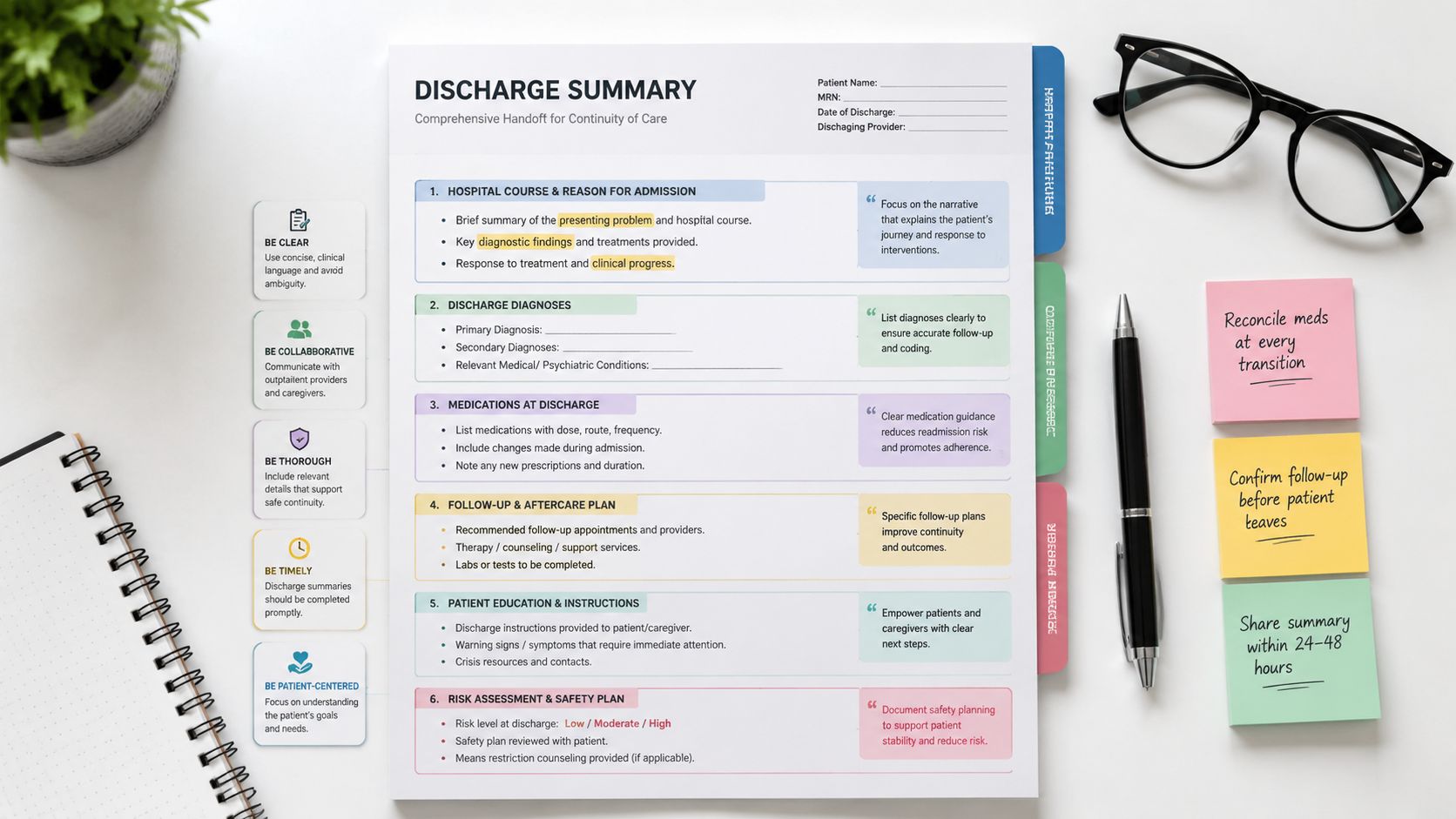
Causes of procrastination: Uncover Why You Delay and How to Act

Procrastination is not about laziness. It is often an emotional response our brain uses to cope with difficult feelings like , perfectionism, or a fear of failure. Seeing it this way is the first step toward treating yourself with more kindness. This understanding helps you find a supportive way forward. Why Procrastination Is Not a Character Flaw It's common to feel guilty for putting things off, calling it poor time management. But procrastination is less about defiance and more about a need to avoid uncomfortable feelings. Think about preparing for a competitive exam in India or a big project at work. If the task triggers stress, your brain seeks relief by pushing it away, which can harm your mental . Shifting from Judgment to Understanding Instead of feeling angry with yourself, try asking you are avoiding the task. This compassionate curiosity is more productive than self-criticism. This flowchart helps show how deeper psychological factors are often the true . Factors like perfectionism can create a challenging cycle. The fear of not doing perfect work leads to procrastination, which then increases your . Common Procrastination Triggers at a Glance Pinpointing the feelings that trigger procrastination can help you break the pattern. This table outlines some common emotional triggers behind this behaviour. These feelings are human, especially in high-pressure environments. Persistent or academic demands can turn occasional procrastination into a regular habit. This is a signal that your emotional needs may require attention. Addressing these underlying causes through self-compassion or professional can help you move forward with more ease. The Connection Between Anxiety and Procrastination Procrastination is often a way to manage difficult emotions. When a task brings up feelings of or stress, our first impulse is to avoid it. For a student in India facing board exams or a professional with a big presentation, the pressure can feel huge. Putting things off provides a brief, temporary escape from that anxiety. Why Avoidance Feels Like a Solution When we feel anxious, our brains seek safety. Delaying a stressful task gives us a moment of relief, making it feel like we've solved the problem for now. But this is a short-term fix. The initial relief is soon replaced by guilt and the pressure of a looming deadline, creating a cycle of and procrastination. This viewpoint shifts the focus from self-blame to self-compassion. Recognising the pattern is the first step toward building healthier strategies that support your long-term . The Fear of Being Judged The fear of being evaluated often fuels this anxiety. We worry about failing an exam, getting negative feedback, or not meeting expectations. Procrastination can feel like a shield. The flawed logic is that if you rush a task at the last minute, you can't be judged on your true ability. Learning can directly help with these delays. The Cycle of Stress and Self-Doubt Putting things off often makes the feelings you were trying to avoid even stronger. The relief is temporary, followed by panic as the deadline gets closer. This creates a difficult feedback loop: This cycle can damage self-confidence and contribute to challenges like chronic or even . Breaking free is about addressing the emotional root of the issue. Understanding this helps you see that the solution lies in building and managing emotions. Support from or can provide tools to untangle this cycle for better productivity and happiness. How Perfectionism Paralyzes Progress The drive to do something perfectly can sometimes stop us from doing it at all. This all-or-nothing mindset can be a major source of procrastination. Imagine a gifted artist staring at a blank canvas. They might feel so afraid of making an imperfect brushstroke that they cannot begin. The Fear of Not Being Good Enough At its core, this paralysis is often rooted in a fear of judgment. For a perfectionist, their work feels like a reflection of their personal worth. This dynamic is often explored in and . The internal critic becomes so loud that avoiding the task seems like the only escape, fuelling a cycle of and procrastination. Healthy Striving Versus Unhealthy Perfectionism It is important to know the difference between high standards and unhealthy perfectionism. Healthy striving is about growth and accepts that mistakes are part of the process. Unhealthy perfectionism demands a flawless outcome, leading to rigid thinking and harsh self-criticism. This pressure is a major driver of and can lead to burnout or . Building Resilience Through Self-Compassion The first step to breaking free is to shift from self-criticism to self-compassion. This means treating yourself with the same kindness you would offer a friend. When you feel the urge to procrastinate, pause and acknowledge the feeling without judgment. Taking small steps, like breaking a project into tiny tasks, helps build and gets you moving again. Understanding Your Brain’s Role in Procrastination Procrastination is often more about brain wiring than a lack of willpower. Your brain has a control centre for planning and starting tasks, known as . When this system faces challenges, it's a neurological difference, not laziness. This can be a primary reason why you put things off. Neurodiversity and the Procrastination Puzzle Neurodiversity helps us see that brain differences are normal human variations. Conditions like Attention-Deficit/Hyperactivity Disorder (ADHD) are different neurological setups, not character flaws. For someone with ADHD, procrastination can feel like a constant battle. This is because key executive functions are often challenged. This is not a choice; it's a result of brain chemistry. Understanding this helps you find strategies that work your brain instead of against it. The Role of Stress in a Neurodiverse Brain For students and professionals, these neurological hurdles can feel even larger. Research in India has found a strong link between exam-time procrastination and mental health struggles like and . You can explore further research on student mental health00257-2/fulltext). Professional guidance through and can make a real difference. A good therapist can help you create personalised strategies that build genuine and support your overall . Assessments for conditions like ADHD are informational, not diagnostic. They offer insights to help you find the right resources and a deeper, kinder understanding of yourself. When Burnout and Depression Drain Your Motivation Sometimes, the inability to start a task is a sign of a deeper lack of resources. When dealing with or burnout, even a small to-do item can feel overwhelming. This is not a failure of willpower. It's a critical signal that your needs attention. The Heavy Weight of Exhaustion Think of your motivation like a phone battery. With burnout or , you might start the day with very little energy left. Simple actions can feel monumental. This is a clear sign your mind and body are running on empty, and acknowledging this is a step toward getting help. This inaction is tied to your mental health. An Indian study with college students showed that procrastination was linked to lower mental well-being and academic performance. You can . Recognising the Signs of a Deeper Issue How can you tell if procrastination is from burnout or ? It often comes with a wider sense of apathy and exhaustion. Look for these signs: If these feelings are familiar, they are valid and deserve professional care. Realising your inaction stems from a deeper struggle helps you shift from self-blame to seeking healing and . A Path Toward Recovery If this section feels familiar, your should be your top priority. Pushing through it will likely make things worse. Seeking professional support through is an effective step. can help you explore the roots of your exhaustion and address the underlying or burnout. This supportive journey helps you rebuild your resources and feel whole again. Finding Supportive and Actionable Next Steps Realising that procrastination is an emotional response is a breakthrough. It moves you away from self-blame and toward practical steps that help. When you see delays as a signal of , , or burnout, you can seek the right support. The goal is to build a healthier relationship with yourself and your tasks. It's about developing the to start, even when it’s hard. When to Consider Professional Support If procrastination is harming your work, relationships, or , it may be time to talk to a professional. Reaching out for is a courageous step toward feeling better. Consider professional support if: A therapist provides a safe space to explore the specific to you. They can help you untangle the feelings driving the behaviour and guide you toward lasting change. What Therapy for Procrastination Looks Like Therapy for procrastination digs into root causes like perfectionism or . Methods like Cognitive Behavioural Therapy (CBT) help you challenge unhelpful thought patterns. This process is about empowerment. It gives you tools to understand your triggers and respond constructively, helping you build a more balanced and fulfilling life. Building Resilience and Self-Compassion The path forward involves learning through emotional understanding. The journey rests on two pillars: and self-compassion. These are skills you build through practice. Professional can offer structured support as you learn. Remember, the goal isn't perfection—it's progress. This is a journey of hope. Effective help is available, and you have the power to create lasting, positive change. Your Questions About Procrastination, Answered Is Procrastination a Sign of a Mental Health Condition? It can be. While not a diagnosis itself, chronic procrastination is often a symptom of deeper struggles like , , or ADHD. If delaying tasks causes significant distress to your work, relationships, or general , it is a strong indicator. It is about gaining understanding to find the right support. How Does Therapy Actually Help with Procrastination? Therapy is effective because it addresses the root . A therapist helps you uncover the anxious thoughts or perfectionistic beliefs driving your avoidance. is about building emotional regulation skills and self-compassion. This creates lasting change, boosting your overall and happiness. What's the Real Difference Between Laziness and Procrastination? Understanding this difference is key to self-compassion. Laziness is an unwillingness to do something, often without much stress attached. Procrastination is an active process. You want to do the task but delay anyway, which comes with guilt, , and stress. How Can I Support Someone Who Procrastinates? Offer empathy instead of judgment. Calling someone 'lazy' or telling them to 'just do it' can deepen their feelings of shame. Instead, listen without judgment and ask what makes the task feel difficult. Helping them break it down into smaller steps or offering patient encouragement can be more supportive. If you see these patterns in yourself and feel ready to understand what's driving your procrastination, is here to help. Explore our directory of qualified therapists or use our confidential assessments to gain clarity on your journey toward better well-being. .
DeTalks
DeTalks
Sun Jan 25 2026

How to Overcome Overthinking and Reclaim Your Mental Peace

Learning how to overcome overthinking is less about forcing your mind into silence and more about gently guiding it back to the present. It starts with recognizing thought loops, understanding your triggers, and using practical techniques to shift your focus. Think of it as building and mental clarity, one small step at a time. Simple strategies like mindfulness, grounding exercises, and structured problem-solving are surprisingly effective places to begin. These tools can help you manage feelings of and stress, leading to greater overall . Why We Get Stuck in Overthinking Loops Have you ever found yourself replaying a short conversation for the tenth time, or spiraling into "what-if" scenarios? If so, you know how draining overthinking can be. This isn't a personal flaw; it's a common human response to uncertainty and pressure. This pattern, often called rumination, can feel productive, as if you are carefully solving a problem. In reality, it often leads to mental paralysis, trapping you in a cycle of worry that saps your energy and peace. Understanding the Triggers Behind Overthinking Overthinking is usually a reaction to specific situations or underlying emotions. For many people, is a significant catalyst. The fear of making a mistake or facing criticism can easily send the mind into overdrive. At its core, overthinking is often driven by a need for control when we feel anxious or uncertain. While it might feel like you're preparing for every outcome, this pattern often amplifies anxiety, and can contribute to feelings of over time. This infographic shows how effective certain practices can be at breaking the cycle. The data speaks for itself—structured mental health techniques can bring measurable relief from the challenges tied to overthinking. The Impact on Your Well Being Overthinking is more than a minor annoyance; it has a real impact on your overall . That constant mental chatter can lead to heightened stress, chronic fatigue, and trouble concentrating. Left unchecked, this strain can contribute to burnout, making it hard to connect with your work, relationships, and joys. In India, this is a particularly widespread issue. The National Mental Health Survey found that a significant portion of the population experiences mental health challenges, where overthinking often shows up as a key symptom of anxiety and stress. The good news is that practical strategies deliver real results. You can explore the full findings to get a clearer picture of mental health trends in India. When your mind gets stuck, telling yourself to "just stop thinking" is often frustrating and ineffective. What you really need are practical tools to gently redirect your attention and soothe your nervous system. These techniques act as a "pattern interrupt," giving you breathing room to step out of the thought spiral. The idea isn't to fight your thoughts, but to simply shift your focus, like changing the channel on a TV. Here are three effective strategies you can use anywhere, anytime, to get back in the driver's seat. Use the Five Senses Grounding Exercise Grounding is a powerful way to pull yourself back into the present moment. It anchors you in your physical reality, away from the chaos spinning in your head. The Five Senses exercise is a classic because it's simple, discreet, and works wonders when you feel overwhelmed by or personal worries. Just take a slow, deep breath and gently guide your attention to: By guiding your brain to process real-time sensory data, you gently redirect your focus away from anxious thoughts. Practise Structured Box Breathing When we're caught in overthinking, our breathing often becomes shallow and quick, signaling stress to our brain. Box breathing is a fantastic technique to deliberately regulate that response and bring back a sense of calm. It's a simple and effective way to manage the physical feelings of . Visualize a box and follow these steps: Just a few cycles of this rhythmic breathing can work wonders. It helps soothe your nervous system, slow your heart rate, and quiet the physical symptoms of anxiety. Create a Physical Pattern Interrupt Sometimes, the quickest way to break a mental rut is to shift your physical state. A physical pattern interrupt is any simple, deliberate action that jolts you out of your current state and helps your brain shift gears. This can be a very direct way to improve your in the moment. For instance, if you find yourself spiraling while at your desk, try one of these: These actions demand your brain's attention, effectively pulling mental resources away from a looping thought. When a thought spiral takes hold, it can feel impossible to break free, and learning practical techniques like can be very helpful. To help you remember these in the moment, here’s a quick summary table. Quick Relief Techniques for Overthinking Moments Having these strategies ready means you're prepared to support yourself the next time your mind starts to run away. Build Daily Habits for Lasting Mental Clarity Stopping a thought spiral in the moment is a win, but lasting change comes from building new mental habits. Think of it as training a muscle; the more you work on strengthening your mind, the more you build. Let's walk through two powerful daily routines that can help you cultivate long-term . The goal isn’t to silence your mind completely, but to change your relationship with your thoughts. By giving your worries a specific time and place, you stop them from taking over your entire day. This proactive approach helps turn down the constant background noise of . Contain Your Worries with Scheduled Worry Time One effective way to manage overthinking is to give it boundaries. is a technique where you set aside a short window—say, 15 minutes each evening—to intentionally think through what’s bothering you. During this time, you have full permission to worry. The trick is to keep it contained within that specific time. If an anxious thought pops into your head during the day, you can acknowledge it and tell yourself, "I'll think about that during my worry time," then shift your focus. This simple act does two important things: This is especially helpful for managing , as it can stop you from replaying a single comment from a meeting all day long. Externalise Your Thoughts with Mindful Journaling Another powerful habit is journaling, sometimes called a "thought dump." The goal is not to write a perfect entry, but simply to get swirling, repetitive thoughts out of your head and onto paper. This process of externalizing your thoughts can make them feel much more manageable. Just grab a notebook and spend 10-15 minutes writing down everything on your mind, without judgment. It's like clearing out a cluttered room—once everything is out in the open, it's easier to see what you're actually dealing with. This practice is particularly helpful in the Indian context, where finding accessible tools for mental health is important for managing stress and . If you're staring at a blank page, try these prompts: These questions gently nudge you from anxious rumination toward constructive reflection. Combining this with professional or can enhance your progress by providing a structured space to process what you uncover. Connecting Mind and Body Through Movement and Mindfulness Have you noticed how your mind and body are connected? When your thoughts are racing, it’s almost impossible to feel physically relaxed. The good news is that this connection works both ways. One of the best ways to quiet a frantic mind is to shift your focus to your body. Think of movement and mindfulness as a natural reset button for a nervous system in overdrive. Get Moving, No Gym Required You don't need a gym membership or an exhausting workout plan to see a real difference. The trick is to find something you enjoy and can fit into your day. Even short bursts of activity can break the cycle of overthinking and improve your . Here are a few ideas: Physical activity is a crucial tool for managing feelings of and . In India and globally, even moderate daily exercise is shown to significantly reduce overthinking symptoms and contribute to building . Practise a Little Mindful Observation Beyond movement, mindfulness offers another powerful way to quiet an overactive mind. Mindfulness is the practice of paying attention to the present moment without judgment. It teaches you to your thoughts as they arise, rather than getting tangled in them. This creates space between you and your thoughts, allowing you to see them as temporary mental events, not undeniable facts. This is a fundamental skill for building . A Simple Mindfulness Exercise to Try Right Now You can do this anywhere, anytime you feel your thoughts starting to spiral. The point isn't to stop your thoughts, but to change your relationship them. This mind-body connection is a cornerstone of effective and for managing everything from to anxiety. How to Challenge and Reframe Your Anxious Thoughts One of the most powerful realizations you can have is that . They are stories your brain tells itself, often shaped by past fears and future worries. Learning to gently question these stories is a core skill in building against . This isn't about arguing with yourself or forcing positivity. It's about becoming a curious observer of your own mind and separating what’s happening from the narrative around it. First, Catch the Thought You can’t challenge a thought you don't realize you're having. The first step is to simply notice when a repetitive, unhelpful thought takes hold. It requires a bit of mindfulness to catch the thought before it spirals. Imagine you made a small mistake at work, and your mind jumps to, "Everyone thinks I'm incompetent." That specific thought is the one you need to catch. A cornerstone of cultivating a calmer mind is learning . This practice helps you see the thought as a separate entity. It transforms the feeling from "I am a failure" to "I am that I am a failure," creating mental space for the next step. Next, Check the Evidence Once you've identified the thought, it’s time to examine it objectively. Ask yourself a few simple, clarifying questions to test whether it holds up. This isn't about proving the thought wrong; it's about finding a more balanced perspective. This gentle questioning helps you see that your initial thought was likely an exaggeration, a product of anxiety rather than reality. Finally, Change the Narrative The last step is to consciously create a new, more balanced and compassionate thought. This isn't about empty affirmations, but about crafting a statement that is realistic and supportive. Based on your evidence-checking, you can build a new narrative. Practicing this three-part process—Catch, Check, and Change—trains your brain to find a more balanced perspective over time. It forms the bedrock of lasting mental and helps you navigate stress, , and anxiety with greater ease. When to Seek Professional Support for Your Well Being The self-help strategies we’ve covered are fantastic tools, but knowing when to bring in a professional is a true sign of strength. It’s an act of self-compassion to recognize that you don’t have to untangle persistent mental loops all on your own. Seeking support is a proactive step toward reclaiming your mental space and building lasting . Sometimes, no matter how hard you try, overthinking can feel like a heavy blanket you just can't shake off. If your thought patterns are causing real distress or getting in the way of your daily life, it’s a good time to talk to a professional. Recognising the Signs You Might Need More Support It’s not always obvious when self-help isn’t enough. In India and around the world, it can be tough to know when to reach out. But there are a few clear signs that professional guidance could make a huge difference. If any of the following feel familiar, thinking about or is a great next step: If these points resonate, please know that help is out there. A professional can offer a safe space to explore what’s driving the overthinking, which is important for tackling issues like , , and . How DeTalks Can Guide Your Next Steps Finding the right mental health support can feel overwhelming, which is why platforms like DeTalks exist. We offer confidential, science-backed assessments that can give you a clearer picture of your emotional state. Please remember, , but they can be a helpful starting point. Armed with these insights, you can connect with qualified therapists and counsellors on DeTalks who specialize in managing anxiety, building , or navigating stress. Taking that step is a powerful way to go from feeling stuck to feeling empowered. Common Questions About Overthinking It’s natural to have questions when you’re trying to understand the constant chatter in your head. Let's clear up a few common points that come up on the journey to a calmer mind and improved . Is Overthinking the Same as Anxiety? No, but they are closely related. Overthinking is the mental habit—the endless loop of worrying. This habit often fuels , which is the emotional and physical feeling of unease. Learning is a powerful way to manage feelings of anxiety. Can I Stop Overthinking Completely? The goal isn't a completely silent mind, but rather to change your relationship with your thoughts. The techniques we've covered help you spot thought loops, step back from them, and gently guide your attention elsewhere. It's less about eliminating thoughts and more about reducing their power over how you feel. How Do I Know if I Need Counselling? If overthinking is significantly impacting your daily life—your sleep, work, or relationships—it's a good time to consider professional support. When self-help strategies aren't enough, reaching out to a therapist is a sign of strength. can provide a personalized roadmap for understanding these thought patterns. Professional offers structured support that can make a real difference for ongoing challenges like or symptoms of . It provides a safe space to build coping skills that will last a lifetime. Ready to take a meaningful step toward a quieter mind? The professional therapists at are here to help guide you. You can explore our confidential, evidence-based assessments and get connected with the right expert for you. Visit the to get started.
DeTalks
DeTalks
Sat Jan 24 2026

How to Become a Therapist in India: A Practical Guide

Thinking about becoming a therapist in India is a wonderful and meaningful choice. The conversation around mental health is growing, and your contribution can make a real difference. This path is more than just earning a degree; it’s a journey of understanding human emotions and behaviour. You will learn to support people through difficult times, helping them with challenges like anxiety, depression, relationship issues, and workplace stress. Your work will be rooted in the , a space dedicated to building resilience and fostering well-being. This career is a calling that requires empathy, patience, and a genuine desire to help others live more fulfilling lives. The Commitment and the Critical Need Becoming a therapist in India is a long-term commitment, not a quick process. It can take anywhere from of education and training after high school, which reflects the deep responsibility of the role. This dedication is essential because India has a significant shortage of mental health professionals. Research shows India has just , far below the World Health Organization's recommendation of three. You can learn more in this . This gap means millions of people lack access to the support they need. Passionate and skilled individuals like you are needed to help close this gap and promote well-being. Building Your Academic Foundation Your journey to becoming a therapist begins with a strong academic foundation. This is where you build a deep understanding of human behaviour, psychological theories, and ethical principles. Think of your education as a structured apprenticeship for the mind. The first step on this path is your Bachelor's degree. Starting with Your Bachelor's Degree The most direct route is a Bachelor of Arts (B.A.) or Bachelor of Science (B.Sc.) in Psychology. This degree lays the essential groundwork for your future career. You will study foundational subjects like developmental, social, and cognitive psychology. Many Indian universities welcome students from Arts, Commerce, or Science backgrounds, bringing diverse perspectives to the field. These years are a time to absorb theory and confirm if this career feels right for you. This visual flow shows the typical academic and practical stages involved in becoming a therapist in India. As you can see, the journey is a clear progression from foundational education to specialised training and, finally, professional practice. Advancing with a Master's Degree A Bachelor's degree is a great start, but a Master's degree is where you begin to specialise. In India, an undergraduate degree alone is not enough to practise as a therapist. You will need a Master of Arts (M.A.) or Master of Science (M.Sc.). This is when you choose a path that aligns with your career goals. Common specialisations include: Your Master's program shifts from theory to practical skills. You will learn about therapy techniques, psychological assessments, and ethical guidelines, all to prepare you for working with clients. Psychological assessments are always informational, never diagnostic. Choosing your path in higher education is a significant decision. Here's a quick look at how the main educational routes compare. Educational Pathways for Therapists in India Each qualification builds on the last, opening up different professional opportunities and levels of practice. Navigating Higher Qualifications and Regulatory Changes To become a licensed , the traditional path included an M.Phil. in Clinical Psychology. However, the regulatory landscape is changing. The Rehabilitation Council of India (RCI) is updating its licensing requirements. The M.Phil. is being replaced with new alternatives, which has caused some confusion. To qualify for these new programs, you will need either a or a followed by a . It is crucial to stay informed about these . Some professionals also pursue a Doctor of Psychology (Psy.D.) or a Doctor of Philosophy (Ph.D.). A focuses on clinical practice, while a is research-oriented, ideal for those interested in academia. These qualifications open doors to private practice, hospital work, research, and policy-making. Understanding Professional Licensing and Registration in India Navigating professional credentials in India can feel confusing. The terms ‘counsellor’ and ‘psychologist’ are often used interchangeably, but they can represent different scopes of practice, especially regarding licensing. Understanding this landscape is essential for your professional identity and for the clients who trust you. One path is regulated by the government, while the other relies more on voluntary certifications and strong ethics. The Gatekeeper: The Rehabilitation Council of India (RCI) The is the official government body that regulates the training and practice of certain mental health professionals. If you want to become a , an RCI license is mandatory. This license proves you have completed rigorous, standardized training and legally allows you to conduct psychometric testing and use diagnostic labels. Once licensed, you receive a unique Central Rehabilitation Register (CRR) number. This is required to use the title "Clinical Psychologist" and opens doors to work in hospitals and clinics. The Unregulated World of Counselling While clinical psychology is strictly regulated, the field of general counselling and therapy in India is largely unregulated. Currently, there is no single licensing authority for counsellors. You can learn more about this regulatory situation in . This means that someone with a Master's degree can start practising as a therapist. However, this freedom comes with a significant ethical responsibility. Your credibility depends on your commitment to high standards, continuous learning, and professional conduct. Many dedicated counsellors pursue voluntary certifications from respected organizations. This shows clients you are serious about providing quality, ethical care for challenges like anxiety and depression. Why This Really Matters for Your Career Understanding this distinction is fundamental to planning your career. Ask yourself what kind of work you envision doing. Do you see yourself in a clinical setting, working with formal diagnoses and treatment plans? If so, the RCI-licensed path of a Clinical Psychologist is for you. Or are you more passionate about offering supportive counselling for life's challenges, like workplace stress or personal growth? In that case, a career in counselling psychology might be a better fit, requiring a strong ethical compass and dedication to professional development. Both paths are vital and contribute to the growing need for mental well-being in India. Making a clear decision now will set you on a path that feels right for you from the start. From Theory to Practice: Gaining Supervised Experience Academic knowledge is your foundation, but real-world experience is where you truly learn to be a therapist. Supervised practical training is the most important phase in becoming a confident, competent, and compassionate professional. This is the bridge between knowing psychological concepts and sitting with a person to help them navigate their challenges. This hands-on experience is where your most significant growth will happen. The Role of Internships and Practicums Most Master’s programs in India include a mandatory internship or practicum. This is your first formal step into the professional world under the guidance of seasoned professionals. You will transition from being an observer to an active participant. You'll learn to conduct intake interviews, take session notes, and perhaps co-facilitate group therapy. This is your chance to see how experienced therapists handle complex issues like severe anxiety, depression, or burnout. What to Expect During Your Placement Your supervised experience is comprehensive training that covers all aspects of professional practice. You will engage in several key activities: Finding the Right Internship Opportunity Securing a great internship requires proactivity. Start looking early, network with professors and alumni, and create a resume that highlights your passion for mental well-being. Try to explore a variety of settings to gain different perspectives on therapy. Here are a few places to consider: The Heart of Supervision: Nurturing Your Growth Your supervisor is your mentor, guide, and safety net. They are there to help you manage the emotional weight of this work and ensure you provide the best possible care while maintaining your own well-being. This relationship is built on trust and open communication. It is a confidential space to discuss your cases, share uncertainties, and grow as a professional. This mentorship builds the resilience and compassion needed to avoid burnout and cultivate a practice rooted in self-awareness. Launching and Growing Your Therapy Career After years of education and training, the rewarding part of your journey begins. A therapist's career in India offers a variety of opportunities to make a real difference. Your first decision is to choose a professional setting that feels right for you. Whether it's a hospital, school, or private practice, you can find a path that aligns with your passion. Navigating Different Career Paths The demand for skilled mental health professionals is growing across India. Understanding the nuances of each setting can help you find your place. Landing Your First Professional Role Transitioning from trainee to professional can feel daunting. Be strategic and let your passion and skills shine through. Your resume should tell a story, highlighting the skills you developed during internships. Use confident, clear language to show you are ready to contribute from day one. Networking is also powerful. Attend workshops, join professional bodies, and stay connected with university alumni. These relationships can lead to mentorship, job opportunities, and a valuable support system. The Commitment to Lifelong Learning Becoming a therapist is a journey of continuous growth. The field of psychology is always evolving, so is essential for an effective and ethical practice. There are many ways to stay current: This dedication to learning ensures your practice remains relevant and effective. For those considering starting their own practice, a guide on the can help create a professional online presence with features like appointment scheduling. Your Questions Answered: Getting Real About the Path to Becoming a Therapist Deciding to become a therapist is a big step, and it's natural to have questions. Let's address some of the most common concerns about this journey. This is a candid look at the practical details, from timelines and earnings to the personal qualities that make a great therapist. How Long Does It Realistically Take? Becoming a qualified therapist in India is a significant time commitment. You should plan for a journey of at least after starting your undergraduate degree. Here’s a typical timeline: For those pursuing an RCI license as a Clinical Psychologist, the total time can extend to . Each stage is crucial for building the competence and confidence needed for this profession. What Can I Expect to Earn as a New Therapist? A therapist's starting salary in India varies based on location, qualifications, and workplace. A new therapist with a Master's degree can typically expect to earn between per year. This is common for entry-level roles in schools, NGOs, or corporate wellness programs. Can I Become a Therapist Without a Psychology Degree? It's possible to become a therapist without a Bachelor's in Psychology, but it's not the most direct path. Some universities in India allow students from other academic backgrounds to enroll in a Master's in Psychology. However, you will likely need to complete a bridge course or demonstrate a solid understanding of core psychology concepts. Research specific university requirements carefully, as each has its own eligibility criteria. What Personal Qualities Are Most Important? Therapy is a deeply human profession, and personal qualities are as critical as academic knowledge. Great therapists cultivate these traits: This journey of self-improvement is continuous. These supportive takeaways can help you remain a stable, compassionate, and effective presence for your clients as they work toward healing and well-being. At , we understand that the path to becoming a therapist is as much about personal growth as it is about professional training. Whether you're an aspiring professional seeking to understand the field or someone looking for support, our platform connects you with qualified therapists and evidence-based tools to foster well-being and resilience. Explore our resources and find the right support for your journey at .
DeTalks
DeTalks
Fri Jan 23 2026